Choirokoitia Neolithic Settlement: Visiting Cyprus's UNESCO Site
Plan a visit to Choirokoitia, Cyprus's UNESCO Neolithic settlement near Larnaca, with opening hours, the entry fee and the reconstructed round houses.
On this page
Choirokoitia is a Neolithic settlement in the District of Larnaca, listed as a UNESCO World Heritage Site since 1998, and it makes a focused 45-minute to hour stop on the Nicosia–Limassol motorway. This guide covers what the excavation actually shows, the reconstructed dwellings, opening hours and entry fee, access on the sloping hill, and how it fits with nearby villages such as Lefkara on the same route.
What Choirokoitia is and why it is a UNESCO site
Choirokoitia, also written Khirokitia, preserves a settlement from the Neolithic Age, with remains from all phases of the period visible on the site. That sequence is central to its listing: the excavated houses show how one community developed across the Neolithic and how the culture spread through the region. UNESCO inscribed the site in 1998, and the citation places it on the slopes of a hill partly overlooking the Maroni river valley, in the District of Larnaca about 6 km from the southern coast.
What makes Choirokoitia stand out is the completeness of its Neolithic sequence and the visibility of the houses themselves. The excavated dwellings survive as stone footings on the slope, with the later reconstructions carrying the interpretation, so treat the visit as a lesson in early architecture and daily life rather than a monument-and-museum day.
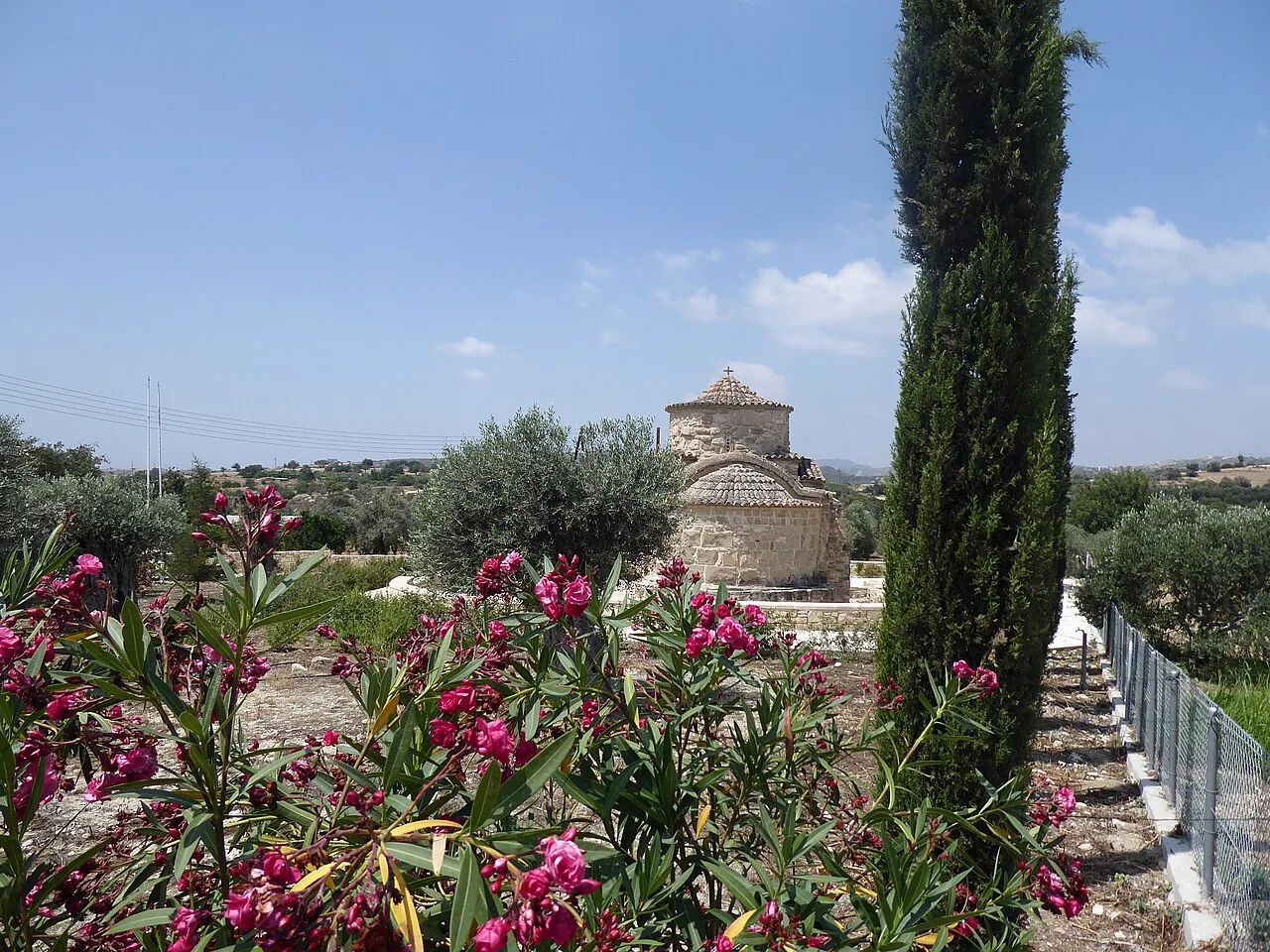
Where Choirokoitia is and how to get there
The official tourism portal puts the site 32 km from Larnaca and 48 km south of Nicosia on the Nicosia–Limassol motorway, with a GPS position you can paste into a navigation app. Coming from Limassol, you approach from the opposite direction on the same motorway. The turn-off is quick and the site sits close to the road, which is why it works as a stop en route rather than a destination in itself.
Driving is the practical option, and a hire car makes the stop easy to combine with the villages inland. Cyprus drives on the left, and the Republic uses the euro, so no currency change is needed. If you are relying on buses, confirm routes and stop locations with the operator before setting out.
Opening hours, entry fee and entry cards
Hours run in two seasonal bands: 08:30 to 17:00 daily from 16 September to 15 April, and 08:30 to 19:30 daily from 16 April to 15 September. The site opens all year and closes on Christmas Day, New Year's Day and Greek Orthodox Easter Sunday. Those closures catch out travellers who treat every day as identical, so check the calendar before fixing a motorway stop around a holiday.
Entry costs €2,50, with a 20% reduction for organised groups of more than ten people. If you plan to see several ancient monuments and museums, the Department of Antiquities issues one-day cards at €8,50, three-day cards at €17,00 and seven-day cards at €25,00, which pay off across a short trip.
The excavated settlement and the reconstructed dwellings
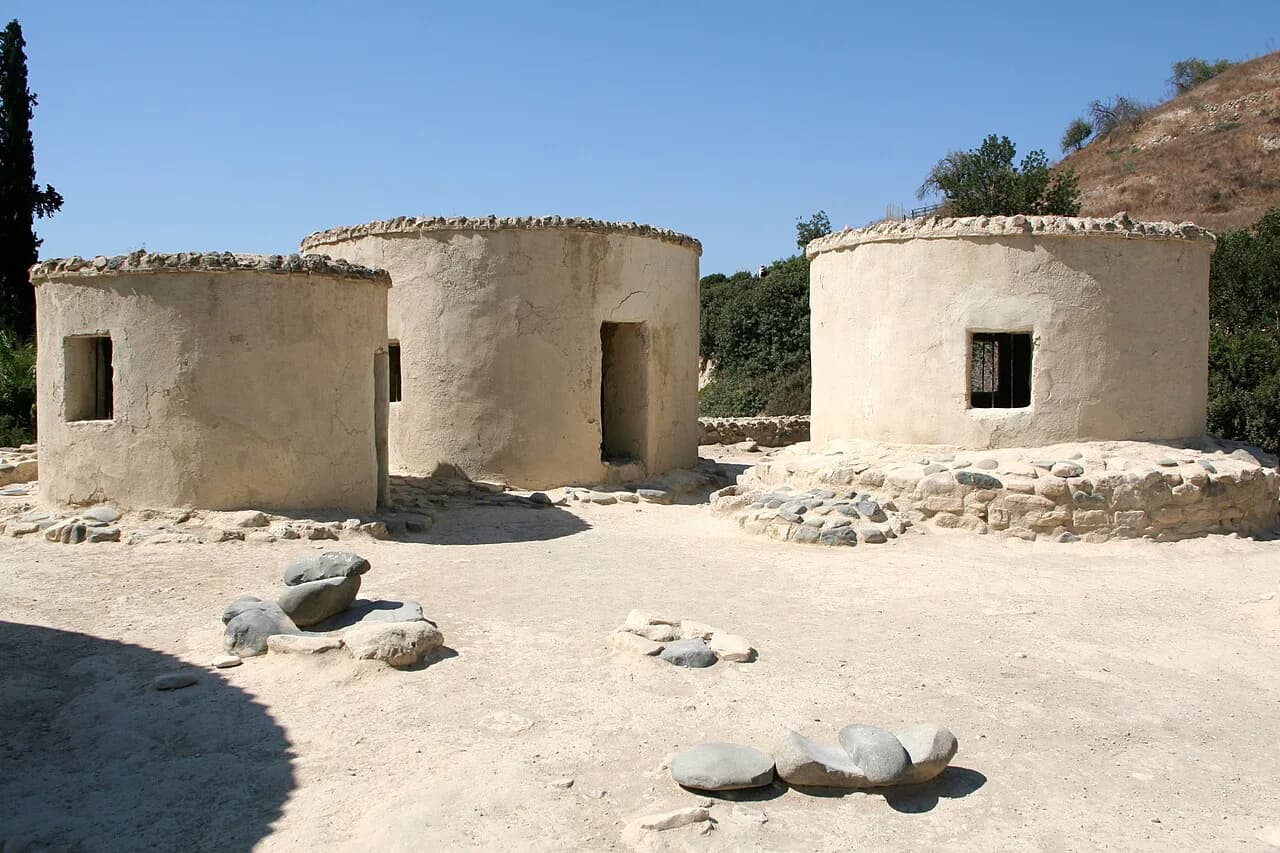
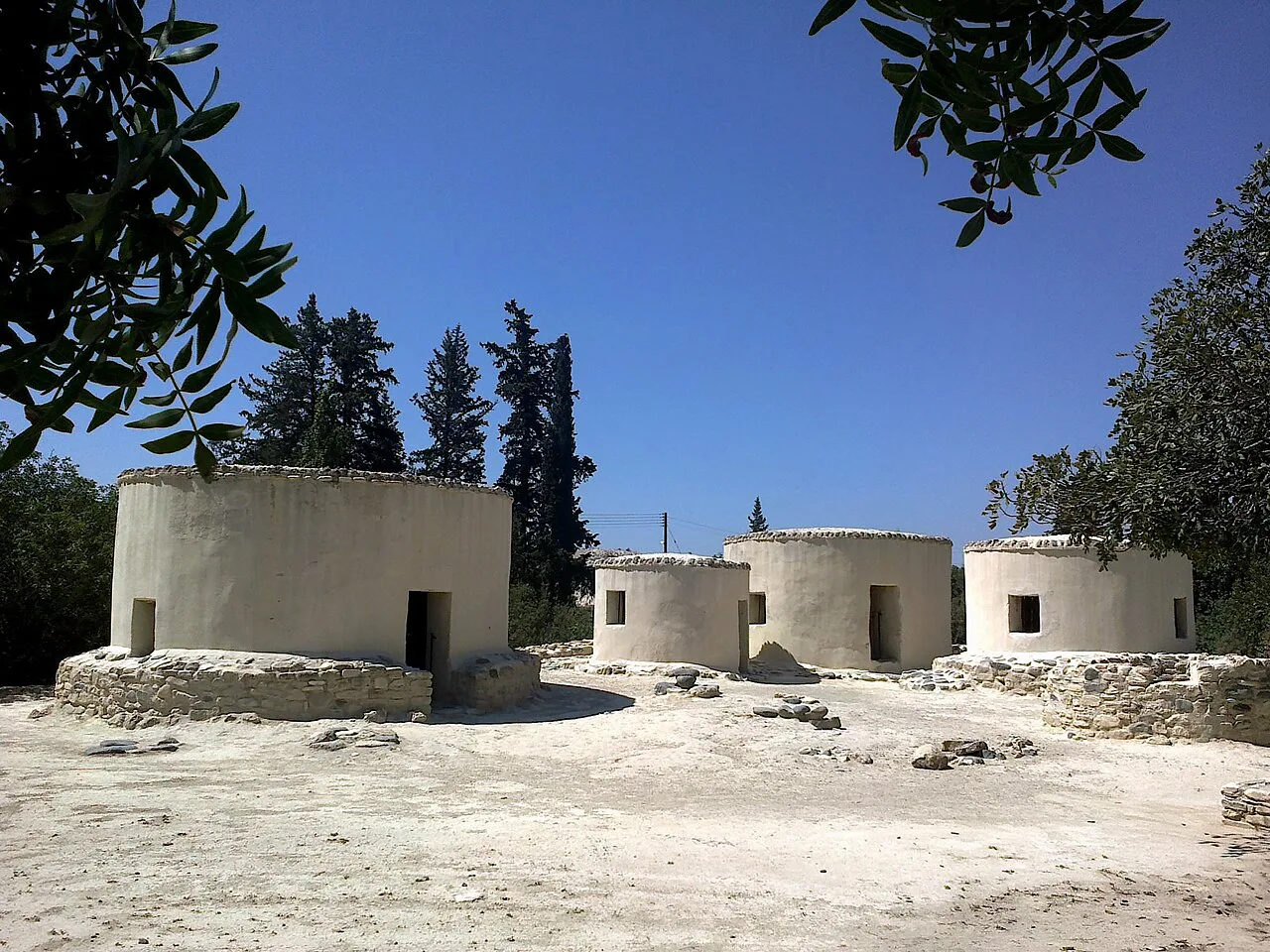
Two distinct things sit at Choirokoitia: the excavated hillside settlement itself and five characteristic cylindrical dwellings rebuilt beside it. The reconstructions use the same construction methods and materials as the Neolithic originals, and inside are replicas of household objects found in the excavated houses. The planting around them is limited to native trees and plants that have grown in Cyprus since Neolithic times, which completes the picture.
Knowing which is which changes how you read the site. The excavation rewards slow looking at the surviving stone footings and the way the houses pack the slope; the reconstructions do the explaining, showing what a round house looked like in use. An audio guide is available for the settlement, useful if you want the sequence of occupation spelled out rather than pieced together from panels.
How long to allow and wheelchair access
Allow about 45 minutes to an hour for the settlement and the reconstructed dwellings together, or a little longer with the audio guide. The hill slopes naturally, making the excavated area non-wheelchair accessible, but wheelchair users can reach the area of the reconstructed dwellings, which hold the clearest illustrative content. If steps and gradients are a concern, plan the visit around the reconstructions and skip the climb.
Footwear matters on the slope: paths and ground are uneven, so sturdy shoes are more comfortable than thin-soled sandals. A hat and water make the stop comfortable in the middle of the day, since the visit is outdoors.
When to go: summer heat and the longer hours
The longer 08:30 to 19:30 window runs from 16 April to 15 September, which is exactly when daytime heat is at its worst. Use the extended hours at either end of the day: an early start or a late-afternoon visit gives shade on the slope and cooler air for the climb. In the shorter winter band, the 17:00 close means a late-afternoon arrival leaves little time.
What else is nearby on the motorway route
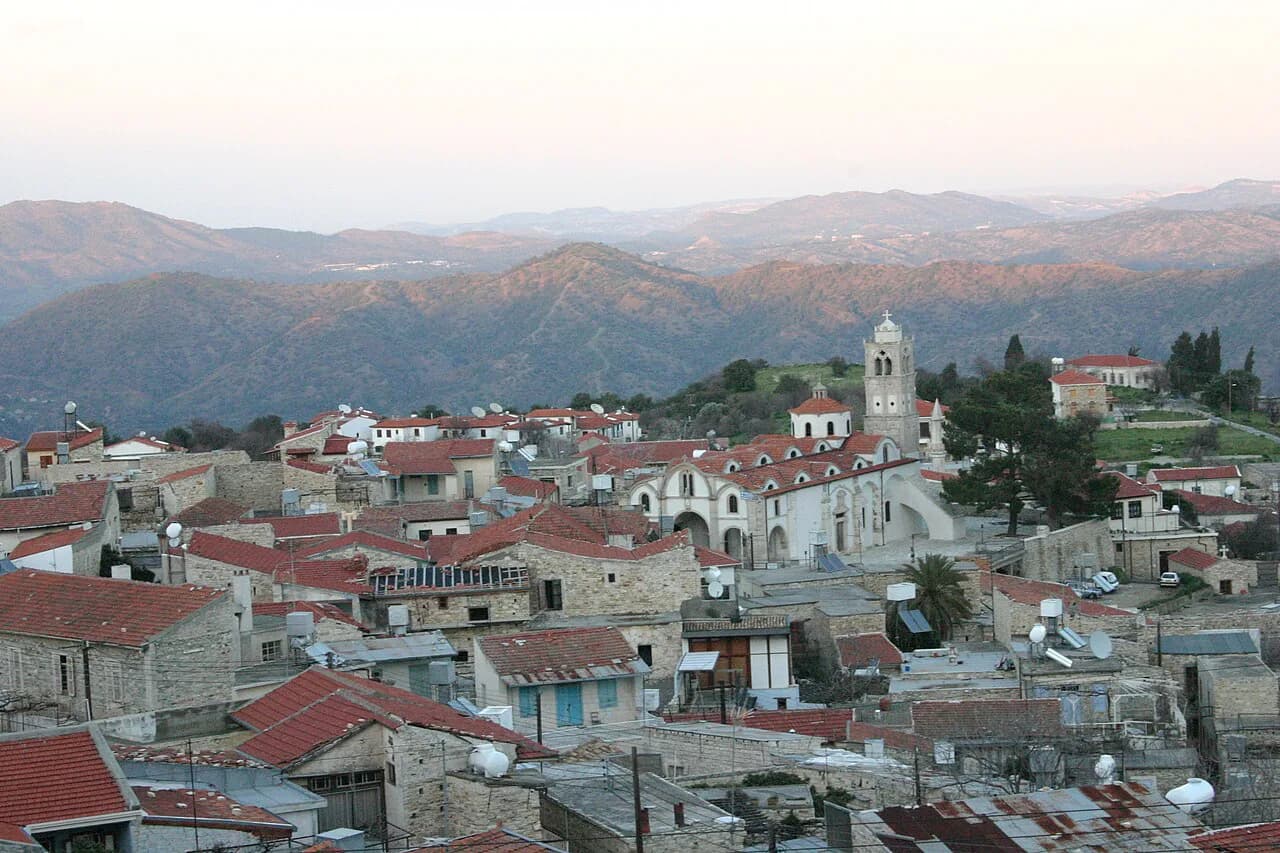
Choirokoitia sits on the corridor between Nicosia and Limassol, so the obvious pairing is inland rather than coastal. Lefkara is the natural add-on: a village known for its lace and silver, within reach of the motorway and worth half a day rather than an hour.
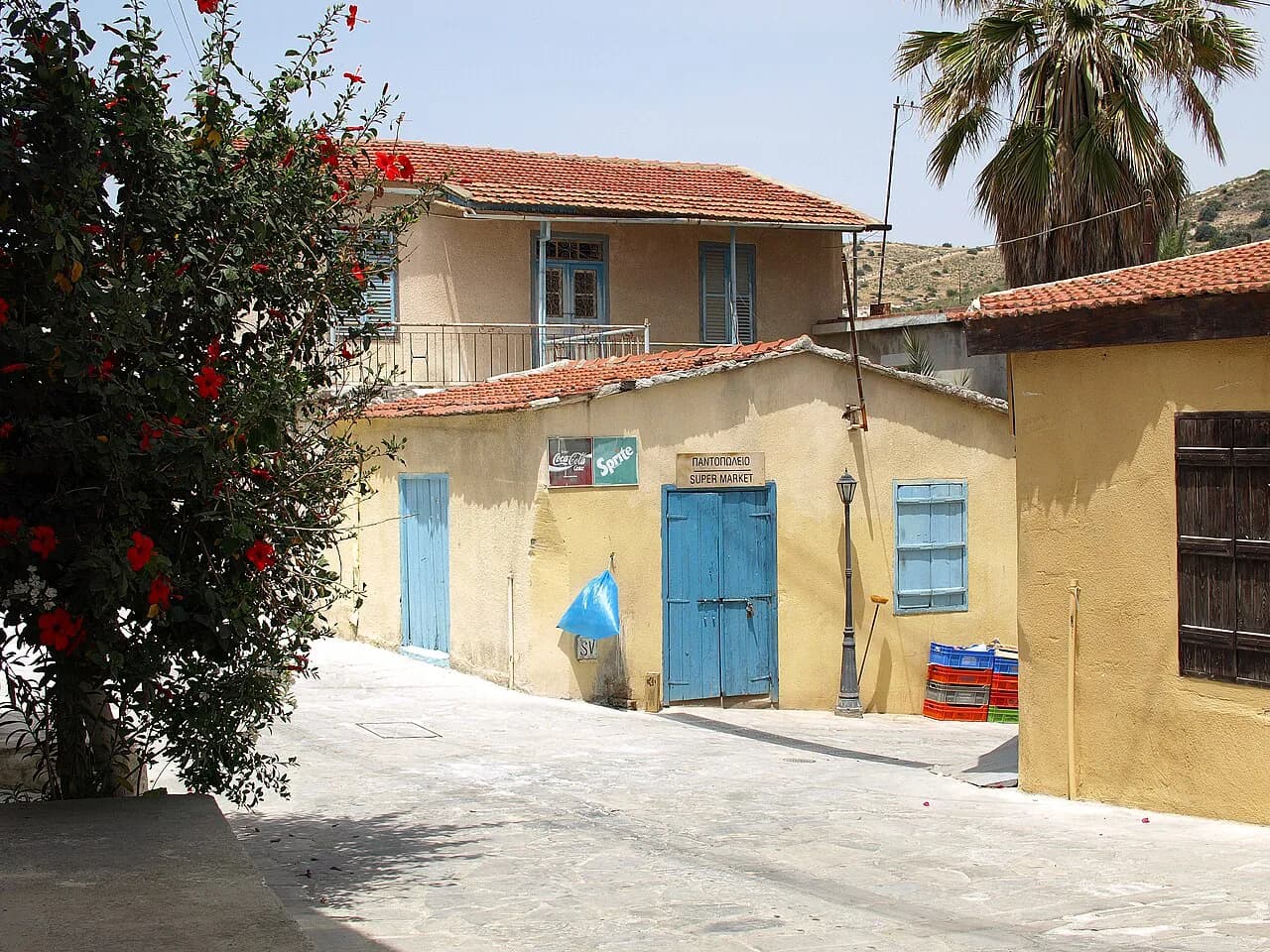
At Lefkara, the lace tradition is the reason to linger, and the two halves of the village, Pano Lefkara and Kato Lefkara, form part of the same village. If lace and embroidery interest you, read up on Lefkara lace before you go so you know what you are looking at in the workshops.
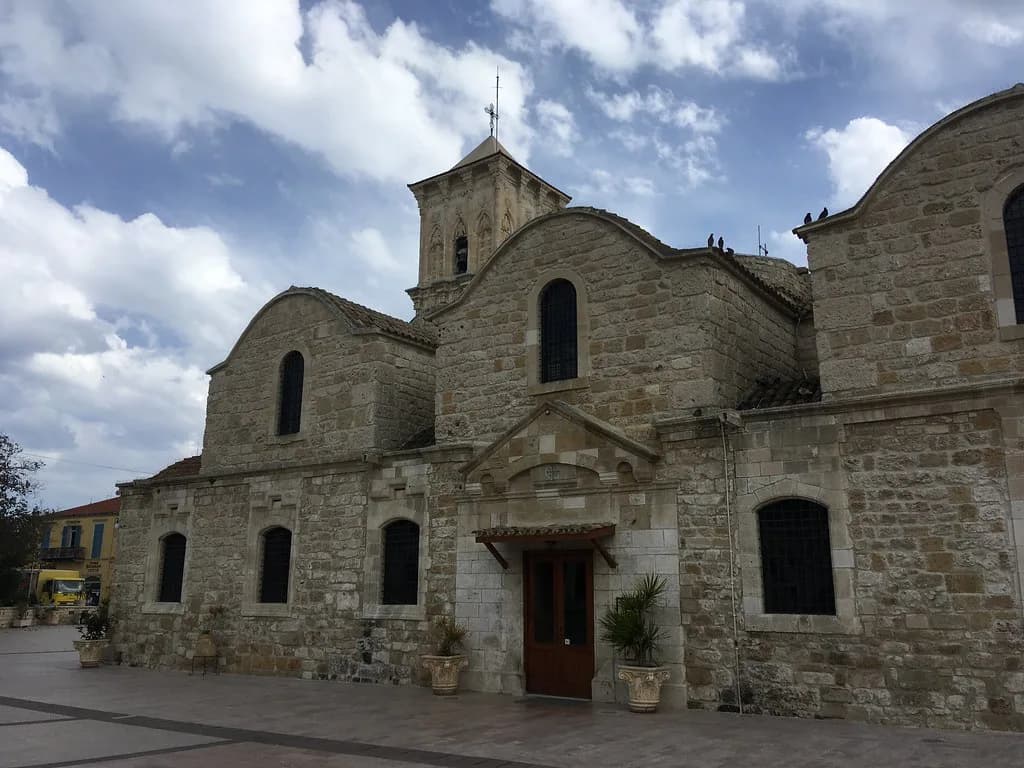
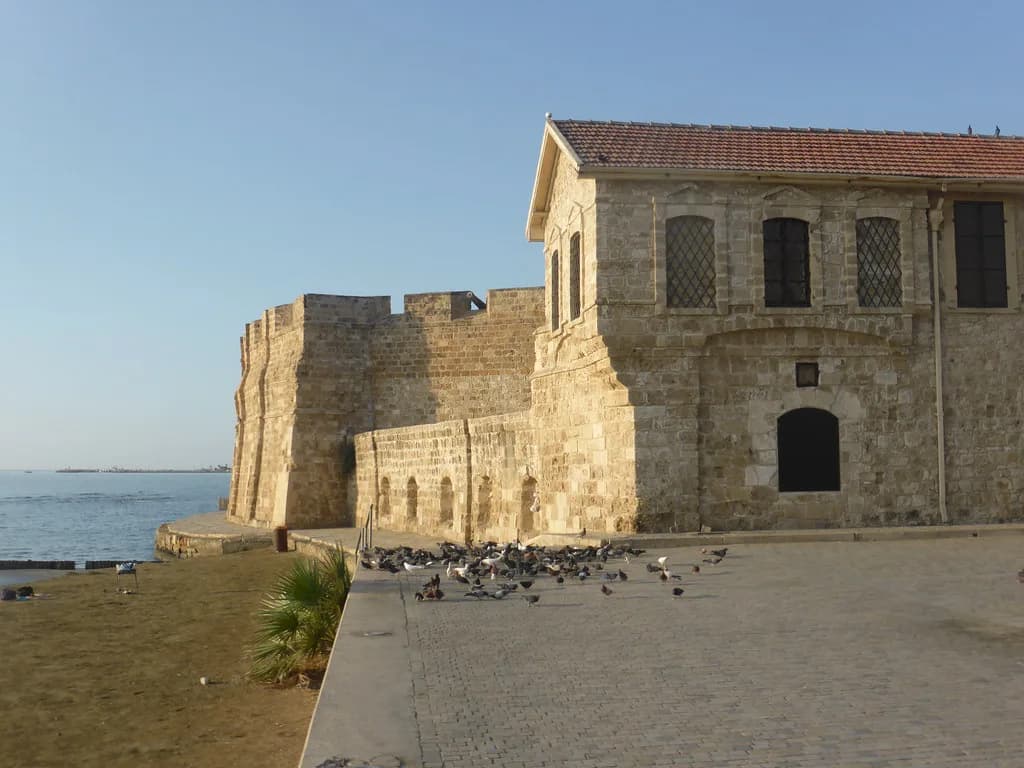
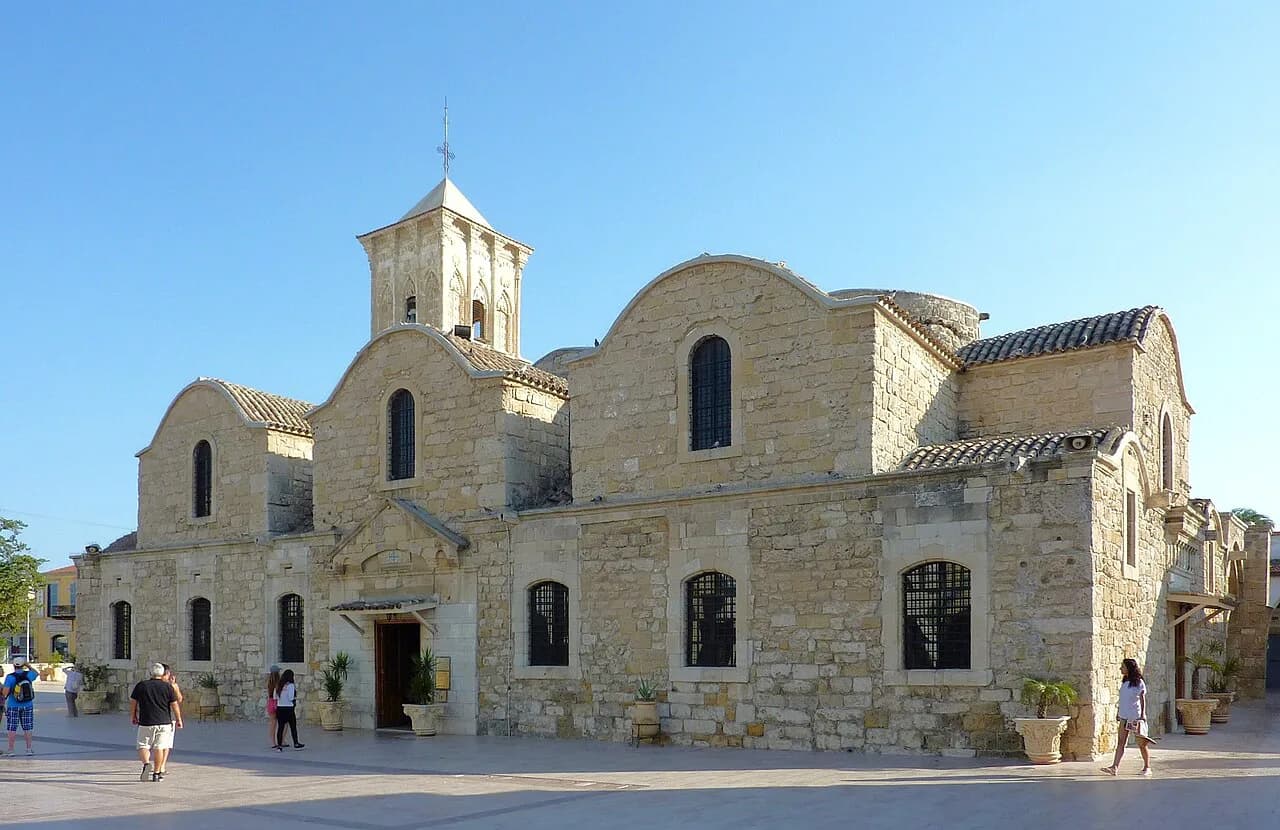
If your base is Larnaca, the site fits neatly into a day that starts in the city and heads inland. Larnaca's own sights, from its medieval castle to the Church of Saint Lazarus, are worth a separate look before you set off.
Is Choirokoitia worth the stop?
Yes, if you are already driving the Nicosia–Limassol motorway and have an hour to spare; no, if you would be making a long detour for a single small site. The combination of a genuine Neolithic excavation, five reconstructions that make the ruins legible, and a €2,50 ticket is strong value for a short stop. Pair it with Lefkara and the drive earns its place in the day.
Check the Department of Antiquities listing or the official tourism portal before a holiday-week visit, since hours can change without notice. Bring cash in euros for the ticket, wear shoes that cope with a slope, and aim for the cooler ends of the day between April and September.
Explore more Larnaca guides
Sources
Notes for your Cyprus trip
Optional updates to our Cyprus guides.
You might also like
Continue reading
More guides you'll find useful