Polis, Cyprus: A Guide to Polis Chrysochous and Latchi
Polis Chrysochous is a small town in the Pafos region, 35 km from Paphos, with an archaeological museum, a frescoed church and Latchi harbour nearby.
On this page
Polis Chrysochous is worth visiting as a quiet base rather than a sightseeing checklist: a small town in the Pafos region, 35 km northwest of Paphos, with an archaeological museum, a frescoed church and the harbour at Latchi linked by a coastal walkway. Allow a full day for the town and harbour, or three or four nights if you want Chrysochou Bay, the Akamas coast and the Tylliria road within easy reach. This guide covers how the town is laid out, what the Marion and Arsinoe excavations have left to see, the routes in from Paphos and how to judge your time here.
Most of what you came for sits in a loose line: the town centre with its museum and Agios Andronikos, the coastal strip with the campsite and Blue Flag pebble beach, and then Latchi harbour at the end of the walkway. Polis and Latchi are two separate places and planning them as one leads to a rushed afternoon. Treat the town as the practical half and the harbour as the scenic half.
What Polis Chrysochous is and where it sits on Chrysochou Bay
Polis Chrysochous, known simply as Polis, is a sub-district and town in the Pafos region that has grown into a popular tourist destination in its own right, set among what the national tourism portal calls the most naturally beautiful areas of the island. It sits on the coast of the northwest of Cyprus, with the Akamas hills behind and the Tylliria coast beyond. The town is the service centre for that whole corner: shops, the museum, the church and the road to the harbour.
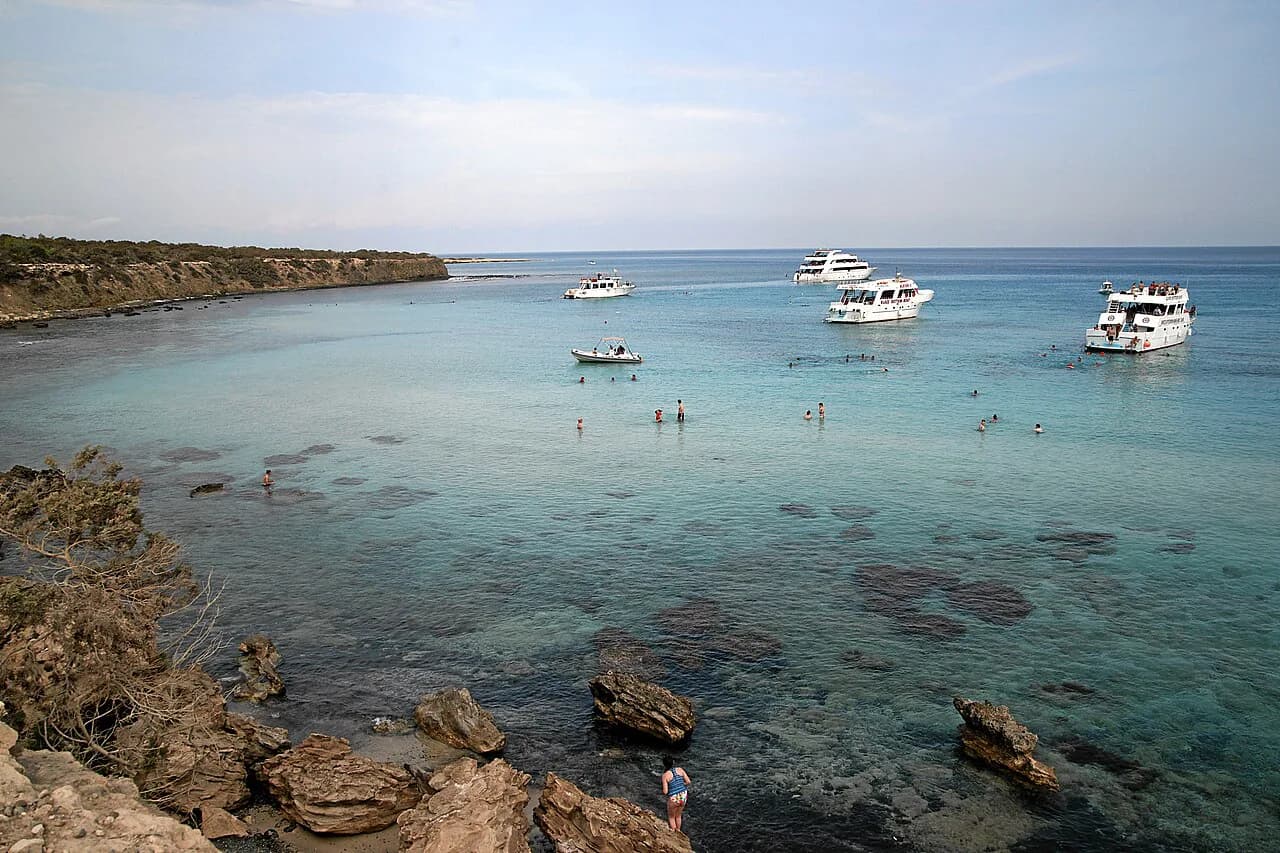
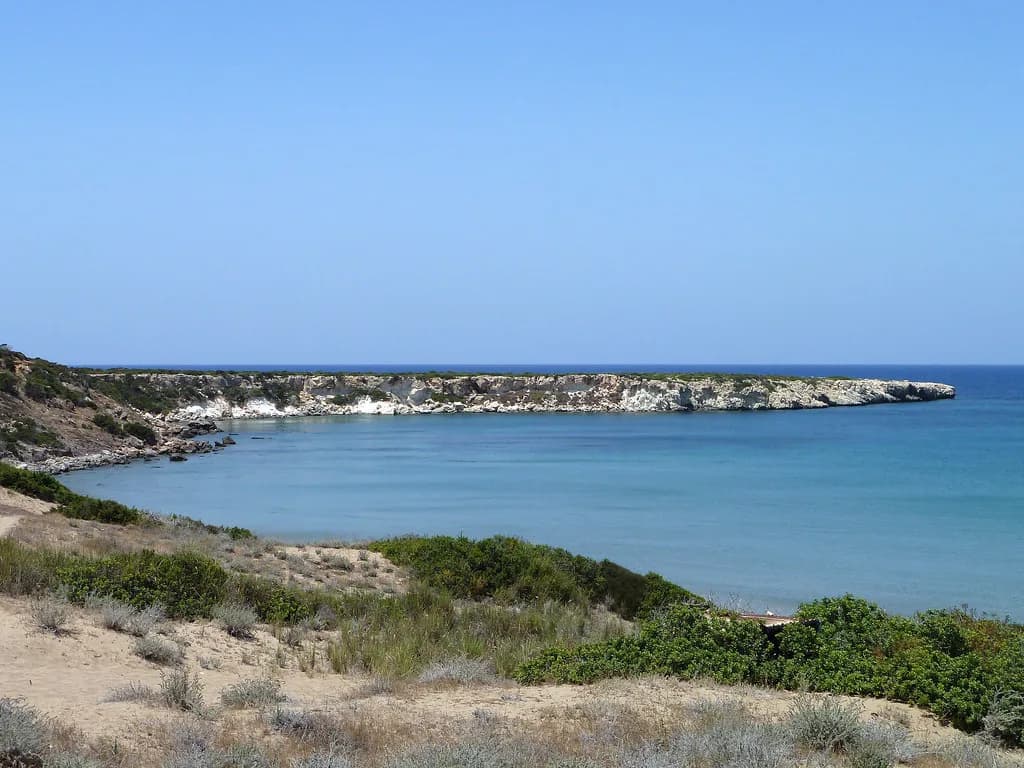
The bay setting matters more than the town's size. Chrysochou Bay curves from the Polis shoreline round to Latchi and on toward the Akamas peninsula, so a short drive west or south puts you on a different stretch of coast each time. Use the town as a base for the bay rather than as a destination in itself.
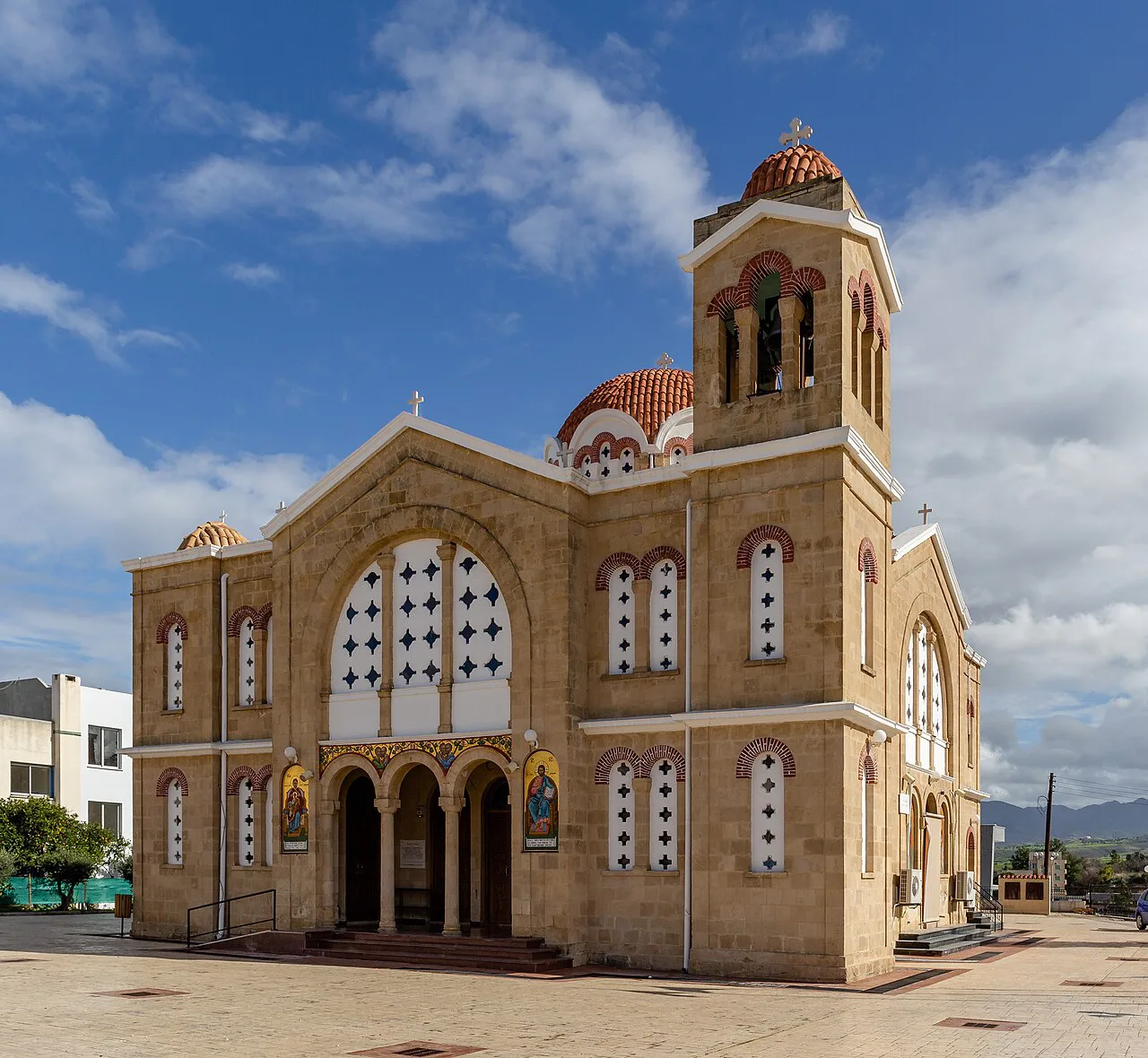
How Polis is laid out: town centre, coastal strip and the road to Latchi
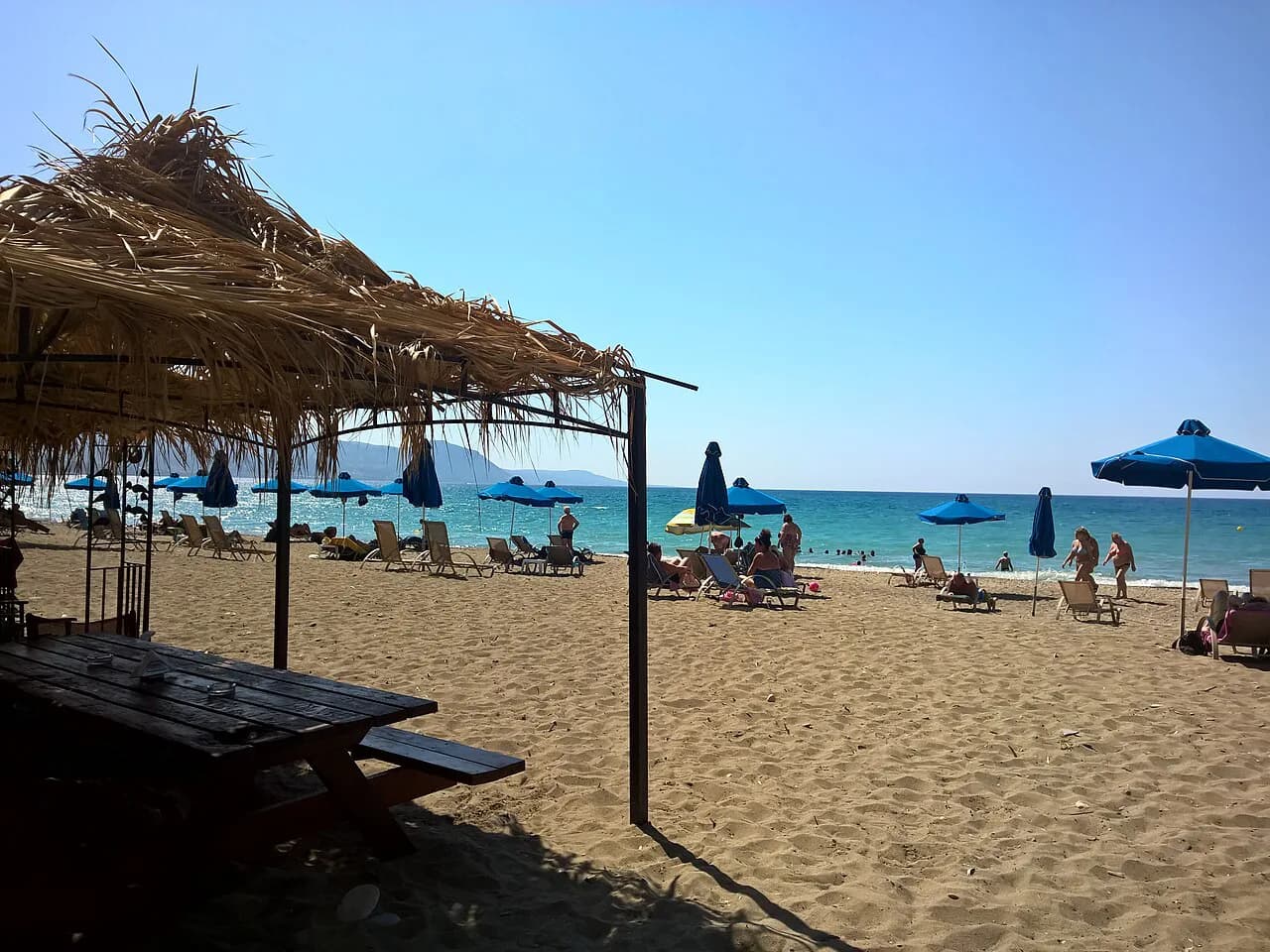
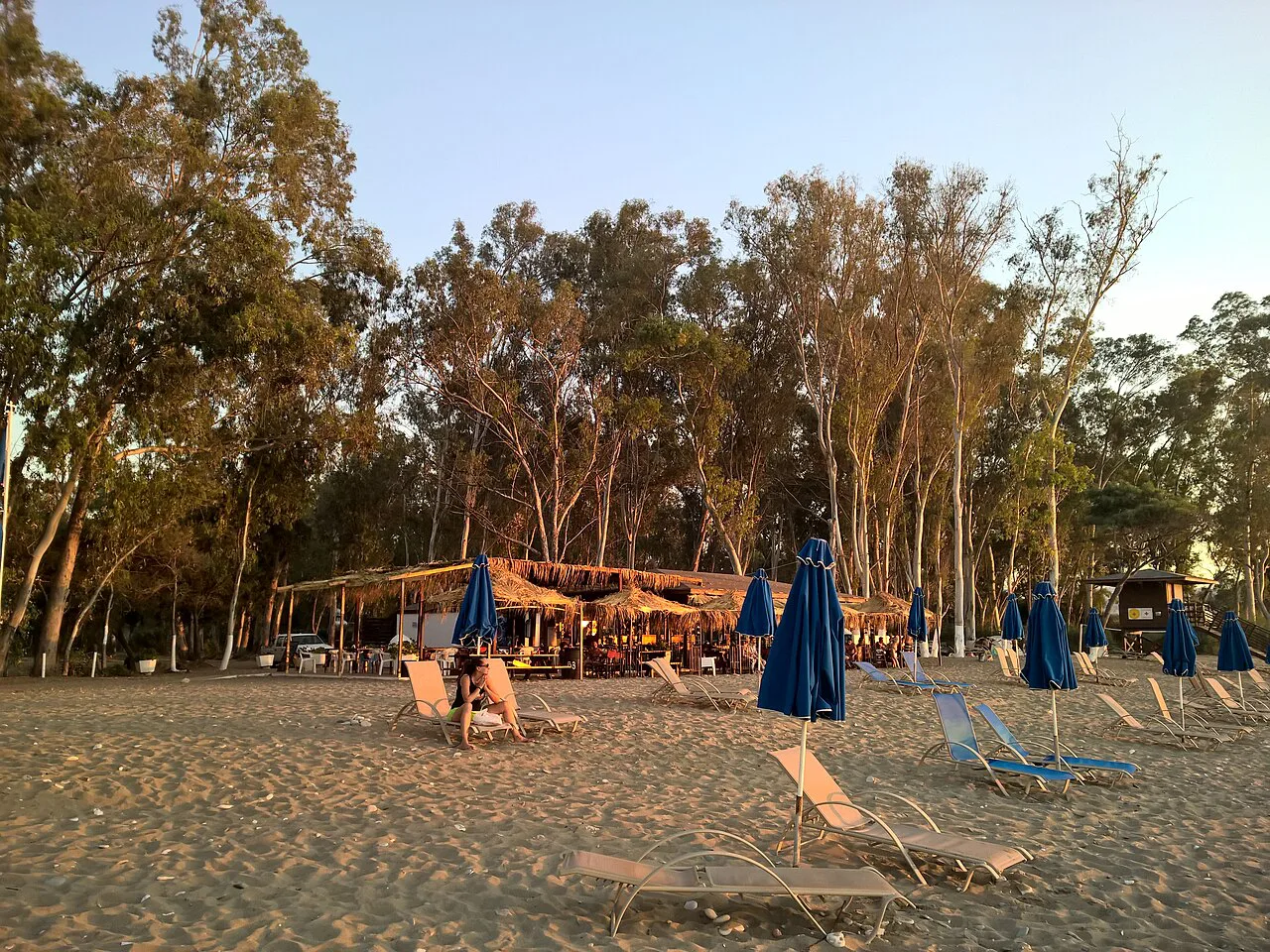
The town centre holds the everyday life of the place: the local Archaeological Museum, the church of Agios Andronikos and the streets around them. Below and west of the centre, the coastal strip carries the campsite in a eucalyptus forest beside a Blue Flag pebble beach, and that beach marks the start of a coastal walkway running to Latchi Harbour. The walkway, not a road, is the pleasant link between the two.
Latchi is the harbour end: a quay ringed by restaurants that make their name on fresh fish, and the point from which boats and waterfront eating are the draw. Plan the town for the morning, when the museum and church have your attention, and the harbour for lunch or late afternoon. The walkway between them is flat and obvious, so you can leave the car at either end.
Marion and Arsinoe: the ancient kingdoms under the town
The ground under Polis was once two ancient kingdoms. Marion flourished in Classical times and Arsinoe prospered in Roman times, and more than 20 years of excavation have brought up finds now displayed in the local Archaeological Museum. That sequence is the reason the museum is worth an hour rather than a glance: it is the story of the town you are standing in.
Little of either kingdom is legible on the surface, so treat the museum as the place where the history becomes concrete and the town as the setting. Read the Marion material first and the Arsinoe material second and the shift from Classical to Roman Cyprus explains itself.
The Archaeological Museum of Polis and its finds
The local Archaeological Museum is the one indoor sight in Polis that repays a deliberate visit rather than a passing one. Its collection comes from the Marion and Arsinoe excavations, so it holds objects from the two kingdoms that occupied this bay before the modern town existed. Give it an hour and go before the heat builds.
Check the current opening days and ticket price before you go, since Cyprus museum hours move with the season and a closed day can catch out a short stay. If the museum is shut, the church and the walkway still fill a half day.
Agios Andronikos church and its uncovered frescoes
Agios Andronikos holds 16th-century frescoes with an unusual recent history. The Ottomans converted the church into a mosque from 1571 and covered the wall paintings with plaster; after 1974 the Antiquities Department painstakingly uncovered them and restored them for visitors. What you see is therefore a building that changed hands and changed back, and the frescoes survived because they were hidden.
Pair the church with the museum in the same town-centre walk, since the two together explain the area's layers better than either alone. Visit it as a historic church rather than a gallery: the frescoes are the point.
Latchi harbour and the walk from Polis
Latchi Harbour is the natural end point of a Polis morning. The coastal walkway from the campsite and beach brings you in along the water, and the harbour itself is where the boats are and where the fish restaurants cluster. Come for lunch, then decide whether to walk back or arrange a lift.
Boats leave from the harbour for the coast and the Akamas water, but operators, sailing times and prices vary by season and are best checked at the quay or with the operator on the day. Book only what you can confirm locally rather than relying on an old listing. The harbour is also the obvious place to pick up a boat trip if the sea is calm.
The Baths of Aphrodite and the trails around Polis
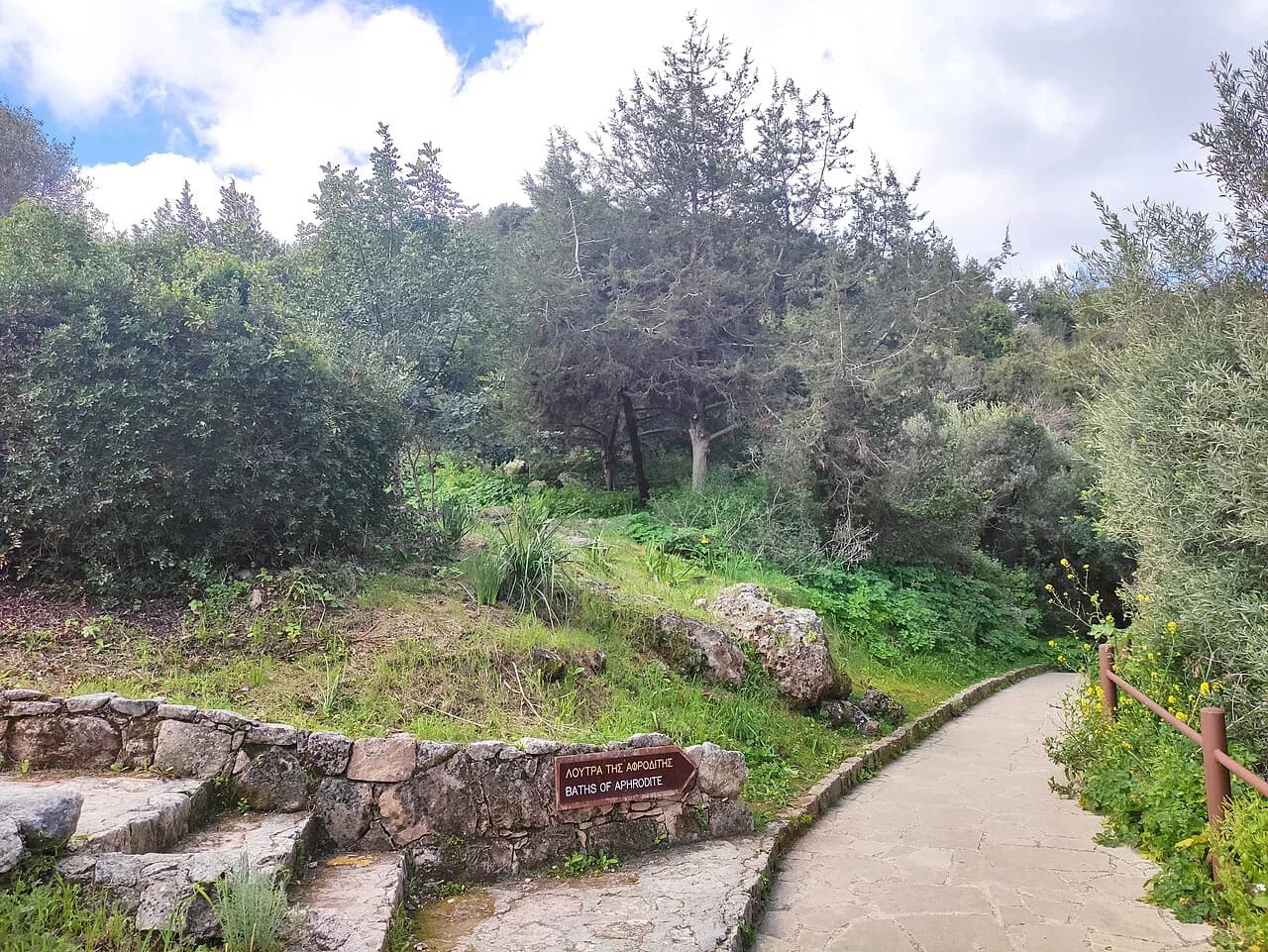
The Baths of Aphrodite sit west of Polis: a freshwater grotto shaded by a wild fig tree, where legend has the goddess of love and beauty bathing. It is a small, easily visited site rather than a day out, and it combines naturally with the drive toward the Akamas. The surrounding area carries nature trails through rare endemic plants, with local fauna and migrating birds for those who look.
Treat the trails as an add-on to the Baths rather than a separate expedition, and start early if you are walking in summer. The grotto itself needs minutes; the coastal scenery around it is what fills the rest of the outing.
How long Polis needs: half a day, a full day or a base
A half day covers the town centre, the museum and Agios Andronikos comfortably, with time for a coffee. A full day adds the walkway to Latchi, lunch at the harbour and a slow return. Three or four nights turn Polis into a base for Chrysochou Bay, the Baths of Aphrodite and the Tylliria coast road, which is where the town earns its keep as a base. For the coast itself, our guide to the Akamas Peninsula, Cyprus covers the Blue Lagoon and how to visit it.
The trade-off is distance: Polis is 35 km from Paphos, so it works as a base only if you plan to spend your days in this corner of the island rather than commuting to Paphos and Limassol. If your itinerary is centred on Paphos, come for a day and see the town and harbour. If it is centred on the Akamas and the northwest coast, stay here.
Getting to Polis: B07, E701 and E709
From Paphos, the direct approach is the B07 northwest; the alternative is the E701 coastal route followed by the E709. The coastal version is the slower, more scenic way in and suits a day when the journey is part of the outing. The B07 is the practical choice when you want to arrive and start sightseeing.
Allow the stated 35 km as your planning figure from Paphos and add time for the coastal route, which winds through the villages rather than running straight. Fill the tank before you leave Paphos if you are heading on to the Tylliria coast, where services thin out.
Getting around without a car
A car makes Polis straightforward: the town, Latchi, the Baths of Aphrodite and the Tylliria road all fall into a short driving loop. Without one, the town and the walkway are manageable on foot, but the Baths and the coast beyond Latchi become awkward; with a car, the wider Akamas peninsula is an easy half-day extension. Base yourself in the town rather than out along the coast if you are relying on your feet.
Village stops along the way are worth building into a driving day. Argaka sits on the coastal approach and makes an easy pause, while Lysos in the hills behind gives a different view of the same corner of Paphos district.
When to go: summer heat and the walkway trade-off
Summer makes the walkway between Polis and Latchi a morning or evening outing rather than a midday one, and pushes museum and church visits into the hottest hours. The shoulder months are kinder for walking and for the unshaded sites around the Baths of Aphrodite. Check the typical conditions for your month before fixing a walking plan.
The campsite in its eucalyptus forest and the Blue Flag pebble beach beside it are the reason many visitors come in high summer at all. If the beach is your priority, plan the town sights for early and keep the walkway for late afternoon.
Where Polis fits with Akamas and the Tylliria coast
Polis is the main town in this corner of the northwest coast. West lies the Akamas peninsula and the Baths of Aphrodite; south along the bay the road runs to Argaka and on toward Pomos and the Tylliria coast. That geography is the argument for staying here rather than visiting from Paphos. If the peninsula is the reason for your trip, our guide to the Akamas Peninsula, Cyprus covers the Blue Lagoon and how to visit it.
Further along the same road, Kato Pyrgos is the coastal village that anchors the Tylliria stretch and gives the western end of the route a purpose beyond the drive. Use Polis as the hub and the coast road as the day out.
Practical essentials: currency, driving side and bookings
Polis is in the Republic of Cyprus, so the currency is the euro and you drive on the left, as in the UK. Bring or withdraw euros for museum tickets, small purchases and harbour lunches, and keep your driving licence with you if you hire a car.
Confirm accommodation that suits you before travelling in high season, and check any boat trip with the harbour operator on the day. Confirm museum opening days and admission before you set out, since they move with the season. Everything else in Polis you can decide on the day.
Should Polis be your base or your day out?
Make Polis your base if your days are aimed at Chrysochou Bay, Akamas and the Tylliria road; make it a day out if Paphos is your centre and you want the town, the museum and the harbour walk without committing to the extra 35 km each way. A car is the simplest way to reach the Baths of Aphrodite and the coast beyond Latchi, where Polis becomes more than a small town.
Whichever you choose, structure the day around the town centre first and Latchi second, and leave the driving to the coast for early or late in the day. That sequence is what makes a short stay in this corner of Cyprus feel unhurried.
Explore more Polis guides
Frequently Asked Questions
What is the closest airport to Polis, Cyprus?
Paphos is the practical arrival point for Polis, which sits 35 km northwest of the town. From there you take the B07 northwest or the E701 coastal route and then the E709, and a hire car is the simplest way to cover the last stretch.
Can you walk from Polis to Latchi harbour?
Yes — the coastal walkway starts by the campsite and Blue Flag pebble beach near Polis and follows the shore to Latchi Harbour. Walk it in the morning or evening in summer, and decide at the harbour whether to walk back or arrange a lift.
Is Polis in the Republic of Cyprus or the north?
Polis Chrysochous is in the Republic of Cyprus, in the Pafos region, so the currency is the euro and you drive on the left.
Sources
Notes for your Cyprus trip
Optional updates to our Cyprus guides.
You might also like
Continue reading
More guides you'll find useful