Kato Pyrgos: A Tylliria Village Guide for Cyprus Travellers
A practical guide to Kato Pyrgos in the Tylliria region, covering how to get there, what to see in the village and how long to allow on a north-west Cyprus trip.
On this page
Kato Pyrgos is worth visiting only if you treat the journey as part of the trip. It is the only Greek Cypriot village on Morphou Bay, tucked below the Tylliria hills on Cyprus's north-west coast, and the slow coast road from Polis is the main reason to go. This guide covers the village layout, the access routes, the Green Line proximity and how the stop fits a Polis or Paphos itinerary.
The village has a small harbour front and a compact centre that takes under an hour to walk. Facilities are limited and the roads in are slow, so it suits travellers who value quiet coastline over convenience. Most visitors see it as a half-day extension of a Polis Chrysochous or Latchi stay rather than a base in its own right.
What Kato Pyrgos is and where it sits
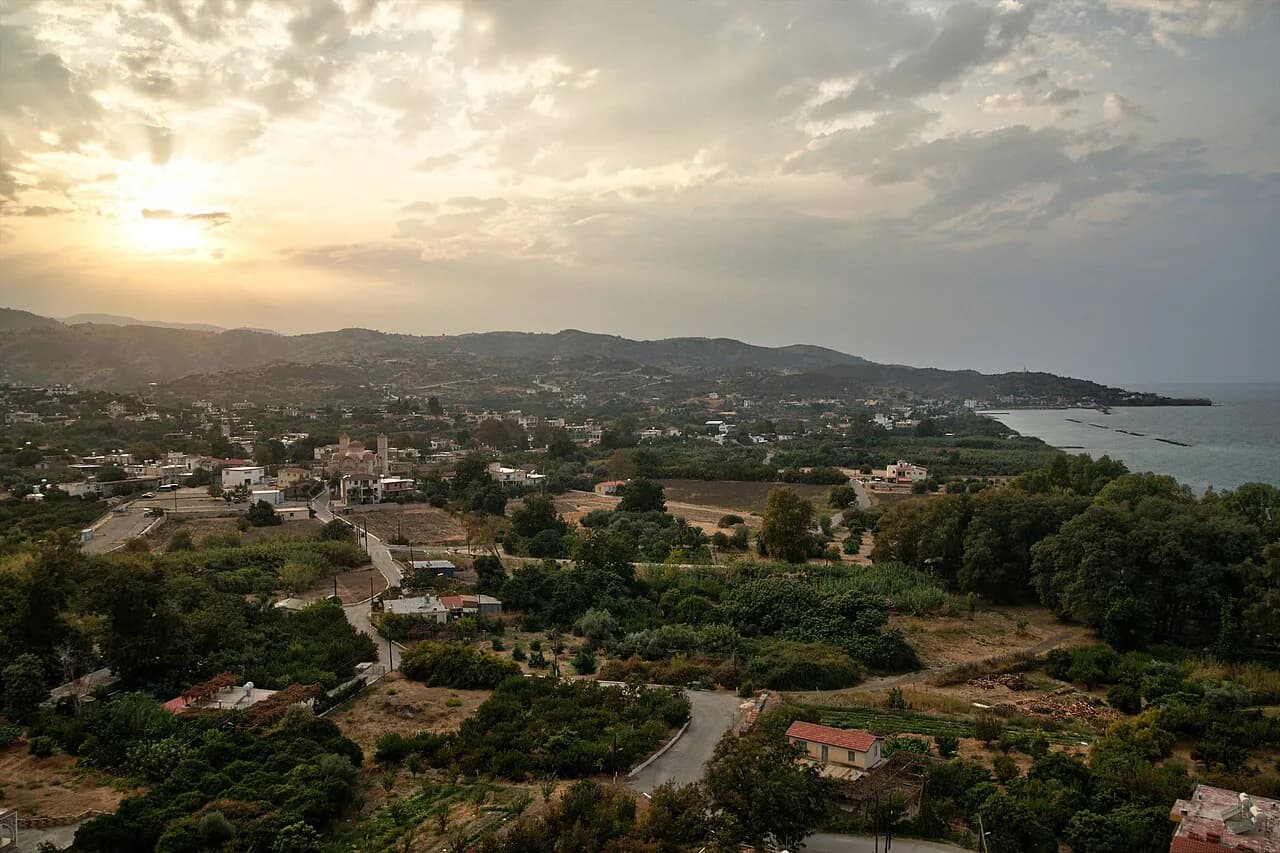
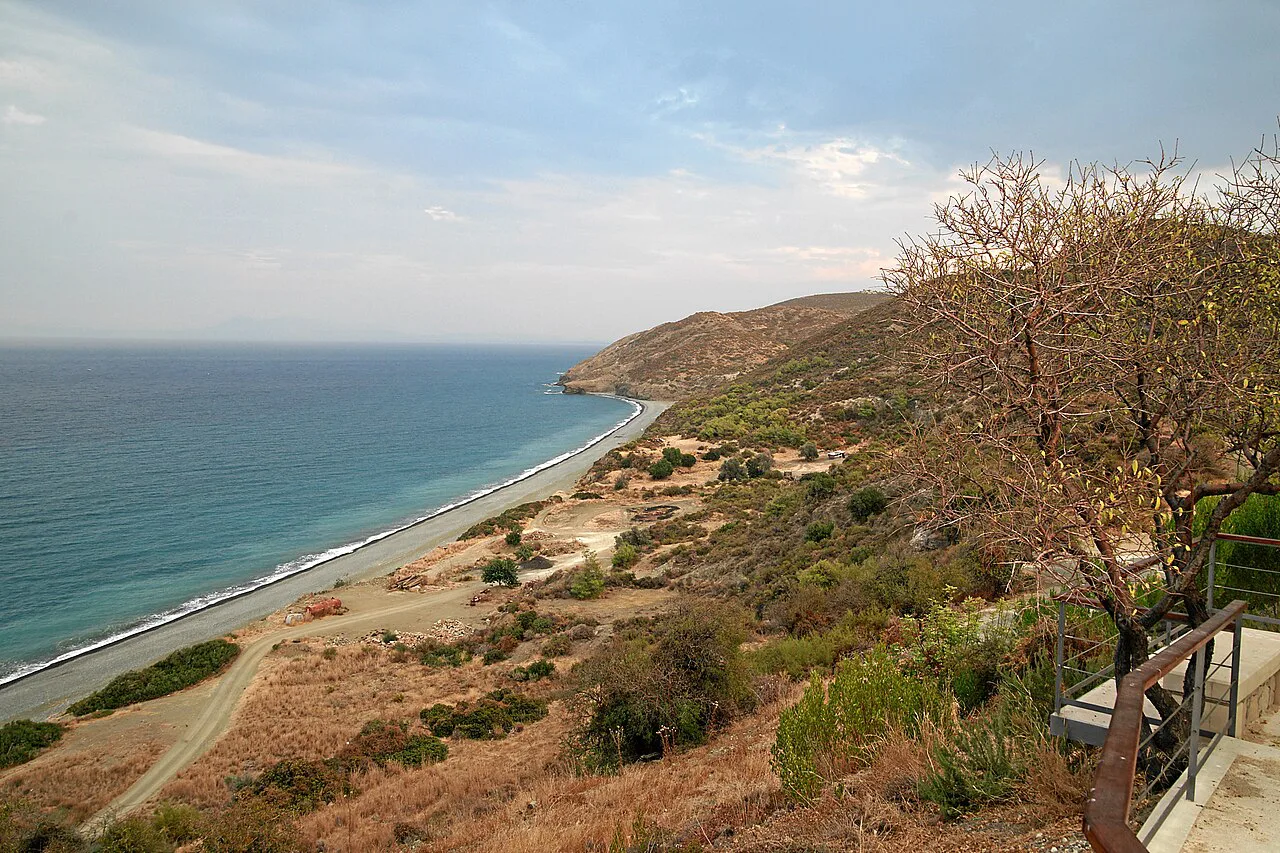
Kato Pyrgos sits on Morphou Bay, on the north-west coast below the Tylliria hills, and is the only Greek Cypriot village on that bay. The surrounding Tylliria region is mountainous and thinly populated, which is why the village feels more remote than its distance from Polis suggests.
Polis Chrysochous, the nearest service town, lies 35 km northwest of Paphos and can be reached by the B07 route or by the E701 coastal route and then the E709. That makes Polis the practical orientation point for a Kato Pyrgos visit: the coast road beyond Polis is the approach most visitors use, and Paphos is the larger base but adds the 35 km approach to Polis first.
Getting there: the coast road from Polis
The coast road west from Polis Chrysochous is slow going because it twists along the hillside above the sea. Allow more time than the distance suggests, and treat the drive as a scenic part of the day rather than a commute.
The coast road from Polis is the approach for most holidaymakers based in the west. Plan the village as part of a full day along the coast rather than a quick detour.
The village centre on foot
The centre is compact: a harbour front, a small grid of streets behind it and the main coast road running through. A wander takes under an hour at an easy pace, and there is no single blockbuster sight to plan around. Use the village as a place to slow down rather than to tick off attractions.
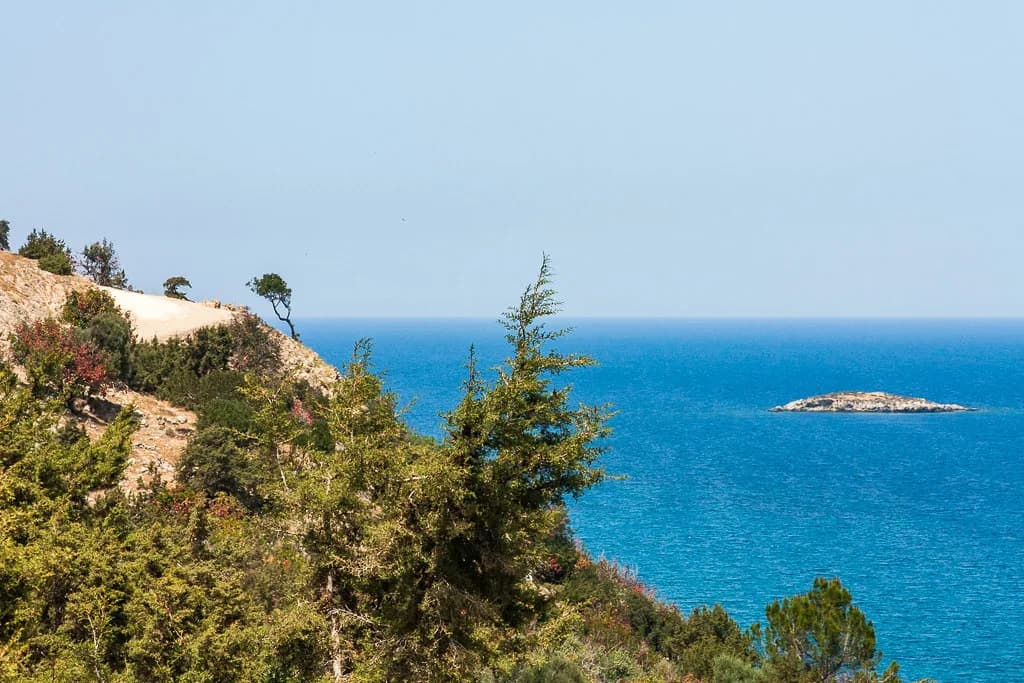
The setting is the draw. The coast here is quiet and the hills rise behind the village, so the appeal is the view and the pace rather than a checklist of monuments. If you want a fuller day of sights, combine the village with the Polis Chrysochous area, where the local archaeological museum displays finds from the ancient kingdoms of Marion and Arsinoe.
The coast road west and the Green Line
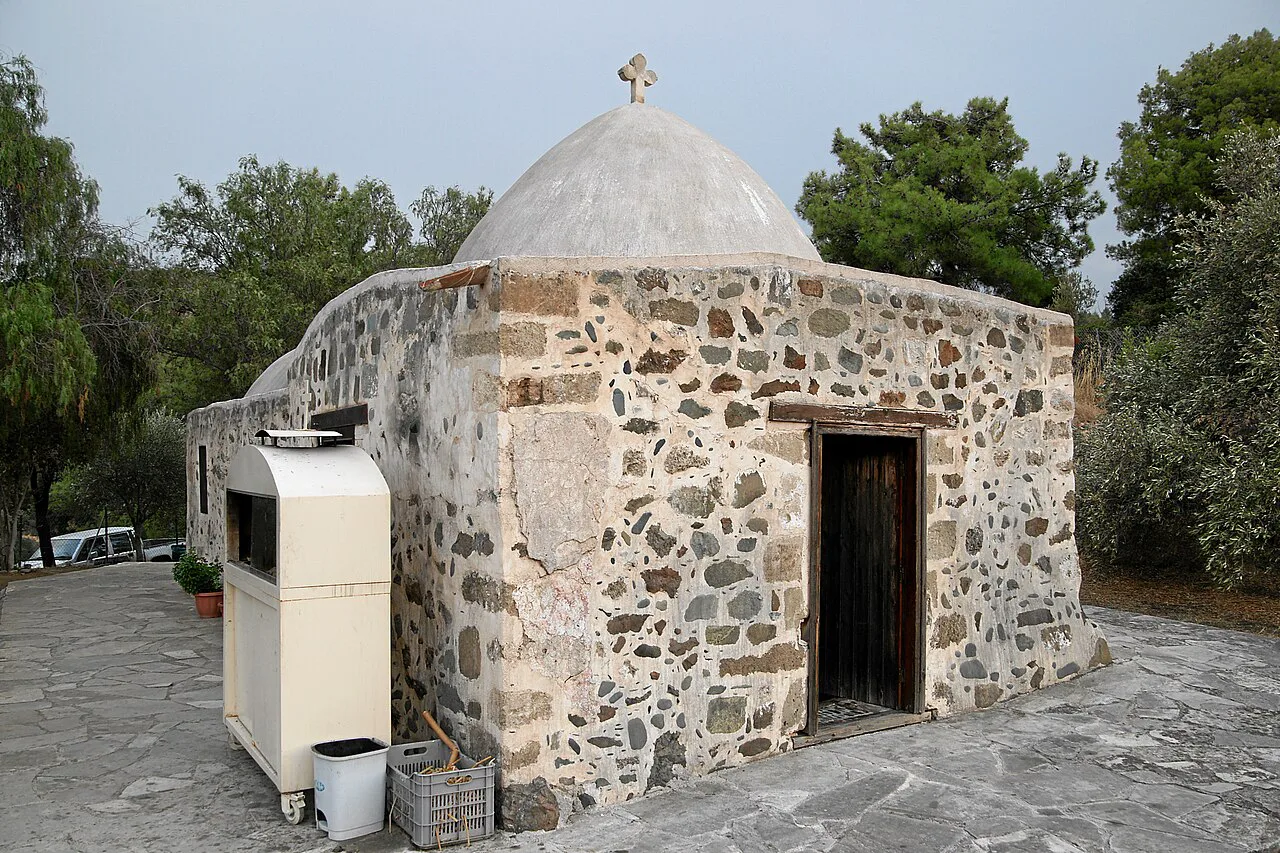
Kato Pyrgos sits close to the Green Line, the boundary that divides the Republic of Cyprus from the north, so the area feels like the edge of the island rather than a resort strip. Treat it as a place to look and walk, not a through-route.
For a visitor, the practical point is that this is not a casual crossing point. Crossing the Green Line requires using an official crossing point with the correct documents, and the arrangements at each crossing differ. Check the Republic of Cyprus arrangements and your hire-car insurance before planning any crossing, and do not assume the road west of Kato Pyrgos leads to one.
Polis and Paphos as the practical bases
Polis Chrysochous is the sensible base for a Kato Pyrgos day visit: it is the last service town of any size on the approach, and the coast road beyond it is the scenic route. Paphos is the larger base, but the 35 km run to Polis on the B07 or E701/E709 comes first, so a Paphos-based day trip to Kato Pyrgos is a long one. Latchi, west of Polis, is closer still and adds a harbour village to the same outing, as set out in Latchi: A Guide to the Harbour Village West of Polis.
If you are staying in Paphos, plan Kato Pyrgos as a full day out or fold it into a two-night stay around Polis. The distance is not great, but the slow roads make the difference. A hire car is the practical way to do it.
How long to give Kato Pyrgos
A half-day stop is enough for most visitors: the village walk is short and the coast road is the main attraction. Arrive by late morning, walk the centre and the harbour front, and drive back before the afternoon heat builds on the exposed coast. An overnight stay only makes sense if you want to explore the Tylliria hills and the coast road in both directions without rushing.
The trade-off is real. Kato Pyrgos is remote, services are thin, and the roads in are slow, so a day trip from Paphos consumes most of a day. The reward is a quiet, unspoilt stretch of coast that most holidaymakers never reach. Decide based on whether you value the drive itself, not on whether the village alone fills a day.
When to go: summer heat and quieter months
Summer on this coast is hot and exposed, with little shade along the harbour front and the coast road. Walk early or late, carry water, and treat the middle of the day as driving time rather than walking time. The shoulder months are more comfortable for the village walk and the coast drive.
Spring and autumn are the best compromise for the Tylliria coast: warm enough for the sea, cool enough for the drive and the village. The hills behind Kato Pyrgos are greener after winter rain, and the coast road is quieter outside the summer peak. Winter visits are possible but the village is very quiet and some services close.
Where it fits in a north-west Cyprus trip
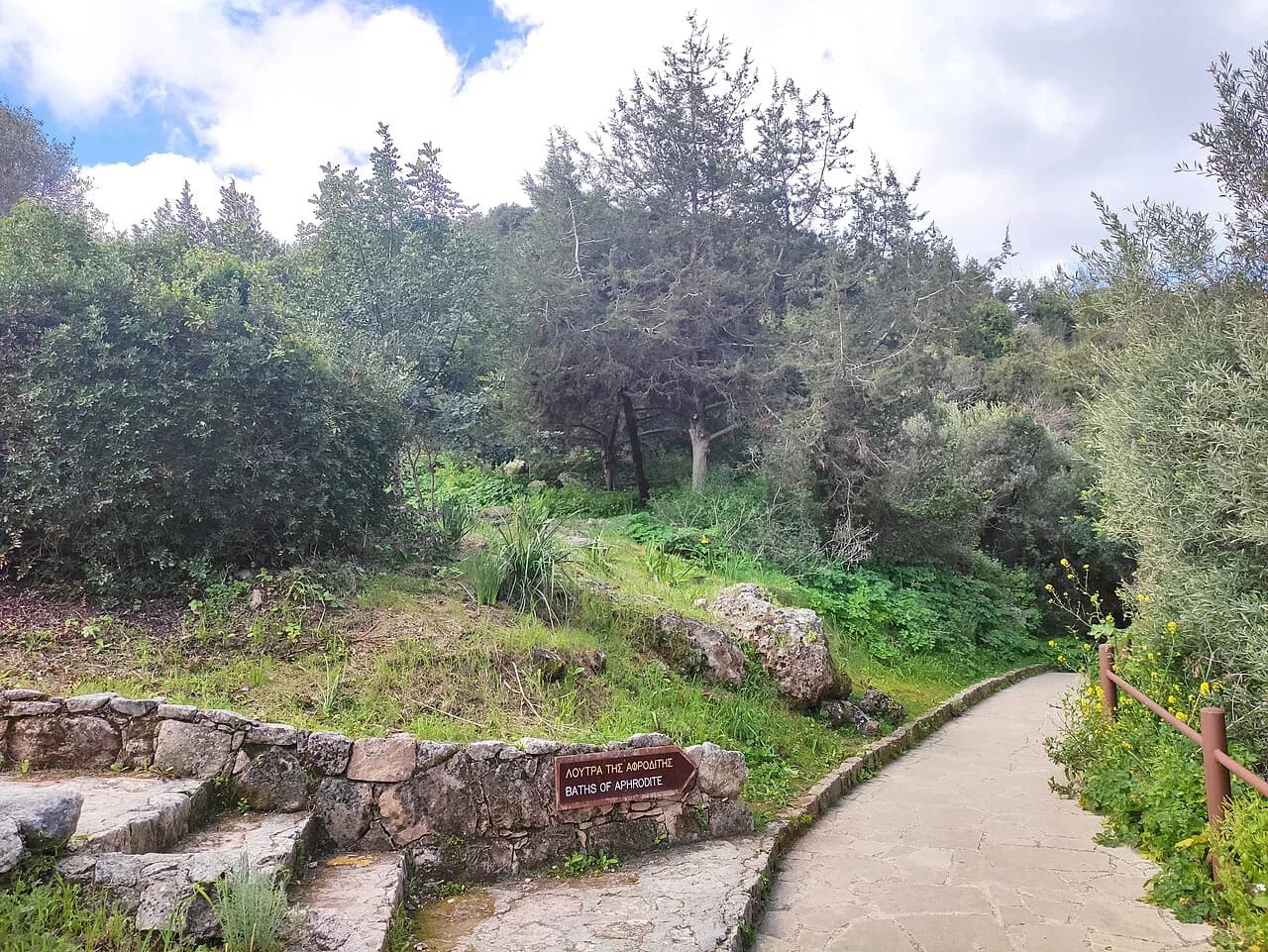
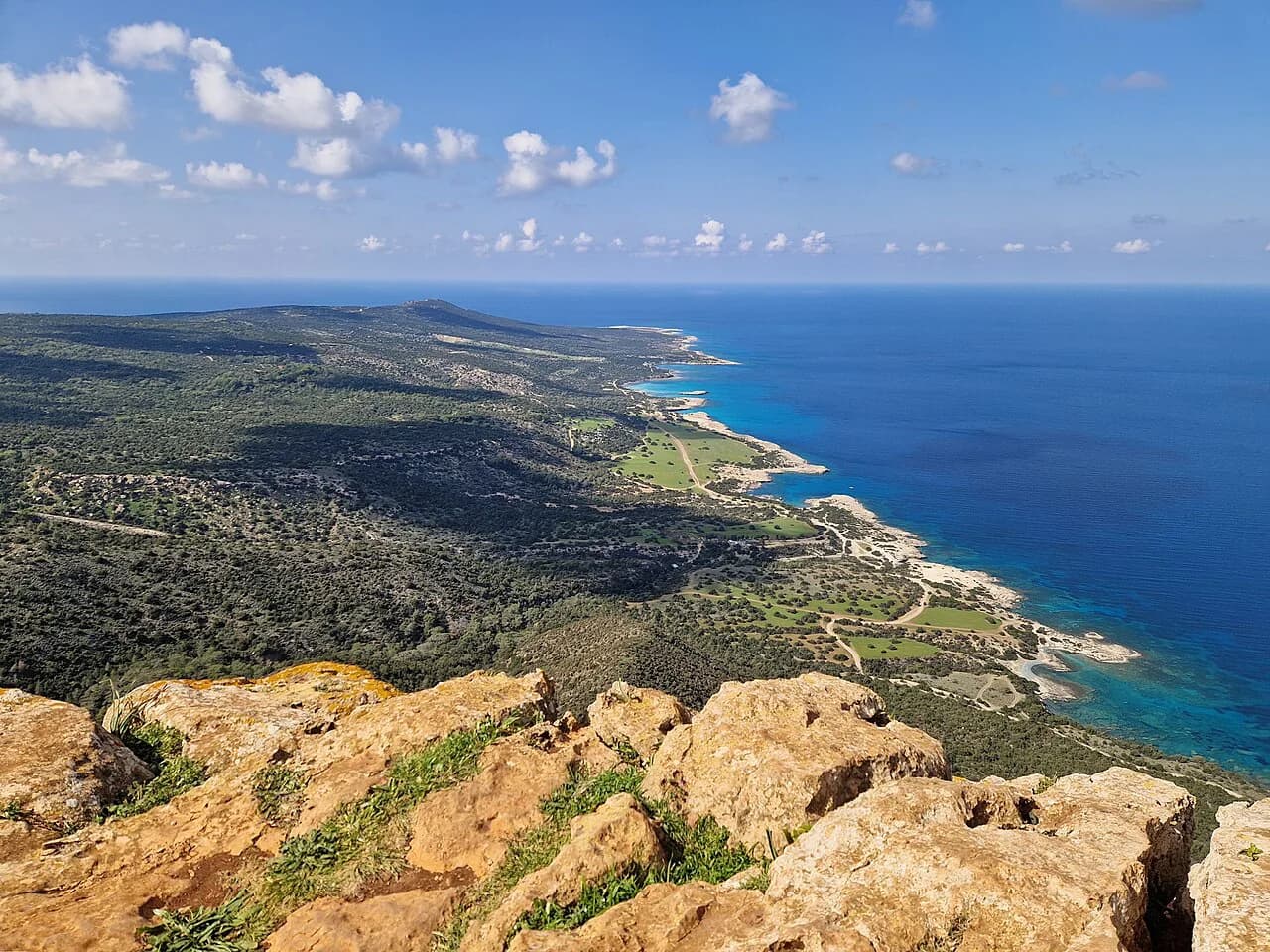
Kato Pyrgos works best as the western end of a Polis and Akamas trip. Start in Polis, drive the coast road towards the village, spend an hour or two in Kato Pyrgos, and return the same way. The Baths of Aphrodite, a freshwater grotto past the fishing harbour of Latsi towards the Akamas tip, is a natural add-on on the Polis side if you have a full day.
Hill villages near Polis make natural stops on the way. Drouseia sits at 630 metres in the mountainous Laona area within reach of Polis on the B7 or E709 routes and offers views over the hills and coast.
What to expect from facilities
Kato Pyrgos is a small, remote village, so expect limited year-round services. Carry cash in euros and water, and set out with a plan for lunch.
The remoteness is the point as much as the drawback. If you want convenience, stay in Polis or Latchi and visit Kato Pyrgos as a day out. If you want quiet, the village delivers it, but plan around the thin services rather than expecting them.
Is Kato Pyrgos worth the drive?
Kato Pyrgos is worth the drive if you are already staying around Polis or Latchi and want a quiet, unspoilt coast at the western edge of the island. It is not worth a day trip from Paphos on its own: the 35 km run to Polis and the slow coast road make it a long day for a short village walk. Treat it as part of a Polis and Akamas loop, not a destination in its own right.
Go early, carry water and cash, and allow more time than the map suggests for the coast road. Check the current crossing arrangements before driving west towards the Green Line, and confirm hire-car cover for the area with your rental company.
Explore more Polis guides
Frequently Asked Questions
Is Kato Pyrgos worth visiting?
Yes, if you are based around Polis Chrysochous or Latchi and want a quiet coast road and a short village walk. It is a half-day stop rather than a destination in its own right, and the drive is the main attraction.
Can you cross the Green Line near Kato Pyrgos?
Kato Pyrgos sits close to the Green Line, but crossing requires using an official crossing point with the correct documents, and arrangements differ by crossing. Check the current rules and your hire-car insurance before planning any crossing.
How far is Kato Pyrgos from Paphos?
Paphos is 35 km from Polis Chrysochous, reached by the B07 or the E701 and E709, and Kato Pyrgos lies further along the coast road from Polis. The drive is slow, so allow more time than the distance suggests.
Sources
Notes for your Cyprus trip
Optional updates to our Cyprus guides.
You might also like
Continue reading
More guides you'll find useful