Lysos, Cyprus: A Hill Village in Paphos District
Lysos is a hill village in Paphos District, sitting at around 544 metres. Here is what the village is like, how to reach it and how long to allow.
On this page
Lysos is a populated place in Pafos District, Cyprus, set at about 544 metres. It is a quiet inland village rather than a resort, best planned as a short detour or a half day on the way up towards the hills above the Polis coast.
This guide covers where the village sits, how to reach it from the coast, what the village core offers, and how much time to allow. It sticks to layout, access and time rather than listing places to eat or sleep.
Where Lysos sits in Paphos District
Lysos is a populated place in Pafos District in the Republic of Cyprus, at an elevation of roughly 544 metres according to gazetteer data. That height gives the visit its character: a hill setting, tighter lanes and long views over the surrounding countryside.
The English name Lysos and the Greek name Λυσός both appear in gazetteer records for the village; matching the two helps when reading maps or asking directions. Cyprus drives on the left and prices in the Republic are in euros, both worth having straight before you leave the coast.
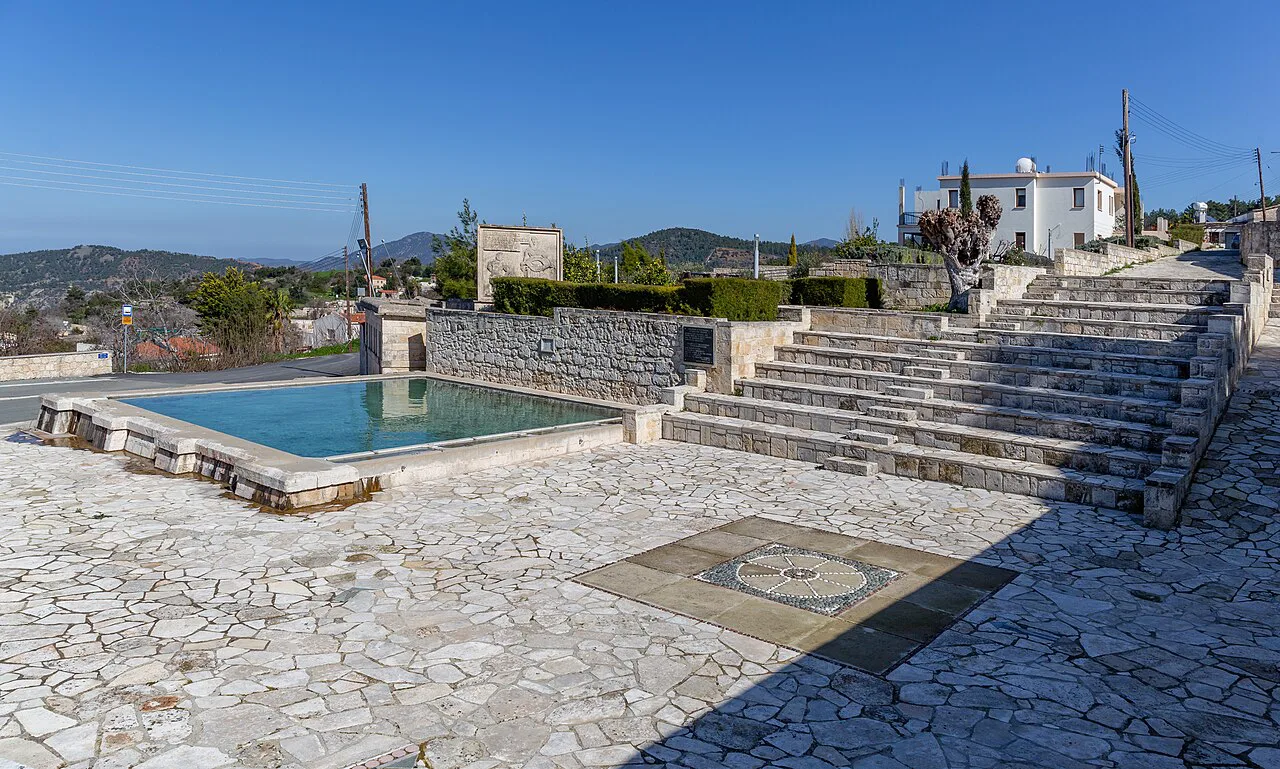
The village setting above the Chrysochou Bay coast
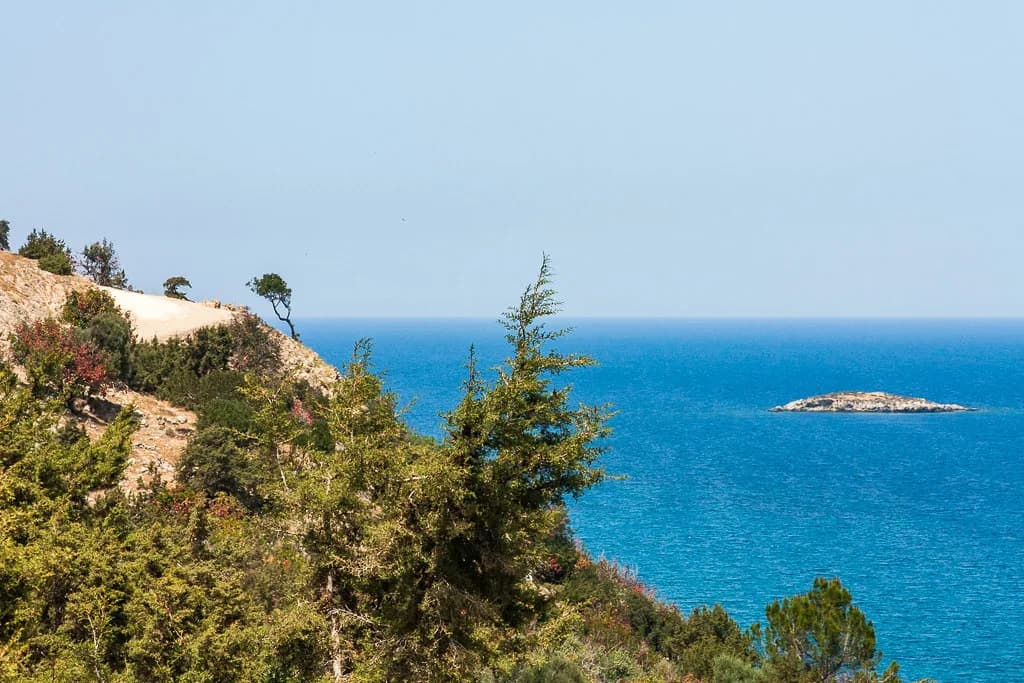
Lysos sits inland from the coast of the Polis area, which shapes the whole visit. You are not coming here for a seafront promenade but for an inland village stop; the coastal towns of Polis Chrysochous and Latchi are the natural bases for the drive up.
Treat the elevation as part of the plan: the road up is short but winding, and a village at this height rewards an unhurried arrival rather than a quick dash between coastal stops. Expect changeable hill weather rather than relying on an exact forecast.
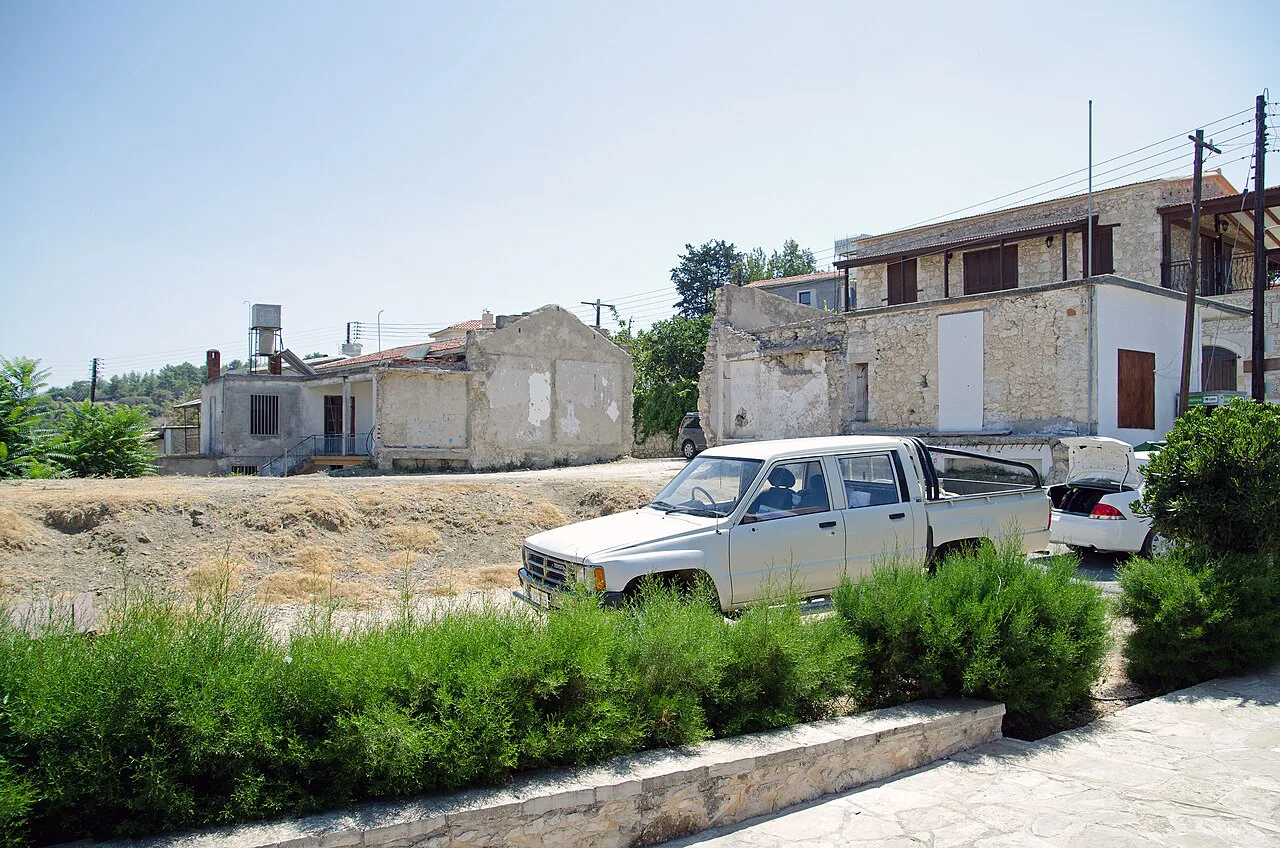
Getting there by car from the coast
Driving is the straightforward way to reach Lysos. You climb inland from the Polis area, and the roads tighten into bends as you gain height, so allow more time than the distance alone suggests and keep speeds low on the final approach.
Cyprus drives on the left, and the Republic of Cyprus uses the euro, which keeps fuel and parking costs simple to track. Fill up in Polis Chrysochous or Latchi before heading up if you plan to continue on the hill roads, where services thin out.
If your route runs east along the coast first, Argaka and Pomos sit on the Chrysochou and Tylliria shore, and both make sensible staging points before or after the climb inland.
Getting there without a car
Bus access to a village of this size needs checking rather than assuming. Rural Cyprus services can be sparse and seasonal, so confirm the current route and timetable with the operator before you build a day around one.
The practical alternative is a taxi from Polis or a hired car for the day, which also solves the problem of getting back down after a late afternoon in the hills. Without your own transport, plan Lysos as a single focused stop rather than a chain of village visits.
What to see in the village core
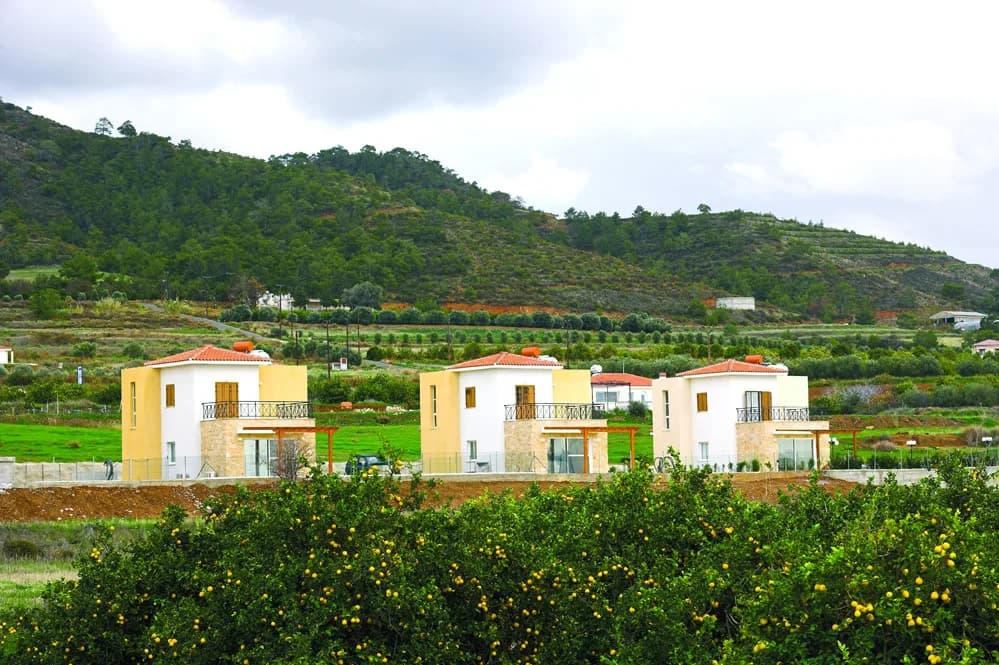
The appeal of Lysos is the village itself: narrow lanes, older stone houses and a small core that takes very little time to walk through. Come expecting atmosphere rather than a ticketed attraction, and let the lanes set the pace.
Because there is no large site to work through, the village suits travellers who enjoy wandering and looking at vernacular architecture. Two people can cover the centre comfortably in under an hour, which matters when you are fitting it around a coastal day.
Churches and the road up towards Stavros tis Psokas
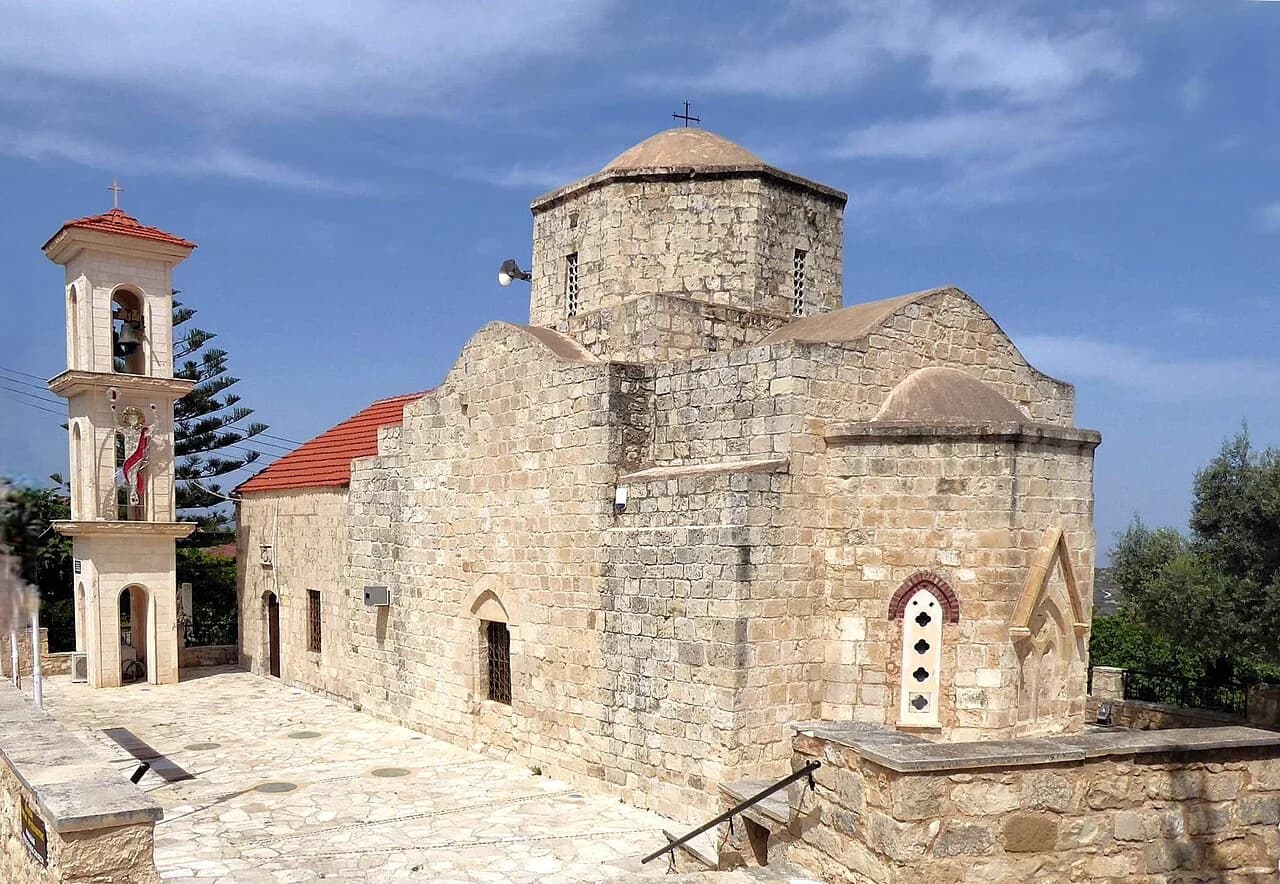
Lysos is a working village rather than a managed visitor attraction, so the lanes and old houses are the main fabric of a visit. If you come across a church open for worship, treat it as a working place of worship and dress and behave accordingly.
The road that continues inland from the village area and climbs towards Stavros tis Psokas and the hills beyond is a mountain road with views and few facilities, so go with a full tank, in daylight and with no tight schedule.
Access to churches and mountain roads can change with the season and conditions, so check locally or with the relevant authority before committing to a long detour.
How long Lysos needs
A short stop of about an hour covers the village lanes and a look at the old houses, which is enough if Lysos is one item in a coastal day. A half day makes more sense if you add the drive towards Stavros tis Psokas and want to stop for views along the way.
A full day only works if you fold Lysos into a wider loop through the hill villages, since the settlement itself is compact. The honest trade-off is between a quick, satisfying pause and a slower day that uses the mountain road properly.
When to go and what the altitude changes
Summer on the coast is hot, and the climb to about 544 metres takes the edge off the worst of it, which makes midday more bearable than at sea level. Even so, the sun is strong, so walking the lanes early or late in the day is the sensible choice.
Spring and autumn are generally the most comfortable seasons for walking and driving winding hill roads. If you are visiting the coast first, the Polis weather October pattern gives a useful sense of what to expect before heading inland.
In wetter months the mountain roads can be slick and the views misty, so build in flexibility and avoid committing to the Stavros tis Psokas climb in poor conditions.
Practical constraints for a hill village stop
Bring water, sun protection and cash in euros for small purchases, since a village of this size has limited services. Wear shoes that cope with uneven stone lanes, and keep expectations modest about facilities.
Fuel up before you climb, keep to daylight for the mountain road, and check the day's conditions before setting out. For a longer coastal base, Kato Pyrgos and the villages around Polis Chrysochous give you a range of options for the rest of the trip.
Is Lysos worth the climb?
Yes, if you want a quiet hill village and a taste of inland Paphos District without a long detour; no, if you are expecting ticketed attractions or a full day out. The village core is compact, the elevation makes the heat more manageable, and the Stavros tis Psokas road is what turns a brief stop into a half day.
Build Lysos into a coastal day from the Polis Chrysochous area, drive up in daylight, and confirm bus options or mountain-road conditions before you set out.
Frequently Asked Questions
Do I need a car to visit Lysos?
A car is the simplest way to reach the village and gives you the flexibility to continue on the hill roads towards Stavros tis Psokas. Without one, check rural bus services with the operator in advance or use a taxi from Polis.
Is Lysos a good stop in summer?
At about 544 metres, Lysos sits higher than the coast, so expect somewhat cooler conditions in high summer. Walk the lanes early or late, carry water, and check conditions locally.
Sources
Notes for your Cyprus trip
Optional updates to our Cyprus guides.
You might also like
Continue reading
More guides you'll find useful