Baths of Aphrodite, Akamas: What to Expect and How to Visit
What the Baths of Aphrodite near Latsi in the Akamas actually are, how to reach the grotto and its botanical garden, and what to expect when you get there.
On this page
The Baths of Aphrodite are a natural grotto pool shaded by an old fig tree, set in greenery on the Akamas Peninsula beyond the fishing harbour of Latsi. Come for the setting and the legend rather than a swimming stop: the pool itself is small, and the wider Akamas coast is the main event. This guide covers what the site is, where it sits, how to drive there and how to pair it with the rest of the peninsula.
What the Baths of Aphrodite are
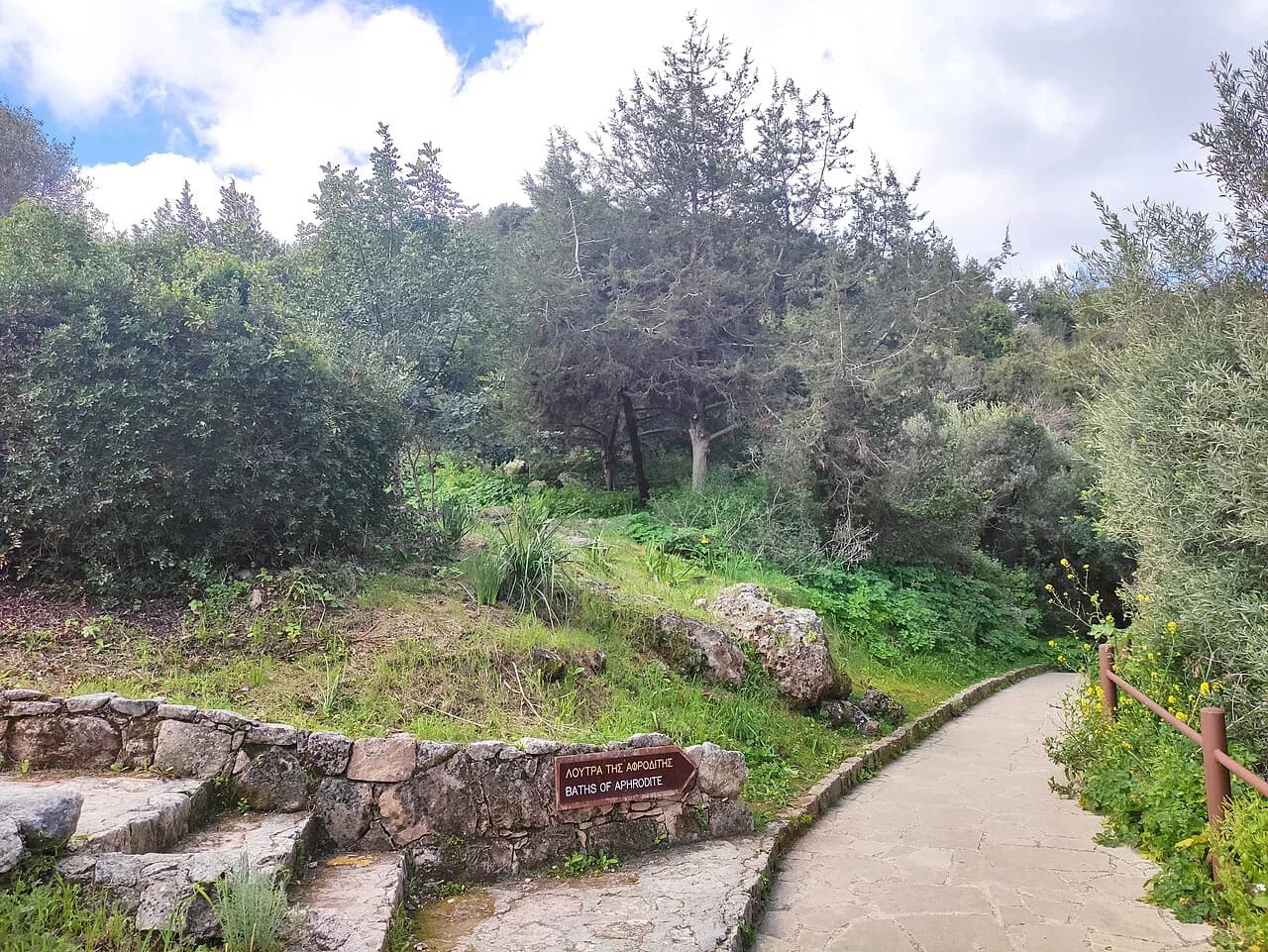
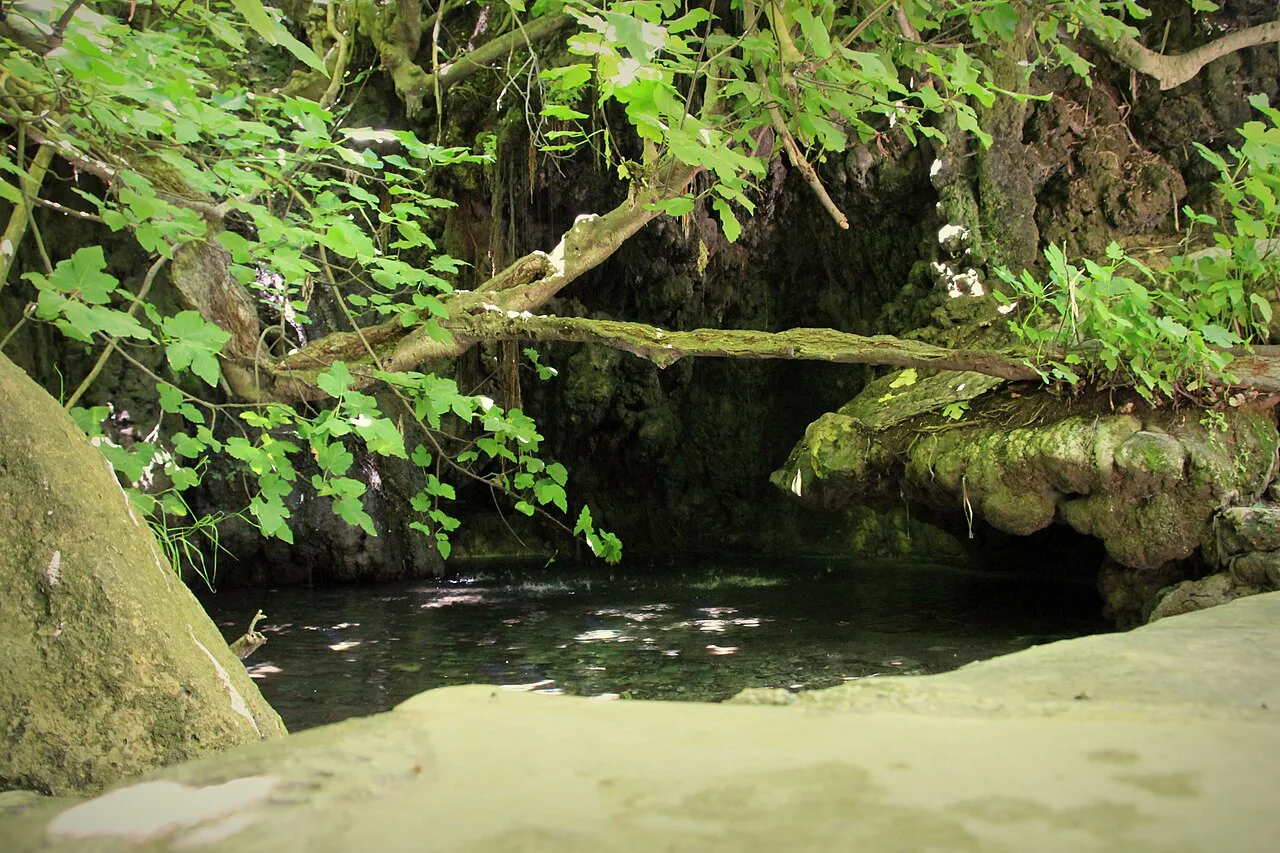
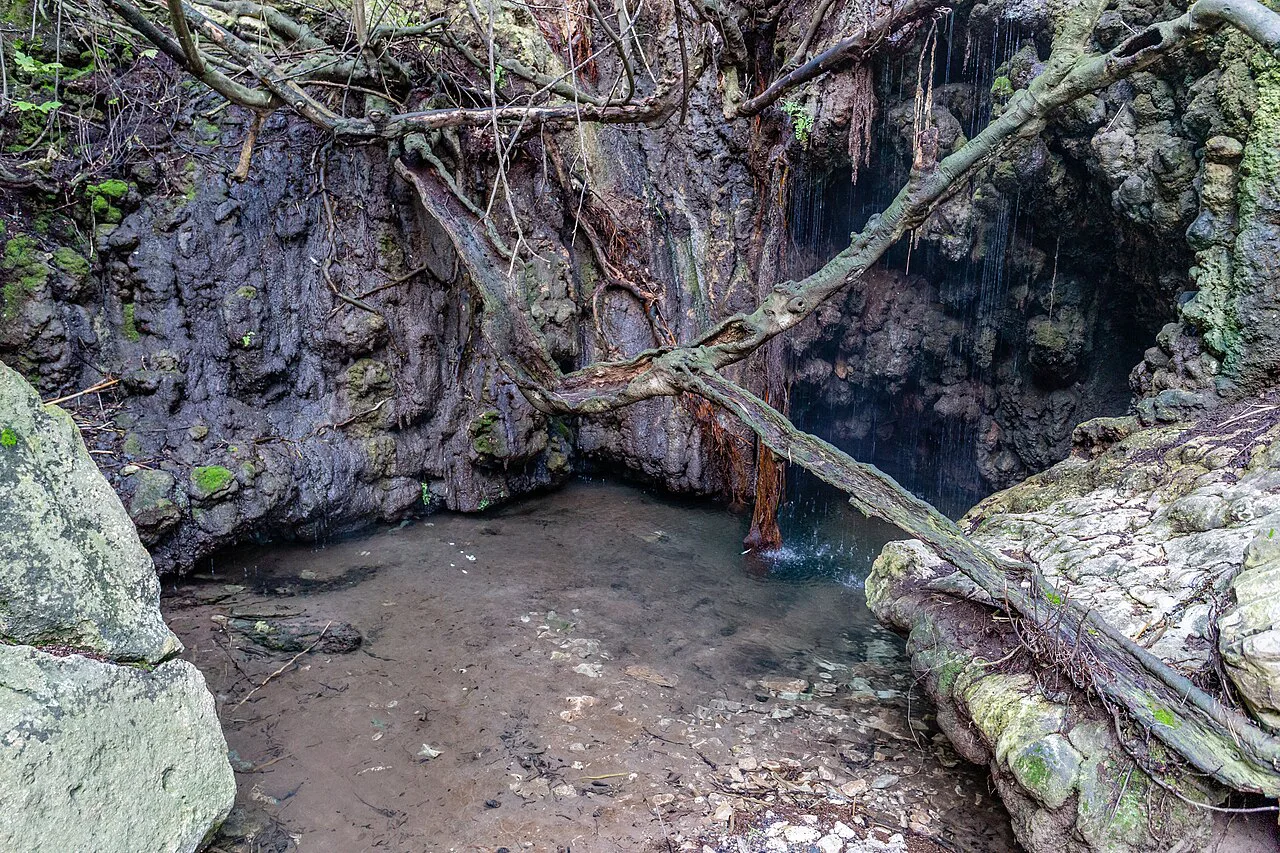
The site is a natural grotto, a shaded hollow in the rock where water drips into a small pool beneath an old fig tree. The official tourism portal describes a grotto amid lush greenery, which matches what you see: a compact, green, enclosed spot rather than a monumental ruin or a spa complex.
Visitors describe the pool as small, with water dripping from the rock above and the fig tree spreading overhead. That is the honest scale of it, and it is why the stop works best as one part of an Akamas run rather than a destination in itself.
Where the Baths sit on the Akamas Peninsula
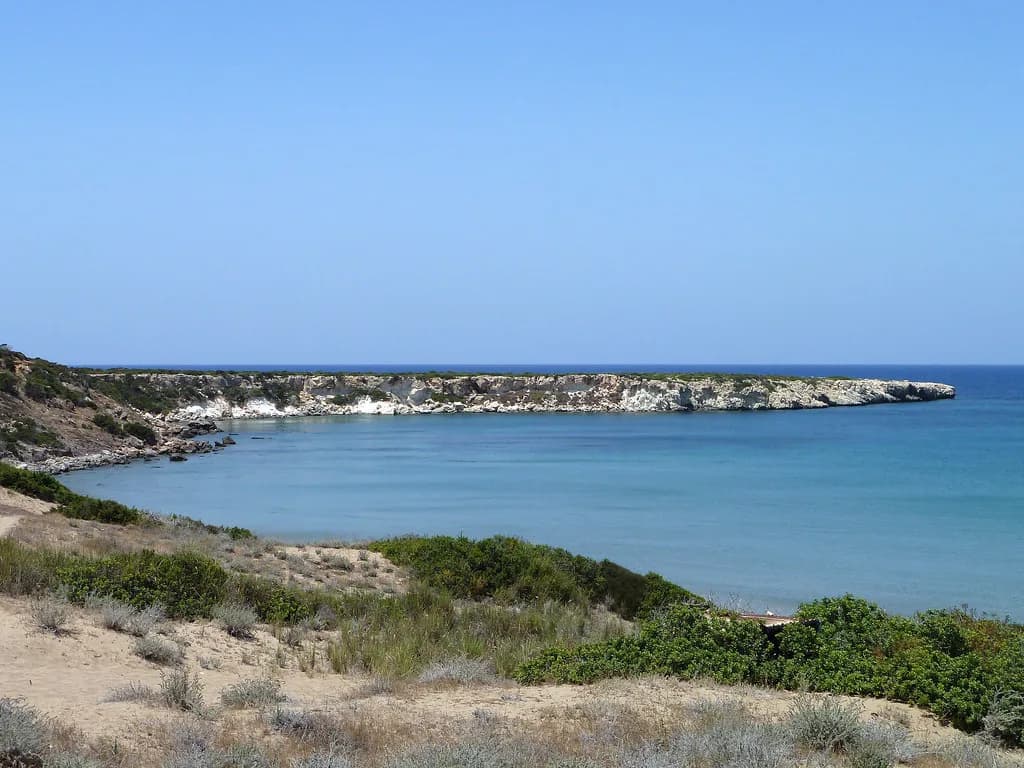
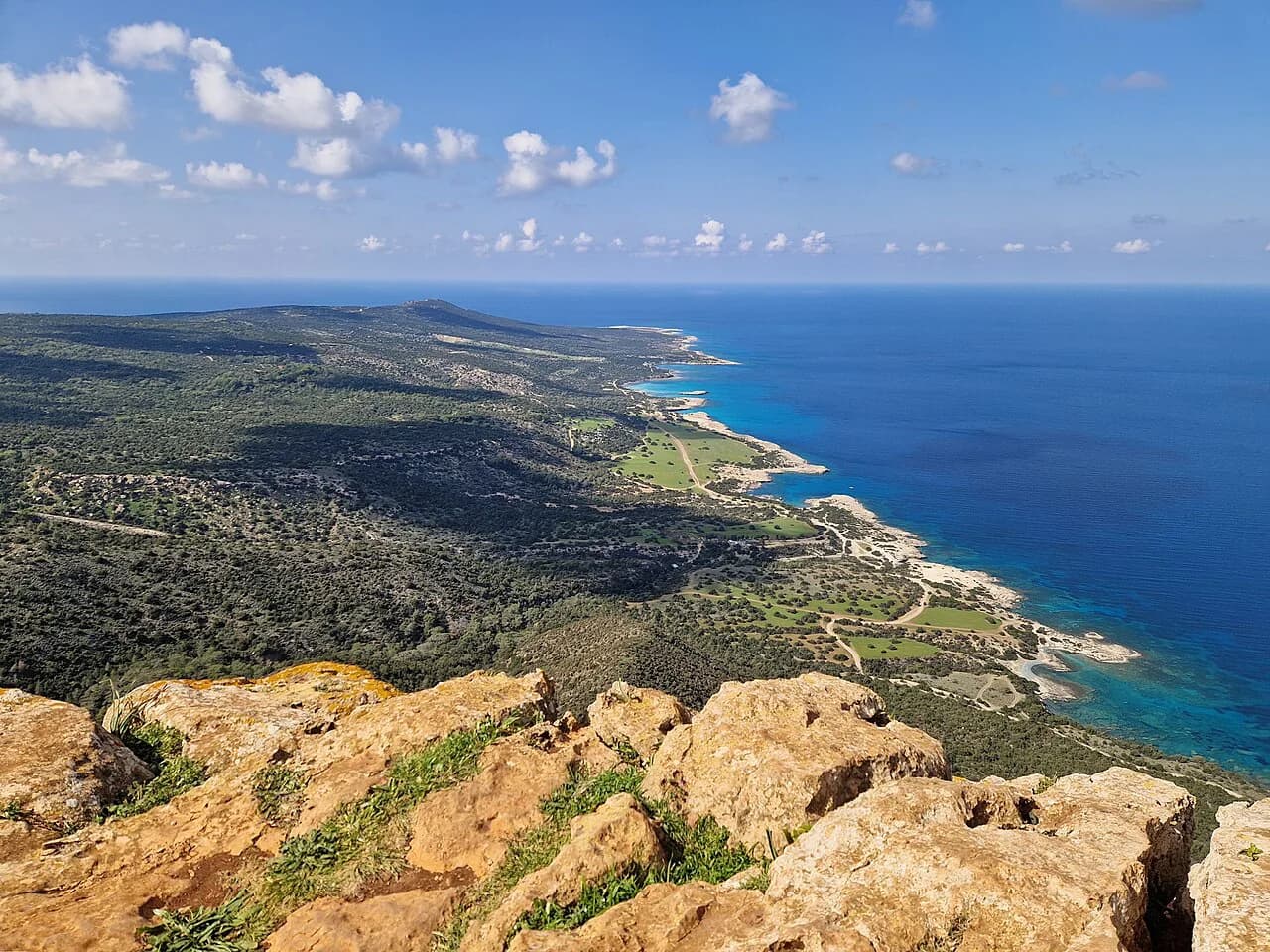
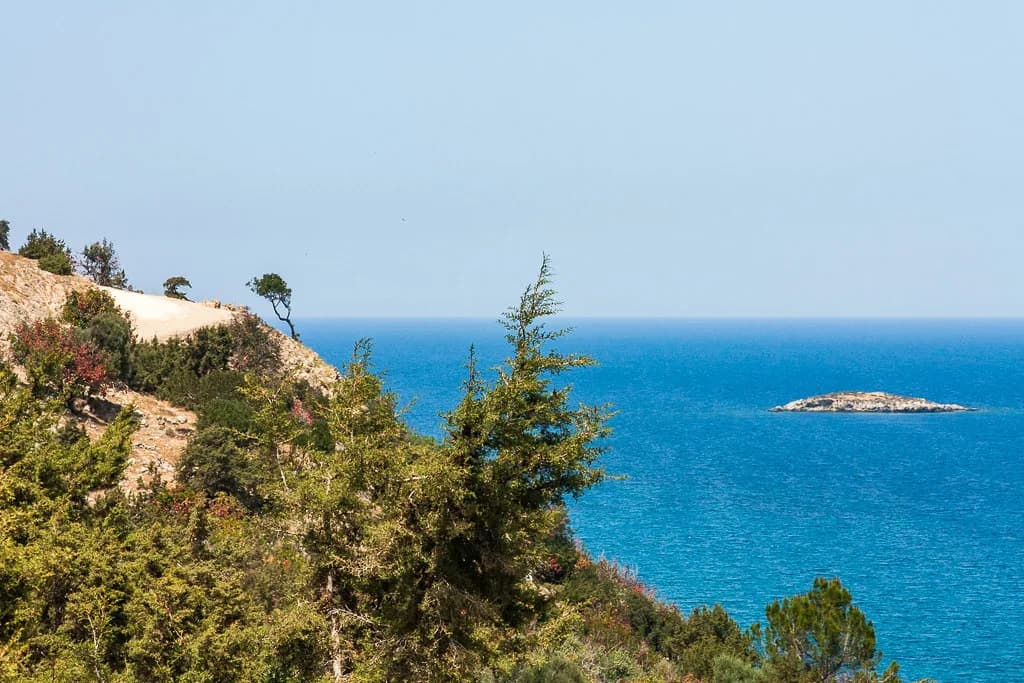
The site lies past the fishing harbour of Latsi, towards the tip of the Akamas. Latsi is the nearest practical base, with Polis a short drive inland and Paphos further south along the coast road, and the peninsula beyond is the wildest stretch of the island's western coast.
Treat the Baths as the gateway to the Akamas rather than an isolated pin on the map. Once you are this far west, the coast, the hill villages and the boat trips from Latsi all sit within the same half-day or full-day loop.
The legend of Aphrodite and Adonis
Legend holds that Aphrodite bathed in the waters of the grotto, which is where the name comes from. In the version the tourism portal tells, she met her lover Adonis at this spot when he stopped for a drink while hunting, and he fell in love with her as he drank.
The site is tied into the Aphrodite Cultural Route, the island-wide trail linking places associated with the goddess. If you are following it, the Baths are one stop among several, including Petra tou Romiou (Aphrodite's Rock) on the south coast, and each place carries a slightly different version of the same mythology.
Getting there by car
The usual approach is by road from Polis or Latsi, following the coast towards the tip of the Akamas. Cyprus drives on the left, and the final stretch is slow going, so allow more time than the distance suggests. Public transport to the grotto is not something the tourism authority sets out, so treat a car, a taxi or an organised tour as the realistic options and check locally if you are relying on a bus.
An Akamas jeep safari covers the peninsula's rough tracks in a vehicle built for them, which saves you wrestling a hire car over terrain it was not meant for. If you would rather drive yourself, keep the hire agreement in mind: many policies restrict unsealed roads on the peninsula, so check before you commit to the far tip.
What to expect on site
Expect a short visit. The grotto is a small pool under the fig tree, the greenery around it is dense and shady, and most people spend their time looking, reading the legend and moving on. Set your expectations to a quiet, pretty pause rather than a sight that fills an afternoon.
The botanical garden alongside gives the stop a second layer, planted with Mediterranean species and making a gentler wander than the rocky ground beyond, which suits anyone travelling with older relatives or who wants a shaded stretch before the coast road.
The tourism portal publishes no entrance fee or opening hours for the grotto, so do not build a budget line around either. Ring the Deputy Ministry of Tourism's information line before you set off if you need to know a charge or a closing time in advance.
Swimming and the pool
The pool is a dripping grotto fed from the rock, not a lido or a beach. What the site is built around is the legend of Aphrodite bathing there, and the water is shallow and enclosed. Nothing in the tourism authority's account of the site presents the pool as a place to swim, so do not plan a dip in it.
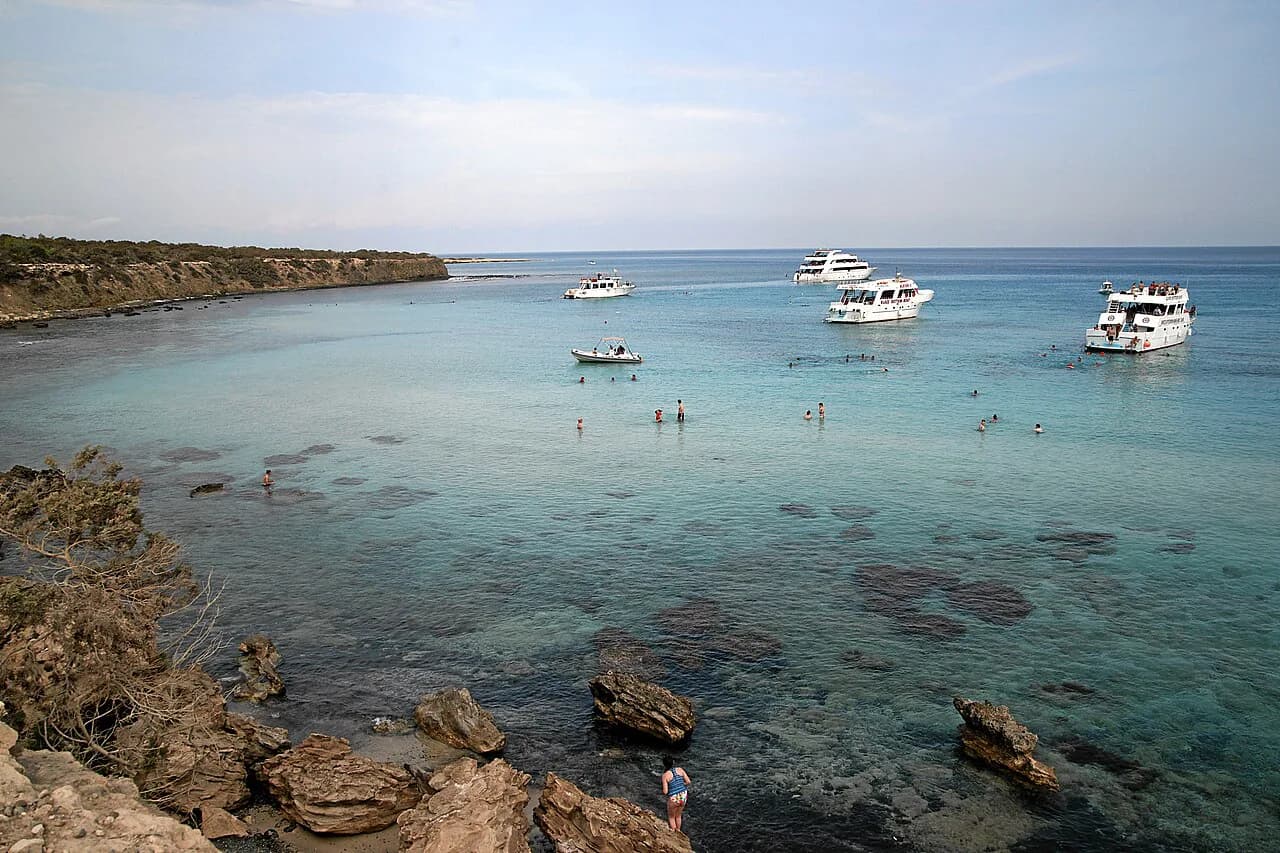
For an actual swim, the Akamas coast around Latsi has the water and the boat access, and coastal cruises include swimming stops. That is where to spend your swimming time, with the grotto kept as the cultural pause on the same day.
Boat trips past the Baths and the Akamas coast
Coastal cruises along this stretch pass the Baths of Aphrodite together with St George Island, Plaji Bay and the Manolis Sea Caves, with English audio commentary on board. Those trips pair the grotto's coastline with swimming stops and sea caves, so you see the Akamas cliffs from the water rather than the road.
Book through a named operator and confirm the departure point, season and what is included before you pay. Boat schedules on this coast are seasonal, and you want to know whether your ticket covers lunch, transfers and the swim stops before committing a day to it.
Pairing the Baths with the rest of the Akamas
The Baths work best as part of a day on the peninsula. From Latsi you can push on to the coast, stop at the villages in the foothills, or take a boat trip that covers the coastline the road cannot reach. Neo Chorio and Drouseia sit in the hills above Latsi and make good lunch stops on the way back.
If you are heading further round the peninsula by boat, the Blue Lagoon is the usual swim stop on the Akamas coast, and most cruises from Latsi combine it with the Baths. Build the day around one booked activity and one short stop, not three, and the pace stays pleasant.
Drivers coming from Paphos can break the journey at villages on the Laona plateau, such as Kathikas, before dropping down to Latsi. That turns a long coastal transfer into a series of short, worthwhile stops, with the grotto as the westernmost point.
Best time to go and what to plan around
Summer afternoons on the Akamas are hot and exposed, so go early and carry water. Spring and autumn give gentler temperatures for the drive and the coastal stops. Temperatures you read for Cyprus are climate averages rather than a forecast, so check the weather the night before.
The grotto and the garden sit in shade, but the roads and parking areas around them do not. A hat, sunscreen and a full water bottle are sensible for the walk in and out even on a short visit.
Is the Baths of Aphrodite worth the detour?
Yes, if you are already heading west along the Akamas coast, and no if you are planning a day around it alone. The grotto is a short, shaded, atmospheric stop with a strong legend, but the reason to drive this far is the peninsula around it: the coast road, the boat trips from Latsi and the hill villages above.
Build a half-day or full-day loop, go early, and confirm the day's boat departures and any site information while you are still in Latsi or Polis. Pair the grotto with a coastal cruise or a drive to the tip, and the detour pays off.
Explore more Polis guides
Frequently Asked Questions
Can you swim in the Baths of Aphrodite?
The pool is a shallow grotto fed by dripping water beneath the fig tree, and the legend is of Aphrodite bathing there. The tourism authority's description does not present it as a swimming spot, so plan your swim for the Akamas coast or the boat trips from Latsi, which include swimming stops.
Do you have to pay to visit the Baths of Aphrodite?
The official tourism portal sets out no entrance fee or ticket price for the grotto, so confirm any charge on arrival or by ringing the Deputy Ministry of Tourism before you budget for it.
Can you drive to the Baths of Aphrodite?
Yes. The site is reached by road past the fishing harbour of Latsi towards the tip of the Akamas. The final stretch is slow, and many hire-car policies restrict unsealed roads, so check your agreement or take an organised jeep safari.
Sources
Notes for your Cyprus trip
Optional updates to our Cyprus guides.
You might also like
Continue reading
More guides you'll find useful