Germasogeia Dam: Limassol's Reservoir, Trails and Views
Germasogeia Dam sits a short drive above Limassol, with reservoir views, gentle trails and picnic spots. Here is how the site is laid out and what to expect.
On this page
Germasogeia Dam is a half-day at most: a reservoir in the hills just north of Limassol, reached in roughly ten minutes from the city centre and best used for a short walk, a picnic or an hour with binoculars. The site combines a working water supply, informal tracks around the water and a marked nature trail above it, so it rewards a little planning rather than a quick look. This guide covers the layout, the drive up, the trails, the seasonal water level and the nearby green spaces worth adding.
What Germasogeia Dam is and where it sits
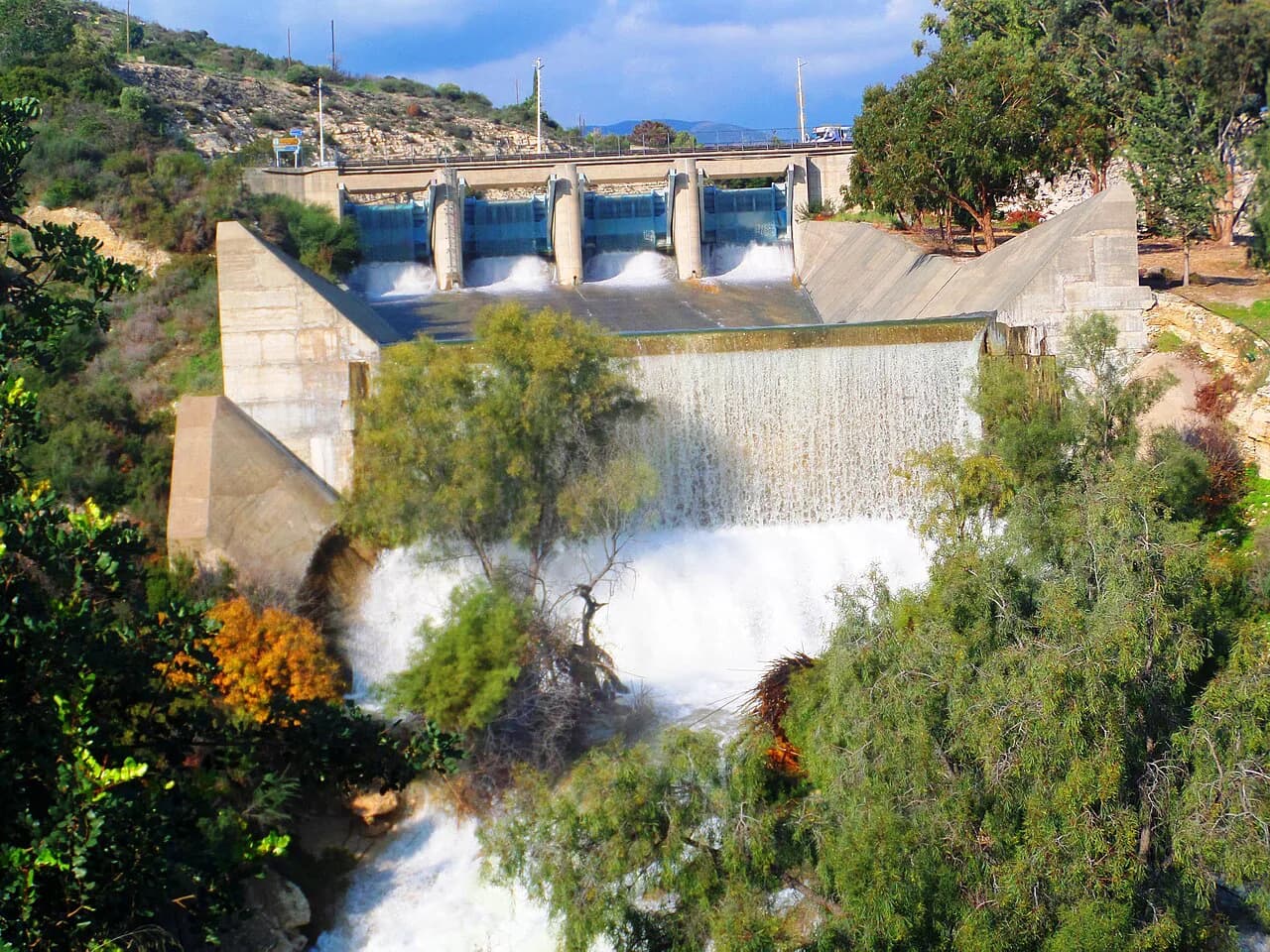
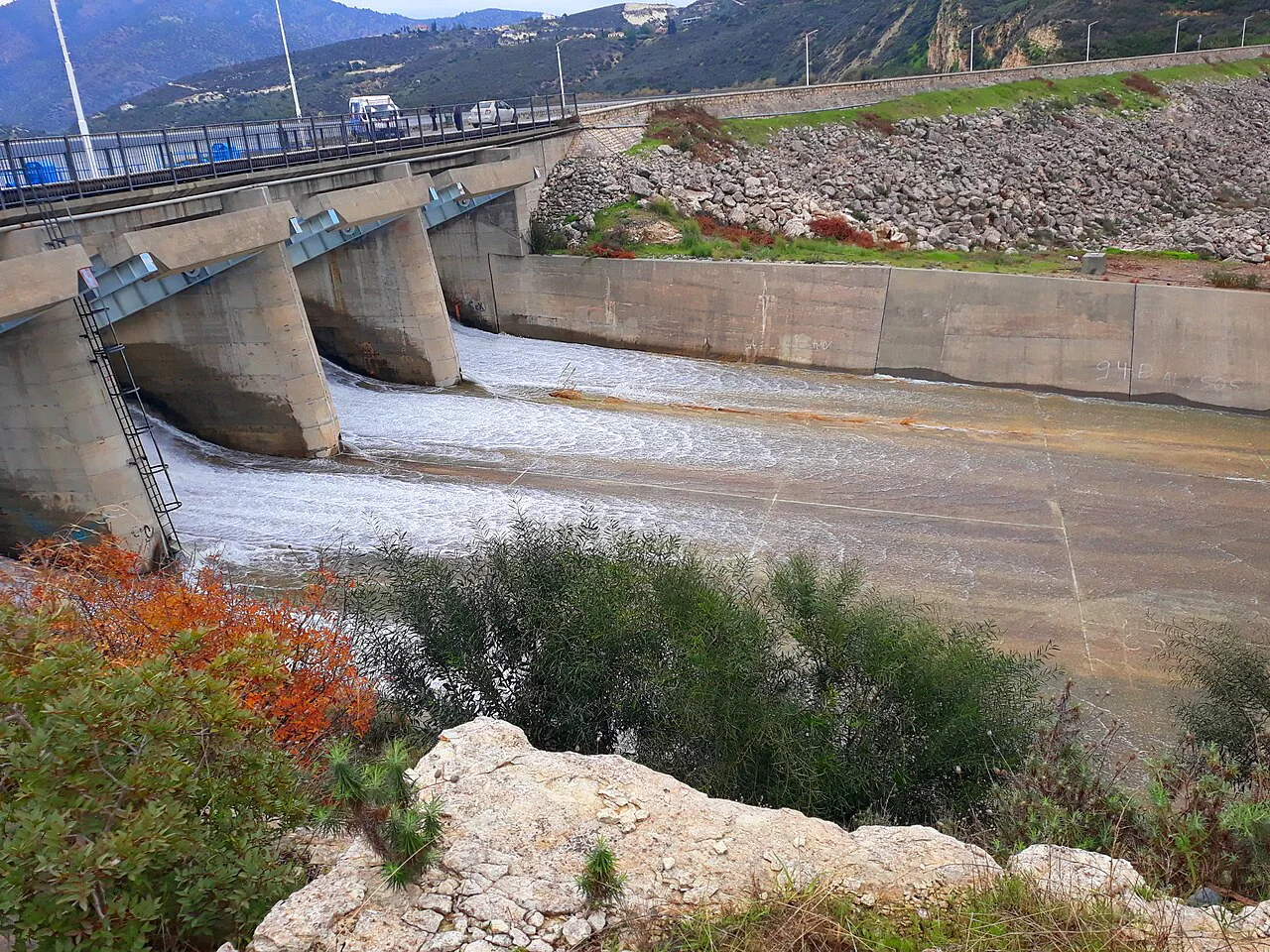
The dam holds back the Amathos River in a valley above Germasogeia village, on the northern edge of Limassol. It was completed in 1968 as an earth-fill embankment 49 metres high, with a capacity of 13,500,000 cubic metres of water, and its purpose is supplying Limassol rather than recreation. Treat it as infrastructure you can walk around, not a landscaped park with facilities.
Because the reservoir sits in a basin rather than on open flatland, the shoreline shifts with the water and the surroundings stay green for much of the year. Pine-covered slopes rise on either side, with reeds and low shrubs at the water's edge, and the setting changes from fresh green to dry gold across the seasons. That variety is the reason to come, rather than any single viewpoint or monument.
Getting there: the drive from Limassol and parking
By car the reservoir is roughly a 10- to 15-minute drive from Limassol, heading north through Germasogeia and up into the valley. Parking is available at several points close to the water, so you can stop near the dam wall or further along the bank depending on where you want to walk. A car makes the trip straightforward and gives you the flexibility to stop where you like.
Drive up in the morning or late afternoon rather than at midday, when the open water and bare tracks offer little shade. The road climbs through residential Germasogeia, so allow a little extra time for the village streets before the final stretch. If you are touring the island's water sites more broadly, the wider picture of Cyprus dams helps put this one in context.
The reservoir itself and how the water level changes
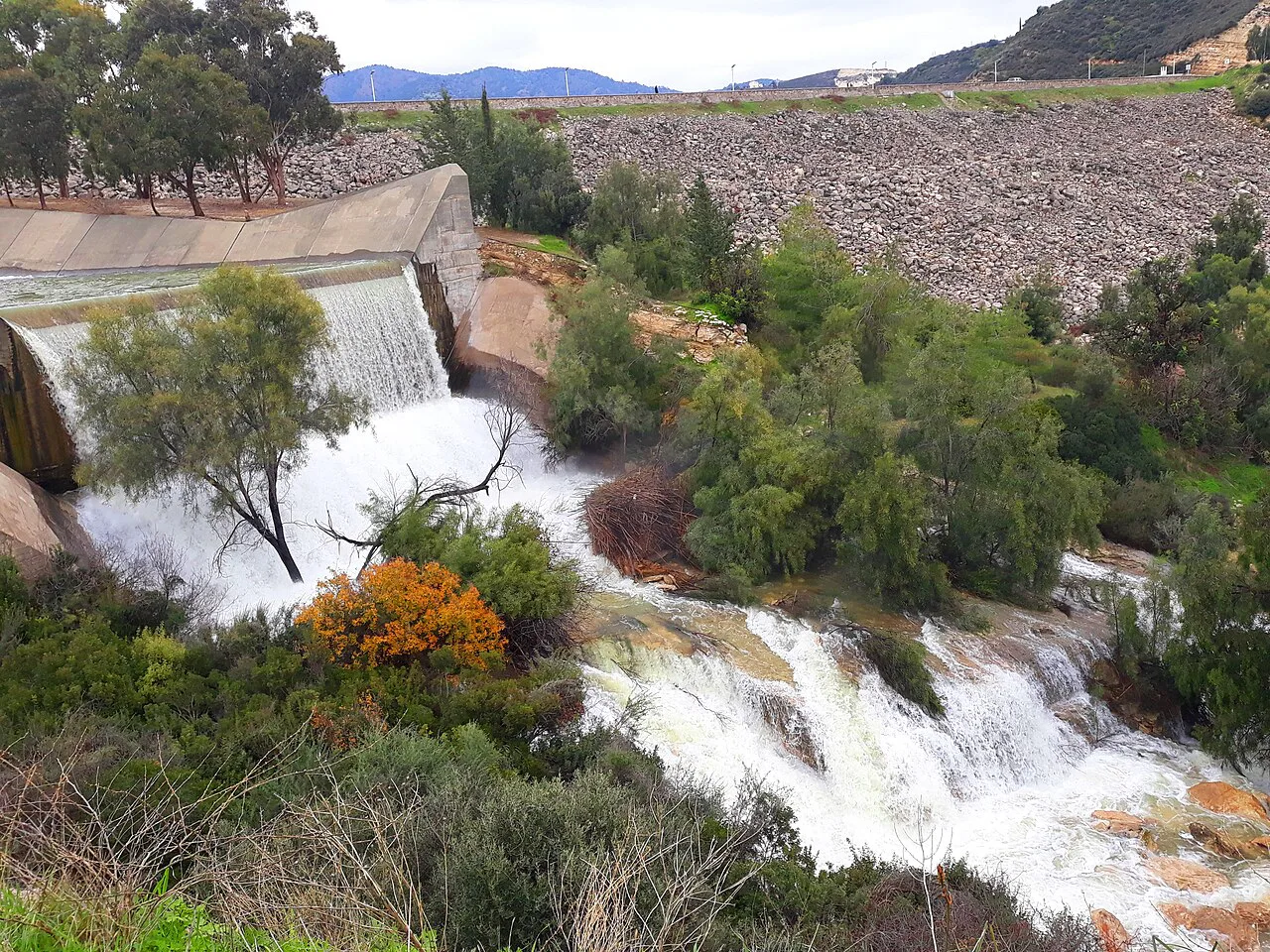
Expect the water level to shape your visit. The reservoir has recently been particularly low after prolonged drought, which exposes broad margins of bank and changes the view considerably compared with a full winter. The dam stores water for Limassol rather than holding a constant recreational lake, so a photograph from one year will not match the next.
The catchment is the Amathos River, whose estuary reaches the Limassol coast, so winter rain in the hills above the city feeds the reservoir directly. The most reliably green months are winter and spring, when the surrounding biotope supports rich flora and the banks look their best. Come in high summer and you will find a drier, more muted landscape.
Walking and cycling around the dam
Informal tracks run around the reservoir, used by walkers, joggers and cyclists, and they are mostly natural surfaces that can be uneven in places. Sturdy shoes are sensible, and you should carry water and snacks, especially in warmer months. The loop is gentle rather than strenuous, which makes it a realistic option for a mixed group or a short outing before lunch.
For something longer and better marked, the Kyparissia nature trail above the dam is reported as a 7- to 8-kilometre walk on an easy, well-marked route with open views over Limassol and a steady breeze. Treat that distance as a reported figure rather than a surveyed one, and judge the conditions on the day. The trail is a separate proposition from the reservoir tracks, so decide which you want before setting out.
Benches and viewpoints are scattered along the route, so you can break the walk without leaving the water's edge. Cyclists use the unpaved tracks too, so keep an ear open on blind corners. Allow an hour for a short there-and-back stroll and considerably more if you take on the full nature trail.
Birdlife, plants and the biotope around the water
The reservoir has created a small wetland habitat, with rich flora around the perimeter and migratory birds arriving at particular times of the year. Bring binoculars and scan the shallower margins where the water meets reeds and shrubs; a low water level can actually concentrate birds in a smaller area. Photography works best in the softer light of early morning or late afternoon.
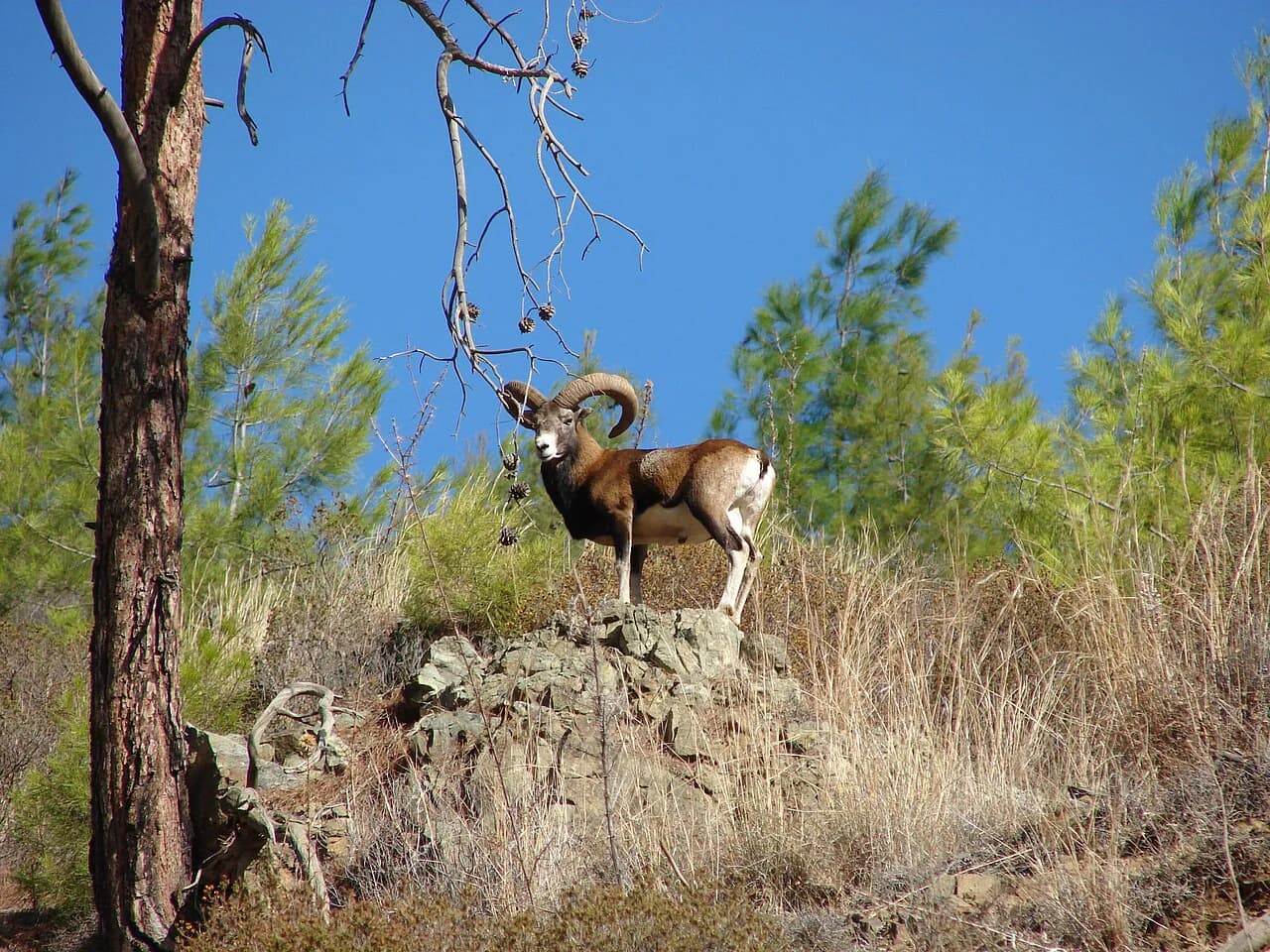
This is easy, roadside nature rather than a reserve with hides, so set expectations accordingly and keep to the tracks. For the island's larger conservation picture, including the Cyprus mouflon and the habitats that hold it, the Cyprus wildlife section is the place to start planning.
Picnics and nearby green spaces
The Finikaria picnic site sits about 1.7 kilometres from the reservoir, close to the start of the Yermasoyia Dam nature trail, which makes either a natural add-on to a walk. Hunters' Park in Yermasoyia is roughly 2.7 kilometres away and gives children somewhere to run about after the water. Both are within a few minutes' drive, so you can combine them without crossing Limassol twice.
If you enjoy comparing reservoirs, the Asprokremmos dam near Paphos is a much larger embankment with its own history and viewpoints. It sits on the other side of the island, so it belongs in a separate day rather than this one.
When to go: winter and spring greenery, summer heat
Winter and spring are the best months for the reservoir, when the banks are green and the surrounding flora is at its richest. Summer turns the hillsides dry and the open tracks hot, with little shade along the water. Early morning or late afternoon visits avoid the worst of the heat and give the best light for photographs.
Rain matters more here than on the coast, because the valley above Limassol catches weather that the seafront misses. Check the sky before driving up rather than relying on conditions in the city. A misty winter morning is atmospheric, but the tracks will be slippery in places.
What the dam is not: no swimming or boating
There is no swimming and no boating at the reservoir; it is a mindfulness-and-walking kind of place rather than a watersports one. Fishing enthusiasts are drawn to the water, and canoeing also takes place there, so check locally before bringing your own craft. Do not assume you can launch a kayak or paddleboard.
Ground underfoot is uneven on the natural tracks, so wear proper shoes rather than sandals, particularly on the slopes down to the water. There are no formal facilities to rely on, so bring what you need and take rubbish away with you. Plan the visit as a short outdoor stop, not a full-day attraction.
Nearby stops that pair with the reservoir
Germasogeia has a farmers' market and a couple of parks a few kilometres from the reservoir, so you can round off the drive with a wander and a coffee. The Saint Loucas chapel at Akrounta and the Monastery of Panagia Sfalaggiotissa near Agios Athanasios are both short detours if you want a church stop alongside the water. Both sit within about three kilometres of the reservoir.
For a different reservoir day, the Evretou dam in the Paphos hills has its own setting and views. It is a long drive from Limassol, so keep it for a day when you are already heading west.
Is the reservoir worth the drive from Limassol?
Yes, if you want an easy hour or two outdoors without leaving the city far behind, and no if you are expecting a full visitor attraction with facilities. The best version of the trip pairs a short walk around the water with a picnic at Finikaria and a stop in Germasogeia village on the way back. Go in winter or spring, arrive early or late, and wear shoes you do not mind getting dusty.
Sources
Notes for your Cyprus trip
Optional updates to our Cyprus guides.
You might also like
Continue reading
More guides you'll find useful