Cyprus in September: Weather, Sea Temperatures and Crowds
Cyprus in September brings highs around 31°C, sea temperatures near 26°C and about 10 hours of sun a day, with fewer crowds than in high summer.
On this page
September is one of the best months to visit Cyprus if you want reliable heat without the peak-summer crush. Expect daytime highs around 31°C, sea temperatures near 26°C and roughly 10 hours of sunshine a day, with crowds thinning as the month goes on. This guide breaks down the typical climate, region by region, and shows how to shape days around the heat for old towns, harbours and archaeological sites.
The figures here are climate averages, not forecasts, so treat them as a planning baseline rather than a promise. Department of Antiquities sites and museums can vary their hours through the season, so confirm times with the site or the Department before a long drive.
What the weather in Cyprus is like in September
September sits at the handover between summer and autumn. The heat is still firmly Mediterranean, and the fiercest mid-summer peaks ease, so long walks and site-hopping are more comfortable than in July. Cyprus Paradise puts September highs at around 31°C and lows at about 18°C, with the sea at roughly 26°C.
TUI's climate overview gives an average temperature range of roughly 25–30°C for the month, alongside rainfall of around 10 mm and about 10 hours of sunshine a day. Plan for warm days and noticeably cooler nights, especially near the coast.
September temperatures by day and night
Daytime temperatures typically peak around 31°C, hot enough that exposed archaeological sites such as Kourion or Choirokoitia are best tackled early in the morning or late afternoon. Nights drop to around 18°C on average, so a light layer is useful after dinner, particularly near the coast.
What months are hot in Cyprus? The hottest months are July and August, when temperatures peak and the sea is at its warmest. September stays hot, with highs around 31°C, before cooling begins in October.
How hot is Cyprus in September? Daytime highs average around 31°C, with nights dropping to about 18°C. TUI's climate overview gives a broader average of roughly 25–30°C for the month, and the sea averages around 26°C.
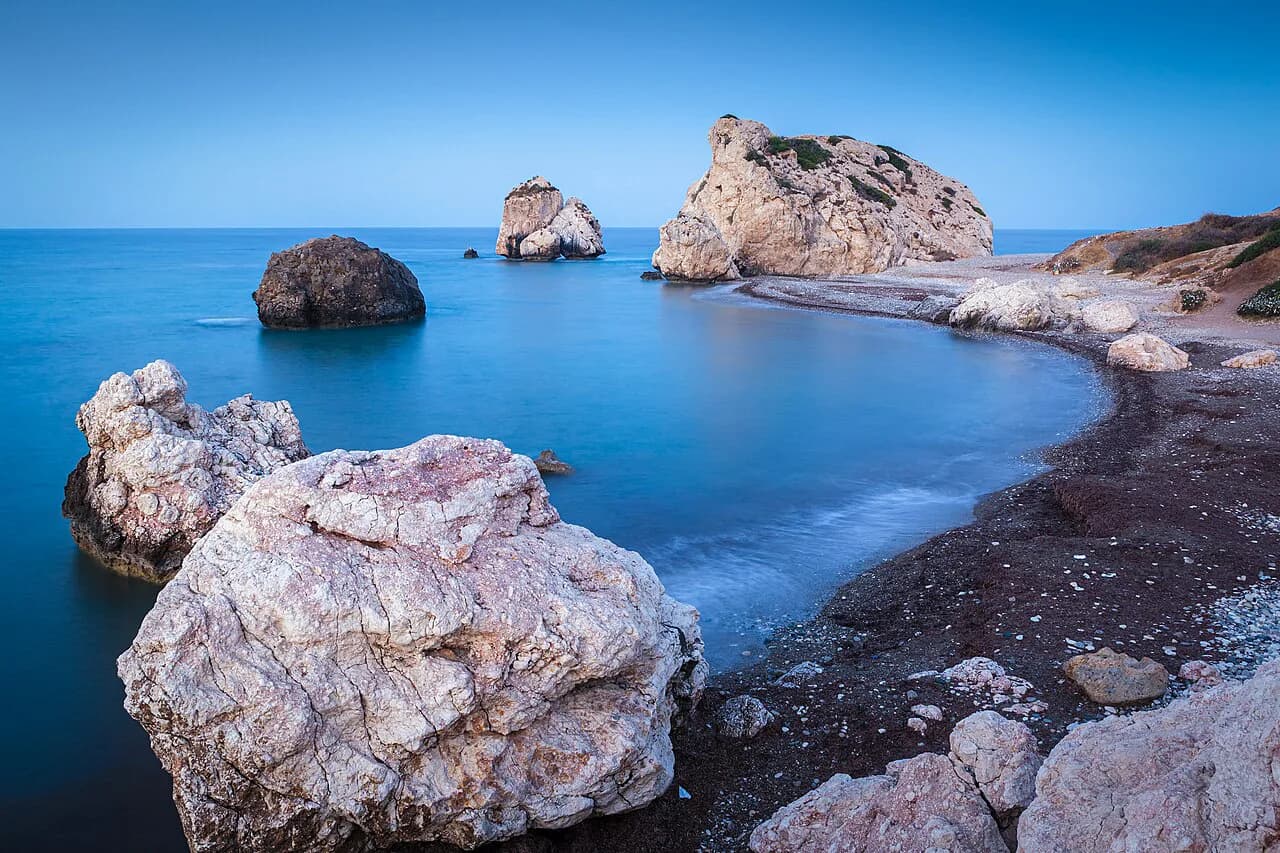
Is the sea warm enough for swimming in Cyprus in September? Yes. The Mediterranean averages around 26°C in September, making it comfortable for longer swims at places like Petra tou Romiou or the bays around Ayia Napa and Protaras.
Treat these as averages rather than a daily schedule. A heat spike in early September can push temperatures higher, while a cooler spell later in the month can bring them down. If you are planning a lot of walking, aim for the second half of the month when the averages soften.
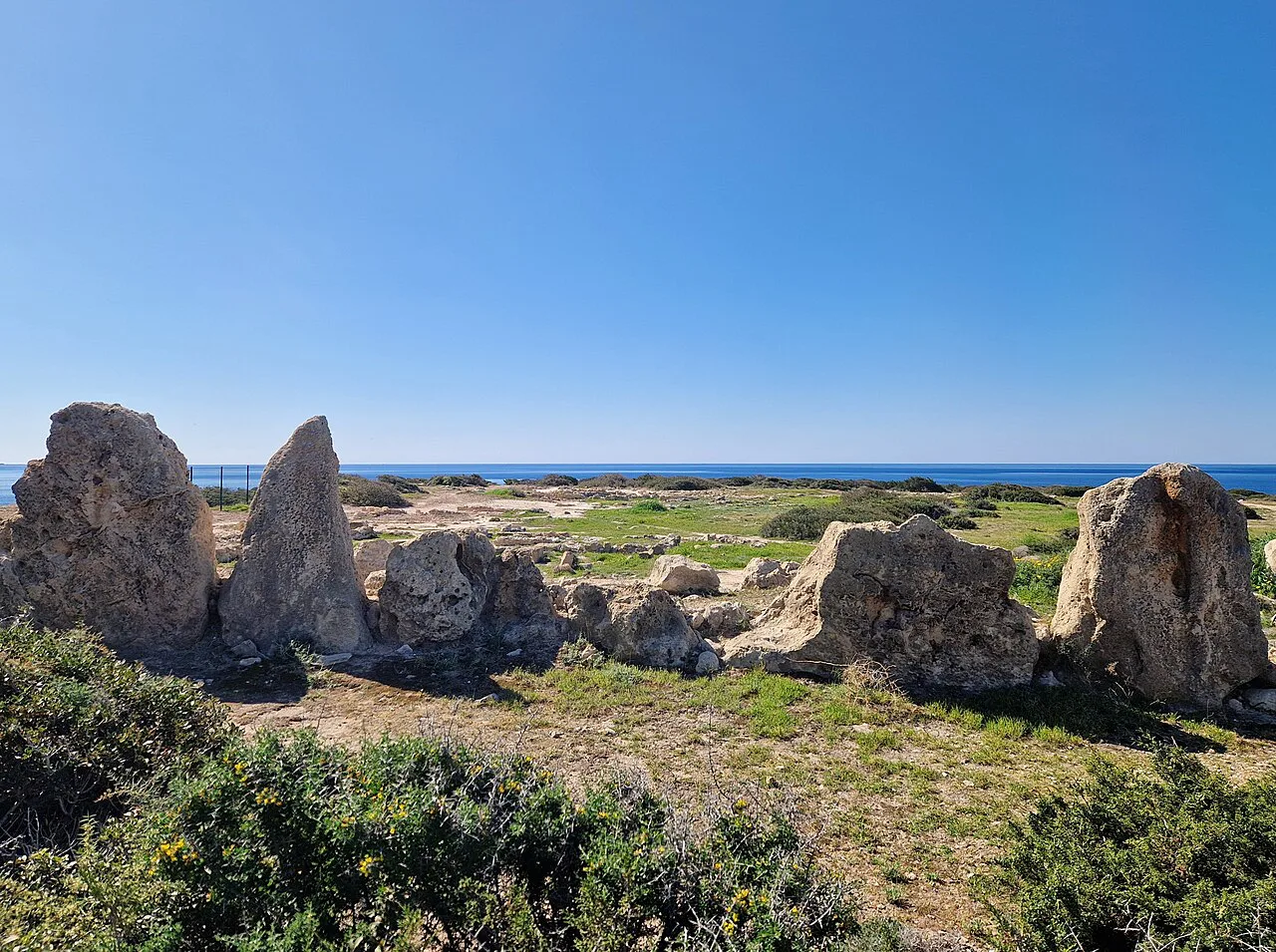
Sea temperature and swimming in September
The Mediterranean is at its warmest in September, with an average sea temperature around 26°C, which makes it a comfortable month for longer swims at places like Petra tou Romiou or the bays around Ayia Napa and Protaras, without the initial chill of early summer.
Warmer water also means boat trips and coastal swim stops feel more forgiving later in the day. If you plan a boat trip, book with a named operator and check departure times directly, as schedules taper as the season moves towards October.
Rain, sunshine hours, wind and UV
Rain is rare in September, with typically only one or two rainy days across the month and around 10 to 11 hours of sunshine a day. TUI's overview gives rainfall of around 10 mm and sunshine of roughly 10 hours a day, which lines up with the dry, bright pattern most travellers experience. For comparison, see what July brings.
UV levels stay high even as the peak summer heat fades, so sunscreen and a hat matter for outdoor sites. A moderate breeze is common on the coast, which can make the sun feel gentler than it is, so watch exposure on long harbour walks in Larnaca or Limassol.
Is Paphos hot in September?
Yes, broadly. Paphos in September stays firmly warm, and the coastal position helps, with sea breezes tempering the worst of the afternoon heat. The harbour and Kato Paphos waterfront are pleasant in the evening. For how the month eases into autumn, see Cyprus in October.
For the Kato Paphos archaeological park and the mosaics, start early and carry water; the exposed ground gets hot by late morning. Save the shaded lanes of Ktima or an air-conditioned museum for the middle of the day. With a few adjustments, September is comfortable for sightseeing, which is why this month sits well within the best time to visit window for many travellers.
Which part of Cyprus is hottest in September?
Inland Nicosia and the Mesaoria plain generally run hotter than the coast, because they lose the moderating sea breeze. Coastal towns such as Limassol, Larnaca, Ayia Napa, Kyrenia/Girne and Famagusta/Gazimağusa stay a touch cooler on average, though the difference is modest and mostly felt in the afternoon.
If you want the coolest conditions, head for the Troodos mountains, where altitude brings temperatures down noticeably. That makes villages like Troodos and the area around Kykkos a sensible escape on the hottest days.
Crowds and heat: how to shape the day around them
September crowds ease as the month progresses, but popular sites such as the Kato Paphos mosaics and the archaeological area around Kourion still draw coach groups. Arriving at opening time, or visiting late afternoon, gives you cooler air and thinner crowds. Build a long lunch or a museum stop into the middle of the day, when the heat and the tour buses are both at their peak.
If your itinerary includes several Department of Antiquities sites, check opening days and times with the Department or the site directly, since these can change by season and site. Allow for a slower pace than in spring; two sites a day is a realistic September target rather than three or four.
What to see and do in September: old towns, harbours and archaeological sites
The old towns reward early starts: the lanes of Ktima above Paphos, Limassol's old centre around the castle, and the harbour front at Larnaca are all easier to walk before the midday heat builds. In the north, the harbour at Kyrenia/Girne and the old town of Famagusta/Gazimağusa are similar, with plenty of shade and cafés to break up the walk.
Archaeological sites need more planning. Kourion and the Kato Paphos archaeological park are exposed, so go at opening time, carry water and wear a hat. Inland sites such as Choirokoitia involve slopes, so save them for a cooler morning, and keep a museum or two in reserve for the hottest afternoons.
Getting around in September: car hire, buses and the Green Line
Cyprus drives on the left, which most UK and Irish drivers find familiar. Car hire gives you the most flexibility for reaching Kourion, Petra tou Romiou and the Troodos villages, but check what your policy covers for crossing the Green Line into the north, since not all insurers include it. Intercity buses link the main towns, including Nicosia, Limassol, Larnaca and Paphos, and are a cheaper option if you are based in one place.
Crossing the Green Line is straightforward at the designated points, but take your passport and confirm the rules for your hire car before you set off. In the north, places are often known by both names, so look for Kyrenia/Girne, Famagusta/Gazimağusa and Nicosia/Lefkoşa on signs. For detailed route and crossing information, see the Best Time to Visit Cyprus guide.
What September costs in euros
The Republic of Cyprus uses the euro, so prices in Paphos, Limassol, Larnaca and Ayia Napa are in euros. North Cyprus uses the Turkish lira. Because prices for site entry and transport can change, confirm ticket costs with the site or operator rather than relying on older figures.
September compared with October
October is cooler and quieter still, with temperatures easing as the month goes on. The sea stays warm enough for swimming, and the drop in crowds makes it a good month for unhurried old-town walks. September keeps more of summer's heat, which suits travellers who want beach weather alongside their sightseeing.
If long coastal swims are the priority, September has the edge with sea temperatures around 26°C. If you prefer gentler heat for walking and site visits, October is the more comfortable choice.
What to pack for the heat and the cooler evenings
Pack lightweight, breathable clothing for the daytime and comfortable walking shoes for old towns and archaeological sites. Add a light layer for evenings, when temperatures drop to around 18°C, plus sunscreen, a hat and a refillable water bottle.
Is September the right month for your Cyprus trip?
September suits travellers who want reliable heat, warm sea and a slightly gentler pace than high summer. Plan outdoor sites for early morning, keep afternoons flexible, and check seasonal opening times with the Department of Antiquities before a long drive.
If you want maximum heat on the beach, September delivers; if you would rather walk old towns and sites in cooler air, October is the better pick. Either way, use the climate averages as a baseline and build slack into the itinerary.
Explore more Cyprus guides
Frequently Asked Questions
What months are hot in Cyprus?
The hottest months are July and August, when temperatures peak and the sea is at its warmest. September stays hot, with highs around 31°C, before cooling begins in October.
How hot is Cyprus in September?
Daytime highs average around 31°C, with nights dropping to about 18°C. TUI's climate overview gives a broader average of roughly 25–30°C for the month, and the sea averages around 26°C.
Is the sea warm enough for swimming in Cyprus in September?
Yes. The Mediterranean averages around 26°C in September, making it comfortable for longer swims at places like Petra tou Romiou or the bays around Ayia Napa and Protaras.
Does it rain in Cyprus in September?
Rarely. September typically sees only one or two rainy days across the month, with around 10 mm of rainfall in TUI's overview, and roughly 10 to 11 hours of sunshine a day.
Which part of Cyprus is hottest in September?
Inland Nicosia and the Mesaoria plain generally run hotter than the coast, which benefits from sea breezes. The Troodos mountains are cooler still thanks to altitude.
Is September busier or quieter than July and August in Cyprus?
Quieter, with crowds easing as the month goes on. Popular sites such as the Kato Paphos mosaics and Kourion still draw coach groups, so arrive at opening time or late afternoon.
Should I visit Cyprus in September or October?
September keeps more of summer's heat and the warmest sea, around 26°C. October is cooler and quieter, which suits travellers who prefer gentler heat for walking and site visits.
Sources
Notes for your Cyprus trip
Optional updates to our Cyprus guides.
You might also like
Continue reading
More guides you'll find useful