
Larnaca Castle: A Visitor's Guide to the Medieval Fort

Larnaca Castle is a compact coastal fort at the far end of the Finikoudes palm promenade, and an hour inside covers it comfortably. Entry costs a few euros, the ramparts give you the best sea view in central Larnaca, and the walk there from the seafront is flat and short. This guide covers where the castle stands, what the ticket includes, how long to allow and what to pair it with nearby.
What Larnaca Castle is and where it stands
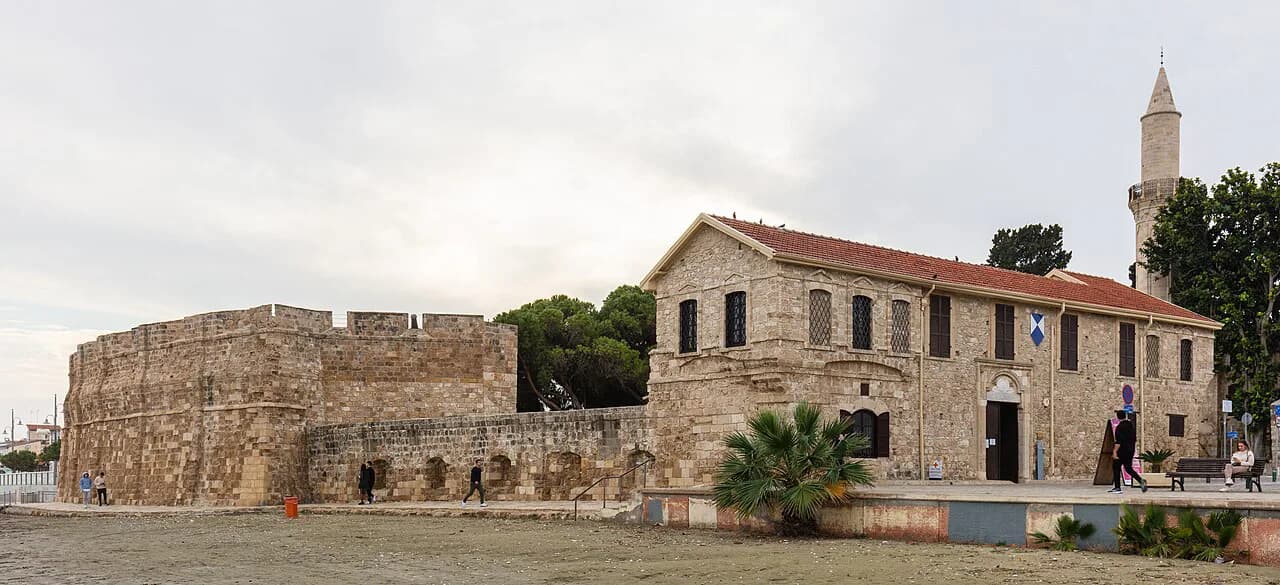
The fort sits at the end of the Foinikoudes promenade, the palm-lined seafront road that runs along Larnaca's town beach. It is also known as Larnaka Medieval Castle or simply Larnaka Fort. The building began in the Middle Ages and took its present shape under Ottoman rule.
Its origins are not settled. One account dates it to the reign of the Lusignan king James I, between 1382 and 1398, when it was built to protect the town harbour while the Genoese held Famagusta. Other sources place construction in 1625 under the Turks, though a Turkish garrison was stationed there from 1570. Treat any single build date you read elsewhere with caution.

How to get there and where the entrance is
Walk south along the Finikoudes promenade until the palms give way to Piale Pasha; the castle is the low stone fort where the seafront curves, with the sea behind it. From the main Finikoudes strip the walk takes around ten to fifteen minutes at an easy pace.
Buses along the seafront stop within easy reach of the fort, and the surrounding streets are a base for a wider sweep of the town if you plan to combine the castle with the Larnaca salt lake or the church of Saint Lazarus.

Opening hours and ticket price
The castle is run by the Department of Antiquities. In winter, from 16 September to 15 April, it opens Monday to Friday 08:00 to 17:00 and at weekends 09:30 to 17:00. In summer, from 16 April to 15 September, the weekday hours extend to 19:30 and weekends run 09:30 to 19:30. The ticket is 2,50 euros per person.
The tourism board notes that hours and entrance fees can be altered without notice, so the published times are a guide rather than a promise. If you are making a special trip, ring the castle on +357 2430 4576 before you set out.
What to see inside
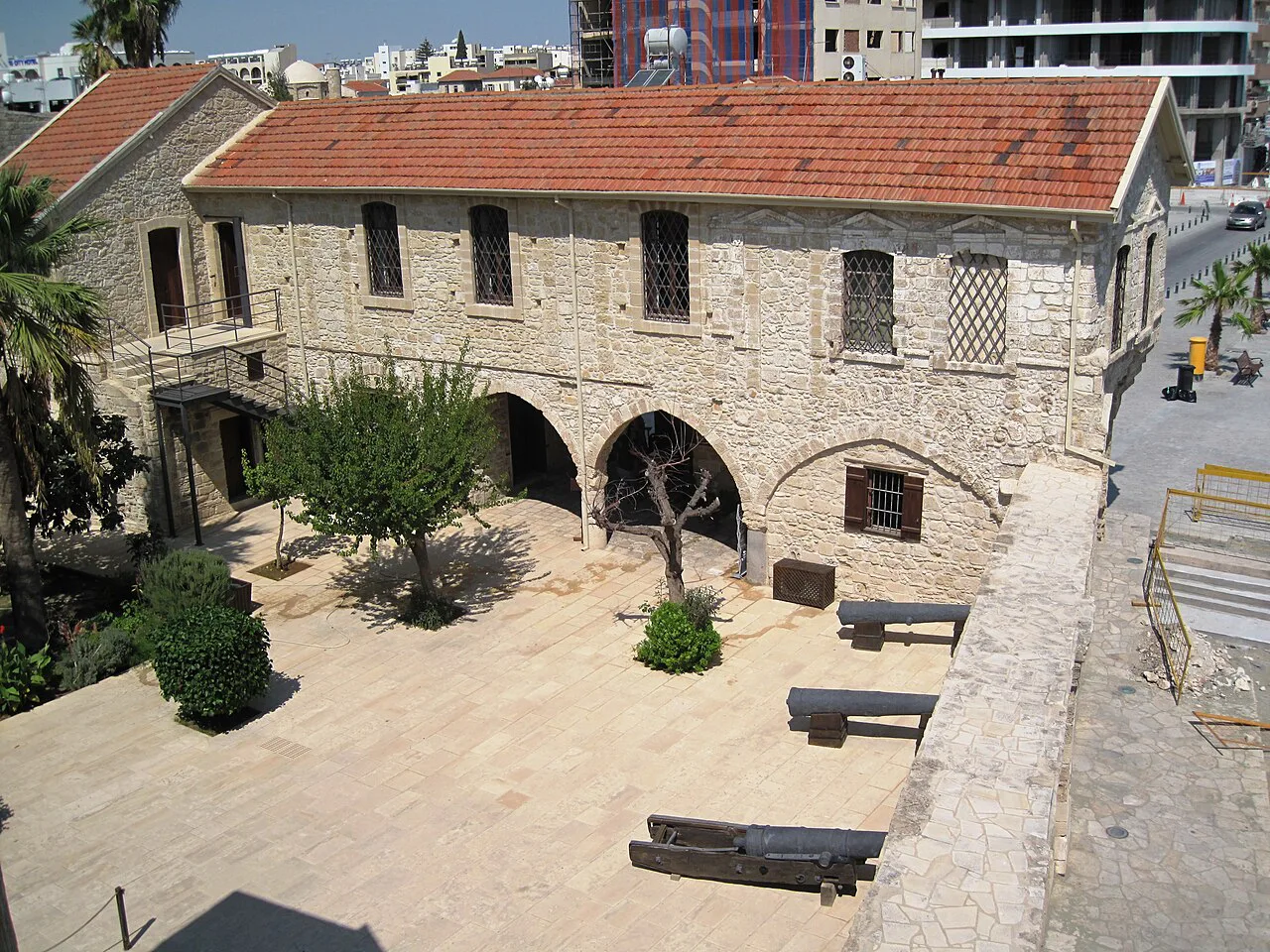
The interior is small and open to the sky in the central courtyard, ringed by vaulted chambers on the ground floor. The scale is modest: this is a fort, not a palace, and there is no long sequence of furnished rooms to work through. The pleasure is in the stonework, the arched doorways and the sense of standing inside a defensive shell rather than a museum set piece.
The ramparts are the reason to come. Climb to the top for a clear view along the coast, over the promenade rooftops and out across the water towards the shipping lanes of Larnaca Bay. On a clear day the outlook alone justifies the ticket.
The Medieval Museum and its status
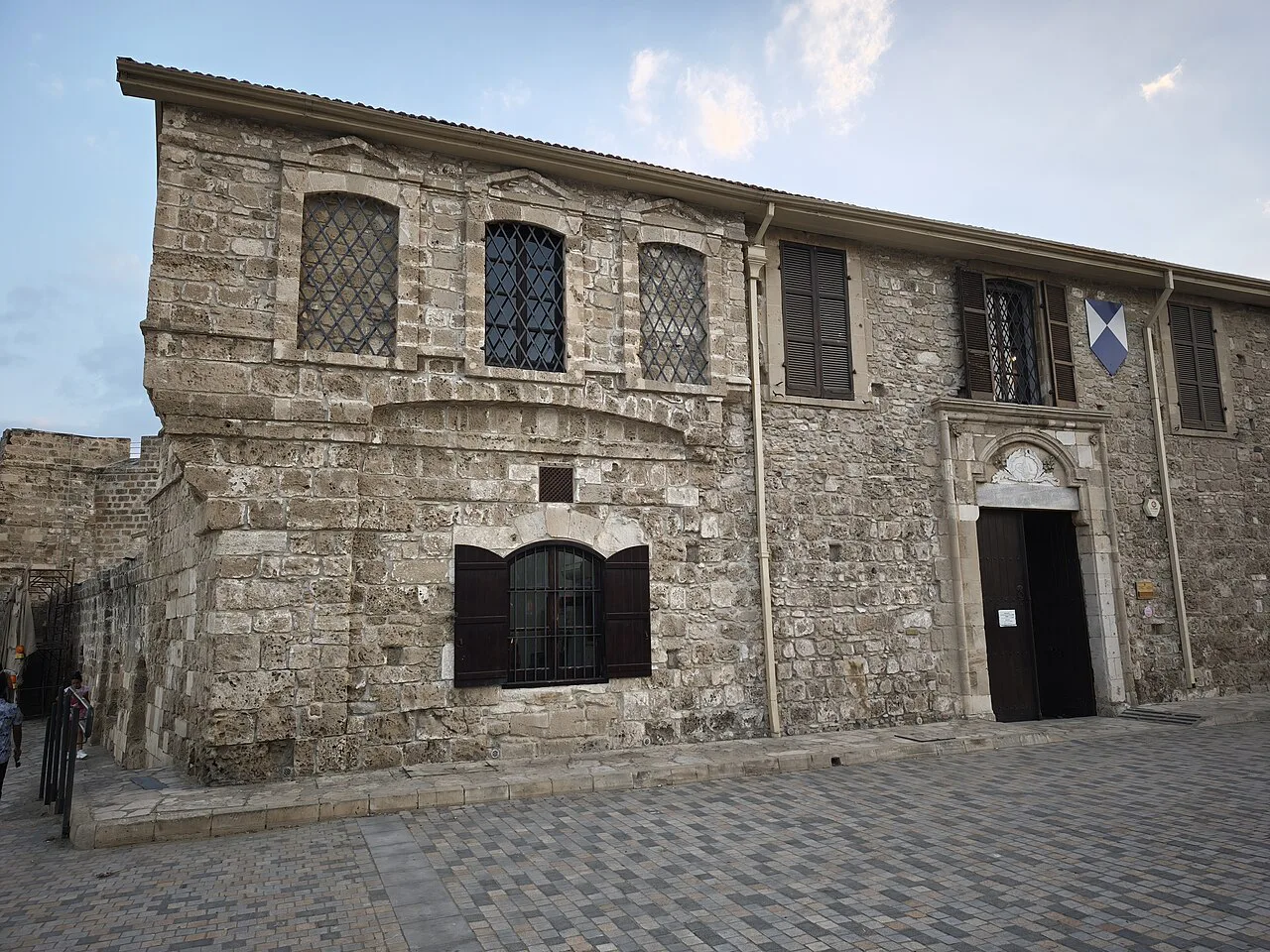
A Medieval Museum occupies the second floor, but it is currently closed for renovations. Plan your visit on the assumption that the galleries may not be open, and do not buy a ticket expecting the collection. The courtyard, chambers and ramparts remain the substance of the visit.
The castle's later history adds a darker note. After the Ottoman period the British turned the fort into a prison, and the western chamber on the ground floor was used for executions. The gallows there remained in use until 1948.
One practical point if you are weighing up a visit against the other sights in town. This is a short stop, best treated as one piece of a day rather than the main event, and the Larnaca Attractions: 11 Visitor Guides gives you the rest of the picture for comparison.
How long to allow
Forty-five minutes to an hour covers the courtyard, the chambers and the ramparts without hurrying. Add another twenty minutes if you want to sit on the seaward wall and take in the view.
Photographers should aim for early morning or late afternoon, when the light rakes across the stonework and the heat is manageable. The castle is exposed, with little shade in the courtyard and none on the ramparts, which makes the middle of a July or August day a punishing time to linger.
What's nearby
Directly beyond the castle the road becomes Piale Pasha, the older seafront strip that runs south along the shore. It is a natural continuation of a walk from Finikoudes, and the two together make a good morning. The Larnaca salt lake lies a short drive or bus ride inland, worth a detour in the cooler months if you want birds and open sky.
If you plan to spend a whole day in Larnaca, the town rewards a loose route rather than a checklist: the castle and promenade first, then inland to the church of Saint Lazarus and the lanes around it, with the Hala Sultan Tekke as an option on the salt lake side. The salt lake suits a cooler hour, not midday.
Anyone with an interest in the sea should know that the Zenobia wreck lies offshore in Larnaca Bay, one of the best-known dive sites in the Mediterranean. It is a boat and diving proposition rather than a shoreline stop, so plan it as a separate outing with the operator.
Who the castle suits, and when to go
The castle suits travellers who like fortifications and sea views, families looking for a short and inexpensive stop, and anyone already walking the promenade. It is less compelling for visitors expecting a room-by-room museum, since the galleries are shut. Note that the upper levels are reached by stairs over uneven stone.
Time your visit for the first hour after opening or the last hour before closing. Midday in summer is hot, bright and crowded along the promenade, and the fort offers almost no shade. In winter the hours are shorter, so a late afternoon arrival can find the gate closed earlier than expected.
Is the castle worth a detour?
Larnaca Castle is worth an hour if you are already on the Finikoudes promenade, and worth a short walk if you are not. The modest ticket price, the ramparts and the sea view make it a good value stop, while the closed museum keeps it from being more than that.
Build it into a morning that includes the promenade and Piale Pasha, and leave the rest of the day for the town's churches and the salt lake. If you are coming from the airport, the Mazotos Camel Park makes an easy separate outing for families.
Explore more Larnaca guides
Frequently Asked Questions
What is Larnaca famous for?
Larnaca is known for its palm-lined Finikoudes seafront, the church of Saint Lazarus, the salt lake with its birds, and the Zenobia wreck offshore, one of the Mediterranean's best-known dive sites. The medieval castle at the south end of the promenade is the town's most visible historic landmark.
What should I wear and expect inside the castle?
The castle floors are stone and the ramparts are reached by stairs, so flat shoes are sensible. The upper walls are exposed with little or no shade, so bring water and sun protection in summer.