Villages Near Paphos: Hill Villages and Wine Country
Villages near Paphos range from Geroskipou and Kouklia to Pano Panagia in the hills. See what each is known for and how to link them into a drive.
On this page
Pano Panagia is the village worth building a day around: it sits at 900 metres on the edge of the Paphos forest, roughly 35 minutes from Paphos International Airport, and holds the monastery of Chrysorrogiatissa with its ecclesiastical treasury and small gallery. Geroskipou and Kouklia are the quick options that slot into a morning, while Kathikas, Tsada and Polemi work as a half-day climb into the vine country. This guide groups the villages by the road you would actually drive and says plainly which need a car, which suit a short detour and how to pace a day in the hills.
What Counts as a Village Near Paphos
Three bands of settlement sit within reach of Paphos. The coastal edge gives you Geroskipou next to Kato Paphos and Kouklia beside the Sanctuary of Aphrodite site; the vine country climbs through Tsada and Polemi towards Panagia; and beyond that the Paphos forest takes over towards Stavros tis Psokas. Treat them differently, because the forest-edge villages eat far more time than the near ones.
For orientation, the near villages are minutes from the coast and fit a short outing, while Pano Panagia is a proper half-day or full-day run. If you only have one free afternoon, pick one band rather than trying to combine the coast with the high forest.
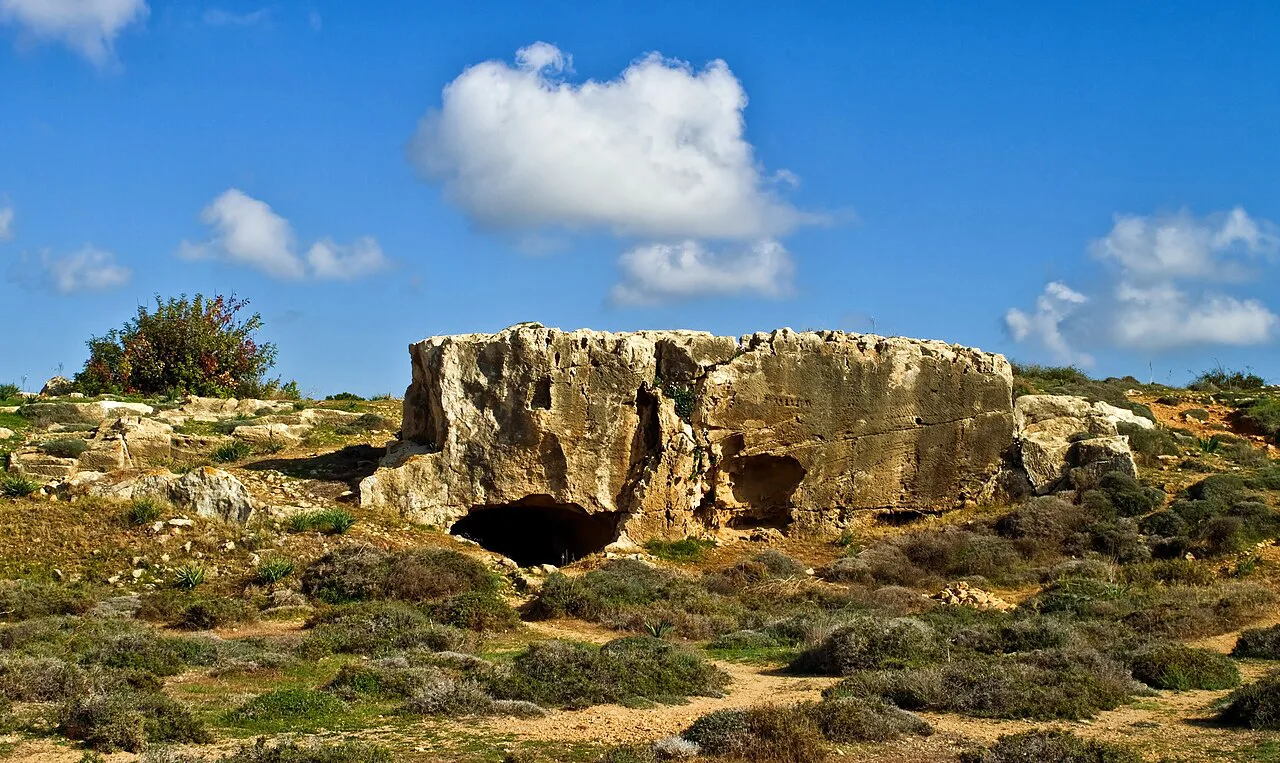
Geroskipou: The Closest Village to Kato Paphos
Geroskipou is effectively a suburb now, which makes it the easiest village to add to a Paphos day without a car. It is best treated as a short stop on a broader list of things to do in Paphos rather than a destination in its own right, and it suits a morning when you are already staying around Kato Paphos.
Use Geroskipou for convenience, not atmosphere: the traffic and pavements are urban, and the draw is its position rather than a mountain setting. Allow a couple of hours at most and keep the rest of the day for somewhere higher up.
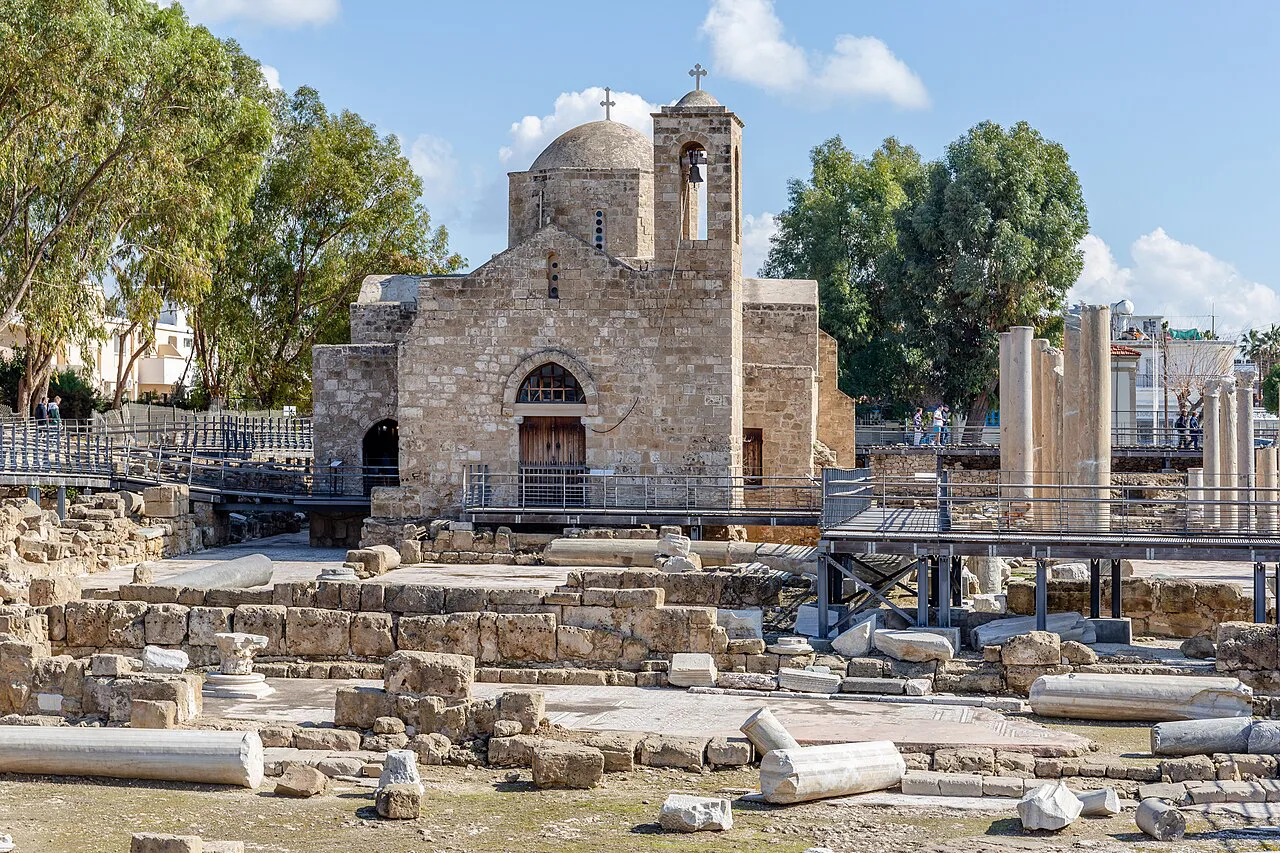
Kouklia: The Village Beside the Sanctuary of Aphrodite
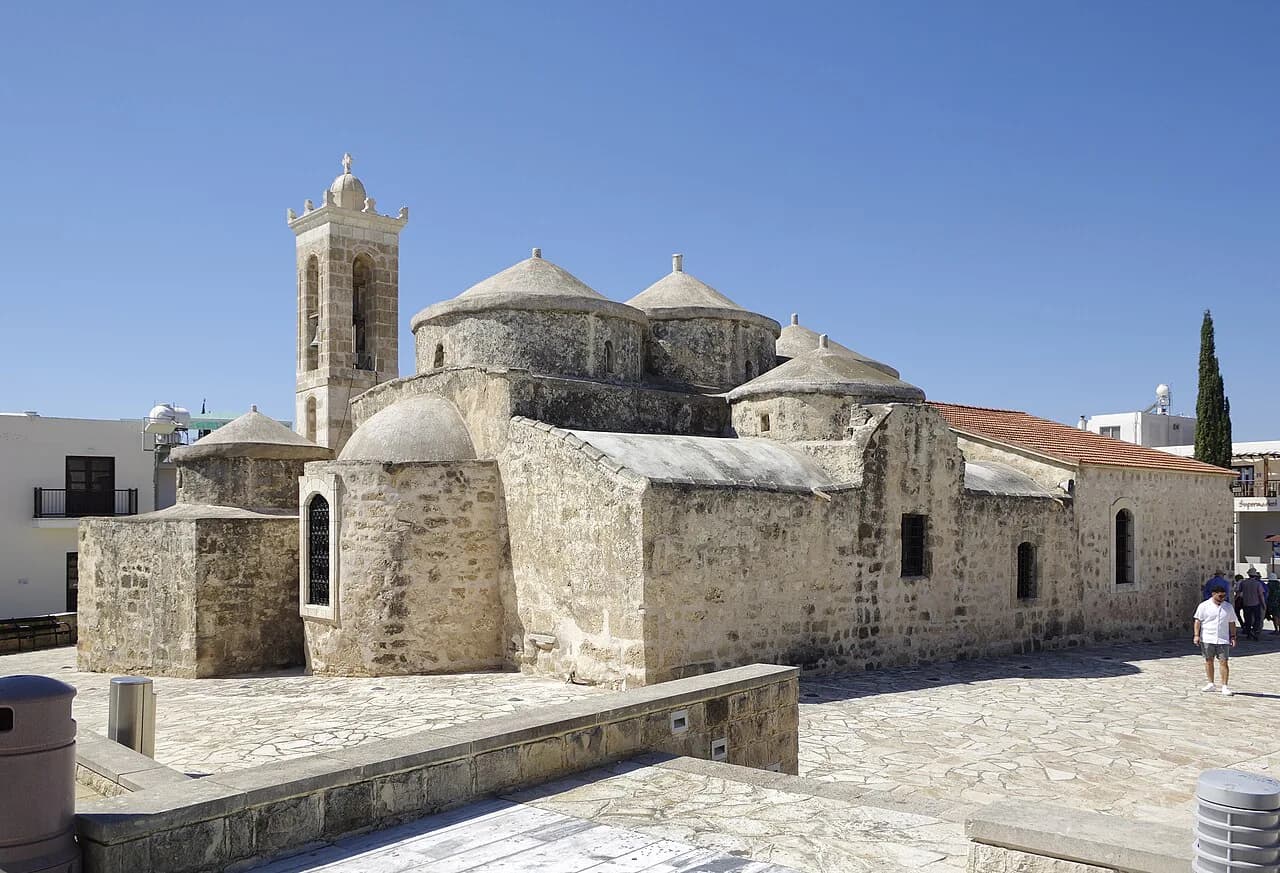
Kouklia works as the second near-village because it sits beside the Sanctuary of Aphrodite at Palaipafos, so a single stop covers both the archaeological site and a village centre. It is the better half-day pairing with Geroskipou if you want history rather than scenery, and it is a straightforward drive from the coastal strip.
The trade-off is that Kouklia is quiet and spread out, so it rewards a slow walk rather than a flying visit. Check the Department of Antiquities listings for the site's opening arrangements before you set out, since these are seasonal.
Kathikas and the Akamas Side for a Short Detour
Kathikas is the village to pick when you want a short inland detour from Coral Bay without committing to the high hills. If you want quiet places close to Paphos, put Kathikas and Kouklia at the top of your shortlist; treat that as a starting point rather than a ranking.
The Akamas side gives you sea views on the way up and a chance to combine the village with the coast road back down. Peyia, the hill village immediately above Coral Bay, makes a natural anchor for this loop if you want somewhere to park and start walking.
If you are building the afternoon around the coast rather than the village, the Paphos sea caves sit on this stretch and pair easily with a Kathikas or Peyia stop. Keep the driving short: this is a two or three-hour outing, not a day.
Tsada, Polemi and the Hillside Wine Country
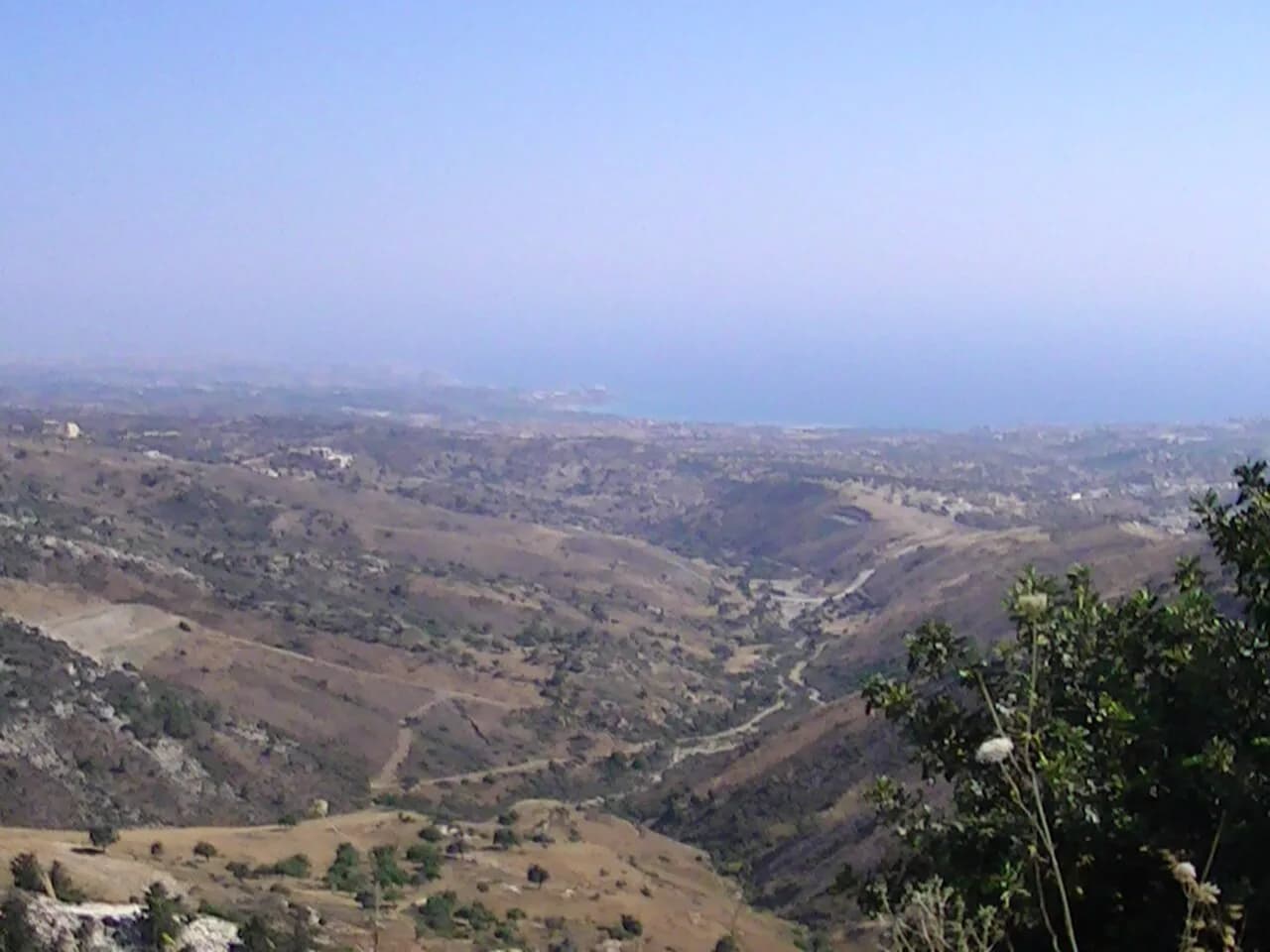
Tsada is the first village you meet climbing out of Paphos, and its position above the town gives it a cooler feel and wide views back to the coast. It is the natural lunch stop on the road up to Polemi and the vine country, though the village itself is small and quick to see.
Polemi continues the climb and is the more workaday of the two, useful as a waypoint rather than a sight in itself. Driving these two in sequence gives you a gentle introduction to the altitude and the landscape before the road turns towards Panagia.
This is vine country rather than a wine-tasting itinerary: the point is the terraced ground, the views and the change in temperature, not a list of estates. Keep the drive unhurried, because the road twists and the signposting is modest.
Pano Panagia: The High Village of the Paphos Forest
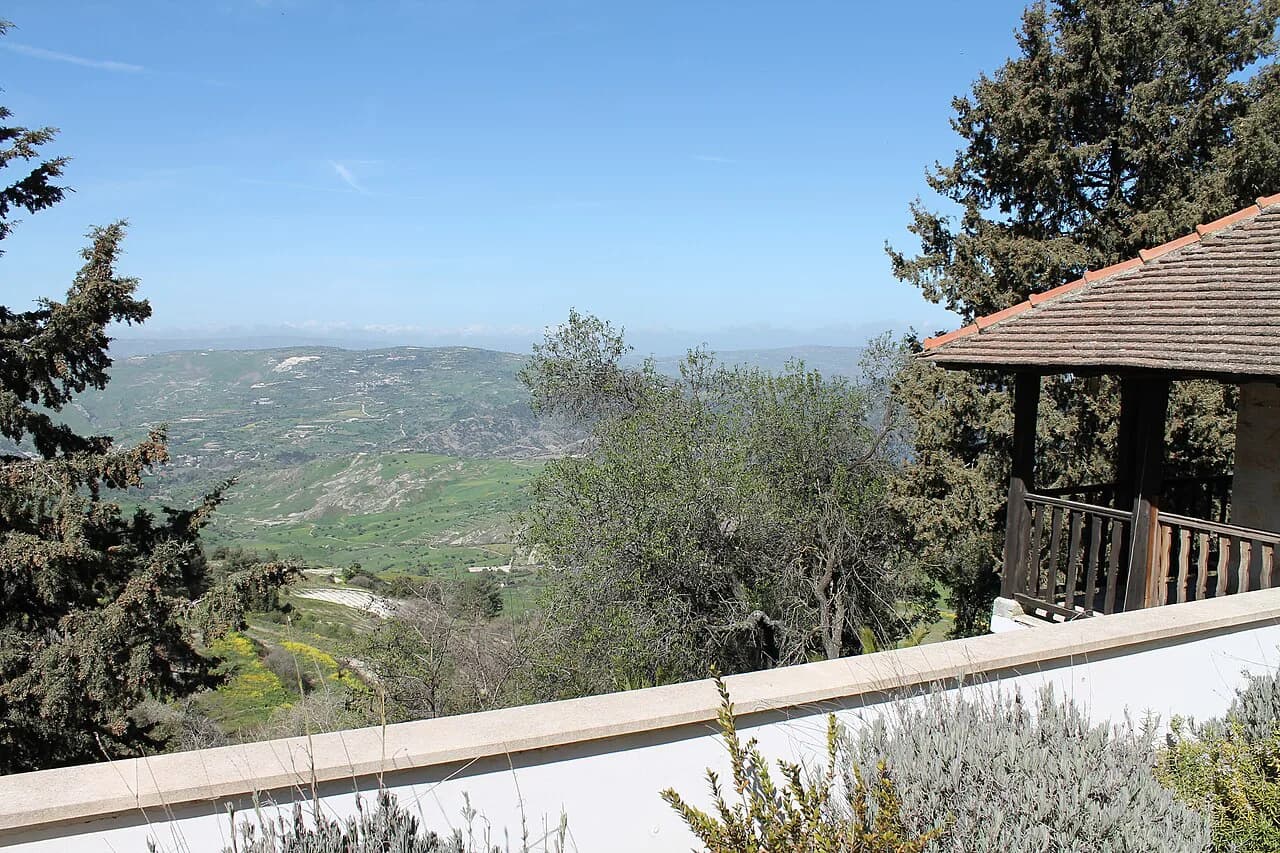
Pano Panagia sits at 900 metres on the outskirts of the Paphos forest, high enough to feel like a different district from the coast, and it is the birthplace of Archbishop Makarios III, the first president of the Republic of Cyprus. The village takes its name from the churches and monasteries dedicated to the Virgin Mary in and around it, which is why it appears on maps as Pano Panagia.
It is about 35 minutes from Paphos International Airport by road, which makes it closer than its mountain feel suggests. Come for the altitude and the forest edge rather than for a resort-style village centre, and expect a short visit to the village itself followed by time at the monastery.
What to See Around Pano Panagia
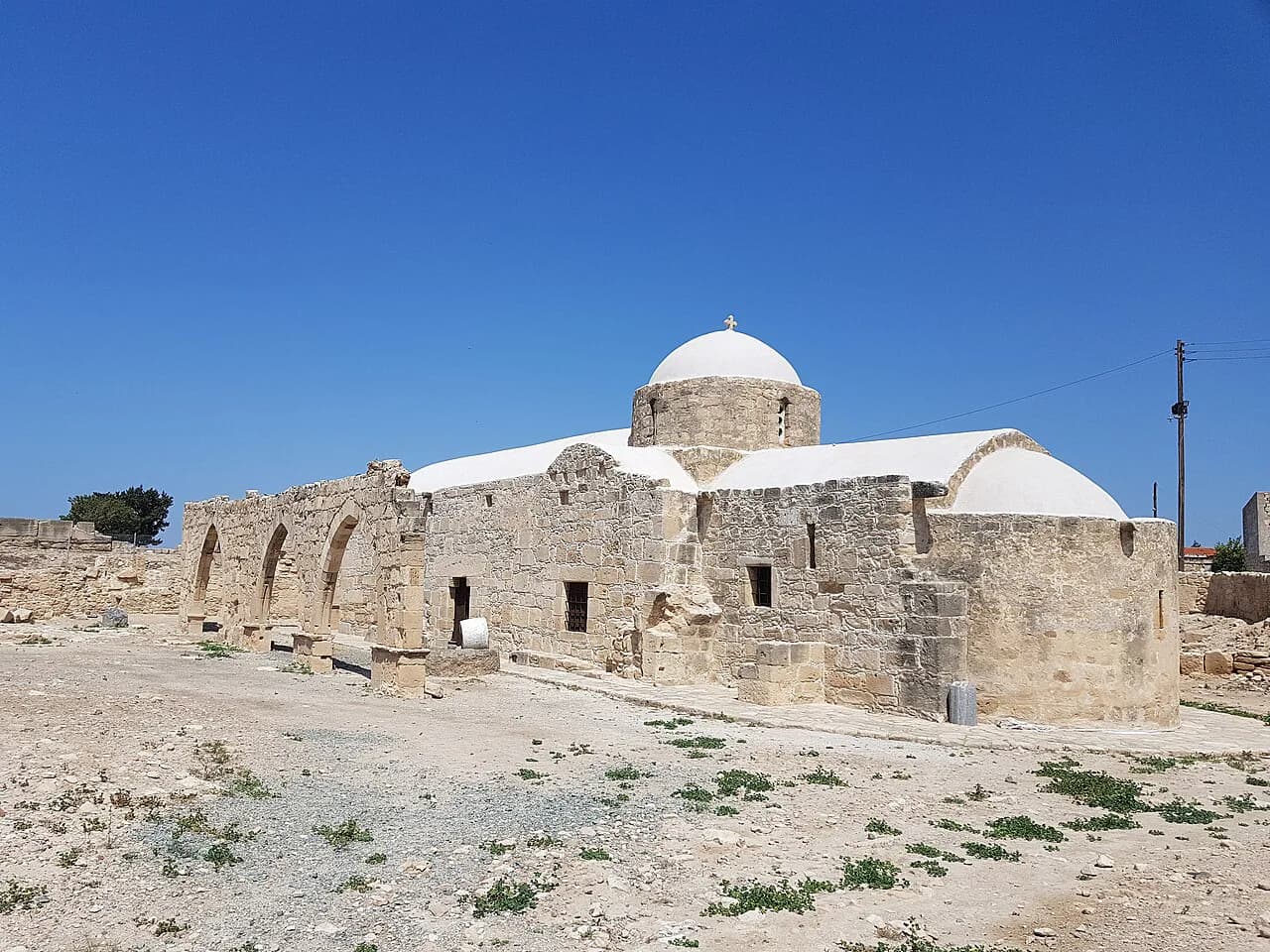
Panagia Eleousa is the village's central church, and a mile east of the village is the chapel of Panagia of Sarkas, with the chapel of Panagia of Karyon a short way beyond that. Together with the monastery they explain the village's name, and they make a compact circuit on foot rather than a drive.
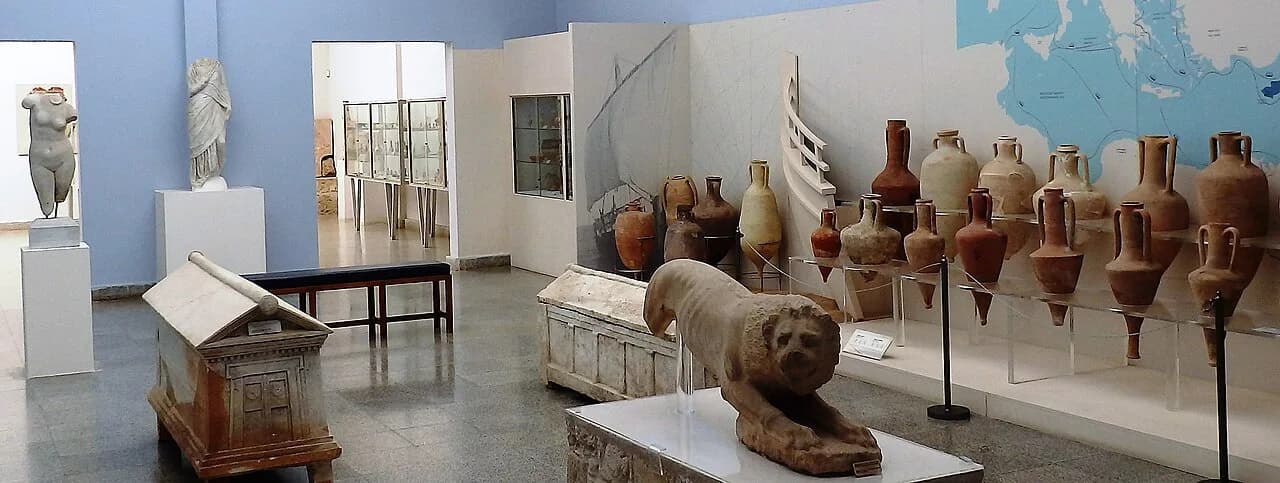
Chrysorrogiatissa Monastery, roughly a mile and a half southwest of the village, is the main reason to come this high. Its ecclesiastical treasury was created in 2001 on the initiative of Abbot Dionysios with a donation from the Leventis Foundation, and it holds icons with the oldest dated to the 14th century, along with crosses, Venetian glass chandeliers and vestments.
The same complex holds a gallery of 56 works by Cypriot and foreign artists, bought by Abbot Dionysios between 1978 and 2010, so the monastery is worth more than a quick look at the church. Pair it with the Vouni Panagias countryside around the village, which is the local vine zone and the reason the landscape opens out into terraces.
Further Into the Forest: Stavros tis Psokas
Beyond Panagia the road pushes deeper into the Paphos forest towards Stavros tis Psokas, the forest station and picnic area that marks the end of the tarmac for most visitors. The forest is the habitat of the mouflon, a protected wild sheep that Cyprus and international law list as endangered, and the higher woods are where you have a realistic chance of seeing the landscape rather than the animal.
This is a slow drive on narrow, bending roads, so treat the forest run as its own day rather than bolting it onto the monastery. If you are short of time, turn back at Panagia and leave the forest station for a return visit.
How to String the Villages Into a Drive
The practical split is a coastal-edge loop and a high forest run. The first takes in Geroskipou, Kouklia and Kathikas and fits comfortably into half a day with time to walk each village; the second climbs through Tsada and Polemi to Pano Panagia and Chrysorrogiatissa and needs most of a day once you allow for the winding road.
For the high run, leave Paphos in the morning so you reach the monastery with time to spare and drive back before the afternoon heat builds on the lower slopes. Cyprus drives on the left, the roads narrow sharply once you leave the main routes, and parking in the villages is informal.
Getting Around Without a Car
Geroskipou is the one village on this list that works without a vehicle, because it adjoins Kato Paphos on the edge of the city. For the hill villages and the forest a car or taxi is the realistic option.
Hiring a car for a single day is usually the cheapest way to see Panagia and the monastery if there are two or more of you. Confirm insurance cover for mountain roads with the hire company before you leave, since not every policy is the same.
When to Go: Heat in the Hills
Summer is workable at altitude: Panagia's 900 metres takes the edge off the coastal heat, and the forest above it is cooler still. The lower villages, Tsada and Polemi among them, are exposed and hot in July and August, so save them for early morning or late afternoon.
The high villages are cooler than the coast at any time of year because of the altitude, while the lower villages such as Tsada and Polemi sit on exposed slopes and get hot in July and August, so save them for early morning or late afternoon. On the day of a forest run, check the weather before setting out.
What a Village Day Costs in Euros
The Republic of Cyprus uses the euro, so village cafes, monastery donations and parking are priced in euros. Entry charges and opening times can change, so confirm them when you arrive rather than relying on a guide.
Budget for fuel, a coffee stop and a modest donation at the monastery, and keep some cash for small village businesses that may not take cards. That is the realistic shape of a village day; the rest depends on what you eat and where you stop.
Which Village Day Suits You?
Choose the coastal-edge loop if you have half a day and no strong urge to climb: Geroskipou, Kouklia and Kathikas give you a village, a major sanctuary and a hill viewpoint without much driving. Choose the high forest run if you can give up a full day, because Pano Panagia and the Chrysorrogiatissa treasury are the only sights here that genuinely justify the climb. If you are weighing a different base for short village drives, the villages near Ayia Napa follow the same coast-and-hills logic on the island's east side.
If you are staying around Coral Bay, start with Peyia and Kathikas before deciding whether the mountain road appeals. Wherever you go, hire a car for the hill villages and leave the forest station for a day when the weather is clear.
Explore more Paphos guides
Frequently Asked Questions
Is there a Greek island called Paphos?
No. Paphos is a city and district on the west coast of Cyprus, not a Greek island. The confusion usually comes from the shared Greek and Cypriot place names and from Paphos being a coastal resort with a Greek-speaking majority.
How do you get to Paphos Old Town?
Paphos Old Town, known as Ktima, sits inland above Kato Paphos and is reached by urban bus, taxi or a short drive from the coastal strip. Buses run on fixed routes within the town; the timetable is posted at stops and by the operator, so check the current schedule when you arrive.
What are the names of some major cities in Cyprus?
The main cities are Nicosia, Limassol, Larnaca and Paphos in the Republic of Cyprus, alongside Kyrenia and Famagusta in the north. Nicosia is the capital and sits across the Green Line, which is why it is often visited as two halves.
Sources
Notes for your Cyprus trip
Optional updates to our Cyprus guides.
You might also like
Continue reading
More guides you'll find useful