Geroskipou, Paphos: Village Guide to Agia Paraskevi and the Old Centre
Geroskipou is a village in Paphos with the Agia Paraskevi church, a folk art museum and an old centre of lanes and old houses. Here is how to plan a visit.
On this page
Geroskipou is worth more than a flying stop: the Agia Paraskevi church, a folk art museum and a compact old centre of lanes and traditional houses give the village enough to fill a morning or a half-day. The village has its own centre and identity within the Ierokipia Municipality, so treat it as a separate place from Kato Paphos rather than an extension of it. This guide covers what to see, how the village is laid out, how long to allow and how to reach it by car or bus.
It also sits within reach of the wider set of villages near Paphos, which makes it a sensible first or last stop on a day that takes in the coast and the hills inland. The layout is simple enough to walk once you find the square.
Geroskipou in a Nutshell
Geroskipou is a village in Paphos with its own square and parish church. Its identity rests on the Agia Paraskevi church, the folk art collection and an old centre of traditional houses and lanes. The Ierokipia Municipality, which administers the village, treats Geroskipou as one of its districts alongside Konia, Timi, Acheleia and Agia Marinouda, so you are in a genuinely separate community rather than a Paphos neighbourhood.
The practical consequence for a visitor is that you need a clear start point. Begin at the square by the church, orient yourself there, and work outwards into the lanes; that way the old houses and the museum fall naturally into the walk instead of becoming separate errands.
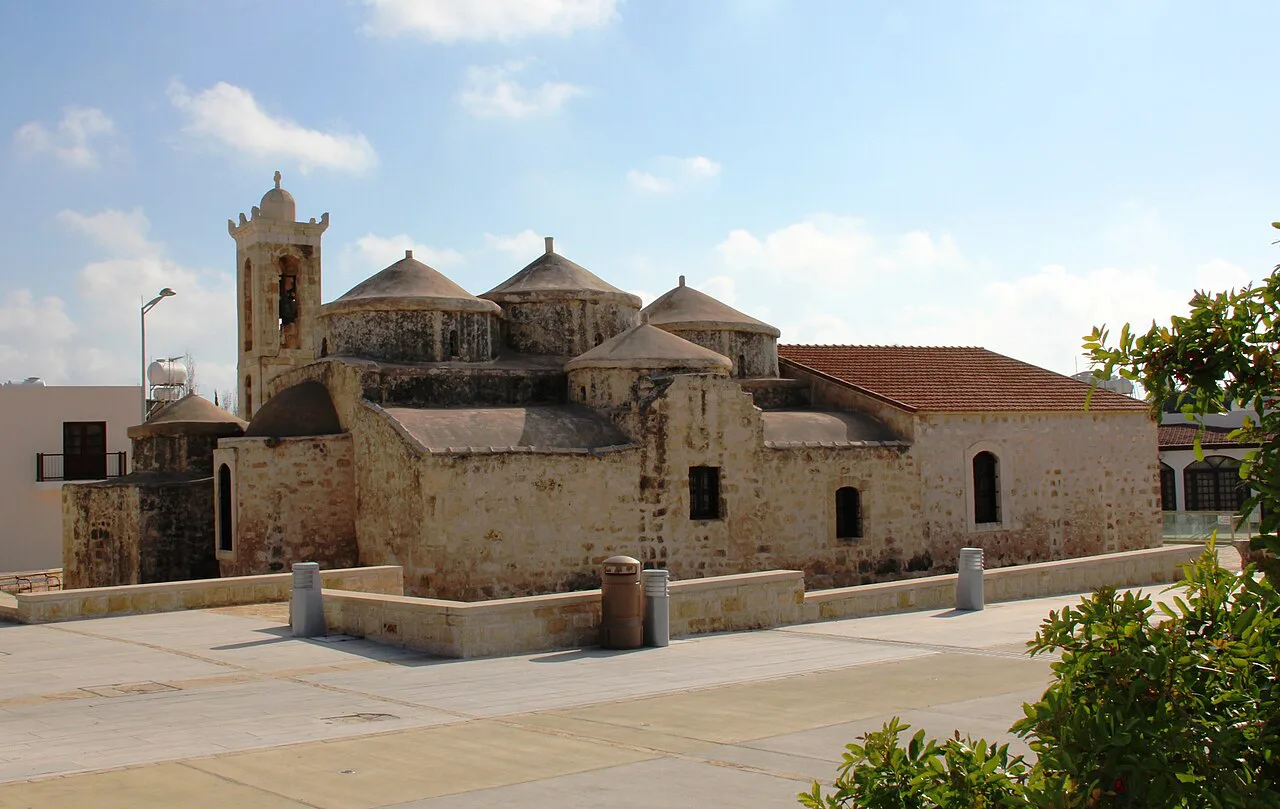
Where Geroskipou Sits and How It Is Laid Out
The village lies within the Paphos area, with the old core clustering around the church and the municipal square and newer development spreading outwards. Roads into Geroskipou run off the main coastal and inland corridors, so it is quick to reach by car from either. Confirm the current signing and approach for the centre on arrival.
Inside the core, the layout is the familiar Cypriot pattern: a church at the middle, a square in front of it, and lanes radiating out with courtyard houses behind high walls. Two things follow from that. Park once near the centre and walk, and expect the interesting bits to be within a few hundred metres of each other rather than strung along a main road.
If you are basing yourself on the coast, Geroskipou makes an easy half-day add-on to a Paphos itinerary, and a natural pairing with the hill villages further north such as Peyia, which sits above Coral Bay on the other side of the district.
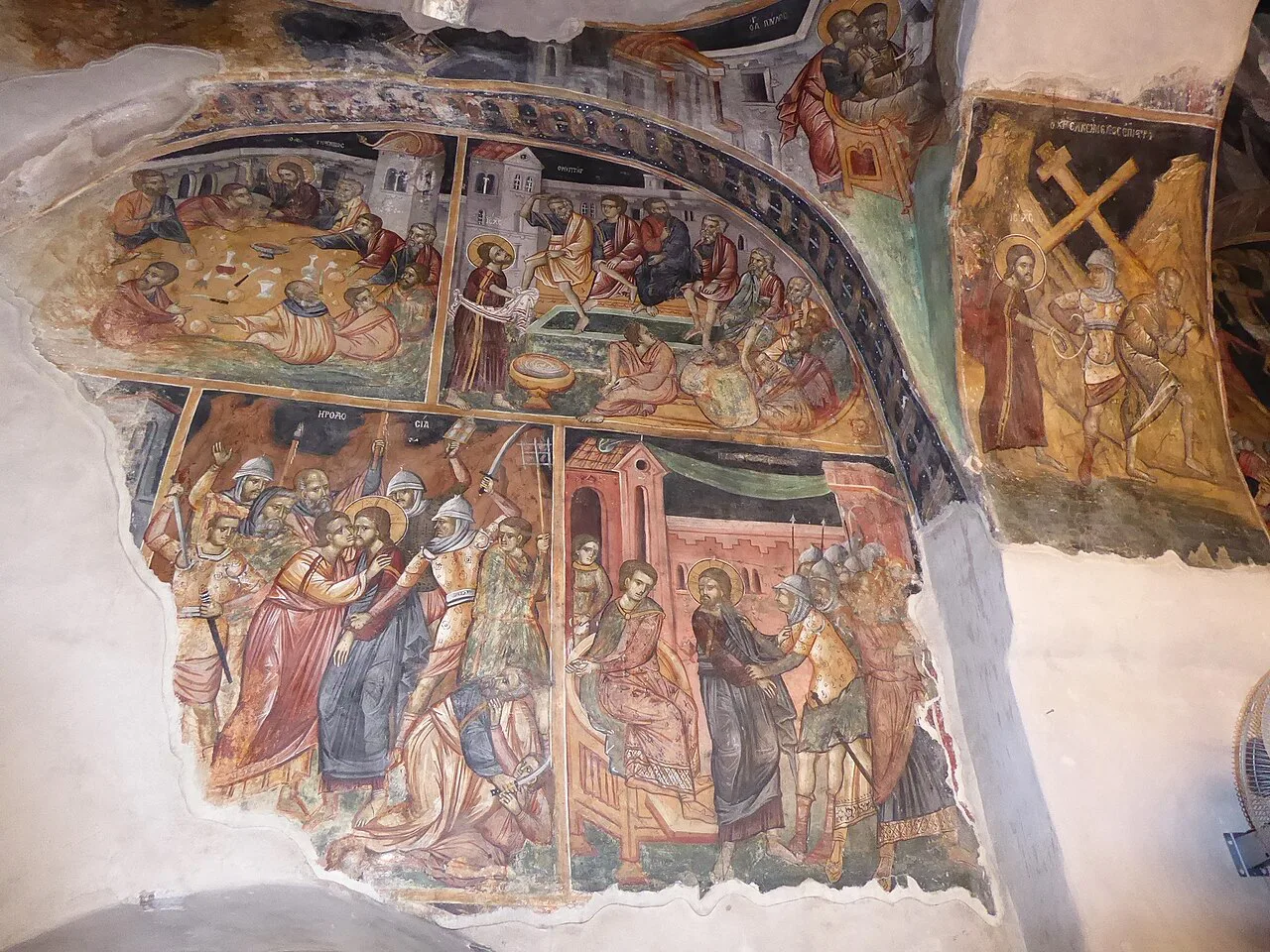
Agia Paraskevi Church
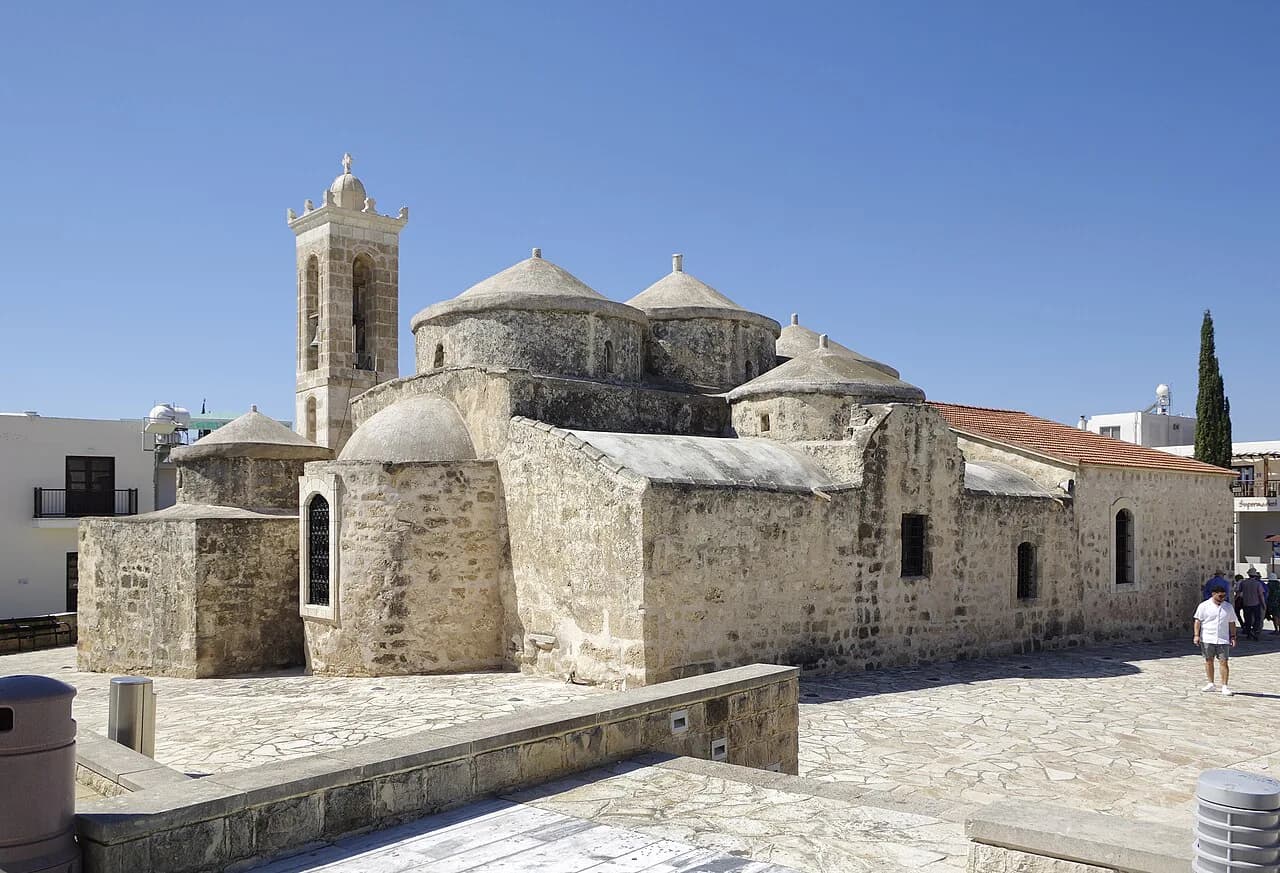
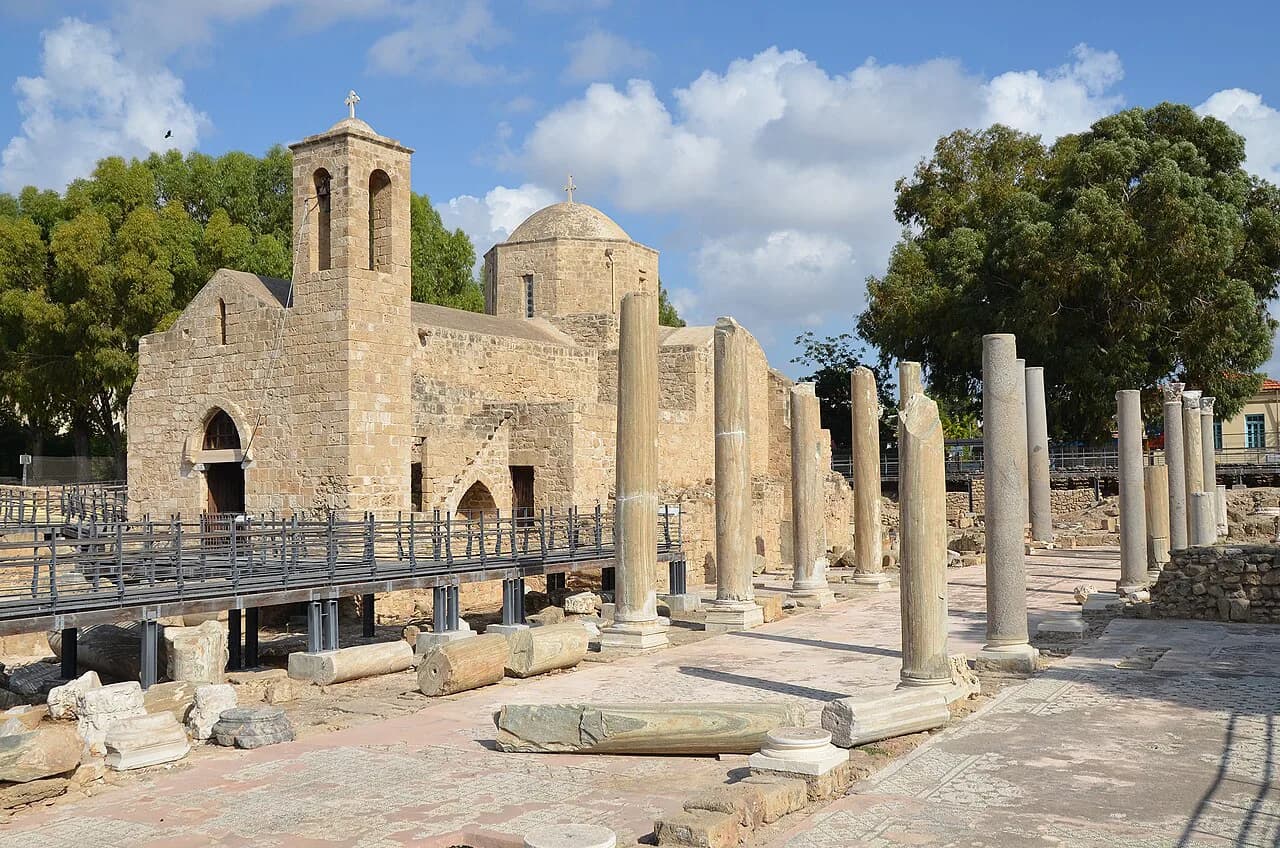
Agia Paraskevi is the reason most visitors come. It is a church in the heart of the old centre, and everything else in the village is within a short walk of it, which makes it the natural anchor for a visit.
Treat the church as a working parish rather than a monument. Dress modestly, keep voices low when anyone is praying, and check locally or with the municipality before planning a visit around the interior, since access can be affected by services and feast days. Placing the church first in your walk also means you see it before the heat builds.
Geroskipou Folk Art Museum
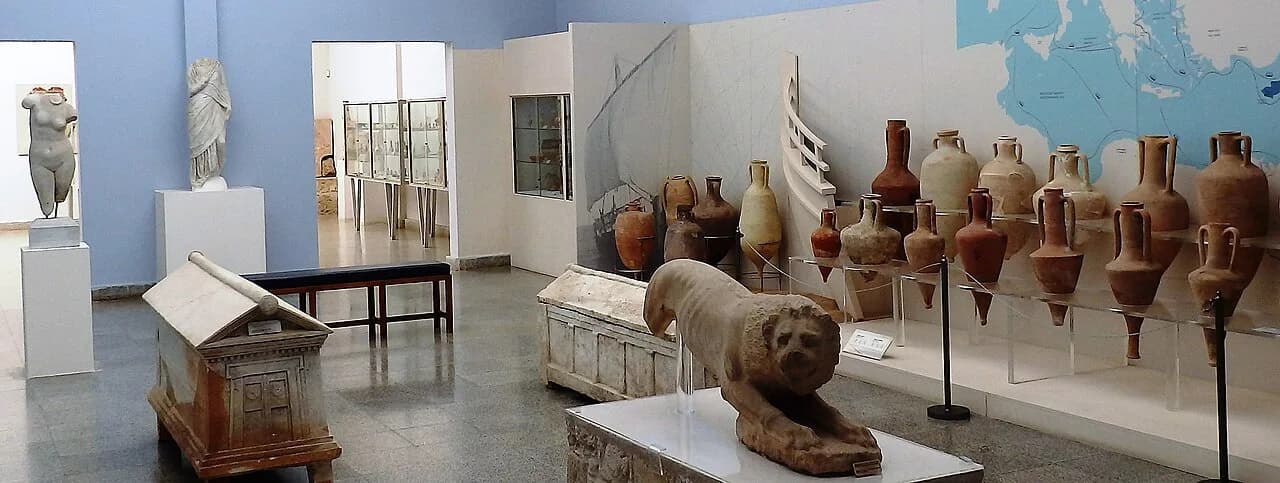
The folk art museum is the second element of a Geroskipou visit. It is the village's local museum and gives context to the lanes outside, helping you make sense of the traditional buildings and domestic life you see there.
Budget your time around it rather than squeezing it in. A quick church-and-square stop rarely leaves room for a museum, so if you want the collection, plan on staying longer and see the lanes afterwards while the details are fresh.
Loukoumi and the Confectionery Tradition
Geroskipou is known across Cyprus for loukoumi, the soft, starch-dusted sweet that appears in shops all over the island. The village's association with it is long-standing and is part of why the old centre feels like a working place rather than a display. Look for it as you walk the lanes: small workshops and shopfronts, plain boxes, and the faint smell of sugar and rosewater near the square.
Approach it as craft heritage rather than shopping. Notice how the sweets are cut, dusted and packed, and how small the production spaces are; that tells you more about the village than any label. Buy only if you want to, and treat any tasting offer as a shop's own arrangement.
Old Houses and the Lanes
The old houses are the free part of Geroskipou and the part most people rush. Look for high walls with arched gateways, wooden balconies projecting over the lane, stone thresholds worn smooth, and courtyards you glimpse through open doors. Some are restored, some are quietly decaying, and the mix is what makes the walk interesting.
Walk slowly and keep to the public lane. Many doorways open directly onto the street, so photography needs care and a smile; a lane that looks deserted may be a family's front room for most of the day. The loop from the square through the lanes and back takes little time on foot, which is why the village suits a short stop as well as a longer one.
How Long Geroskipou Needs
Two time budgets work. A short stop of roughly an hour covers the square, the exterior of Agia Paraskevi and a quick look into the lanes; that is enough if you are passing through. A half-day adds the folk art museum, a slower walk through the old houses, and time to look at the confectionery side of the village without hurrying.
The trade-off is heat and shade. The square and church frontage are exposed, while the lanes give intermittent shade from walls and balconies, so a longer visit is easier early or late in the day. If you only have the middle of the day, keep to the short stop and leave the museum for a cooler hour.
Getting There by Car and Bus
By car, Geroskipou is a short drive from the coastal resorts and from Ktima, with the village centre signed from the main roads. Cyprus drives on the left, so junctions and roundabouts on the approach take a moment's adjustment if you have just collected a hire car. Parking near the centre is the practical choice: park once, then walk.
By bus, local services connect Paphos with Geroskipou, but routes, frequencies and fares change, so confirm the current service with the operator rather than relying on a timetable you found online. Whichever way you come, the last stretch into the old centre is on foot.
When to Go
Spring and autumn give the best conditions for a village walk: the lanes are comfortable, the square is usable, and the light on the church is good without the glare of high summer. In July and August, start early or come late, keep the museum for the hottest part of the day, and carry water for the exposed stretch around the square.
Sunday mornings change the atmosphere around Agia Paraskevi, and feast days can bring crowds and closed doors at short notice. If the church interior matters to you, build flexibility into the day rather than tying the whole visit to one hour.
Geroskipou Beach and the Coast
The village has its own coastal strip, listed among the facilities the municipality maintains, and it makes a sensible add-on if you are already in the area with a car. It is a passing extra to a village visit rather than a destination in itself, and the old centre is the reason to come.
If you want a fuller coastal day, the beaches and sea caves around Peyia and Coral Bay lie further north and pair naturally with a hill-village circuit rather than with Geroskipou.
Practical Points
The Republic of Cyprus uses the euro, so prices in Geroskipou are in euros; bring small notes and change for small purchases. Card payment is common but not universal in village shops. Walking the old centre is straightforward, with pavements in places and shared road space elsewhere, so comfortable shoes matter more than any specialist gear.
For anything ticketed, confirm the current position before you travel: the folk art museum's opening arrangements and any church access restrictions are set locally and can shift with the season, so confirm locally on arrival. The Ierokipia Municipality publishes its churches and museums as an indexed list, which is a useful place to start.
Is Geroskipou Worth the Stop?
Yes, if you give it a defined shape: church and square first, lanes second, museum if you have the time. It is an easy village to add to a Paphos stay, and it works as a short stop or a half-day without any complicated planning.
If you want more villages on the same day, continue inland to Kouklia or the hill villages around Tsada, and treat Geroskipou as the opening chapter rather than the whole outing.
Explore more Paphos guides
Frequently Asked Questions
How do I get from Paphos to Geroskipou by bus?
Local bus services link Paphos with Geroskipou, but routes, frequencies and fares change, so confirm the current service with the operator before you set out. The final approach into the old centre is on foot.
Can I walk to Geroskipou from Kato Paphos?
Geroskipou lies within the Paphos area, and some visitors drive or take the bus the short distance from the coast. Walking puts you on busy roads for part of the way, so a car or bus is the calmer option in summer heat.
Is there an entrance fee for Agia Paraskevi church and the folk art museum?
The church is a working parish and the village museum is run locally, so arrangements vary. Check the current position on arrival, or with the Ierokipia Municipality, before planning your day around either.
Sources
Notes for your Cyprus trip
Optional updates to our Cyprus guides.
You might also like
Continue reading
More guides you'll find useful