Kouklia Village, Paphos: Ancient Palaipafos and the Sanctuary of Aphrodite
Plan a visit to Kouklia near Paphos, the village built on ancient Palaipafos, with its Sanctuary of Aphrodite site, village museum, medieval sugar mill and churches.
On this page
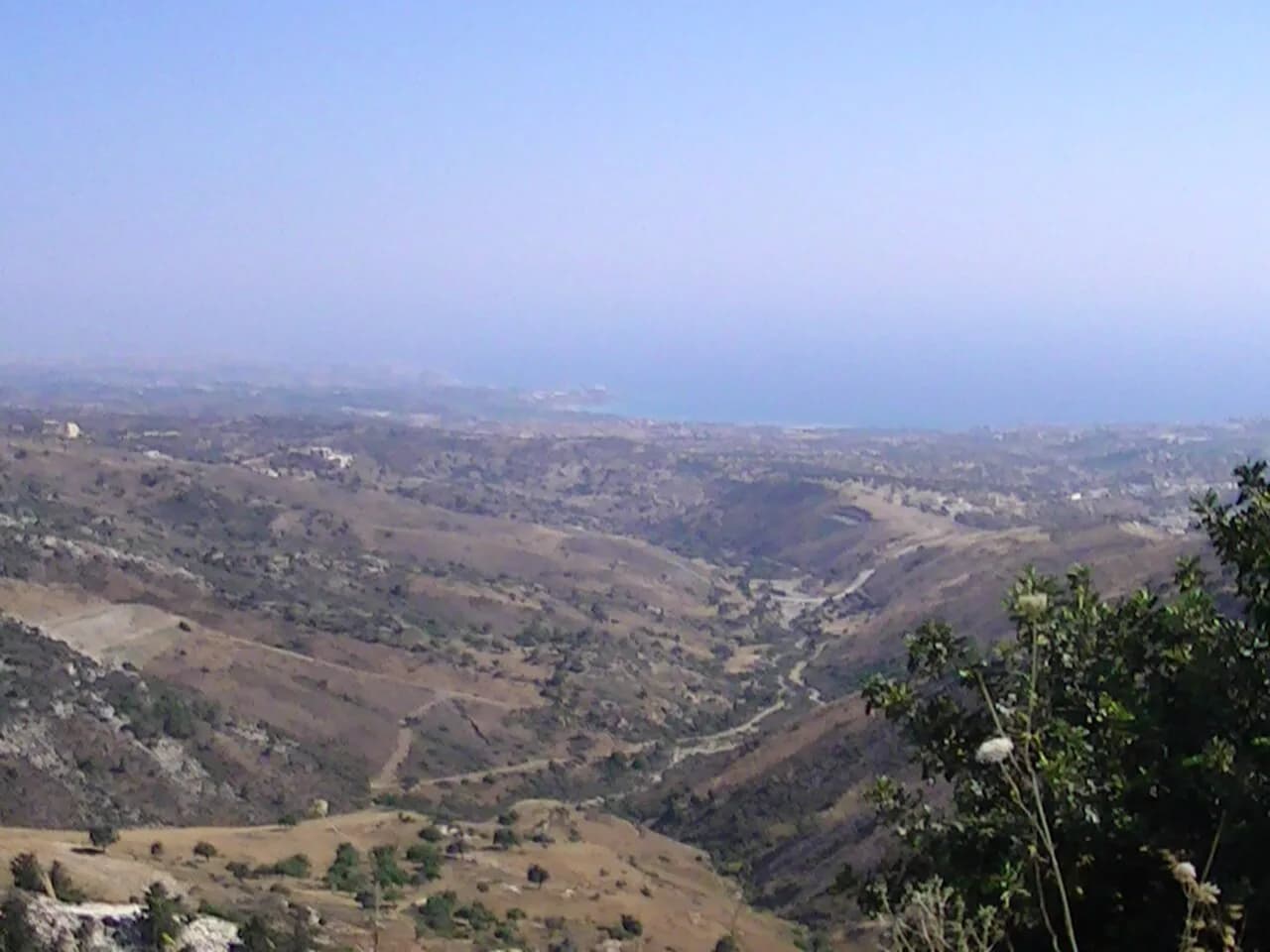
Kouklia is a small, leafy village 16 km from Paphos town that stands on the site of ancient Palaipafos, home to the Sanctuary of Pafia Aphrodite. Half a day covers the archaeological site, the village museum and a walk through the lanes; add Petra tou Romiou and it fills a comfortable day out from Paphos. This guide covers what the ruins actually contain, the churches and sugar mill in the village itself, how to drive there on the F616, and how the summer heat shapes the visit.
Kouklia rewards travellers who treat it as a village with an ancient city under it rather than a quick photo stop on the way to Aphrodite's Rock. It sits among orchards and fruit crops at 85 metres above sea level, and the Lusignan sugar mill and the painted church of Panagia Hodegetria are within a few minutes of each other. Compare it with the other villages near Paphos if you are building a day out, since each has a different draw and a different amount of walking.
What Kouklia is and why it matters
Kouklia occupies the ground of Palaipafos, or old Paphos, one of the most celebrated pilgrimage centres of the ancient Greek world. The draw was the Sanctuary of Pafia Aphrodite, and excavations in and around the village have since uncovered that sanctuary along with the ruins of the city's fortifications, a barrow cemetery and many tombs.
The village kept its importance long after antiquity: the Lusignans ran a sugar production centre here in the Middle Ages. The layers stack up in a small area, from an ancient pilgrimage site to a medieval industrial works to the working village of today. That compression is the reason to give Kouklia a proper slot in your itinerary rather than squeezing it into an hour.
Where Kouklia is and how to get there
Kouklia lies 16 km from Paphos town at an altitude of 85 metres. By road, leave the B06 or the A06 Limassol–Paphos motorway and turn onto the F616, which leads into the village. Cyprus drives on the left, so the turns off the motorway take a moment's thought if you have just collected a hire car at the airport.
Coming from Limassol, the A06 brings you along the coast and the F616 turn comes before Paphos; from Paphos, the same junction is a short run east. Allow extra time in summer for traffic around Kato Paphos before you reach the open road. Fuel up beforehand if you are combining Kouklia with Petra tou Romiou and the coast road, because rural filling stations are spread out.
Public transport in this part of Paphos District is thin, and a car gives you the freedom to move between the archaeological site, the village centre and Aphrodite's Rock on your own timing. Ask at a tourist information office in Paphos about any bus that serves Kouklia before you rely on one. The Republic of Cyprus uses the euro, so bring cash or a card in euros for tickets and village purchases.
The Sanctuary of Pafia Aphrodite and the ruins of Palaipafos
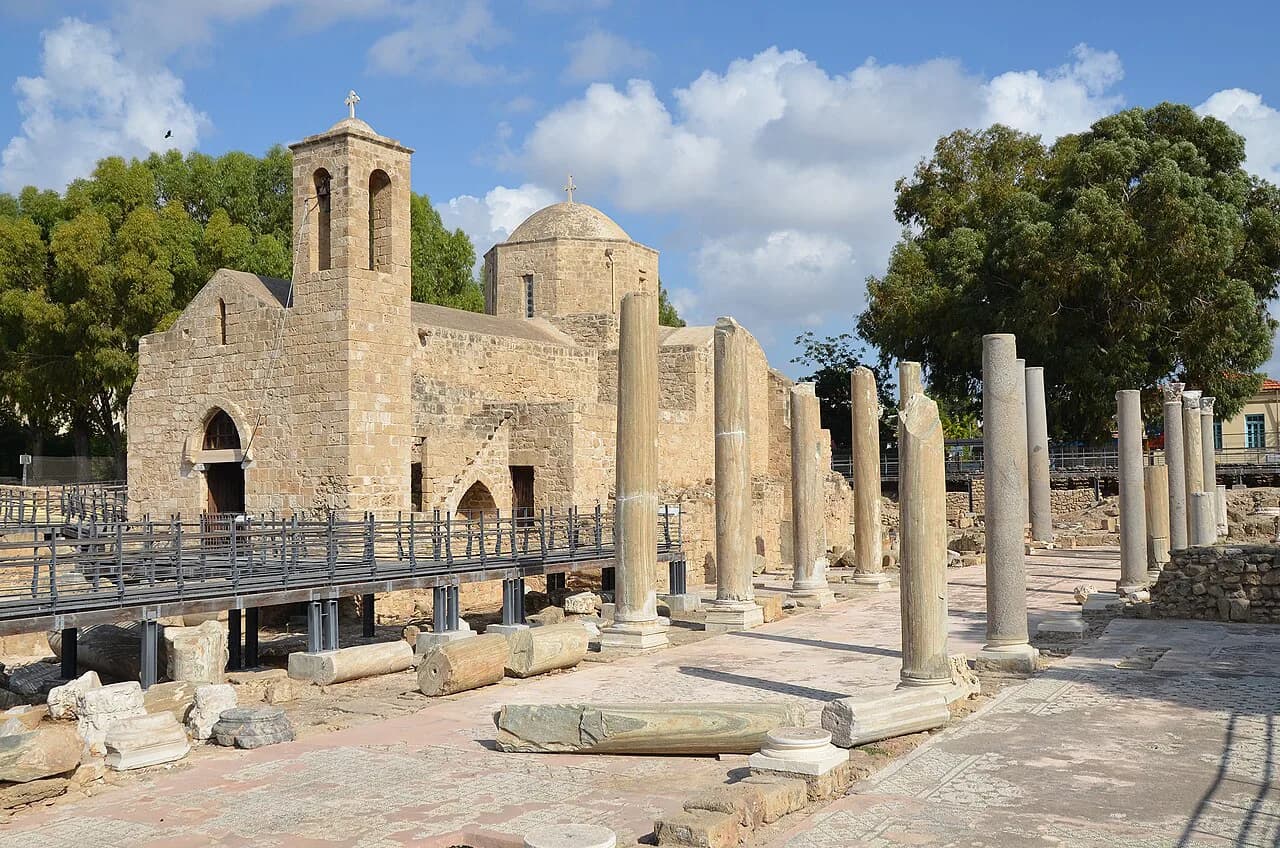
The archaeological site is the reason many travellers come. What you see is an open-air spread of foundations: the sanctuary area, stretches of the fortifications of Palaipafos, the barrow cemetery and tombs cut into the ground nearby. Read the on-site panels before you walk the circuit, because the walls and floors make far more sense once you know which structure you are looking at.
The site is administered by the Department of Antiquities, and its hours and admission charges follow that Department's seasonal pattern rather than the village's. Confirm the current opening days and ticket price with the Department of Antiquities or at the site before you set out, especially outside the main summer months. Ground is exposed and stony, so sturdy shoes and a hat matter more here than in a museum.
The village museum and the region's ancient finds
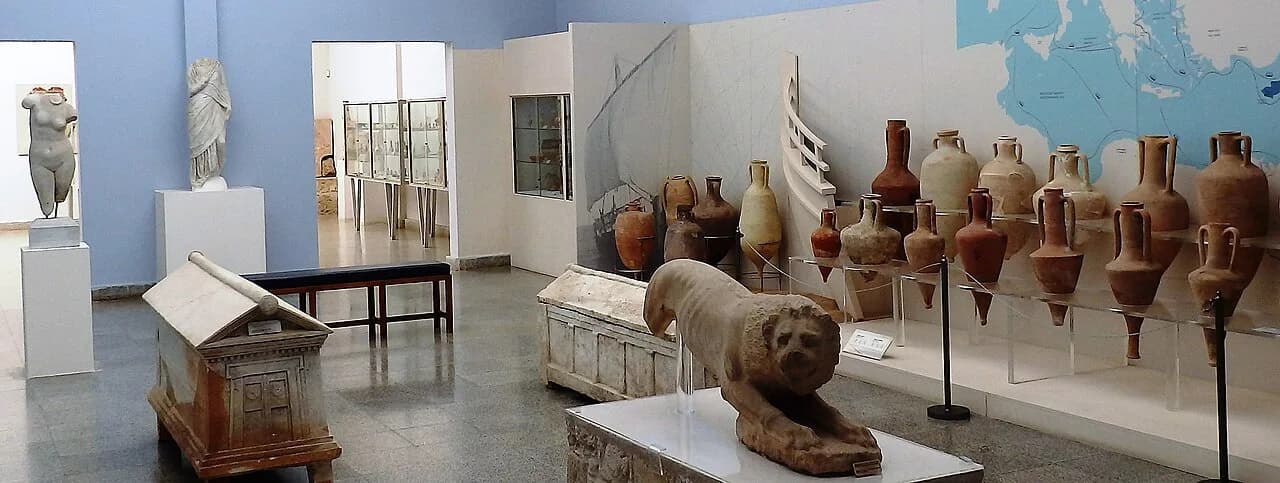
Many of the ancient finds from the Kouklia area are kept in the local village museum rather than in a large city collection. That makes the museum the natural second stop after the ruins, since the objects give context to the empty foundations you have just walked around. Check its opening arrangements locally on the day, as small village museums keep their own hours.
The medieval sugar mill
The Lusignan cane-sugar works at Kouklia are among just three medieval sugar cane mills recorded on the island. What sets this one apart is survival: it retains all its important functional elements, which lets archaeologists study how a Levantine cane-sugar refinery actually worked. Look for the sequence of spaces that carried cane through crushing and boiling rather than treating the building as a picturesque ruin.
Sugar was a high-value medieval commodity, and a works of this kind tells you something about the Lusignan economy that a castle wall cannot. Because the structure is understood through its preserved working parts, it is one of the more unusual industrial monuments in Cyprus. Give it a quarter of an hour at least, and read the interpretation before you photograph the masonry.
The village churches: Panagia Hodegetria and the church of the Apostle and Evangelist Luke
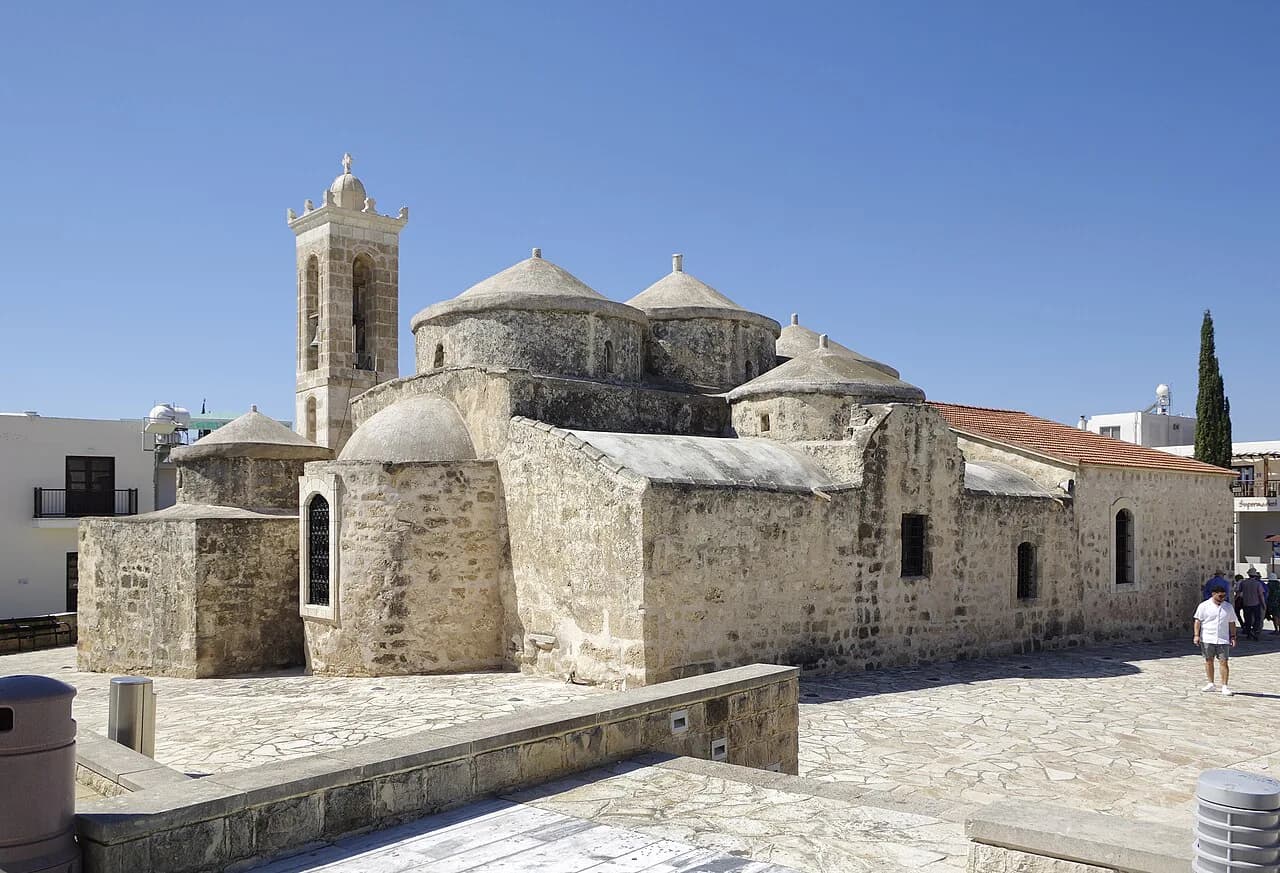
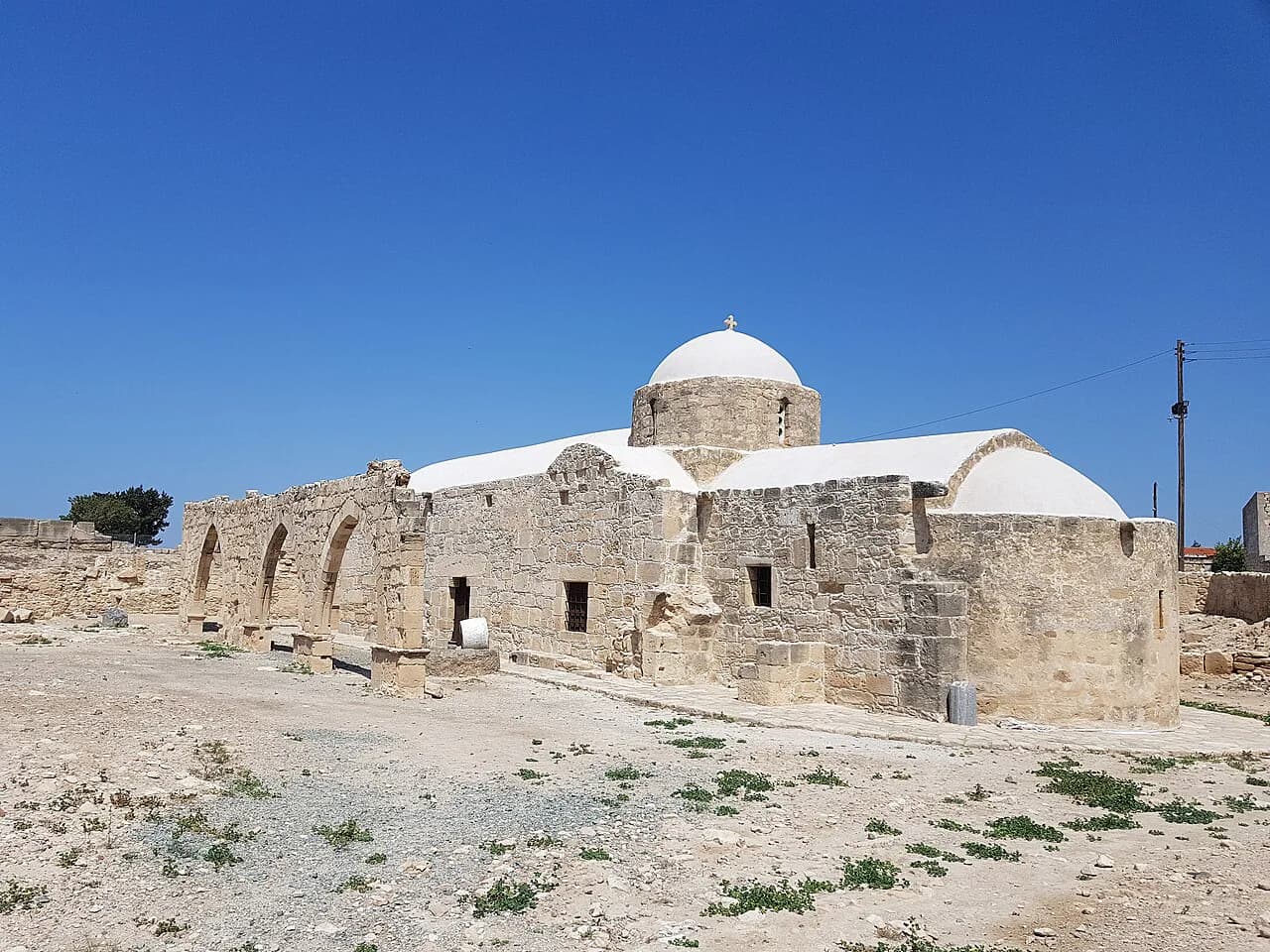
Two churches matter in Kouklia. Panagia Hodegetria is a 13th-century cruciform church with wall paintings dating to the 15th century, and it is the building to seek out if you care about Byzantine and medieval painting. The church of the Apostle and Evangelist Luke is the village's main church and the focus of its religious life.
On 17 October the village holds a large annual religious fair in honour of the saint at the church of the Apostle and Evangelist Luke. It is a fixed date in the village calendar rather than a movable feast, so check locally how the day is being marked in the year you travel. Outside that day, treat both churches as places of worship first: dress modestly and keep visits short if a service is under way.
What the village itself is like
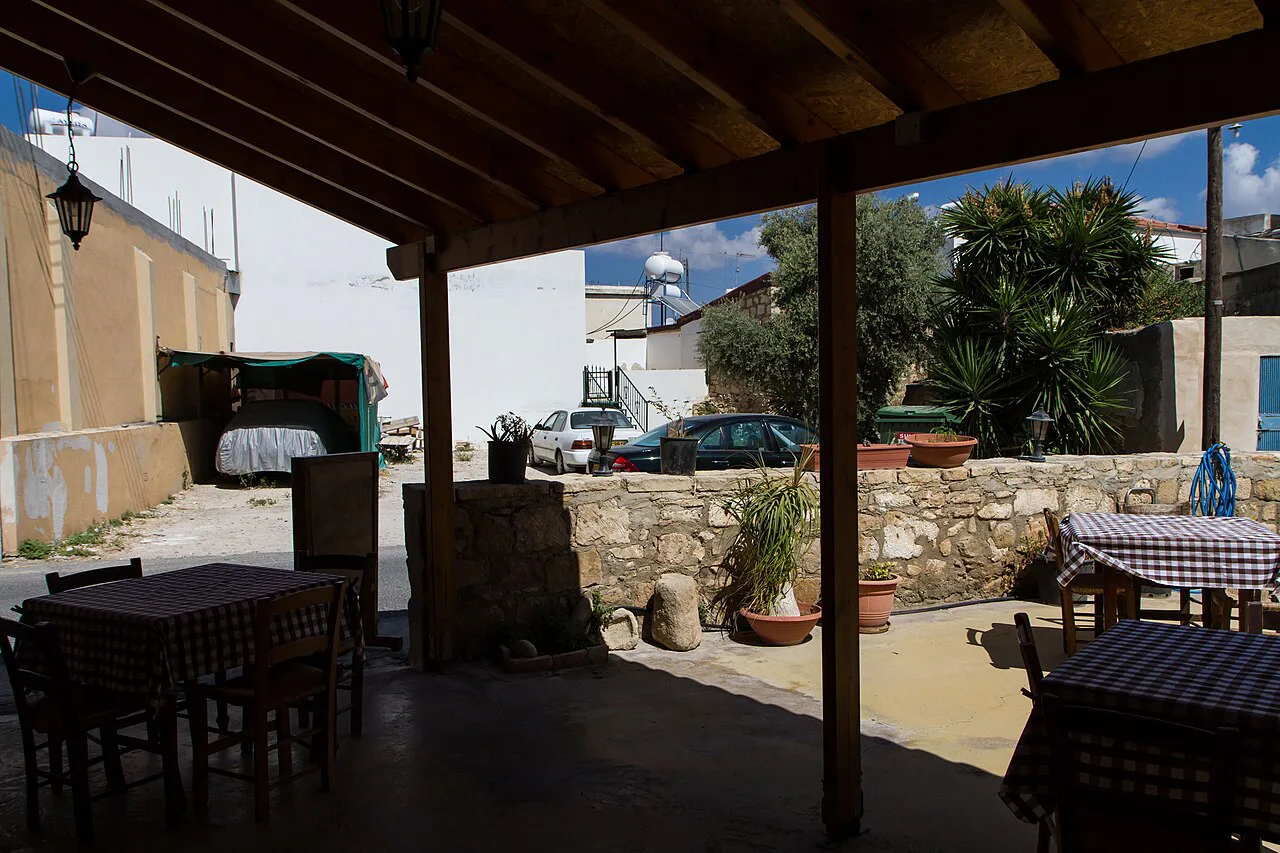
Away from the ruins, Kouklia is picturesque and leafy, with fruit and other crops growing around the houses. The name is thought to come from kouvouklio, meaning cubicle, from the Byzantine officials who guarded the emperor's chambers. Wander the lanes for 20 to 30 minutes after the sites, and you will see a Cypriot village going about its business rather than a heritage set-piece.
The mix matters for planning: the archaeological site, the museum, the sugar mill and the churches sit within a compact area, so you can park once and walk between them. If you want a hill village with a different atmosphere on another day, Peyia makes a good contrast, with sea views and a village centre of its own.
Petra tou Romiou (Aphrodite's Rock) nearby
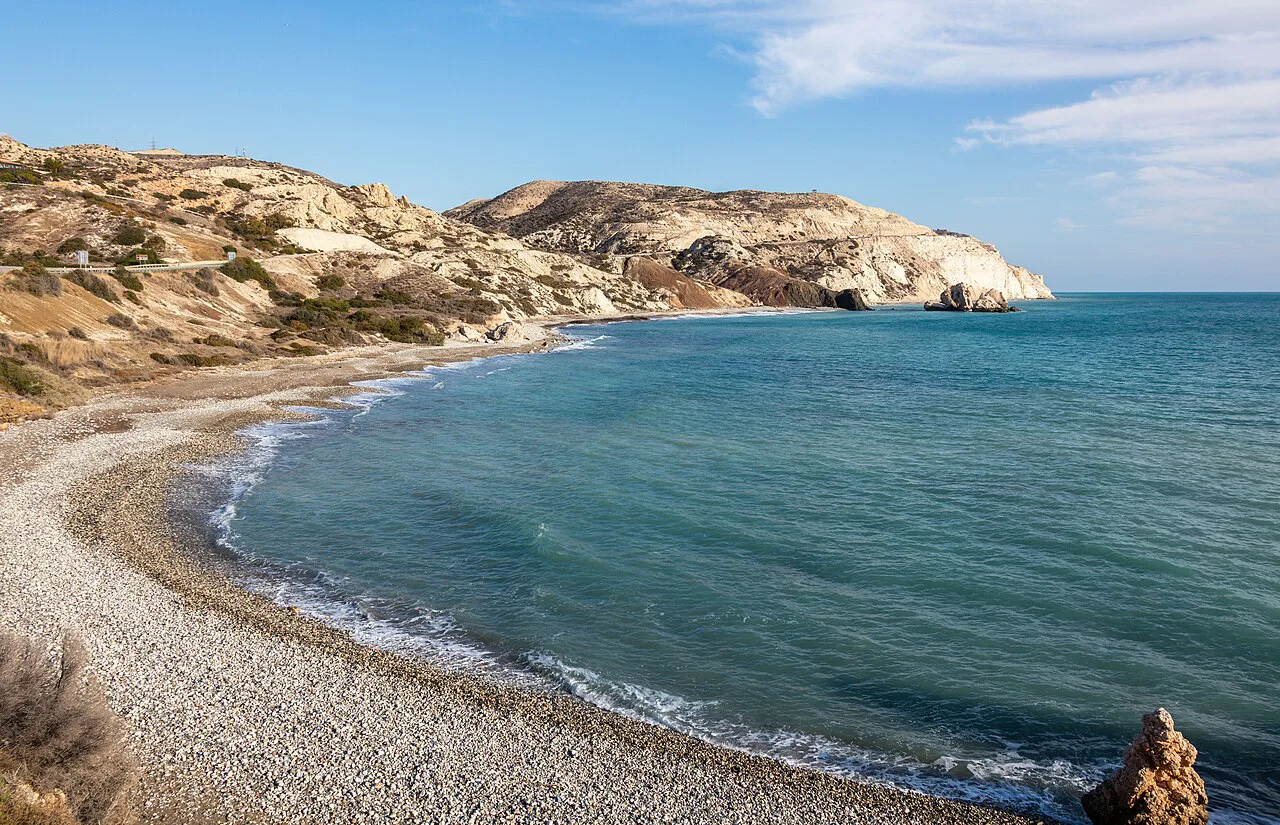
Petra tou Romiou, or Aphrodite's Rock, juts out of the sea not far from the village and marks the spot where legend says the goddess of love and beauty was born from the foam. It is a legend attached to the landscape, not an excavated find, and it is worth being clear about that distinction when you stand at the site and then at the rock.
The connection between Palaipafos and the rock is the thread that ties the day together: the sanctuary served the goddess whose birth myth is placed on this stretch of coast. Combine the two rather than choosing between them, and keep in mind that the rock viewpoint is a roadside stop with rough ground and a pebble beach.
How long Kouklia needs
Budget three to four hours for Kouklia itself: roughly an hour and a half for the archaeological site, half an hour for the museum, a quarter of an hour at the sugar mill and 30 to 45 minutes for the two churches and a village walk. Add travel time from Paphos, and the half-day is gone before you know it.
If you add Petra tou Romiou, allow another hour including the drive and the walk down. A Paphos-based day works best if you start at the sanctuary in the morning, see the museum and mill before lunch, and take in the rock on the way back to the coast. Travellers staying in Coral Bay can join the same loop by driving south to the B06 and picking up the F616.
When to go: heat, crowds and the open-air ruins
The main draws at Kouklia are open-air, and summer in Cyprus brings strong sun on stony, unshaded ground. Visit early in the morning or late in the afternoon in July and August, carry water and wear a hat, and plan the museum and churches for the hottest part of the day. Spring and autumn give gentler walking conditions, while winter is quieter but can be wet underfoot.
Kouklia does not see the coach crowds of Kato Paphos, which is part of its appeal, but the sanctuary site is small enough that a single tour group can fill it for twenty minutes. Time your arrival for opening or for the late afternoon to have the foundations more or less to yourself. Use typical seasonal climate averages when you plan, and check the forecast in the days before you go.
Practical points before you set off
Opening hours and ticket prices for the Sanctuary of Pafia Aphrodite are set by the Department of Antiquities and can change with the season, so confirm both before you drive out. Bring euros, sun protection and shoes that cope with rough ground, and allow for the site closing earlier in winter than in summer. The village museum and churches keep separate arrangements and are best checked on the day.
If you are staying in Paphos and want to see more than the harbour and the mosaics, Kouklia pairs well with the coast road and the sea caves beyond Peyia. Put the sanctuary and the sugar mill first in the day, when energy and light are best, and leave the rock and the beach for the afternoon.
Is Kouklia worth half a day from Paphos?
Yes, if you want archaeology with a village attached rather than a single fenced monument. The Sanctuary of Pafia Aphrodite, the fortifications, the tomb area, the rare Lusignan sugar mill and the painted Panagia Hodegetria sit close enough to cover in one unhurried morning.
Skip it only if your day is already full of Kato Paphos or the coast, since the drive eats into a short break. Otherwise take the F616, start early, and finish at Petra tou Romiou with the legend fresh in mind.
Explore more Paphos guides
Frequently Asked Questions
How far is Kouklia from Paphos?
Kouklia is 16 km from Paphos town, reached by turning onto the F616 from either the B06 or the A06 Limassol–Paphos motorway. The drive is short enough to combine with Petra tou Romiou in a single half-day.
Do I need a car to visit Kouklia?
A car is the straightforward way to link the sanctuary site, the village museum, the sugar mill and Aphrodite's Rock on your own schedule. Ask at a Paphos tourist information office about any bus serving the village before you depend on one.
What is there to see in Kouklia besides the archaeological site?
The village museum holds ancient finds from the area, the Lusignan sugar mill survives with its working elements intact, and Panagia Hodegetria has 15th-century wall paintings. The church of the Apostle and Evangelist Luke is the main church and hosts the annual fair on 17 October.
Sources
Notes for your Cyprus trip
Optional updates to our Cyprus guides.
You might also like
Continue reading
More guides you'll find useful