Museums in Paphos: Which Ones Are Worth Your Time
Museums in Paphos range from the district archaeology collection to the Byzantine Museum's icons. See what each holds and how long to allow for it.
On this page
Paphos has four museums worth planning around, and none of them needs more than an hour: the district archaeological collection and the Byzantine and ethnographic museums in Ktima, plus the weaving museum at Fyti in the hills. The archaeology and Byzantine collections reward the longest stops, the ethnographic house suits a short visit, and Fyti is a half-day run by car rather than a town stop. This guide sorts them by what they hold, which part of Paphos they sit in and how to pair two in a morning.
What museums in Paphos cover, and how to choose between them
The town's museums split cleanly into two groups. The Paphos District Archaeological Museum and the Byzantine Museum of Paphos hold the serious collections, one tracing the island from the Neolithic Age into antiquity and the other built around religious art. The Paphos Ethnographic Museum and the Fyti Village and Museum are smaller, focused on how Cypriots lived and worked, from household objects to woven cloth.
Choose by interest rather than by ticking off a list. If you have one free morning, take the archaeology collection and the Byzantine Museum, both in Ktima. If you have already seen the mosaics at Kato Paphos Archaeological Park, the Byzantine icons and the ethnographic house add the later story that the Roman floors do not tell. Anyone with an interest in craft should treat Fyti as a separate outing, because it sits outside town.
The wider sightseeing picture is worth settling first, since the museums work best slotted around the harbour, the park and the old town rather than filling a whole day on their own. Our guide to things to do in Paphos sets out how the pieces fit, and this page narrows in on the museum stops.
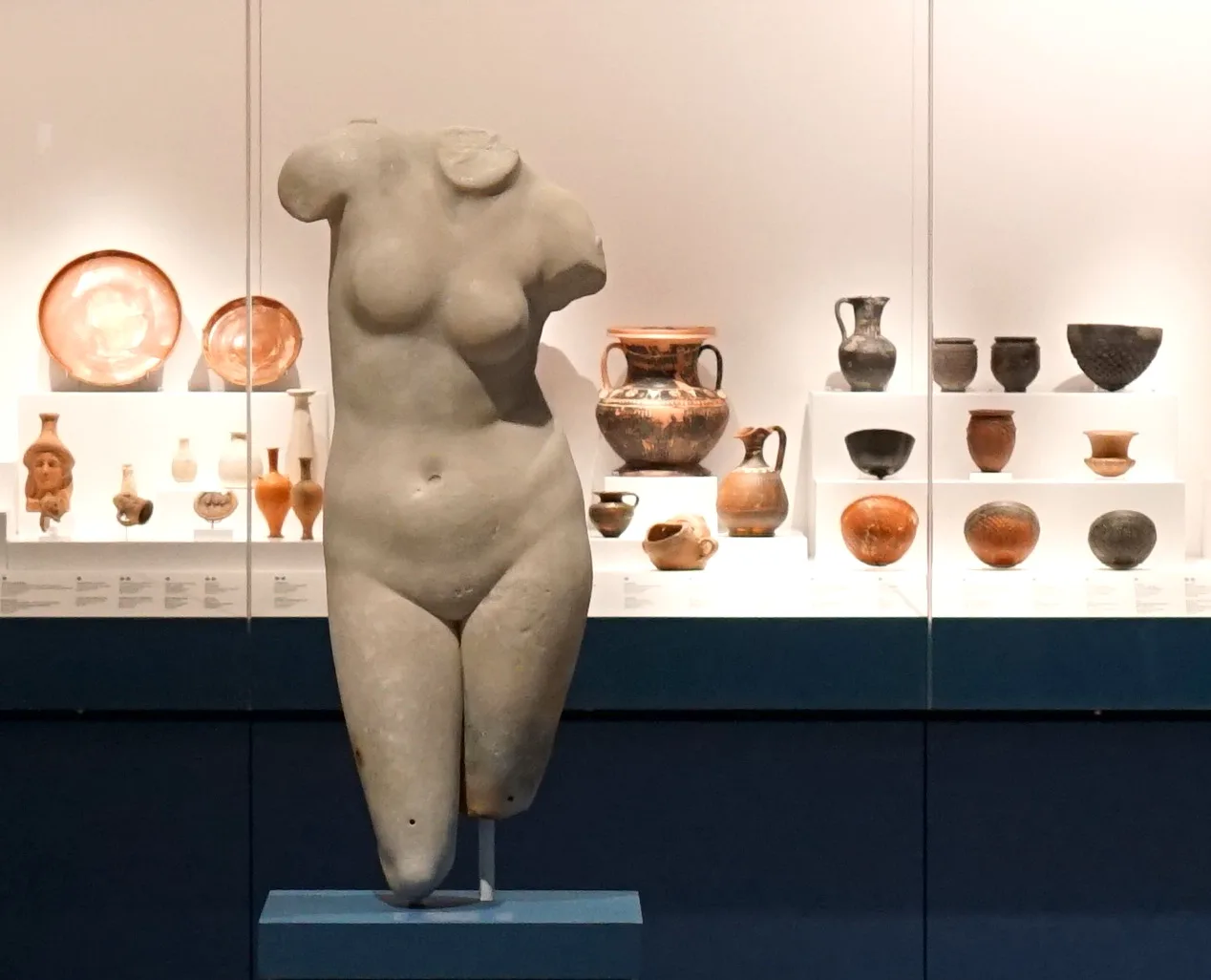
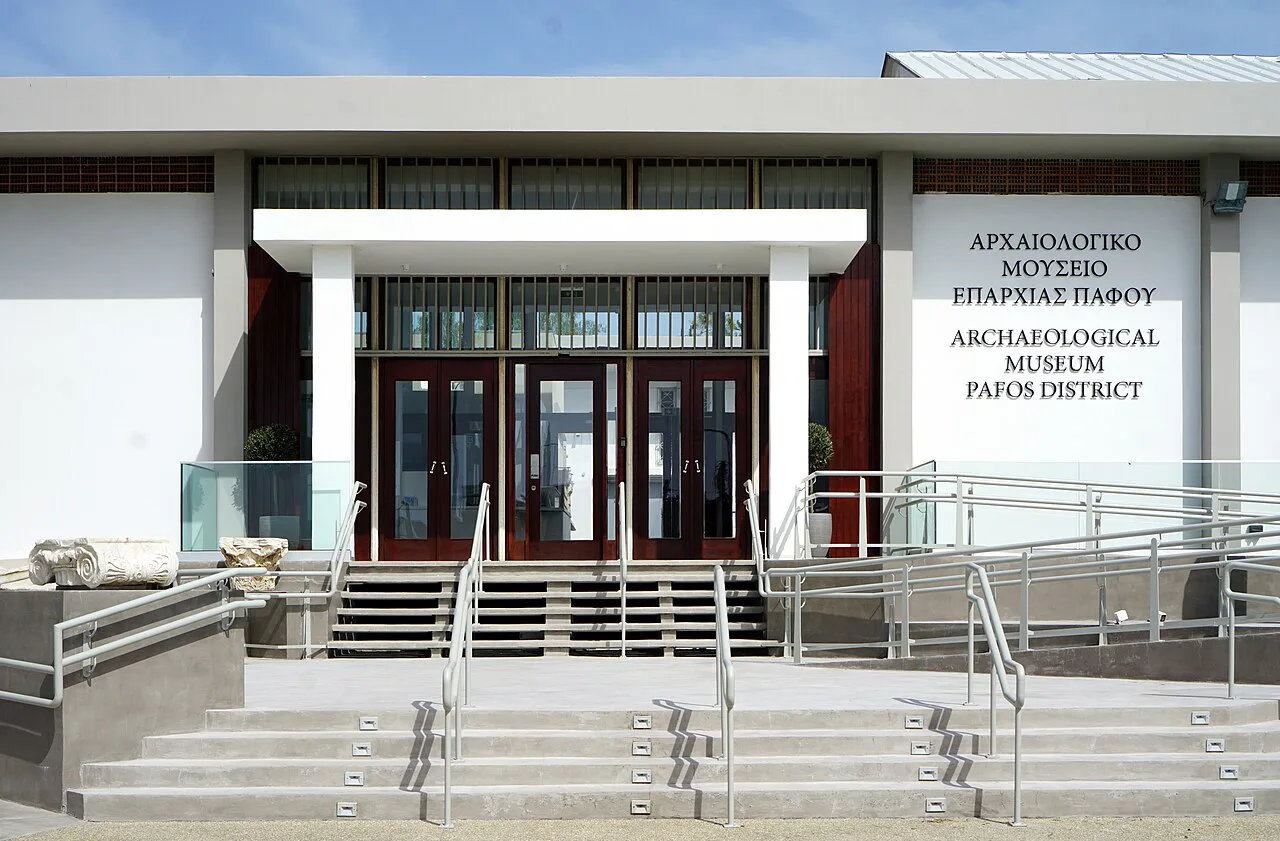
Paphos District Archaeological Museum: the Neolithic-to-antiquity collection in Ktima
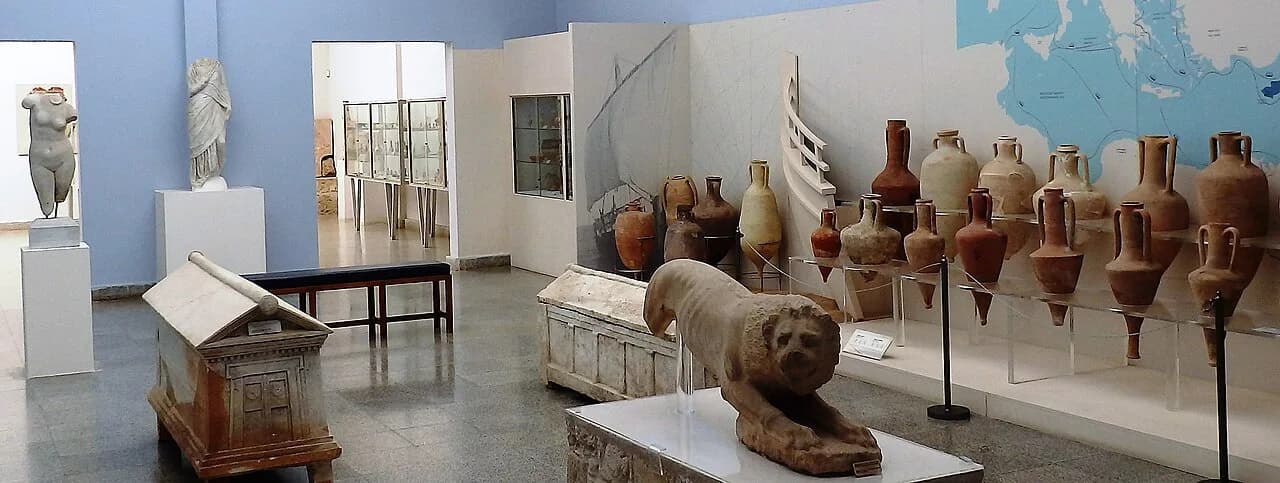
This is the museum to prioritise if you want context for everything else you will see in the district. Its collection of unearthed treasures reaches back to the Neolithic Age, and the setting is modest rather than grand, which means you can read the cases without fighting a crowd. Allow around an hour, more if you like pottery sequences and grave goods.
It sits in Ktima, the inland commercial half of Paphos, not down at the harbour. That makes it a natural anchor for a morning in the old town, paired with the Byzantine Museum nearby and a walk through the shopping streets afterwards. Check the day's opening arrangements with the museum before you build the morning around it, since Cypriot museum hours shift with the season.
Byzantine Museum of Paphos: the 8th-century Icon of Agia Marina
The star exhibit here is the 8th-century Icon of Agia Marina, one of the oldest icons to be found in Cyprus, and it alone justifies the stop for anyone interested in early Christian art. The collection is religious rather than archaeological, so it pairs well with a look at the island's painted churches and monastery frescoes rather than repeating the ground covered by the district museum.
Budget 45 minutes to an hour. The museum is compact, and the pleasure is in looking closely at a small number of very old objects rather than in covering ground. Because it sits in Ktima as well, the archaeology collection and this one make the obvious double ticket for a single morning, with a coffee in between.
Paphos Ethnographic Museum: a family-run collection built around Cypriot culture
Despite the formal name, this is a family-run museum about the culture that produced its objects and the human stories attached to them. It reads as a living collection rather than a glass-case archive, which makes it the most approachable of the town museums for anyone travelling with someone who tires of archaeology. Set aside 30 to 45 minutes.
Treat it as a complement, not a competitor, to the district museum: where that one explains dates and civilisations, this one explains how households worked. If you are spending a morning in the old town, it slots in between the archaeological collection and the market streets, and it gives the shopping quarter some historical grounding before you walk it.
Fyti Village and Museum: the Fythkiotika weaving tradition in the hills
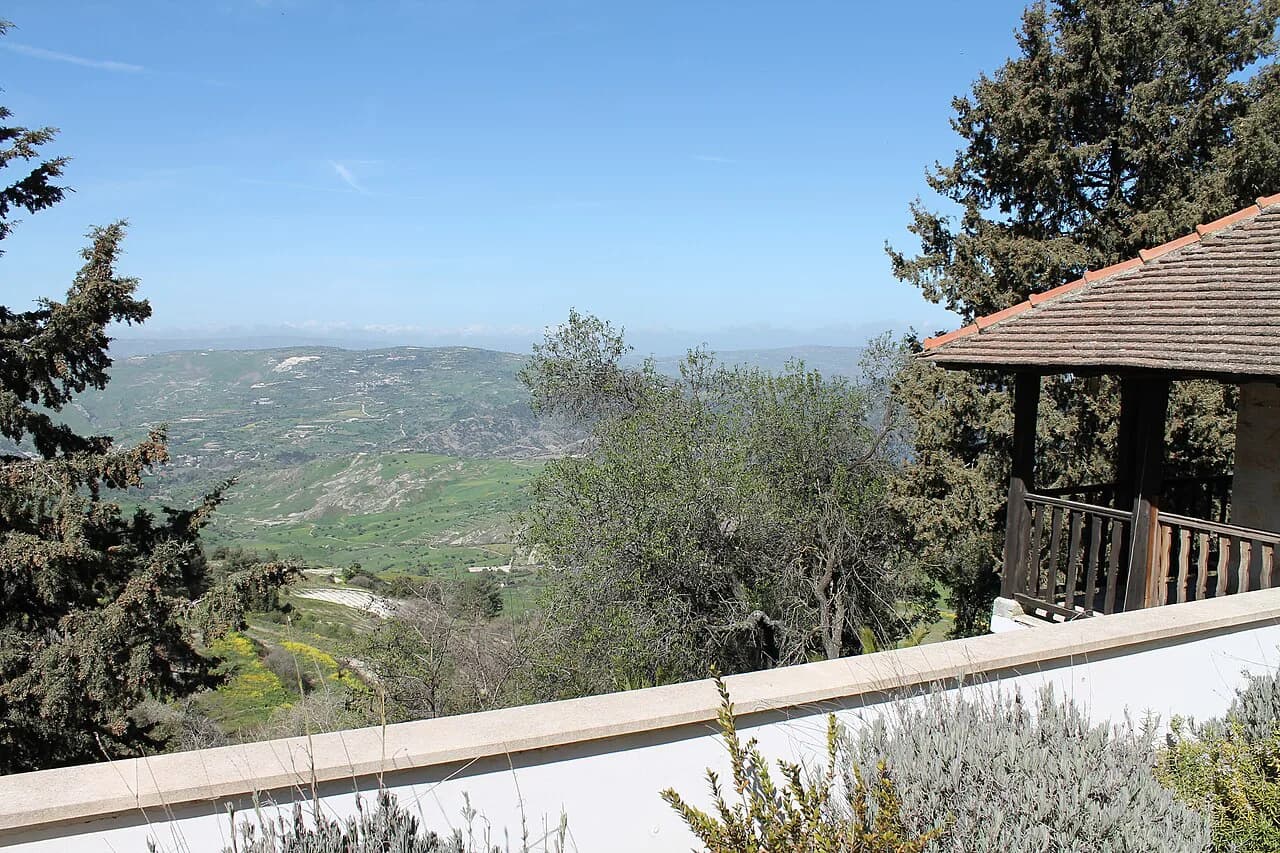
Fyti is a hill village where the clatter of the weaver's loom can still be heard, and the museum exists because of the local designs known as Fythkiotika. There was a time when every household in the village wove, and few now keep up the craft, so this is a chance to see the patterns where they were made. It is a craft stop rather than a conventional museum.
The practical consequence is that Fyti belongs to a driving day, not to a town itinerary. It makes sense combined with other hill-village stops rather than as a quick add-on to a Ktima morning, and you should check the drive time locally before setting out and allow for slow roads.
How long each museum needs and how to pair two in one day
A realistic plan is one hour at the district archaeological museum, one hour at the Byzantine Museum and under an hour at the ethnographic museum, which totals a comfortable half day in Ktima with walking time between them. In practice most travellers manage two of the three in a morning and leave the third for another day, which keeps the pace sane and leaves room for the old town itself.
Keep Kato Paphos for a separate session. The harbour-side sights, including the medieval fort and the mosaics, fill an afternoon on their own and sit some distance from the Ktima museums, so mixing the two clusters in one day means a lot of shuttling. See our guide to Paphos Marina if you want to anchor a harbour-side afternoon.
On hot days the museums offer shade, which matters from July into August when the middle of the day is punishing. Plan indoor stops for the early afternoon and leave the harbour and park for the cooler ends of the day.
Ktima versus Kato Paphos: which museums sit where
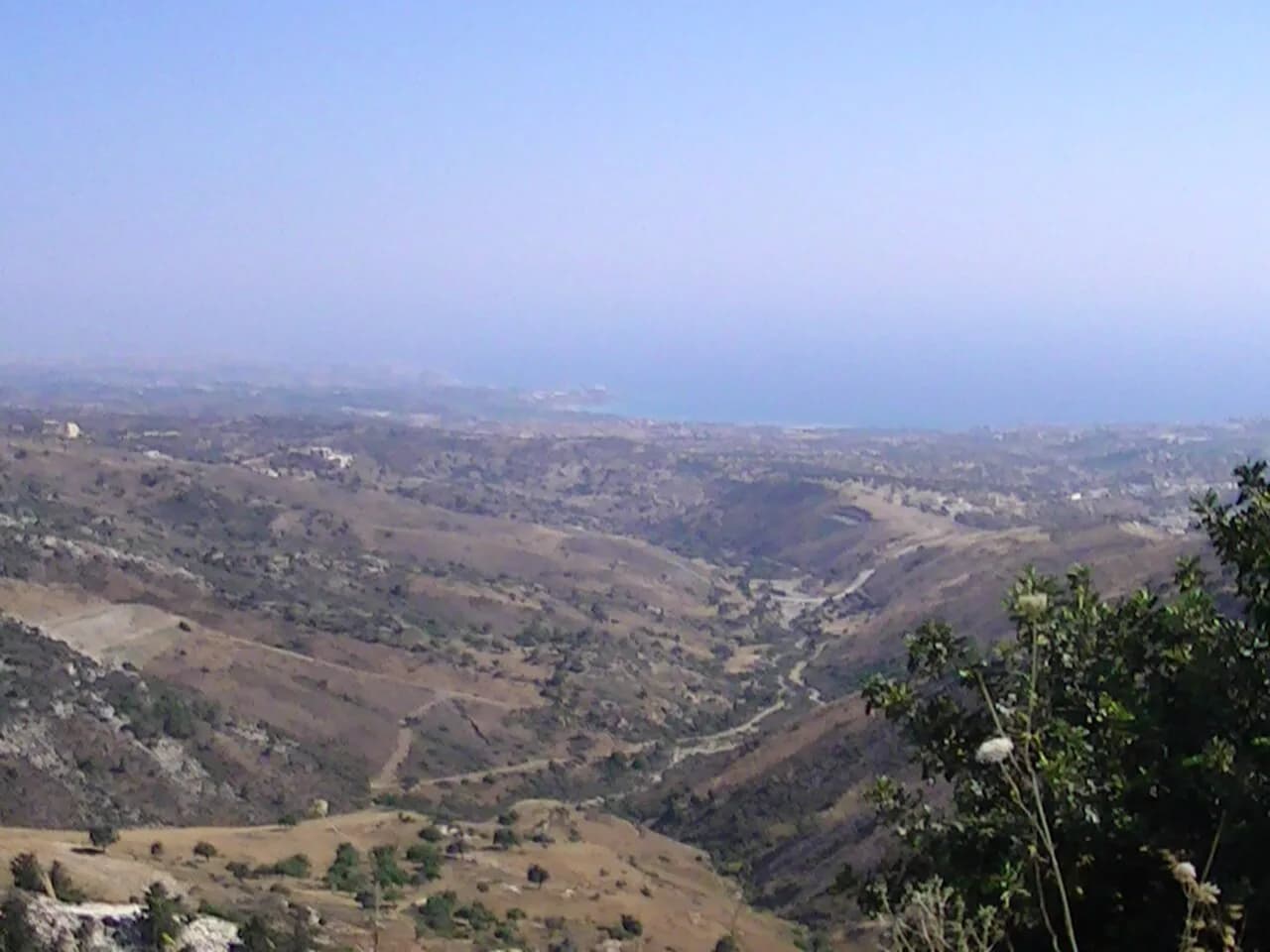
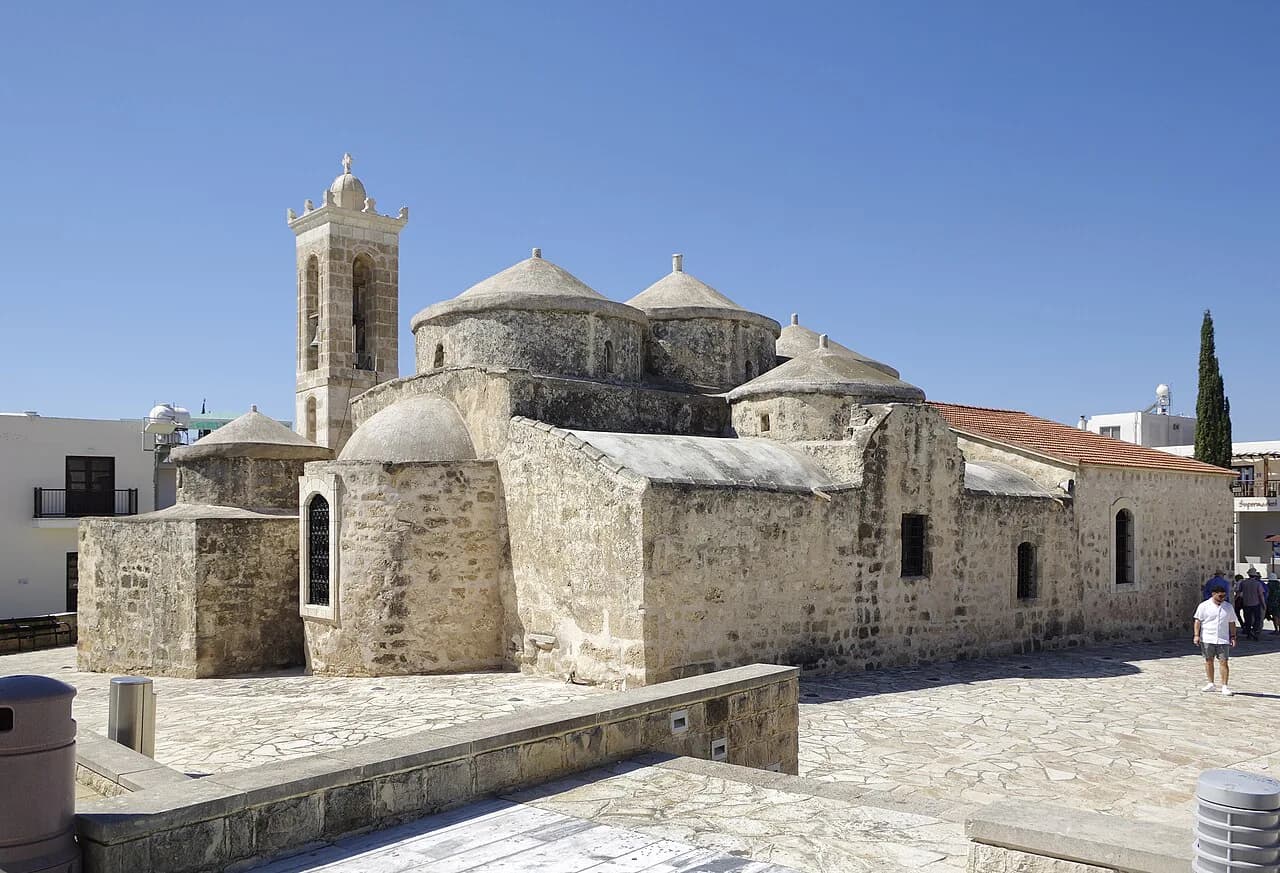
All three town museums sit in Ktima, the elevated old town, while the coastal strip at Kato Paphos holds the archaeological park, the fort and the harbour. That split is the single most useful thing to know before planning a museum day, because it determines which mornings and afternoons you spend where. Staying near the harbour means a short bus or taxi ride up to the museums rather than a walk. Our Paphos map helps you place both halves.
If you want a single base for a museum morning, start in Ktima and work outward from the central streets. A map helps because the museums are small and easy to miss between shops and churches, and the numbering of side streets is not intuitive on a first visit.
Practical points: opening days, tickets and seasonal hours
Opening hours and ticket prices for these museums change with the season and with public holidays, and the published detail differs from museum to museum, so confirm the day and the entry cost with the museum or the municipal tourism office before travelling across town. Department of Antiquities sites and the smaller private collections keep their own schedules, which are not necessarily the same.
Build in a fallback. If a museum turns out to be shut, the old town's streets, churches and market cover the time without a wasted trip, and the harbour-side park is a short ride away if you would rather switch to outdoor sights.
Which museum should you start with?
Start with the Paphos District Archaeological Museum if you want one museum that explains the region, and add the Byzantine Museum for the Icon of Agia Marina if early religious art appeals. Choose the ethnographic house instead when you want something short and human, and save Fyti for a separate day with a car.
Two museums in a Ktima morning, one harbour afternoon, and you have seen the best of what Paphos keeps indoors without spending your holiday in display cases.
Explore more Paphos guides
Frequently Asked Questions
Are there free museums in Paphos?
Entry arrangements vary between the district collection, the Byzantine museum and the family-run ethnographic museum, and no single rule covers them. Confirm the current entry terms with each museum before you go so you are not caught out at the door.
Is there much to do in Paphos Old Town?
Yes. Ktima holds three of the town's museums within easy walking distance of each other, along with the shopping streets and market quarter, which together fill a morning or a full day at an unhurried pace.
Sources
Notes for your Cyprus trip
Optional updates to our Cyprus guides.
You might also like
Continue reading
More guides you'll find useful