Paphos Mosaics: The Four Roman Houses in Kato Paphos
The Paphos mosaics sit in four Roman villas inside Kato Paphos Archaeological Park. Here is what each floor shows and how to plan a visit.
On this page
The Paphos mosaics are four sets of Roman villa floors inside Kato Paphos Archaeological Park, and the House of Dionysus is the one to see if you see nothing else. The floors are among the most remarkable and well-preserved artworks from the ancient world, and they sit within a short walk of the harbour. This guide takes the four houses in turn, explains what each floor shows and sets out an order that gets you round all of them in one visit.
Allow two to three hours for the mosaics alone, and rather more if you also want the rest of the park. The floors are spread out across open ground with covered sections over the most delicate panels, so the walk between houses is part of the visit rather than a corridor.
Where the mosaics sit in Kato Paphos Archaeological Park
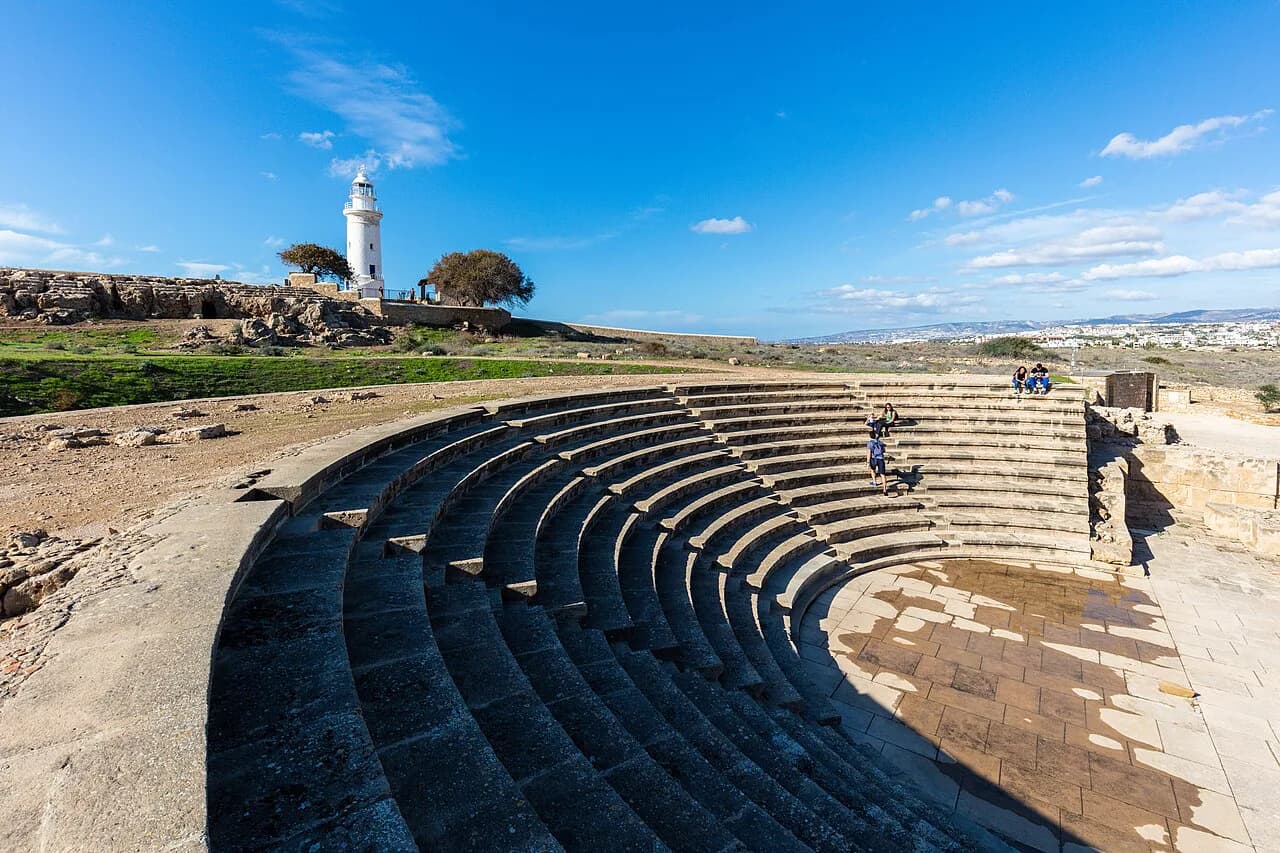
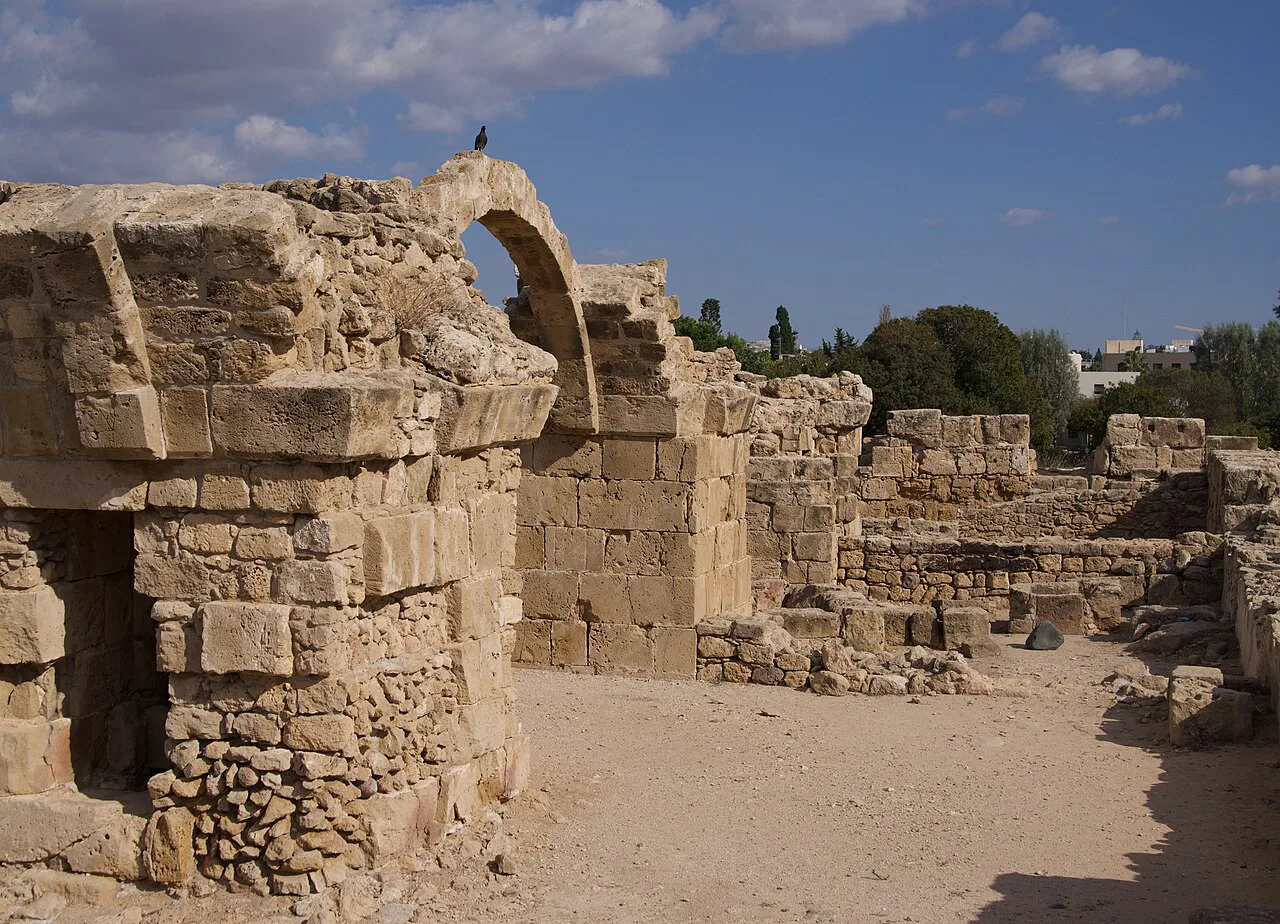
The mosaics decorate the floors of Roman-period villas in the archaeological park at Kato Paphos, the coastal quarter that also holds the harbour and the medieval fort. This Is Paphos lists four notable houses on the site: the House of Dionysus, the House of Theseus, the House of Aion and the House of Orpheus. All four are inside the same ticketed area, so one entry covers the whole set.
The park sits at the southern edge of Kato Paphos, within walking distance of the promenade and the harbour. If you are working out how the coastal quarter fits together before you arrive, a Paphos map makes the layout clear: the park, the fort and the waterfront sit in a line along the shore.
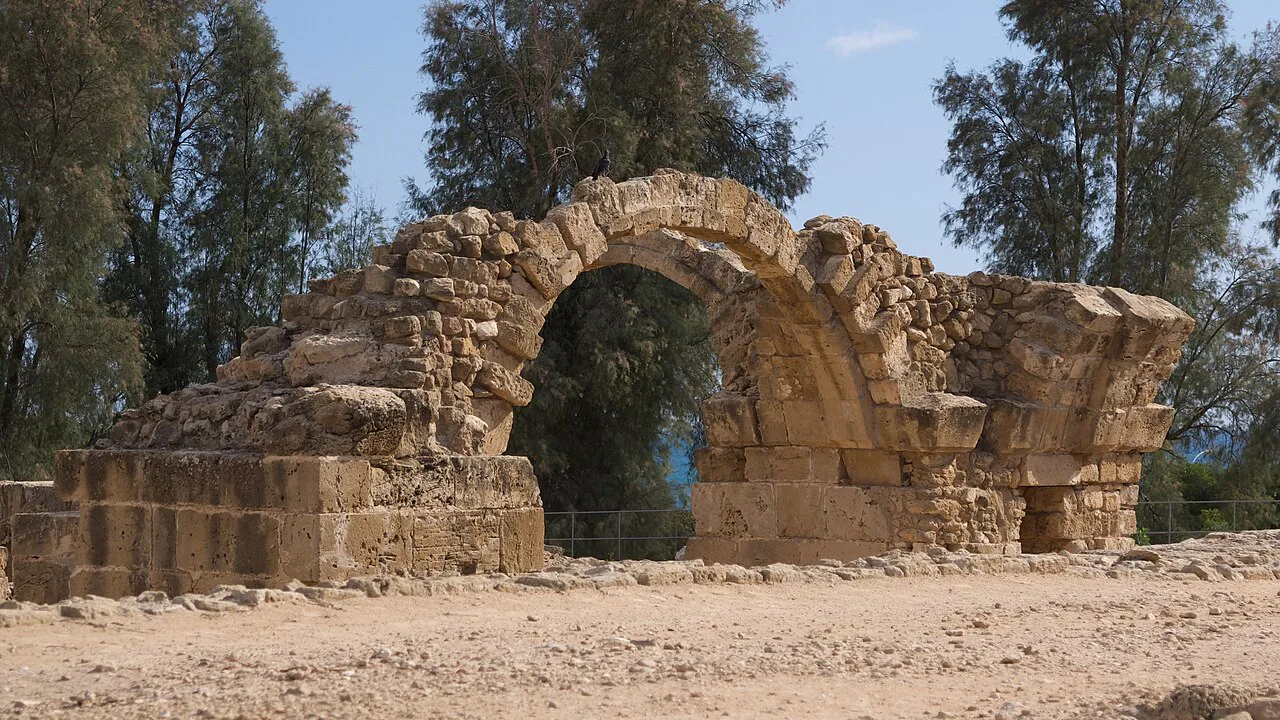
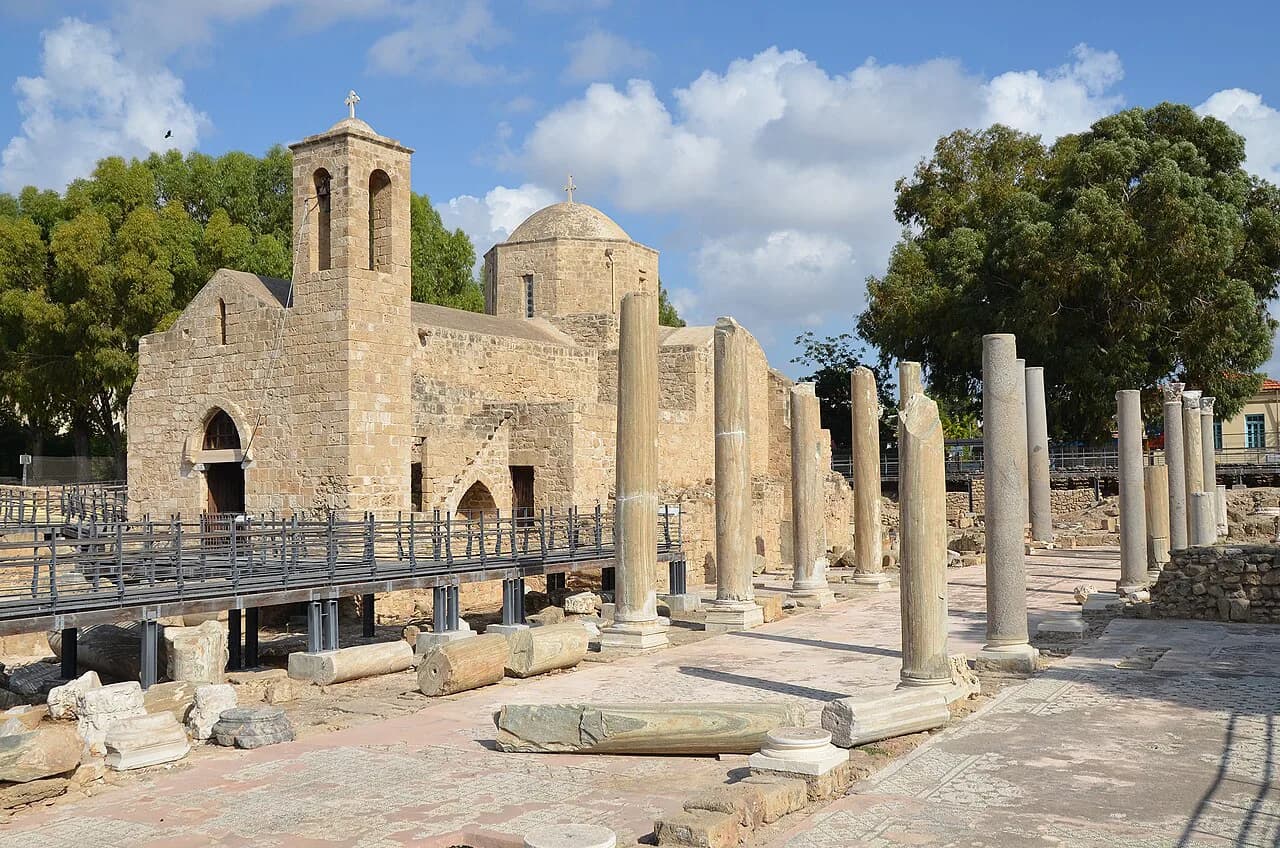
The mosaics form part of the Archaeological Park of Kato Pafos, which is listed as a World Heritage site. Treat the floors as the core of a park visit rather than a single exhibit: the same ticket also opens the rest of the excavated area around them, and you will pass other remains on the way between the houses.
The four houses at a glance
The House of Dionysus is famous for intricate mosaics built around Dionysus, the god of wine, including a scene of pirates transformed into dolphins. The House of Theseus carries a mosaic of the hero battling the Minotaur. The House of Aion has a representation of the god Aion, symbolising the eternal cycle of time, and the House of Orpheus shows scenes from the myth of Orpheus.
Read as a set, the four floors cover mythology, daily life and nature, which is why a single lap of the site feels like several different subjects rather than one long corridor of similar panels. If you only have an hour, spend most of it in the House of Dionysus and treat the others as shorter stops.
House of Dionysus: the pirate-to-dolphin scene
Start with the House of Dionysus, because its floors carry the most varied programme on the site and set the standard for everything after. The pirate-to-dolphin transformation is the panel most visitors remember: a single image that shows how the mosaicists blended mythology with visual invention. Look for the way the figures are built from tiny pieces of stone and glass rather than painted.
The detail and colour here are what make the Paphos floors stand out from other Roman remains in the eastern Mediterranean, and they have survived for centuries under the ground. Give this house fifteen to twenty minutes rather than five, and read the information boards beside each panel before you move on.
House of Theseus: the largest house and its Minotaur
The House of Theseus is the largest of the villas on the site, and its centrepiece is Theseus in battle with the Minotaur. The floor is a statement of civic pride as much as decoration, and it rewards a slow look at how the figures are spaced across the panel.
Because the house is big, it also has the longest exposed stretches between protected floors. In summer that means less shade than in the smaller houses, so it is worth doing this one earlier in the day rather than at the end of a hot circuit.
House of Aion: the eternal cycle and the detail to find
The House of Aion is built around a representation of Aion, the god of the eternal cycle of time, and its floor stands out for intricate detailing and strong colour. Stand at the edge of the protected floor and look for the smaller figures and borders around the main panel, not just the central scene.
In practice the house is a short stop, ten minutes at most if you have already been through Dionysus and Theseus. Its subject makes it a natural pause before the smaller floors of Orpheus.
House of Orpheus: a quick stop on the way round
The House of Orpheus shows scenes from the myth of Orpheus, and together with the other three houses it opens a window on the cultural and religious life of ancient Paphos. The floors are modest next to Dionysus, so treat this as a ten-minute stop rather than a destination in its own right.
It sits at the end of the route for most visitors, which suits the pattern of the site: the strongest floors first, the quieter ones as you work back towards the entrance. If you are flagging in the heat, this is the house to skip without much loss.
How to see all four in one visit
Take the houses in the order Dionysus, Theseus, Aion, Orpheus. That sequence front-loads the two strongest floors while you are fresh, keeps the shortest stops for the end and lets you walk back towards the entrance rather than doubling back across the open ground. Allow about ninety minutes for the four houses at an unhurried pace, or two hours if you read the boards at every panel.
The park suits a half-day rather than a quick stop: reviewers describe spending a whole day there with a lot of walking in pleasant surroundings. Combine the mosaics with the harbour and promenade for a full morning, or with Paphos Old Town in the afternoon if you want the contrast between the Roman floors and the later town.
Bear in mind that the ticket covers the whole park, so the price is better value the longer you stay. Checking what else in Paphos takes a ticket helps you decide whether to buy a combined pass or pay per site.
Walkways, boards and reading the floors close up
The site is well-maintained, with walkways and informative boards that help visitors appreciate the significance and stories behind each mosaic. The walkways keep you off the floors themselves, which is why a zoom lens or a phone camera with a decent crop is useful for the finer panels.
The best-preserved panels sit under cover, which protects them but also throws shade across the colours for much of the day. Move round each shelter to see the floor from more than one angle before you decide you have seen it properly.
Heat and shade: timing the visit
The park is open ground with limited shade, so summer visits are hardest between late morning and mid-afternoon. A sun hat is not optional in July and August, whatever the rest of your kit looks like.
Early morning is the better slot: cooler air, fewer people and better light on the protected floors under their shelters. If you want the numbers rather than a general warning, the climate averages for Paphos weather July and Paphos weather August show how hot the middle of the day typically gets, and an October visit trades some heat for a quieter site.
After the park, the Paphos promenade gives you a flat, partly shaded walk back towards the harbour, and the Paphos harbour itself is the obvious place to sit down afterwards. Evenings along the water are a softer way to end a hot day than another archaeological site.
Tickets and hours: where to check before you go
Opening hours and ticket prices for Kato Paphos Archaeological Park are set by the Department of Antiquities and change with the season, so confirm the current figures on its own listings before you travel. The same applies to closed days, which can catch out visitors who assume a seven-day site.
If the mosaics are one stop on a wider trip, the Paphos Attractions hub pulls together the other ticketed sites and monuments so you can plan a sequence without repeated backtracking.
Is the House of Dionysus worth the ticket on its own?
Yes, if you are short of time. The House of Dionysus carries the strongest floors and the pirate-to-dolphin panel alone justifies the entry, with the other three houses as a bonus on the same ticket. For most visitors the full circuit of four houses is the better use of the entry, since the extra time is modest once you are inside.
Build the visit around an early start, take the houses in order and keep the harbour or old town for afterwards. If you are weighing the mosaics against other stops in the coastal quarter, the wider list of things to do in Paphos is the place to compare them.
Explore more Paphos guides
Frequently Asked Questions
Which is the nicest part of Paphos for Roman remains?
Kato Paphos, the coastal quarter, holds the archaeological park with all four mosaic houses. It sits within walking distance of the harbour, so you can pair the Roman floors with the waterfront in a single morning.
Can you see the Paphos mosaics without a guide?
Yes. The site has walkways and information boards beside the main panels, which explain the stories behind each floor. A guide adds context on the myths, but the boards cover the essentials for most visitors.
How long do the four mosaic houses take?
About ninety minutes at an unhurried pace, or two hours if you read every board. The rest of the archaeological park adds more time, and the ticket covers the whole site rather than the houses alone.
Sources
Notes for your Cyprus trip
Optional updates to our Cyprus guides.
You might also like
Continue reading
More guides you'll find useful