Paphos Weather in August: Typical Heat, Sea Temperature and Visiting
Paphos in August brings the island's hottest, driest conditions and a warm sea. Here are typical temperatures, sunshine hours and how to shape a day.
On this page
August is the hottest and driest month in Paphos, with typical highs around 37°C, a sea at roughly 27°C and about 12 hours of sunshine a day. That makes swimming the easiest part of the day and open, shadeless ruins the hardest, so this guide groups the main sights by exposure.
Figures here are climate averages rather than a forecast, and they describe the Paphos region rather than a single week. Use them to decide how early to start and whether to give the coast a full day or split it with the hills inland.
What August weather in Paphos is typically like
August sits at the peak of the Cypriot summer: long, cloudless days, almost no rain and heat that builds through the morning. Average temperatures in Cyprus in August run from about 22°C to 37°C, with humidity around 65%, so the coast feels sticky as well as hot.
The practical consequence is that midday is better spent in water, in shade or indoors. Plan outdoor walking for the first hours after sunrise and again after about five in the afternoon, and treat the hours between as transfer, lunch or museum time.
Typical August temperatures and sunshine hours in Cyprus
Across Cyprus, August averages about 12 hours of sunshine per day with roughly 5 mm of rainfall for the whole month. The Paphos region follows the same pattern: average temperatures climb from around 20°C in May to a peak of about 30°C in July and August before easing to roughly 23°C in October.
Read those numbers as a planning tool rather than a promise. Averages hide the odd cooler day and the difference between the exposed coast and higher ground inland, so keep the itinerary loose enough to swap a coastal walk for a village or monastery.
Sea temperature and swimming in August
The sea off Cyprus reaches about 27°C in August, warm enough for long swims without a wetsuit and comfortable for cautious swimmers. This is the month when the water is at its most inviting and when a morning swim doubles as the coolest part of the day.
Because the water is so warm, the beach and waterfront fill early. Swimming before breakfast or after six in the evening gives you cooler air and more space, and it leaves midday free for Kato Paphos at a slower pace.
Rainfall and humidity in August
Rain is rare in August, with only a few millimetres expected across the month, so plan outdoor days with confidence. Humidity of around 65% is the bigger factor: it makes 30°C feel considerably warmer and slows walking, especially along exposed coastal paths.
Carry more water than you think you need, wear a hat and take shade between stops along the waterfront. If you are driving, keep a bottle in the car and never leave anyone in a parked vehicle, even briefly.
Why August is the busiest and hottest month to plan around
August combines school holidays with peak heat, so the harbour, the archaeological park and the main promenade are at their fullest and slowest-moving. The heat does some of the work for you: the busiest hours at open sites are also the least comfortable, which makes early starts worthwhile.
Build slack into each day and keep one afternoon completely free. For a structured shortlist of what to see across the town and coast, our guide to the things to do in Paphos groups them by area so you can cluster visits and cut down on midday walking.
How to time sightseeing: Kato Paphos Archaeological Park and the mosaics
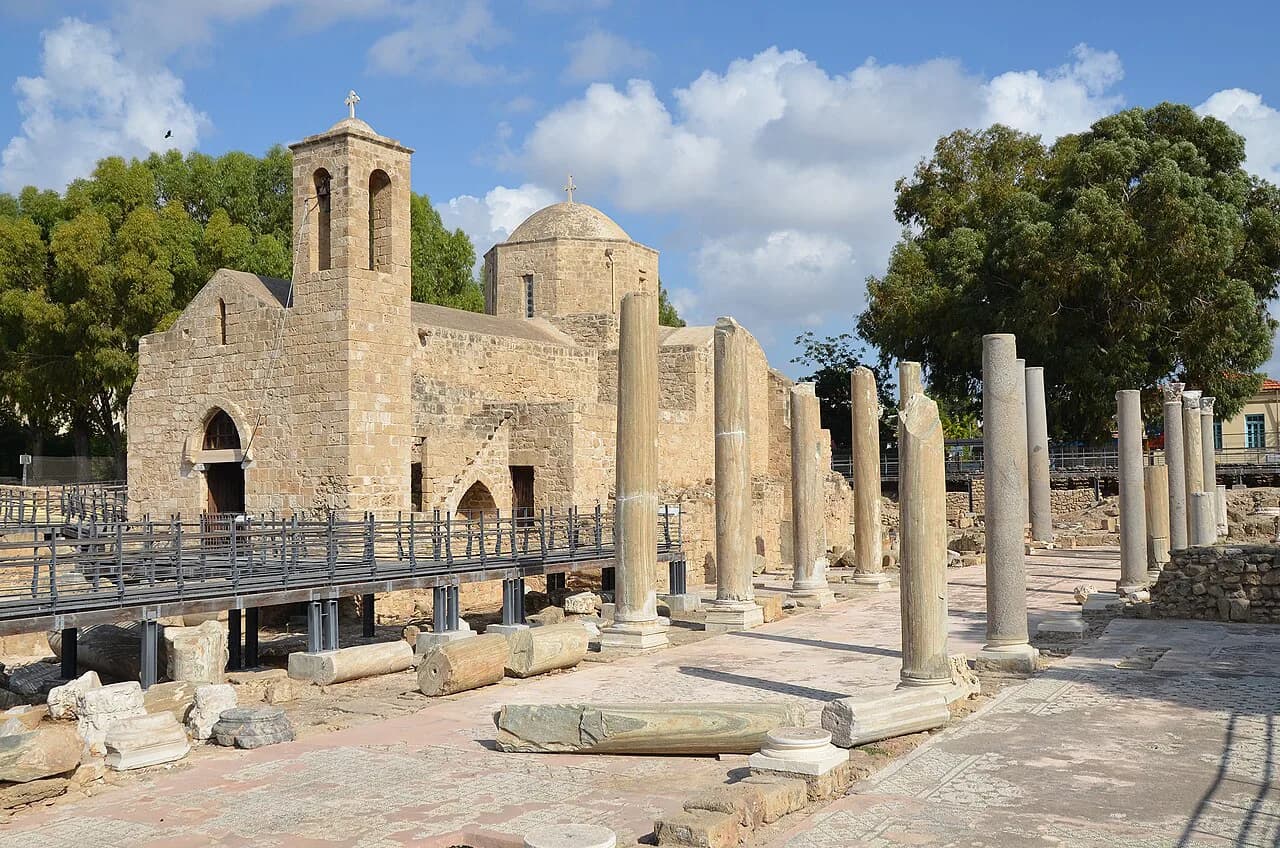
The Kato Paphos Archaeological Park holds some of the Mediterranean's best-preserved Roman mosaics, including the House of Theseus and its mosaic of Theseus fighting the Minotaur, and the House of the Four Seasons. The mosaics are largely under open sky or light shelter, so the park is at its best in the first hour or two after opening.
Most of the ruins are low walls, columns and foundations rather than tall shade, so a hat, water and a slow pace matter more than a detailed plan. Pair the park with a shaded indoor stop afterwards and keep the rest of the afternoon light.
Agios Neophytos Monastery: the hillside alternative to the coast
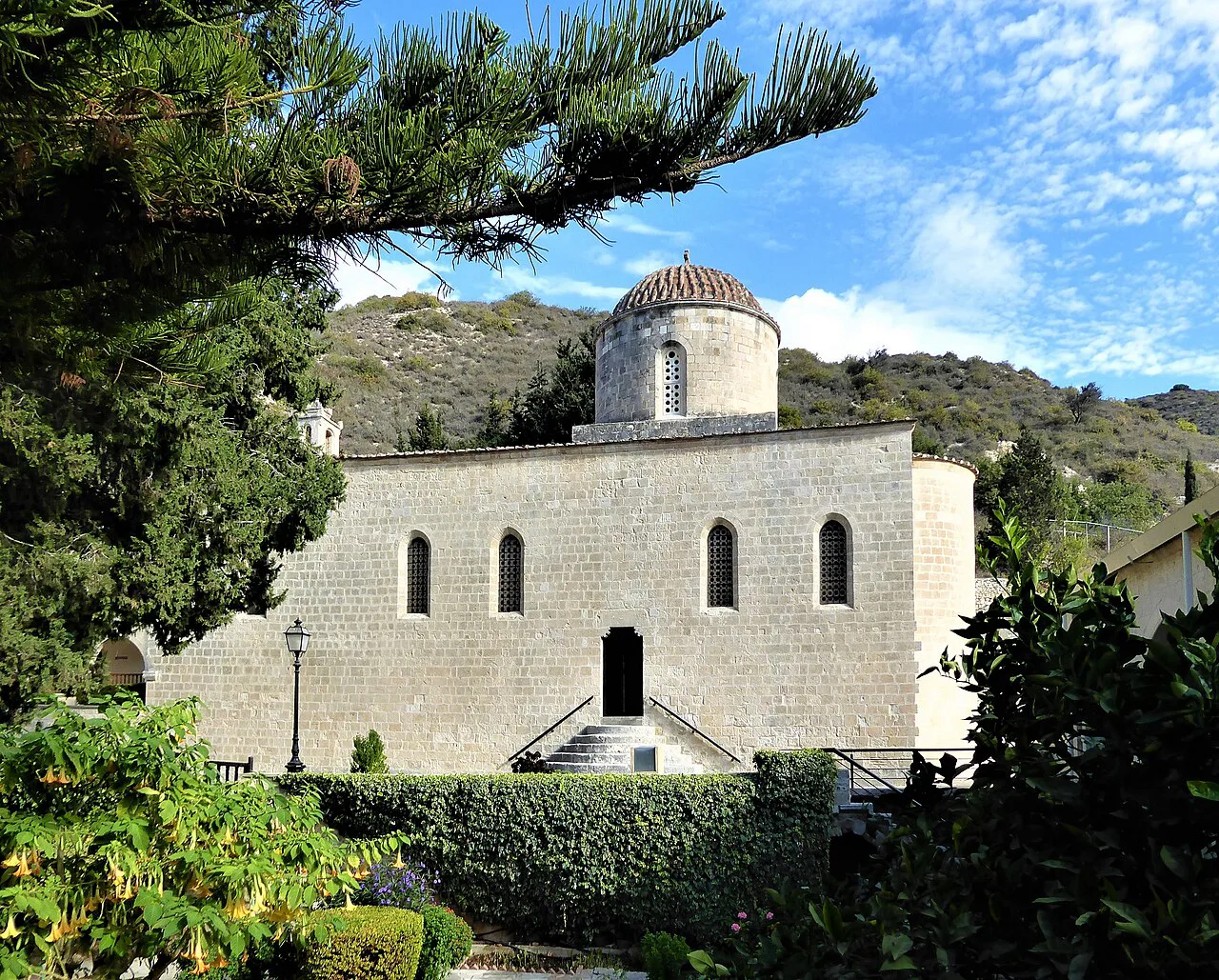
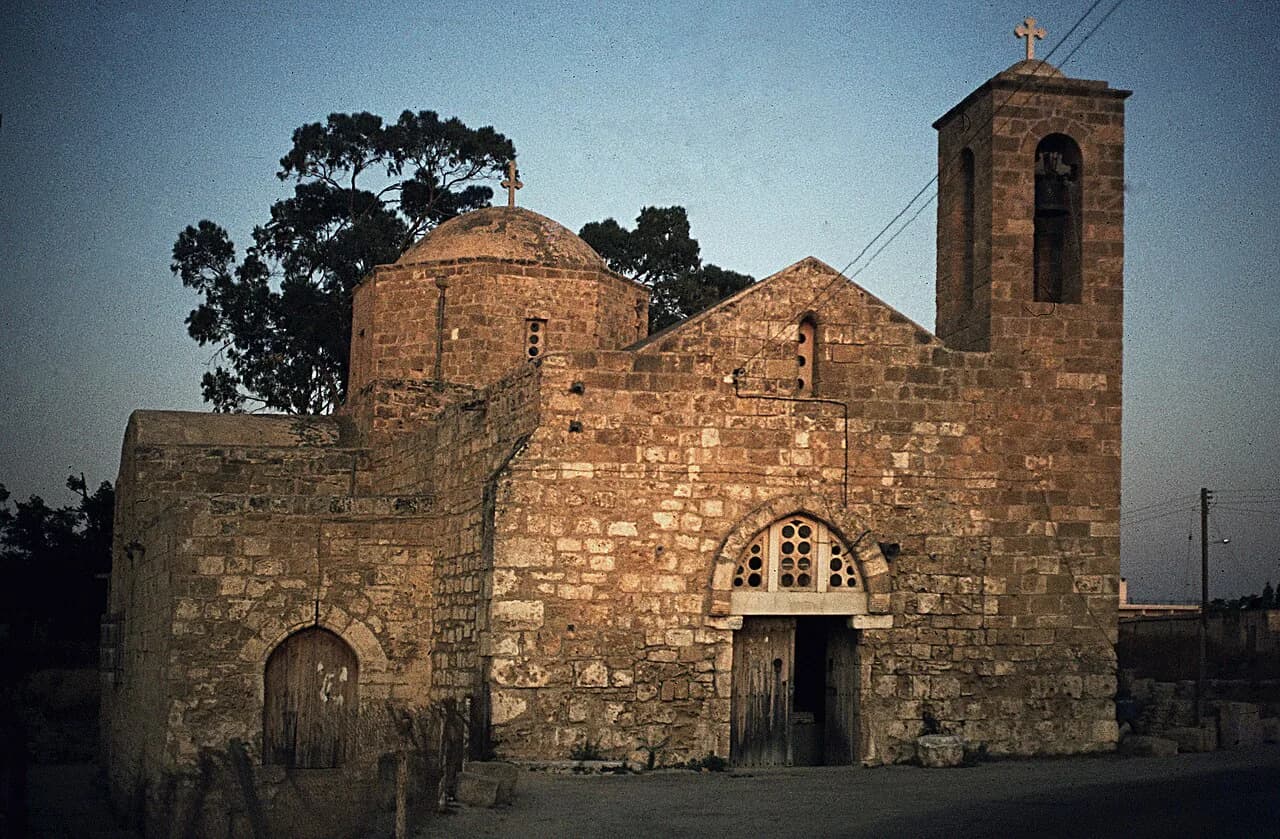
Agios Neophytos Monastery sits about 9 km north of Paphos near Tala, founded in the second half of the 12th century by the recluse and writer Neophytos. The hermit carved a cave, the Enkleistra, out of the rock, and it holds Byzantine frescoes from the 12th to the 15th centuries, with 16th-century Post-Byzantine icons in the later church.
Hours vary by season: April to October the museum and Enkleistra open daily from 09:00 to 13:00 and 14:00 to 18:00, while November to March they open 09:00 to 16:00. Entrance to the museum and Enkleistra is €2, and both close on Christmas Day, New Year's Day, Green Monday, Greek Orthodox Easter Sunday and 15 August.
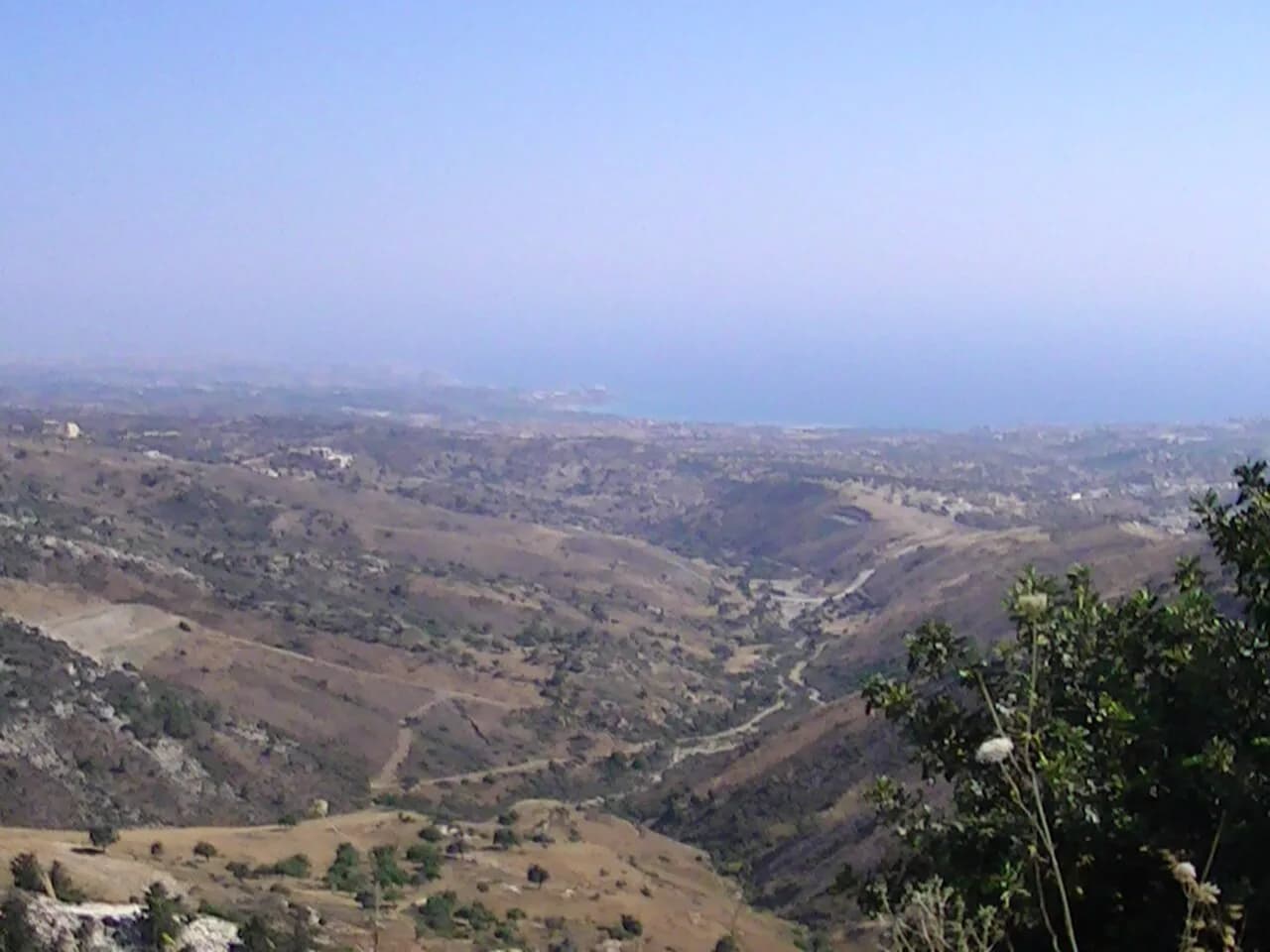
Because the frescoes are inside rock-cut chambers and the museum is indoors, this is the obvious choice for a hot midday slot, and the drive north also lifts you away from the coastal humidity. The midday gap in summer opening means arriving for the morning session or just after two.
Inland Kouklia and the Sanctuary of Aphrodite at Palaipafos
Kouklia sits at about 85 metres above sea level, 16 km from Paphos, reached by turning onto the F616 from the B06 or the A06 Limassol–Paphos highway. The village stands on the site of ancient Palaipafos, one of the most celebrated pilgrimage centres of the ancient Greek world.
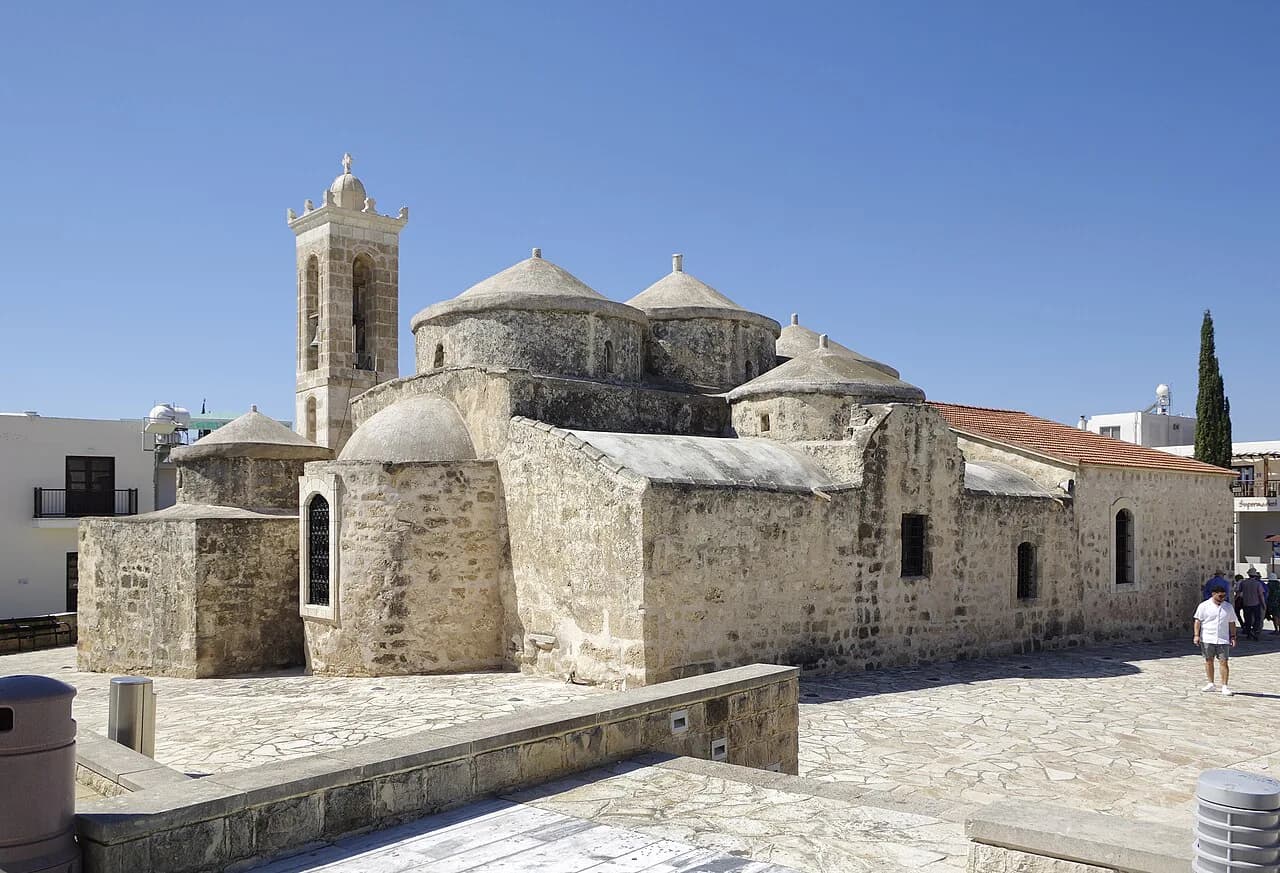
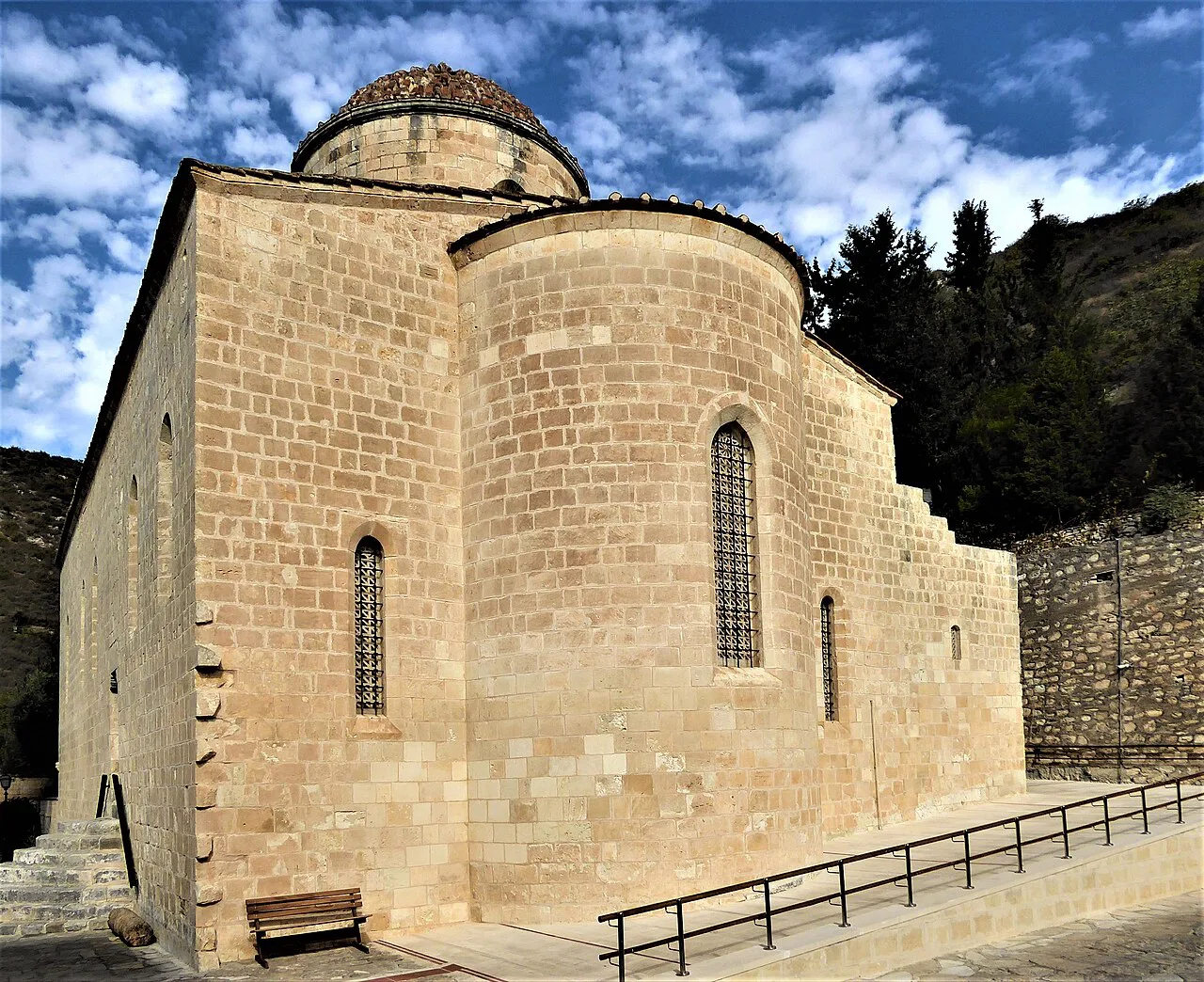
The village itself is leafy and grows fruit and other crops, which makes it a gentler place to walk in August than the exposed coast, and the local museum holds finds from the area. Among the churches, Panagia Hodegetria is a 13th-century cruciform church with 15th-century wall-paintings.
Petra tou Romiou, or Aphrodite's Rock, lies not far from the village and marks the spot where legend has the goddess born from the foam. Go early or late rather than at midday, when the shingle holds the heat.
Late afternoons and evenings in Kato Paphos and Paphos harbour
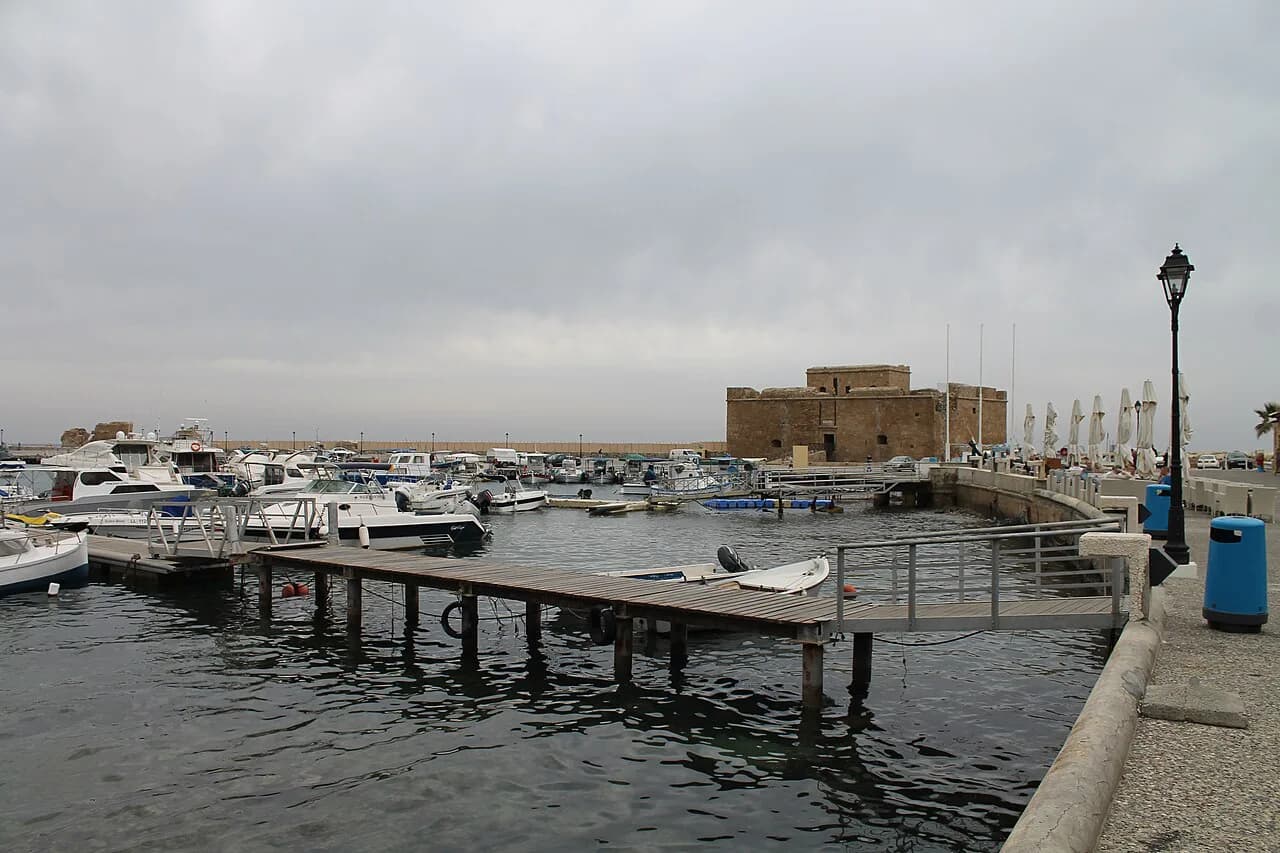
Once the worst heat passes, the waterfront becomes the most comfortable part of town. Walk the promenade from the harbour towards the castle, time a short visit to Paphos harbour for sunset, and leave the mosaics and ruins for another morning.
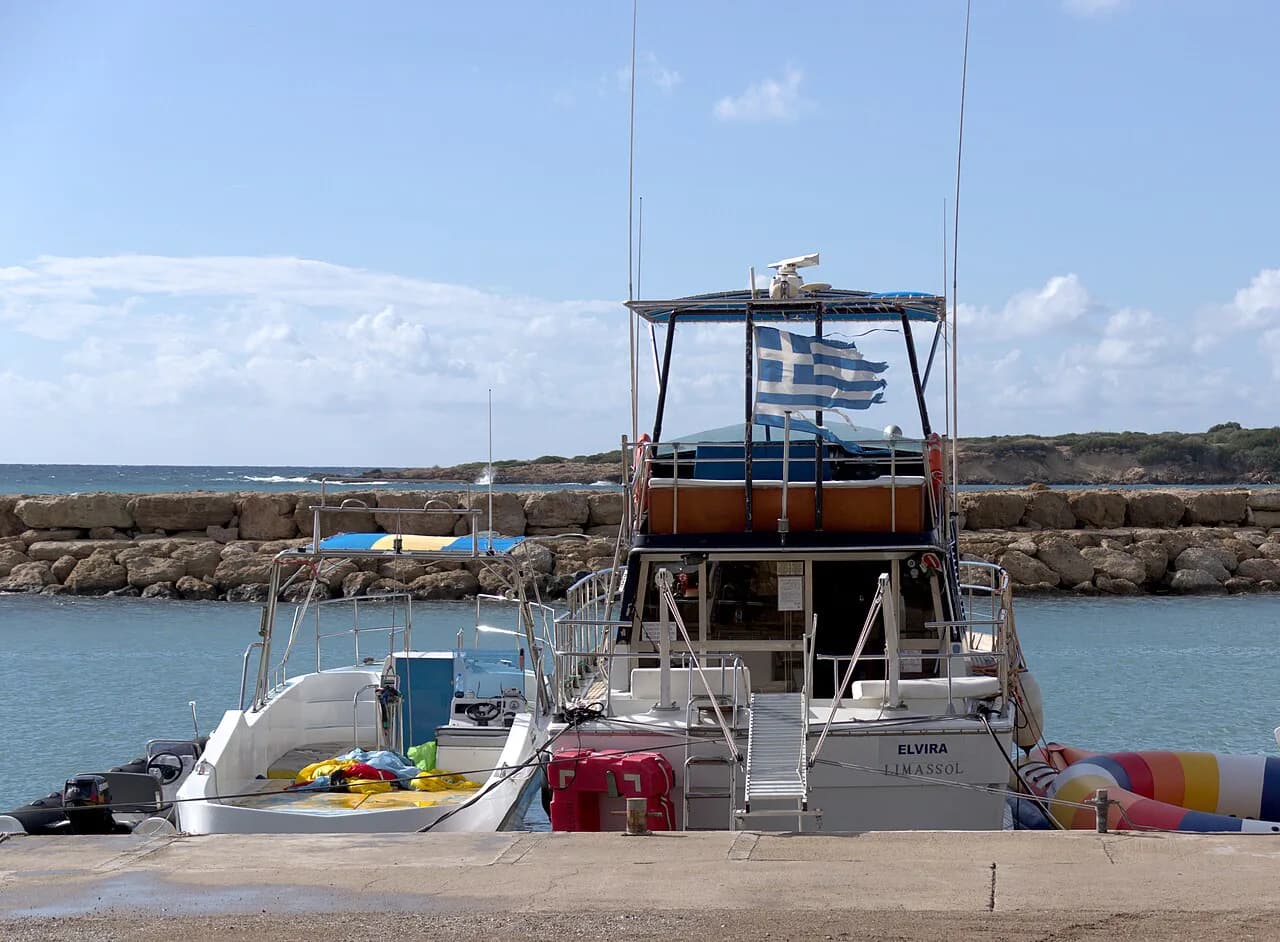
Evening is also when you can comfortably wander into Paphos old town for a cooler hour among the streets above the coast, and when coastal boat trips tend to feel most pleasant, with the sea at its warmest.
What to pack and how to handle the midday heat
Pack for heat rather than for rain: light, loose clothing, a wide-brimmed hat, sunglasses, high-factor sun cream and a refillable water bottle. Footwear matters at the archaeological park, where paths are uneven and unshaded, and on the stony beach at Petra tou Romiou.
Treat the hours from about 11:00 to 16:00 as indoor or water time, and shift any long walk to the early morning. If you are driving, hire a car with working air conditioning and park in shade where you can.
Is August a good month for a Paphos holiday?
August suits travellers who want the warmest sea of the year and long, reliably sunny days, and who are happy to organise sightseeing around the heat. It is the hardest month for anyone planning to walk open sites in the middle of the day or hoping for quiet streets.
If the archaeology is the main draw, mix early visits to the archaeological park with the indoor frescoes at Agios Neophytos, and use the lanes of Kouklia for a more forgiving afternoon. If it is the sea you are after, this is the best month to be in it.
Should you book Paphos in August?
Book August if warm water and dependable sunshine matter more to you than comfortable midday walking. Plan two early starts for the coastal ruins, one indoor stop at Agios Neophytos and a shaded afternoon in Kouklia, and the heat becomes manageable.
If instead you want whole days on foot at Paphos Attractions without watching the clock, August will frustrate you, and the shoulder months suit those plans better. Check the monastery's published hours before you set out, since they change between summer and winter.
Explore more Paphos guides
Frequently Asked Questions
How hot does it get in Cyprus in August?
Typical August temperatures in Cyprus range from about 22°C to 37°C, with roughly 12 hours of sunshine a day, around 65% humidity and very little rain. These are climate averages, not a forecast, so expect individual days to vary and plan outdoor activity for the cooler ends of the day.
What is the best month to go to Cyprus?
That depends on what you want from the trip. August offers the warmest sea and the most reliable sunshine, but the midday heat limits walking at exposed sites such as the Kato Paphos Archaeological Park. Average temperatures in the Paphos region drop from a July and August peak of about 30°C to roughly 23°C in October, which suits travellers who prefer cooler sightseeing.
Sources
Notes for your Cyprus trip
Optional updates to our Cyprus guides.
You might also like
Continue reading
More guides you'll find useful