Paphos Weather in July: Temperatures, Sea and Heat
Paphos in July brings summer highs around 31°C and a warm sea. Here is what the heat means for sightseeing, old town walks and summer evenings.
On this page
Expect hot, rain-free days in Paphos in July, with afternoon temperatures around 31°C and a sea warm enough for long swims. This guide sets out typical July figures, then shows how to fit the harbour, the archaeology and the hill villages around the heat rather than against it.
Figures here are typical July climate averages, not a forecast, so treat them as planning tools for pacing and clothing. A single day can run hotter, and a heatwave will push the middle of the day beyond what is comfortable for standing on exposed stone.
Paphos weather in July at a glance: daily highs, night temperatures and sea temperature
Thomas Cook gives summer highs of 31°C for Paphos and mild overnight lows around 26°C, which means the coast rarely gives you a genuinely cool night. That combination matters more than the headline figure: the town stays warm through the evening, so late dinners and night walks are comfortable while midday is the part to schedule around.
For the island as a whole, July highs range from 32°C to 38°C, nights average 21°C to 25°C, and the sea sits between 24°C and 28°C. The sea is uniformly warm around the island, and even the island's cooler night figures leave the coast comfortable for late evenings.
Rain is effectively absent, with precipitation averaging only 1 mm to 3 mm across the month, so an umbrella is dead weight. Build your packing around sun and salt instead: a wide-brimmed hat, high-factor sunscreen and a refillable water bottle do more for a July day than any rain jacket.
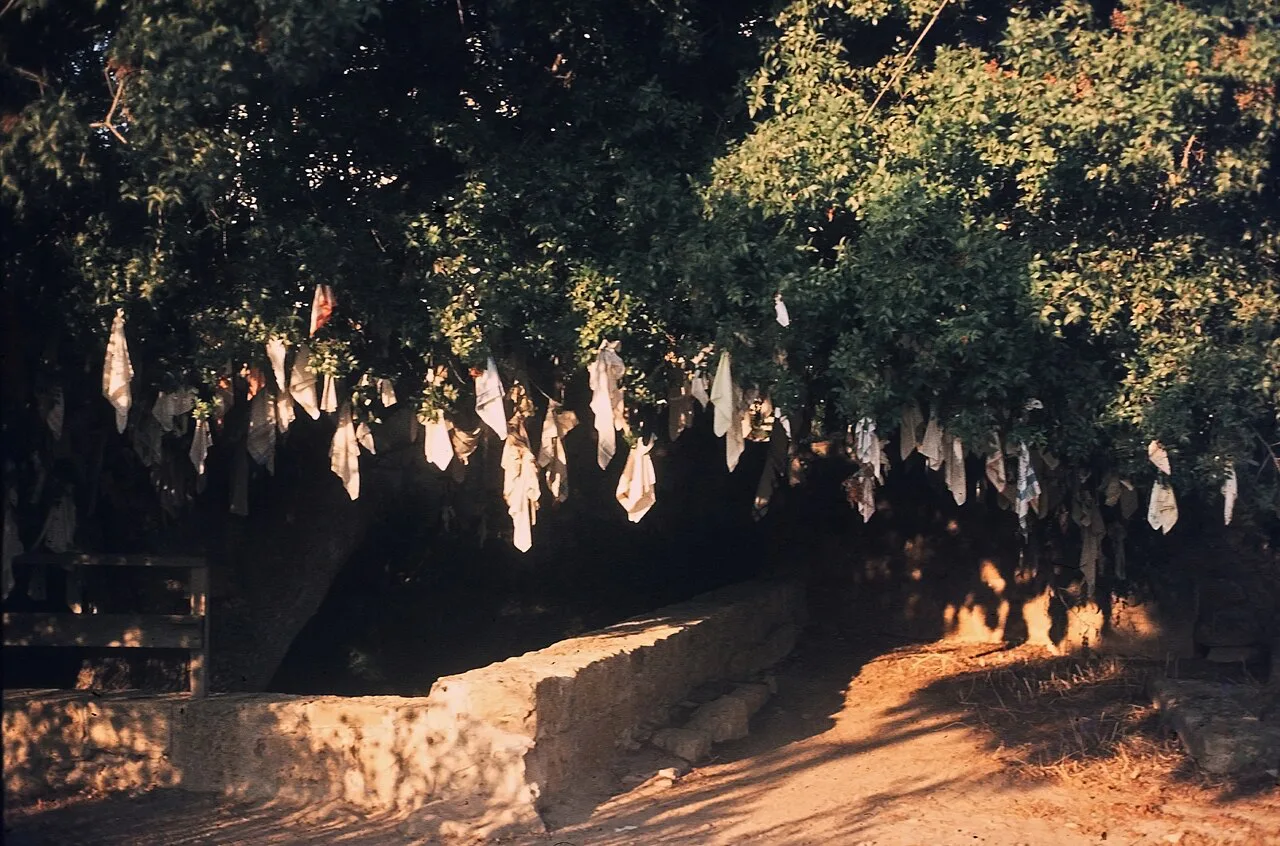
How the July heat shapes a day in Kato Paphos and Ktima
The practical July day in Paphos splits into three blocks: cool early morning, a shaded middle, and a long warm evening. Start with whatever involves standing in the open, retreat indoors or under trees and awnings from late morning to mid-afternoon, then head back out as the light softens. Evenings stay warm, so an evening walk needs no jacket.
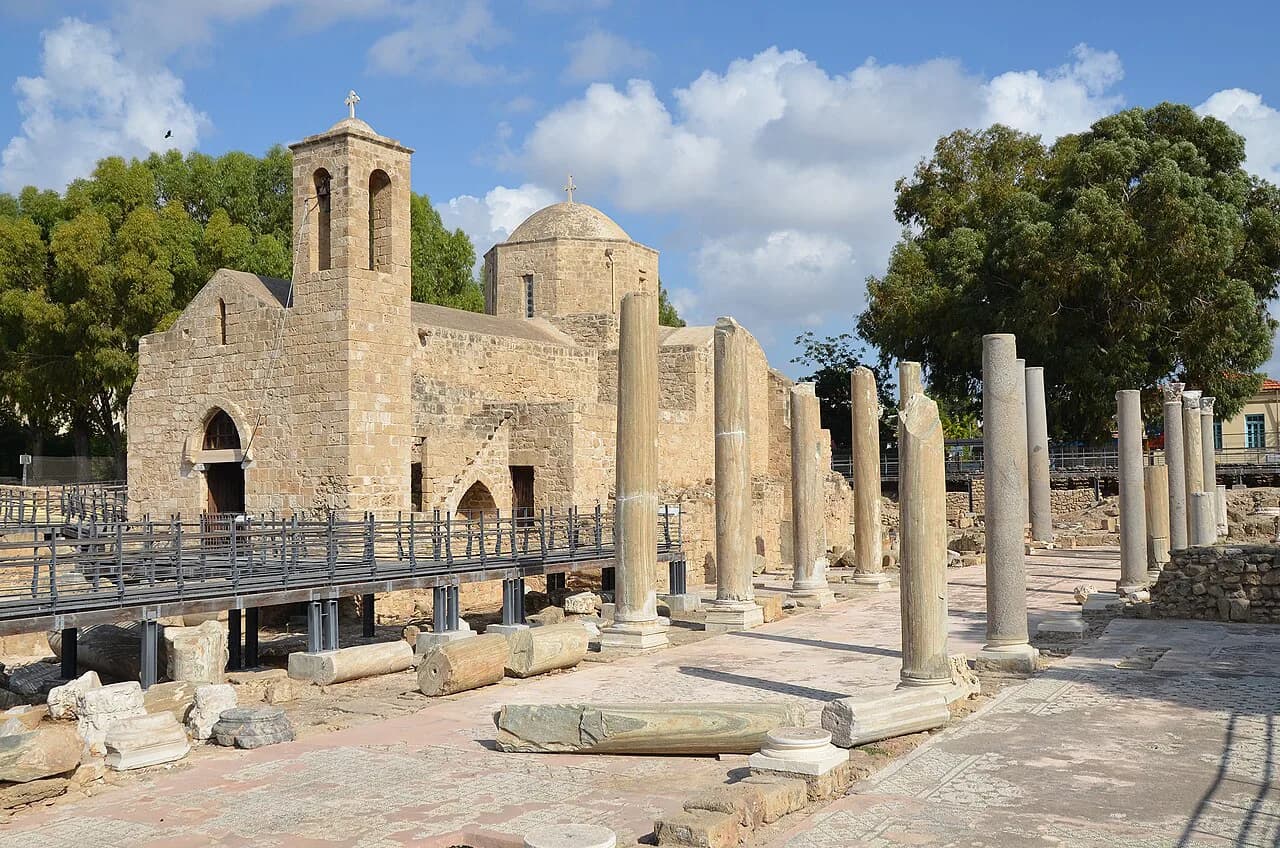
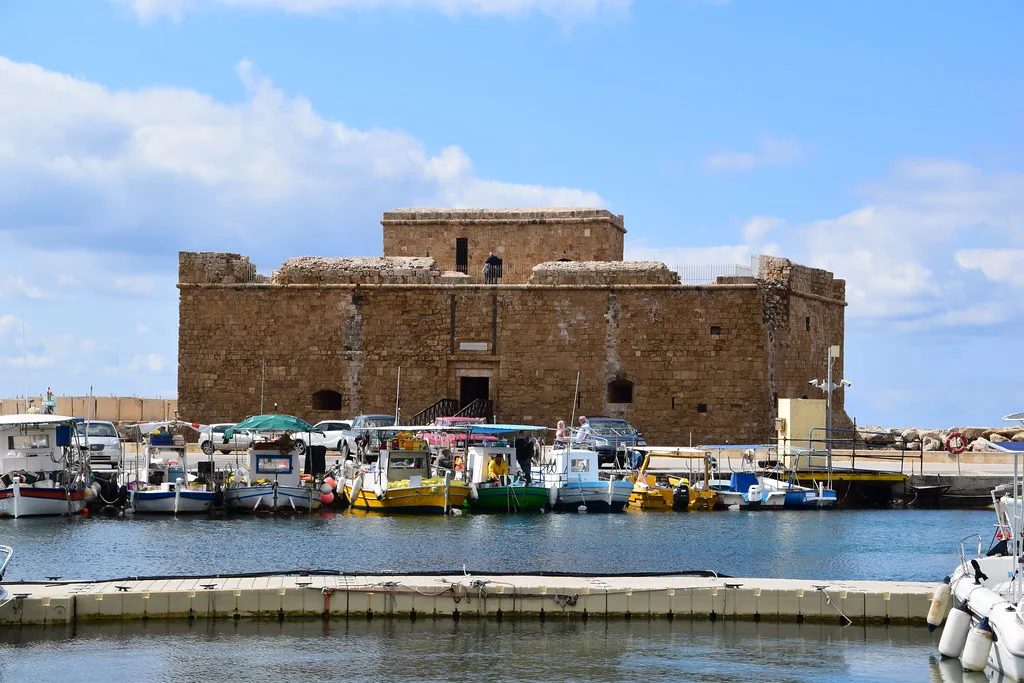
Kato Paphos, the coastal quarter with the harbour and the main archaeological area, is the most exposed part of town and bakes through the afternoon. Ktima, the inland commercial centre on higher ground, is where the Paphos old town sits, and its arcaded streets and covered market give you genuine shade for the worst hours.
Use the split deliberately: an early coastal start, a shaded old town lunch and shop, then a return to the water when the heat drops. That rhythm also spreads your walking, which matters when the ground itself radiates heat.
Sun, UV and wind: what to plan for on exposed sites
July's UV index peaks at around 10, which is very high, so sunscreen needs reapplying through the day rather than once at breakfast. Sunshine runs to about 12 to 13 hours daily, and wind stays light, averaging 2 to 4 on the Beaufort scale.
Light wind sounds welcome but removes one cooling mechanism: with little breeze on the coast, exposed stone and paving feel hotter than the air temperature suggests. Thomas Cook notes that Mount Olympus is in Paphos and shelters the area from heavy rainfall, while the mountainous region protects the east coast from harsh winds and cooling western winds reach the north and south of the island. Carry more water than you think you need and treat shade as an itinerary item, not a bonus.
Which Paphos sights suit mornings and which suit late afternoons
Mornings belong to the open sites: the archaeology of Kato Paphos, the harbour front and the walk along the sea wall. Arrive at opening time, when the ground has not yet stored the day's heat, and you will see more with less discomfort than at any other hour. See our guide to Things to Do in Paphos for what to prioritise.
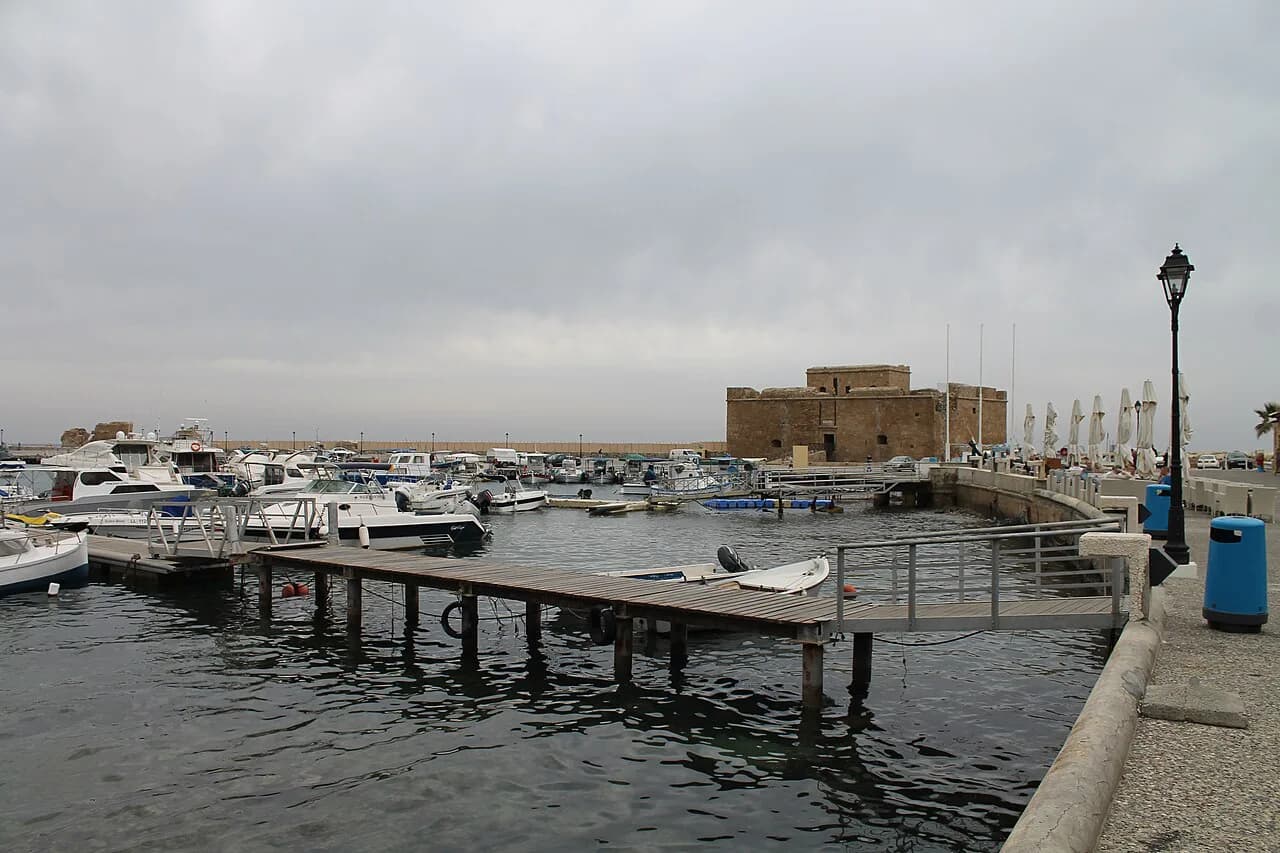
Late afternoon and evening suit the harbour and the fort area, where you can combine a short walk, a look at the water and a slow dinner as temperatures ease. Opening hours at the ticketed sites shift with the season, so confirm them with the Department of Antiquities before you build a day around one.
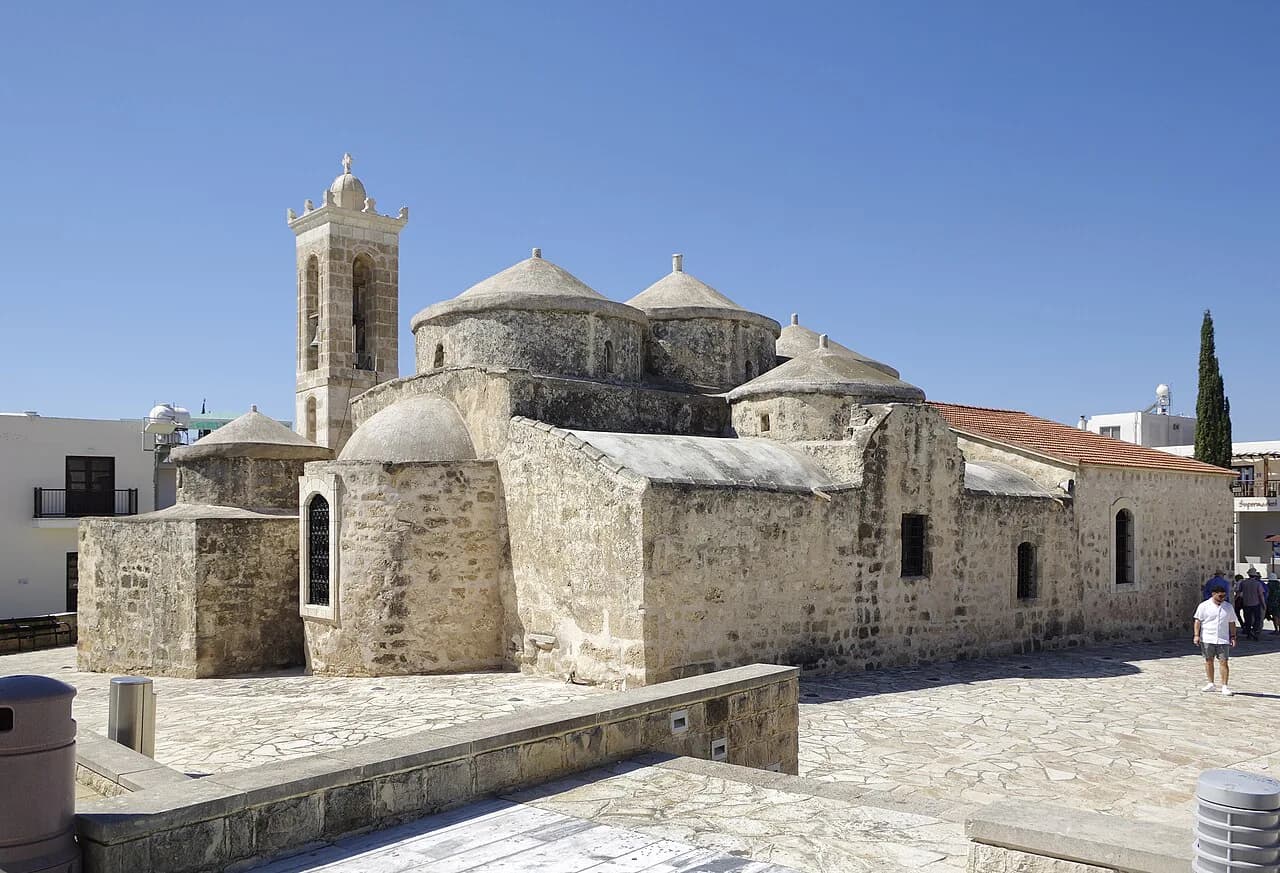
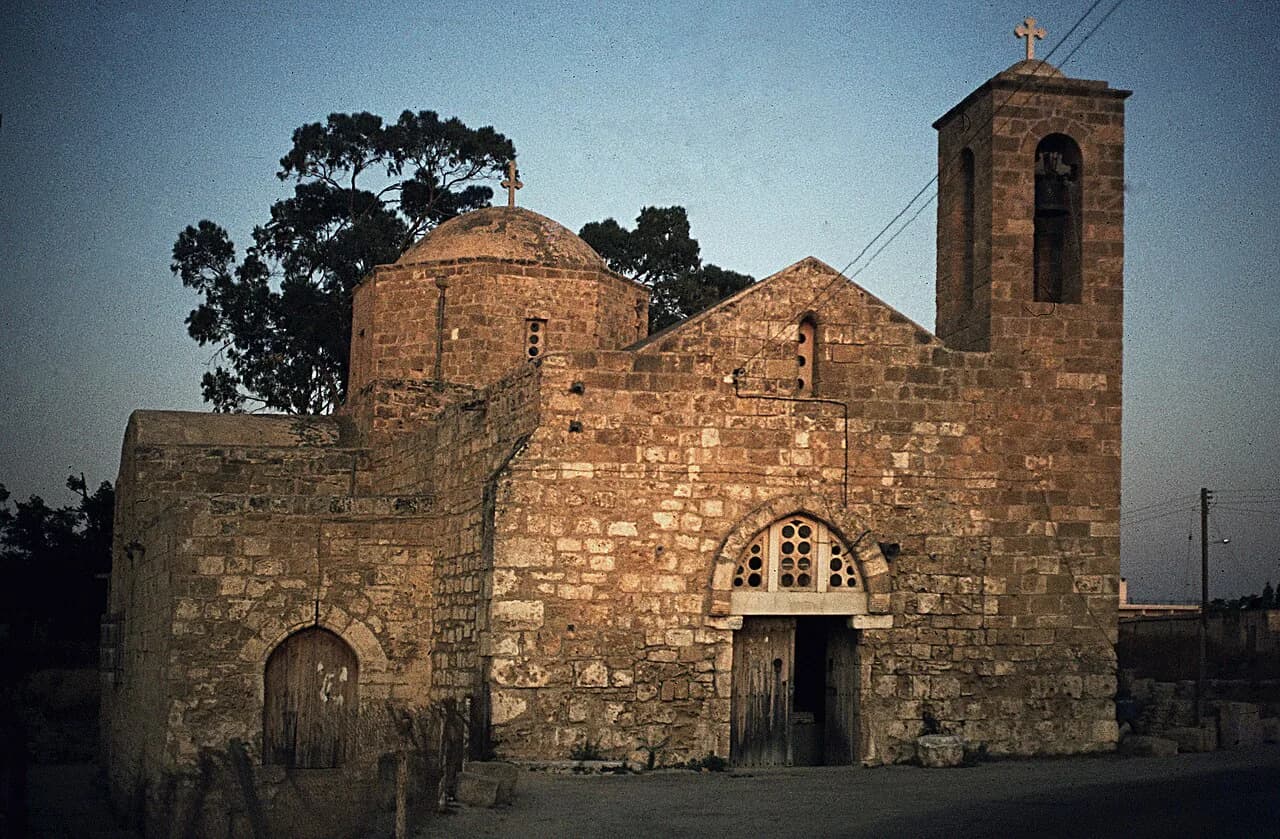
The middle of the day is the moment for indoor collections, church interiors and long lunches. Paphos churches and the small museums give you shade, stone walls and something to look at while the sun is at its worst, and an hour inside resets a tired afternoon.
Getting around in July: car hire, buses and the drive from Paphos to the Troodos hills
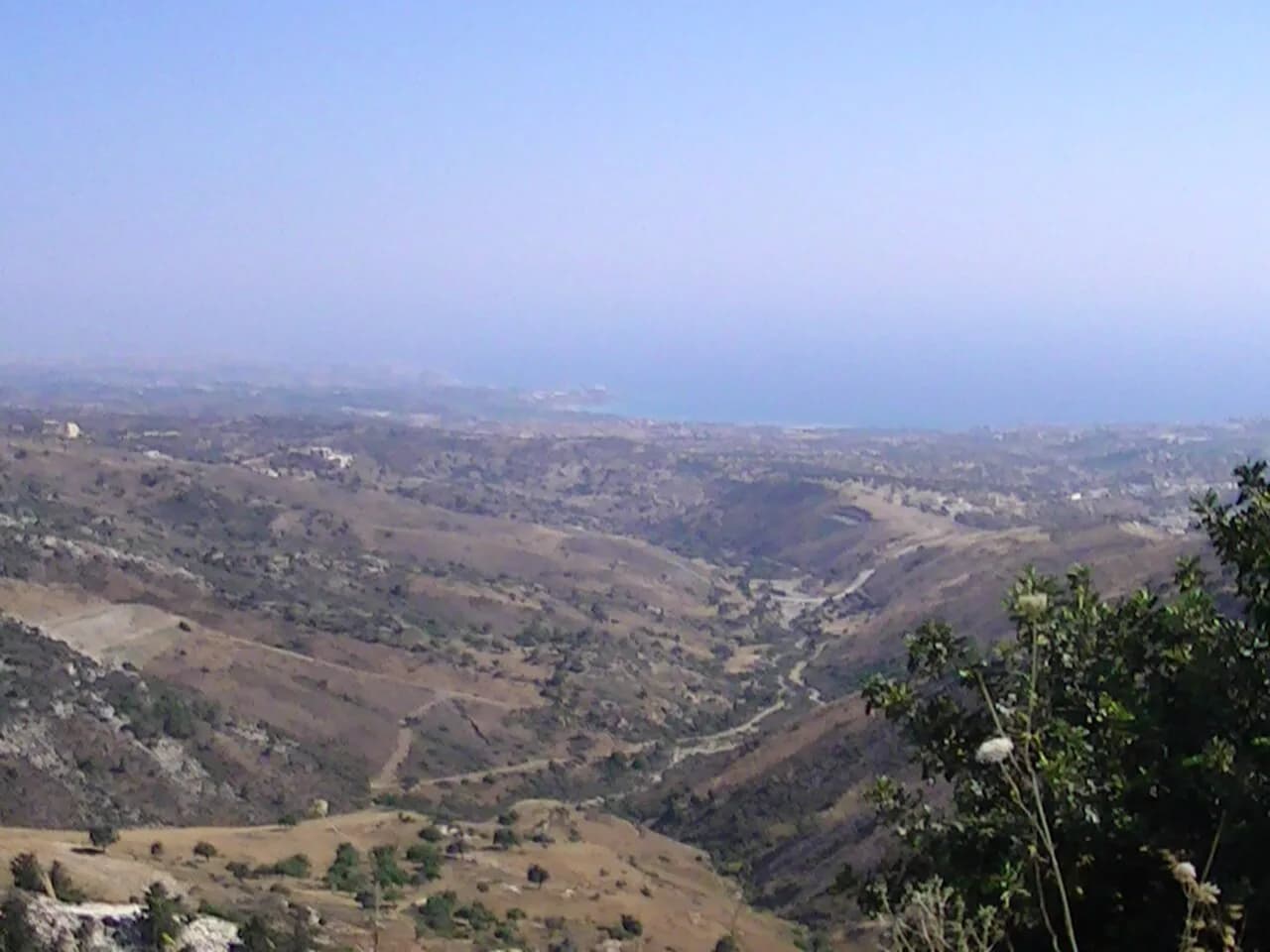
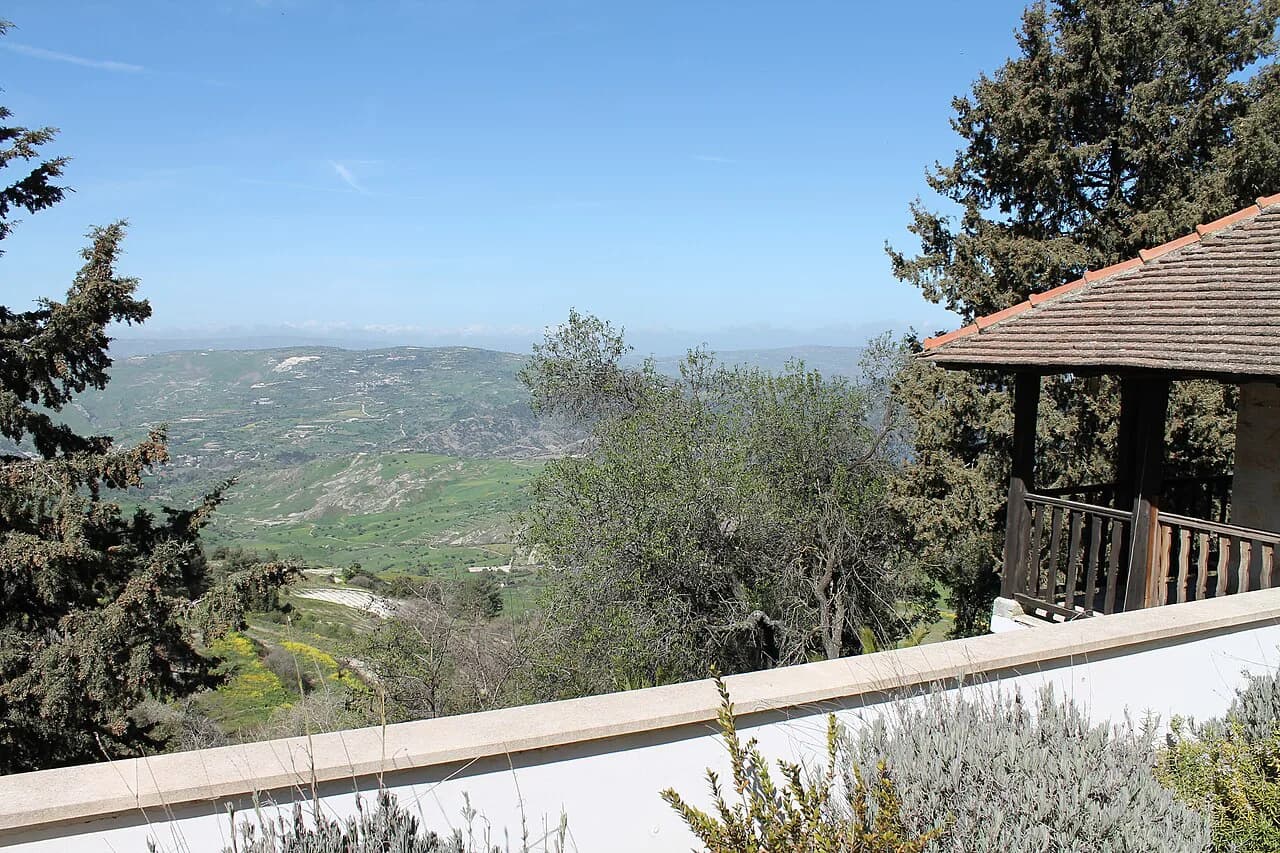
Driving inland is the most effective way to escape the heat. Once you climb from Paphos towards the Troodos hills, the temperature drops with altitude, and Mount Olympus, the island's high point, gives you a genuinely cooler afternoon within a day's round trip. Start early, drive up in the cool, and return in the evening rather than descending at midday.
If you are hiring a car, air conditioning is non-negotiable in July and worth confirming at booking rather than on collection. Remember that Cyprus drives on the left and the Republic uses the euro. For buses, ask at the local operator's office or your accommodation about seasonal timetables, since summer services can differ from the rest of the year.
Hire cars come with insurance conditions that are easy to skim past; read the excess and the territorial cover before crossing anywhere with a Green Line, and carry your passport for crossings. For a short break based around the harbour and old town, buses and walking cover most of what you need without parking in the heat.
Crowds in July: Kato Paphos, the harbour and the archaeology park
July is peak season, so the archaeology park and harbour area draw the most visitors. The first hour after opening and the final hour before closing are generally calmer, and the light is better for photographs at both ends of the day.
The wider choice of places to see in Paphos is the best defence against crowds: pick two or three anchors for a day and let the rest of the time go. Spreading out also cuts the walking you do under direct sun, which is the real constraint on a July visit.
What to wear and carry for a July day in Paphos
Light, loose clothing in cotton or linen, a hat with a brim, sunglasses and comfortable sandals or trainers cover most days. Add a light layer for air-conditioned interiors, where the gap between outside and inside can feel sharp after a hot walk.
Carry a refillable water bottle, and refill it before you set out rather than relying on buying cold drinks at every stop. A small towel, a sun shirt for swimming and a dry bag for the phone cover a harbour swim and a midday change of plan.
July compared with June and September in Paphos
If you can shift your dates, both June and September keep the sea warm enough for comfortable swimming, and either gives you a wider margin of comfortable hours for sightseeing on foot than the height of July.
September keeps much of July's warmth while summer winds down, but nobody should expect a cool month at either end of the season. July's advantage is certainty: dry days, reliable sea temperatures and long evenings, provided you accept an early start.
Should you book Paphos for July?
Book July if you want reliable dry heat, warm sea and long evenings, and are willing to sightsee before ten and after five. Choose June or September instead if you would rather walk the archaeology park and old town in greater comfort without splitting the day.
Whichever month you pick, plan each day around shade and water rather than against them, and verify seasonal opening hours with the Department of Antiquities before committing to a ticketed site.
Explore more Paphos guides
Frequently Asked Questions
Is Paphos too hot in July?
It is hot but manageable. Summer highs in Paphos reach around 31°C, and across Cyprus nights average 21°C to 25°C, so the challenge is the length of the warm stretch rather than a single extreme peak. Sightseeing early and late, with a shaded break in the middle, keeps a July day comfortable.
Can you swim in the sea in Paphos in July?
Yes. July sea temperatures around Cyprus typically sit between 24°C and 28°C, which is warm enough for long swims without a wetsuit. Early morning and evening swims are the most pleasant when the air is cooler than the water.
Does it rain in Paphos in July?
Rain is very rare. July precipitation across Cyprus averages only about 1 mm to 3 mm, and most days are completely dry. Pack for sun rather than rain.
How should I dress for July in Paphos?
Choose lightweight, loose clothing, a wide-brimmed hat, sunglasses and high-factor sunscreen, and add a light layer for air-conditioned interiors. Comfortable shoes matter if you plan to walk the harbour and archaeological areas.
Sources
Notes for your Cyprus trip
Optional updates to our Cyprus guides.
You might also like
Continue reading
More guides you'll find useful