Paphos Old Town: What to See and How to Walk It
Paphos Old Town is a compact maze of stone facades, neoclassical buildings, artisan shops and cafes above Kato Paphos. Here is what to see and how to walk it.
On this page
Paphos Old Town is the hilltop centre of Paphos, known as Ktima, set above the coastal resort strip of Kato Paphos and its harbour. It is not a museum quarter but a working town centre that has been regenerated, with stone-built facades, neoclassical architecture, artisan shops, cafes and open-air art installations threaded through a dense maze of lanes. This guide explains how the old town is laid out, what to look for as you walk, and how to fit it into a wider Paphos trip.
What Paphos Old Town is and where it sits
Paphos splits into two levels: Ktima, the old town on the higher ground inland, and Kato Paphos, the coastal strip with the harbour and the main archaeological zone. Ktima is the everyday administrative and commercial centre, and its older core is what visitors mean by Paphos Old Town.
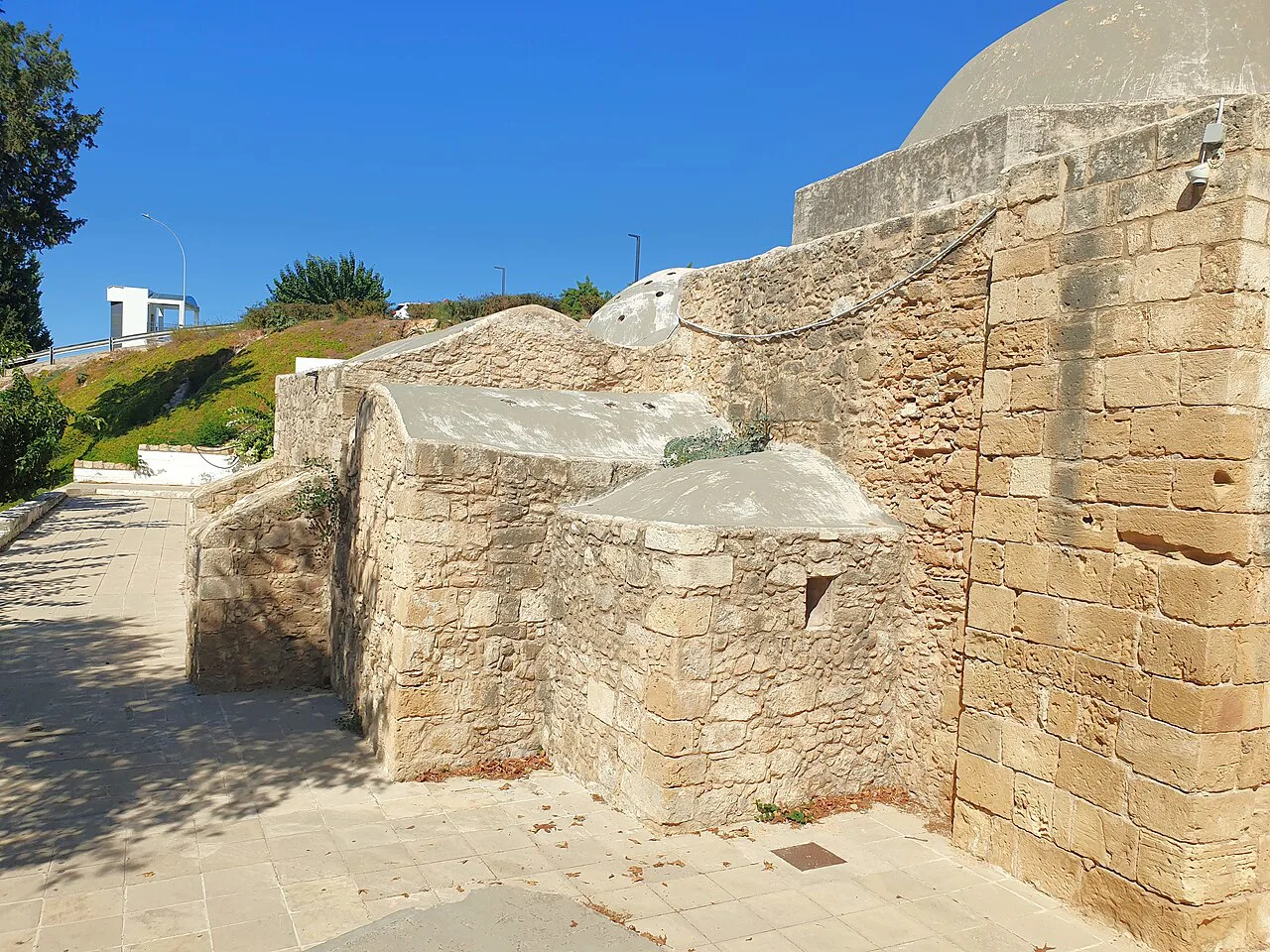
The old town has been through a regeneration programme that has pulled in shops, cafes and cultural spaces, and a self-guided walk through it is designed to show stone-built facades, neoclassical buildings, artisan shops, lively cafes and open-air art installations. That mix is the appeal: you are walking a living town centre, not a reconstructed set piece.
Treat the old town as a half-day rather than a single sight. The pleasure is in the lanes themselves, so plan on wandering rather than ticking off one address, and let the coastal sites fill the rest of your day.
How the old town is laid out: the market area and the lanes
The natural start point is the Old Town Market area on Ayoras, which anchors the commercial heart of the quarter and gives you a fixed point to return to. From there the streets fan out into a knot of narrow lanes rather than a grid, which is exactly what makes the place worth walking slowly.
Old Town is a maze of twisty little streets, and even a short stroll can loop you back to where you started before you have your bearings. That is a feature, not a fault: it keeps the crowds thin away from the main market streets and rewards anyone willing to turn down an unremarkable-looking alley.
Pick two or three landmarks as anchors before you set off, and navigate between them rather than trying to hold a mental map of the whole quarter. The old town rewards this approach far better than a strict turn-by-turn plan.
What to look for as you walk
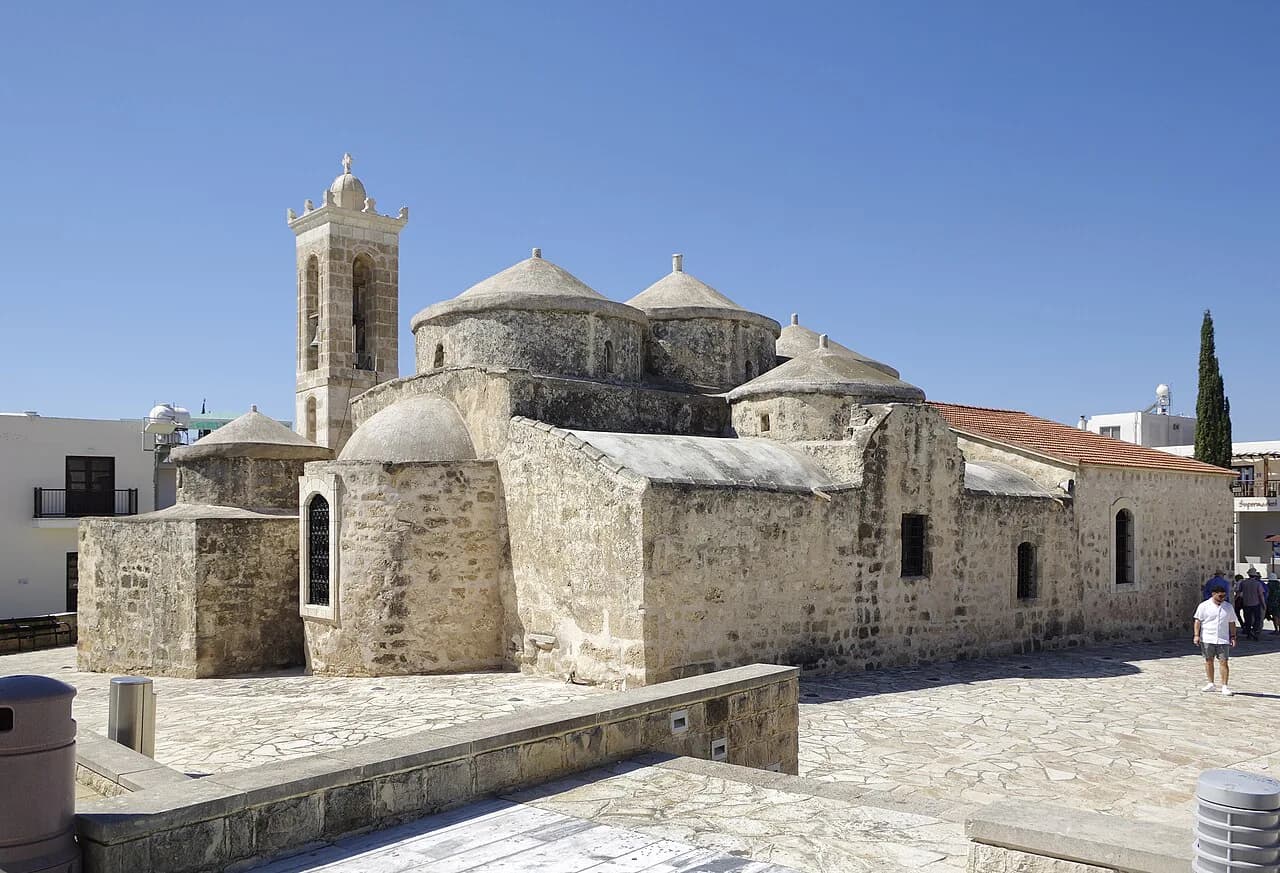
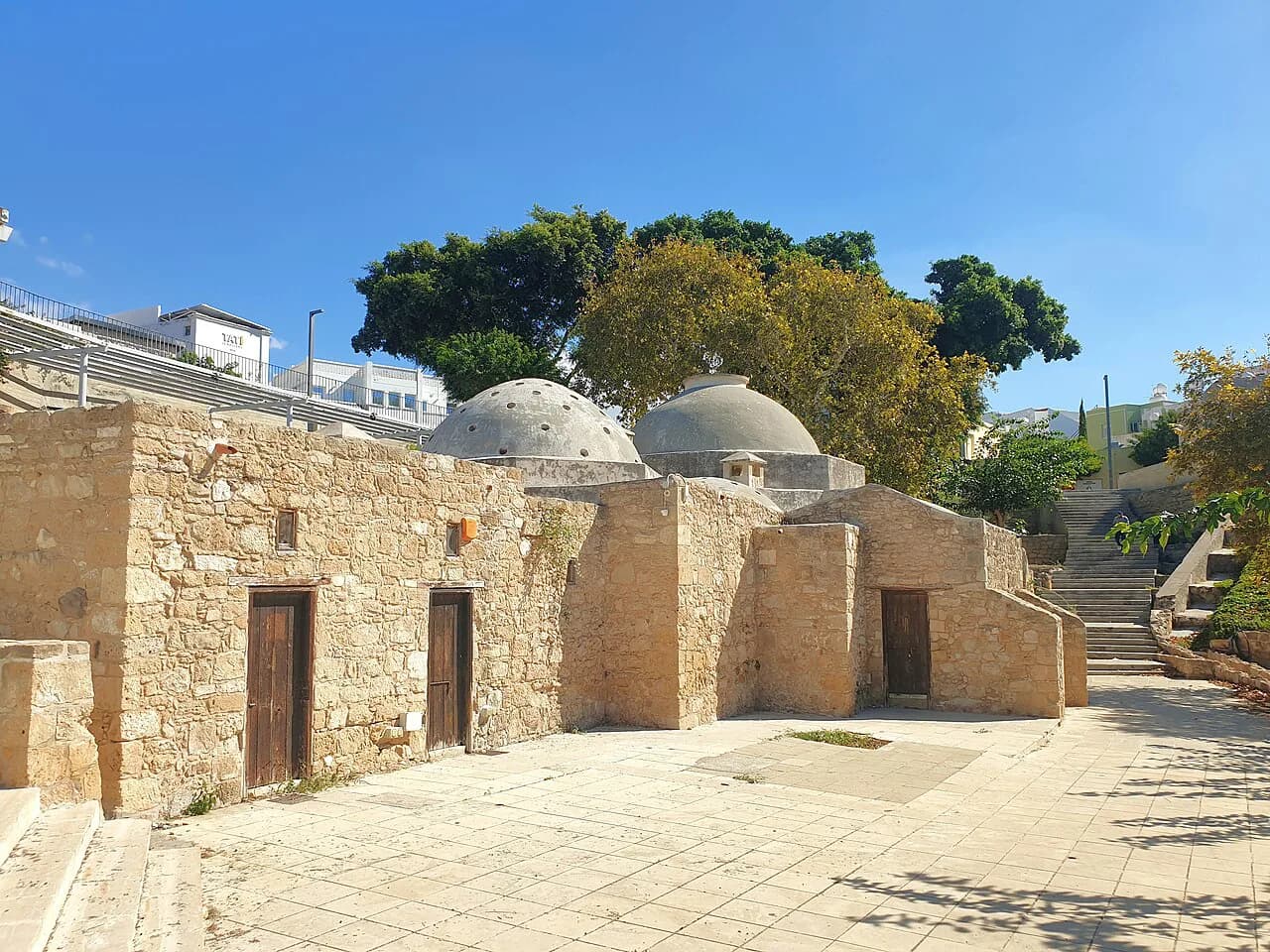
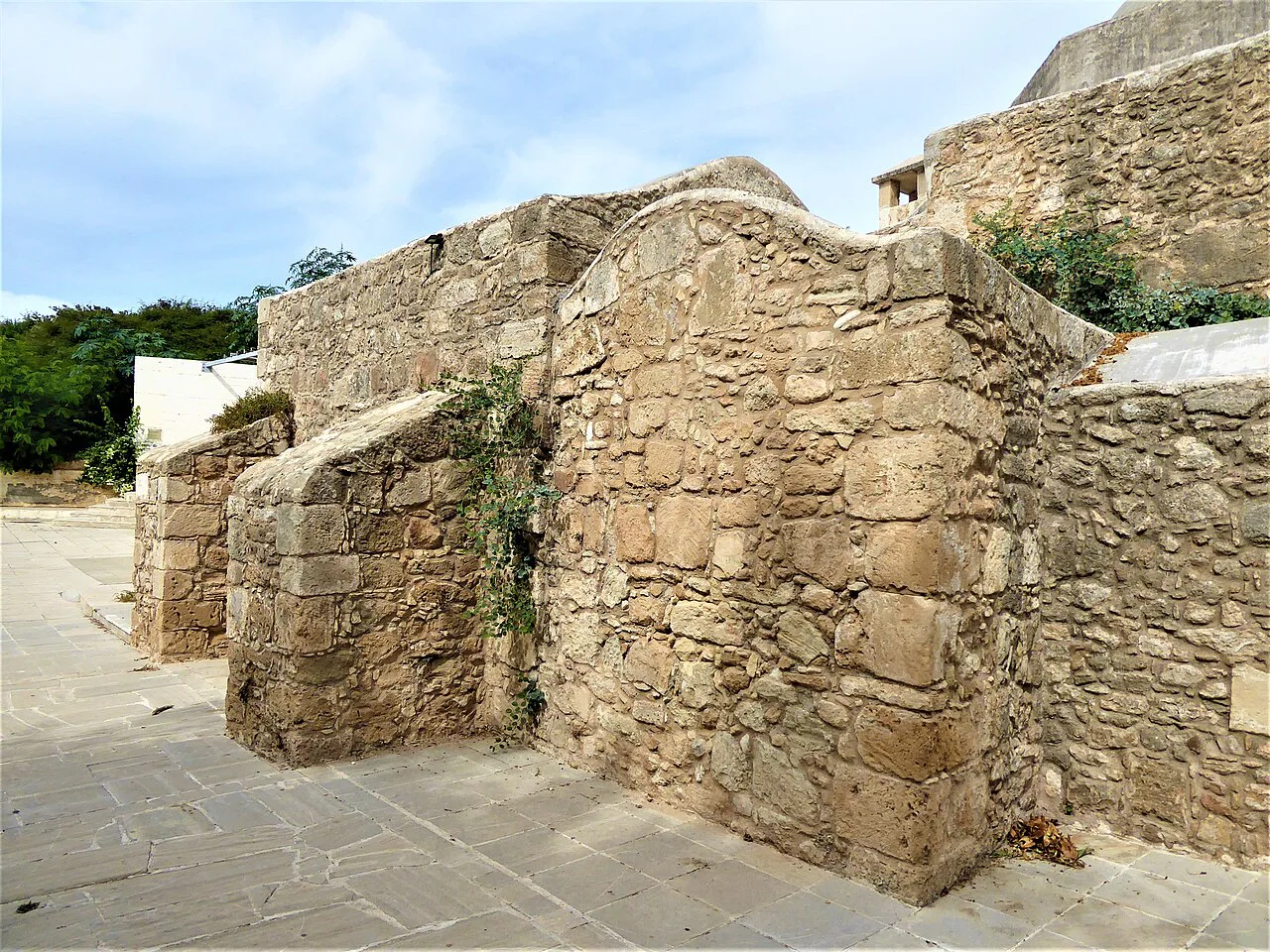
Look up and at the walls as much as at the shopfronts. The regeneration has preserved stone-built facades and neoclassical architecture, and these are the details that give the old town its character, sitting alongside ordinary town buildings rather than being sealed off in a heritage zone.
Open-air art installations are scattered through the streets, so the walk doubles as a loose sculpture trail. Keep an eye out for them as you go.
The town is packed with small shops, cafes and workshops, and the regenerated centre has added new businesses alongside older ones. OldPafos maintains a directory of shops and restaurants in the old town, useful if you want to look up one specific place before you go.
A suggested Old Town walk route
This is our own route rather than an official trail. Start at the Old Town Market on Ayoras, walk a loop out through the quieter lanes behind it, and aim to return to the market area from a different direction, using the facades, neoclassical buildings, cafes and public art as your checkpoints along the way.
Allow a relaxed half-day including a stop for coffee, and longer if you plan to shop seriously or eat a full meal. There is no fixed route length, and the streets will not cooperate with a tight schedule anyway, so build in slack.
If you want to preview the layout before you arrive, OldPafos runs a virtual tour and a showcase of shops and points of interest in the old town, which is a sensible way to fix a few street names in your head before you walk them for real.
Shops, cafes and the regenerated centre
The regenerated Old Town is now a genuine shopping and cafe quarter, with artisan shops and lively cafes sitting among the stone facades. Come with an appetite for browsing rather than a list of must-buy items, and treat the cafes as rest stops between lanes.
The market area around Ayoras is the commercial anchor, but do not expect the whole quarter to run on market hours. If a particular shop or cafe matters to your trip, check its own listing before you go, since business hours vary by place.
Getting your bearings: why a straight line will not work
The single most useful thing to accept is that the old town defeats a straight-line plan. The maze of twisty streets means a route that looks short on a map can take twice as long in practice, and that is the point of the place.
Use a map app to establish which side of the quarter you are on, but navigate by landmarks once you are inside. If you get turned around, aiming for the market area or a main street will always bring you back to something recognisable.
Where the old town fits into a Paphos trip
The old town pairs naturally with the coastal sights below. Do Ktima in the morning while it is cooler, then drop down to Kato Paphos for the harbour and the archaeological zone, where you will find options across the wider things to do in Paphos.
At the harbour end, the Paphos Medieval Fort and Saint Nicholas Church sit right by the water and make an easy pairing with a walk along the seafront before or after your time uphill.
If the heat is punishing or you want an indoor break between lanes, the city's museums and churches make good bolt-holes; both have their own guides so you can check opening arrangements before setting out.
Practical points: heat, timing and parking
Time your visit for the morning or late afternoon. The old town is exposed stone and paving, so the middle of a summer day is the least comfortable window for a slow walk, and a hat and water are not optional.
The regenerated centre is a real town hub, so expect ordinary weekday bustle as well as visitors. If you want the lanes to yourself, aim for an early start.
On parking and driving into the centre, check current local arrangements with Paphos Municipality or Visit Pafos before you set out, as restrictions in the old town change. The town's own tourism pages are the safest place to confirm the latest detail.
Is Paphos Old Town worth the climb?
Yes, provided you come for the lanes rather than a single monument. Paphos Old Town delivers stone facades, neoclassical buildings, public art and a genuinely regenerated shopping and cafe quarter, all in a compact area that suits a half-day on foot.
Pair it with the coastal sights below, start early to beat the heat, and accept that getting a little lost is part of the experience. The old town rewards walkers who slow down.
Explore more Paphos guides
Frequently Asked Questions
How do you get to Paphos Old Town from Kato Paphos?
Paphos Old Town, or Ktima, sits on the higher ground inland above the coastal strip of Kato Paphos, so you travel uphill from the resort area. Local buses, taxis and a hire car all serve the centre, but check current routes and timetables locally before you travel, since services change by season.
Is Paphos a Greek island?
No. Paphos is a city on the island of Cyprus, in the eastern Mediterranean, not a Greek island. The Republic of Cyprus uses the euro, and Greek and Turkish are its official languages.
What villages are near Paphos?
Geroskipou lies just east of Kato Paphos and is the closest village to the coastal strip. Inland, the Troodos foothills hold a scatter of mountain villages, and the Akamas Peninsula to the north has its own small settlements.
Is Paphos Old Town good at night?
This guide covers the daytime walk. The old town is a working town centre with cafes and shops, and evening activity is concentrated in specific venues rather than the lanes as a whole. If you want nightlife, look to the coastal strip instead.
Sources
Notes for your Cyprus trip
Optional updates to our Cyprus guides.
You might also like
Continue reading
More guides you'll find useful