Villages Near Ayia Napa: Red-Soil Villages Worth a Drive
Plan a short loop through the villages near Ayia Napa, from Sotira and Liopetri to Frenaros and Deryneia, with what each one is known for.
On this page
The villages near Ayia Napa start about 15 minutes inland, on the red-soil farmland of the Kokkinochoria belt behind the resort. Sotira, Liopetri and Frenaros are the closest and easiest to pair, Avgorou and Deryneia add a botanical park and a folk museum, and Lefkara sits roughly an hour away if you want lace and silver instead of potatoes. This guide groups them by what each is known for and sets out a drive order that works as a half-day or a full one, with approximate driving times so you can judge the fit.
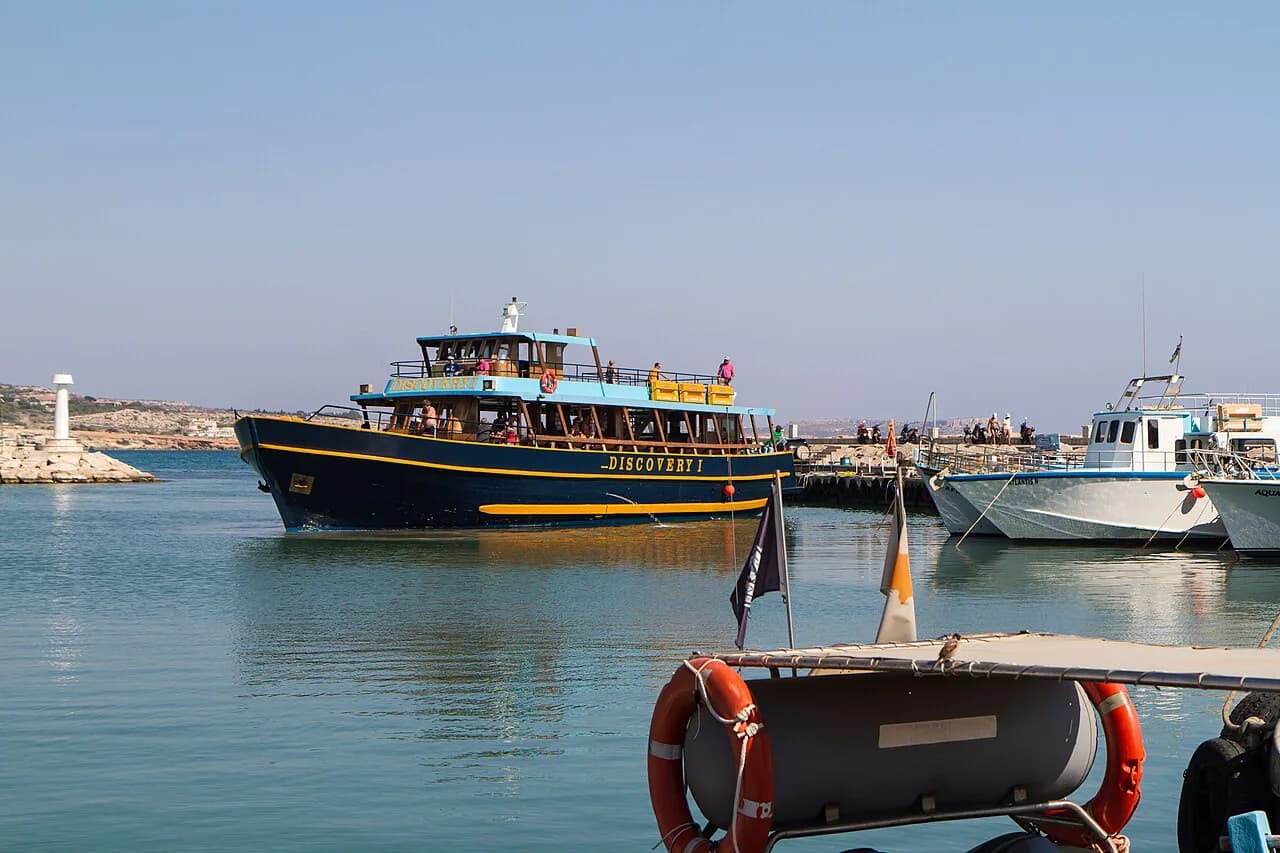
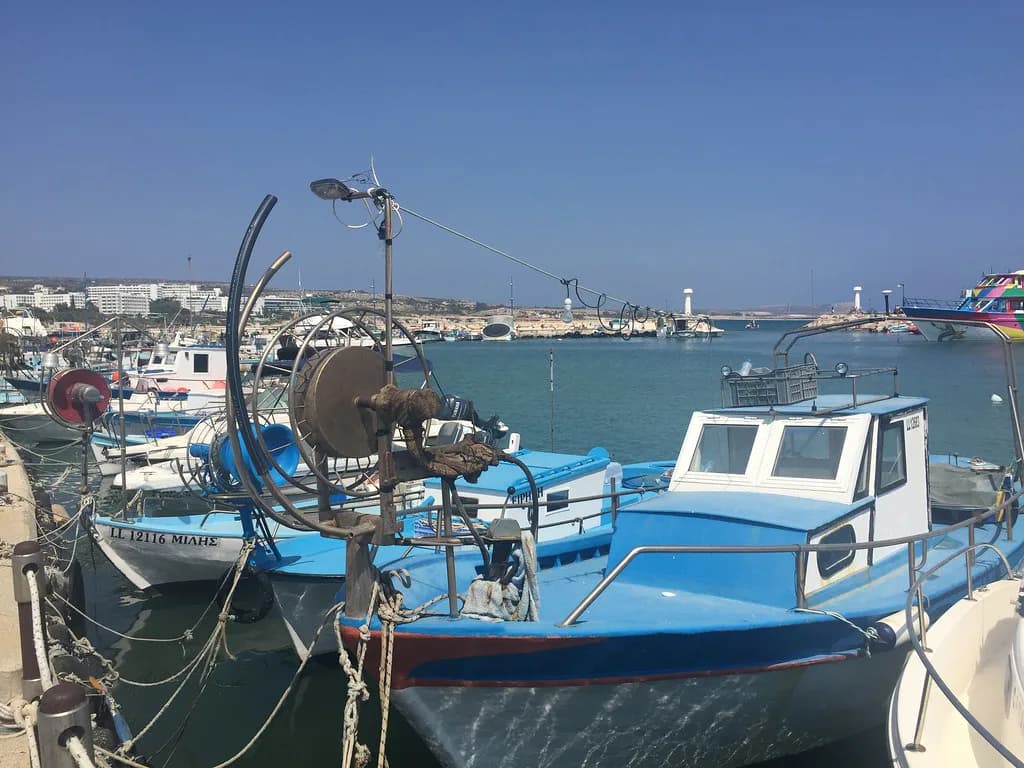
The resort itself is a former fishing village that grew around its square and medieval monastery, with the Natural Forest Park of Cape Gkreko on its doorstep. That makes the inland loop a useful counterweight to a beach-and-harbour day rather than a substitute for it. If you want to balance the two, our guide to things to do in Ayia Napa covers the coastal side, including the Cape Greco headland.
What the villages near Ayia Napa have in common
The cluster inland from Ayia Napa and Protaras is known as the Kokkinochoria, the red-soil villages, named for the rust-coloured earth that suits potatoes and citrus. They are working agricultural villages rather than resort suburbs, which means a square, a church or two, a kafeneio and fields close by, and very little aimed at visitors beyond that. Expect quiet streets at midday and more life in the late afternoon.
Each village has a distinct reputation, which is the simplest way to choose between them: Sotira for churches and halloumi, Liopetri for basketry and a riverside setting, Avgorou for agriculture and the Cyherbia botanical park, Frenaros for orchards and a slow pace, Deryneia for strawberries and folk art. Pick two or three for a half-day and save the rest for a longer circuit.
Paralimni is one of the Kokkinochoria-area villages listed alongside Sotira, Dherynia, Frenaros and Liopetri, so it can be slotted into the same drive rather than treated as a separate trip.
How to get around: driving times and a short loop
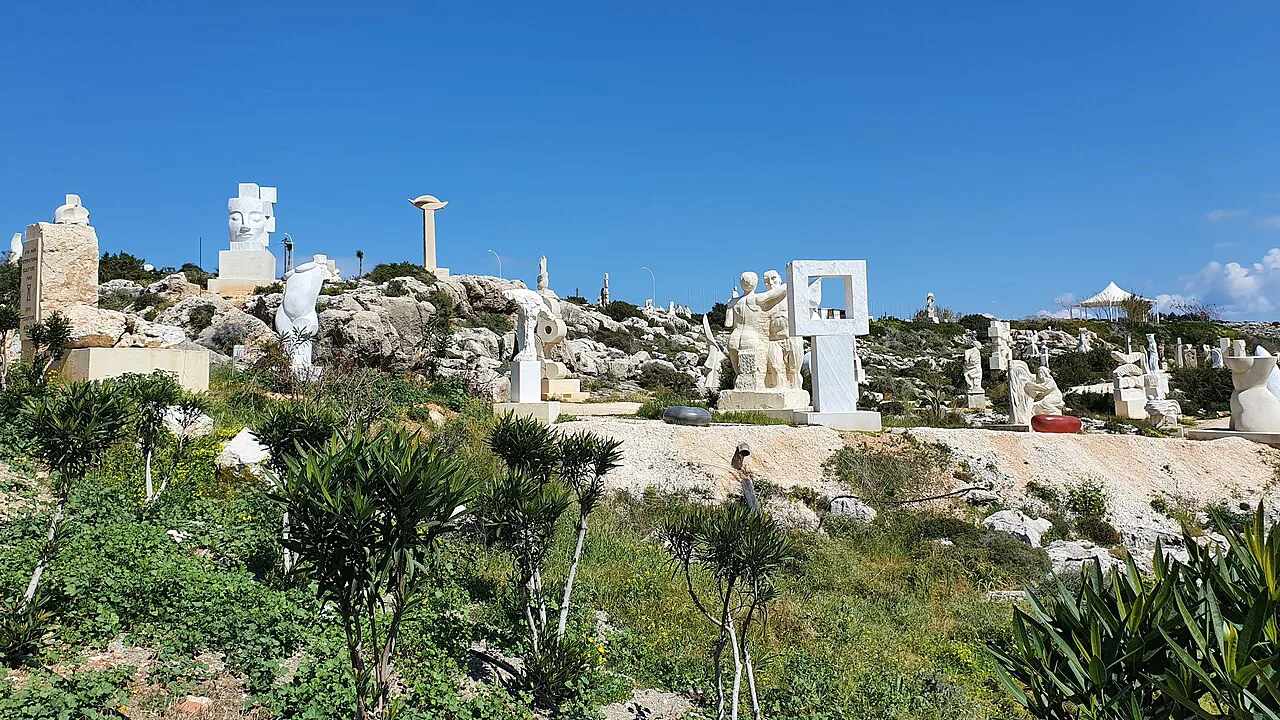
Distances are short but the figures below are approximate road times from Ayia Napa, not timetabled journeys: Sotira about 15 minutes, Liopetri about 15, Frenaros about 20, Avgorou and Deryneia about 25 each, and Lefkara about an hour. Treat them as planning estimates and add time for parking and getting lost in village lanes.
A workable order is Sotira first, then Liopetri, then Avgorou, with Frenaros and Deryneia either side of the return leg. That sequence keeps the driving short and puts the two longer stops, Cyherbia and the Deryneia folk museum, in the middle of the day. Cyprus drives on the left and the Republic uses the euro, so no currency change is needed for this loop.
Public transport to these villages is thin, and a car gives you the freedom to stop at a roadside stall or a village square on impulse. If you would rather not drive, an organised excursion is the alternative, though it will set the pace and the stops for you.
Sotira: churches and halloumi
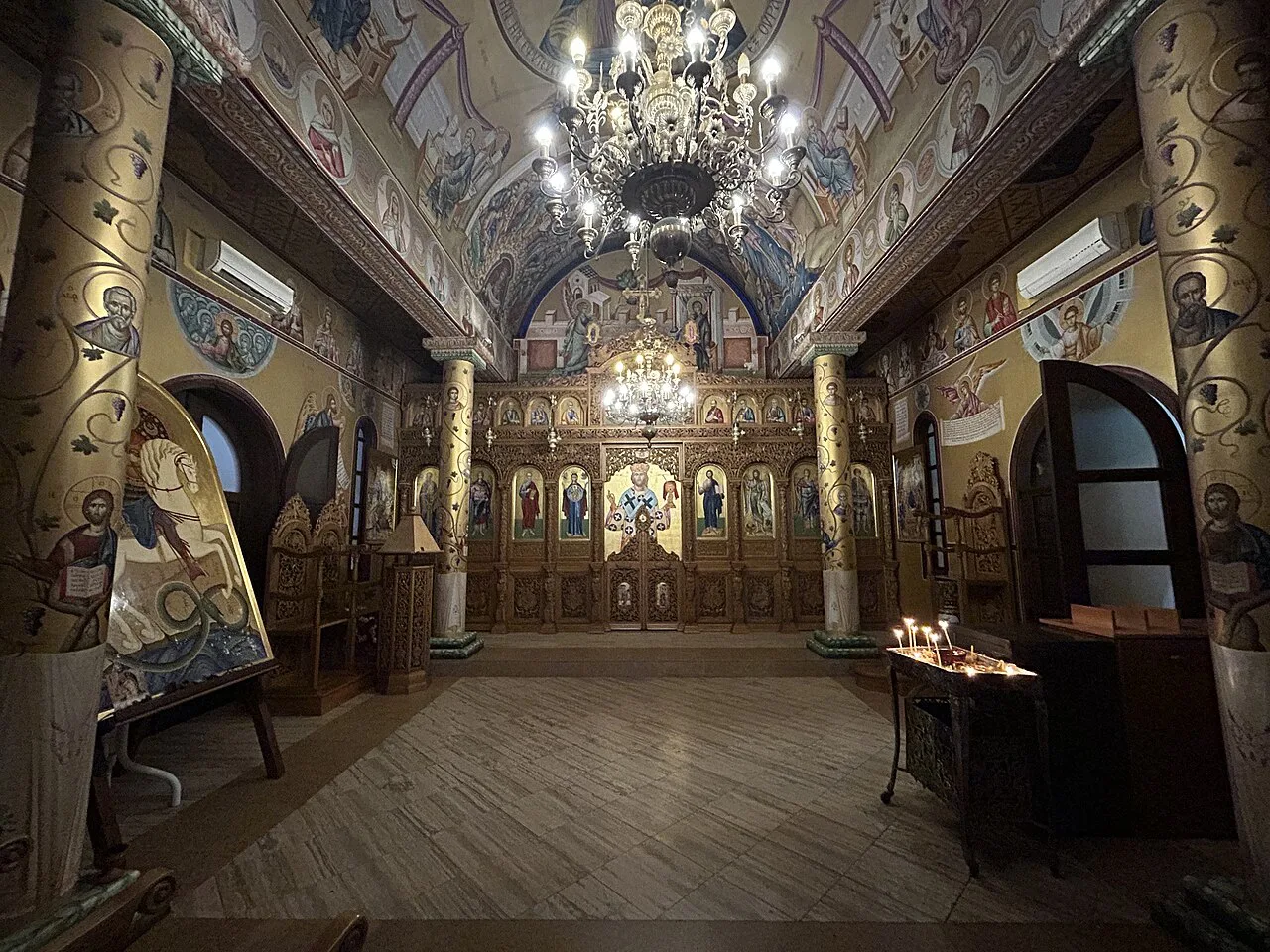
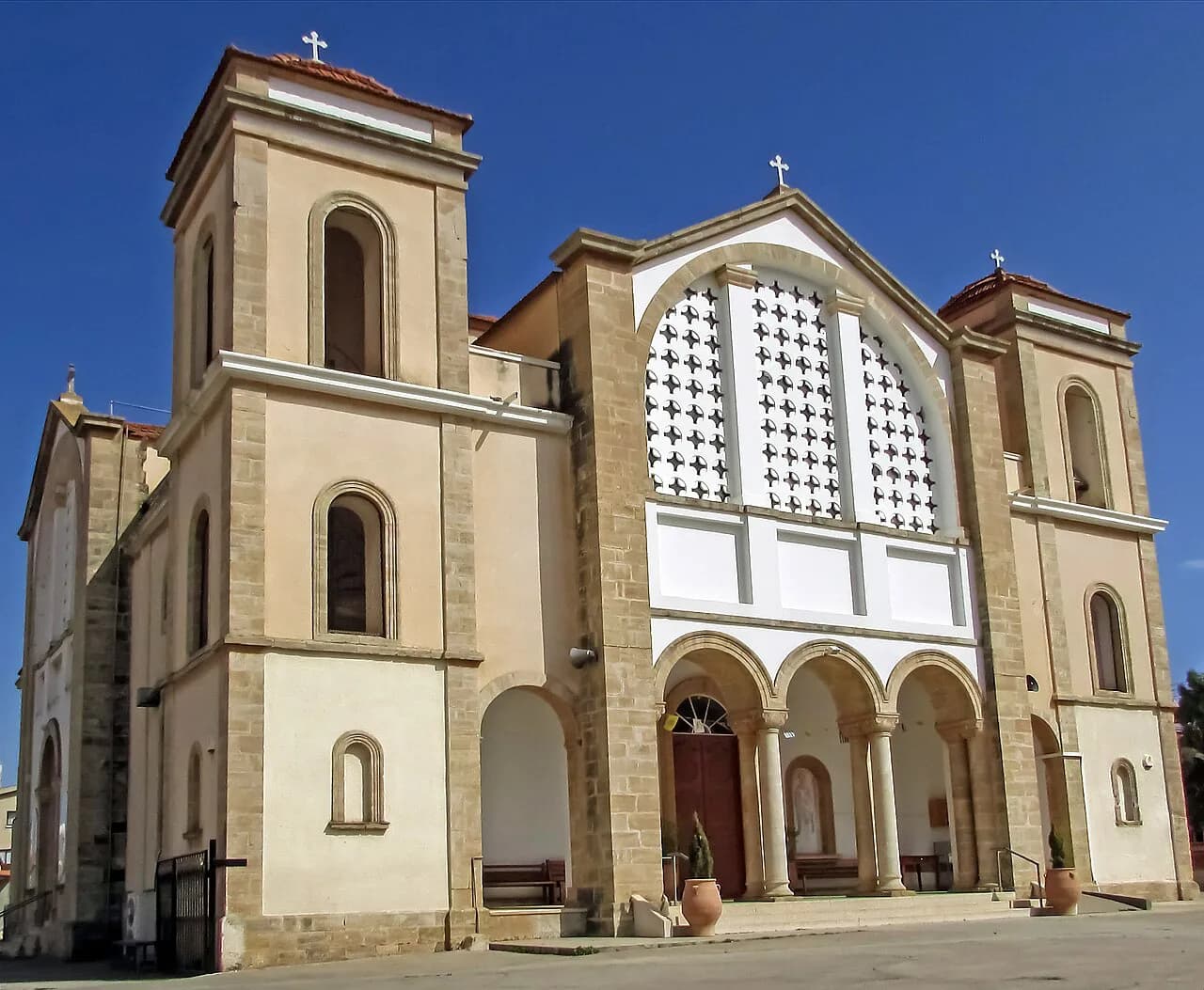
Sotira is the closest of the red-soil villages and the one with the most to see on foot. It holds five historic churches spanning different eras of Cypriot religious architecture, including Agios Mamas Church, described as a 15th-century Byzantine treasure. Allow around an hour to wander the streets between them.
The village is also a good place to buy halloumi and anari from local producers, and you may catch it being made the traditional way. Individual churches do not have visitor hours you can plan around, so check current details before relying on a visit to any single one.
Liopetri: basketry and the riverbank
Liopetri is known for hand-woven baskets, a craft passed down through generations, and the Liopetri Basket Workshop shows how they are made. That makes it the best of the group for anyone interested in crafts rather than churches.
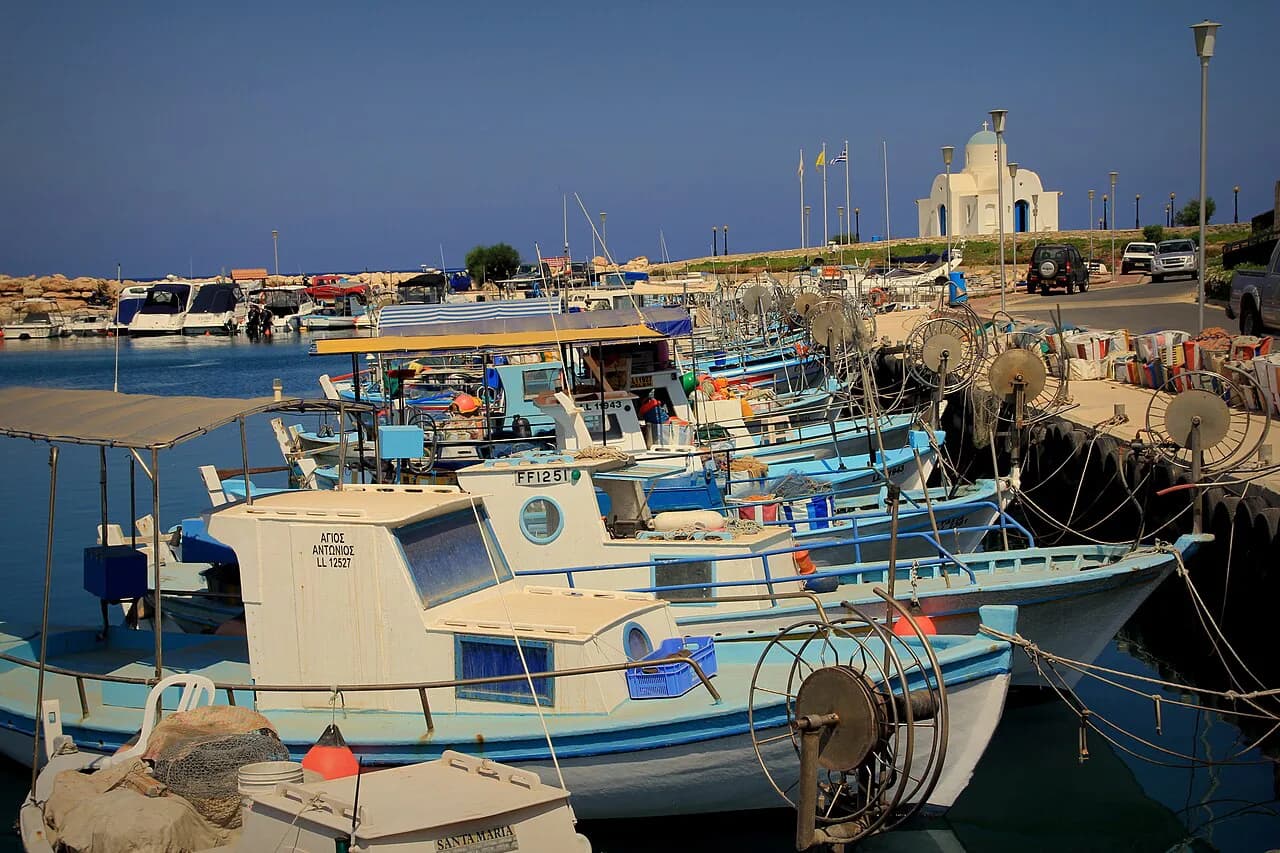
The nearby Liopetri River is lined with rustic tavernas and traditional fishing boats, which gives the village a gentler, greener feel than its neighbours. It is a reasonable lunch stop if you are building the loop around a midday break, and the riverbank walk is short enough to fit between two villages.
Avgorou: agriculture and Cyherbia Botanical Park
Avgorou remains heavily agricultural, growing citrus and potatoes, and is best known for Cyherbia Botanical Park and Labyrinth. The park includes a lavender hedge maze, a fairy-themed forest walk and herbal workshops such as tea blending and soap making, so it suits a slower couple of hours rather than a quick look.
There is also a small folk art museum in a traditional Avgorou house, and local stalls sell carob syrup, olive oil and spoon sweets. Opening hours and workshop times change with the season, so confirm before you build the day around the park.
Avgorou anchors the middle of the loop neatly, sitting about 25 minutes from Ayia Napa and within easy reach of both Liopetri and Frenaros.
Frenaros: orchards and a slow-paced village centre
Frenaros is the quietest stop, a slow-paced village whose fertile land produces figs, grapes and watermelons in season. The Church of Archangel Michael and Agios Andronikos has ancient frescoes, and the surrounding orchards are easy to walk or cycle through.
In summer, roadside stands sell freshly picked figs and prickly pears, which is reason enough to stop if you are driving through. It pairs naturally with Sotira and Avgorou on a mini village-hopping day.
Deryneia: strawberries, folk art and views towards the Green Line
Deryneia sits close to the Green Line and has an outdoor war museum and cultural centre with views towards the abandoned city of Famagusta. The Deryneia Folk Art Museum covers traditional village life and is the main indoor stop of the loop. Famagusta, or Gazimağusa, lies across the line and is visible from the village's higher ground.
The village is Cyprus's strawberry village and holds a biennial strawberry festival with dancing and desserts, in May of even-numbered years. Do not plan a trip solely around it without confirming the next edition's arrangements with the organisers.
Note that crossing the Green Line is a separate matter from visiting Deryneia. Passport and hire-car insurance rules apply at the crossing points, and the village itself is a straightforward stop on the Republic side.
Lefkara: lace and silver, further inland
Lefkara is the outlier, about an hour from Ayia Napa on the southern slopes of the Troodos Mountains, and it earns the drive if crafts appeal. The village is known for lace embroidery, called Lefkaritika, and silver filigree, with the Lefkara Handicraft Center demonstrating traditional techniques and the Museum of Traditional Embroidery and Silver housed in a restored house.
The streets are narrow limestone lanes framed by vine-covered balconies and bougainvillea, and shops sell lace, jewellery and glyko tou koutaliou, fruit preserved in syrup. A popular tale credits Leonardo da Vinci with buying Lefkara lace for Milan Cathedral in 1481; it is a legend rather than a documented visit, so enjoy it as local storytelling.
Lefkara works better as its own half-day or full day than as an addition to the red-soil loop, because the drive out and back eats into the time you have on the ground. Treat it as a separate outing and the rest of the circuit stays relaxed.
Further inland: Kato Drys and Vavla
Kato Drys is a small village with considerable character about an hour from Ayia Napa, and Vavla suits nature and olive-oil lovers further into the foothills. Both are options once you have already covered the villages within 25 minutes of the resort.
These hill villages are best combined with Lefkara on a single inland day rather than tacked onto the red-soil loop, since the driving between them adds up quickly.
How long to allow and when to go
Two villages make a comfortable half-day of three to four hours once driving and parking are counted; the full red-soil loop with Cyherbia and the Deryneia museum is a full day. Add Lefkara only if you are giving it a day of its own.
The villages are working places, so mornings and late afternoons are livelier than the middle of the day. In high summer, start early and keep the indoor stops, the museums and the botanical park, for the hottest hours.
Opening arrangements at small museums and churches change through the year, so check current details before you build a route tightly around one building.
Trade-offs: summer heat, closures and limited public transport
The main trade-off is time against depth. The closest villages are 15 to 20 minutes away and easy to combine, but each has one or two things to see, so racing round five in an afternoon leaves little impression. Choose Sotira and Liopetri for a half-day, or add Avgorou for the botanical park if you have a full day.
Summer heat is the second constraint. Few of these streets are shaded for long, and the most rewarding stops at Avgorou and Deryneia are semi-outdoors, so an early start matters more here than on the coast.
Public transport is limited and no timetable in these sources covers the villages, so a hire car is the practical choice. Driving on the left will feel familiar to UK and Irish drivers, and the euro removes any currency friction in the Republic. If you would rather compare inland options elsewhere on the island, our guide to villages near Paphos covers a very different set of hill and wine-country stops around Kato Paphos.
Which villages should you actually drive to?
For a first taste, drive to Sotira for the churches and halloumi, then Liopetri for the basketry workshop and the riverbank. That is a half-day from Ayia Napa with minimal driving.
With a full day, keep that pair and add Avgorou for Cyherbia and Deryneia for the folk museum and the views towards Famagusta, leaving Lefkara and the Troodos foothill villages for a separate outing. Confirm museum hours and workshop times in the village before you set off, and the loop will run smoothly.
Explore more Ayia Napa guides
Frequently Asked Questions
Is it worth visiting the villages near Ayia Napa?
Yes, if you want a change from the coast. The red-soil villages are 15 to 25 minutes inland and each offers something specific, from Sotira's churches and halloumi to Liopetri's basketry and Deryneia's folk art, so a half-day gives you a genuine sense of rural Famagusta district.
Do I need a car to visit the villages near Ayia Napa?
A car is the practical choice because public transport to the villages is limited and driving times between them are short. Organised excursions are the alternative, but they set the route and the pace for you. Driving is on the left and the Republic uses the euro.
How far is Lefkara from Ayia Napa?
Lefkara is roughly an hour's drive from Ayia Napa, on the southern slopes of the Troodos Mountains. That distance makes it a separate half-day or full-day outing rather than an addition to the closer red-soil loop.
When is the Deryneia strawberry festival held?
Deryneia holds a biennial strawberry festival with dancing and desserts, in May of even-numbered years. Confirm the next edition's arrangements with the organisers before travelling specifically for it.
Sources
Notes for your Cyprus trip
Optional updates to our Cyprus guides.
You might also like
Continue reading
More guides you'll find useful