Sotira, Cyprus: A Village Guide to Churches and Old Houses
Sotira is a village in Famagusta district, west of Paralimni, with old houses and Byzantine churches. Here is what to see and how to pair it with Ayia Napa.
On this page
Sotira is a village in the Famagusta district of Cyprus, sitting west of Paralimni. It is a place for old houses and Byzantine churches rather than a resort stop, and it works best as a half-day detour folded into a day around Ayia Napa and the coast. This guide covers how the village is laid out, what to look for on foot and how to reach it by car or bus.
Where Sotira sits in the Famagusta district
Sotira lies in the Famagusta district, west of Paralimni, which puts it inland of the resort strip that runs from Ayia Napa up through Protaras. The village has a stock of old houses and several Byzantine churches, which is the reason to come rather than the beaches. Because it is a residential village rather than a developed visitor site, there is no ticket gate or single entrance to aim for.
Think of Sotira as part of the same inland belt as its neighbours, which is useful when you are building a route. The villages near Ayia Napa are close enough together that a car can link two or three in a morning, and Sotira is one of the stops that rewards a slow look rather than a quick photo. The trade-off is that Sotira has less set up for visitors than the coast, so arrive with your own plan.
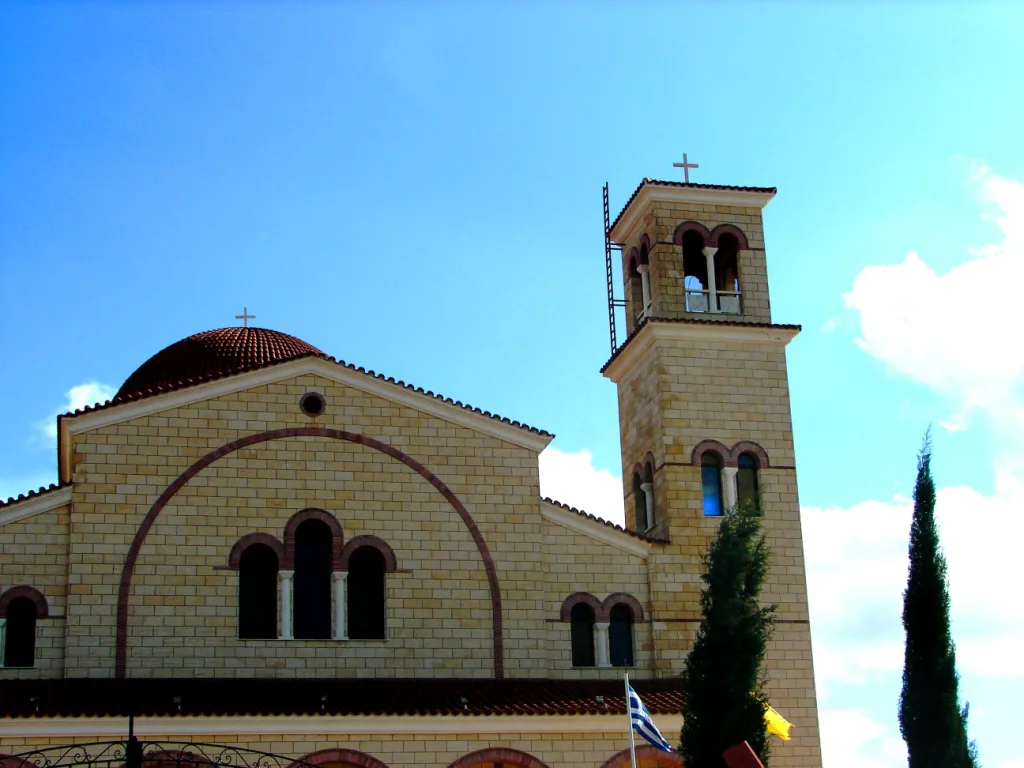
How the village is laid out and how much you can cover on foot
Sotira is a compact village, and the old core is the part to walk. Start where the lanes tighten and the older houses line the street, then work outward toward the churches rather than trying to cover the whole settlement in one loop. Village streets are narrow and often without pavements, so wear shoes you can walk in and keep an eye on traffic at bends.
On foot you can reasonably see the old quarter and the churches in a couple of hours at an unhurried pace. The walking is short in distance but slow in practice, because the point is to look at doorways, stonework and the shape of the streets. If you are travelling with someone who finds heat difficult, this is a morning village rather than an afternoon one.
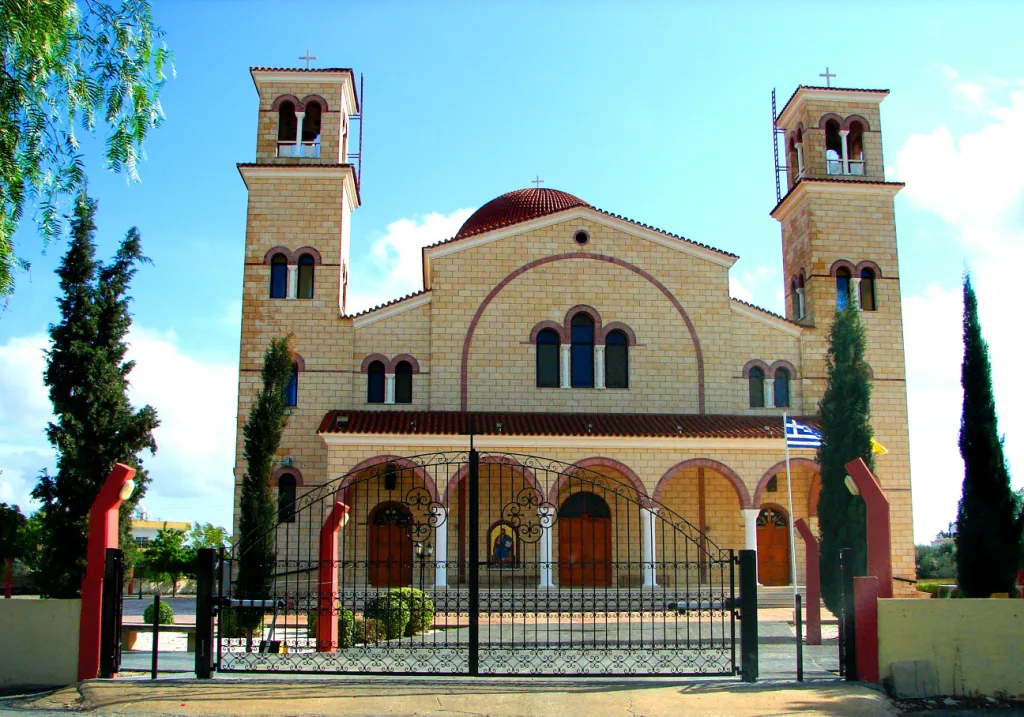
The old houses and village streets worth a slow look
The old houses are the reason Sotira feels different from the resort coast. They are homes rather than exhibits, so admire them from the street and keep your voice down in the lanes. Look for the traditional proportions of the older buildings, with their thick walls and small openings, which is what makes the village core worth the detour.
Photography here is about doorways, balconies and the texture of the walls rather than big vistas. Early light is kinder to the stone and the streets are quieter, so a morning walk gives you both better photographs and less heat. Save the open views for the coastal and hill stops you pair with Sotira.
Byzantine churches and what to expect inside
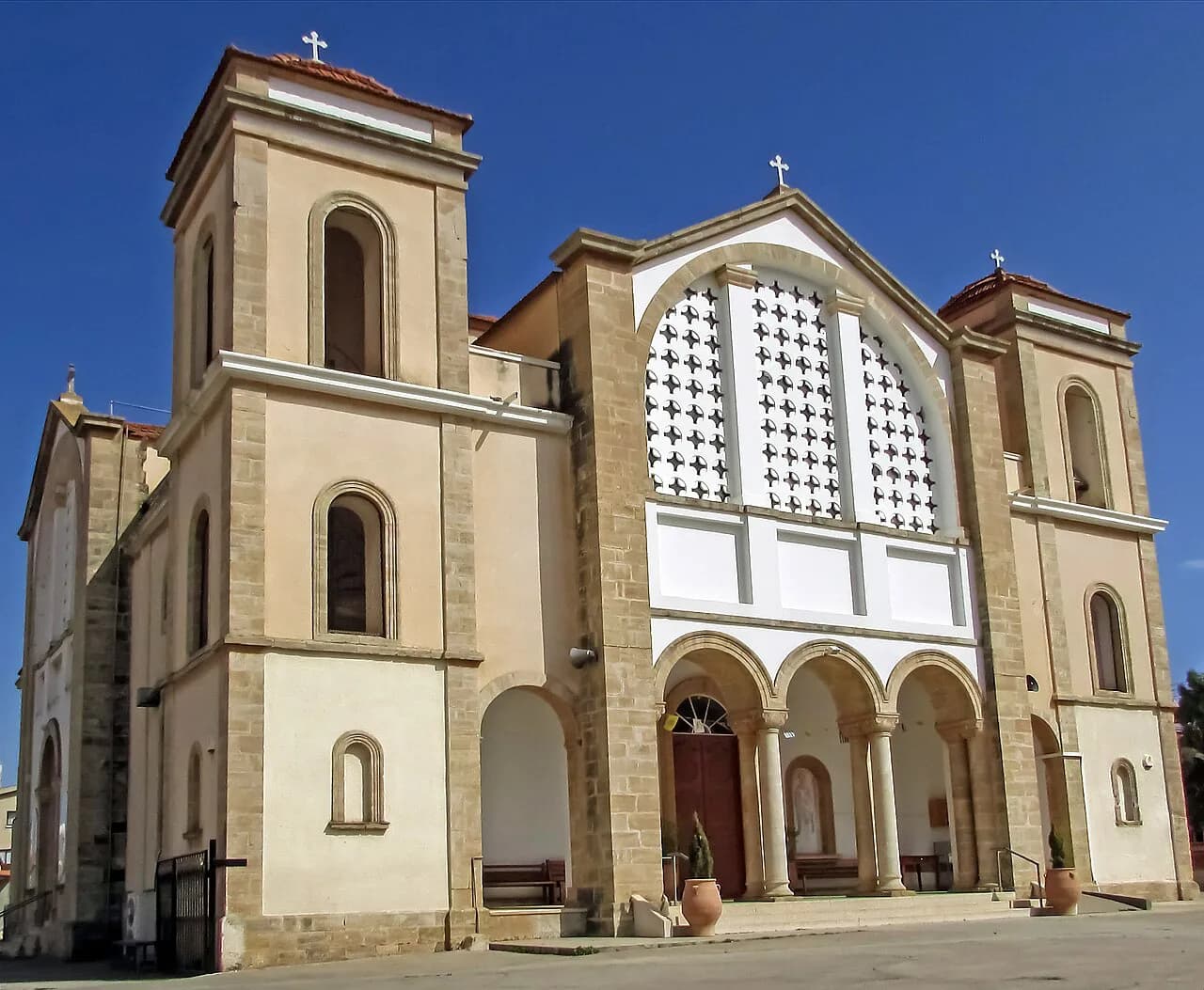
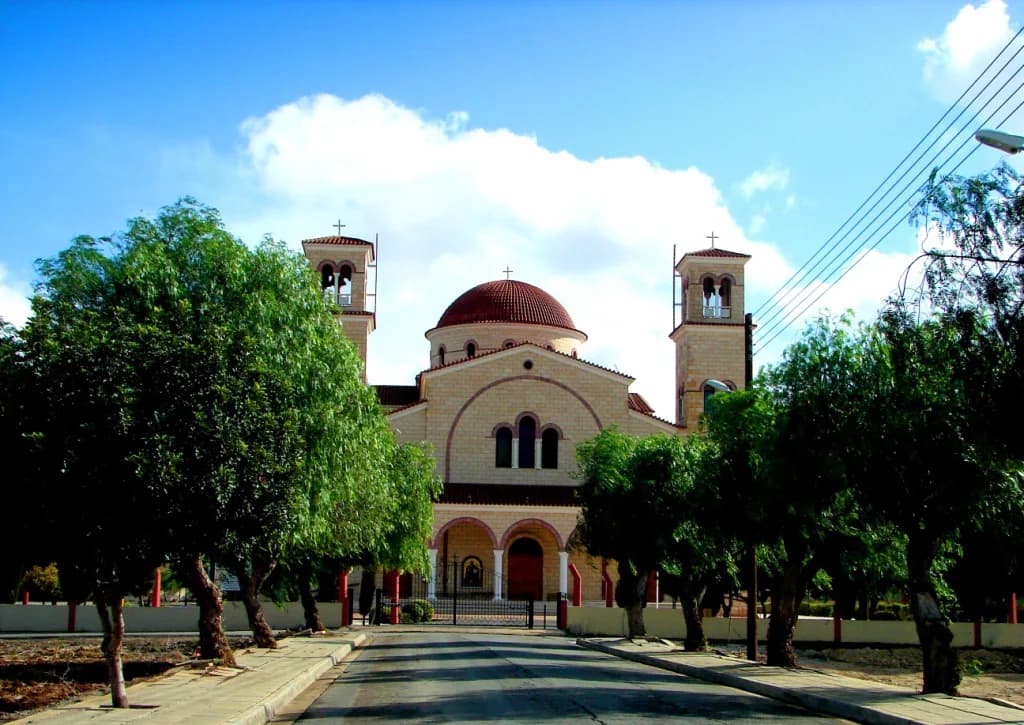
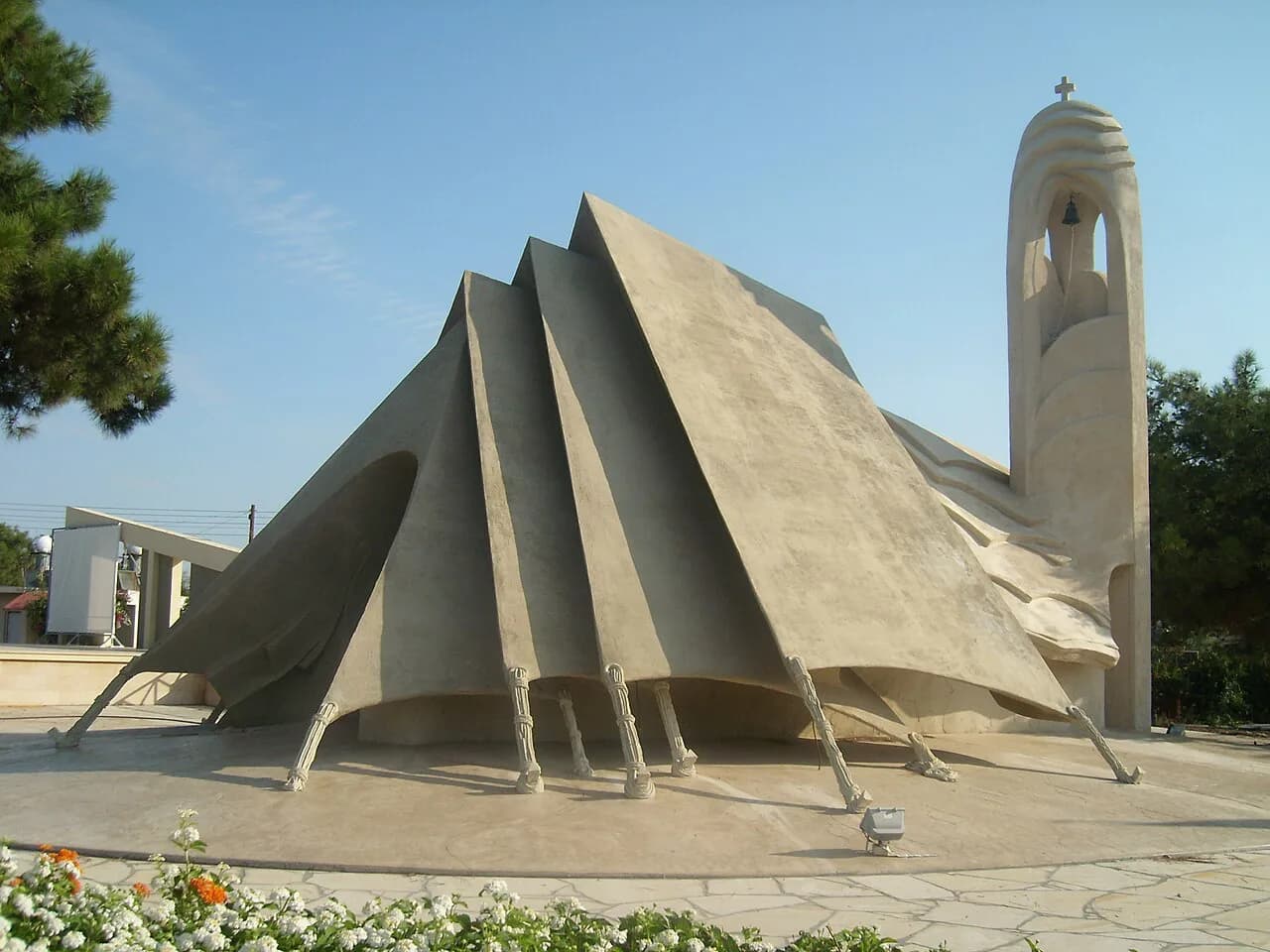
Sotira is known for its Byzantine churches, and these are the village's principal historic draw. They are working places of worship, so dress modestly, keep phone calls outside and check whether a service is in progress before stepping in. Village churches in Cyprus keep their own rhythms, so treat any door that is open as an invitation and any door that is shut as simply closed that hour.
Do not expect a ticket desk or a fixed visitor route through the churches. What you get is the architecture, the interiors and the quiet, which is a different experience from the organised sites on the coast. If you want guaranteed opening hours and interpretation panels, build those into the coastal half of your day instead.
Getting to Sotira by hire car from Ayia Napa, Protaras and Larnaca
A hire car is the straightforward way to reach Sotira, because the village sits inland from Paralimni and is not laid out around a bus interchange. From Ayia Napa or Protaras the drive is short and on surfaced roads; from Larnaca you are covering a longer stretch of the same coastal corridor before turning inland. Drive on the left, as everywhere in Cyprus, and allow for village parking that is informal rather than a marked car park.
The car also lets you decide your own order of stops, which matters because Sotira is best paired with something else rather than visited alone. Combine the village with the coast in the same morning, and keep your route flexible if a street turns out to be busier than expected. A car also solves the problem of a village where the sights are spread across lanes rather than concentrated at one gate.
Buses and driving times: what a car-free visit involves
Without a car, Sotira becomes a logistics exercise, and the honest advice is to check the current intercity and local bus timetable before you commit. Rural services around the Famagusta district run on their own schedules, and relying on a frequent service that may not exist is the common mistake here. Plan a generous window on the return leg rather than cutting it fine.
The car-free trade-off is real: you will see less of the surrounding villages and you will spend more of the day waiting. If you go by bus, make Sotira the single focus of the outing and give the churches and old lanes proper time. If you want to see two or three villages in one morning, hire the car.
How long Sotira needs, and when in the day to go
Allow about two hours for the old core and the churches on foot, plus travel. That is enough to walk the lanes properly without padding, and short enough to leave the rest of the day for the coast. Half a day is a comfortable envelope if you are coming from Ayia Napa or Protaras by car.
Morning is the better half of the day: cooler, quieter and kinder to anyone walking narrow lanes without shade. Spring and autumn mornings are the most comfortable of all, while midsummer afternoons make a village walk a chore rather than a pleasure. The coastal stops you add on have their own published schedules, so check the museum's or park's hours before setting out.
Pairing Sotira with Ayia Napa's museums, sculpture park and hill
The hill above Ayia Napa and the town's cultural stops make the natural second half of a Sotira morning. The Thalassa Agia Napa Municipal Museum is built around the sea, and its centrepiece is a life-size replica of the fourth-century BC Greek trading ship Keryneia II, displayed so you can see it from several levels. It also holds marine-life exhibits and is at Leoforos Kryou Nerou 14, and entry is charged for adults with a lower children's rate, so bring the current fee in mind.
For open air, head for the Agia Napa Sculpture Park and its adjoining Park of Mediterranean Plants, Cacti and Succulents at the crossroads of Cape Gkreko and Kryou Nerou Avenue. The 20,000 square metre site holds pieces by more than 50 artists from the municipality's sculpture symposia, with benches along the way and wide views. It is free to enter and open from sunrise to sunset all year, which makes it the easiest thing to fit in after Sotira.
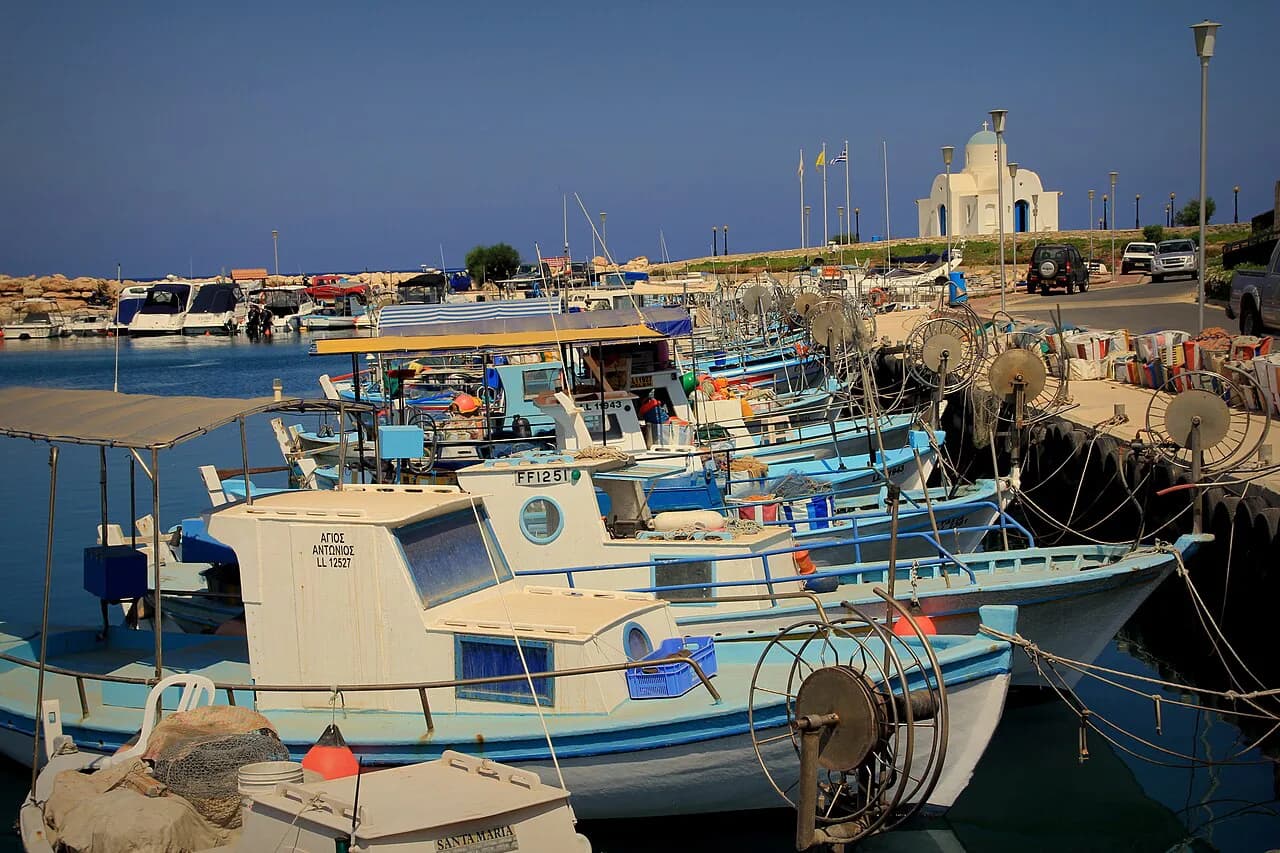
The heart of Ayia Napa itself is its square, where the medieval monastery stands as a quiet landmark by day and the village hosts cultural events through the year, including a medieval festival in October and the Feast of Panagia Virgin Mary on 8 September. The town also lists the Makronisos archaeological site, the fishing harbour and the sea caves among its sights. Build these in if you want a full day rather than a half day.
Is Sotira worth the detour?
Yes, if you want old houses and Byzantine churches and you have a car. No, if you were hoping for a ready-made visitor village with ticket desks and a fixed route. Sotira rewards a slow two-hour walk and works best as the inland half of a day that finishes on the Ayia Napa coast.
Set your priorities before you leave: churches and lanes in Sotira first, then the museum or sculpture park once the day warms up. Confirm bus times or the current museum fee on the day you travel, and keep the coastal stops flexible so the village sets your pace rather than the other way round.
Explore more Ayia Napa guides
Frequently Asked Questions
Is Sotira near Protaras and Ayia Napa?
Sotira is in the Famagusta district, west of Paralimni, which places it inland of the Protaras and Ayia Napa resort strip. By car the villages are a short drive apart, so Sotira can be visited in the same morning as the coast.
Do I need a car to visit Sotira?
A car makes the visit much easier, because the village is residential and its churches and old lanes are spread through the streets rather than gathered at one entrance. Without a car, treat Sotira as a single destination and check current bus timetables before travelling.
How long should I spend in Sotira?
Two hours on foot covers the old core and the churches at an unhurried pace. Add travel time, and plan Sotira as the first half of a day so the coast or nearby villages fill the rest.
Sources
Notes for your Cyprus trip
Optional updates to our Cyprus guides.
You might also like
Continue reading
More guides you'll find useful