Platres, Cyprus: A Guide to the Troodos Hill Village
Plan a visit to Platres in the Troodos mountains: what the village is like, its waterfalls, hill-resort character, how to get there and how long to allow.
On this page
Platres is best treated as a cool Troodos mountain village to slow down in rather than a quick waterfall stop. Give it a full day and a night if you can: a waterfall walk, time in the village centre, and an evening in the mountain air. This guide covers where Platres sits, why it developed as Cyprus's hill resort, its waterfalls and the Milia bridge, its churches and viewpoints, the trails from the village, and the car-versus-bus decision. The villages section of this site covers the wider mountain circuit if you want an itinerary.
Where Platres sits in the Troodos mountains
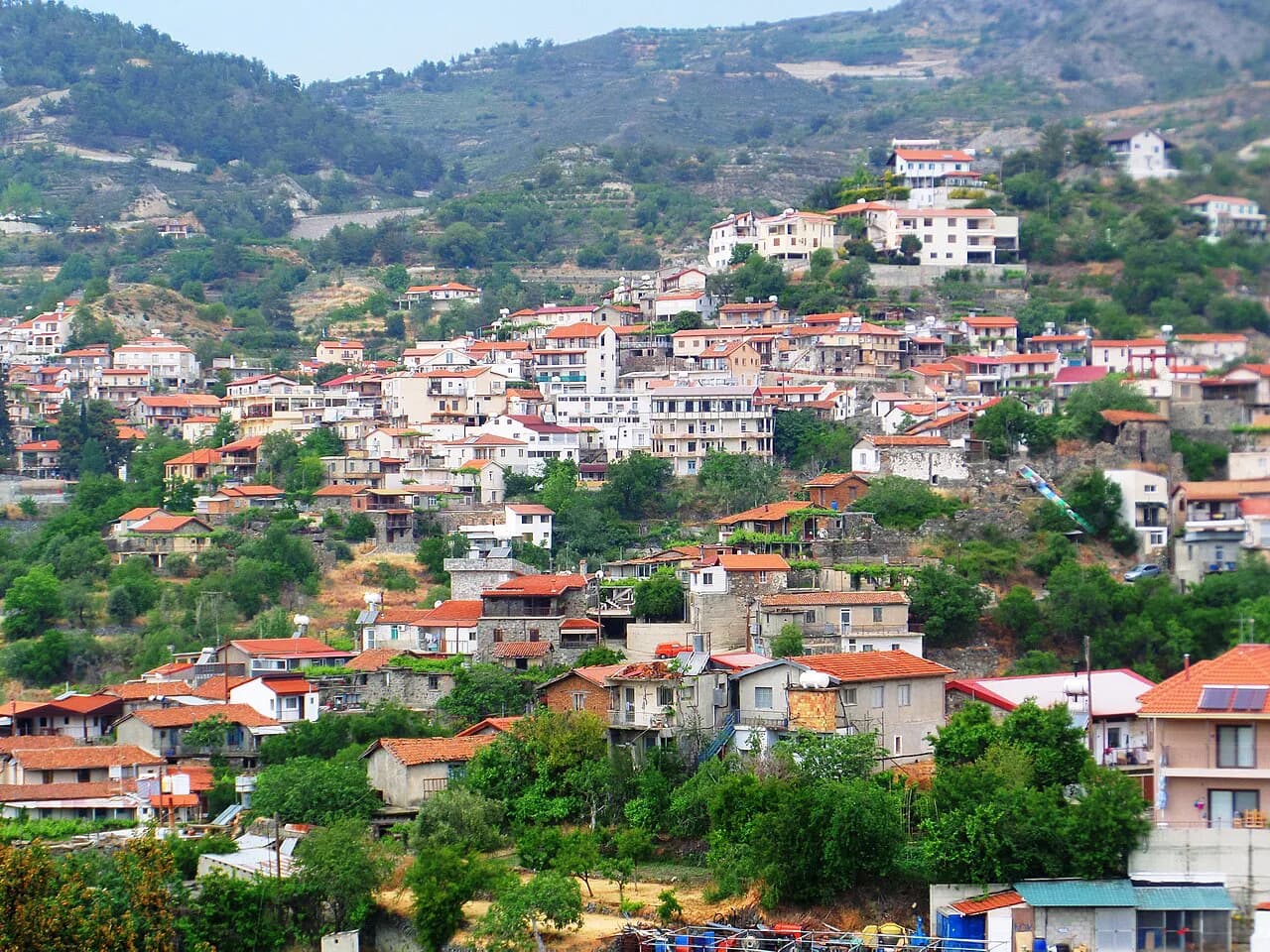
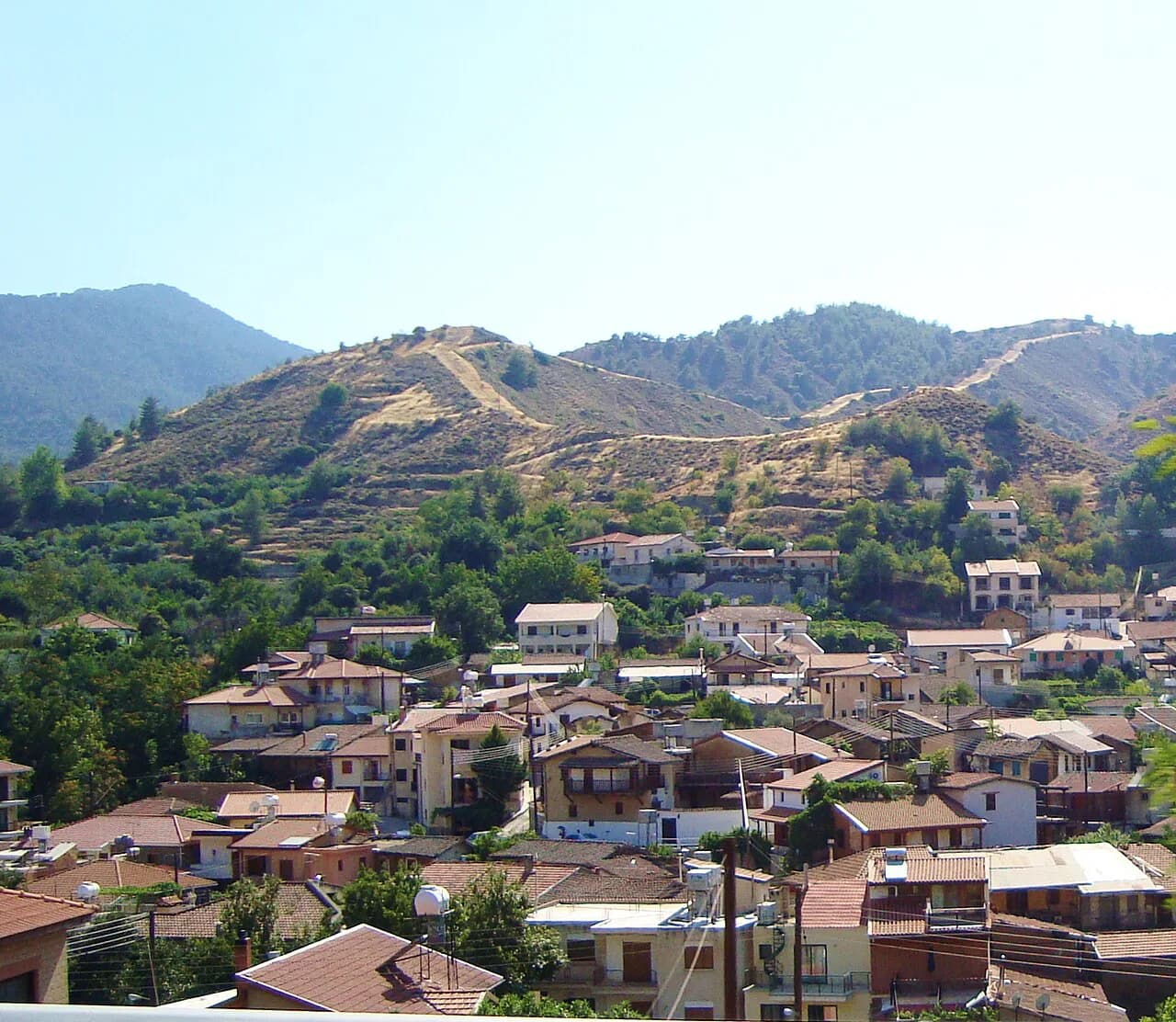
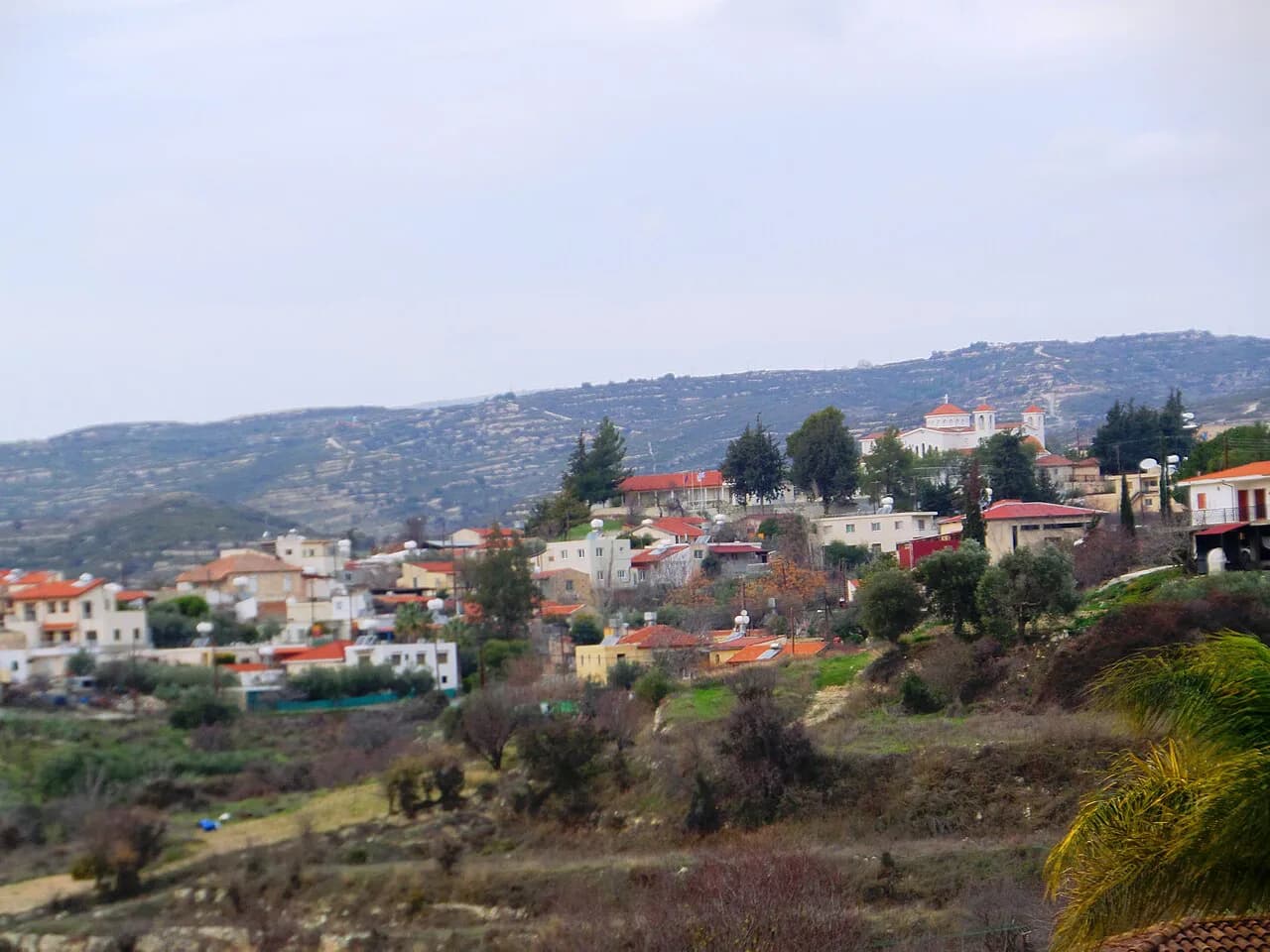
Platres sits on the southern slopes of the Troodos range, above the Limassol coast and below the higher peaks and the Troodos National Park. It is not the mountain village of Troodos itself; Platres is a separate village strung along the road, and the distinction matters when you plan driving times. The village is made up of Pano Platres, the upper settlement, with the main road running through and side lanes dropping away from it. Come with your own transport or a planned bus connection, because the village is a base rather than a station on a rail line.
The population is tiny for most of the year and swells hugely in tourist seasons — fewer than 300 residents, rising to around 10,000 at peak. That seasonal pattern explains both the village's layout and its atmosphere. Plenty of holiday happens in a small core: when the summer visitors arrive, the lanes, car parks and waterfall paths fill up and a quiet village turns into a busy hill resort; off-season, it is one of the quietest places you can stay on the island.
Why Platres became Cyprus's hill resort
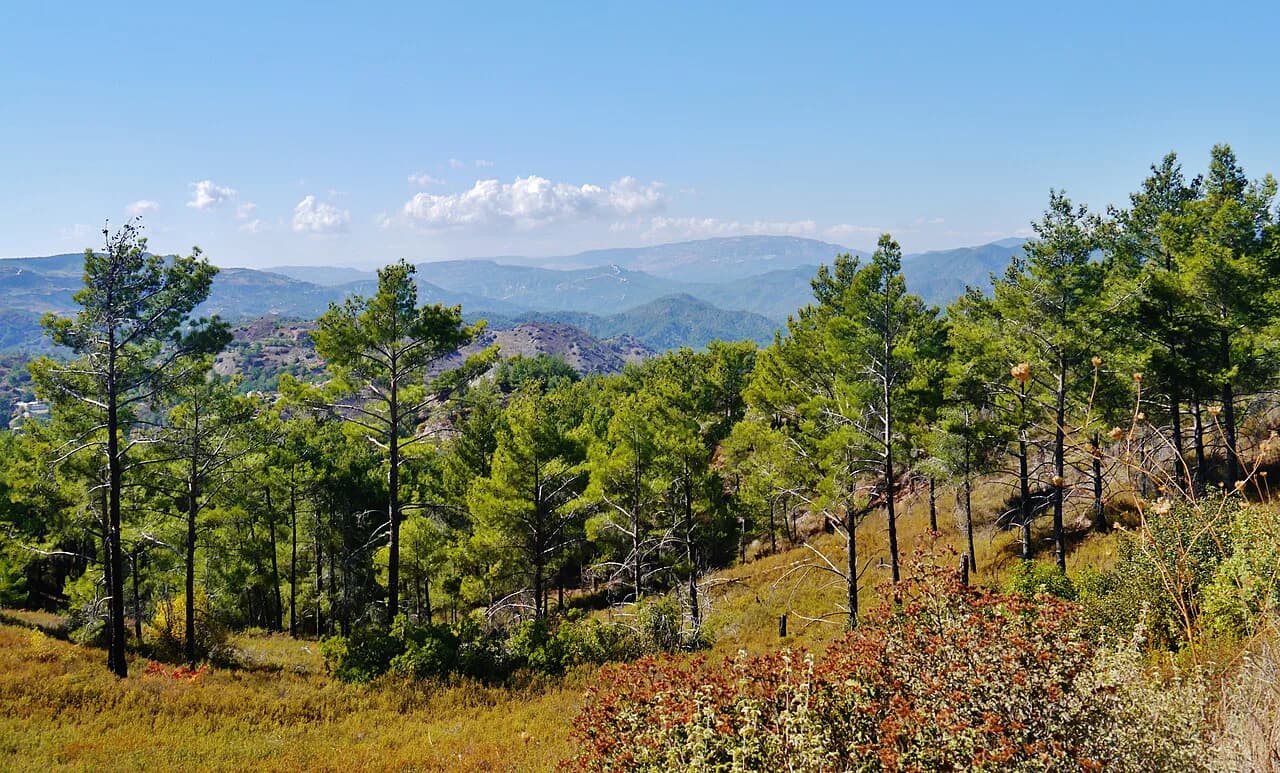
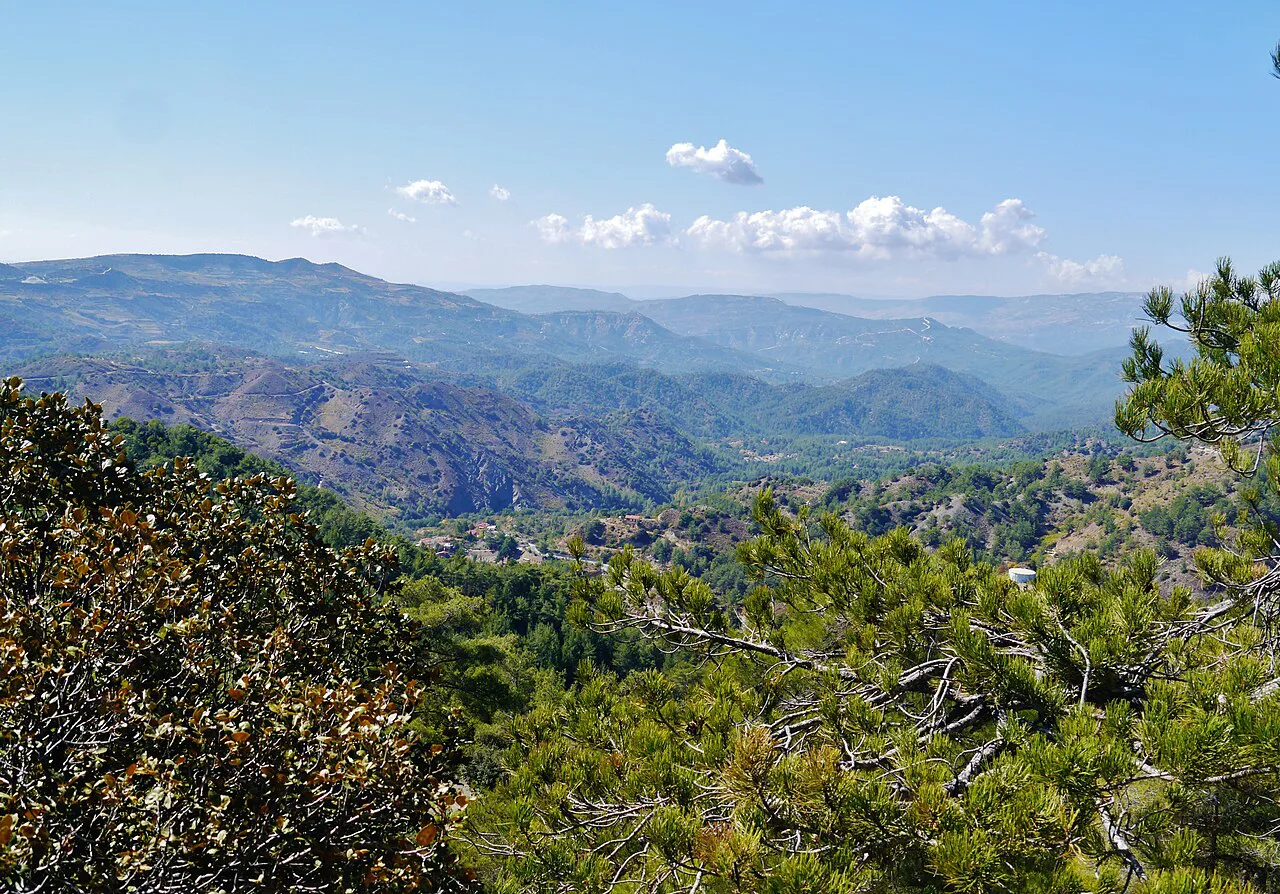
Platres is described as the principal hill resort of Cyprus, a reputation built on its setting in the Troodos forest rather than on the coast. Pine forest, running water and shade give the village the wooded, green character that the coastal towns lack. The village's character — houses along the road, gardens and a centre that rewards walking — grew out of that hill-resort trade.
That past is the reason Platres rewards walking rather than just passing through. The community council lists attractions, churches and chapels, waterfalls and viewpoints across the village, and the centre is a place to walk in its own right rather than a car park for the waterfalls.
Pano Platres and the village layout
Pano Platres is the upper village, and the community council's address is Georgiou I. Skyrianidis 1, 4820 Pano Platres. That main street is the spine of the visit: start at the community council end and walk the length of the village. A loop of the centre takes well under an hour at an easy pace; add a waterfall walk and you have a full day.
Side lanes lead away from the main street, and the village runs downhill towards the water. If you are staying the night, walk the main street in the evening, when the day-trippers have gone and the village returns to its quiet hill-resort self.
Waterfalls around Platres: Caledonia, Millomeris and Mesa Potamos
Three waterfalls anchor a Platres visit: Caledonia, Millomeris and Mesa Potamos. They are separate sights in different corners of the village's surroundings, so plan on walking in to each rather than seeing them from the road. Caledonia is the one most associated with the village; Millomeris and Mesa Potamos sit elsewhere and can be combined if you drive between trailheads. The Millomeris walk makes a short leg-stretch rather than the whole day.
Plan the waterfall morning around legwork, not the stop itself. Paths can be steep and slippery in wet weather, so wear shoes with grip. The Troodos attractions pages go on to cover other walks and sights across the range if you want to combine falls with a mountain drive.
Milia Medieval Bridge and the old stone crossings
Milia Medieval Bridge is the other classic Platres sight: an old stone arch close enough to the village to pair with a waterfall walk. Visit it on its own or as the link between the village and the waterfalls.
Churches and chapels of Platres
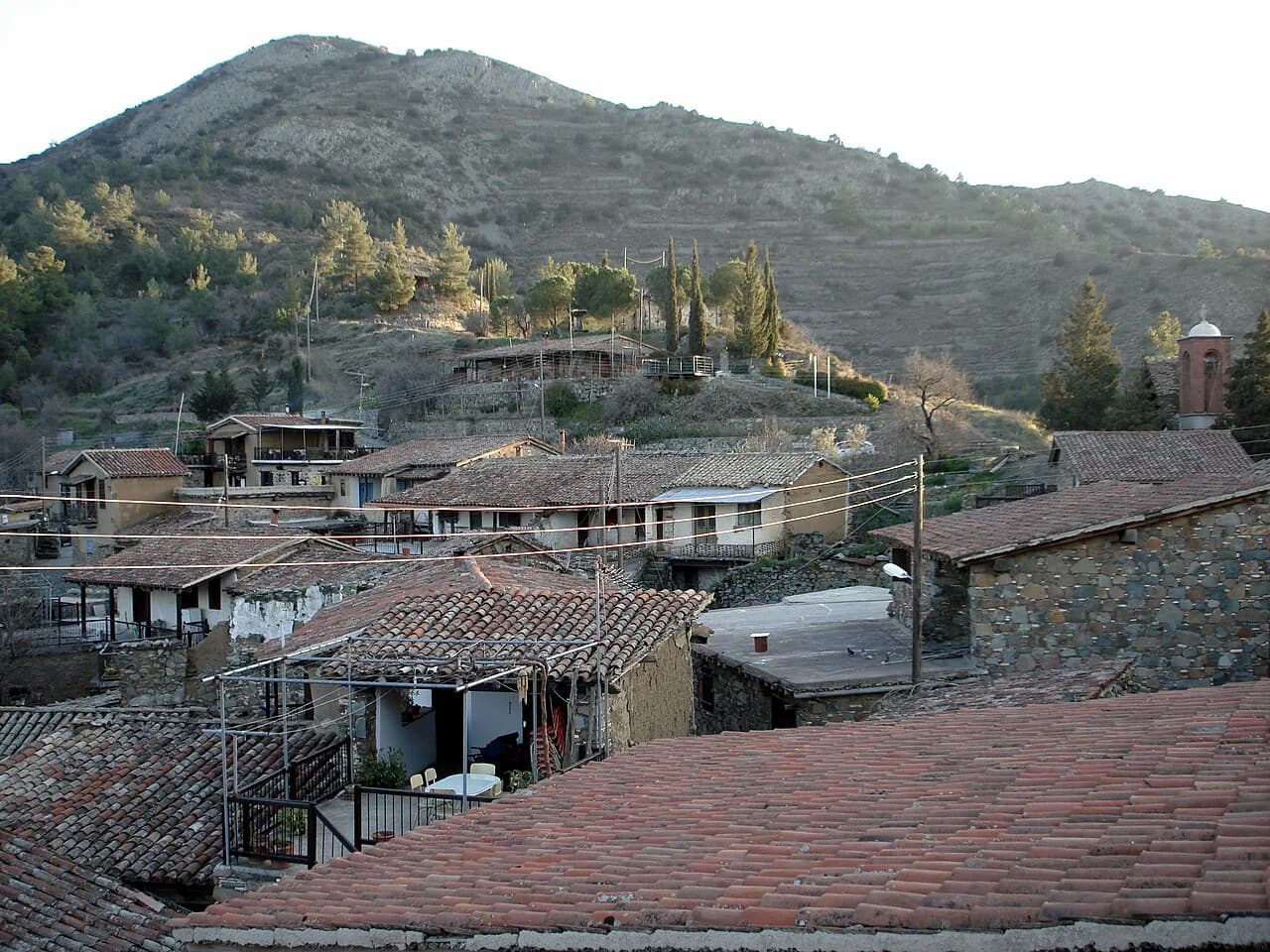
The village's churches and chapels are listed by the community council as attractions in their own right, and several dot the village and the surrounding lanes. They are small, built close to the houses, and worth a look from outside as you walk the lanes. Village churches are working places, so dress respectfully and avoid service times.
Viewpoints and river spots in and around the village
The community council lists viewpoints and river views among the things to find in and around Platres. Take a jacket even in summer: the river shade and the evening air here are noticeably cooler than the coast. If you want a different riverside village to compare it with, the Kalopanayiotis guide covers a village with a similarly mountainous, wooded setting in the Troodos.
Nature trails and cycling routes from Platres
The community council lists nature trails and cycling routes from the village, alongside the Troodos National Park that forms its wider setting.
Go with proper shoes and water. Cyclists will find the road up from the villages steep and narrow, so plan loops that start from the village rather than from the coast.
How to get to Platres by car from Limassol and the coast
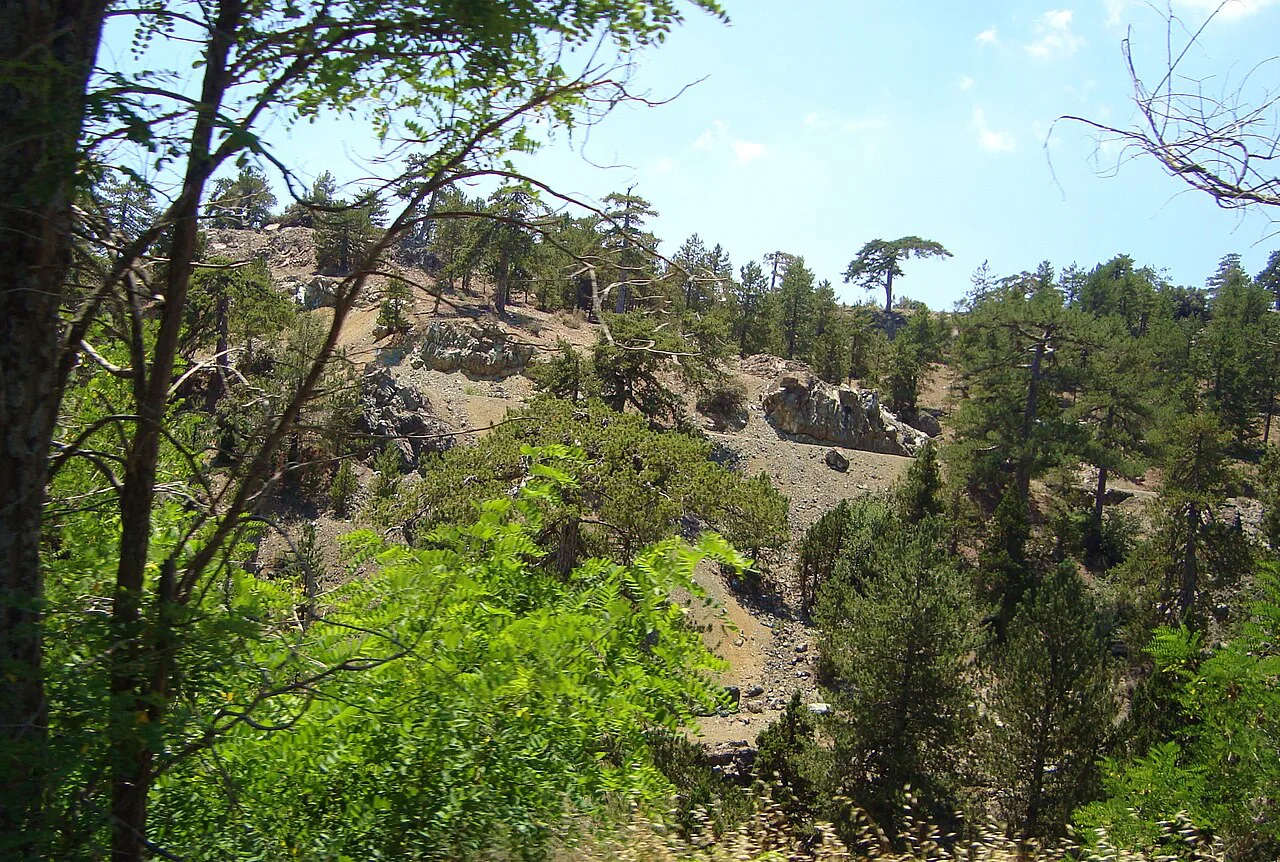
A car is the practical way to reach Platres. From Limassol and the south coast you climb into the foothills and follow the winding mountain road up to the village; the drive is scenic in itself, and a small hire car is easier on the bends than a large SUV. Cyprus has no passenger rail, so plan on driving, and time around the village centre on foot and use the car for the waterfall and chapel stops. The Troodos Villages guide covers the wider mountain circuit if you want to link Platres with other villages.
Getting around Platres on foot and by car
The village centre is walkable in a morning; the waterfalls and viewpoints are not, unless you are keen on a long ascent. Use the car for the trailhead car parks and accept that some of the most rewarding spots take a short but steep walk from the road. Parking fills up in summer, and a busy Sunday afternoon is the least comfortable time to arrive; early morning gives you empty lanes and a parking space.
How long Platres needs: half day, full day or overnight
Half a day covers the village and one waterfall. A full day lets you do two falls, Milia bridge and a viewpoint loop. An overnight stay is the real recommendation: the evening and morning are when Platres is at its best, with day-trippers gone and the cool air settling in. If you are travelling on, the wine village of Omodos makes an easy contrast, with its own guide covering the monastery, houses and lanes in detail.
When to go: summer heat, winter cold and snow on Troodos
Summer is the season Platres was built for: warm days, cool evenings and the village at its busiest. Spring brings green hillsides and wild flowers, and the hill villages off the coast stay quiet. Autumn is still mild. Winter is cold at this altitude, and higher on Troodos there is snow; the road up can be affected when it does, so check conditions before driving up rather than assume the village is cut off.
What things cost in Platres and the Troodos mountains
Cyprus uses the euro. The things you actually pay for are petrol, parking at the popular trailheads and village goods; budget for those and leave the rest flexible. Carry cash in small notes and check any entrance charge at the gate.
Is the climb to Platres worth it?
Yes, if you give it time. Platres rewards an overnight stay rather than a dash from the coast: walk the main street, choose one waterfall, and let the evening coolness do the rest. Drive up from Limassol, base yourself in the village, and treat the waterfalls as half a day rather than the whole reason for coming. For the wider circuit, the mountain villages around Troodos each have their own character, and Kilani is a useful next stop if you are heading back towards the coast.
Explore more Troodos guides
Sources
Notes for your Cyprus trip
Optional updates to our Cyprus guides.
You might also like
Continue reading
More guides you'll find useful