Lofou, Cyprus: What the Village Is Like and How Long It Needs
Lofou is a stone village in the Krasochoria region, 26 km northwest of Limassol at 790 m. See what the lanes offer and how long a visit needs.
On this page
Lofou is worth a half-day rather than a flying stop: a compact hill village of stone houses and cobbled lanes, 26 km northwest of Limassol in the Krasochoria region of Limassol Province, standing at 790 metres above sea level. Allow two to three hours for the village itself, and closer to half a day if you use it as one stop on a loop through the surrounding hill villages. This guide covers what the village is like, how to reach it, how long it needs and the trade-offs of a visit.
What Lofou is and where it sits
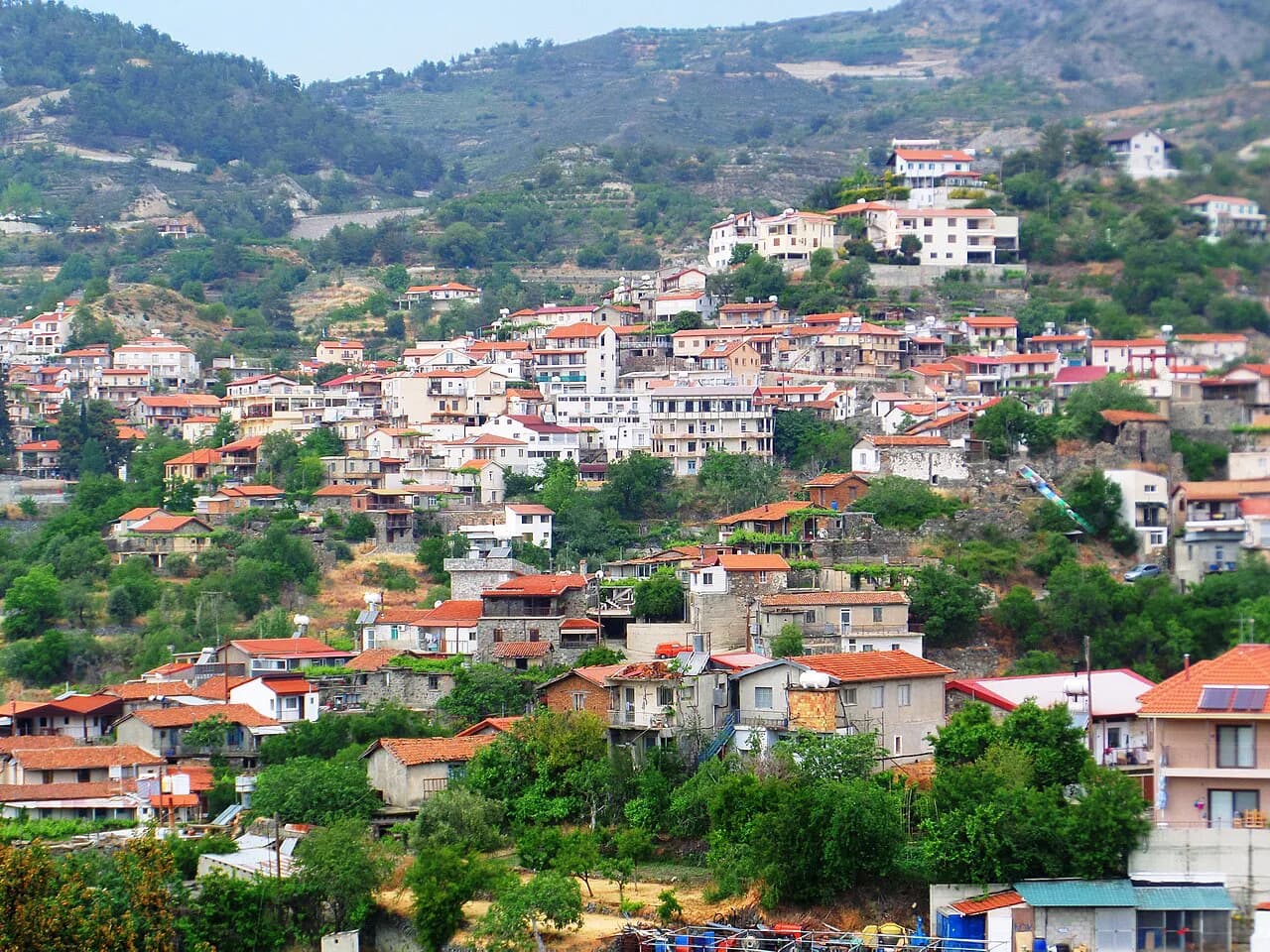
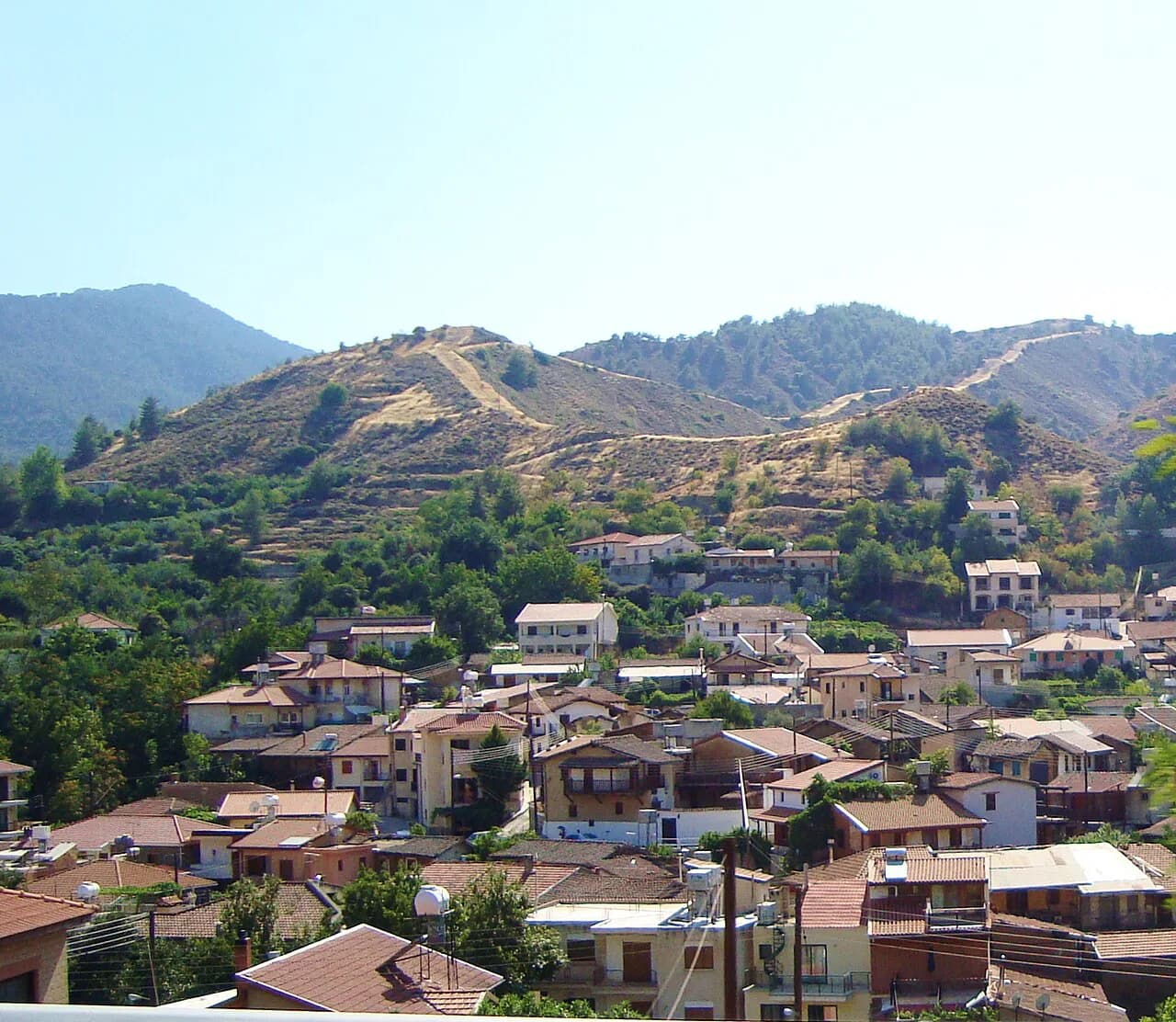
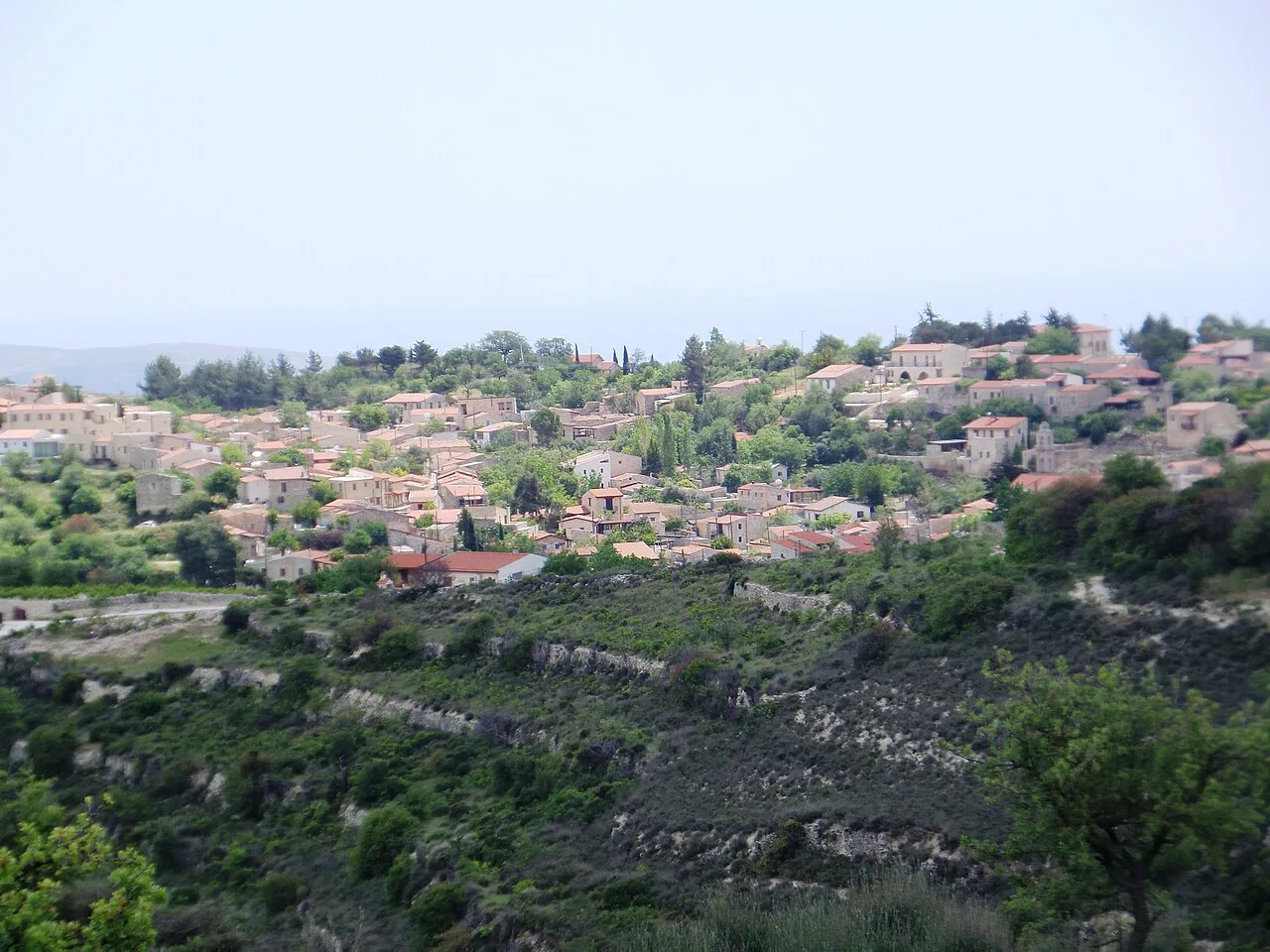
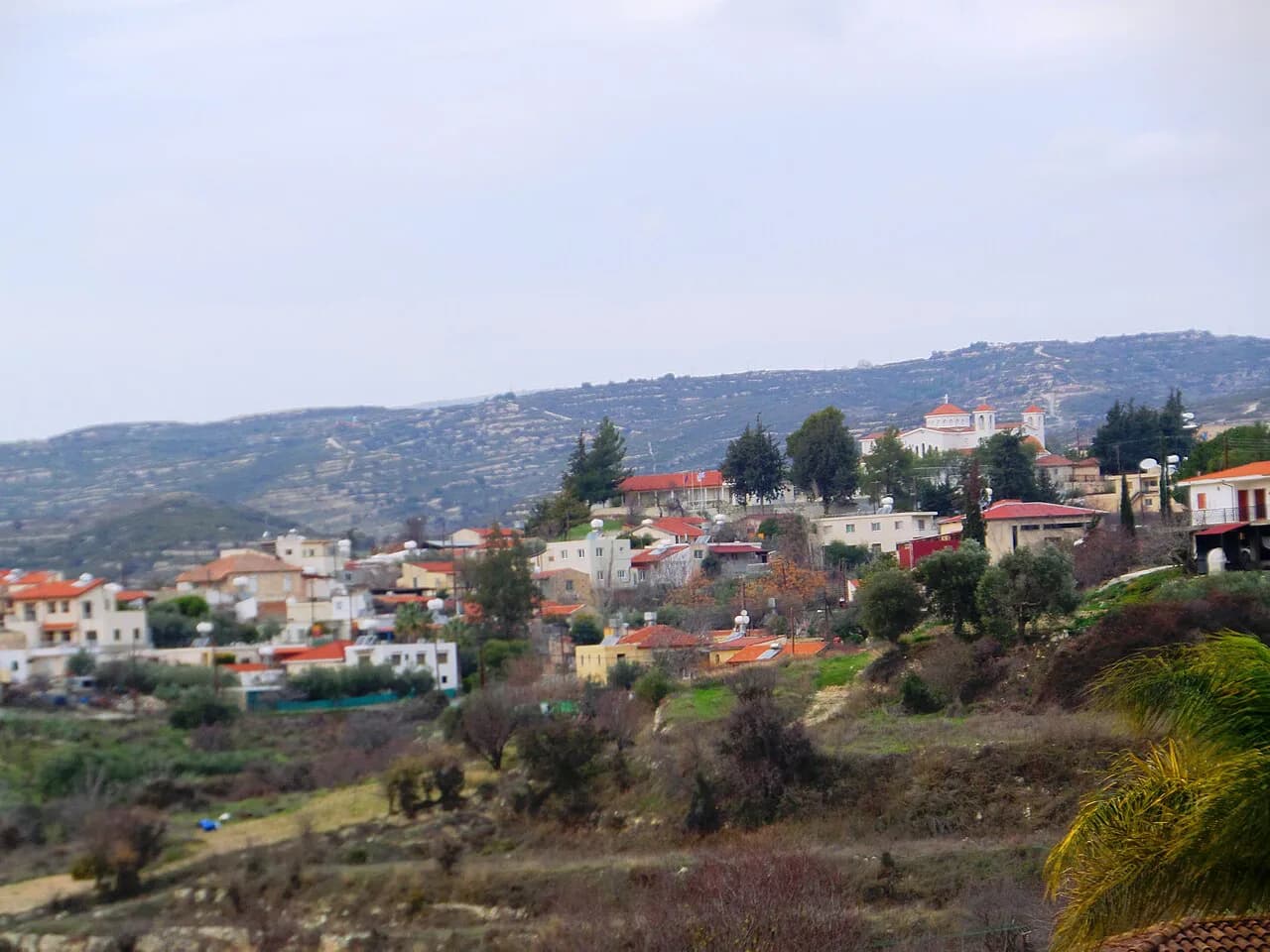
Lofou lies in the Krasochoria, the chalk-soil hill country northwest of Limassol, at 790 metres above sea level and 26 km from the city. That position, rather than any single monument, is the reason to come: the village reads as a tight cluster of traditional stone houses on a hillside, not as a coastal resort. Approach it as a slow look at a mountain settlement.
The setting places Lofou naturally alongside the wider group of Troodos villages, where restored stone lanes and older churches are the main draw rather than ticketed attractions. If you are building a day around this kind of village, the Troodos villages cluster is the sensible starting point for comparing them. Lofou is the small, quiet option in that set.
The name records the hilltop site: it derives from the Greek word for a hill, the village was known as Lofos until the early 20th century, and the area has been inhabited since the Bronze Age. Treat that as background for the slope you see, not as a promise of visible ruins in the lanes.
Why the village looks the way it does
The form of Lofou follows from its history. The settlement was most likely established shortly before Frankish rule, when coastal residents moved into the mountains for safety during the period of Arab raids, and a defensible slope suited that purpose. The village has stayed on it since.
The oldest written reference belongs to the Frankish period: a text records the village, with others, being granted by King James I to his brother Janot de Lusignan, lord of Beirut, around 1392. That is history rather than a sight on the ground, but it explains why a small mountain community appears so early in the written record. What you walk through is the later, agricultural layer on top of it.
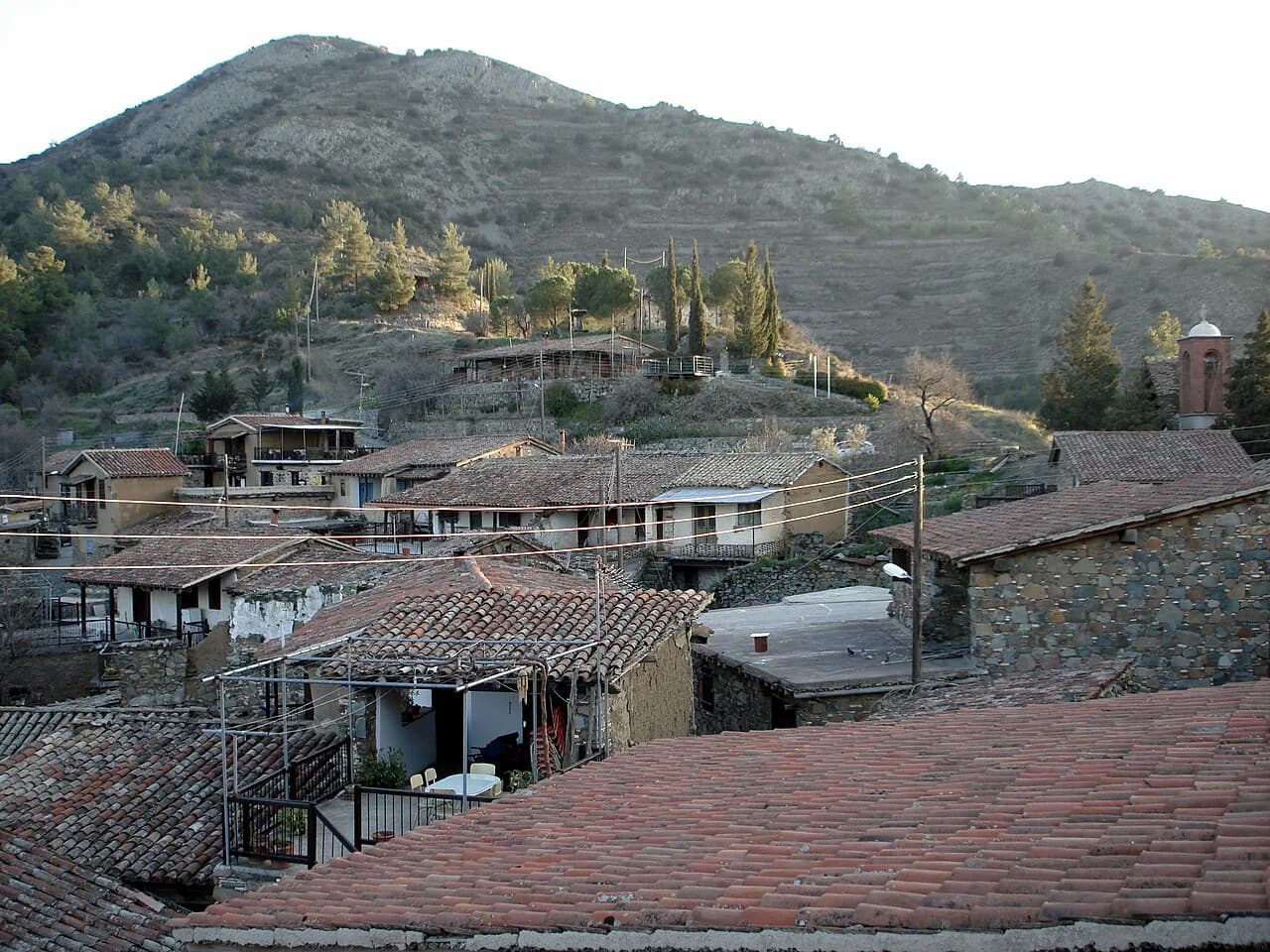
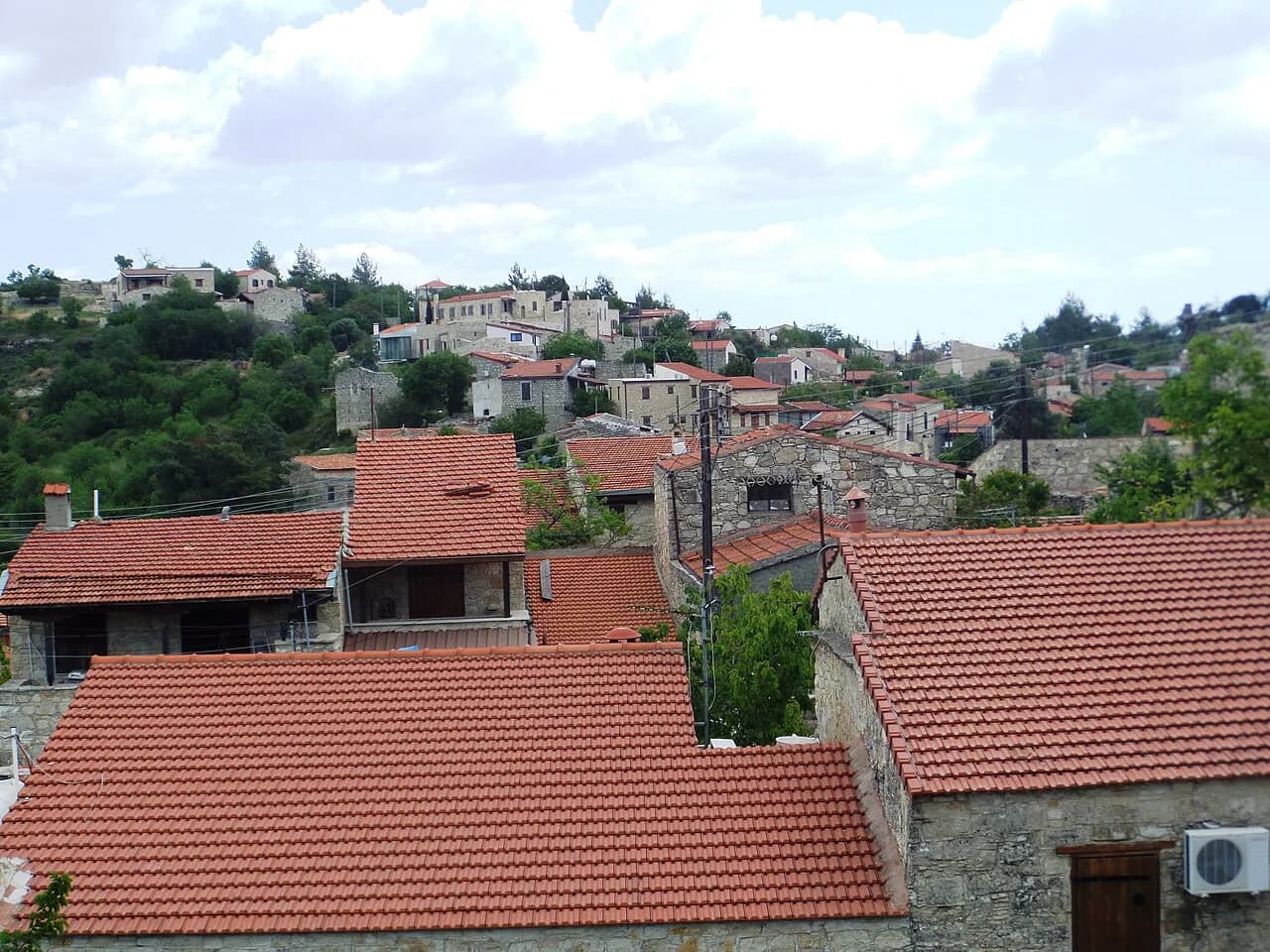
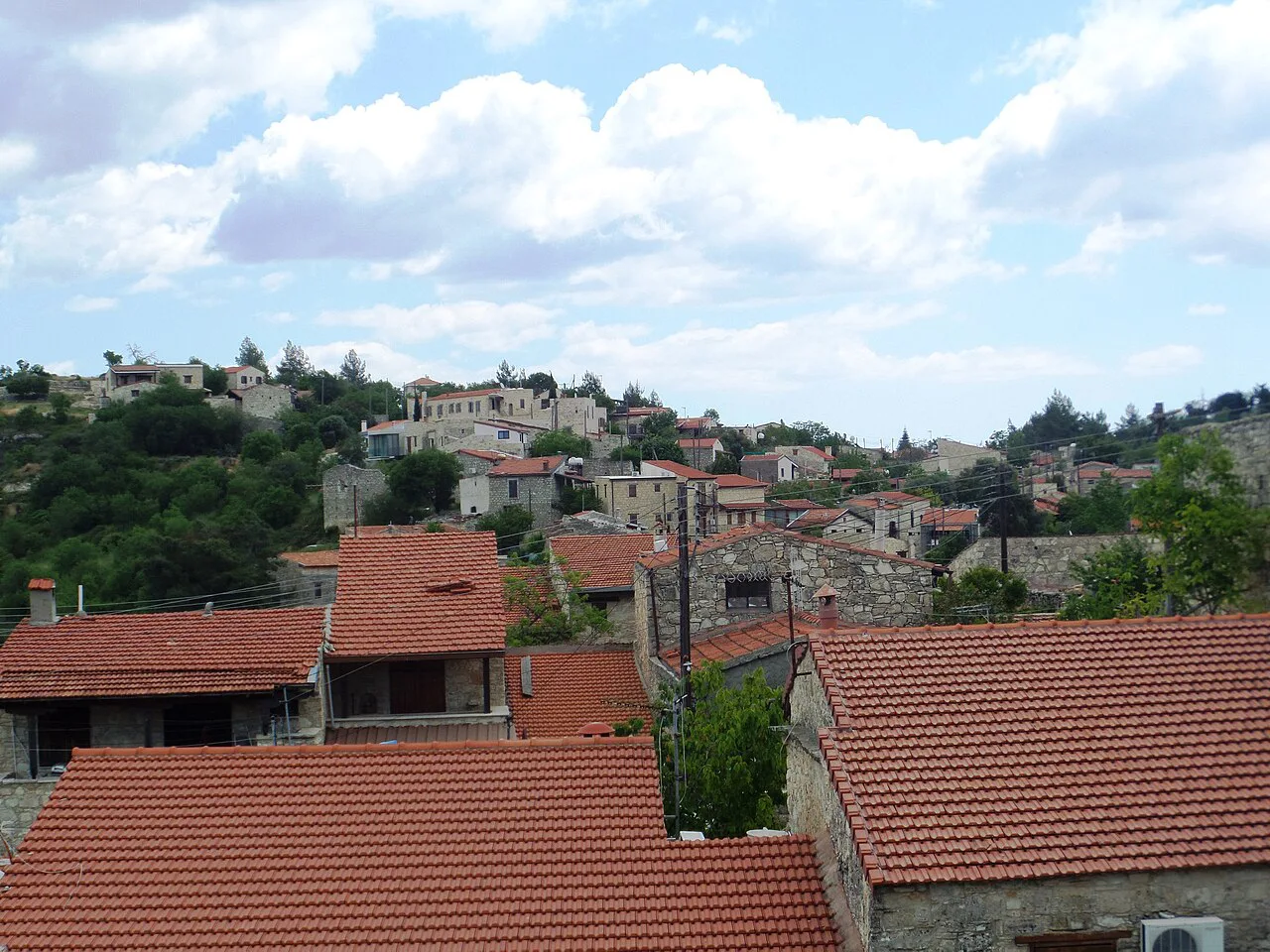
What you actually walk through is stone-built houses packed onto the slope, linked by narrow cobbled lanes rather than a grid of streets. Read the lanes as the village's main sight; there is no need to hunt for a single headline building.
Getting to Lofou from Limassol and the Troodos road network
A car is the practical way to reach Lofou. The village sits 26 km northwest of Limassol, up in the Krasochoria, and the last stretch climbs to 790 metres, so the drive takes noticeably longer than the distance alone suggests, especially behind slow traffic on the mountain road. Budget the trip as a scenic drive rather than a quick hop.
Coming from the Troodos side, Lofou works as a natural link between the high mountain villages and the lower Krasochoria. Omodos: A Practical Guide to the Troodos Wine Village shows how the better-known village to the east is structured, which helps you judge how much time to give each stop on the same day. A loop of two villages is realistic; four is not.
For the wider spread of places in the range, Troodos Attractions: 13 Visitor Guides maps out what else is worth combining with a Lofou stop. Plan the driving order before you leave Limassol, because turning round on narrow village lanes is awkward once you are up there.
How long Lofou needs
Give Lofou two to three hours on foot. The village is small and its appeal is concentrated in the lanes and stone houses, so a slow walk through the core covers it without rushing. Treat the walk as the main event rather than a prelude to something else.
If you are driving up from Limassol specifically for Lofou, half a day is the realistic unit. The 26 km approach and the climb to 790 metres make a very short visit poor value, and pairing the village with one nearby stop fills the morning or afternoon sensibly.
Travellers based in the Troodos mountains can treat Lofou as a shorter add-on, perhaps an hour and a half of lanes before moving on. Those coming from the coast should decide in advance whether Lofou is the day's destination or one of two stops, because the difference changes how early you need to leave. Prodromos, Cyprus sits higher in the range and shows how a mountain village day is paced when altitude and distance grow.
Layout on foot: lanes, stone houses and viewpoints
Lofou's layout is simple to grasp: the village is built on a hill, and the lanes climb and bend with the slope rather than following a grid. Walk uphill first and come down afterwards, so the steepest sections are behind you and the views open as you gain height.
The stone houses line the lanes closely, and the cobbles are uneven underfoot, so proper shoes matter more here than in a coastal town. Where the buildings thin out, the slope gives you the village's payoff: views over the surrounding Krasochoria hills from 790 metres. Those openings are the reason to keep climbing rather than turning back at the first square.
Lania: A Village Guide to the Limassol Mountains is a useful comparison if you want to see how another village in the Limassol hills handles its lanes and viewpoints. Visiting one after the other shows how much of Lofou's character comes from its tight, hilly plan.
When to go: altitude and the summer trade-off
The 790-metre altitude is Lofou's practical advantage in summer. While Limassol and the coast swelter, the village sits high enough to take the edge off the heat, which makes a midday walk through the lanes more comfortable than the same walk at sea level. Use the village as a summer alternative to a coastal day.
Higher ground can bring its own conditions, so pack a layer even in high summer and check the forecast for the Limassol hills before setting out, since conditions at 790 metres can differ from the coast.
Kilani Village, Cyprus is another hill village where the same altitude logic applies, and comparing the two helps you decide how high you want to go on a given day. If heat is your main concern, plan the village for the middle of the day and the coast for the evening.
What to budget for a village stop
A village stop is a low-cost day out: walking the lanes involves no ticket, and the main outlay is fuel, parking and whatever you eat or drink. Prices in the Republic are in euros. Ask individual businesses for their current charges rather than relying on a published figure.
Compared with a coastal day, the savings come from what you do not buy: no sunbed hire, no boat trip and no entry fee for the village lanes. The spend that remains is fuel for the return drive and something to eat or drink in the village.
If you extend the loop to Omodos, Cyprus, budget for the same pattern: free wandering plus whatever you choose to buy. Comparing two villages in the same day keeps the fixed costs, mainly fuel, the same while adding a second place to see.
Practical trade-offs: narrow lanes, limited parking and quiet
Lofou's lanes were never designed for cars, and parking in a hill village of this size is limited. Expect to leave the car at the edge of the built-up area and walk in, since turning round on narrow village lanes is awkward.
The village is quiet rather than serviced: there is no resort infrastructure, and the appeal is the stone streets and the views, not a list of attractions. Travellers who want cafés and shops on every corner will find Lofou thin. Those who want a working hill village with old houses and little traffic will find it exactly right.
Wandering on foot is the whole point, and the cobbles make wheels and heels awkward, so bring shoes with grip. Kakopetria is a similarly compact mountain village with narrow lanes, and comparing the two helps set expectations for what a quiet hill stop actually feels like.
Crowds are not the main issue here; timing is. Arriving early gives you the lanes at their quietest and makes parking easier before the village fills.
Is Lofou worth the drive from Limassol?
Yes, if you want a quiet stone village and a cooler alternative to the coast, and no, if you want a ticketed attraction or a full day's itinerary on one site. Two to three hours on foot covers Lofou comfortably, and half a day works when you combine it with one nearby Krasochoria or Troodos village by car.
Build the day around the drive: leave Limassol in the morning, walk the lanes uphill first, pause for a drink, then move on to a second village or head back down. Check road conditions and any business opening times on the day, since a mountain village stop depends on both.
Explore more Troodos guides
Frequently Asked Questions
Do I need a car to get to Lofou?
A car is the practical choice, since the village lies 26 km northwest of Limassol in the Krasochoria hills and the last stretch climbs to 790 m. Parking in a hill village of this size is limited, so plan to park at the edge and walk in. Allow extra driving time for the climb.
How long should I spend in Lofou?
Two to three hours on foot covers the village lanes and stone houses. Allow half a day if you are driving up from Limassol and combining Lofou with a nearby Krasochoria or Troodos village. Travellers already staying in the mountains can treat it as a shorter add-on.
Sources
Notes for your Cyprus trip
Optional updates to our Cyprus guides.
You might also like
Continue reading
More guides you'll find useful