Lania, Cyprus: A Village Guide to the Limassol Mountains
Lania is a mountain village above Limassol with old alleys, small museums, artist galleries and village churches. Plan a half-day here.
On this page
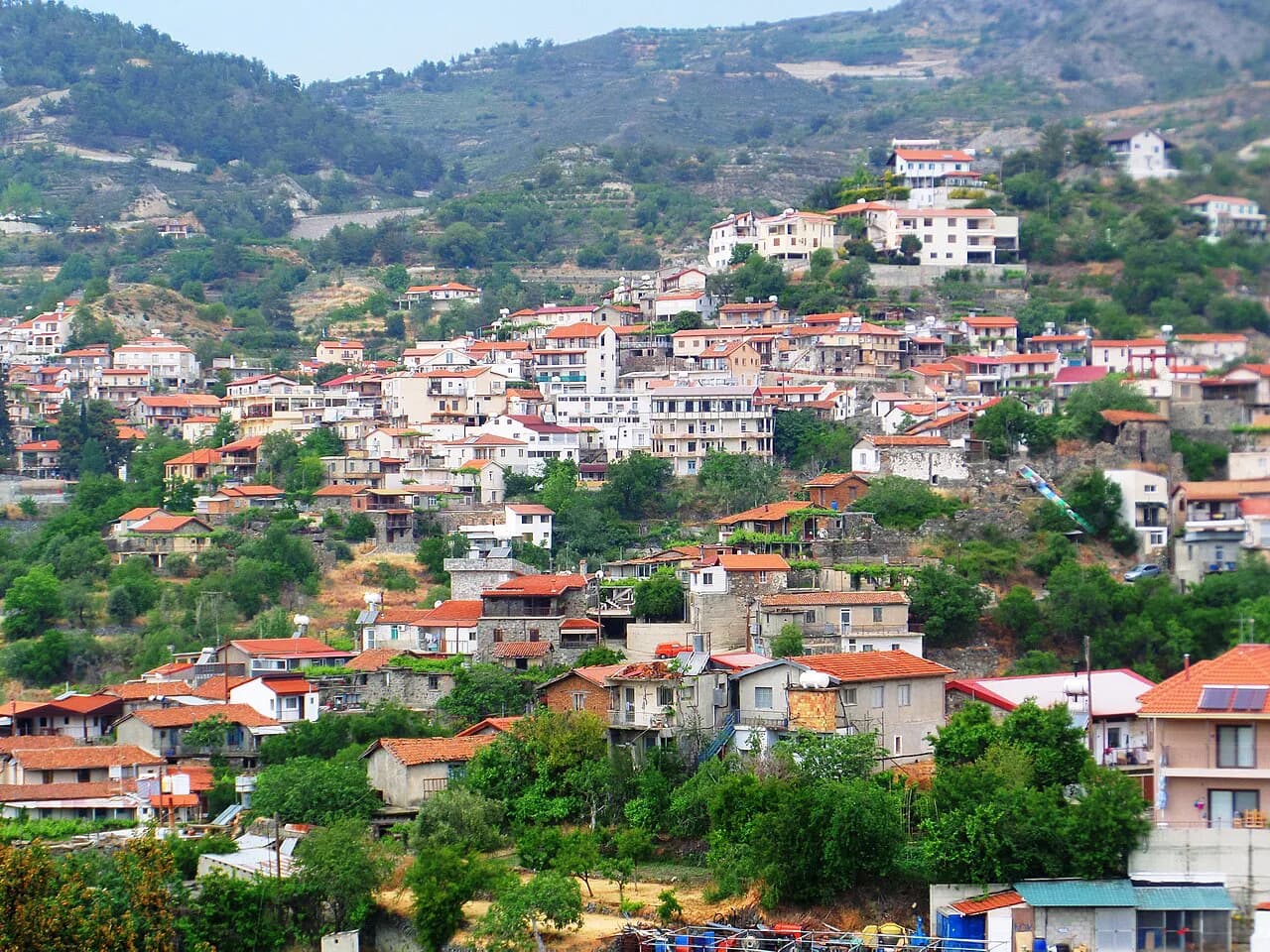
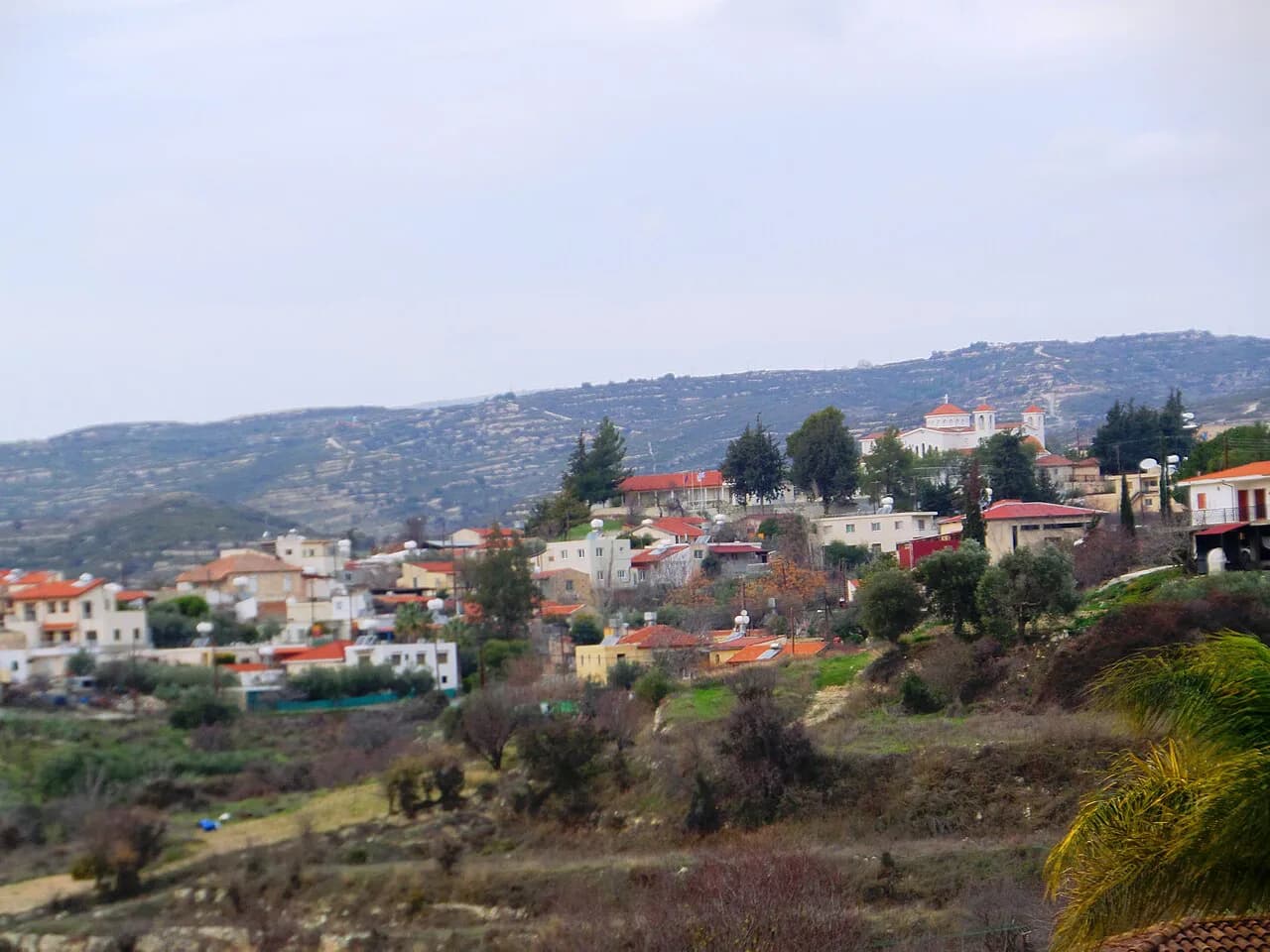
Lania is a small mountain village about 30 minutes' drive above Limassol, and half a day is enough to see its alleys, small museums and chapels at an unhurried pace. It sits at 575 metres among vineyards and wild vegetation, with a compact core you can walk in an hour and a picnic site that rewards a longer stay. This guide covers how the village is laid out, what each museum and chapel holds, how to reach it by car and how long to allow.
The name is worth settling early, because signs and maps are inconsistent. Most residents spell it Lania, while official documents use Laneia, so search both when you plan the drive or look for the village on a map. Plenty of stone-built [villages](/troodos-villages) in the Troodos foothills look similar from a distance; Lania's distinguishing feature is the density of small heritage displays packed into a very small centre.
What Lania is and where it sits
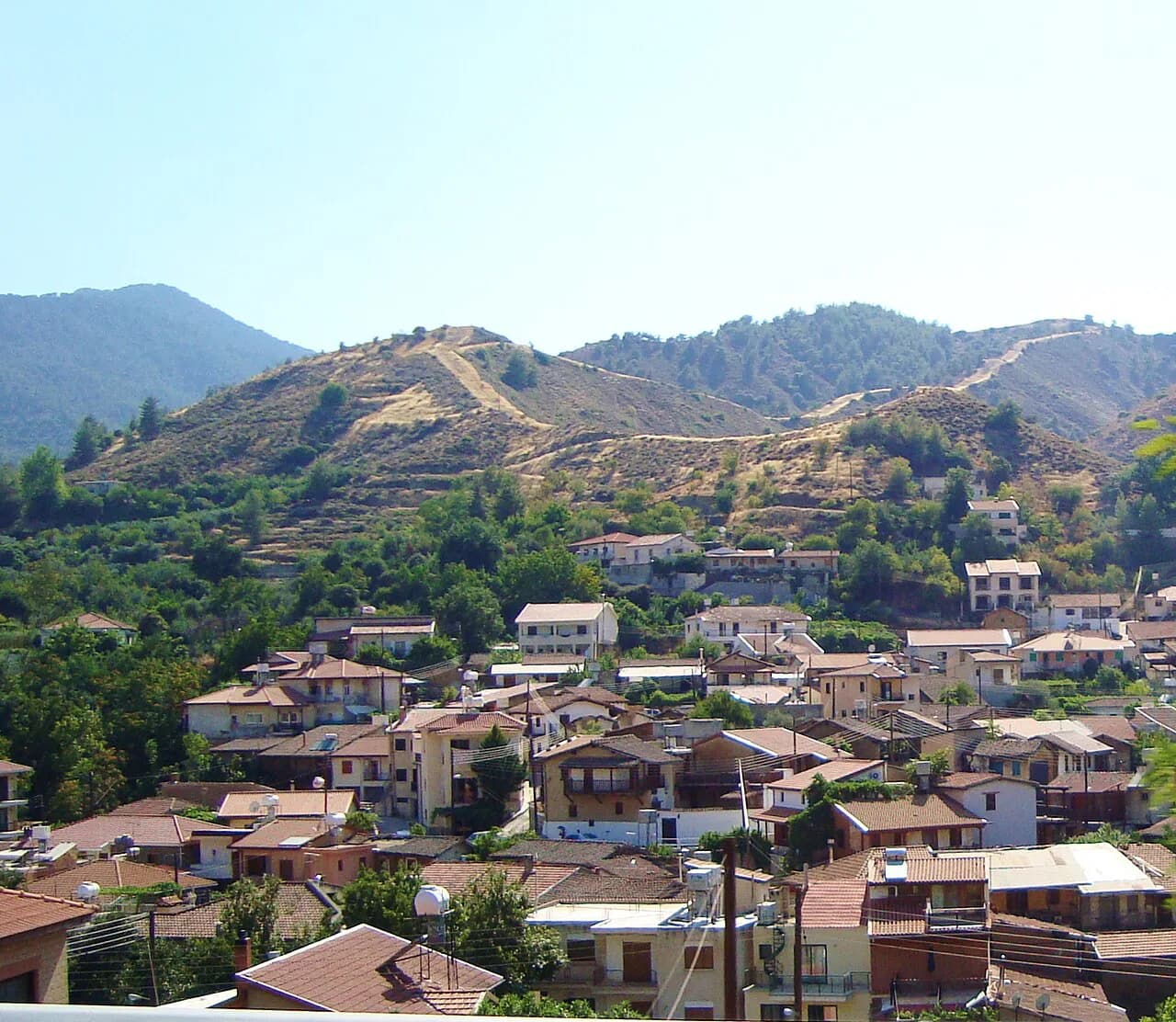
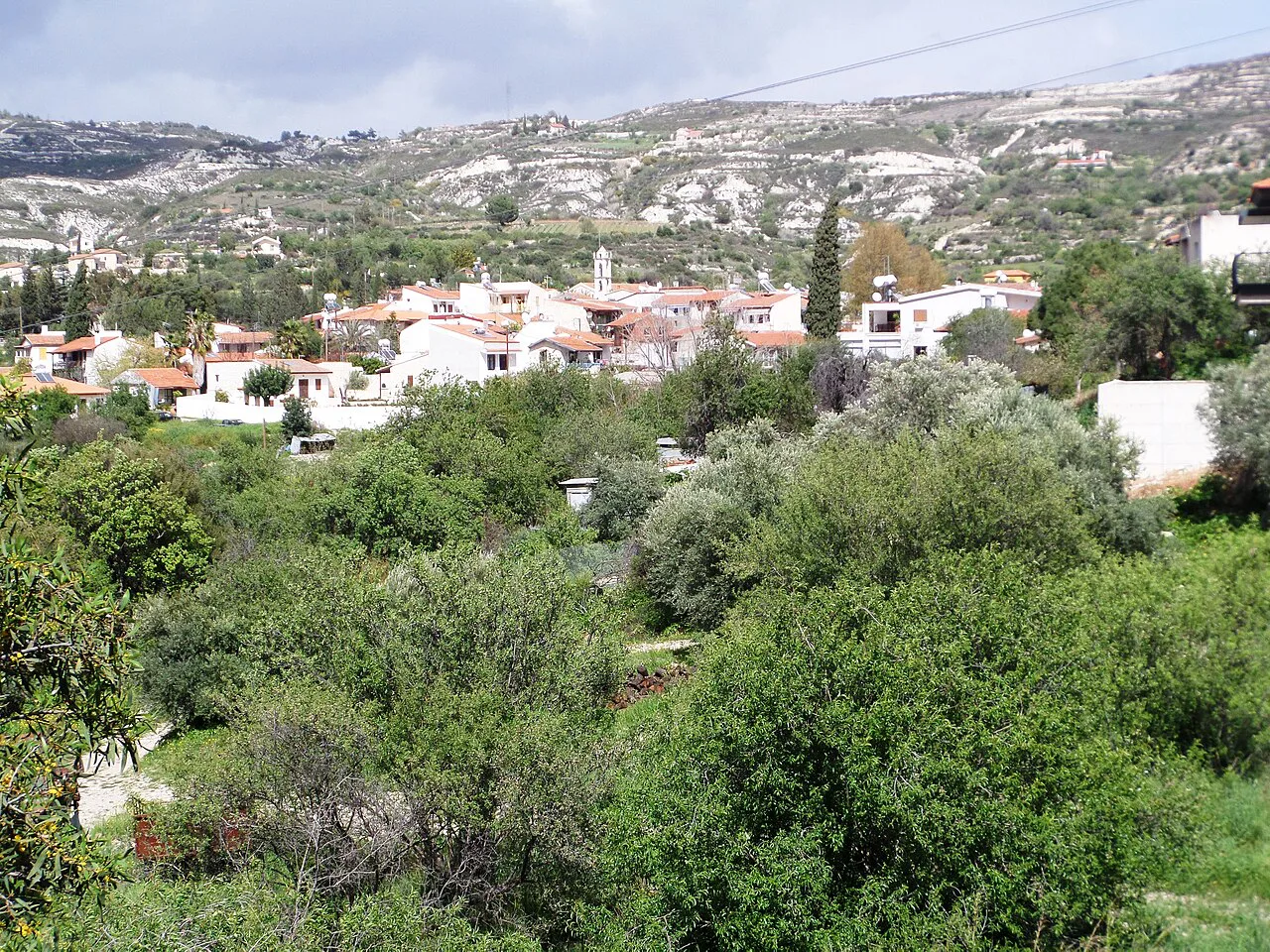
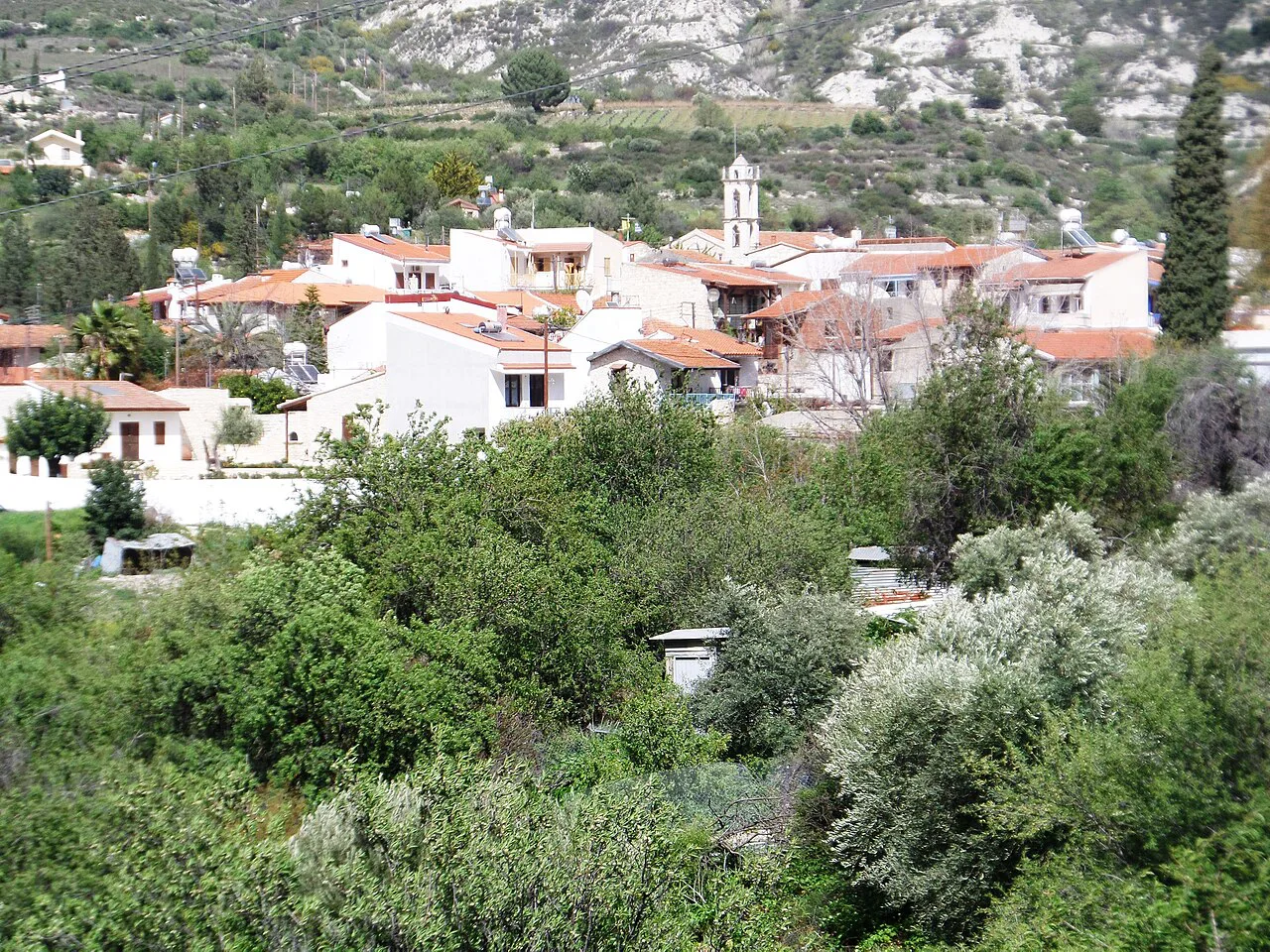
Lania lies in the mountains of the Limassol district, surrounded by vineyards, at an altitude of 575 metres and roughly half an hour from Limassol city. That height takes the edge off coastal heat without putting you on the high Troodos plateau, which is why the village works as a short excursion rather than a full mountain expedition. The road climbs steadily, so allow for slower driving on the bends rather than treating the 30 minutes as motorway time.
The village has a long history: it was probably first settled around 1600 BC, when it served the transport of copper from the Troodos mines, and vessels and other objects have been found in various parts of the village. That background explains why the place feels older than its size suggests. If you are stringing together several mountain stops, Lania pairs naturally with wine-country villages such as [Omodos](/omodos), which sits further west in the same foothill belt.
How the village is laid out: alleys, courtyards and the stream
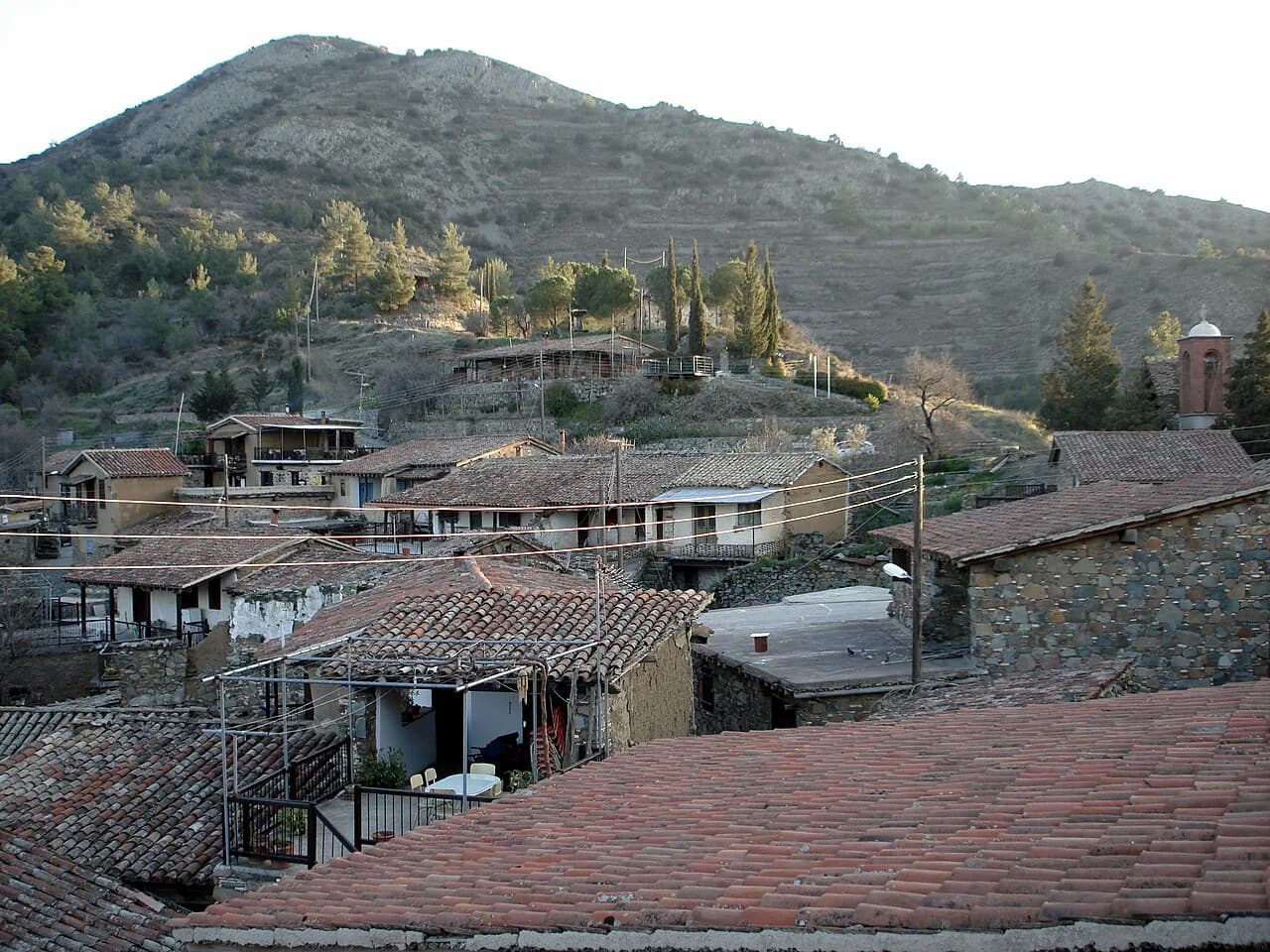
The centre is a knot of narrow alleys, colourful wooden doors and courtyards, and dozens of photographs of daily village life from the early 20th century are displayed along the walks. The effect is something like a village-sized photo album, and it makes a slow wander more rewarding than a quick circuit of the square. Wear shoes with grip, since the lanes are uneven and stepped in places.
A stream runs through the village, and a peaceful park has been built around it, with short strolls and shade that make a refreshing stop in summer. Two fountains mark the water supply that keeps the surroundings green: one at the village entrance and one by the stream near the large plane tree. Start at the entrance fountain and work downhill through the lanes, then loop back along the stream so you finish where you parked.
The traditional home, olive press, winery and shoemaker's workshop
Four small heritage displays anchor the village's indoor sightseeing. The traditional home has been restored, furnished and equipped with items an ordinary household used in previous centuries; the olive press shows where farmers brought their olives to extract the year's oil; the old winery holds the enormous jars used to store wine and a large grape press; and the shoemaker's workshop preserves a craftsman's tools as a tribute to the village's old trades.
Treat these as small, locally run displays rather than a single ticketed museum with fixed hours, and plan your day so the lanes, chapels and oak tree still fill the visit if a door happens to be shut. Visitors describe several small museums, some antiquities and art galleries in a quiet village, which matches the scale you should expect. Ask in the village about access on the day rather than building an itinerary around a guaranteed opening.
Artists' galleries and workshops in the village
Lania has drawn artists from Cyprus and abroad for decades and has been home to galleries and workshops, many of them open to the public. That living presence separates it from villages that preserve craft only behind glass: you may find a working studio between two chapels. Build in time to look rather than treating the galleries as a footnote to the museums.
The churches and chapels: Panayia Eleousa, Agios Georgios, Agia Marina and the Virgin of Valanas
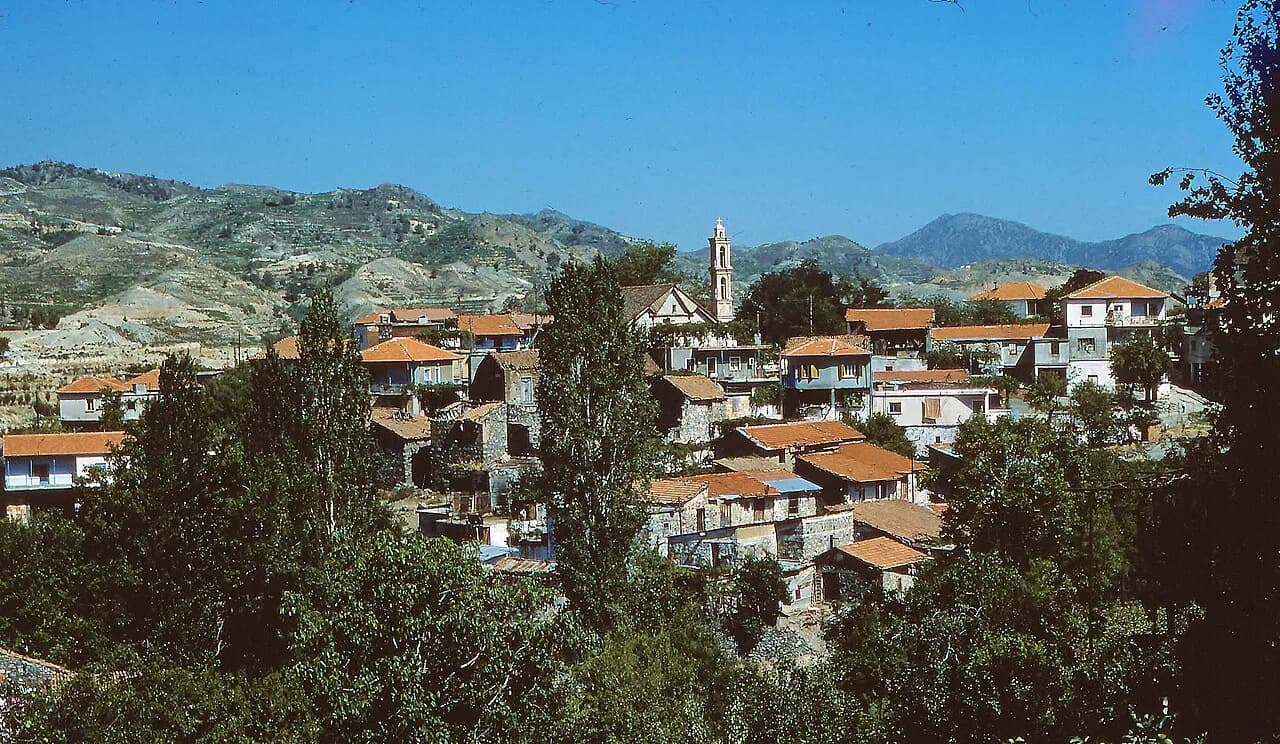
The parish church, Panayia Eleousa, is estimated to have been built after the 1650s, when residents who had fled the village returned. The Chapel of Saint George is one of the oldest chapels in the village, and its siting points to a long-standing community in the area; the Chapel of Saint Marina is more recent and stands among the vineyards that once formed part of a local fief. The old and new chapels of the Virgin of Valanas complete the set, the new one greeting visitors near the picnic area.
These are working village chapels rather than staffed monuments, so visit them as part of a walk and dress respectfully. The old Virgin of Valanas chapel was built after the discovery of an icon of the Virgin Mary, which is the kind of local detail worth knowing before you step inside. If painted churches are the purpose of your trip, the larger decorated examples elsewhere in the Troodos region deserve a separate day.
The protected oak tree near Agios Georgios
Close to the Chapel of Agios Georgios stands a perennial oak, a protected natural monument and the village's best-known single sight. It is a short walk from the centre, and the combination of chapel and tree makes a natural turning point for a loop through the lanes. Photographers should come earlier in the day, when the light through the canopy is softer and the lanes are quieter.
Panagia Valana picnic site and the village park
The Panagia Valana picnic site sits beneath pine trees and has roughly ten wooden benches, enough for families and small groups. With a panoramic view over the village, it turns Lania from a half-hour photo stop into somewhere to spend a lunchtime. The streamside park inside the village does the same job in hotter weather, offering shade and a cool pause between the museums and chapels.
Getting there from Limassol by car
By car, Lania is about 30 minutes from Limassol on climbing roads through vineyards, so allow extra time for bends and for passing through villages. Cyprus drives on the left, and the Republic uses the euro, so bring coins for any small local purchases. Fill up before you leave the city, as fuelling options thin out once you are on the mountain approach.
If you would rather not drive, base yourself in Limassol and treat the village as a half-day run, checking rural bus times locally before you commit. Several other stone villages sit within a similar drive of the city, including [Lofou](/lofou) and [Koilani](/koilani), so a single day can combine two stops without long transfers. Grouping Lania with a second village makes the climb worthwhile even if one museum is closed.
How long to allow and when to go
Allow two to three hours for the village core: the alleys and photo displays, the four heritage displays, a look at the galleries and the chapels, and the oak tree. Add an hour if you use the picnic site or the streamside park. That makes Lania a comfortable half-day from Limassol rather than a full-day destination on its own.
Because the village sits at 575 metres, it is noticeably cooler and breezier than the coast, which makes midday walking more pleasant than in Limassol in high summer. Spring and autumn give the best balance of comfortable temperatures and green surrounding vineyards. Winter visitors should expect quiet lanes and should not count on every small display being open.
What it costs and what to check before setting out
Walking the lanes, seeing the chapels from outside and visiting the oak tree need no ticket, and the village as a whole is open to explore on foot. The small heritage displays and galleries are separate, locally run places, so ask about any charge on the day rather than budgeting a fixed sum. Carry euros in cash for small purchases, since card machines are not a given in mountain villages.
Before setting out, confirm access to the individual museums and galleries, since these are not a single site with one timetable. A quick phone call or a question in the village on arrival is more reliable than any listing. If you are combining Lania with a longer Troodos circuit, browse the wider [Troodos attractions](/attractions/troodos) to judge which stops justify the driving.
Is Lania worth the climb from Limassol?
Yes, if you want an easy half-day in the foothills rather than a full mountain day. The mix of narrow lanes, four small heritage displays, working galleries, several chapels and a protected oak gives the village more substance than its size suggests, and the picnic site justifies staying for lunch.
Pair it with one other stone village on the same loop, keep your expectations modest about opening hours, and you have a relaxed drive of about 30 minutes each way from the city. For a longer wine-country day, [Omodos](/omodos) makes the more obvious anchor.
Explore more Troodos guides
Frequently Asked Questions
Is Lania the same place as Laneia?
Yes. Most residents spell the village Lania, but official documents use Laneia, so both appear on signs and maps. Search either spelling when planning your route.
Do you need a car to visit Lania?
A car is the simplest way, since the village is about 30 minutes from Limassol on climbing roads and rural bus services are limited. Drivers should remember that Cyprus drives on the left and the Republic uses the euro.
Sources
Notes for your Cyprus trip
Optional updates to our Cyprus guides.
You might also like
Continue reading
More guides you'll find useful