Koilani, Troodos: A Practical Guide to the Village
Use Koilani as a quiet hour or two in the Troodos hills of Limassol district, with its old centre, Panagia Eleousa church and village mosque.
On this page
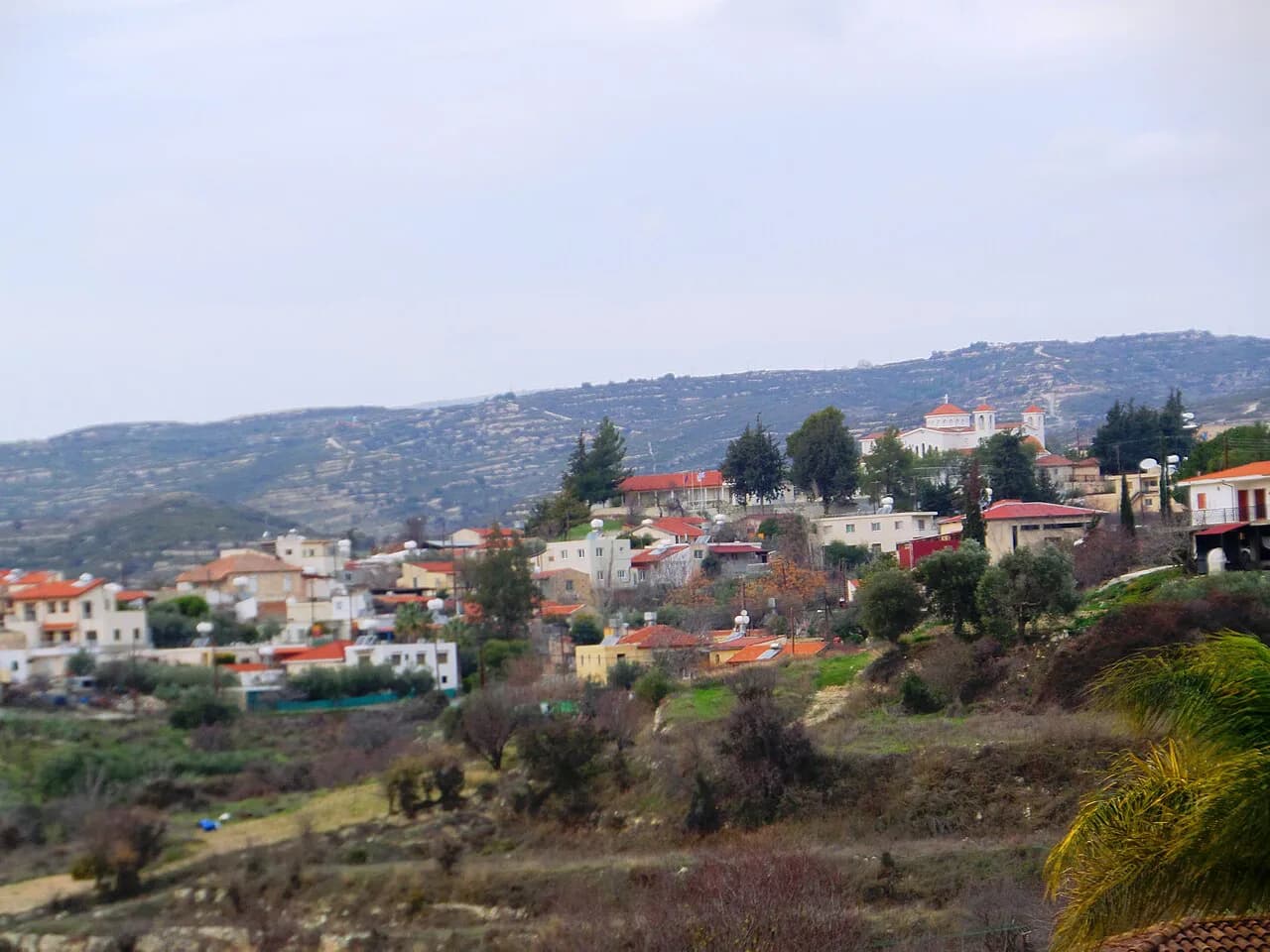
Koilani is worth an hour or two, not a day. It is a small village in the Limassol district of the Troodos, about 35 km from Limassol, with an old centre that stacks a church, a mosque and stone lanes into a short, steep wander. This guide covers how the village is arranged, what to look at, how long to allow, and how the drive and parking work.
Treat it as a quiet stop between larger Troodos villages rather than a destination in its own right. Facilities are limited, the streets are narrow, and the pleasure is in the architecture and the pace rather than in ticking off sights. Pair it with a longer stop elsewhere in the hills.
Where Koilani sits
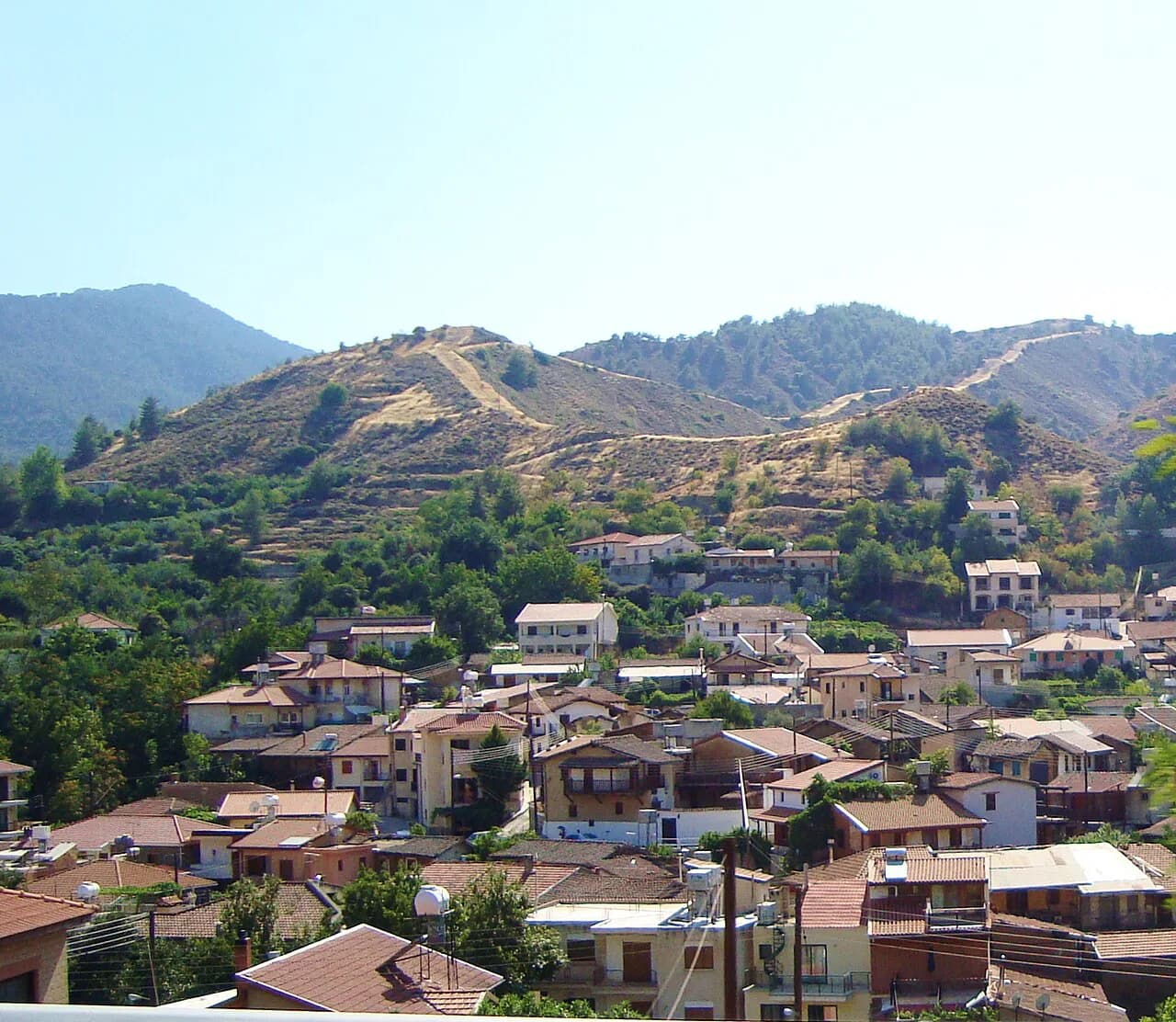
Koilani lies in the Troodos hills within the Limassol district, roughly 35 km from Limassol. That puts it within easy reach of a half-day loop from the coast, and within striking distance of the higher mountain villages. The approach climbs, so the last stretch is slower than the distance suggests.
The village is one of several small settlements scattered across this part of the hills, and it makes most sense as one stop on a driving route rather than a base. Villages such as Lofou and Omodos sit in the same general orbit and take longer to explore.
How the village is laid out
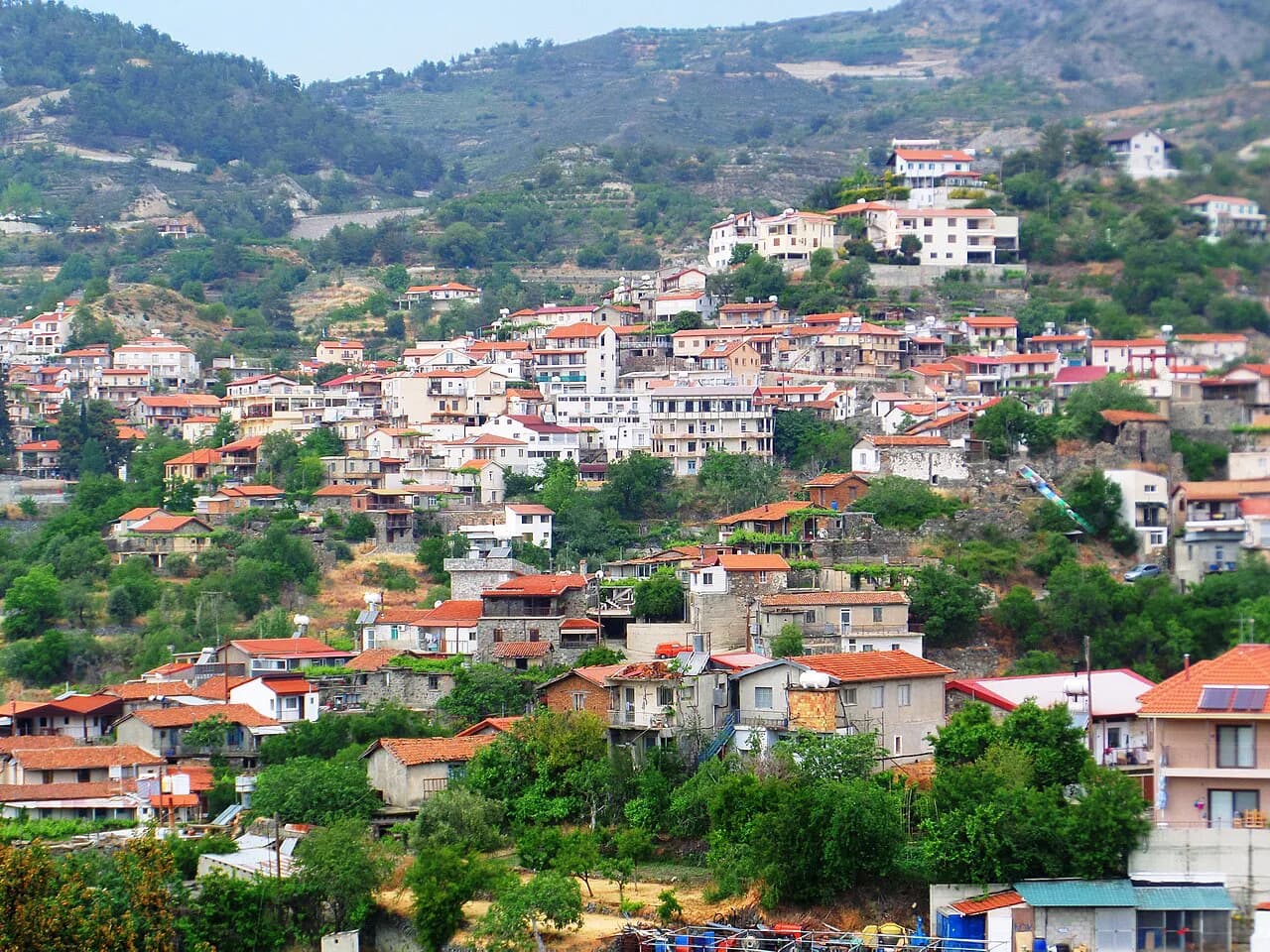
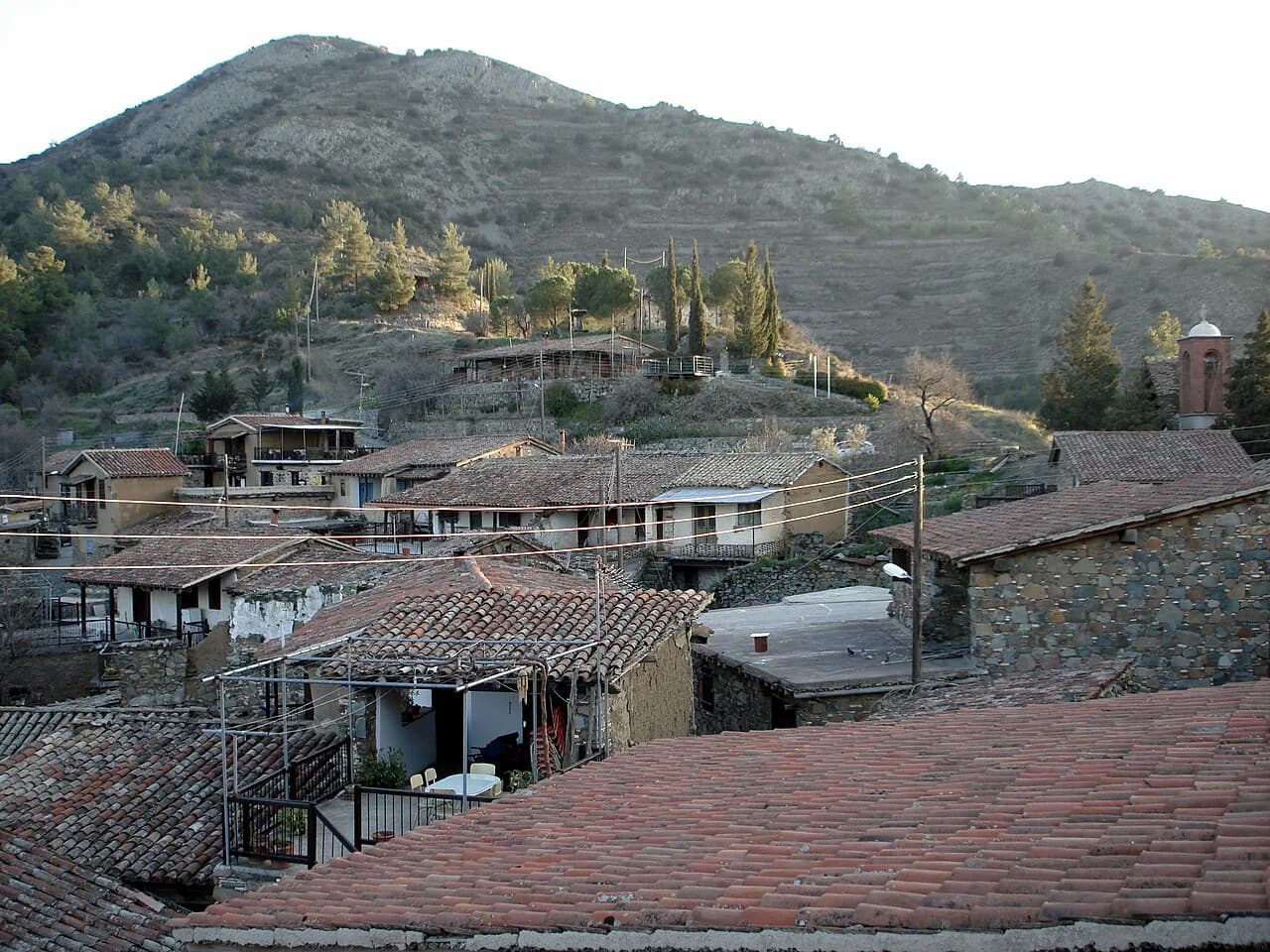
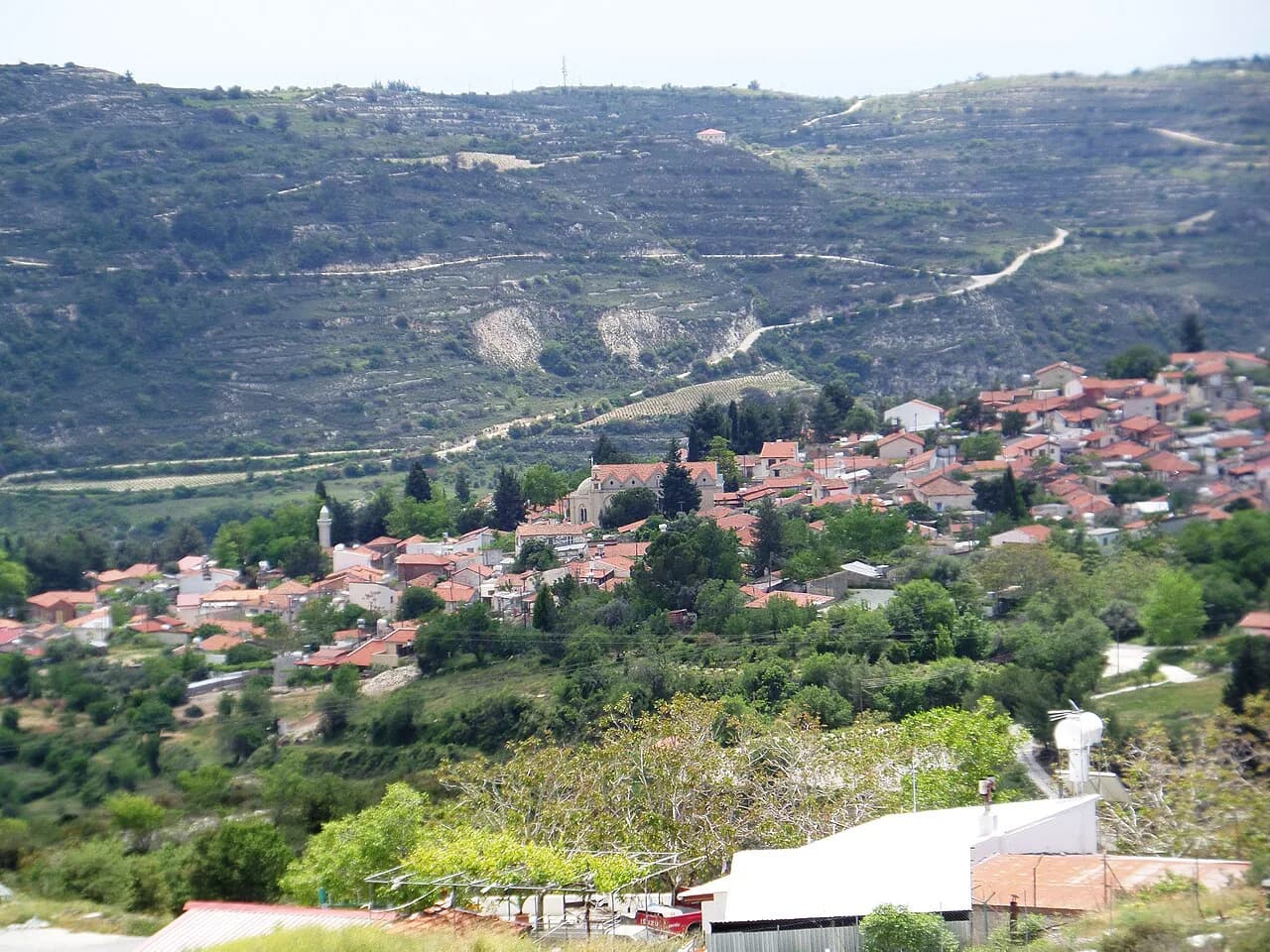
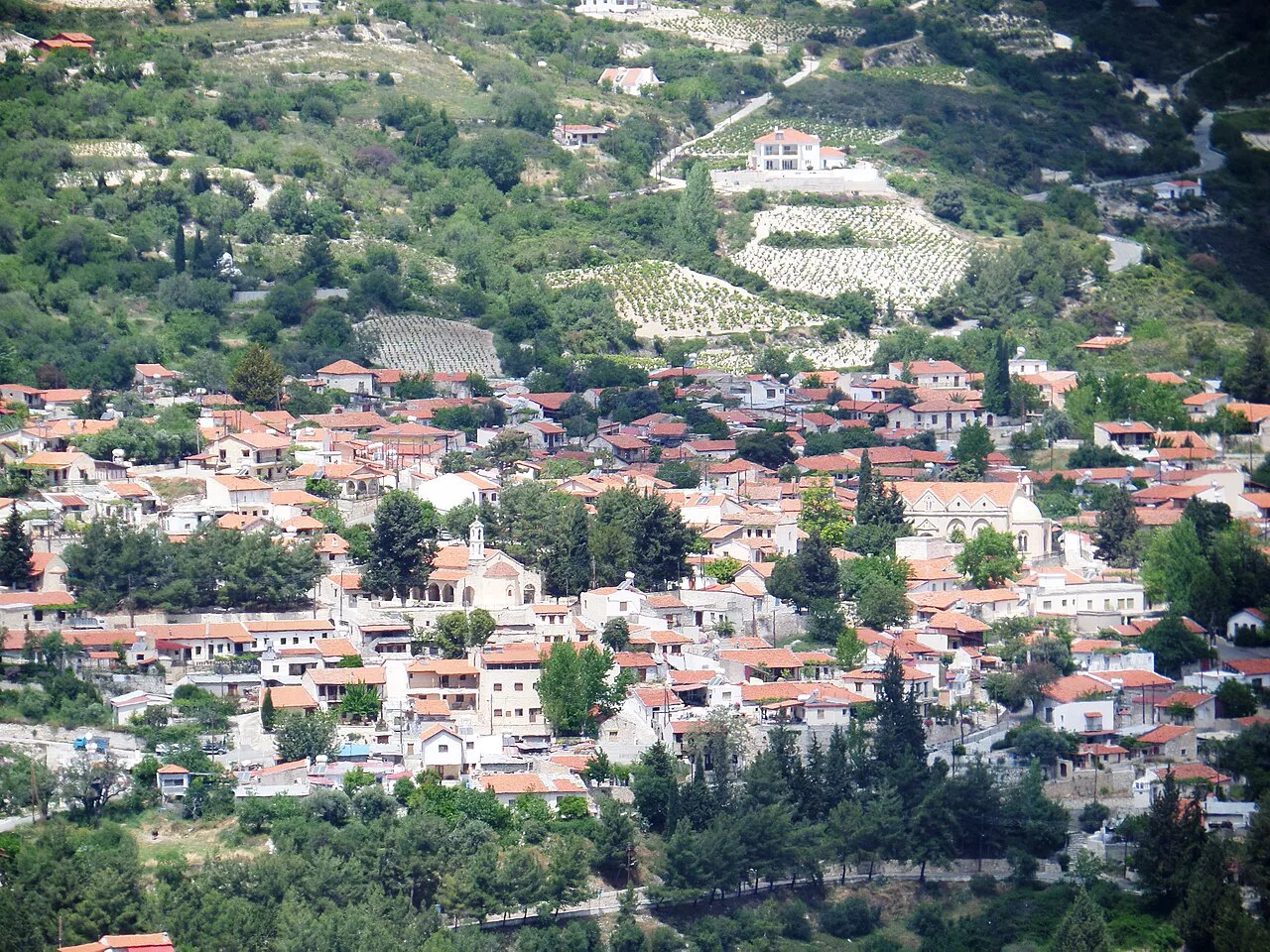
The village reads vertically. The mosque of Koilani is one of the oldest in the Limassol district and sits centrally in the old village centre below the Panagia Eleousa church, so you walk up to the church and down to the mosque rather than covering them on the flat.
The plaza is the natural pause in the middle of a wander, with coffee shops under vines where you can sit with a traditional Cyprus coffee. That is the extent of the commercial centre: this is not a village of boutiques and galleries. Plan your stop around the streets and the two places of worship.
Because the centre is compact, you can see the main pieces without a map. Start at the plaza, walk up to the church, then come back down through the old lanes to the mosque.
Panagia Eleousa church and the village mosque
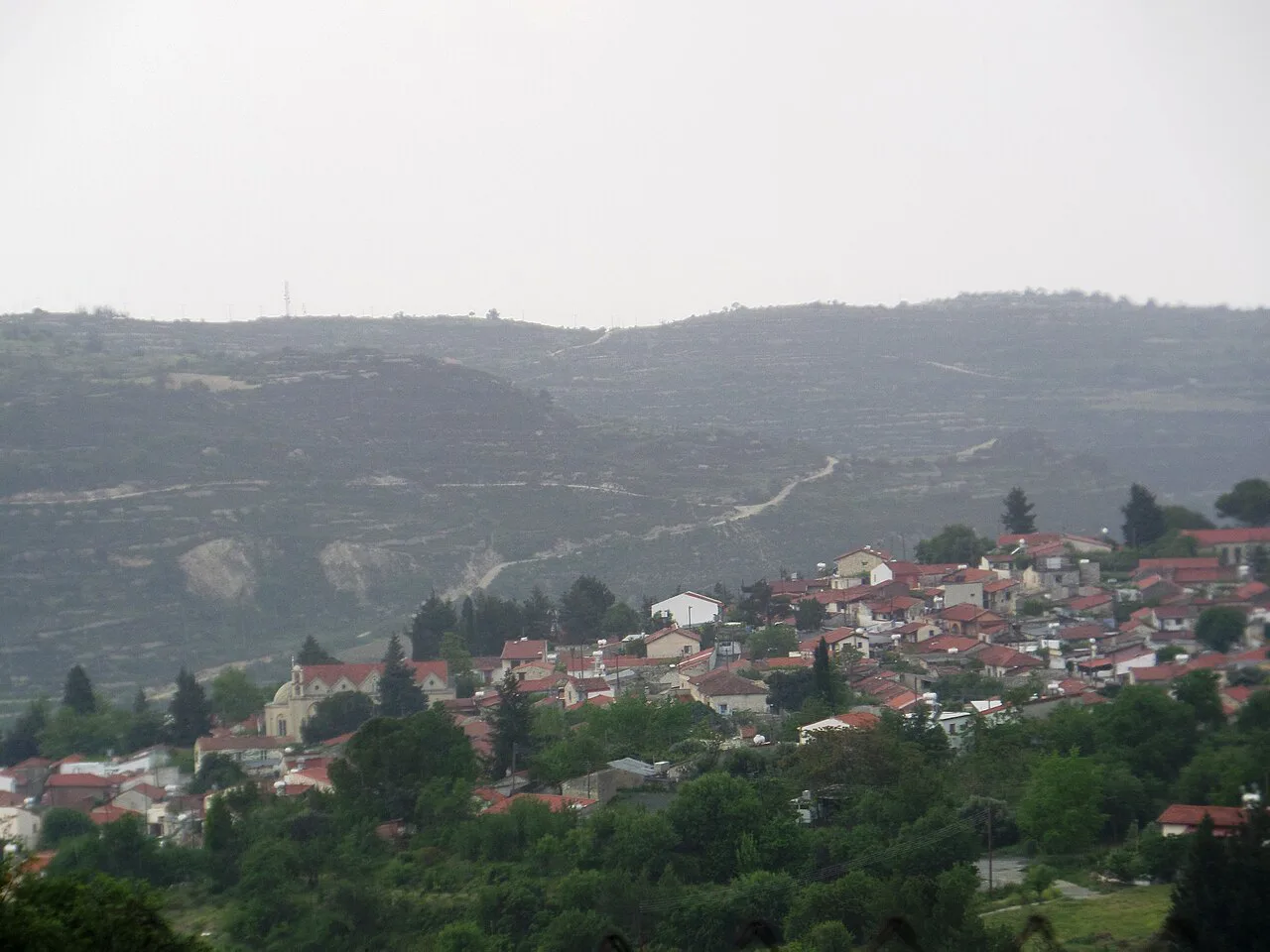
Panagia Eleousa is the landmark above the old centre, and the mosque below it gives Koilani an unusual pairing for a Troodos village. Both are part of the built fabric rather than formal visitor attractions, so approach them as you would any working village church or mosque: quietly, and without expecting a ticket desk.
Opening arrangements for village churches in Cyprus change with the season and with local custom, and Koilani publishes nothing fixed. If seeing inside matters to you, ask locally on arrival rather than building the day around it.
Stone houses and village streets
The appeal here is the vernacular architecture: stone walls, wooden balconies and lanes that turn with the slope. Walk slowly and look up at the upper storeys, which is where the best detail usually sits. An hour of wandering covers the centre comfortably.
If folk architecture is your reason for coming, the wider region has more formal versions of the same thing. Fikardou, a deserted village declared an ancient monument, preserves 18th-century houses with remarkable woodwork, and its restoration earned the village the Europa Nostra Award in 1987. Two of its houses are museums; they are free to enter, closed on Mondays and public holidays, and their hours shift between the April–October and November–April seasons.
How long Koilani needs
Give Koilani an hour or two. That covers the plaza, the climb to Panagia Eleousa, the mosque and a loop of the old lanes, with time for a coffee. It is not a half-day in itself unless you are using it as a base for the surrounding hills.
If you want a fuller day, build a route around two or three villages with different characters. A stretch of the Solea Valley or the painted churches of the Troodos region fills the time far better than stretching Koilani.
The painted churches are the strongest cultural draw in these hills, and several are UNESCO-listed. Timios Stavros tou Agiasmati, about 3 km outside Platanistasa, is a 15th-century church with the most complete cycles of late 15th-century mural painting on the island, free to enter and open by appointment only. Panagia tou Araka between Lagoudera and Saranti is a 12th-century church with frescoes by Theodoros Apsevdis, free, with fixed daily hours that lengthen slightly in summer; both close on public holidays.
Getting there by car
The practical way to reach Koilani is by car from Limassol, following the mountain roads into the hills. Cyprus drives on the left, as in the UK and Ireland, so the main adjustment for British drivers is the narrowness of village lanes and the gradients rather than the side of the road.
Expect slow going on the final approach: the roads tighten as they climb, and passing places and blind bends demand patience. Fuel up before leaving the main road, because a village of this size has limited services. Parking in the centre is a matter of finding space along the lanes rather than a designated car park.
If you are touring several villages in one day, keep the driving legs short and the stops generous. A route that pairs Koilani with Lofou or Omodos reads better than one that tries to cross the whole range.
Arriving by bus
Bus coverage in the smaller Troodos villages is thin, and services are geared to school and market needs rather than sightseeing. Check the current intercity and local schedules with the operator before planning a day around a bus, and expect few options on Sundays.
If you are relying on public transport, choose a village with a stronger service as your base and treat Koilani as a stop only if the timetables genuinely allow it. Otherwise, a car or a booked taxi from Limassol is the realistic option.
When to go
Spring and autumn are the comfortable seasons in the Troodos hills, and they suit a village where most of the visit happens outdoors. Summer afternoons can be hot even at this altitude, so walk the centre in the morning and keep the car air-conditioned for the drive between stops.
Winter brings cold and rain to the hills, and some village facilities wind down; a clear winter day is still rewarding, but build in flexibility. Koilani is a mountain village, not a resort, so match your expectations to the season.
What Koilani is not
Koilani is not a village of set-piece attractions with published opening hours and ticket prices. It has no formal visitor centre, and the church does not run to a fixed public timetable. Come for the streets, the plaza and the two buildings in the old centre.
Nearby you can find the more curated version of Troodos heritage if you want it. Panagia Podithou in Galata, one of four painted churches in that village, is UNESCO-listed and built in 1502, with Italo-Byzantine frescoes. Entry is free, it is open Tuesday to Saturday 09:00–16:00 and Sunday 11:00–16:00, and the site has accessible toilets and a ramp.
Practical points
The Republic of Cyprus uses the euro, so bring cash in small notes for coffee and any small purchases. There are few facilities in the village, so carry water and do not arrive expecting a full range of shops.
Distances and driving times on mountain roads vary with the route and the traffic, so allow more than a map suggests between stops. If you are continuing across the island, the villages of the Solea Valley and the Kakopetria area make a natural next leg.
Should Koilani be on your Troodos route?
Yes, if you want a quiet hour in a working mountain village with a church above and a mosque below, and no pressure to do more than walk and drink a coffee. No, if you are looking for a half-day of sights, published opening hours or a full-service village centre.
Build it into a driving loop with one or two larger Troodos stops, arrive in the morning, and park where the lanes allow. If you are coming from Limassol for the day, Omodos and Lofou give the fuller village experience alongside it.
Explore more Troodos guides
Frequently Asked Questions
Is Koilani worth visiting?
For an hour or two, yes. The old centre stacks Panagia Eleousa church above the village mosque, with stone lanes and a small plaza between them. It suits travellers already touring the Troodos hills by car, not a dedicated journey from the coast.
How far is Koilani from Limassol?
It is roughly 35 km from Limassol, in the Troodos hills of the Limassol district. The climb makes the drive slower than the distance implies, so allow more time than a straight-road estimate.
What is there to see in Koilani?
The old centre, the plaza with its shaded coffee shops, Panagia Eleousa church and the mosque below it, plus the stone houses and lanes. There are no ticketed attractions, so the visit is about the village itself.
Sources
Notes for your Cyprus trip
Optional updates to our Cyprus guides.
You might also like
Continue reading
More guides you'll find useful