Troodos Villages: Which to Visit and How to Link Them
Troodos villages worth your day: Lefkara, Omodos, Platres, Pedoulas and Kalopanayiotis, what each is known for and how to string them together by car.
On this page
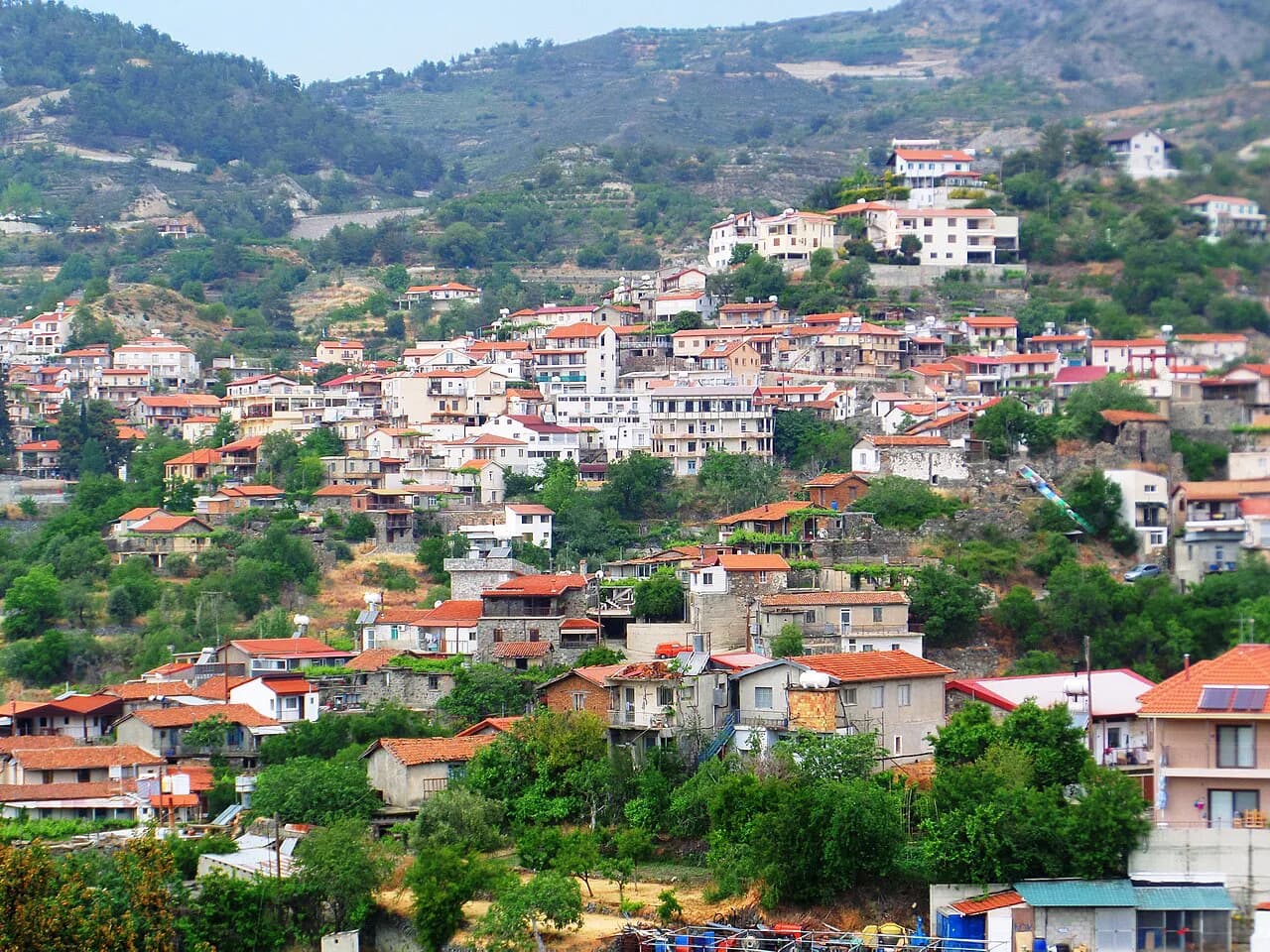
Five Troodos villages justify a day of your trip: Pano and Kato Lefkara in the southern foothills, Omodos on the road up from Limassol, Platres as a mountain base, and Pedoulas in the Marathasa valley on the northern flanks. Group them by the road that links them and you can drive a sensible loop rather than zigzagging across the range. This guide covers what each village is known for, how to string them together by car, how long to allow and when the mountains make more sense than the coast.
The Troodos range fills the western half of Cyprus, with Mount Olympus as its high point and Troodos Square as the main stop-off near the summit. Villages sit at very different altitudes, from Lefkara's ridge to Pedoulas at 1,200 metres, so the climate and the driving change as you climb. Roads are winding and slow; distances that look short on a map take longer than you expect. For the full picture of villages, painted churches and how to plan a day, see the wider guide to the Troodos Mountains.
What the Troodos villages are and where they sit
The Troodos villages fall into loose groups along the roads that climb from the coast. In the south, Pano and Kato Lefkara sit on a ridge above the Nicosia–Limassol road, reached from Larnaca Airport in about 40 minutes and 38.5 km by car. Omodos is further west, reached from Limassol, while Platres lies higher up on the road towards Troodos. Over the top, Pedoulas occupies the northern flanks in the Marathasa valley.
That geography shapes any itinerary. A southern loop of Lefkara, Omodos and Platres works as a day from Limassol or Larnaca, while Pedoulas and the Marathasa valley fit better from Nicosia or as a north–south crossing. Trying to do both sides in one day means a lot of time in the car on slow mountain roads, so pick a side unless you are staying overnight. If you want more detail on the ranges and roads behind these choices, the Troodos Mountains guide is the place to start.
Lefkara (Pano and Kato): lace, silver filigree and cobbled lanes
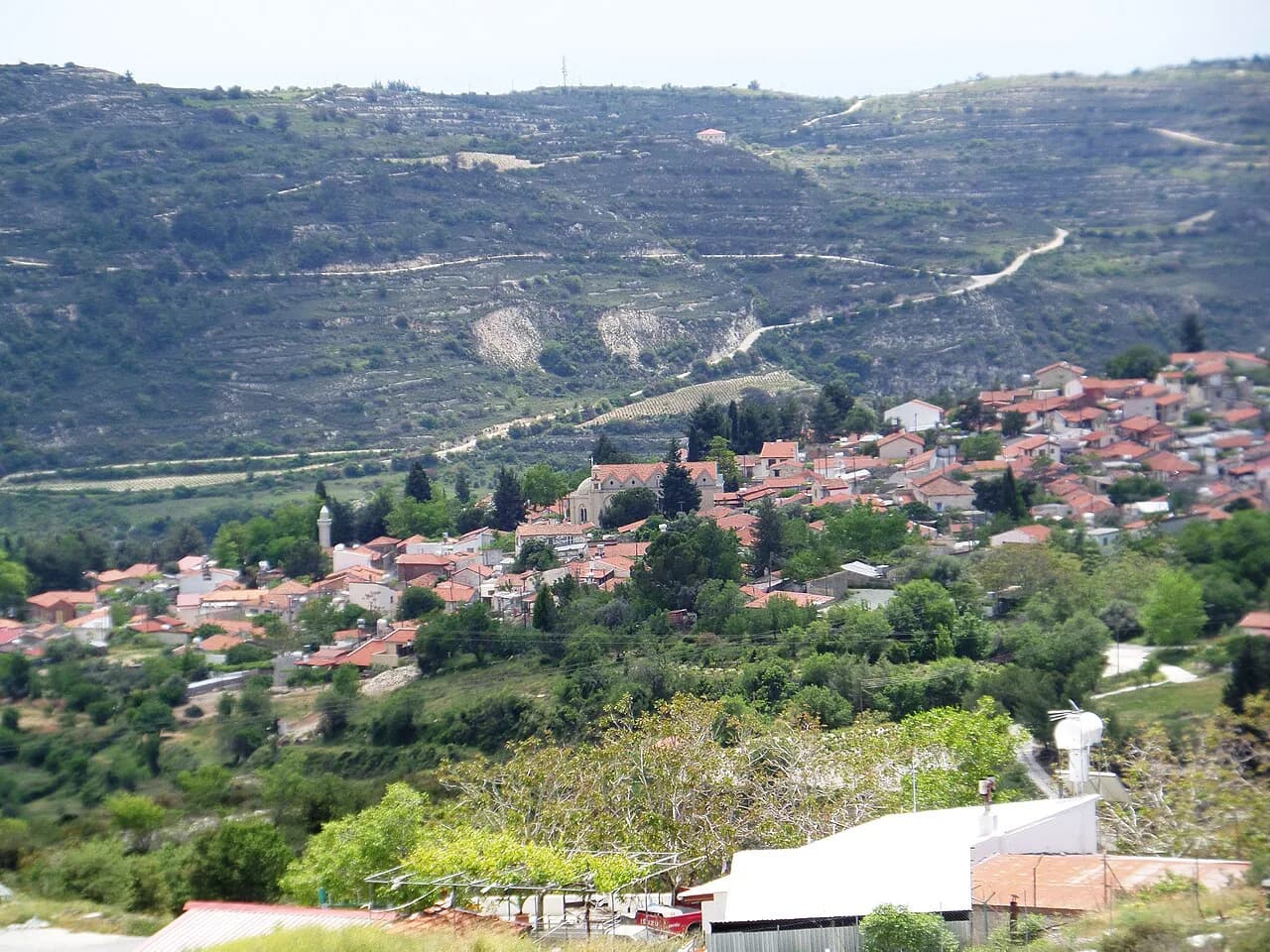
Pano Lefkara is the higher of the two villages, a cluster of cobbled, narrow streets and traditional buildings dating from the 16th to 19th centuries, perched on a ridge in the southern foothills. Kato Lefkara sits lower down and is quieter. The village is known for its Lefkaritika lace and handmade silver filigree, and both settlements have medieval churches, with chapels scattered through the surrounding countryside.
Lefkara is the easiest Troodos village to reach from Larnaca, which makes it a natural first stop of a mountain day. The trade-off is altitude: it is lower than Platres or Pedoulas, so it is warmer in high summer. Allow two hours to walk the lanes, look at the lace workshops and see the churches, then drive on towards Omodos or back down to the coast. If you are weighing this ridge-top stop against the higher villages, the Troodos Mountains guide sets out the full range and how to plan a day.
Omodos: Timios Stavros Monastery and the village centre
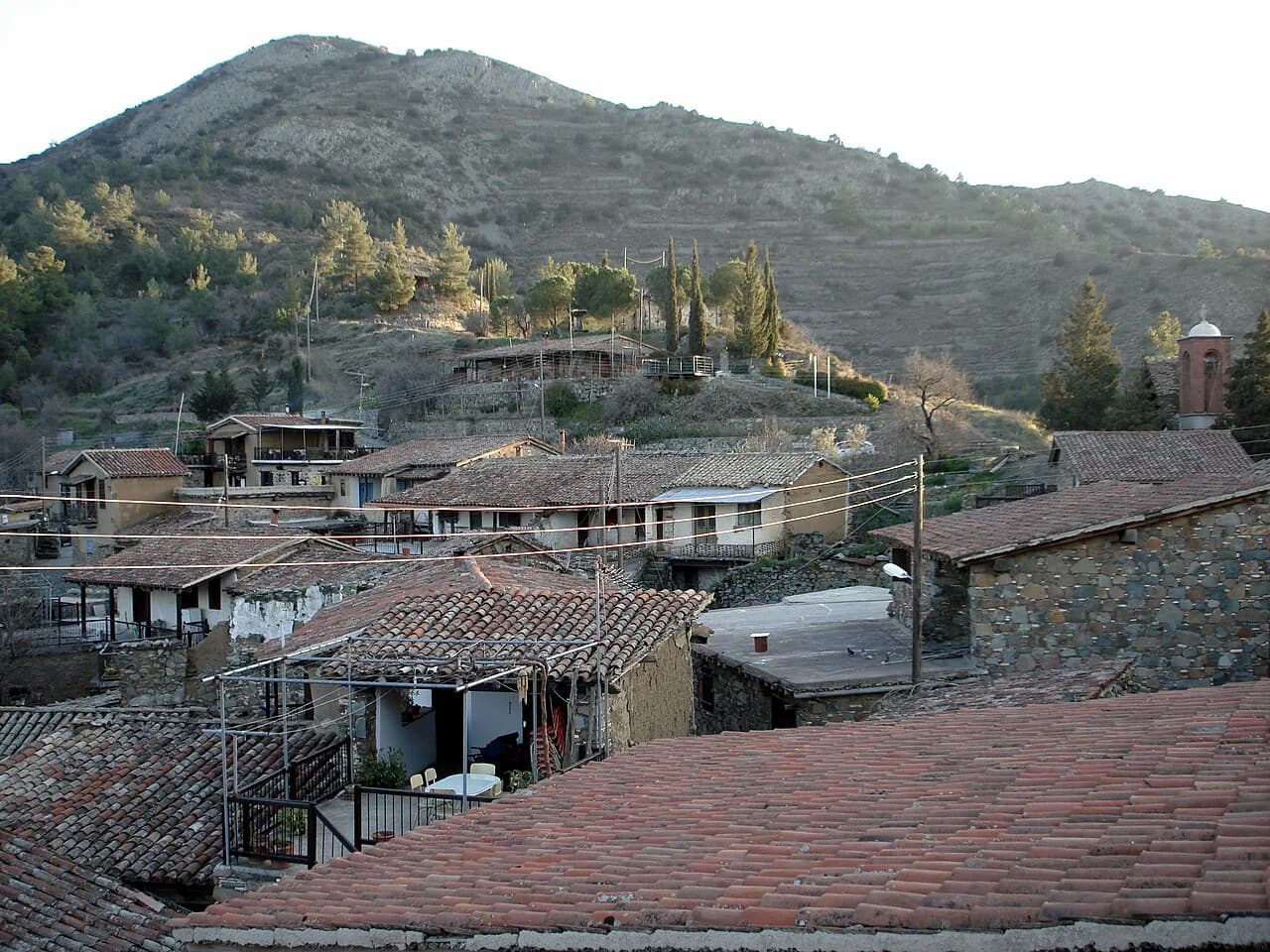
Omodos sits on the climb from the coast into the mountains and is best known for the Timios Stavros Monastery in the heart of the village. The centre is a compact knot of craft shops and lanes, and it is the most visited of the southern Troodos villages, so mornings are calmer than afternoons. Our Omodos: A Practical Guide to the Troodos Wine Village covers the monastery, the layout and how long the village needs in detail.
Omodos works as a natural pairing with Lefkara on a southern loop, with Platres beyond it for those continuing higher. If you are coming from Limassol, it is the first mountain village you meet on the main climb, which makes it a sensible coffee stop before the winding road to Platres.
Platres: the southern base below Troodos
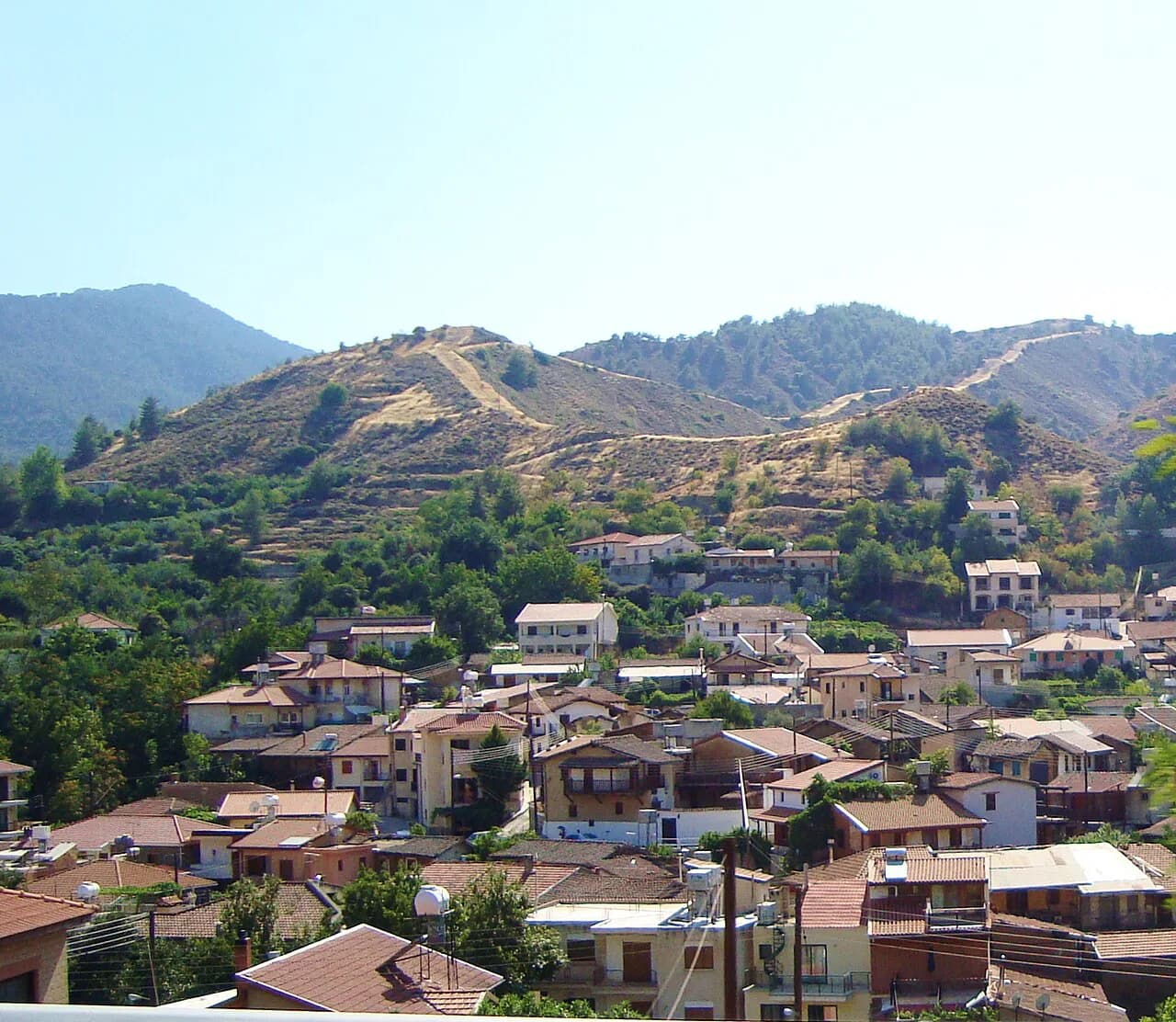
Platres sits low on the road up to Troodos Square and makes a practical base for the higher mountains, with cooler air than Lefkara or Omodos. Platres: A Guide to the Troodos Hill Village covers the layout, the walks from the village and where to park.
From Lefkara, the drive to Platres drops to the coast road near Ypsonas and then climbs back into the mountains, or takes slower small mountain roads across the range. Treat Platres as the transition point between the lower, warmer villages and the high pine forest around Troodos Square. Allow half a day here if you want to walk, or an hour for a look around on the way up.
Pedoulas: the Marathasa valley village and its churches
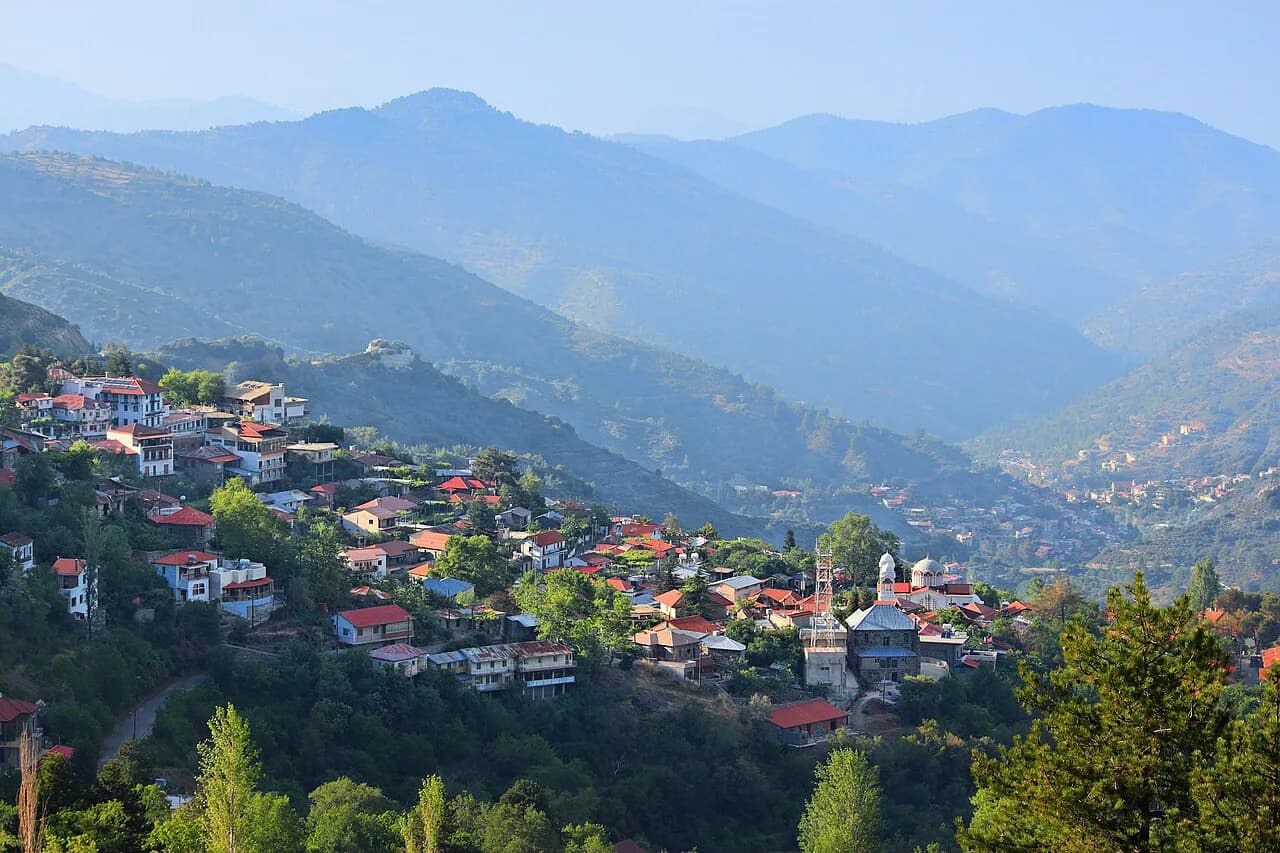
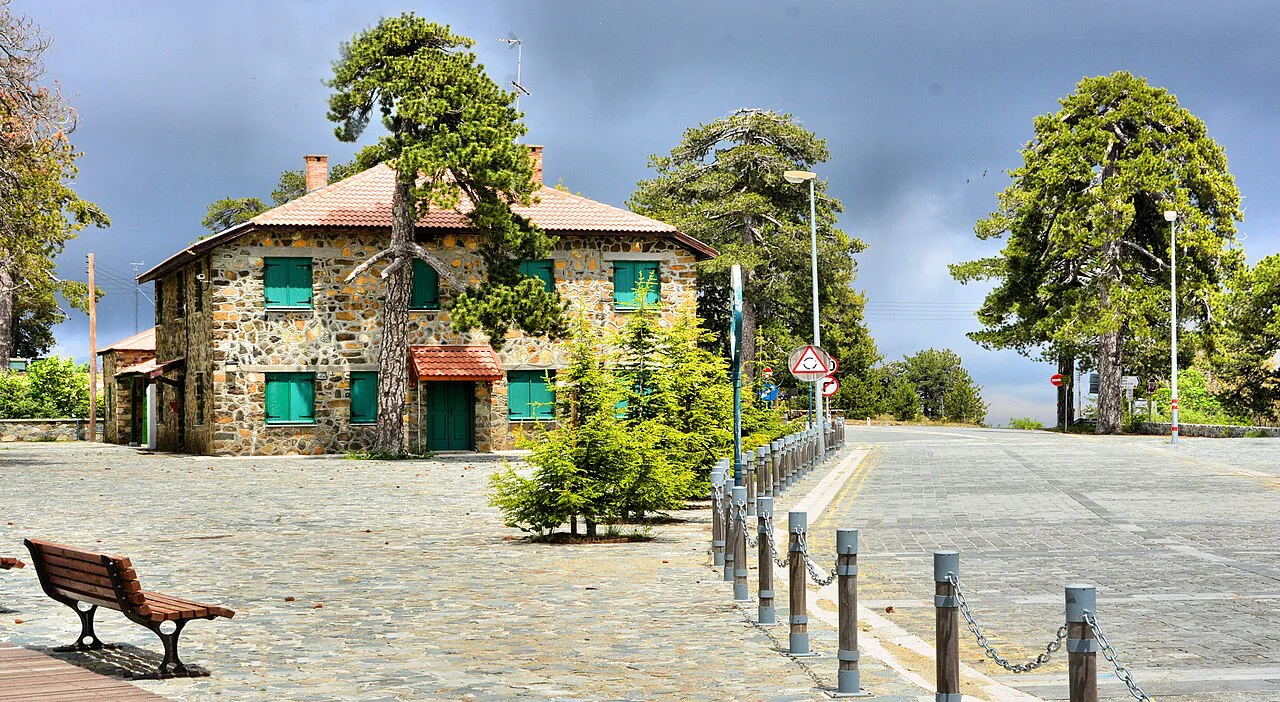
Pedoulas sits on the northern flanks of the Troodos range at 1,200 metres, the loftiest village of the Marathasa valley, with a history that reaches back to the Byzantine period. Its highlight for visitors is the church of Archangelos Michael, which dates to 1474. The village also has a Folkloric Museum and a Byzantine Museum opposite the church of the Archangelos, housing icons gathered from the village chapels.
The church of the Holy Cross, Timios Stavros, dates to 1935 and holds a cross with gold-plated faces depicting the Nativity and the Crucifixion, with relics inside. Pedoulas is a northern-side village, so reach it from Nicosia or via the Marathasa valley road rather than from Lefkara. Its altitude makes it noticeably cooler than the southern villages, even in mid-summer.
Troodos Square: the high-mountain stop-off
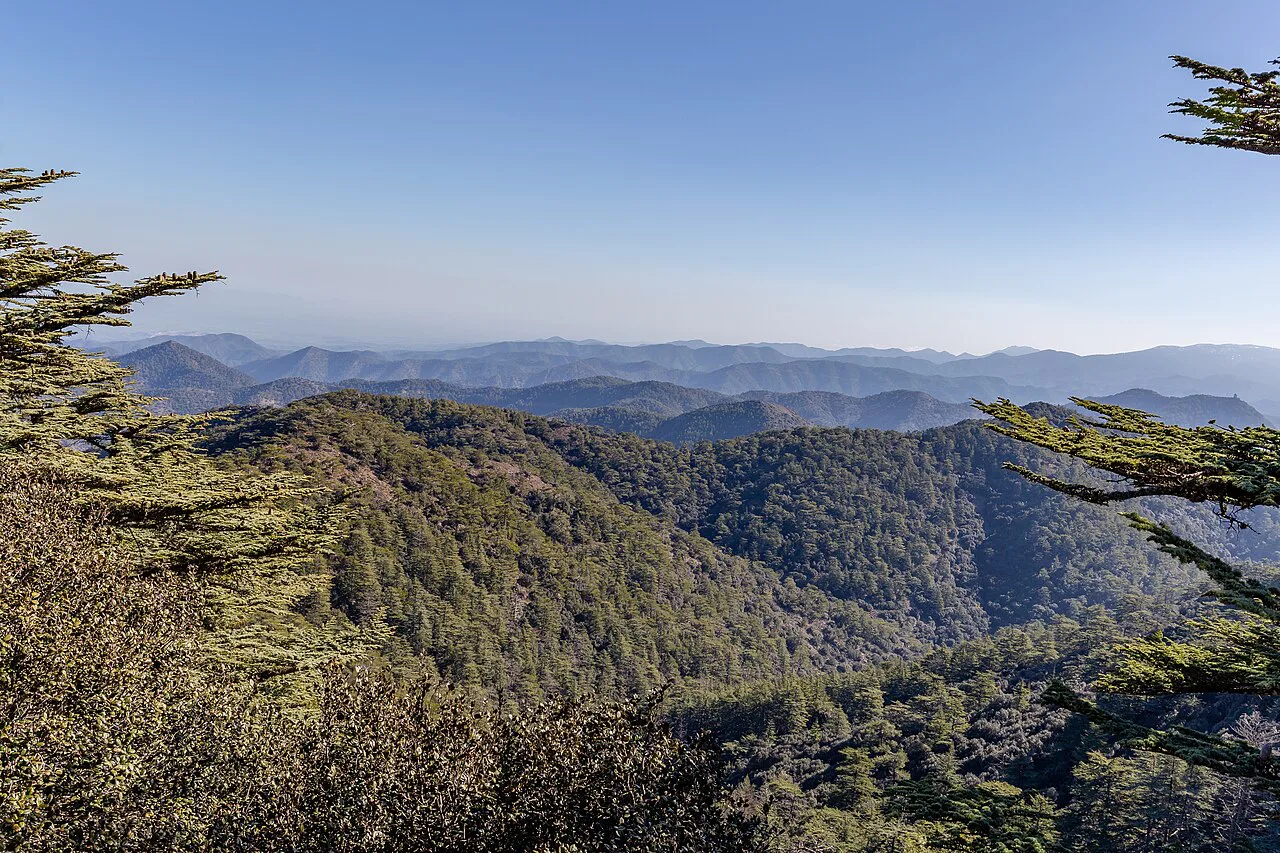
Troodos Square is not a village but the practical stop near the summit, surrounded by pinewoods and known for its stalls selling traditional products. It is the natural coffee break on a drive up from Platres and the starting point for the highest part of the range. Troodos Square and Mount Olympus are covered in more detail in the wider guide to the Troodos mountains.
Beyond the square, the road continues to Kykkos Monastery and Throni tis Panagias, the latter with wide views and the tomb of Archbishop Makarios III. Modest dress is required at Kykkos and monastery churches, with shoulders and legs down to the knees covered. That is a planning constraint, not a tip: pack a light layer for monastery stops even in August.
Linking the villages by car: routes and driving times
The cleanest southern loop runs Larnaca or Limassol to Lefkara, then Omodos, then Platres and up to Troodos Square. Arriving at Lefkara from Larnaca Airport takes about 40 minutes and 38.5 km, and the drive from Lefkara to Platres drops to the coastal road near Ypsonas before climbing again, or takes longer small mountain roads. Allow a full day for that loop with stops, and do not attempt to add Pedoulas in the same day; for the full picture of villages, painted churches and how to plan the day, see the wider guide to the Troodos Mountains.
For the northern side, reach Pedoulas from Nicosia or through the Marathasa valley, and pair it with the village guides for Lofou, Koilani and Vouni if you have a second day. Small guided tours also run from Limassol to Troodos, Kykkos and Omodos in a single day, which suits travellers who would rather not drive the mountain roads themselves. These tours price per person with lunch extra, and the operator will confirm availability and pick-up times.
How long you need and whether to base yourself in the mountains
One day is enough for Lefkara and Omodos with a stop at Platres on the way up, but not for Pedoulas or Kykkos as well. Two days lets you cover the southern loop and the northern Marathasa valley, and three days allows time in Platres or Kalopanayiotis without rushing. The mountain roads are slow, so plan on fewer stops than the map suggests.
Basing yourself in the mountains makes sense if you want early starts and cooler evenings, and Platres, Pedoulas and Kalopanayiotis are the natural bases on the southern and northern sides respectively. Staying on the coast and driving up for the day is cheaper and simpler, but adds an hour or more each way. The Setrachos valley around Kalopanayiotis is a good option for a quieter second night.
When to go: summer heat and mountain cool
From June to September the coast bakes, and the Troodos villages offer a genuine temperature drop as you climb, which matches the long tradition of Cypriots moving to the mountains for the summer. Pedoulas at 1,200 metres is the coolest of the villages covered here. Lefkara and Omodos are lower and warmer, so start early and save the higher villages for the middle of a hot day.
Spring and autumn are generally the most comfortable months for mountain driving and walking, with milder temperatures and more daylight. Winter brings cold, wet weather to the higher villages, so check current opening times for churches and museums before setting out.
Practical points: driving on the left, parking and modest dress at monasteries
Cyprus drives on the left, and the mountain roads are narrow with hairpins, so a smaller hire car is easier than a large SUV. Parking in the crowded villages is tightest in the middle of the day, so an early arrival helps. Fill up before you climb into the high mountains rather than relying on finding a station on the way.
Monasteries and painted churches require modest dress, with shoulders and legs covered, and the same applies at Kykkos and at the village churches in Pedoulas. Some of the smaller churches keep limited hours or are opened by arrangement, so a village visit may not include entry to every church. The price of a small-group tour is separate from any church or museum entry fee, so budget for both.
Which villages to skip if you have one day
With one day, choose the southern loop and skip Pedoulas, Kalopanayiotis and Kykkos, all of which need a separate day on the northern side. If you only want one stop, Pano Lefkara gives you the cobbled lanes, lace and churches in an easy drive from Larnaca, while Omodos suits a Limassol start. Platres is best treated as a coffee stop on the way up to Troodos Square rather than a destination on a single-day trip.
If you have a second day, add Pedoulas and the Marathasa valley, or use the time for the village guides to Lofou, Lania and Agros, which sit towards the Limassol side of the range. Agros works as a base for a quieter mountain day, while Lofou and Lania work well on a southern loop.
Kakopetria and the Solea Valley side
Kakopetria, on the northern side of the range in the Solea Valley, is the other village most travellers ask about, and it pairs naturally with Pedoulas rather than with Lefkara. It is the usual base for the painted churches of the region, several of which sit within a short drive of the village. Our Kakopetria guide sets out the old quarter, the riverside lanes and how the village fits a northern loop.
The painted churches scattered through this part of the Troodos region are the reason to slow down on the northern side, and they are a separate draw from the lace and monastery circuit in the south. Hours vary and some are opened by arrangement, so plan fewer church visits than you might list and confirm access locally.
Which day should you give the Troodos villages?
Give the Troodos villages one full day for Lefkara, Omodos and Platres, and a second if you want Pedoulas and the Marathasa valley. Drive on the left, start early, and do not try to cross the range twice in one day. If you would rather not drive, the small-group tour runs from Limassol to Troodos, Kykkos and Omodos with monastery stops and lunch extra.
Explore more Troodos guides
Frequently Asked Questions
Which Troodos villages are best for a first visit?
Pano and Kato Lefkara, Omodos and Platres make a straightforward southern loop from Larnaca or Limassol, with Lefkara the easiest to reach from Larnaca Airport at about 40 minutes and 38.5 km. Pedoulas, in the Marathasa valley on the northern flanks at 1,200 metres, is best kept for a separate day from the north.
What is Pedoulas known for?
Pedoulas is the loftiest village of the Marathasa valley at 1,200 metres, with Byzantine-era origins. Visitors come for the church of Archangelos Michael, dated 1474, the 1935 church of the Holy Cross (Timios Stavros) holding a gold-plated relic cross, and the village's Folkloric and Byzantine museums.
Sources
Notes for your Cyprus trip
Optional updates to our Cyprus guides.
You might also like
Continue reading
More guides you'll find useful