Kakopetria: Troodos Village Guide to the Old Quarter and Painted Church
Plan a visit to Kakopetria in the Troodos Mountains: the old quarter's stone lanes, the river valley and the painted Church of St Nicholas of the Roof.
On this page
Kakopetria is worth half a day to a full day: a stroll through a stone-built old quarter in the Solea Valley, plus a separate visit to the painted Church of St Nicholas of the Roof just outside the village. The two parts of the trip are distinct jobs, one architectural and one Byzantine, and pairing them in a single morning leaves you rushing the frescoes.
This guide covers how the old quarter and the modern village differ, where to leave the car, how the river shapes the walk, and what the UNESCO listing for the church does and does not cover. It also sets out how long architecture lovers and painting lovers should allow, and how Kakopetria fits with the rest of the Troodos villages.
Where Kakopetria sits in the Solea Valley
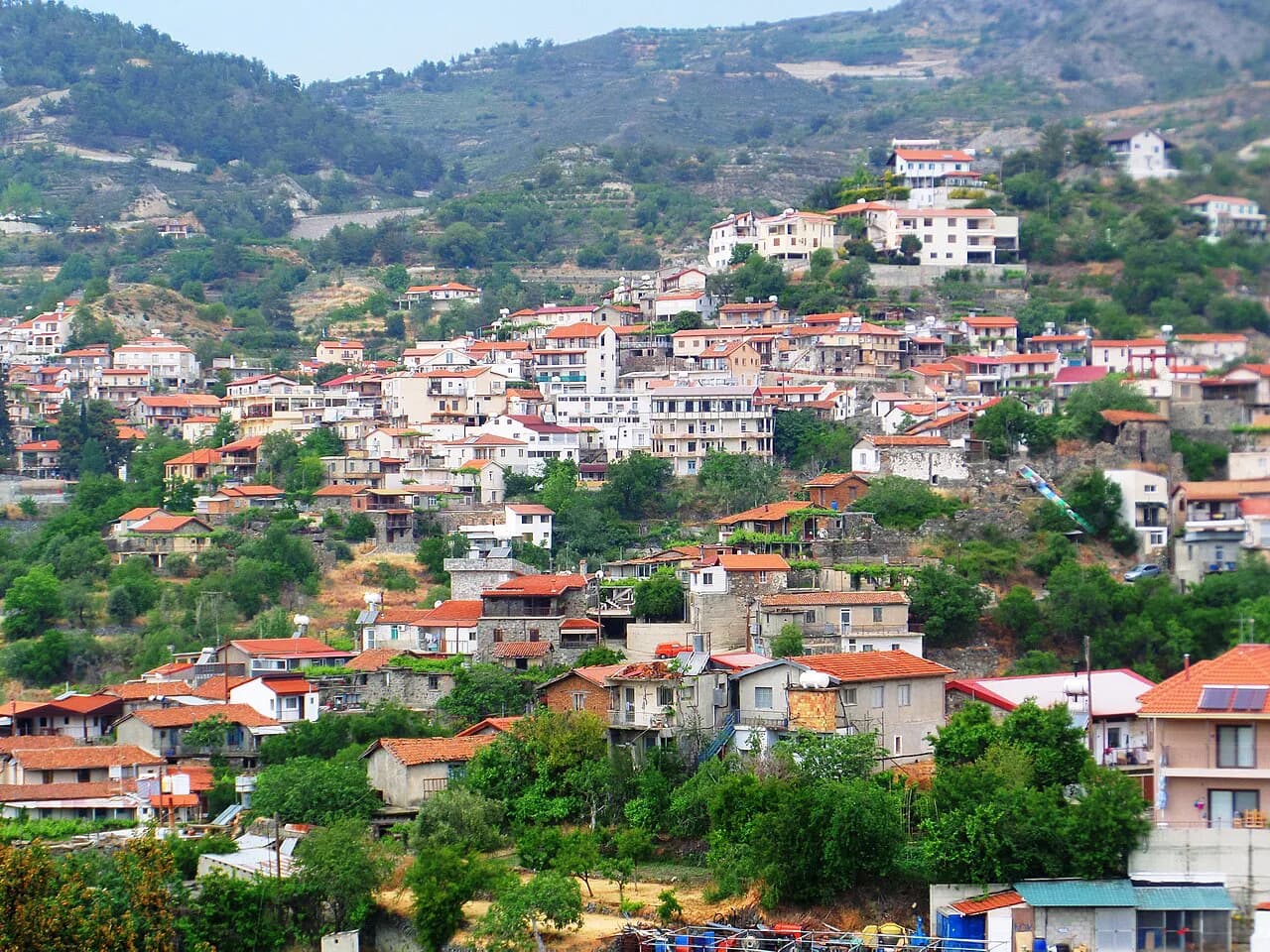
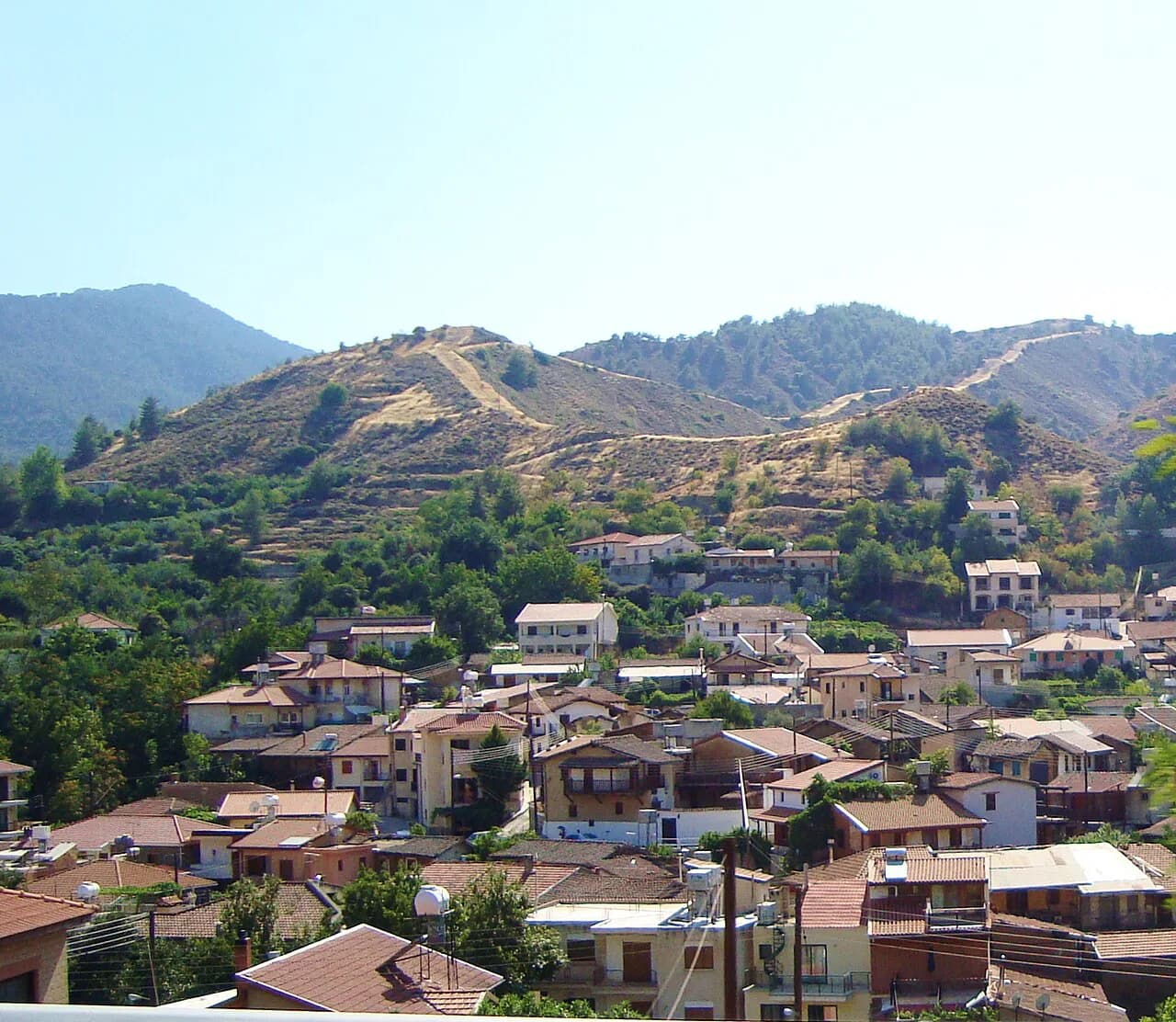
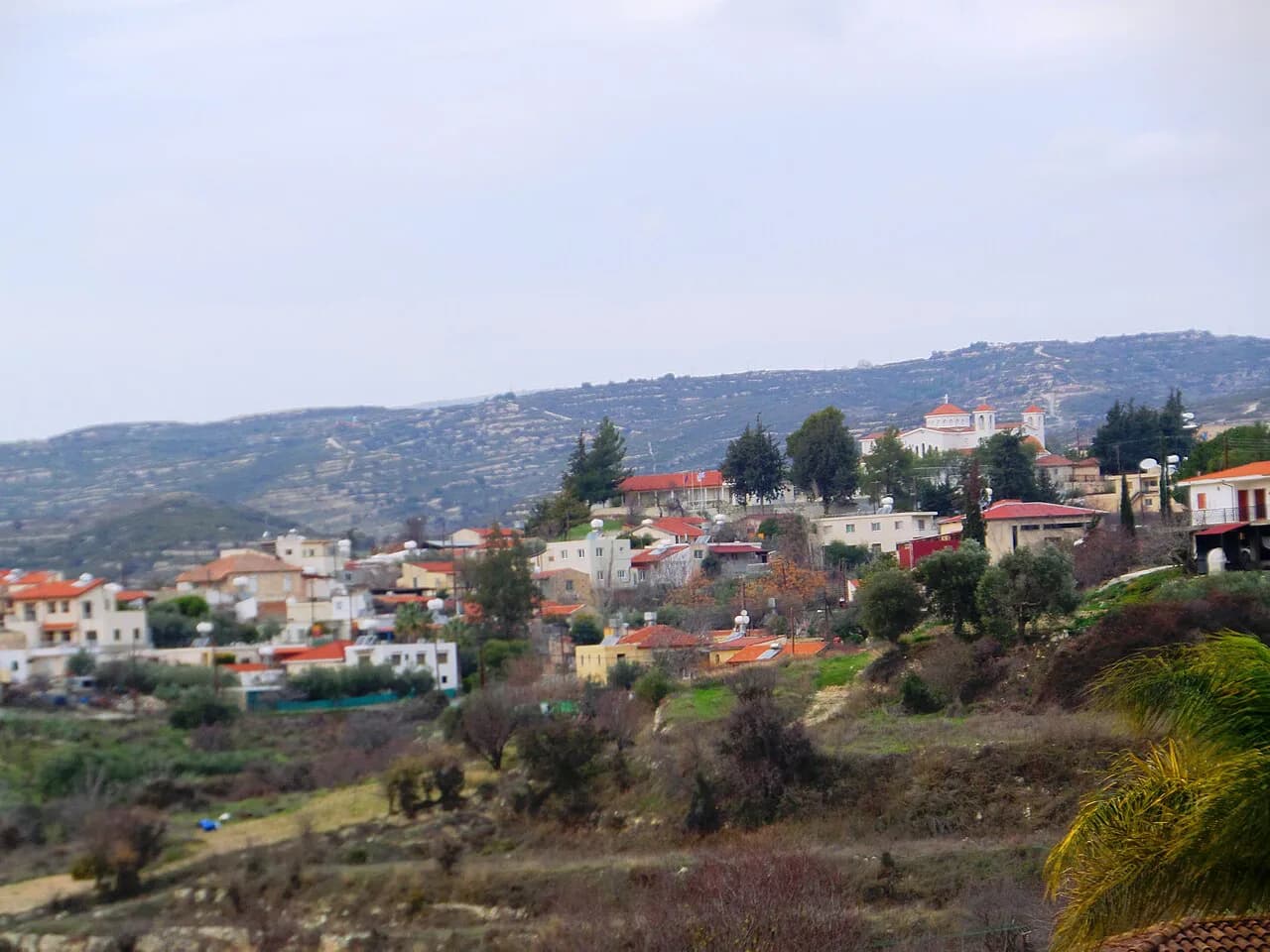
Kakopetria lies in the Solea Valley in the Troodos Mountains, within Nicosia District, and had a population of 1,255 at the 2021 census. That makes it a working mountain village rather than a resort, and its appeal is the architecture and the church rather than a seafront or a beach. Approach it as a village stop with a monument attached, not as a full day out in itself.
The setting explains the plan: mountain roads, slopes and narrow lanes mean you cover less ground than the map suggests. Treat the village and the church as two stops with a drive between them, and build in slack for parking and for walking uphill.
Old quarter or modern village: which to do first
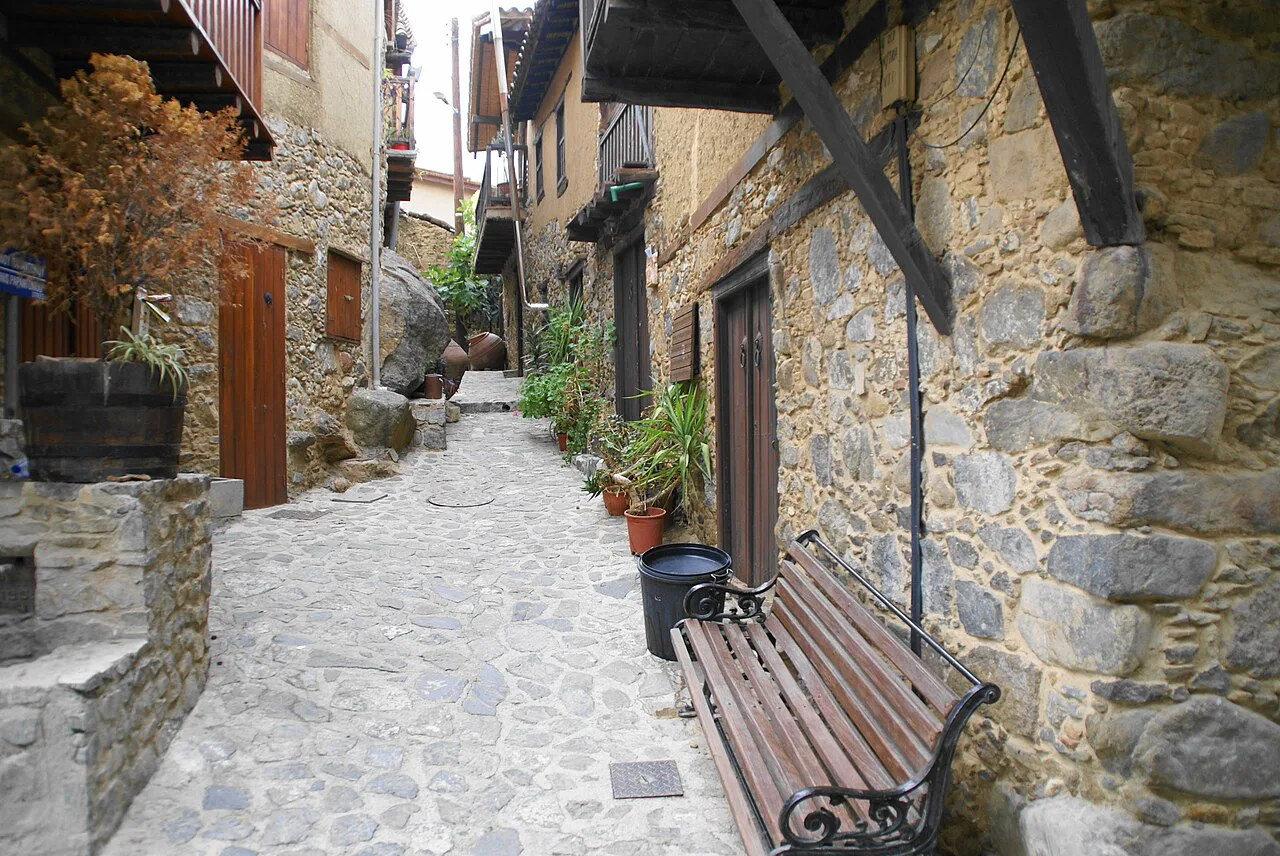
Kakopetria has two halves that serve different purposes. The old quarter, sometimes called Palia Kakopetria, is where the historic stone houses, wooden balconies and winding alleys are; the modern part of the village is where you organise the practical side of the trip, from parking to a pause for lunch.
For a first visit, start with the old quarter, stop for lunch afterwards, and only then drive out to the church, provided its opening hours have been confirmed. Do not expect the whole village to look like a compact, pedestrianised set: everyday traffic and village life run through it.
Parking and starting on foot
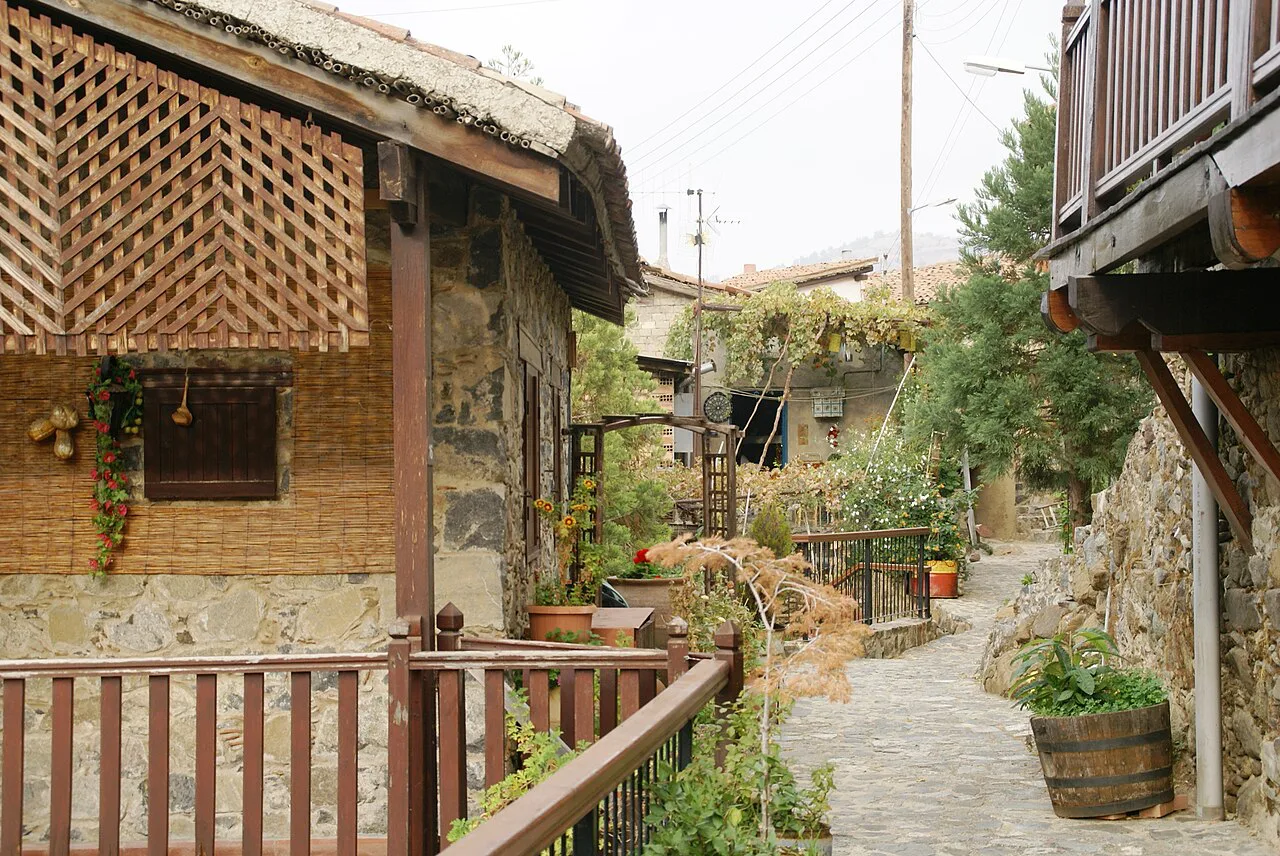
Park where permitted and continue on foot. Trying to drive right up to individual houses in the old quarter creates needless difficulty on narrow streets with limited turning space.
Mark your parking spot on a map before you walk away, along with a straightforward exit towards the modern part of the village, so the return leg is not guesswork. In the old quarter, plan short loops that come back to a familiar landmark rather than one long push into unfamiliar alleys.
Walking the old quarter
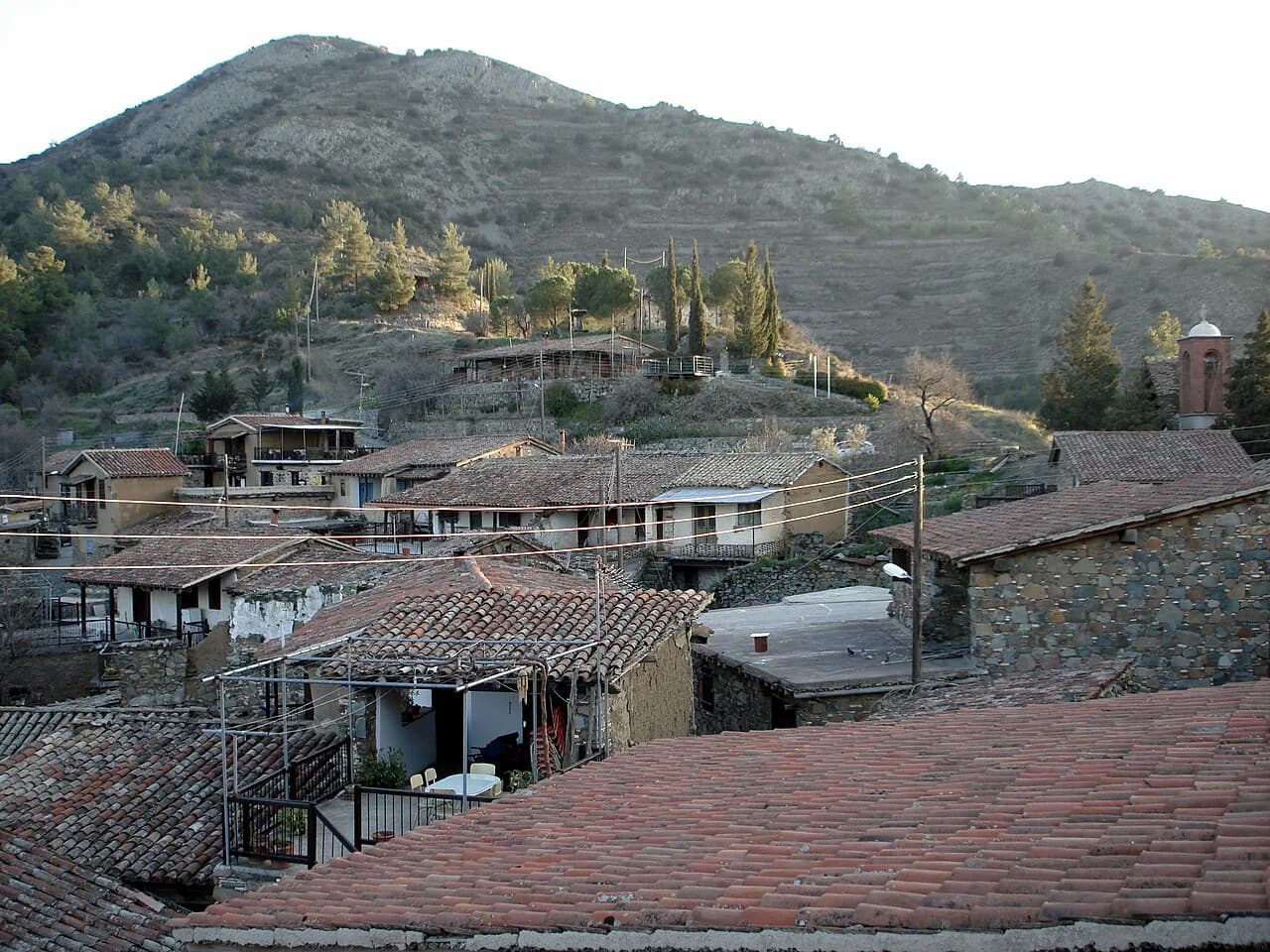
The traditional architecture is the main reason to linger. Look at how the houses adapt to the terrain: stone ground floors, timber upper storeys, balconies and lanes that bend with the slope. There is no fixed circuit of museum stops, and you can experience the neighbourhood simply by following its streets.
Legends about the village name and the so-called bad stone are local folklore, interesting as cultural memory but not proof of the name's origin. Keep that in mind when a story is presented as settled fact, and judge the buildings themselves on their own terms.
A lived-in neighbourhood, not a museum set
The old quarter is a residential area, so windows, entrances and courtyards are not public space for photographing at will. An open door does not mean an invitation, and you should ask the owner before stepping in or pointing a lens at a doorway.
Preserved appearance does not make every house an exhibition space: some are simply homes. Check before assuming a building is visitable, and photograph the streets and rooftops rather than people's front steps.
The river valley and safe paths
The river valley helps you read Kakopetria's layout and adds variety to a walk through stone lanes. Use the signposted public paths and viewpoints, and enjoy the water from a safe path rather than scrambling down to wet rocks.
Water levels and the condition of river sections change after rainfall, and closed stretches should be respected even when a map shows the usual route. Do not climb over barriers for a photograph, and keep children away from unprotected banks. Footwear for village lanes is not footwear for a forest trail, so check the route before setting off on anything longer.
Church of St Nicholas of the Roof: what it is
The Church of St Nicholas of the Roof, Agios Nikolaos tis Stegis, sits just outside Kakopetria and is a destination in its own right. It forms part of the UNESCO World Heritage Site known as the Painted Churches of the Troodos Region, and it is the listed monument, not Kakopetria village as a whole, that carries that status.
The church is of interest for its architecture and for wall paintings from several periods. Read an official description before you go so you know what you want to see inside, and remember that seeing the exterior and entering the interior are different experiences.
Why the church needs its own slot
The village stroll and the church visit can be combined on the same day, but the drive and the time inside need a separate block in your schedule. Trying to squeeze the church in at the end of the walk usually means a rushed look at the paintings and a stressful drive back.
Set aside enough time for the church as a cultural visit in its own right. If painting is your main interest, the church deserves more of your day than the alleys do.
Access at the church: what to confirm
Access to the interior should not be assumed: the church's opening times, any breaks in the day and photography rules need confirming with the site custodian or the tourist office before you promise travelling companions a look at the frescoes. Do not plan a long detour on the belief that the door is simply open.
As an active place of worship, the church asks for the usual respect during services. Keep voices low, dress modestly and follow any instruction on where visitors may stand.
Wine and olive oil attractions
The official village material mentions local attractions linked to wine and olive oil. If these interest you, confirm their opening times before making them part of the day, because a small producer or museum can keep very different hours from a nearby café or shop.
Only add such a stop once you have confirmed the details, and leave room to look at the exhibits rather than treating it as a quick in-and-out errand.
How long to allow
Short on time? Pick one main area of interest rather than trying to cover everything. Architecture enthusiasts should set aside more time for the side streets, while those drawn to Byzantine painting should give more time to the church on the outskirts.
Short on time, pick one main area of interest rather than trying to cover everything, and leave slack for parking and uphill walking. As a working rule, allow a few hours for a relaxed old-quarter walk with a lunch stop, plus a further block for the church and the drive between them.
Getting there by car and mountain roads
Kakopetria is reached by road in the Troodos Mountains, and a car is the practical way to link the village with the church on its edge. Mountain roads are slower than coastal driving, so judge arrival times generously rather than by map distance alone.
If mountain driving is not for you, consider a base such as Platres, Cyprus and shorter hops between villages rather than a single long push from the coast.
Slopes, pushchairs and summer heat
Kakopetria is built on a slope, and on an incline the distance on a map understates the effort required to climb it. If you use a pushchair or have reduced mobility, ask about the exact route, the surface and any steps rather than assuming the whole village is accessible.
Summer heat makes the climbing harder, so walk the old quarter early and keep the church for a cooler part of the day. Narrow streets and slopes slow a buggy or a walking aid, so plan a short loop rather than a long circuit.
Where Kakopetria fits with other Troodos villages
Kakopetria works well as one stop on a mountain circuit rather than a single destination. It sits in the Solea Valley, and pairing it with another Troodos village such as Kalopanayiotis makes a fuller day in the mountains; see the wider Troodos Villages guide for other stops.
Omodos: A Practical Guide to the Troodos Wine Village is the natural companion if you want to compare Kakopetria with another mountain village on a separate loop. The Troodos Attractions guide covers the region's main sites if you are building a longer itinerary.
Is Kakopetria worth the detour?
Yes, if you want a lived-in mountain village and a UNESCO-listed painted church in the same trip, and you are willing to give each its own slot. No, if you are after a quick scenic stop with no walking: the slopes, the narrow lanes and the drive to the church all take time.
Build the day around an early old-quarter walk, a lunch in the modern village and a separate visit to St Nicholas of the Roof, and check the church's opening arrangements with the custodian or tourist office before you set out.
Explore more Troodos guides
Frequently Asked Questions
Do you need a car to visit Kakopetria?
A car is the practical way to reach Kakopetria in the Troodos Mountains and to cover the drive between the village and the Church of St Nicholas of the Roof on its edge. The village lanes themselves are walked on foot once you have parked.
Is Kakopetria the same as Palia Kakopetria?
Palia Kakopetria refers to the old quarter, the historic part of the village with the stone houses, timber balconies and winding alleys. The modern part of Kakopetria is separate and is where you handle parking and practicalities.
Can you visit the Church of St Nicholas of the Roof on a whim?
Not reliably. The church is a listed monument with its own opening arrangements and any midday breaks, and access to the interior should be confirmed with the site custodian or the tourist office before you plan around it.
Sources
Notes for your Cyprus trip
Optional updates to our Cyprus guides.
You might also like
Continue reading
More guides you'll find useful