Ayia Napa History: The Sites That Show It
Ayia Napa's history runs from a Byzantine-era cave and a 15th-century monastery to a fishing village turned resort. Here are the sites that show it.
On this page
Ayia Napa's history comes down to four layers stacked on one small area: a cave shrine with Byzantine-era roots, a monastery largely shaped in the 15th century, a fishing village that grew around it, and the resort that followed. Almost all of it is visible within a few minutes' walk of the central square. This guide ties each period to something you can stand in front of and gives a time budget for the centre.
A cave, a monastery, a fishing village, a resort
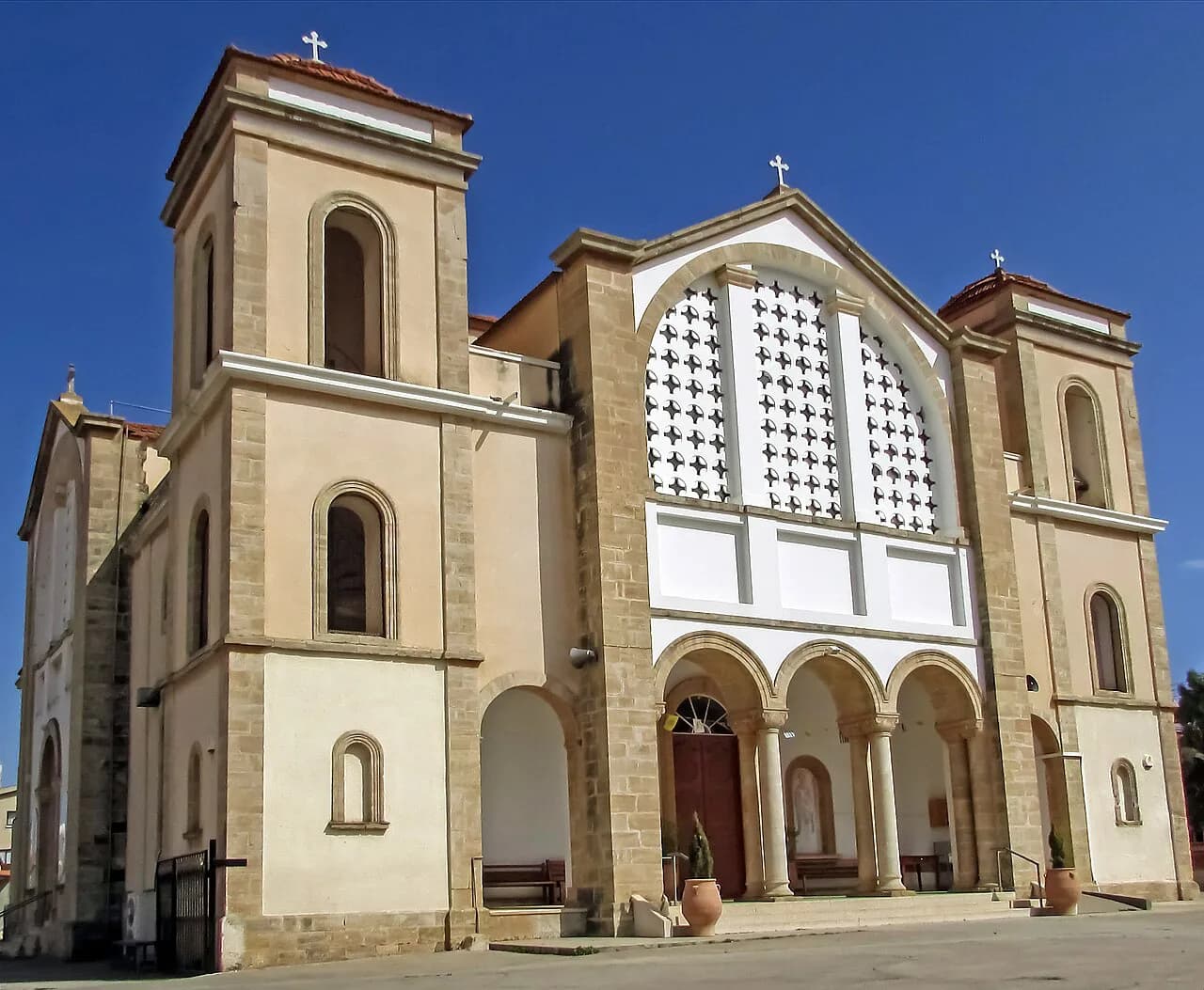
The monastery sits at the heart of Ayia Napa and is the town's most important historical site, right on the central square, according to the Famagusta region's visitor authority. Its cave, hiding place and ancient well point to a Christian community here in the Byzantine era, from the 11th century. The first part of the church followed in the Frankish period of the 13th and 14th centuries.
Around the shrine grew a settlement whose name, the story goes, came from the monastery itself. Modern Ayia Napa wraps tightly around this core, which is why the monastery feels quieter than the streets a minute away.
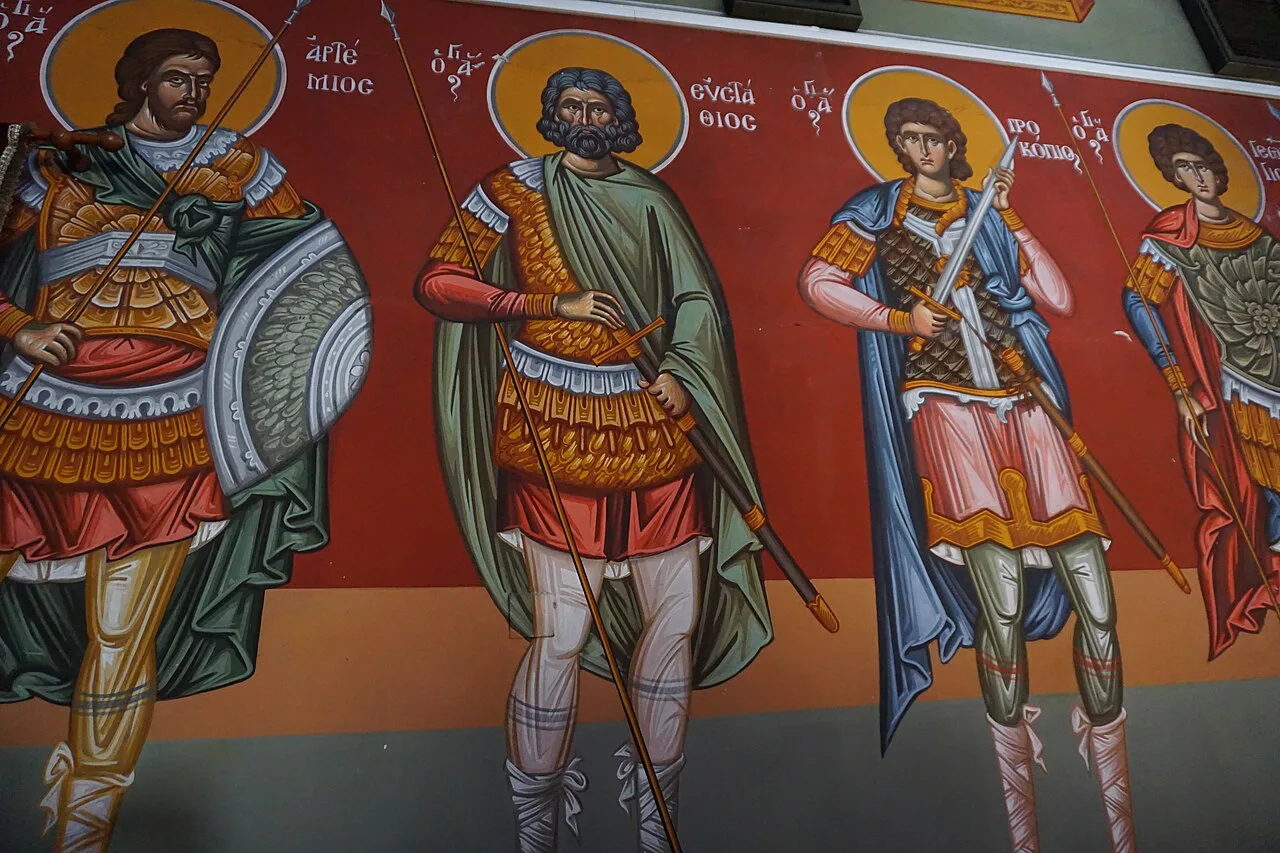
The hidden icon and how the name came about
The founding story is legend, and worth treating as such: a hunter's dog found a cave where an icon of the Virgin Mary gave off light, and the icon is said to have been hidden there during the Iconoclastic era. Pilgrims came, and in the 14th century an extension was built over the cave. Locals called the icon Panagia Napa, meaning Our Lady of the Forest, which was later shortened to Ayia Napa.
A second, separate account explains part of the building: a wealthy Venetian woman is said to have financed much of the monastery and become a nun after her father blocked her marriage to a commoner. Her two-storey house still stands in the grounds, with an octagonal fountain beside it. Whether you take either story literally or not, they map onto real features you can point to.
The cave, the well and the Byzantine roots
The cave chapel is the heart of the site: a subterranean space, dimly lit, that was once the cave said to have held the icon. It remains a place of reverence for Orthodox pilgrims as well as a stop on any visit. Look for the well in the grounds too, fed by a spring found near the cave; visitors can drink from it.
These two features are the strongest physical evidence of the site's early phase, before any of the later building work. The Byzantine-era presence rests on them rather than on standing structures, so give them more time than the photo stops outside.
The monastery as it stands today
Inside the gate, a stone courtyard with cloisters, a central fountain carved from a single block and carved detail blending Gothic, Byzantine and Frankish styles shows what 15th-century Cypriot architecture looked like. At the entrance stands a gigantic sycamore, believed to be over 600 years old, which shades the approach. The complex as a whole includes nine churches and chapels.
A branch of the St Epiphanius Cultural Academy operates within the walls, promoting theological research. The miraculous icon of the Virgin Mary is kept in the monastery church, which the source describes as open to the public, and visitors wanting a service are directed to the church a few metres away. Come for the buildings and the icon, and expect a religious site rather than a museum set-piece.
Frankish, Venetian, Ottoman and later layers in one building
Read the building as a sequence. The 13th- and 14th-century Frankish phase came first, the 15th-century Venetian phase completed the bulk of what survives, and in the second half of the 16th century, after the Ottoman conquest, the site passed from Catholic to Orthodox hands. The monastery was male between roughly the mid-17th and mid-18th centuries, then stood unattended for more than two centuries before renovation in 1950, since when it has been a place of church services.
That long gap explains why the complex reads as a preserved medieval shell rather than a continuously lived-in one. It also explains the mixture of styles, since each phase added to or adapted earlier work rather than rebuilding from scratch.
Ayia Napa Square: from monastery grounds to social centre
The square around the monastery is now the town's gathering place, with cafés, small shops selling lace and souvenirs, and street performers by day. Strings of lights above the tables take over in the evening. Ayia Napa Square is a short walk from the coastline and pairs naturally with the lanes of Ayia Napa Old Town behind it.
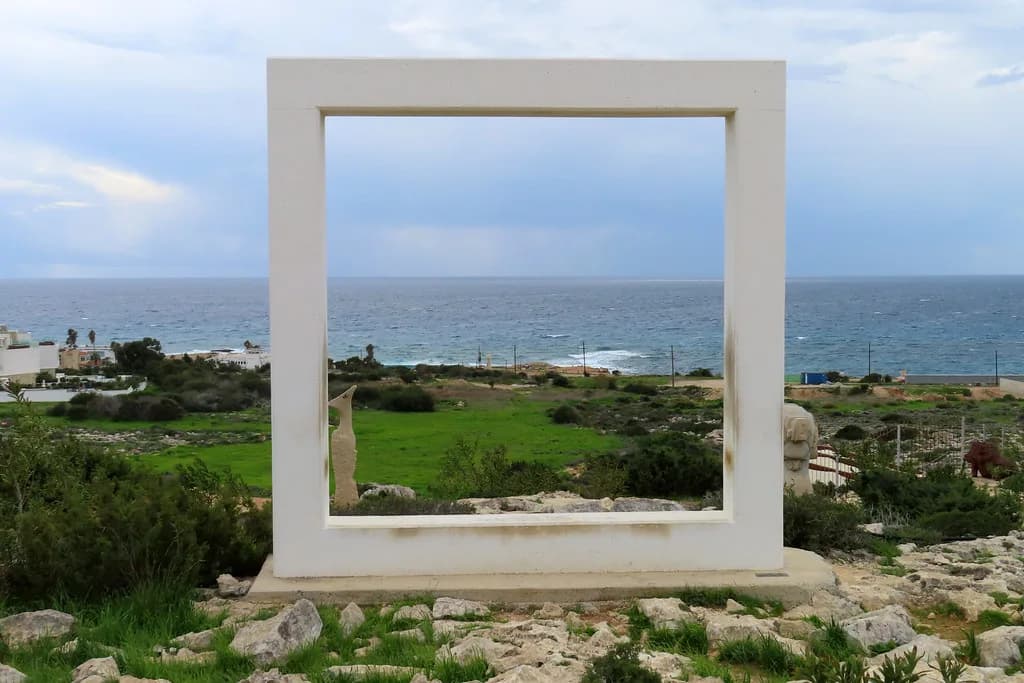
Around the square you can add two nearby stops: the Thalassa Municipal Museum for maritime and cultural history, and the open-air Sculpture Park, a short walk away with more than 200 works by international sculptors. Both fill out a half-day in the centre if the monastery alone is not enough, and you can browse more of the town's museums in our museums in Ayia Napa guide.
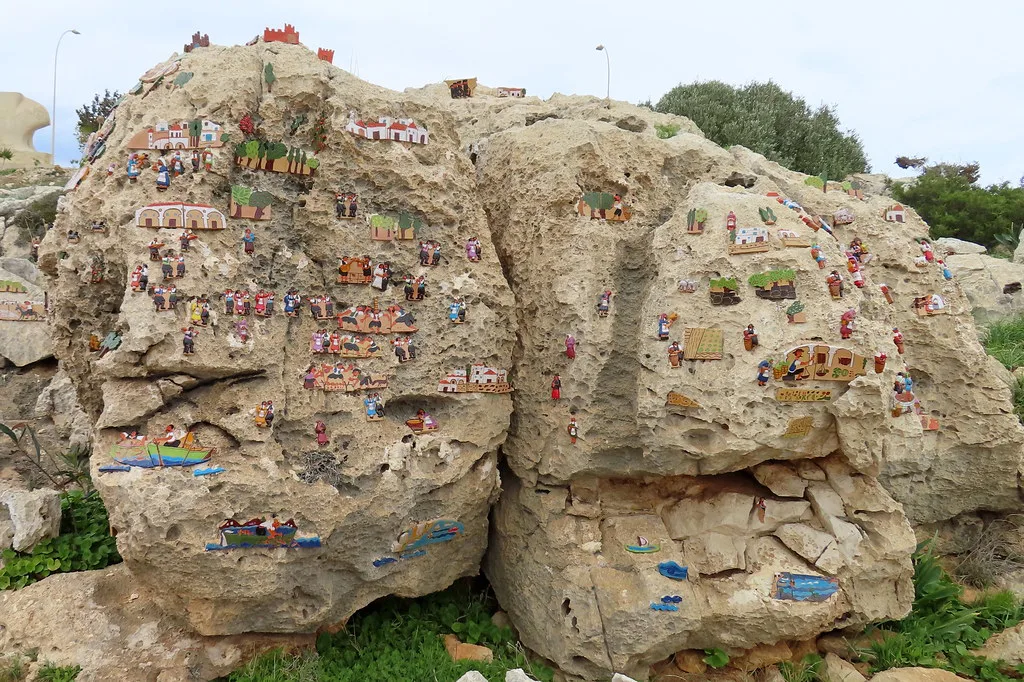
Other traces worth a look
Beyond the centre, three older sites reward a detour: the Ayia Napa Aqueduct, the Ayioi Anargyroi chapel and the Hellenistic and Roman period cemetery. They are the remnants most short visits miss, and they push the story back past the medieval core. The Ayios Epifanios church and the Ayia Napa viewpoint are listed together by the regional visitor authority as a single stop.
If you want the wider picture, the Ammochostos Motor Museum and the MUSAN underwater museum sit further out and need transport. Plan the centre on foot and group the outlying sites into one drive, since they are spread across the area rather than clustered. The wider Things to Do in Ayia Napa guide covers Cape Greco and the coast separately.
Seferis at the monastery
The Greek Nobel laureate poet Giorgos Seferis visited the monastery and was inspired to write a poem titled Ayia Napa B, which appears in his collection Logbook III. It is a small but genuine link between the site and modern Greek literature, and a good reason to slow down in the courtyard rather than pass straight through.
How long the monastery and square need
Give the monastery and square cluster about an hour and a half: forty minutes or so inside the monastery for the courtyard, cloisters, fountain and cave chapel, then the rest in the square and the lanes around it. If you add the Thalassa Municipal Museum or the Sculpture Park, allow two to three hours in total. This is a compact, central stop, not a half-day site on its own.
Early morning is the most comfortable time in summer, before the square fills and the heat builds in the stone courtyard. The sources note seasonal opening hours but do not give current times, so check with the monastery or the regional visitor authority before you set out.
Getting there and around
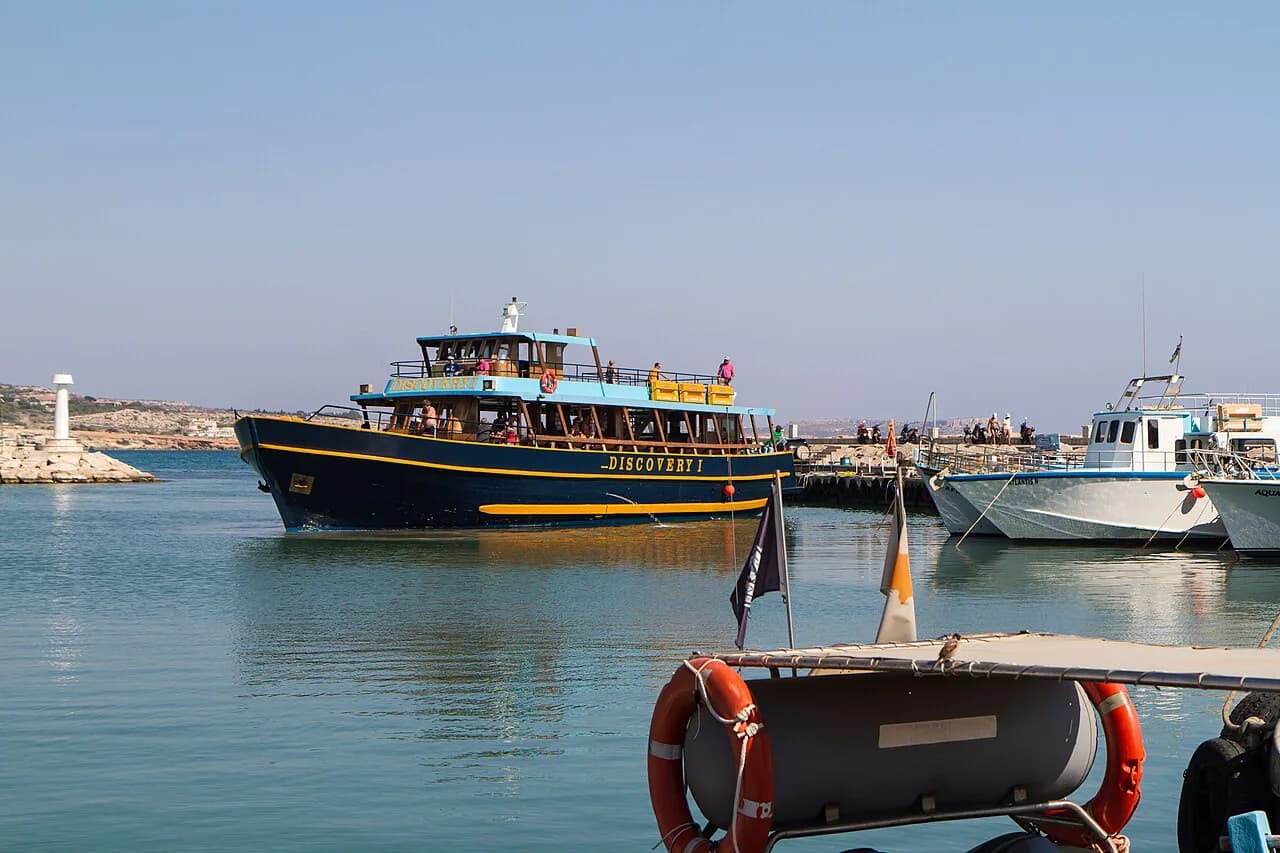
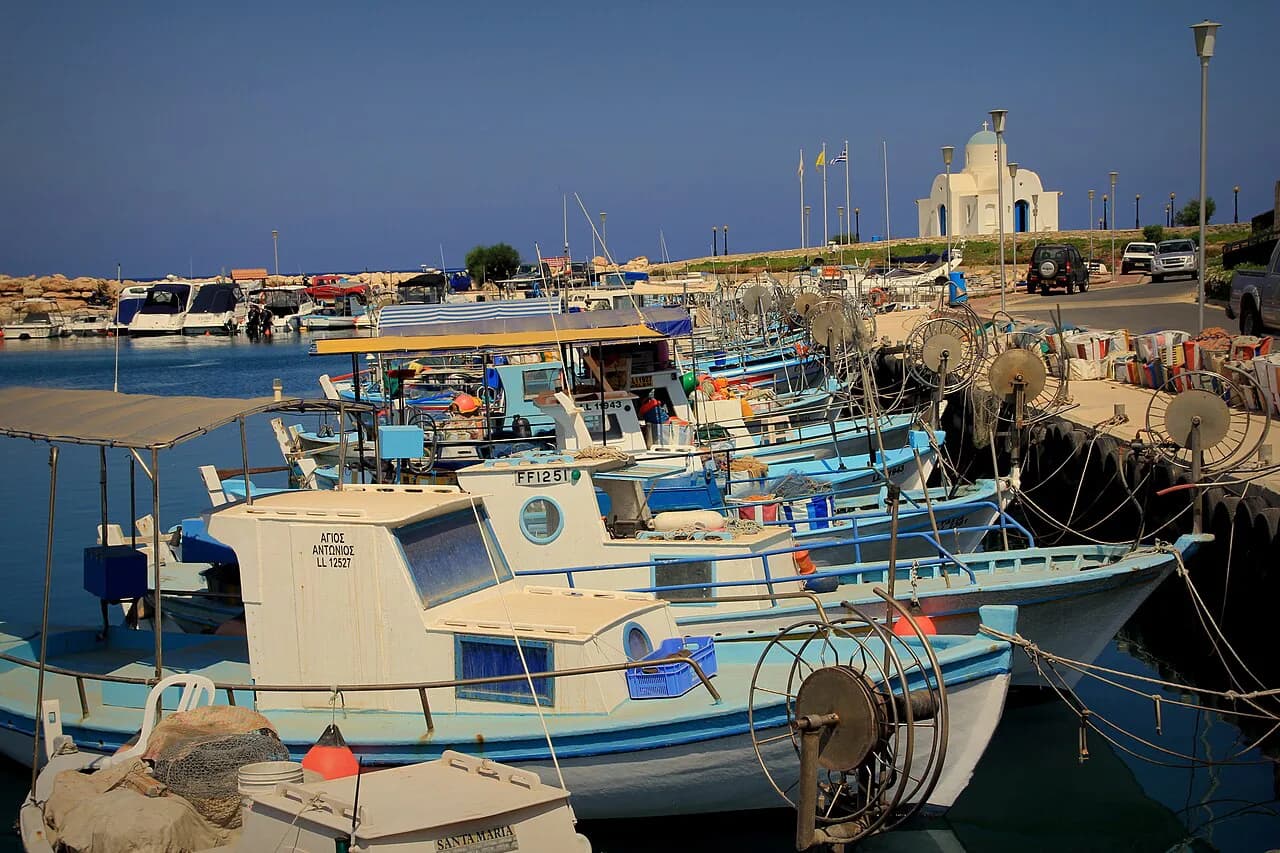
The monastery is in the heart of town, about one kilometre from the coast, so anyone staying centrally can walk it. For the wider sites you will want a car or a bus; organised tours of the island's shrines run from the main resorts. Ayia Napa harbour and the promenade are both within walking distance of the square, and the boat trips leaving from the harbour run alongside this central stop.
Larnaca is the nearest major airport for most arrivals, and Famagusta lies up the coast to the north. Cyprus drives on the left and prices are in euros, so a hire car makes the outlying traces easy to combine.
Opening hours and events
The monastery's setting is used for religious events through the year, with Greek Orthodox Easter and a September cultural festival among the most notable, though these are not fixed dates you should plan a trip around without checking. Summer heat makes the shaded courtyard welcome at midday.
The sources describe the monastery as open to visitors daily in season but give no current times, so check with the monastery or the regional visitor authority before you go, since hours change with the season. Entrance charges are not stated in the sources, so ask on arrival rather than assuming it is free.
Is the monastery worth an hour of your trip?
Yes, if you want the one place in Ayia Napa where the town's whole story is legible. The cave chapel, courtyard fountain, 15th-century building and 600-year-old sycamore sit within a few steps of each other, and the square around them makes an easy, unhurried stop.
Pair it with the old town lanes and one outlying trace, such as the aqueduct or the Ayioi Anargyroi chapel, and you have a morning that covers the Byzantine, Venetian and modern layers in one walk.
Explore more Ayia Napa guides
Sources
Notes for your Cyprus trip
Optional updates to our Cyprus guides.
You might also like
Continue reading
More guides you'll find useful