Ayia Napa Promenade: Where It Runs and What You Pass
A practical guide to the Ayia Napa promenade: where it runs past the fishing harbour and sculpture park, what you pass on foot, and when to walk it.
On this page
The Ayia Napa promenade is not one long seaside boardwalk but a string of waterfront and near-coast paths that connect the fishing harbour with the sculpture park and the junction where the road heads out towards Cape Greco. Walk it as a route between landmarks rather than a destination in itself, and you get the best of the resort on foot: a working harbour, open-air art, a cactus garden and the medieval monastery square inland. This guide sets out where the walk runs, what you pass and how to fit the Thalassa Museum into the same outing.
Where the promenade runs
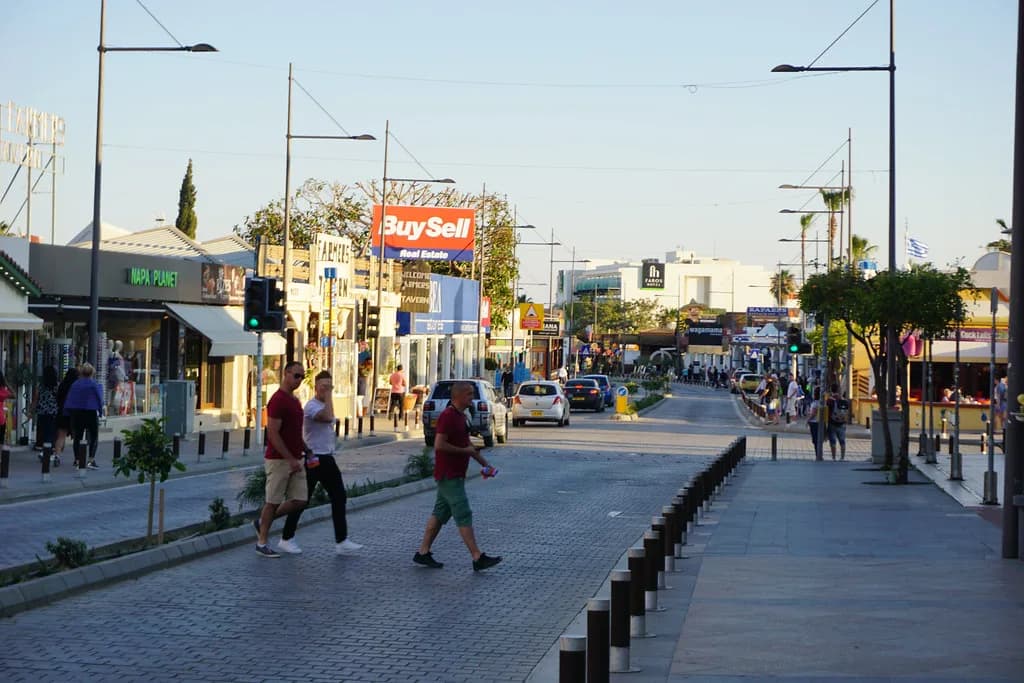
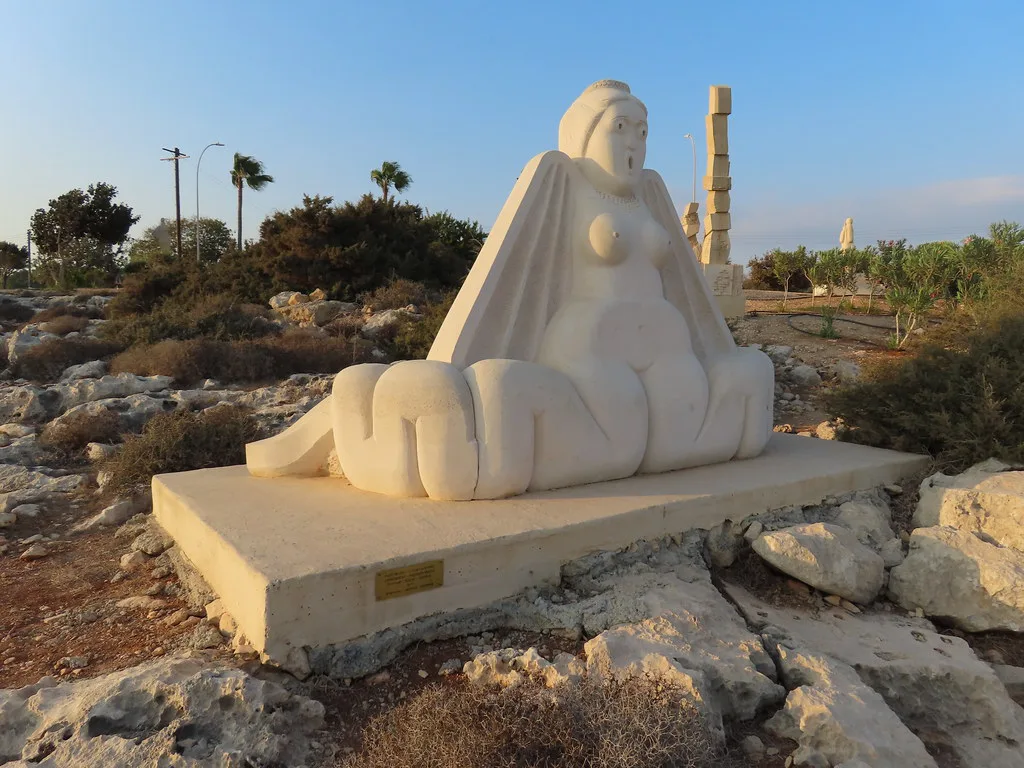
The walkable seafront sits between the village centre and the coast road, with Leoforos Kryou Nerou (Kryou Nerou Avenue) as its spine. The sculpture park and its adjoining cactus garden are laid out at the crossroads of Kryou Nerou Avenue and the road towards Cape Gkreko, on 20,000 square metres of ground with benches and wide coastal views. That junction is the natural eastern anchor of a promenade stroll; the fishing harbour and the monastery square mark the western, more urban end.
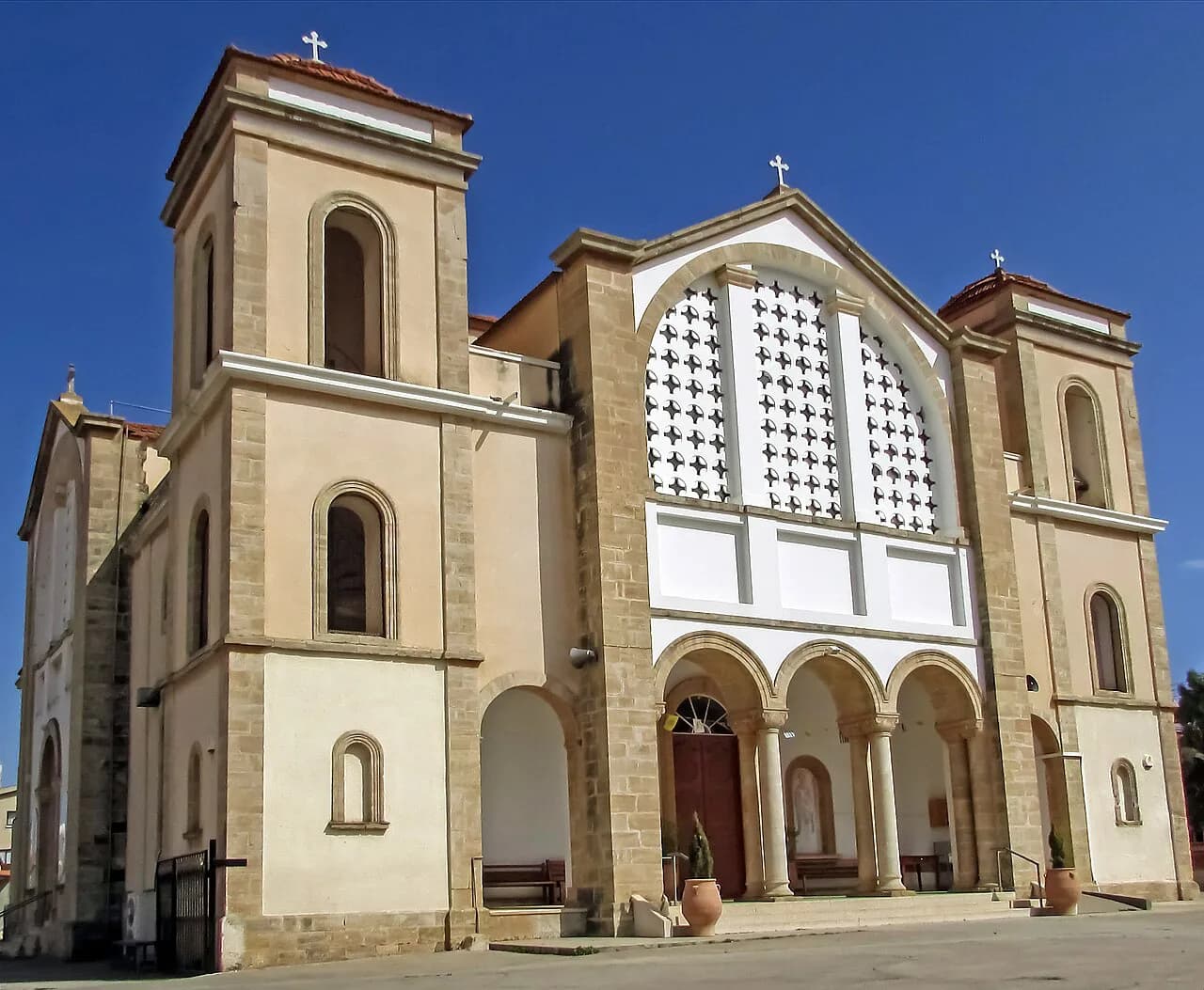
Inland from the waterfront, the heart of the village is its square, where the medieval monastery stands as a quiet landmark by day. The square is also the setting for cultural events through the year, including the Medieval Festival in October and the International Festival in September, and it is where the paved lanes of the centre meet the roads running down to the coast. Treat the square as the point where a seafront walk turns into a wander through the old core, covered in more depth in our guide to Ayia Napa Old Town.
Where the seafront walk starts and ends
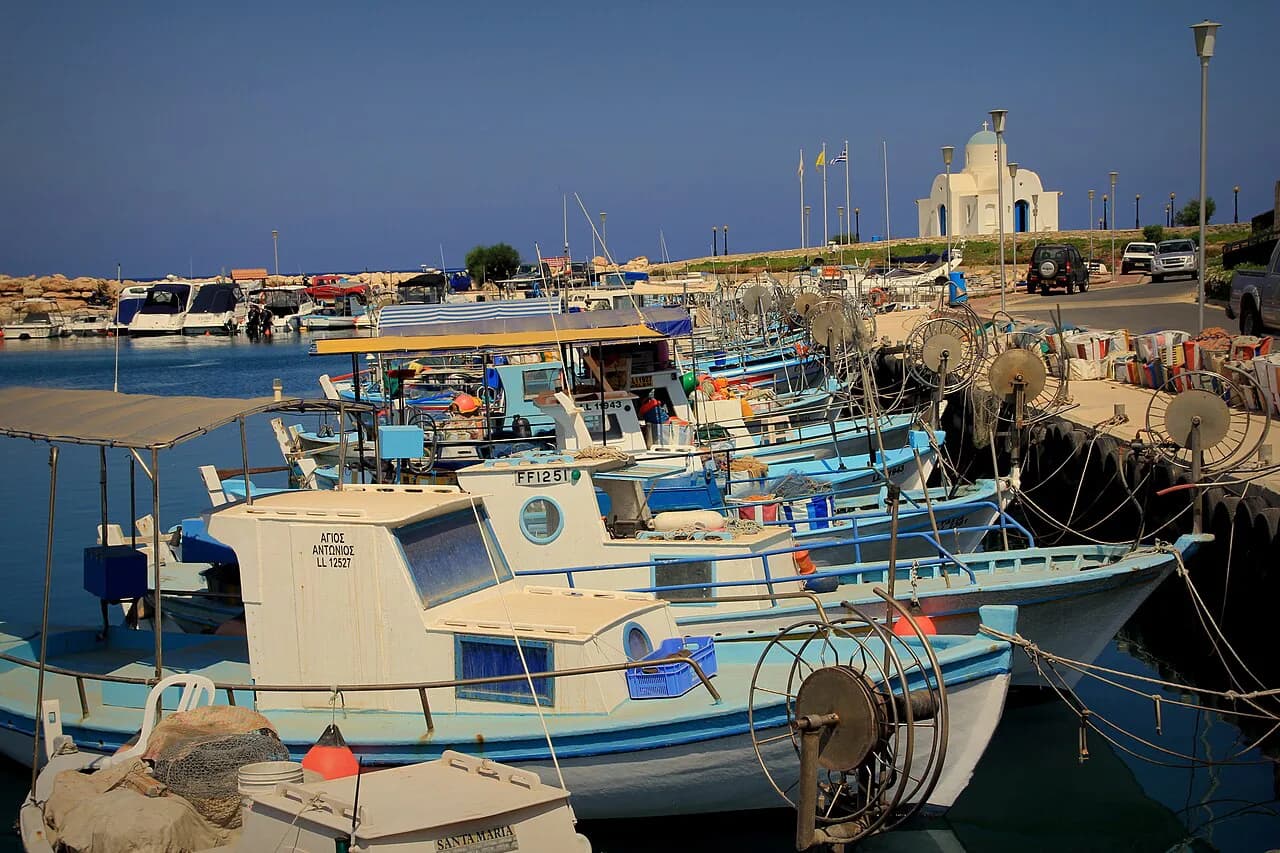
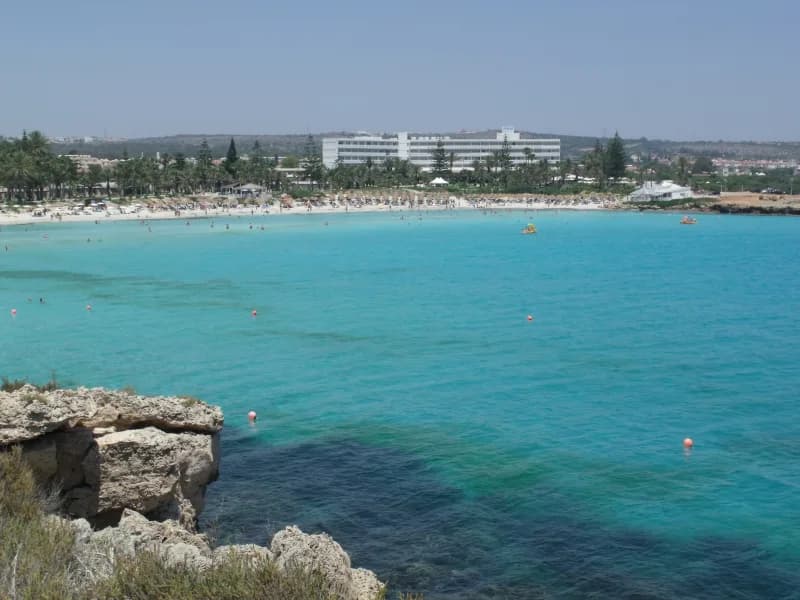
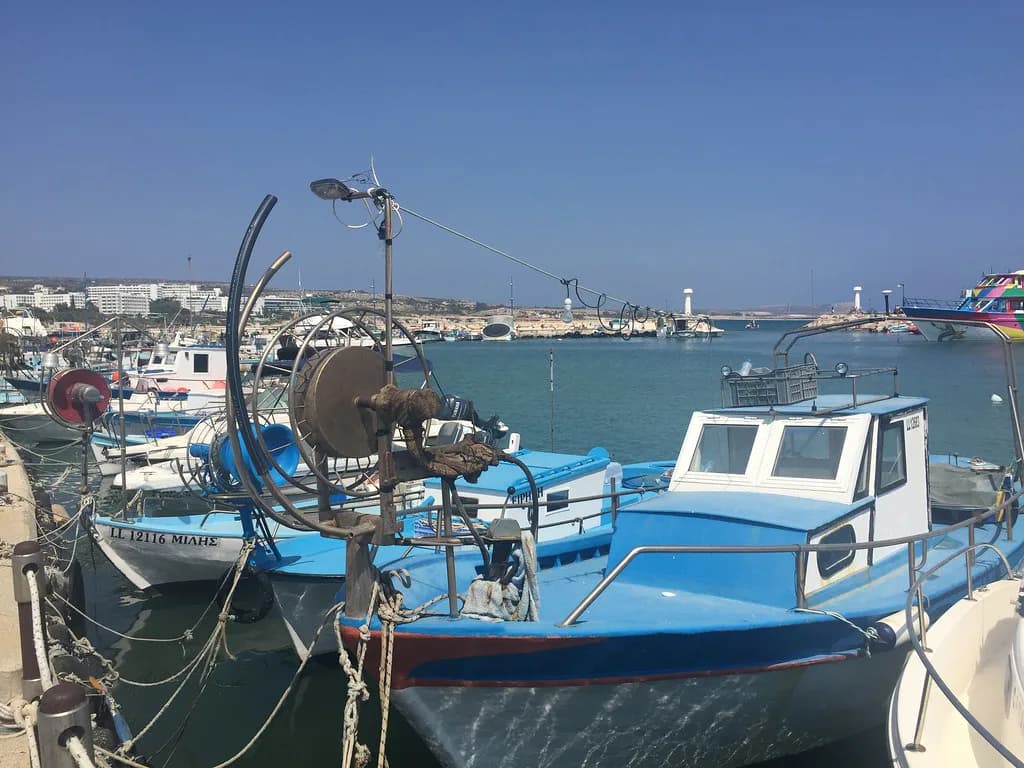
Start at the fishing harbour, where working boats and the small harbour basin give the waterfront its character, then follow the coast east and north towards the sculpture park. From the harbour the path strings together viewpoints and small beaches rather than running in a straight line, so expect to zigzag a little between the road and the water.
The eastern end is the junction where Kryou Nerou Avenue meets the Cape Gkreko road, marked by the sculpture park and cactus garden. Beyond that junction the coast turns wilder towards the Cape Gkreko forest park, with coves, caves and cliffs, but that is a separate outing rather than part of the promenade proper. Turn back at the park, or continue by car if you want the cape.
What you pass on foot
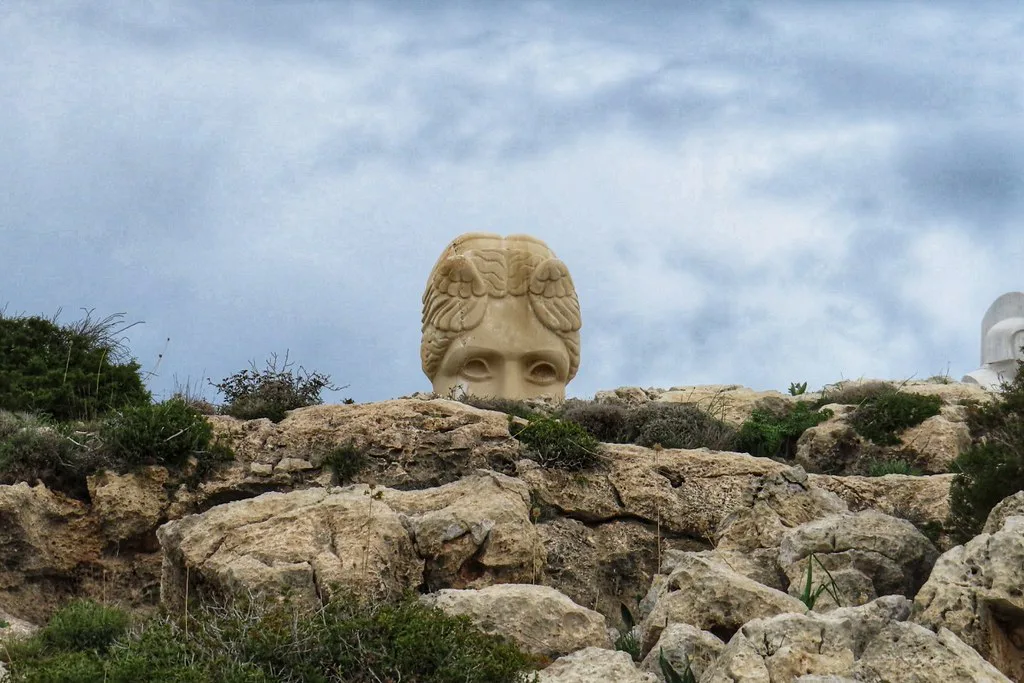
The sculpture park is the headline sight on the walk: a large open-air collection by more than 50 artists from around the world, built up through the annual sculpture symposium held by Agia Napa Municipality and still expanding. An adjoining garden showcases Mediterranean plants, cacti and succulents, so the same stop gives you art and a lesson in dry-climate planting. Entry to the park is free and it is open from sunrise to sunset all year, which makes it the easiest sight to slot into a flexible day.
Along the waterfront and the village lanes you also pass Lovers Bridge, with its love locks, the old aqueduct and the chapels of Agia Thekla and Agioi Anargyroi. The Makronisos archaeological site, with tombs from the Hellenistic and Roman periods, sits nearby if you want to add a short antiquity stop. These are modest sights individually, but together they give the walk a sense of place beyond the beach bars.
The fishing harbour and boat views
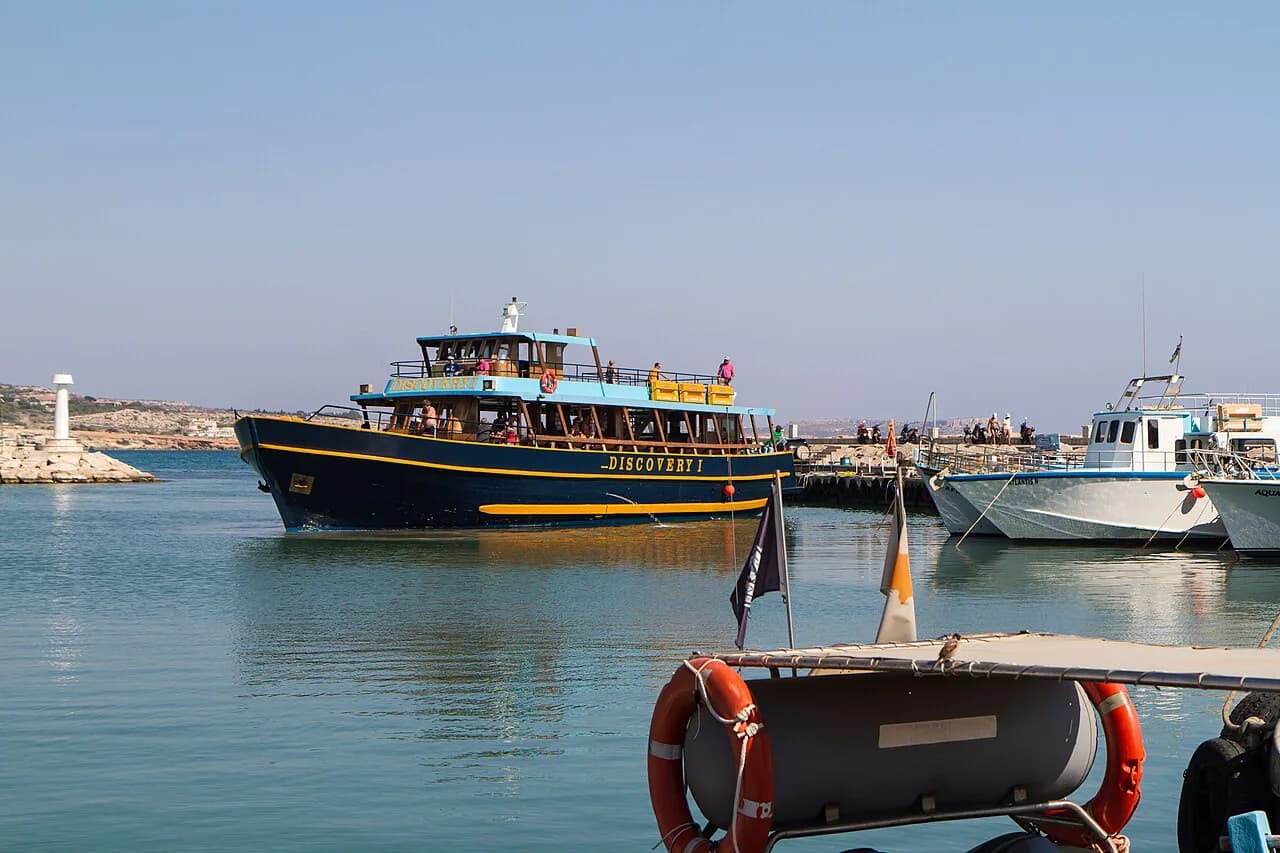
The harbour is small and functional rather than polished, which is exactly why it is worth a look: you see the boats that supply the resort's fish and the craft that take visitors along the coast. Boat trips run from Ayia Napa harbour, and operators publish their own timetables and seasonal schedules, so check with the operator you plan to use rather than relying on a fixed promenade timetable. For the village lanes behind the harbour, see our guide to Ayia Napa.
How long the walk takes
The harbour-to-sculpture-park stretch bends with the coast and the road throughout, so a steady walk covers less ground than a straight line on a map suggests. Factor in stops at the art, the cactus garden, the monastery square and the harbour, and the outing easily fills a morning or an afternoon. There are no published distances for the promenade as a whole, so set your own pace rather than aiming for a set time.
If you only have time for one section, do the sculpture park end: the art, the cactus garden and the coastal views are concentrated in one place, and the sunrise-to-sunset, free-entry arrangement means no timing anxiety. Save the harbour for a slower day when you want to watch the boats.
Summer heat and the best time to walk
In July and August the exposed sections along Kryou Nerou Avenue bake through the middle of the day, and the sculpture park offers little shade beyond its benches and planted areas. Walk early in the morning or in the last couple of hours before sunset, when the light on the water is better and the heat is manageable. Carry water and plan the museum or a cafe stop for the hottest hours rather than pushing on.
Spring and autumn are the comfortable seasons for the full route, with warm but not punishing conditions. A winter walk is pleasant in the middle of the day, and the sculpture park stays open all year from sunrise to sunset, so the promenade itself does not close with the season.
Arriving on foot, by car and parking
If you are staying in the centre, walk down to the coast from the monastery square: the seafront is close enough that a car is unnecessary for the promenade itself. Drivers have the sculpture park area as the obvious stopping point for the eastern end, while the harbour end is better reached on foot from the village.
Combining the promenade with the Thalassa Museum
The Thalassa Agia Napa Municipal Museum on Leoforos Kryou Nerou is the obvious cultural add-on to the walk, and it is a serious museum rather than a small local display. Its centrepiece is a life-size replica of the Keryneia II, a fourth-century BC Greek trading ship that sank off the coast of Kyrenia around 300 BC, viewed from several levels, with a basement marine-life section covering fish, sea mammals, corals, shells and fossils. Entry is €4 for adults and €1.50 for children, with special rates for students and groups.
The museum is open all year and closed on public holidays, with hours that shift by season. From October to May it opens Monday 09:00 to 13:00 and Tuesday to Saturday 09:00 to 17:00, with Sunday closed; from June to September the weekday hours are the same but Sunday opens 15:00 to 19:00. It is wheelchair accessible, and the building doubles as an arts exhibition centre.
Facades, winter hours and what to check
The sculpture park stays open all year from sunrise to sunset, and the museum keeps a year-round schedule with its seasonal Sunday variation. For the monastery and the chapels, treat them as active religious sites and dress and behave accordingly.
Opening hours and entrance fees at Cyprus's sites can change, so confirm times with the museum or the municipality before a dedicated trip. For everything else on the walk, the fixed points are the free sculpture park and the public seafront itself, which need no ticket.
Which end of the promenade should you start from?
Start at the fishing harbour if you want the working-coast feel and a gentle introduction before the open-air art; start at the sculpture park if your priority is the collection, the cactus garden and the Cape Gkreko junction. Either way, walk it early or late in summer and save the middle of the day for the Thalassa Museum.
Explore more Ayia Napa guides
Sources
Notes for your Cyprus trip
Optional updates to our Cyprus guides.
You might also like
Continue reading
More guides you'll find useful