Ayia Napa Old Town: What to See and How to Walk It
Ayia Napa old town centres on the square and the lanes down to the harbour. Here is how the layout works, what to see and how long it takes.
On this page
Ayia Napa old town is a compact core rather than a walled historic quarter: the square and the streets between it and the harbour, which grew from a small fishing village into the centre of a large resort. Give it half a day on foot, starting at the square and walking downhill to the water. This guide covers the layout, the walk itself, and how to arrive from Larnaca and get around.
What Ayia Napa old town actually is
The resort grew out of a fishing village, and the settlement only expanded sharply after 1974, when the closed-off Famagusta area pushed visitors east along the coast. That history explains the shape of the place: a dense little centre of shops and cafés, wrapped by decades of hotel and apartment development. Treat the streets around the square as the old village and the rest as the modern resort.
The village origins mean there is no single set-piece monument to tick off. What you get instead is a walkable knot of small streets where everyday Cypriot town life and tourist business share the same pavements. For the wider spread of sights beyond this core, including the coast at Cape Greco, see the guide to things to do in Ayia Napa.

How the old town is laid out, from square to harbour
The geography is simple: the square sits inland, the harbour sits at the bottom of the slope, and a short run of streets connects the two. Food outlets line the route from the square down towards the harbour, mixing fast food and traditional local restaurants. Walk it downhill first and you will always have the sea as your marker.
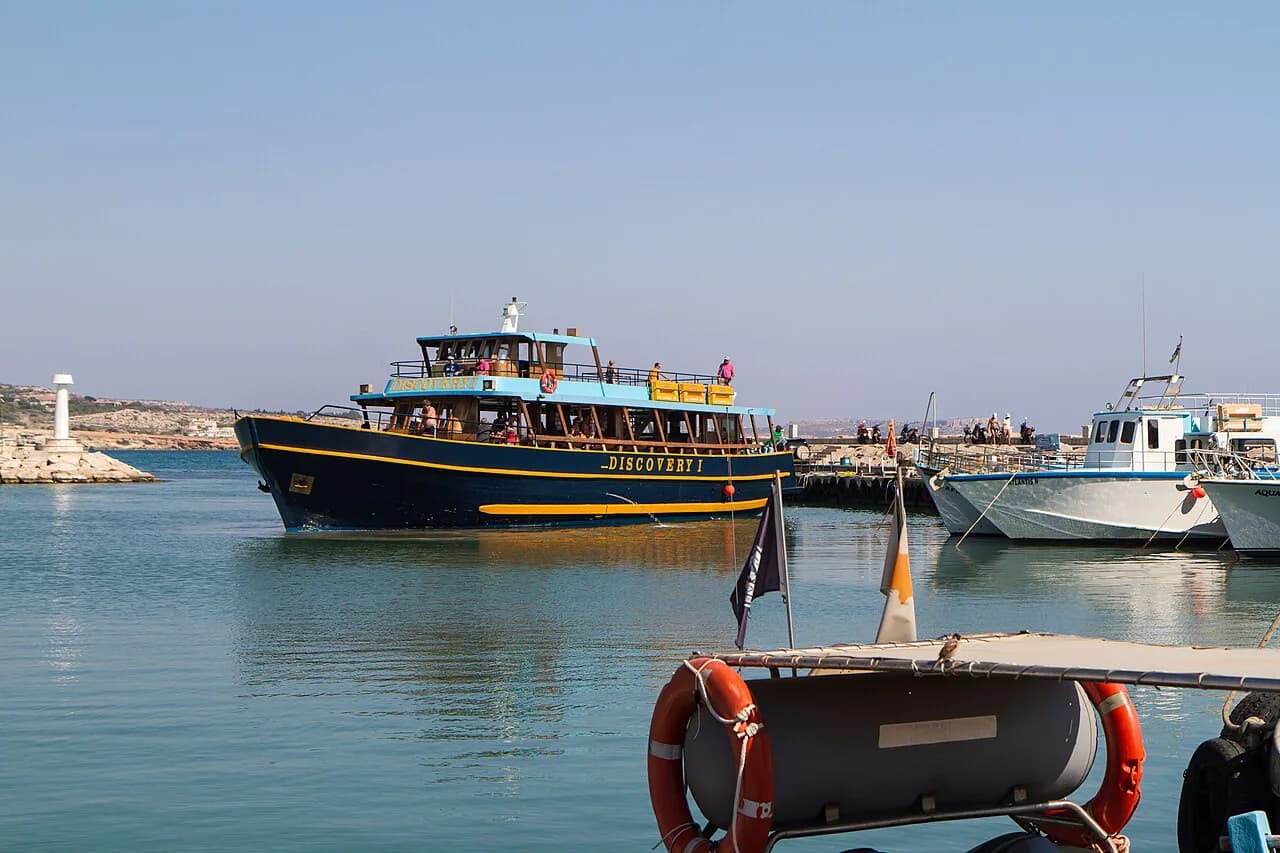
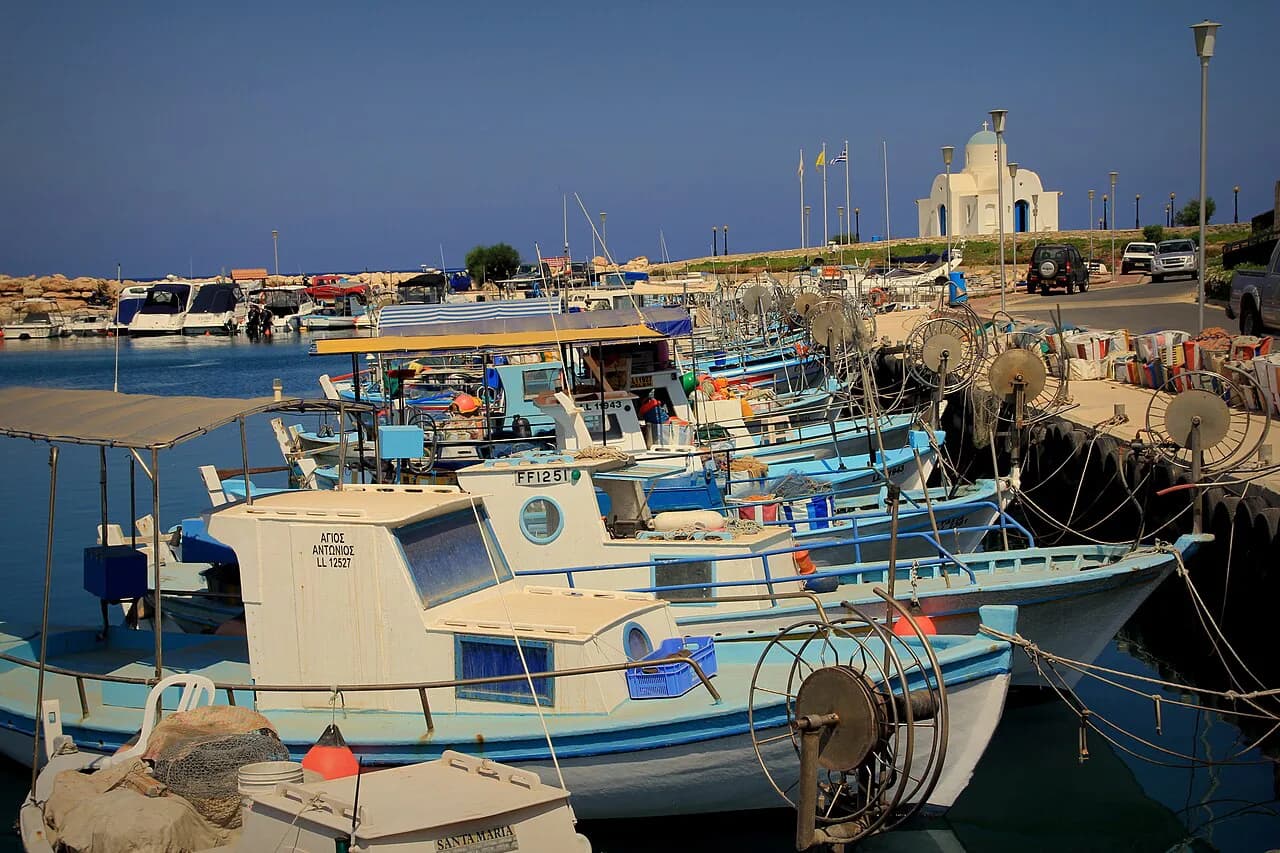
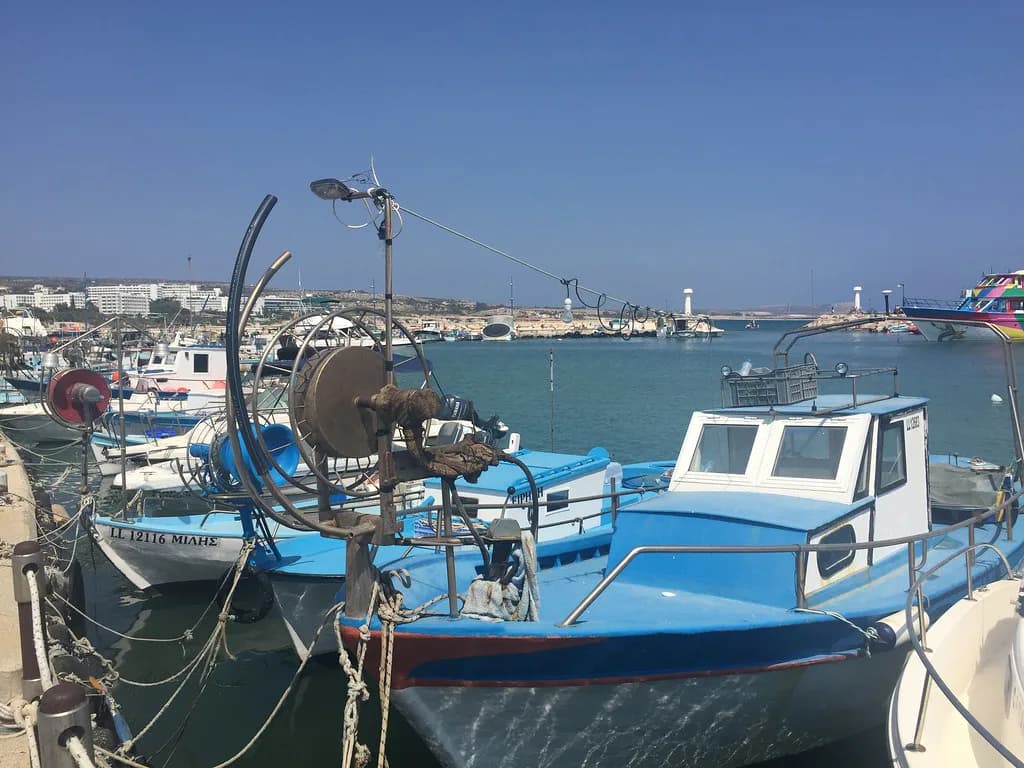
Down at the water, the picture changes to boats, quayside walks and the low coastal edge. Ayia Napa harbour is the natural end point of an old-town wander and the place to pick up a boat trip if you want one.
The square by day and after dark
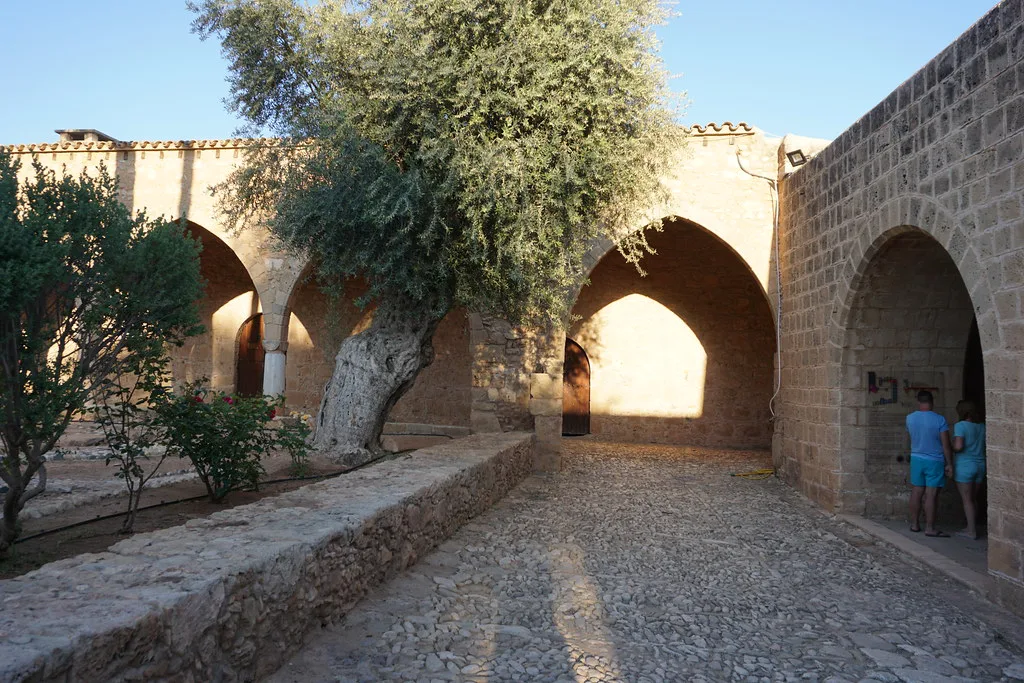
By day the square is a shopping and café stop, with the surrounding streets busy but not frantic. This is the time to look at the buildings, work out which lanes lead downhill, and get your bearings before the crowds build. It is also the easiest window for anyone who wants the old-town streets without the noise.
After dark the same square becomes the resort's nightlife centre, known for its concentration of clubs, pubs and parties. That dual identity is worth knowing before you book anything nearby: an address close to the square is convenient for a night out and loud if you want an early night. Plan around it rather than being surprised.
Walking the lanes between the square and the harbour
Start at the square, take any street heading downhill, and let the harbour pull you in. The lanes are short, so you can zigzag without losing time, and the mix changes block by block between shops, food places and residential frontages. Look up as you go: the older low buildings sit among newer shopfronts, which is the honest texture of this village-turned-resort.
On the way back up, take a different lane to the one you came down. Two passes give you a genuine sense of the core in under an hour at an easy pace. If you want the walk structured for you, a guided version is covered separately.
Where the old town meets the resort
Beyond the harbour the coast runs on towards the beaches, and the promenade links the centre with the waterfront in a way that makes a car unnecessary for the old-town day itself. Ayia Napa promenade is the obvious continuation if you have time left after the lanes.
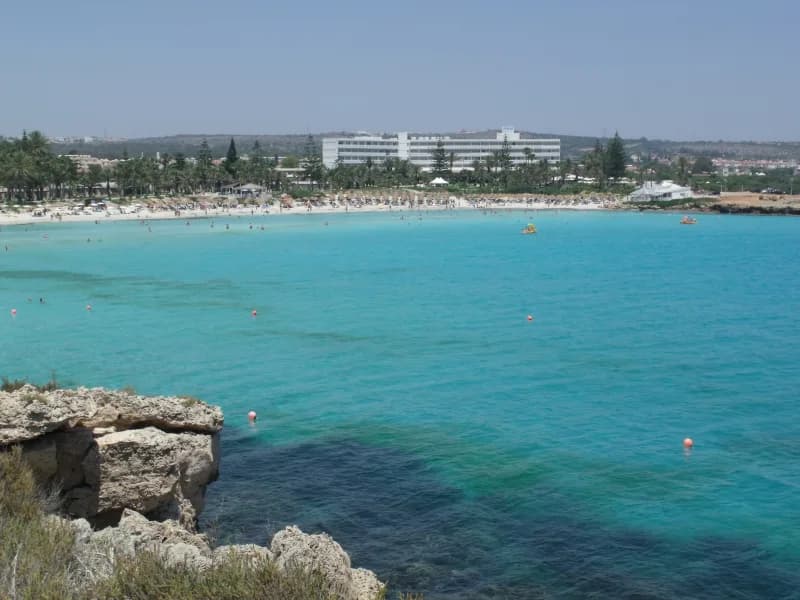
Nissi Beach, the quieter stretch many families head for, is the best-known beach outside the centre, with calm, clear water. Treat the beaches as a separate outing from the old-town walk and give them their own half-day rather than folding them into the lanes.
How long you need, and the best time of day
Allow half a day to cover the square, the lanes and the harbour at a relaxed pace, including a stop. If you only want a look at the core, an hour or so on foot is enough before you move on. Add beach or boat time separately rather than trying to fold it into the old-town walk.
Summer afternoons in Ayia Napa get very hot, so walk the lanes in the morning and save the exposed waterfront for later. Early evening is the other good window: the heat eases and the square is still in daytime mode before the night trade takes over.
Getting there from Larnaca and getting around
Larnaca is the airport for Ayia Napa, and the direct drive takes about 45 minutes. A taxi runs roughly €60–€70, which makes sense for a group splitting the fare but less so for a solo traveller. Package transfers can take longer once you factor in drop-offs.
Once you are in the centre, the old town needs no transport: the square, the lanes and the harbour all sit within walking distance of each other. The wide choice of watersports, karting, bowling, a marine park and boat trips lies outside the core, so plan those as separate outings. Bus timetables and fares are set by the local operators and change with the season.
Should the old town be your first stop?
Yes, if you want to understand how Ayia Napa fits together before committing to beaches or boat trips. Walk the square and the lanes down to the harbour on your first morning, when it is cool and quiet, and you will place everything else on the map. Keep the night-time square for a separate visit if the club scene is not your reason for coming.
Explore more Ayia Napa guides
Frequently Asked Questions
Is Ayia Napa old town the same as the Ayia Napa strip?
They overlap. The strip is the nightlife area centred on the square, while the old town is the wider former fishing village around it, running down to the harbour. Walk the lanes by day to see the village side, and expect the square itself to change character after dark.
Can you walk from Ayia Napa square to the harbour?
Yes. The square sits inland and the harbour at the bottom of the slope, with a short run of streets between them lined with food outlets and shops. It is a downhill walk of a few minutes, and you can return by a different lane to see more of the core.
Sources
Notes for your Cyprus trip
Optional updates to our Cyprus guides.
You might also like
Continue reading
More guides you'll find useful