
Ayia Napa Itinerary: A 2-3 Day Plan by Area
Plan an Ayia Napa itinerary of two or three days, grouped by area: the monastery square, Thalassa museum, sculpture park and Cape Gkreko, with costs and hours.
On this page
Two days are enough for Ayia Napa's sights, and three days let you slow down. The trick is to group everything by area: day one stays in the village centre around the monastery square and the fishing harbour, and day two heads northeast along Kryou Nerou Avenue to the sculpture park and Cape Gkreko. This itinerary sets out that split, with the museum's seasonal opening hours and how much of each day the cape really takes.
It assumes you have a car or are willing to use taxis for the cape, because the village sights sit close together on foot while Cape Gkreko does not. Costs are in euros, and the two paid stops are named with their published prices.
Day 1 morning: the monastery square and the fishing harbour
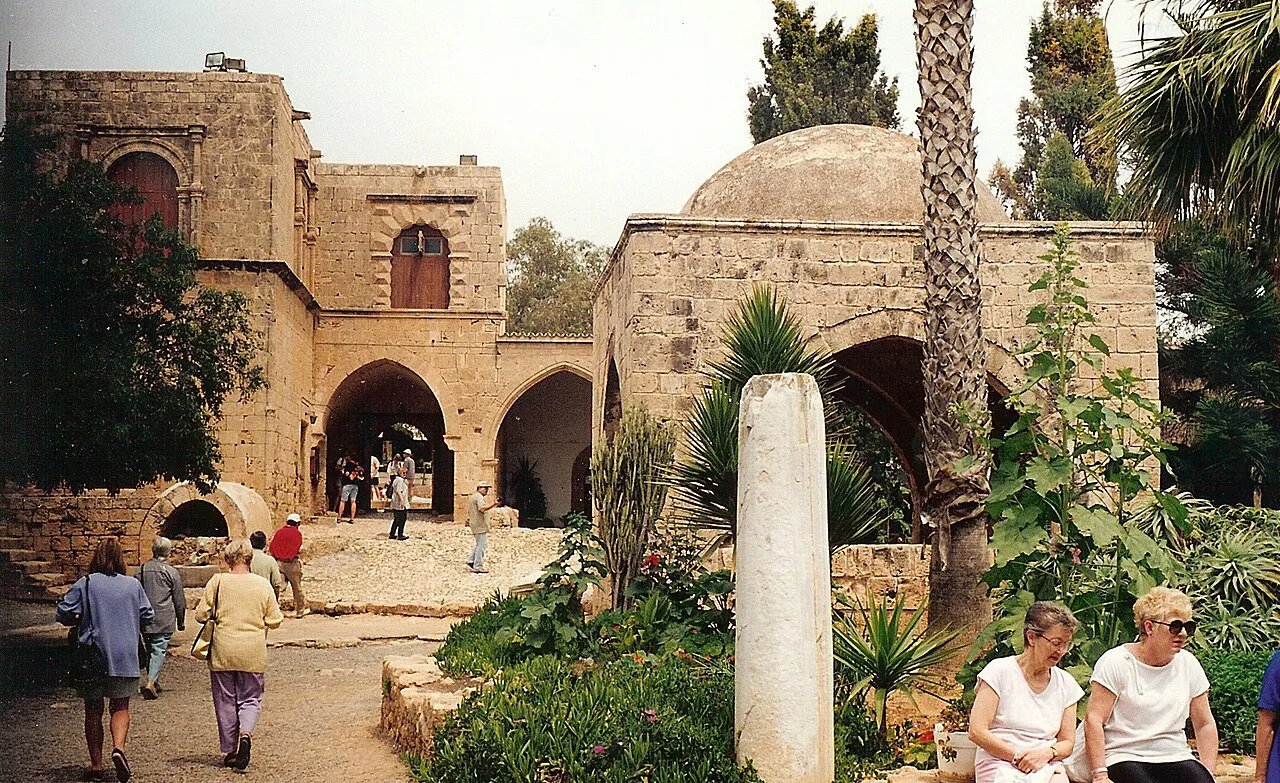
Start in the heart of the village, where the square wraps around the medieval monastery. Visit Cyprus describes the monastery as a tranquil landmark by day, with the surrounding bars and clubs only coming alive in the evening, so a morning visit gets you the calm version. Walk the lanes off the square on foot rather than driving between them; the centre is compact and parking is easier left at the edge.
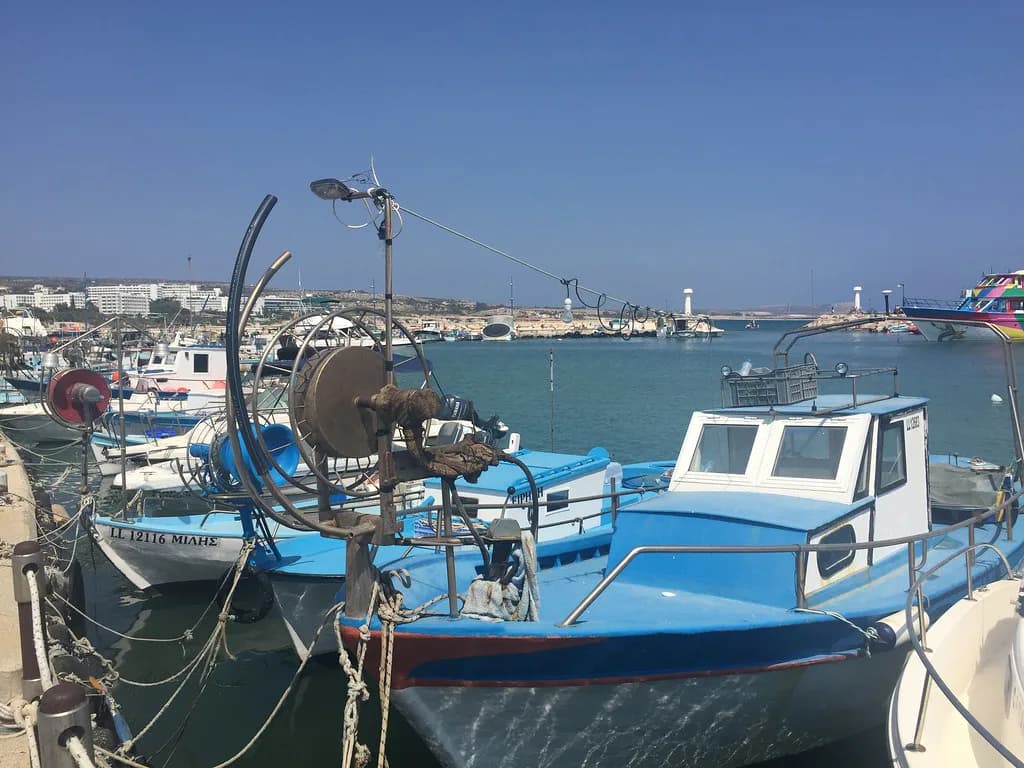
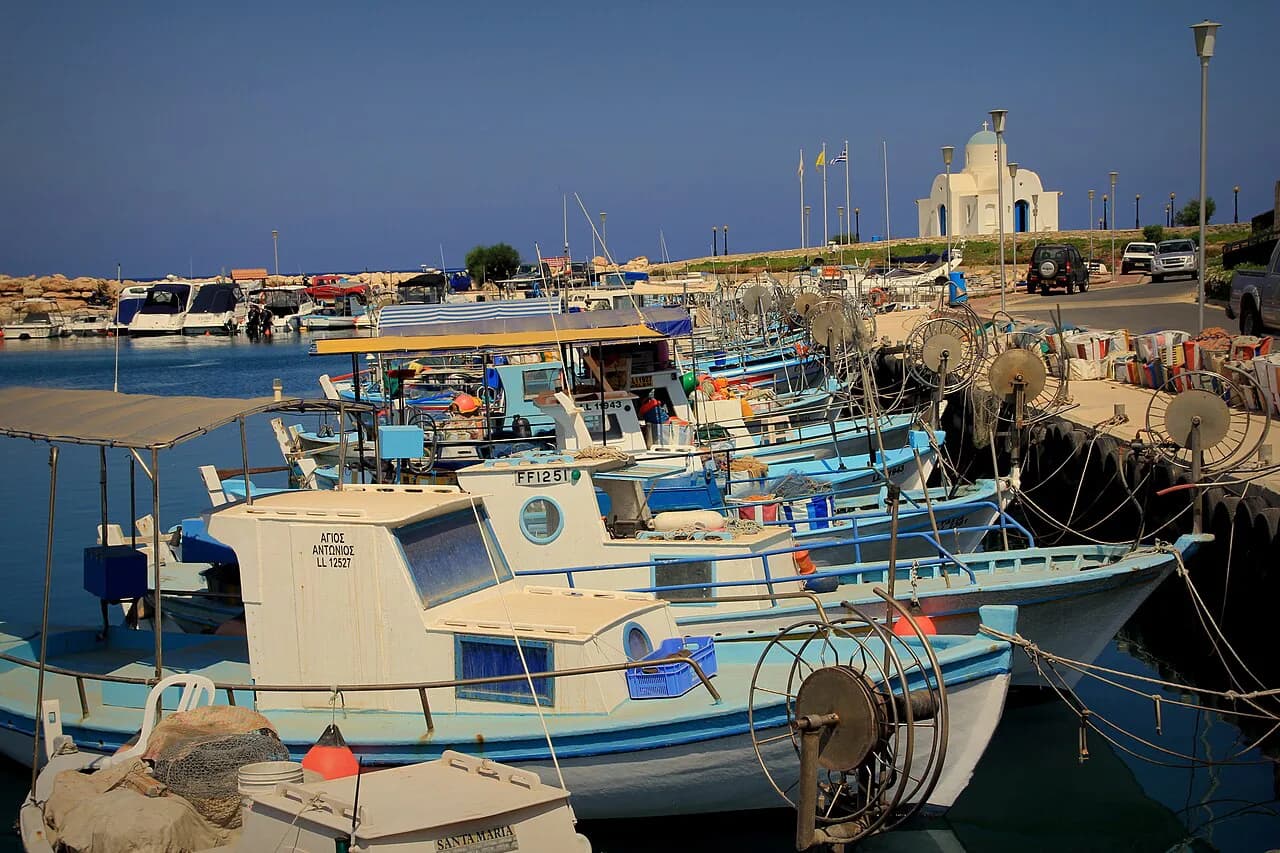
From the square, wander down to the quaint fishing harbour, which Visit Cyprus lists among the village's sights. It is a short walk and best done before the midday heat builds. The old town lanes around the square reward a slow look, and the Ayia Napa old town layout is worth understanding before you start so you do not double back.
Day 1 afternoon: Thalassa Agia Napa Municipal Museum
The Thalassa museum on Leoforos Kryou Nerou 14 is the one indoor stop worth building a day around, and it is named after the Greek word for sea. Its centrepiece is a life-size replica of the Keryneia II, a fourth-century BC Greek trading ship that sank off Kyrenia around 300 BC, displayed so you can see it from several levels including a birds-eye view. A basement marine life section adds fish, sea mammals, crustaceans, corals, shells and fossils, some dated to 130 million years ago.
Hours split by season. From October to May it opens Monday 09:00 to 13:00 and Tuesday to Saturday 09:00 to 17:00, with Sunday closed. From June to September the weekday pattern holds but Sunday opens 15:00 to 19:00, which makes it a good late-afternoon slot after the beach. Adults pay 4 euros and children 1.50 euros, with reduced rates for students and groups, and it closes on public holidays. The building is wheelchair accessible.
Day 1 evening: the square after dark
Once the museum closes, the harbour and the centre are within walking distance of each other, so you can leave the car parked. The square is the scene of the village's annual cultural calendar, including the Medieval Festival, the International Festival and the Feast of Panagia Virgin Mary on 8 September, and the bars and clubs take over in the evening. Book any boat trip for later in the stay from the harbour rather than squeezing it into day one.
Day 2 morning: the Sculpture Park and cactus park
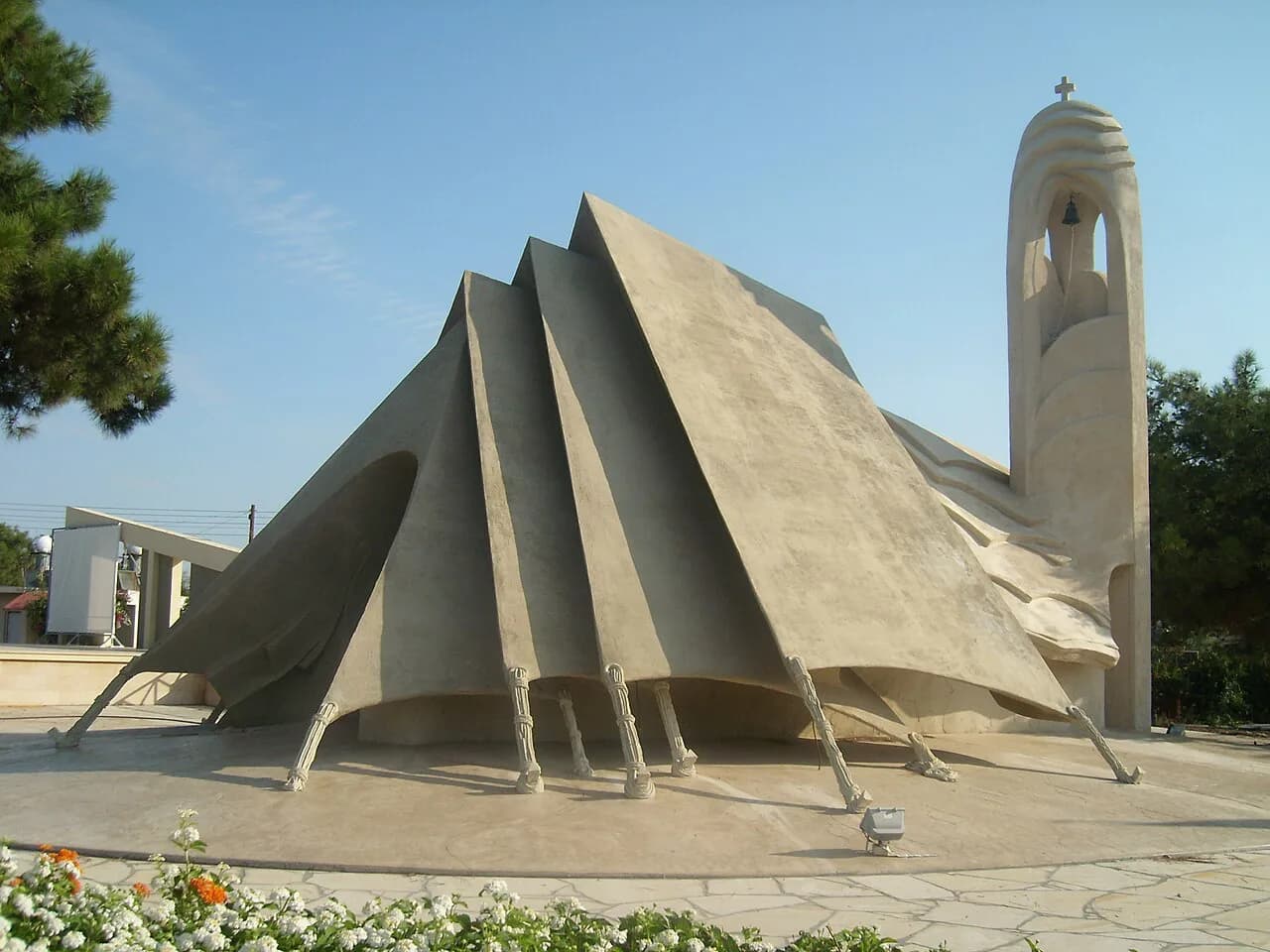
Head northeast along Kryou Nerou Avenue to where it meets the Cape Gkreko road, and you reach a 20,000 square metre sculpture park holding work by more than 50 artists who have taken part in the municipality's annual sculpture symposium. The adjoining Park of Mediterranean Plants, Cacti and Succulents extends the collection with island cacti and dry-climate plants. It is free and open from sunrise to sunset all year, with benches along the paths and panoramic views, which makes it a good early stop before the heat. If you want more indoor stops in town, see the museums in Ayia Napa guide.
Because the park sits on the road to the cape, pair the two rather than treating them as separate trips. Allow roughly an hour here, longer if you like sculpture, then continue northeast. If you would rather walk the centre first, a walking tour of the village works well as a warm-up.
Day 2 afternoon: Cape Gkreko, sea caves and Lovers Bridge
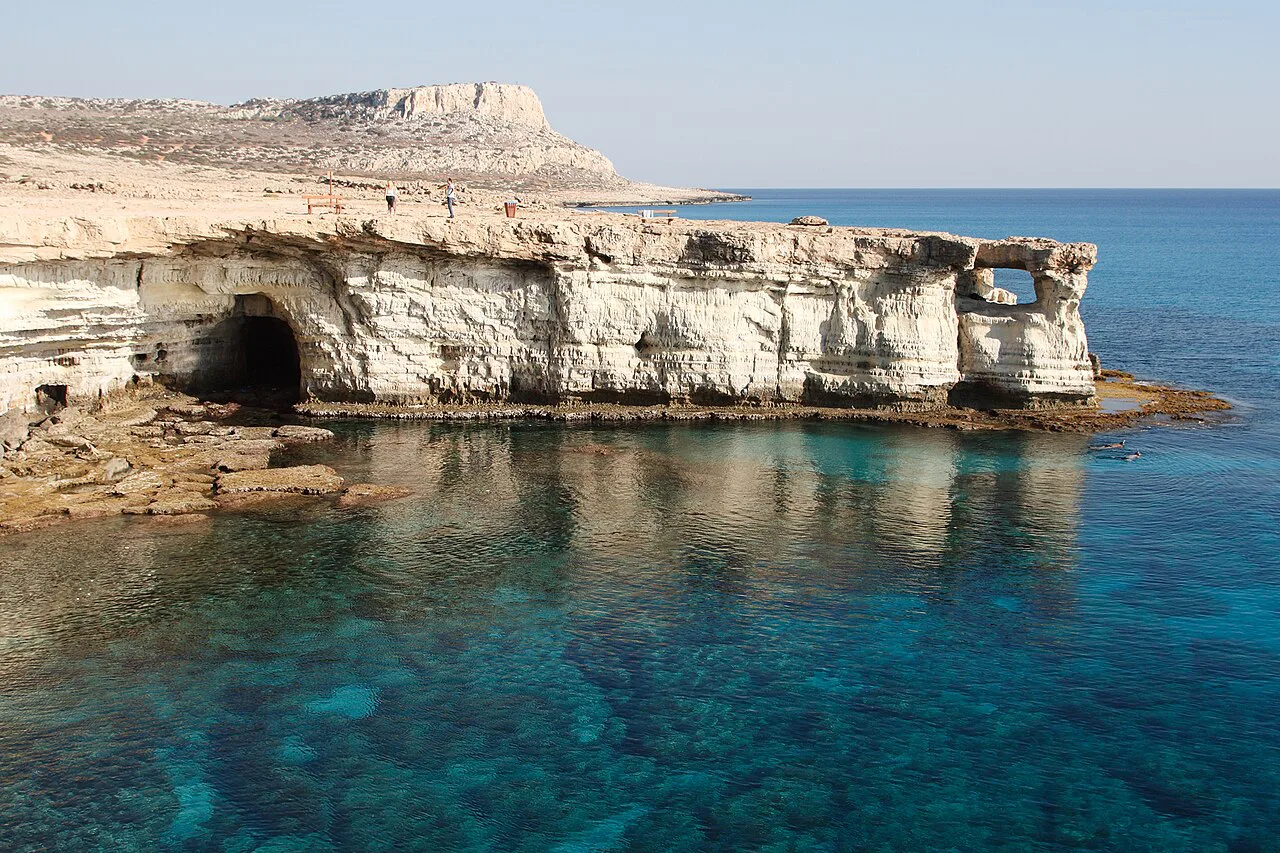
The Natural Forest Park of Cape Gkreko is the area's wildest corner, with coves, caves, rare flora and fauna and big coastal views, according to Visit Cyprus. The same source names the sea caves at Palatia and Korakas Bridge, plus Lovers Bridge with its love locks, among the village's sights. This is a half-day rather than an hour: the distances between viewpoints are short by car but the landscape invites stopping. For more on the cape's forest park, see the village guide above.
Summer heat and crowds are the trade-off. Go early or late, carry water, and expect the cliff paths and rocky edges to demand proper shoes rather than flip-flops. A car makes the cape far easier than buses, and you will want it back before the light fades.
Day 3 options: archaeology, the aqueduct and the chapels
With a third day, add the Makronisos archaeological site, where Visit Cyprus notes tombs from the Hellenistic and Roman periods, then the old aqueduct on the edge of the village. Both are quiet, low-key stops that balance the cape's scenery. The Makronisos site is outdoors with little shade, so treat it as a morning visit.
Finish with the religious monuments Visit Cyprus lists: the Agia Thekla and Agioi Anargyroi chapels. They are small, free to approach and quick to see, which makes them easy to fit around a late lunch. If you are weighing up whether the extra day is worth it, the broader list of things to do in Ayia Napa shows how much of the area you would otherwise skip.
When to go and how the days fit the heat
High summer brings heat and crowds, especially around the cape and the centre, so shift outdoor stops to the early morning and late afternoon and keep the museum for the hottest hour. The museum's summer Sunday opening from 15:00 to 19:00 is a useful wet-weather or midday fallback. Shoulder months are gentler for walking the sculpture park and the cape paths.
Group your days by area exactly as above and you avoid crossing town twice. The Ayia Napa map helps you see that the centre, museum and harbour cluster together, while the sculpture park and cape sit along one northeastern road. Sights and timings can change by season, so confirm the museum's hours before you travel.
Getting around: on foot, by taxi or by car
The village centre, monastery square, harbour and museum are all walkable, and Leoforos Kryou Nerou carries you toward the sculpture park on foot too. For Cape Gkreko and the sea caves, a car is the practical choice, and Cyprus drives on the left. Hire-car insurance and parking at the cape are worth sorting before you set out.
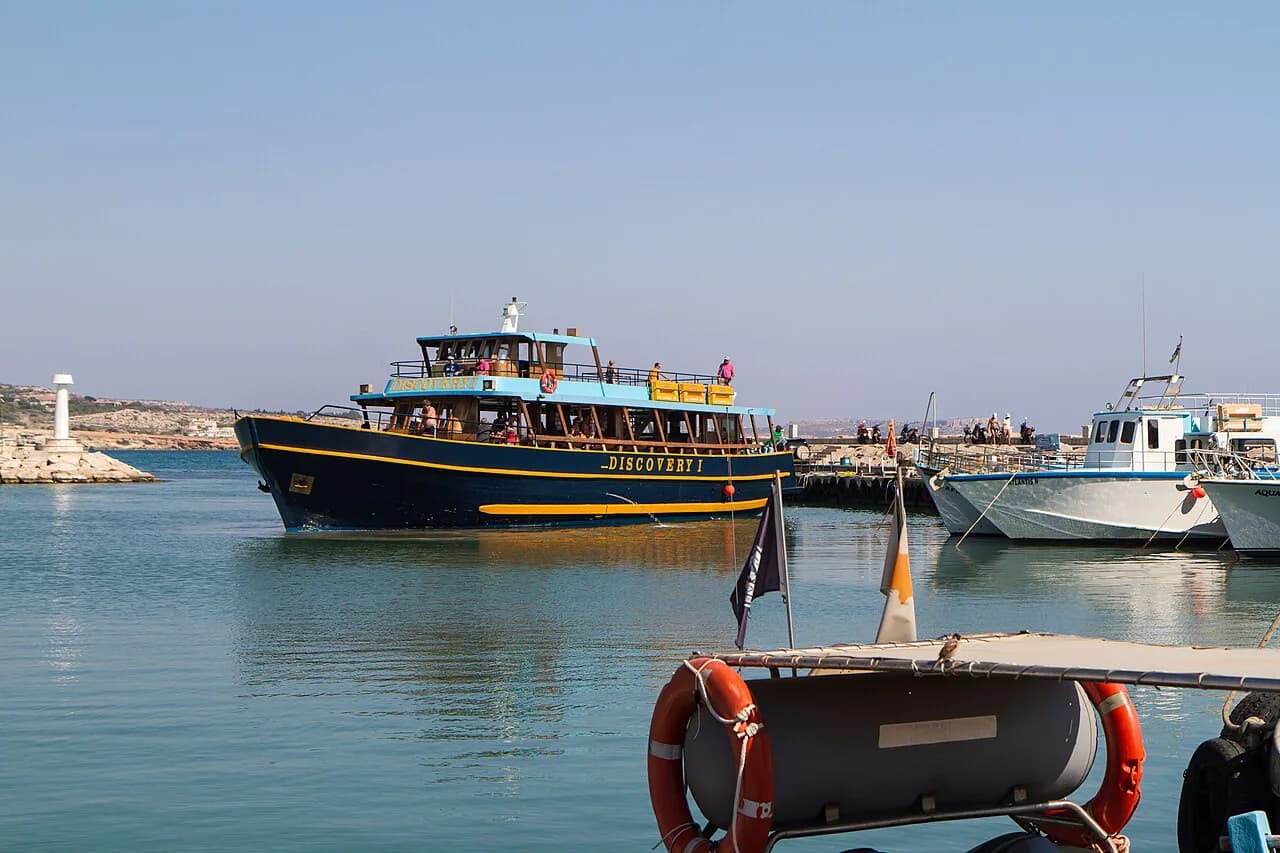
If you would rather not drive, taxis work for the cape but you will need to arrange a return, since the viewpoints are spread out. Boat trips leave from the harbour and are a separate outing rather than a substitute for the cape drive. Budget in euros and keep small notes for parking.
How the day plans compare with the shorter guides
If you only have one day, compress this into the village centre in the morning, the museum after lunch and the sculpture park in the late afternoon, skipping the cape. A how-many-days guide helps you decide whether two is enough. This itinerary is the middle option: enough time for the cape without padding the days with filler.
Is two days or three the better fit?
Choose two days unless you want the Makronisos tombs, the old aqueduct and the chapels as well. The two-day plan covers the village centre, the museum, the sculpture park and Cape Gkreko in a logical loop with no wasted driving. Add the third day for archaeology and a slower pace.
Explore more Ayia Napa guides
Frequently Asked Questions
Is Ayia Napa worth visiting outside the nightlife?
Yes. The monastery square, the fishing harbour, the Thalassa museum with its Keryneia II ship replica, the free sculpture park and the Cape Gkreko landscape fill two or three days comfortably, and the museum gives you a solid indoor option in poor weather.
What can you do in Ayia Napa in one day?
Spend the morning around the monastery square and harbour, take in the Thalassa museum in the afternoon and finish at the sculpture park near the Cape Gkreko road. Cape Gkreko itself needs more time than a single day allows alongside the centre.
Do you need a car for an Ayia Napa itinerary?
For the village centre, no: the square, harbour and museum are walkable. For Cape Gkreko, the sea caves and Lovers Bridge, a car or a pre-arranged taxi is the practical way to cover the spread-out viewpoints.
Sources
Notes for your Cyprus trip
Optional updates to our Cyprus guides.
You might also like
Continue reading
More guides you'll find useful

.jpg)