
Ayia Napa Sea Caves: A Visitor's Guide to the Cape Greco Coast

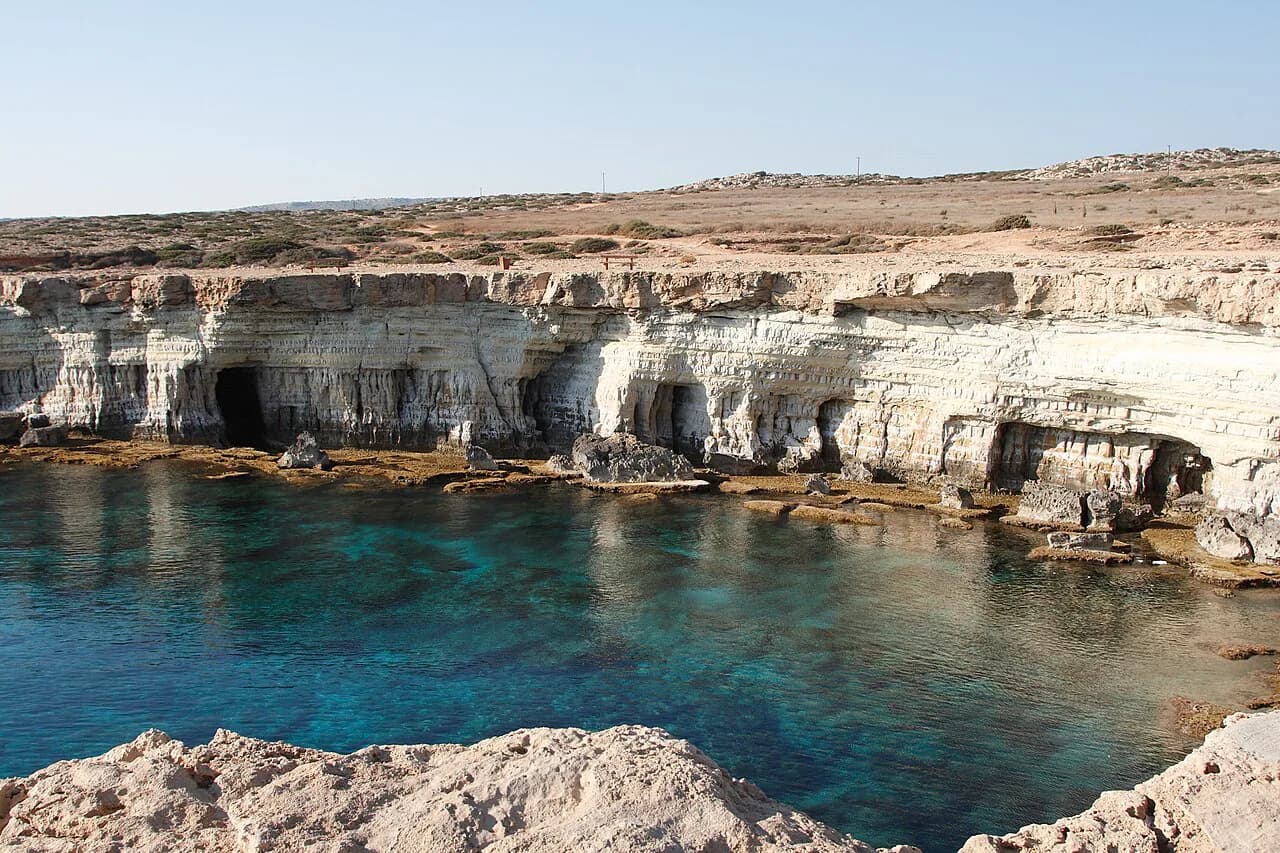
The Ayia Napa sea caves are a public natural site with no entrance fee, carved into the limestone of the Cape Greco headland east of Ayia Napa on Cyprus's south-east coast. You can reach them by your own transport, by public bus or from the water on a boat tour.
This guide covers where the caves sit, how each route in works, the specific features worth hunting down — the sea window, Palaces Caves and Love Bridge — and the ground underfoot, which is rockier than the photographs suggest. The rest of the headland, from the Agioi Anargyroi chapel to the lighthouse, fits into the same outing.
Where the Ayia Napa sea caves are
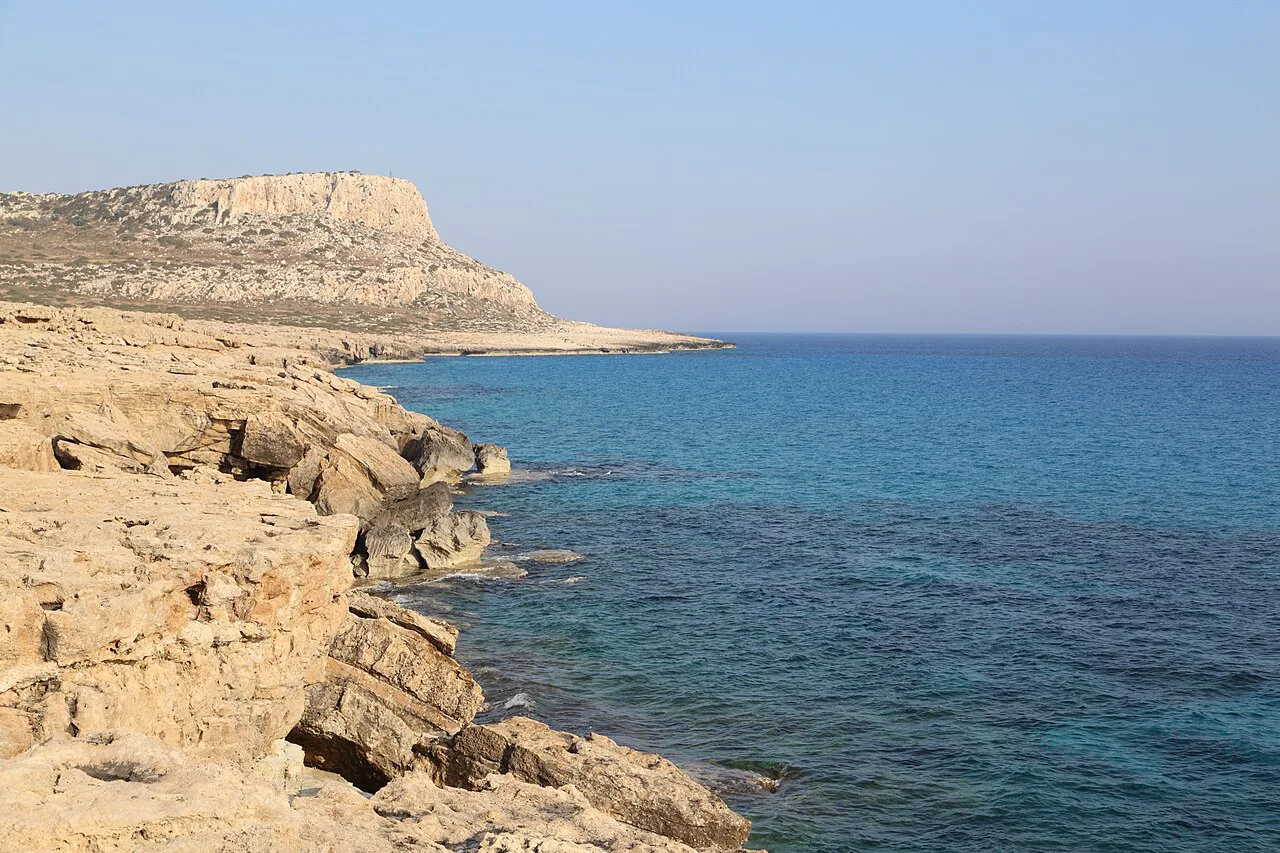
The caves lie on the Cape Greco peninsula, the headland that runs east from Ayia Napa to the island's south-eastern tip. This is limestone country: the sea has worked the rock into caves, arches and stacks over a very long period, and the water below them is unusually clear.
The caves are not a single ticketed monument but a stretch of coast, so there is no gate, no opening time and no queue to join. Plan them as a coastal walk with stops rather than a museum visit, and expect to share the rocks with swimmers and photographers.
For the wider set of sights around town, from the monastery to the harbour, see the Ayia Napa Attractions: 9 Visitor Guides collection and slot the caves in alongside them.

Getting there by car, buggy or quad
Driving yourself gives you the most control over timing. The road runs from Ayia Napa out through the park towards the headland, and you leave the car at a dirt parking area near the caves rather than at a formal car park.
Buggies and quads are a popular way to cover this stretch of coast and cope with the rougher approach tracks. If you hire one, check what the rental agreement covers before heading onto unsealed roads, and keep to tracks that are clearly in use.
Cycling is the other self-powered option and works well in the cooler shoulder months; in high summer the exposed road out to the cape makes it a hot ride. Whichever you choose, carry water with you from town.

Reaching the caves by public bus from Ayia Napa
Public buses from Ayia Napa serve the Cape Greco area, and the trip is a cheap way to arrive without a hire car. The catch is that you are tied to the return service, so note the last bus back before you set off along the cliffs.
Ask at the bus stop or the driver which stop puts you closest to the caves, since the walk from the road to the rock edge adds time and is uneven underfoot. Current routes, timetables and fares are published by the bus operator and change with the season, so confirm them for your dates rather than relying on an old printout.
Allow a margin on the way back: the walk from the caves to the stop is slower than it looks, and missing the last bus means a long walk or a taxi. If your group includes anyone unsteady on rough ground, the car option is the kinder one.
Boat trips that pass the sea caves and Love Bridge
Boat tours from the Ayia Napa and Protaras side run along this coast and give you the caves and the Love Bridge from the water, where the limestone arches read much better than from the clifftop. You also get the chance to swim in the clear water beneath them without scrambling over rock.
Services are seasonal and run to their own schedules, so pick an operator whose published departure point and duration suit you and book through that operator directly. Compare what is included — swim stops, for example — rather than assuming every trip is the same.
The Love Bridge itself is a natural rock arch with one end in the sea and the other joined to land, and it is easy to combine with a clifftop walk. The Love Bridge, Ayia Napa page covers the arch on its own if you want to build a short outing around it.
Finding the sea window and the Palaces Caves
The sea window is the shot most people come for: a natural opening in the rock that frames the water beyond it. It sits within the same cluster of formations, and you find it by working along the cliff edge rather than heading for a signposted entrance, so give yourself time to look.
Palaces Caves is the spot where locals jump from the rocks into the sea, and it is worth knowing that this is an activity you watch rather than join unless you know the water depth and conditions. The rocks are uneven and rocky underfoot throughout this section, which rules out flip-flops for anyone moving between viewpoints.
Bring swimwear if you plan to get in, and shoes with grip for the approach either way. Treat it as wild coast and judge the swell from the clifftop before committing to a swim.
Safety, heat and crowds at the caves
The single most useful preparation is footwear: trainers or sturdy sandals cope with the rock, and the ground between the parking area and the cliff edge is uneven enough to turn an ankle. Carry water and wear a hat.
Summer afternoons bring the heat and the crowds together, so early morning and late afternoon are the comfortable windows for the rock-hopping and photography. Expect company on the cliff paths at peak times.
Watch your footing near the edge rather than stepping backwards for a photo, and keep an eye on anyone swimming below. The clear water is inviting, but this is open sea, so conditions decide whether a dip is sensible.
The Agioi Anargyroi chapel, hermit's cave and lighthouse
The tiny Greek Orthodox chapel of Agioi Anargyroi is one of very few buildings in the park, popular for weddings, and a hermit's cave sits beneath it. It is a short detour from the cave coast and adds a cultural stop to what is otherwise a landscape outing.
The lighthouse stands on the headland itself, with the ruined foundations of an ancient temple to Aphrodite close by. Both are visited on foot, and the walk between chapel, lighthouse and caves is the natural way to string the headland together in one loop.
If you want a second dose of coastal sculpture rather than archaeology, the Ayia Napa sculpture park is nearby on the same side of town.
Nearby stops: Konnos Bay and the rest of the park
Konnos Bay, a secluded cove a little further along the coast, is the obvious pairing with the caves: see the rock formations first, then swim from a proper beach. It gives you somewhere to spend the rest of the afternoon without driving back into town.
Back in Ayia Napa, the Ayia Napa monastery and the harbour area make an easy late-afternoon contrast to the bare headland. If you are heading west instead, Ayia Thekla Chapel sits near Nissi Beach and works as a separate short stop rather than part of the cape loop.
In spring the park's footpaths carry orchids and other wild flowers, and wildlife ranges from small lizards on the rocks to dolphins offshore. That makes the shoulder season the most rewarding time to walk this coast, with cooler air and thinner crowds on the cliff paths.
Car, bus or boat: which way to see the caves?
Take the car or a buggy if you want the sea window, Palaces Caves and the chapel in one unhurried outing, and you can be there before the heat builds. Use the bus if you are happy to work to a timetable and pack light for the walk in, and choose a boat trip if seeing the arches from the water and swimming from the deck appeals more than clambering over limestone.
Whichever you pick, wear proper shoes, carry water, and bring swimwear only if you are prepared to judge the sea for yourself. The caves cost nothing to visit, but the day works best when you have decided how you are getting back before you set off.