
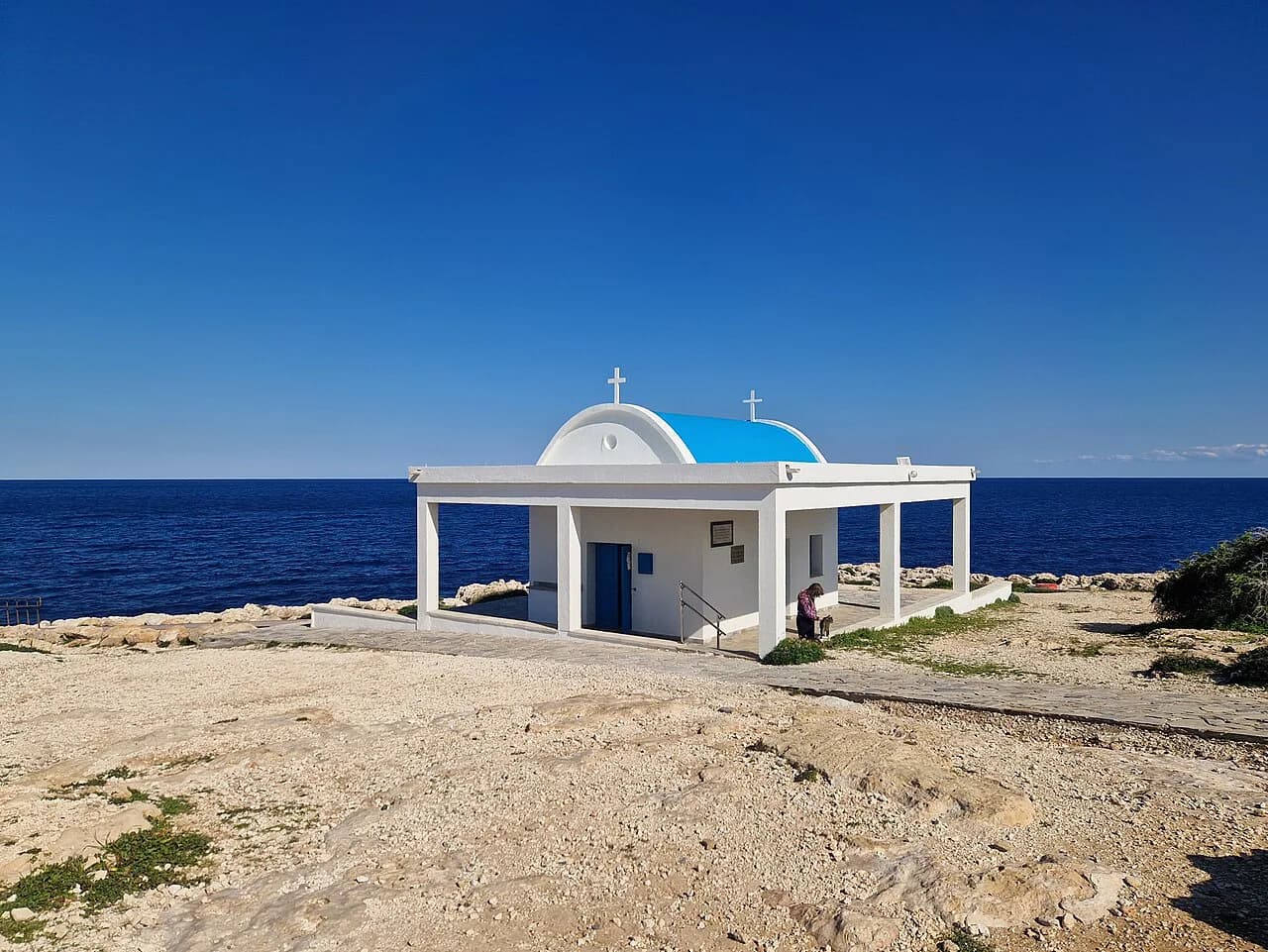
Agioi Anargyroi Chapels, Ayia Napa: What to Know Before You Go

The Agioi Anargyroi chapels are listed among Ayia Napa's religious monuments, so treat them as one short stop on a village walk rather than a trip in their own right. Build them into a half-day loop with the square, the monastery, the Thalassa Museum and the fishing harbour and you get a coherent morning or late afternoon without a car.
The Visit Cyprus village entry lists the Agioi Anargyroi chapels among Ayia Napa's religious monuments, alongside the Agia Thekla chapel, without adding detail about the church itself. This page covers how the chapels fit into a village walk, what to see nearby, and how to time the loop around summer heat.
Where the Agioi Anargyroi chapels fit in Ayia Napa village
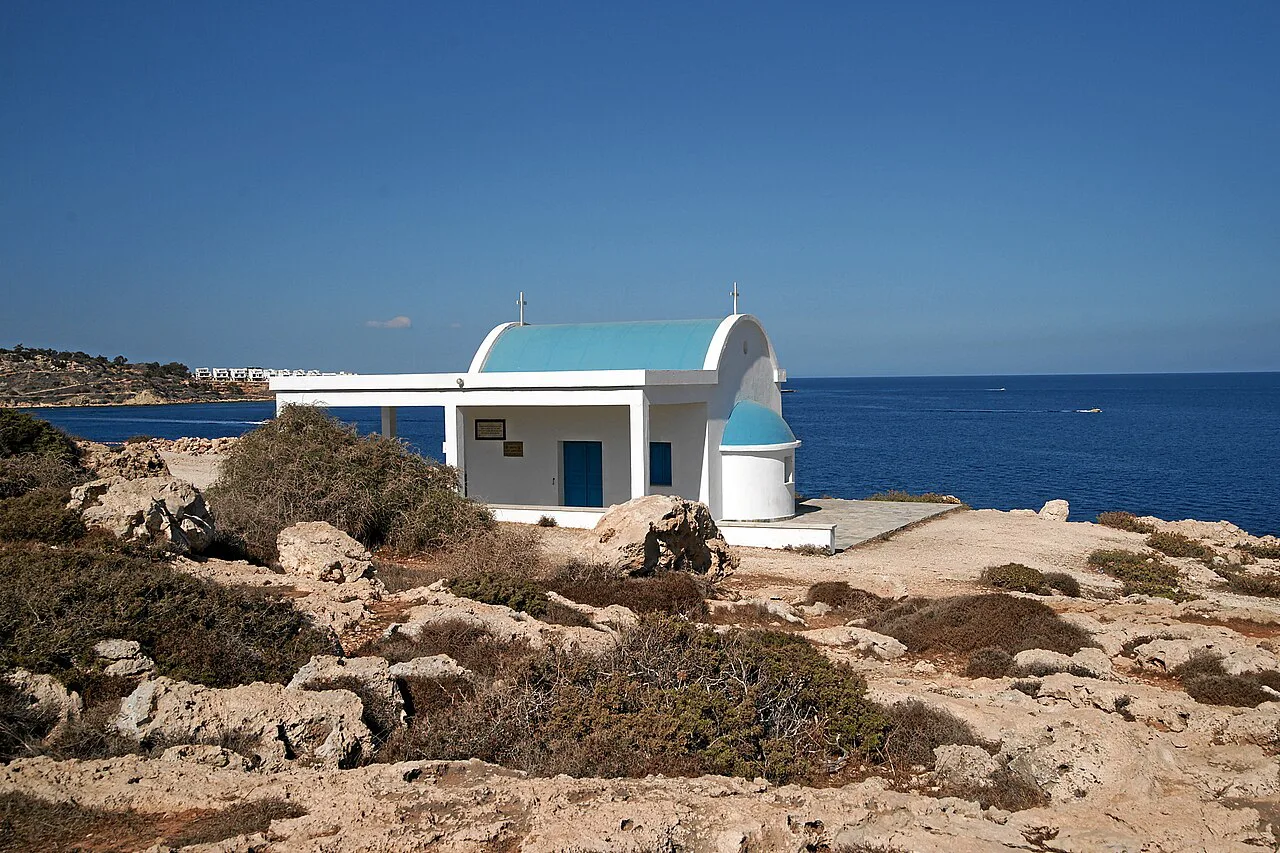
Ayia Napa began as a fishing village in the Ammochostos (Famagusta) district and has grown into a resort whose core still clusters around its square. The village centre holds the monastery, which stands on the square as a tranquil landmark by day, and the surrounding area carries the smaller chapels and religious monuments, with the Agia Thekla and Agioi Anargyroi chapels named among the village's sights. The chapels belong to that group of village religious monuments rather than to the coast.
Use the square as your reference point: the monastery and the lanes running off the square put you in the village's historic core. The fishing harbour gives you the seaward end of the walk, and the old aqueduct and Lovers Bridge are among the village's listed sights. Treat the chapels as a point on that circuit rather than a separate excursion.

Getting around the village on foot from the square and harbour
Start at the square, look round the monastery courtyard, then work through the village lanes on foot. Distances inside the core are short enough that a car is a hindrance: you would spend longer parking than walking. Wear shoes you can walk in on uneven paving and carry water, because shade between buildings is patchy.
If you are coming from the coastal strip, walk up from the fishing harbour into the village rather than driving in. The Ayia Napa Sea Caves, including Palatia and Korakas Bridge, are among the village's listed sights but sit outside the centre, so keep them for a separate coastal walk with proper footwear.
Buses and taxis serve the resort, but routes and timetables change between seasons, so confirm the current service with the operator on the day. Hiring a car makes more sense for Cape Gkreko and the wider Famagusta District than for the compact village core itself.

What to see in the village's religious core
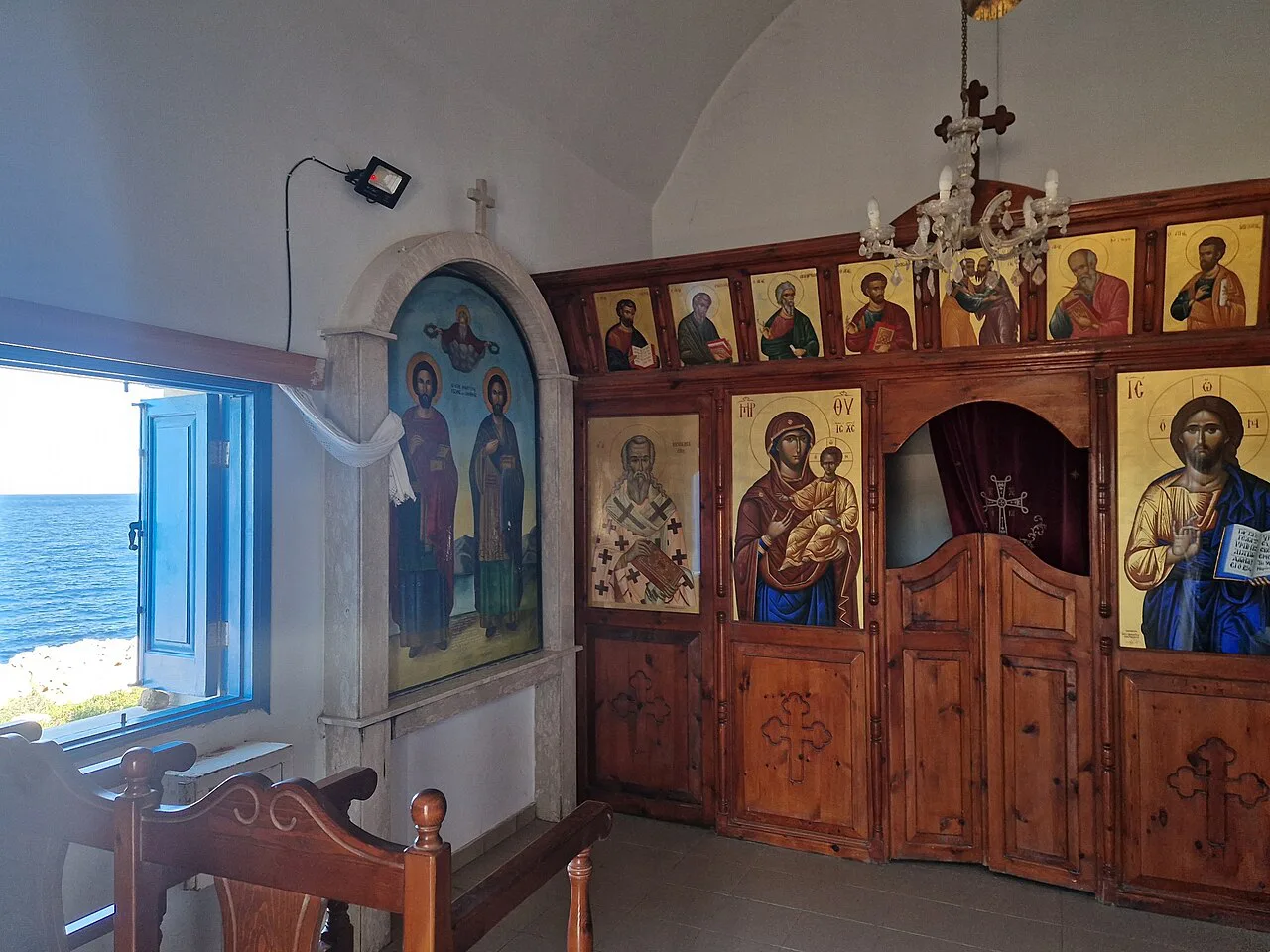
If you do find the chapels open, visit as you would any active place of worship: dress with shoulders and knees covered, keep voices low and step aside if a service is under way. Keep the stop brief and treat the building itself as the sight, with the village lanes and the square doing most of the work of the visit.
Ayia Napa's religious monuments include the Agia Thekla and Agioi Anargyroi chapels, and the village page groups them with the monastery as the area's historic religious fabric. The Agia Thekla Chapel, out towards the coast, is worth a separate stop if you have a car.
How long to allow and when to go
Allow two to three hours for the whole village walk with the monastery, square, chapels and harbour. That leaves room for a museum stop without turning the day into a march. The walk is compact, so the limit is heat and your own pace rather than distance.
Time the walk for early morning or late afternoon from June to September. Midday sun in Ayia Napa is fierce, the lanes offer little shade, and the exposed ground around the harbour and coastal paths radiates heat. Late afternoon also brings the square to life, when bars and clubs open, while the monastery stays a calm landmark during the day.
Spring and autumn give kinder temperatures for a walking loop, and the village festivals fill the square at points through the year, including the Feast of Panagia Virgin Mary on 8 September. If you want the square quiet, check what is on before you set out, since event days change the atmosphere.
Nearby sights within the same walk
The Thalassa Agia Napa Municipal Museum sits at Leoforos Kryou Nerou 14 and is the strongest single indoor stop in the village. It holds a life-size replica of the fourth-century BC Greek trading ship Keryneia II, which sank off Kyrenia around 300 BC and can be viewed from several levels, plus a basement marine life section with fish, sea mammals, crustaceans, corals, shells and fossils. Published hours run 09:00 to 13:00 on Mondays and 09:00 to 17:00 Tuesday to Saturday, with Sunday closed from October to May and open 15:00 to 19:00 from June to September.
Tickets are published at four euros for adults and one euro fifty for children, with reduced rates for students and groups. The museum is wheelchair accessible and closes on public holidays. Confirm the day's hours before you build the walk around it, because seasonal timings shift.
The fishing harbour gives you the seaward end of the walk, with the old aqueduct and Lovers Bridge among the village's listed sights. The Love Bridge carries its love locks and makes a natural pause before you turn back into the lanes.
Nearby beyond the village: Sculpture Park, Cactus Park and Cape Gkreko
The Agia Napa Sculpture Park sits where Kryou Nerou Avenue meets the road towards Cape Gkreko, and spreads across 20,000 square metres with benches and panoramic views. It holds work by more than fifty artists who took part in the municipality's annual sculpture symposium, and the collection keeps growing. The adjoining Park of Mediterranean Plants, Cacti and Succulents extends the same site with island cacti and dried plant varieties.
Both parks are free and open from sunrise to sunset all year, which makes them a good early-morning or late-afternoon add-on to the village walk. Reach them along Kryou Nerou Avenue, the same road as the Thalassa Museum, so you can chain the museum and parks in one direction.
Cape Gkreko's forest park, coves, caves and viewpoints lie beyond the village and need a car, a bus or a longer coastal walk. Save it for a separate outing rather than bolting it onto the chapel stop. The Ayia Napa Attractions: 9 Visitor Guides collection covers the coastal sights in more depth.
Practical points for visiting village chapels
Dress for a working place of worship rather than a tourist site if you step inside: covered shoulders and knees, no beachwear, and shoes that come off easily. Keep any visit short and quiet. The village's religious sites sit among ordinary streets, so you will pass homes and shops on the way.
Leave the car at the edge of the centre for the village loop if you are driving in; the streets around the square and the monastery are the pedestrian part of the visit and the chapel stop does not justify driving into the core.
The chapels are an ordinary part of the village's religious fabric rather than a ticketed attraction, so treat any visit as a brief, respectful pause. If you want to attend a service, confirm details with the parish locally rather than planning the day around a set time.
Are the chapels worth a stop on the village walk?
Yes, as one small stop inside a walk that already includes the monastery, square and harbour. Do not build a day around the chapels alone: their value comes from being in the middle of a compact village circuit you can do on foot in a morning.
Give the loop two to three hours, add the Thalassa Museum if you want the marine story, and finish along Kryou Nerou Avenue at the free sculpture and cactus parks. Early morning or late afternoon keeps you out of the worst summer sun.
Explore more Ayia Napa guides
Frequently Asked Questions
Do I need to pay to visit the Agioi Anargyroi chapels?
No ticket price is published for these chapels, and no source confirms they are open to walk-in visitors, so check locally before making a special trip. They are best treated as a brief stop within a village walk, with the square and monastery as the main draw.
How long does the village walk take if I include the chapels?
Allow two to three hours for the monastery, square, chapels and harbour on foot, plus time if you add the Thalassa Museum. The distances are short, so heat and your own pace set the timing.
What are the Thalassa Museum's opening hours?
Published hours are 09:00 to 13:00 on Mondays and 09:00 to 17:00 Tuesday to Saturday, with Sunday closed from October to May and open 15:00 to 19:00 from June to September. It closes on public holidays.