
Limassol Archaeological Museum: A Visitor's Guide

The Limassol Archaeological Museum is a small district museum, not a half-day attraction: its collection spans more than 3,000 years of Cypriot history, from Neolithic tools to Roman-era pieces, and an hour covers it comfortably. This guide sets out where it sits in the city, how to reach it, what the displays cover and which nearby sights fit the same outing.
It is also the museum travellers most often confuse with the site museum at Kourion, west of the city. Keep the two separate and the day plans itself: one is a town-centre collection, the other sits beside a major excavated city.
Where the museum sits in Limassol
The Limassol Archaeological Museum is a district museum of the Department of Antiquities, the state body that runs Cyprus's archaeological museums and ancient monuments. Its displays trace the island's material culture across millennia, which makes it a useful primer before you tackle a large open-air site. Treat it as a city-centre stop of about an hour rather than a destination in its own right.

How to get there
Limassol spreads a long way along the coast, so the practical question is which part of town you are starting from. Limassol castle, the old harbour and the seafront old town are walkable between each other, and the Cyprus Medieval Museum inside the castle slots into the same central run, with the Archaeological Museum as another stop on that circuit rather than a separate excursion across the city.
By car, the approach is straightforward from the A1 motorway that links Limassol with Nicosia and the airport corridor. Parking in central Limassol is tight in summer, so an early start pays off twice: cooler walking and a better chance of a space. If your base is further out along the coast, a taxi for the central cluster often works out simpler than moving the car twice.
What is inside: Neolithic to Roman
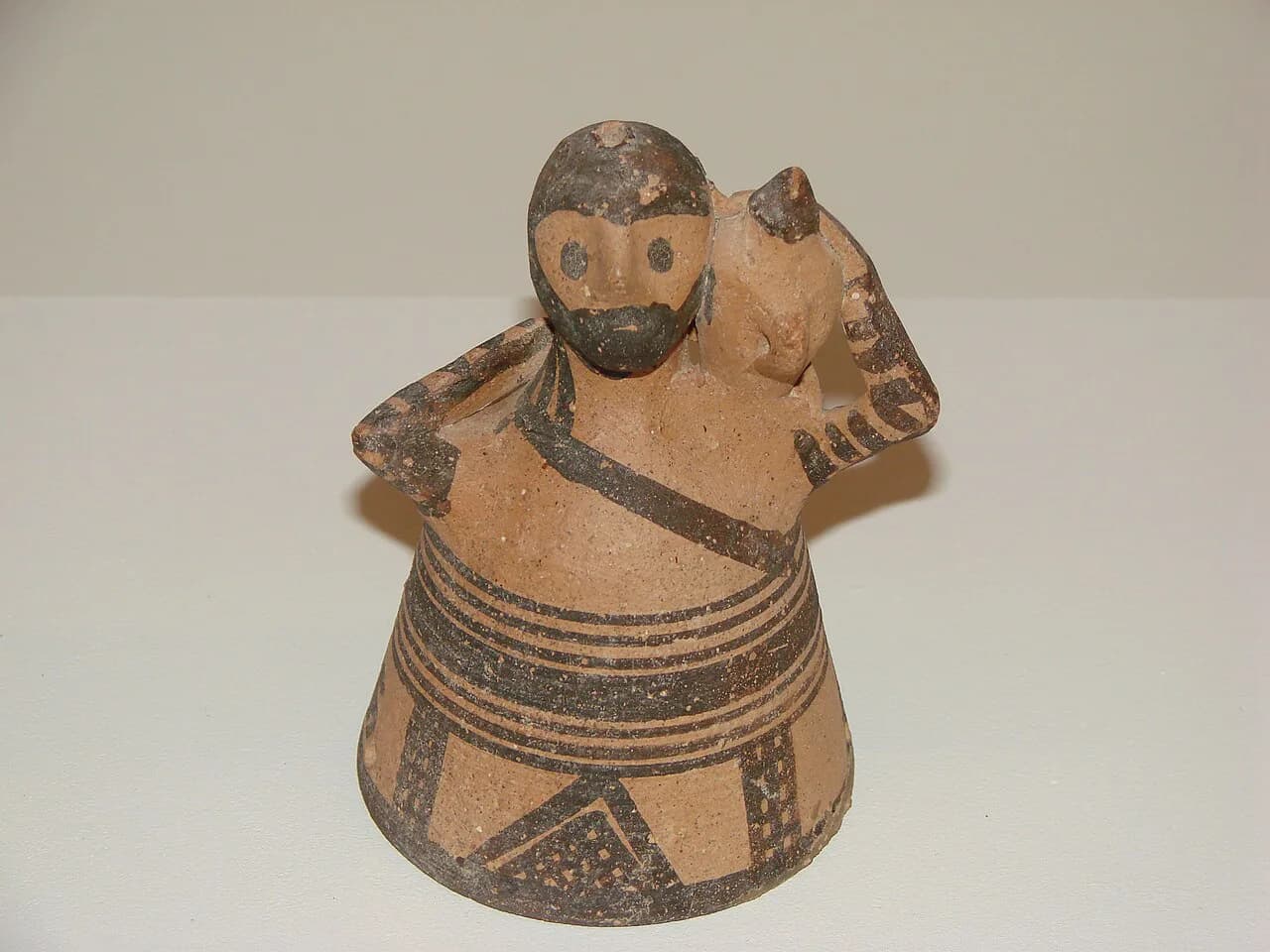
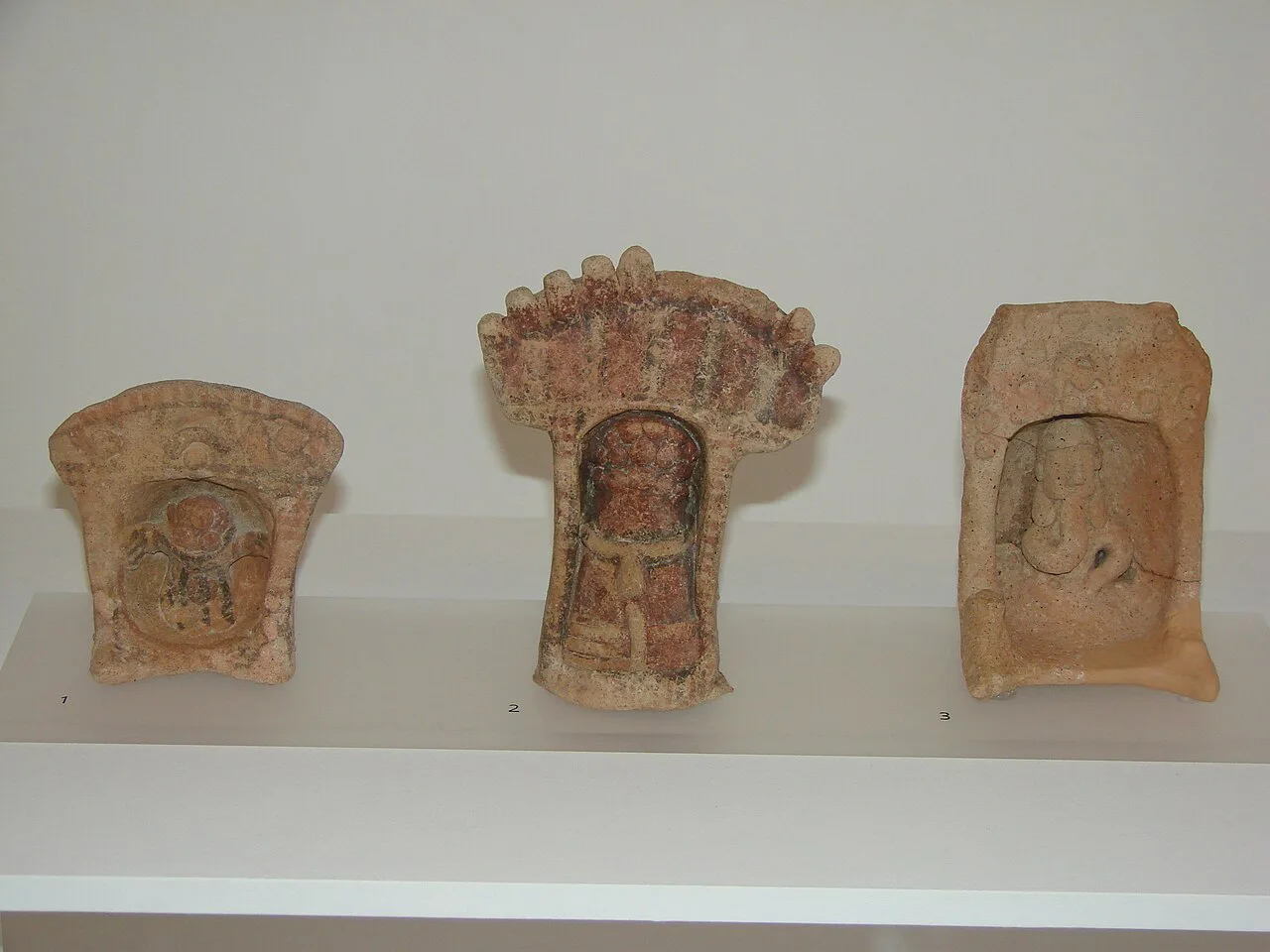
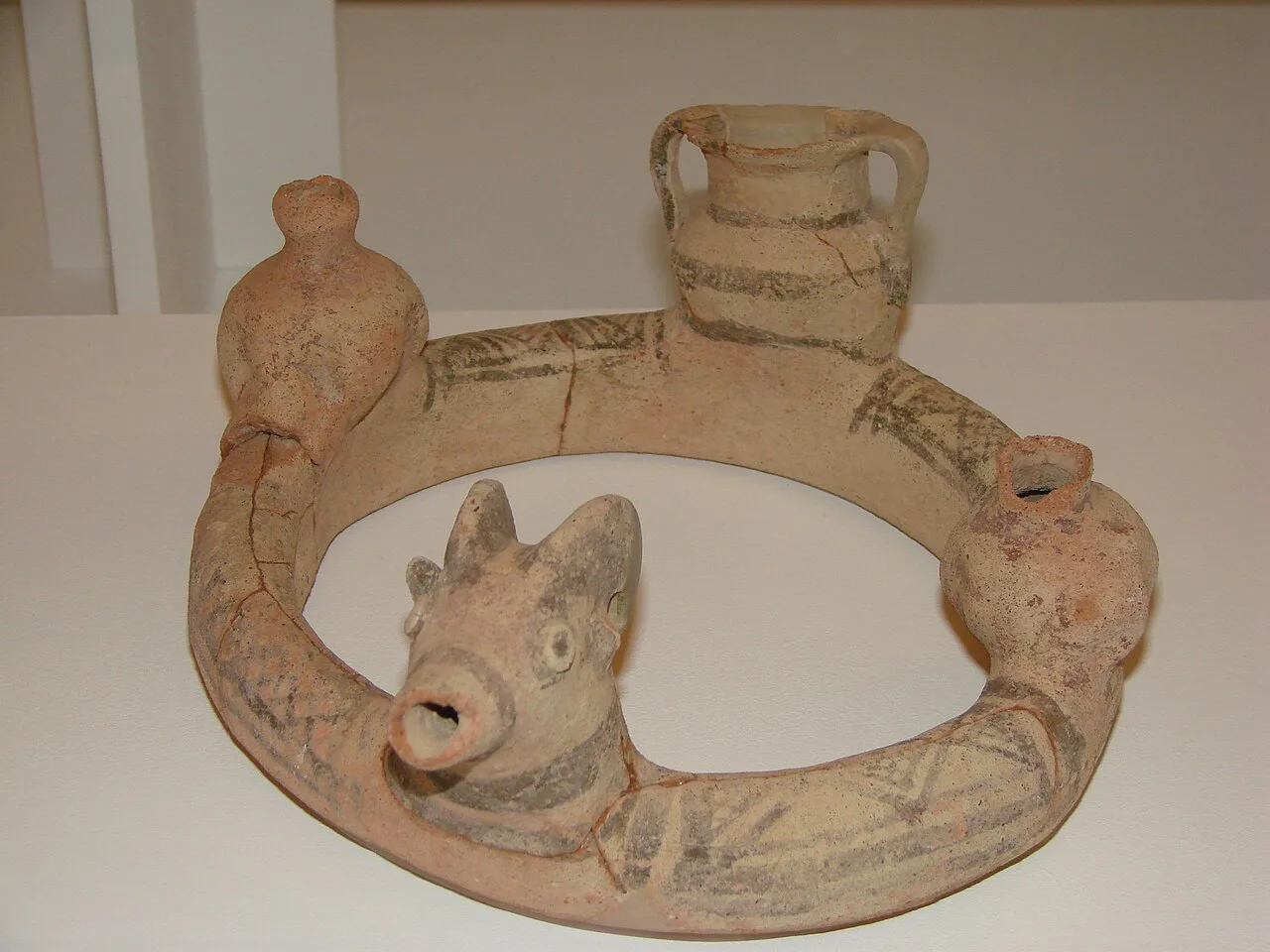
The collection runs chronologically through Cypriot antiquity, opening with Neolithic stone tools and moving through the Bronze Age into the Iron Age and the Greek and Roman periods. Pottery is the backbone, as it is in most Cypriot museums, and the sequence of wares is what makes the rooms readable even without a guidebook. Later cases cover the Roman era, when Cyprus was a prosperous eastern province.
Labels are in Greek and English. Read the case introductions first and the individual labels second; it saves time and gives the objects context. Photography rules, gallery closures and temporary displays change, so confirm them at the desk when you arrive.
How long to allow and when to go
Budget around an hour, or ninety minutes if you read every panel and sketch the pottery sequence. That makes it a morning or late-afternoon filler rather than the anchor of a day. Summer afternoons in Limassol are punishing, so an indoor hour in the middle of the day is a sensible way to break up the heat.
Museums of this size are quietest at opening time and in the couple of hours before closing. Weekend middays bring more local families and school groups. If you are combining the museum with outdoor sights, do the open-air archaeology early and save the galleries for the hottest part of the day.
Tickets and opening hours
Limassol Archaeological Museum is listed among the museums of the Department of Antiquities, which publishes opening hours, public holiday closures and ticket arrangements for its sites and galleries. Check the current position before you travel, because hours shift between summer and winter. Tickets are issued at the museum's own ticket desk.
If you plan to visit several state sites, the Department of Antiquities issues special entry cards valid for one, three or seven days, giving access to any of its museums and ancient monuments for the period specified, usable once at each. The cards are sold at museum and monument ticket offices, so you can buy one at your first stop. For a Limassol-based trip that includes Kourion, Kolossi and a Nicosia or Paphos museum, the multi-day card is usually the better buy.

Nearby sights on the same walk
Pair the museum with Limassol castle, whose Cyprus Medieval Museum occupies the castle near the old harbour. That collection covers medieval pottery, tombstones, Byzantine silver plates, weapons, crosses and coins, and it adds a medieval and later chapter to the ancient story you have just read. The castle also carries the Richard the Lionheart and Berengaria legend, which the city has never stopped telling.
The castle stands on Richardou and Berengarias street beside the old port, roughly a 13th-century rebuilding on the site of an earlier Byzantine castle. Its published hours run every day of the week, with a shorter Saturday and Sunday window, and it closes on public holidays. Its standard entrance fee is listed at €4,50, with a 20 per cent reduction for organised groups of more than ten.
The castle is listed among the state museums, so the same multi-day ticket logic applies if you are touring the district. For a broader plan of the city, the wider set of Limassol Attractions: 10 Visitor Guides covers the harbour, the promenade and the sights beyond this one.
The Kourion confusion, and where else to go
Kourion, the great Greco-Roman city west of Limassol near Episkopi, has its own site museum. That is not the Limassol Archaeological Museum, and travellers who mix up the two end up disappointed by one or the other. The Kourion Archaeological Site deserves a half day on its own, with the theatre, the mosaics and the coastal setting.
On the same western run, the Sanctuary of Apollo Hylates sits a short drive from Kourion and is easily combined with it. Further along, Kolossi Castle is a compact, photogenic stop tied to the Knights Hospitaller and the Commandaria story, and it works well as a short break between the two archaeological sites.
Is the museum worth an hour of your Limassol trip?
Yes, if you are already in central Limassol: an hour here gives you the pottery and object sequence that makes every later Cypriot site more legible, and it costs little. No, if your time is short and Kourion is on the list: go west instead and spend the half day where the archaeology is in the ground.
Either way, confirm hours and ticket arrangements with the Department of Antiquities before you set out, and buy a multi-day entry card at the first state site you visit if the district is on your itinerary.
Explore more Limassol guides
Frequently Asked Questions
Is Limassol Greek or Turkish?
Limassol is in the Republic of Cyprus, a European Union member state whose official languages include Greek and Turkish, and the city is predominantly Greek-speaking today. The island has been divided since 1974, with the unrecognised north administered separately. Limassol lies firmly in the south and uses the euro.
What historical places in Cyprus pair well with the Limassol Archaeological Museum?
Limassol castle and its Cyprus Medieval Museum are the obvious pairing in the city, both within walking distance of the old harbour. For a longer day, the Kourion archaeological site near Episkopi, together with the Sanctuary of Apollo Hylates and Kolossi Castle, forms a natural western loop from the city.
Do I need to book museum tickets in advance?
Department of Antiquities sites issue tickets at the door, and the Department sells its special entry cards at museum and monument ticket offices. Organised groups of more than ten can claim a 20 per cent reduction on entry fees, so larger parties should arrange that in advance.