Limassol Old Town: A Walking Guide to the Streets and Squares
Walk Limassol Old Town from the old fishing port to the castle, market, Grand Mosque and Agia Napa Cathedral, with a route, timings and honest trade-offs.
On this page
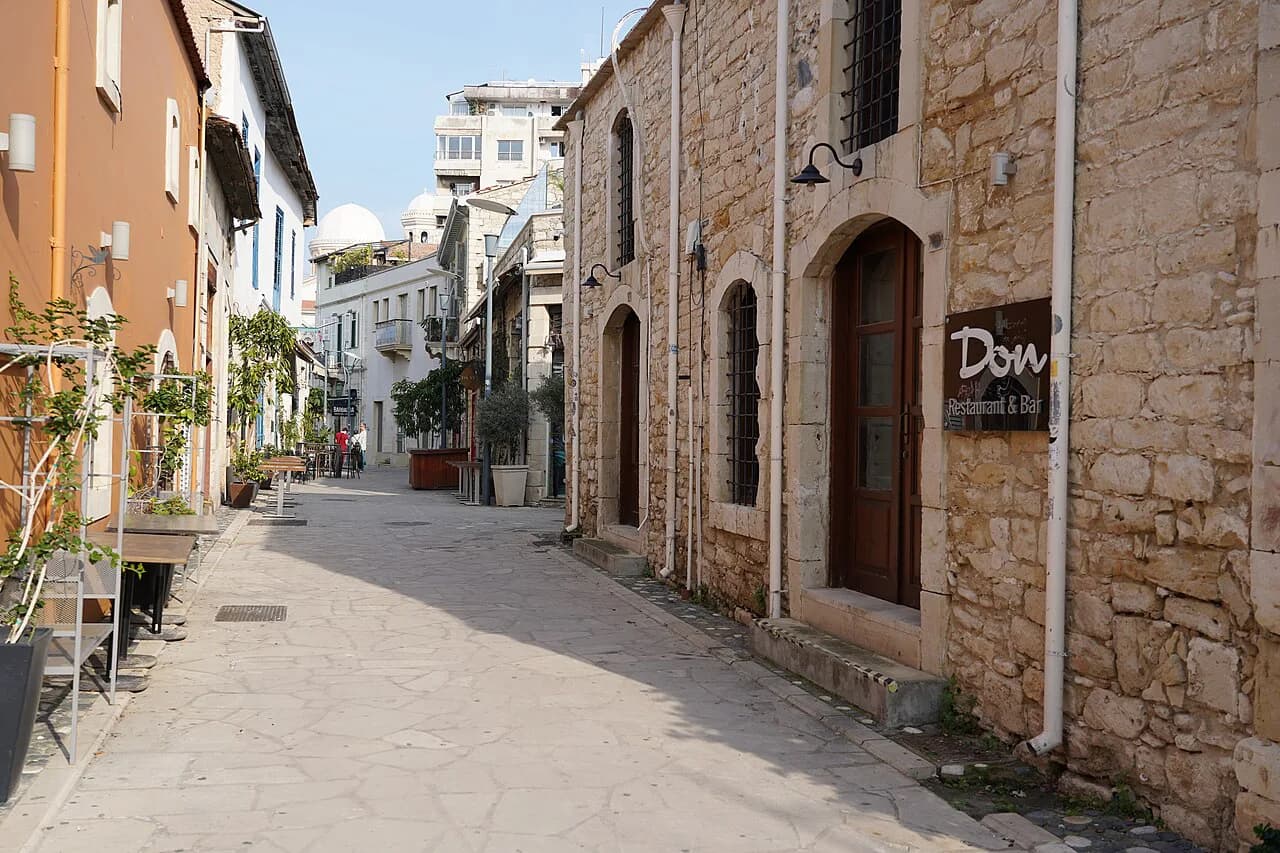
Limassol Old Town is best walked as one continuous loop of roughly half a day, starting at the old fishing port and finishing on the seafront path beyond it. The historic core is a compact web of narrow streets fanning out from the port, with the medieval castle at its centre, and it mixes British colonial buildings and traditional workshops with modern cafés and bars rather than reading as a preserved set piece. This guide covers the layout, a street-by-street route, the castle, market, mosque and cathedral, and how to time a visit around heat and crowds.
Where the Old Town sits in Limassol
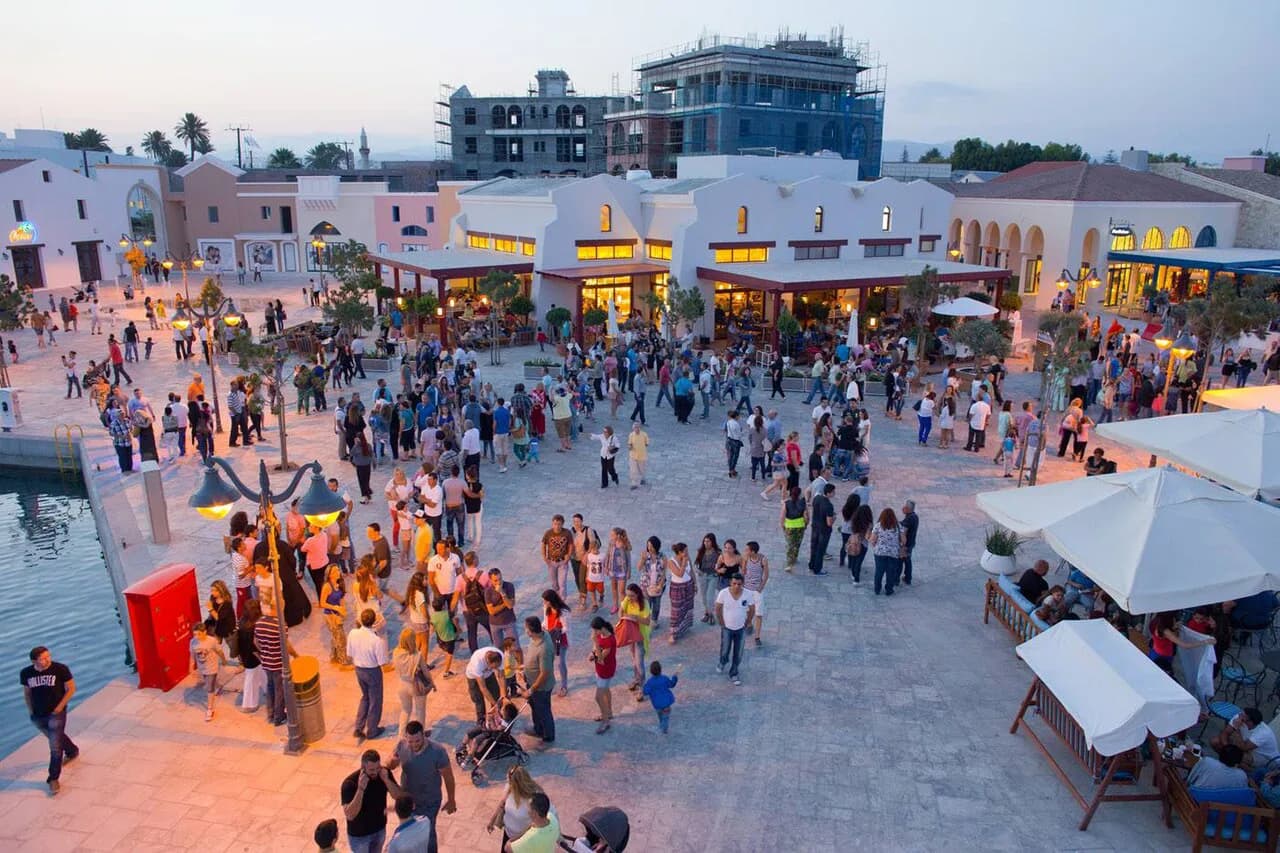
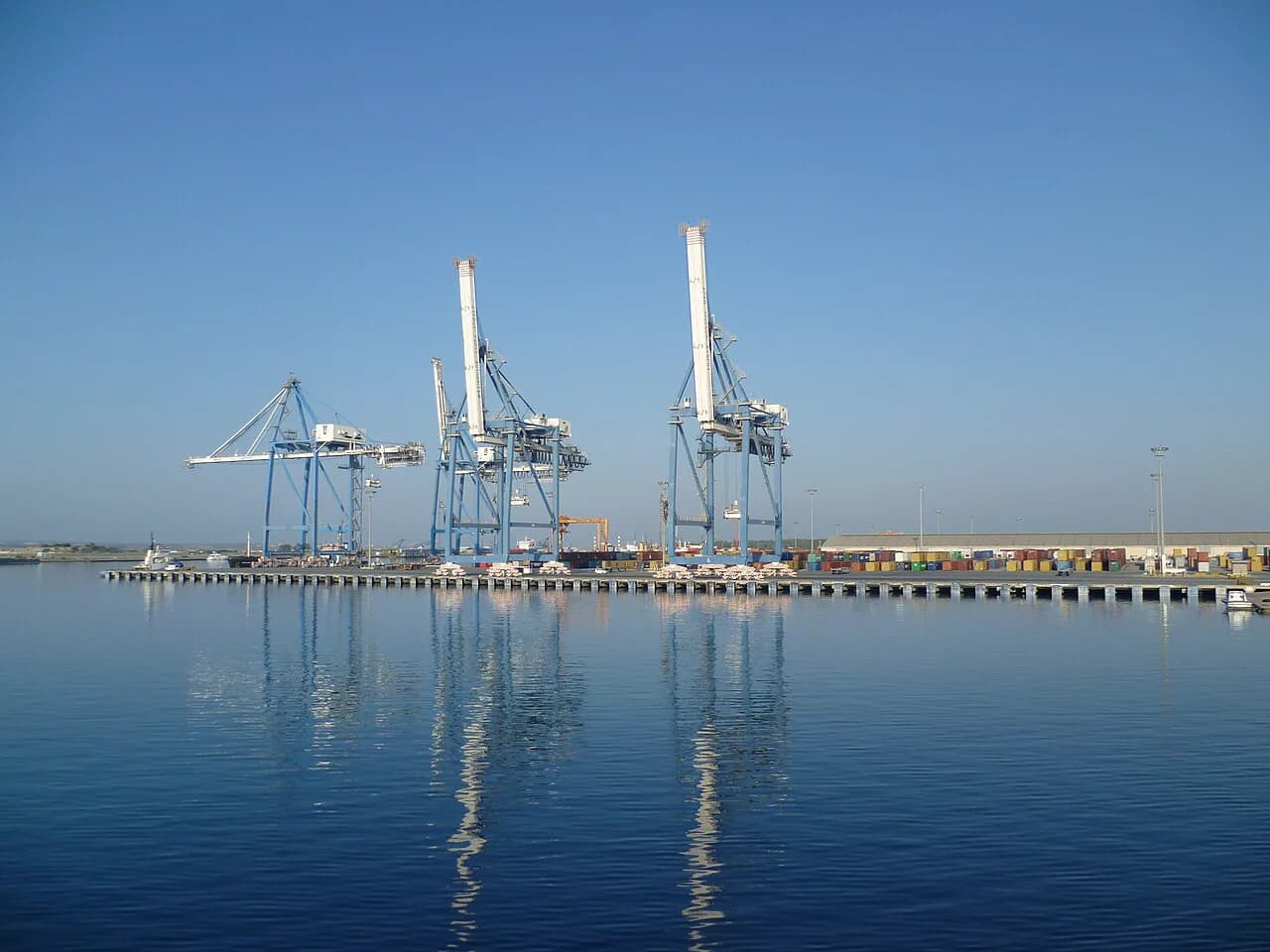
The Old Town occupies the ground behind Limassol's old fishing port, on the city's southern coast, and the lanes branch out from the water rather than sitting on a single flat grid. Because the port is the anchor, you can treat the waterfront as your compass: any lane heading inland from the old harbour takes you towards the castle and the shopping streets. Arriving on foot from the seafront is the simplest approach, and it puts the castle square roughly in the middle of your walk rather than at the end.
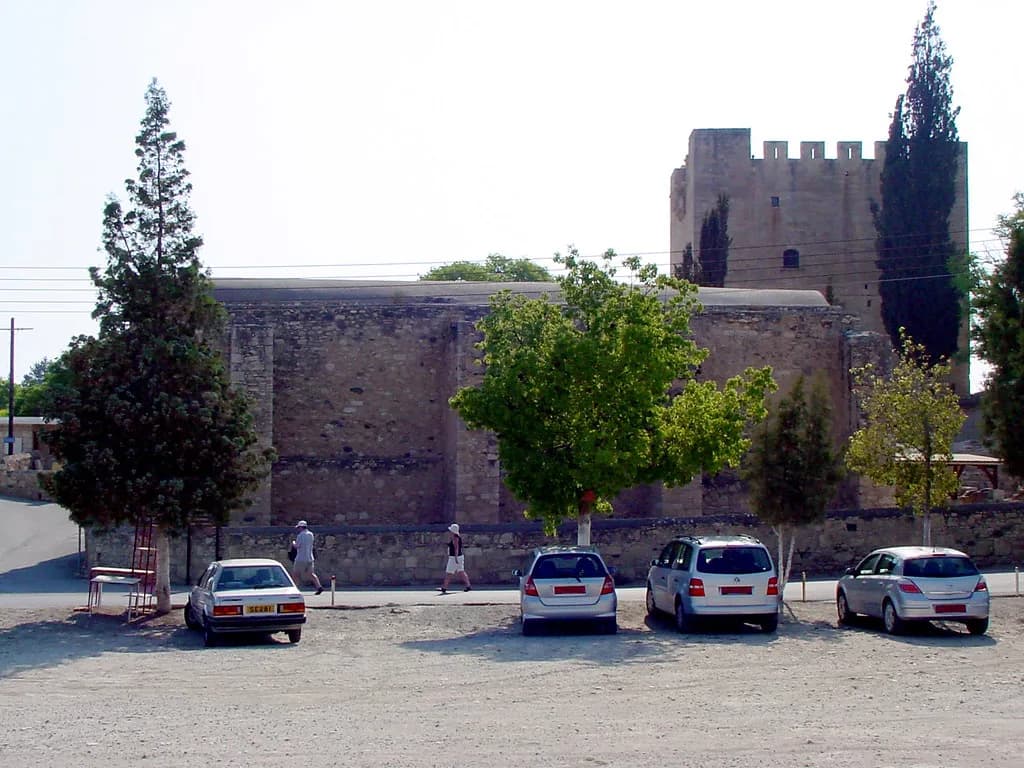
Limassol Castle, which now houses the Cyprus Medieval Museum, is the landmark the centre arranges itself around, and the square outside it is the natural place to pause and get your bearings. The lanes around the castle connect the shopping quarter, the market and the cathedral without any long detours, so a single pass covers the core comfortably. If you want the wider context of sights across the city before you set off, the guide to Limassol's attractions and the rest of the things to do in Limassol is the place to plan from.
How the Old Town is laid out
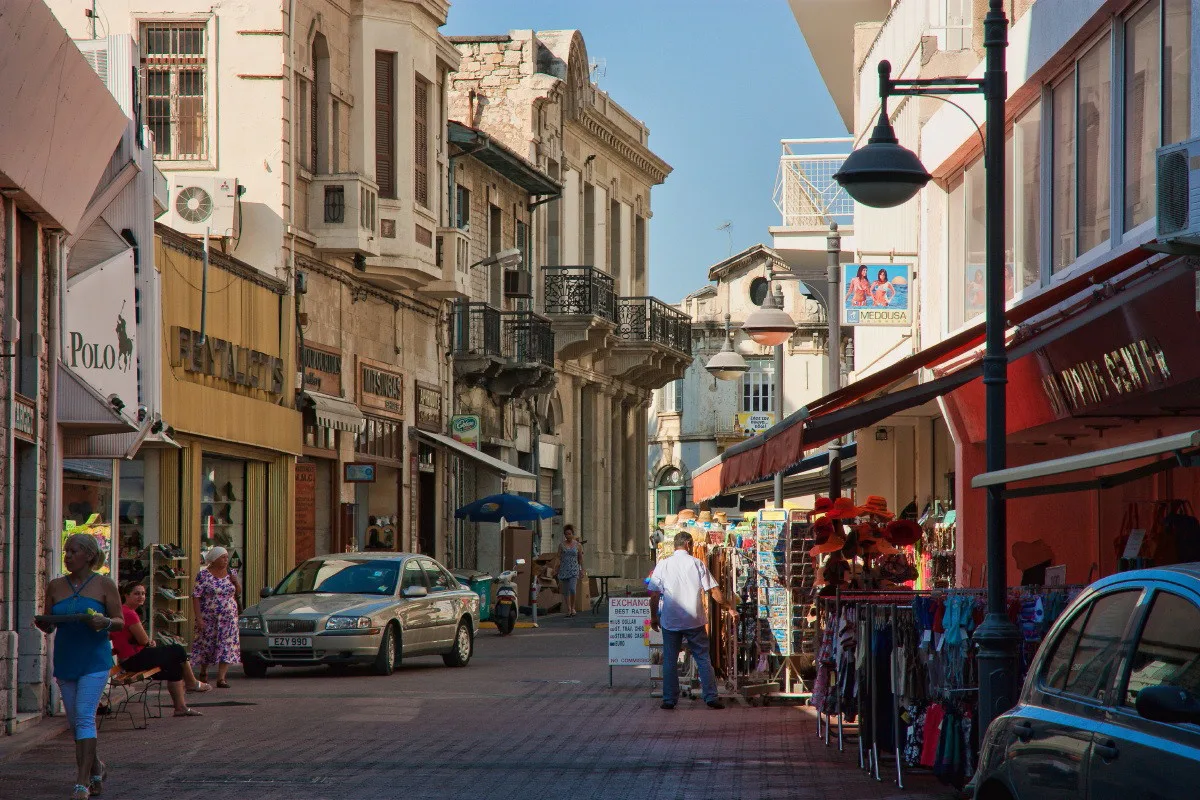
Think of the Old Town as narrow streets branching out from the old fishing port, with Anexartisias Street as the main shopping spine and the castle as the pivot. The municipal market sits close enough to the bus station that arriving by bus drops you almost at the market door, and the Turkish quarter and Grand Mosque lie within the same walkable pocket. Agia Napa Cathedral sits on the edge of the Old Town, so it works as either your first stop or your last depending on which way you come in.
What makes the layout easy is that nothing on this route requires a bus or a taxi once you are inside it. What makes it slightly confusing is that the lanes are irregular and the signs sparse, so a map on your phone earns its keep at two or three junctions rather than constantly. Set your route as port, castle, Anexartisias, market, mosque, cathedral, and you will cross the centre in one direction without doubling back.
A walking route through the centre
Start at the old fishing port, walk inland to the castle square and spend time at the castle, then take Anexartisias Street for the shopping stretch before cutting through to the municipal market. From the market, continue to the Turkish quarter and the Grand Mosque, then finish at Agia Napa Cathedral on the edge of the Old Town. Allow three to four hours if you go inside the castle and browse the market, or about ninety minutes to two hours if you treat it as a straight walk with short pauses.
The most useful adjustment is to walk the open lanes in the morning and save the covered market and any museum interior for the hottest part of the afternoon. If you would rather have the streets explained as you go, a Limassol walking tour covers the same ground with a guide, which suits anyone who wants the architecture and history decoded rather than simply seen. Either way, the route works in one pass, so you are never far from where you started.
Limassol Castle and its square
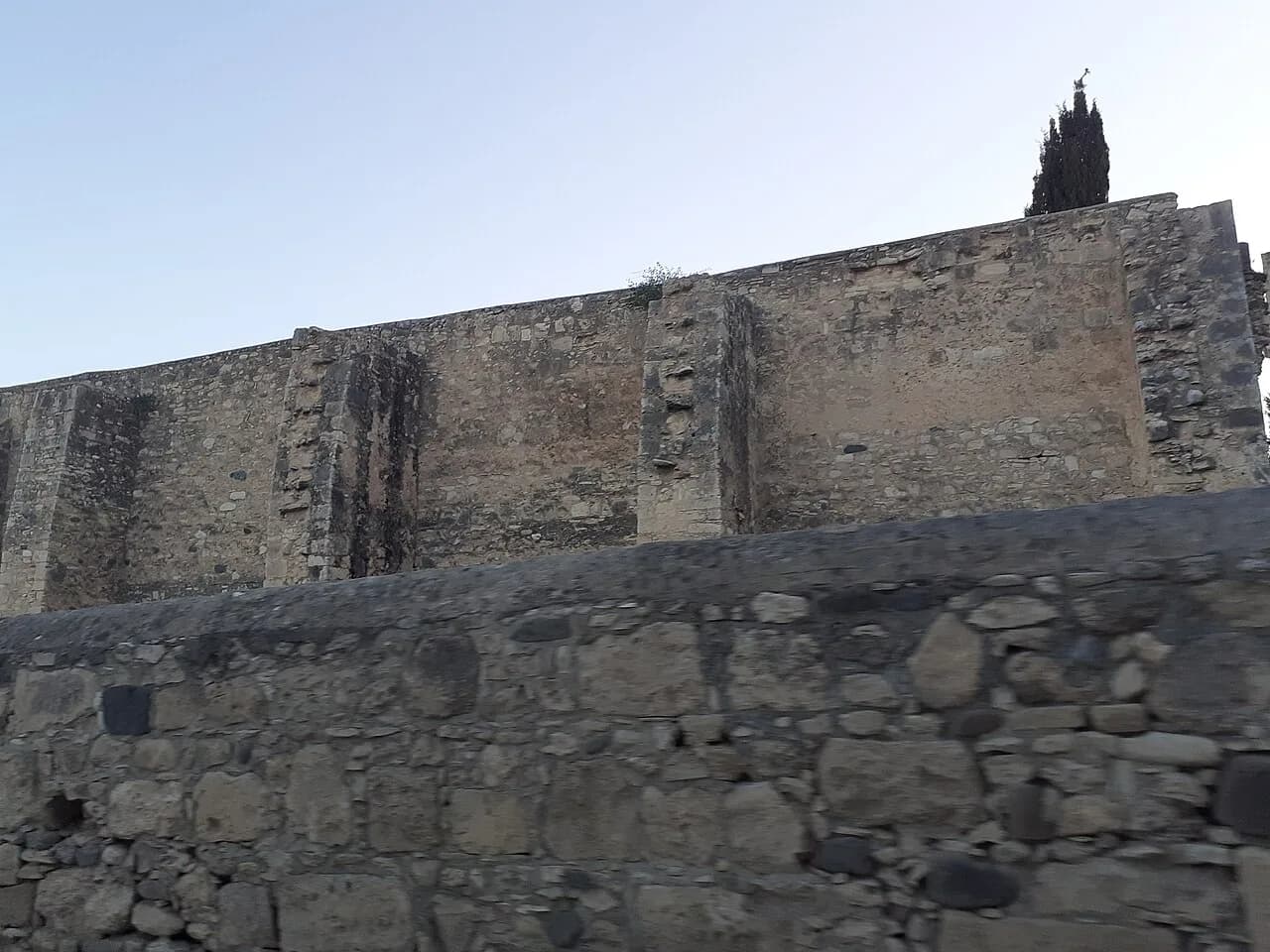
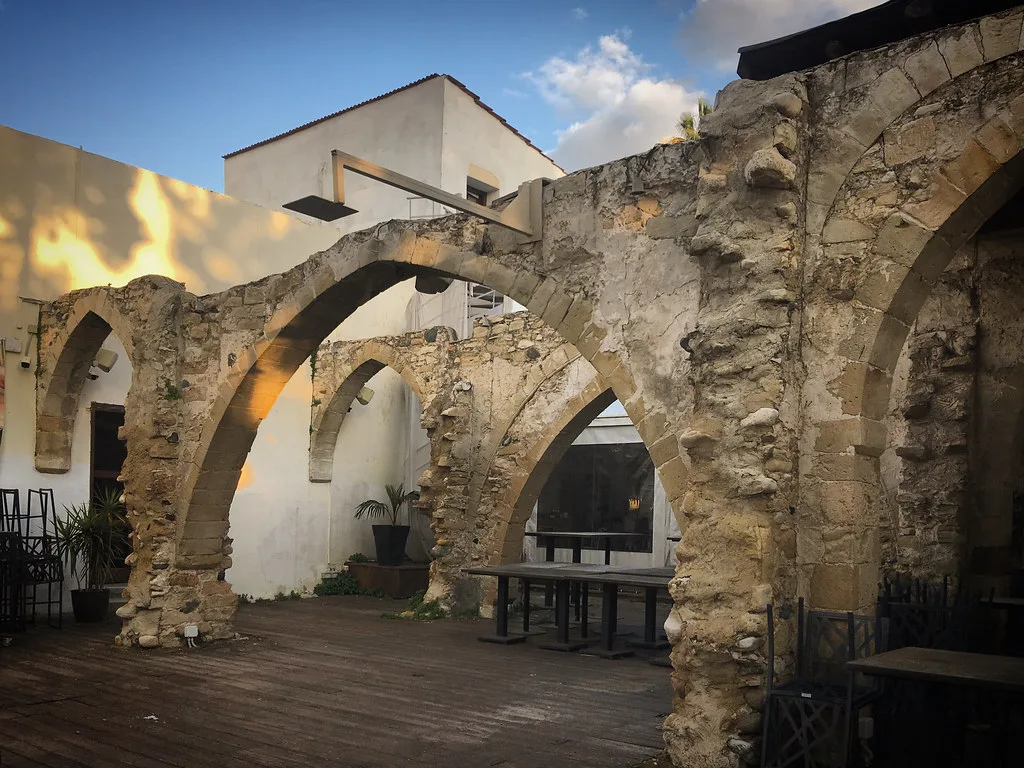
The medieval castle is the historic core of the Old Town and houses the Cyprus Medieval Museum inside its walls, which makes it the one sight here that rewards going through a door rather than past a façade. The square outside is the gathering point of the old centre and a natural place to sit before or after the museum.
Allow around an hour for the castle and museum if you read the displays, and rather less if you are pressed for time. The trade-off is straightforward: the castle is the most substantial indoor sight in the Old Town and a good refuge from midday heat, but it also absorbs the largest single block of your visit. If you only have a couple of hours in Limassol, see the square and the exterior, then put your time into the streets and the market.
Anexartisias Street and the shopping lanes
Anexartisias Street is the Old Town's best-known shopping street, and it is where the historic centre feels most like a working city rather than a monument. The shops sell the things you would actually carry home from Cyprus: honey, olive oil, wine, white lace, basketware and leather goods, alongside everyday high-street names. Walk it slowly in one direction and use the side lanes to loop back towards the castle, which keeps the route varied instead of retracing a single line.
Limassol Municipal Market
The municipal market is a vast stone hall built in 1917, covering around 3,000 square metres, and it sells fruit, vegetables, meats and household goods under one roof. It opens Monday to Saturday, which makes it the most reliable weekday stop on the route and the obvious place to pick up picnic supplies or edible souvenirs. Because the market sits near the city bus station, it doubles as a practical arrival and departure point rather than only a sight.
Come here with a purpose rather than drifting through: the hall is large, the aisles busy, and browsing every stall takes longer than you expect. Pair it with the mosque and cathedral, both within a short walk, so the middle of your route is dense with things to see. It is also the natural spot to break for coffee before the last stretch of the walk.
The Turkish quarter and the Grand Mosque
The Turkish quarter holds the Grand Mosque, whose minaret dates to the 16th century and rises among tall palm trees, and the mosque is still used by Turkish Cypriots and Muslims living in Limassol. Immediately beside it lies the oldest Ottoman graveyard in the city, a quiet enclosure that most walkers pass without noticing. Treat both as places of worship and burial rather than photo stops, and dress and behave accordingly.
Agia Napa Cathedral
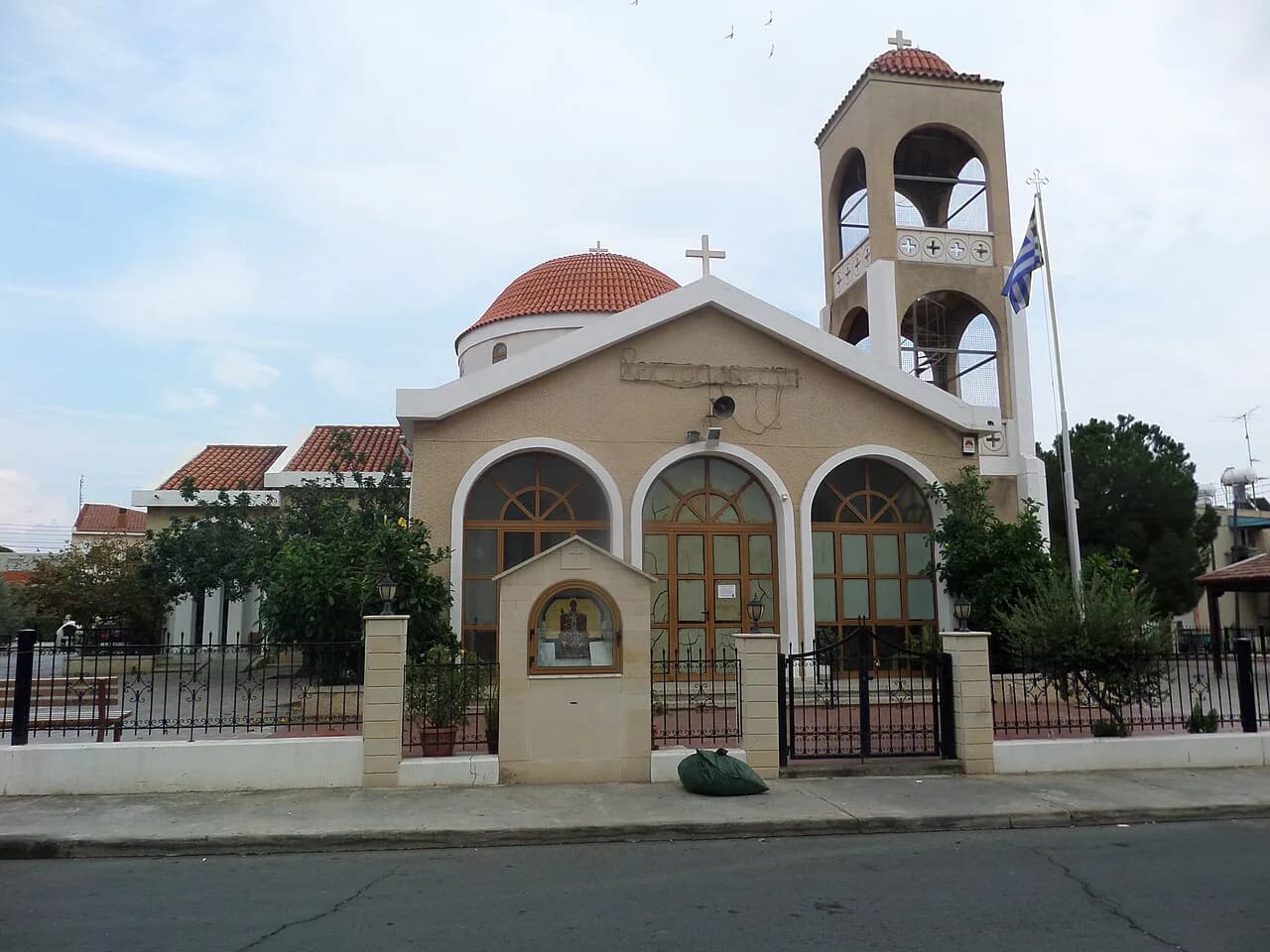
Agia Napa Cathedral stands on the edge of the Old Town, its ornate twin-towered façade built in the Greek Orthodox style. It is the natural full stop to the walking route, close enough to the surrounding lanes that you can reach it on foot from the mosque without a detour. Step inside if the doors are open, and keep your voice low and shoulders covered as you would in any working church.
The café streets around the centre
Beyond the castle and shopping streets, the lanes around the centre fill with cafés and bars, and the surrounding streets are where the Old Town's café life is concentrated. The atmosphere builds towards evening, so plan a sit-down stop for later in the day if you want to linger rather than pass through. It is also a good place to end a day's walking with a cold drink and a plate of meze while the streets empty out.
The seafront path and Sculpture Park
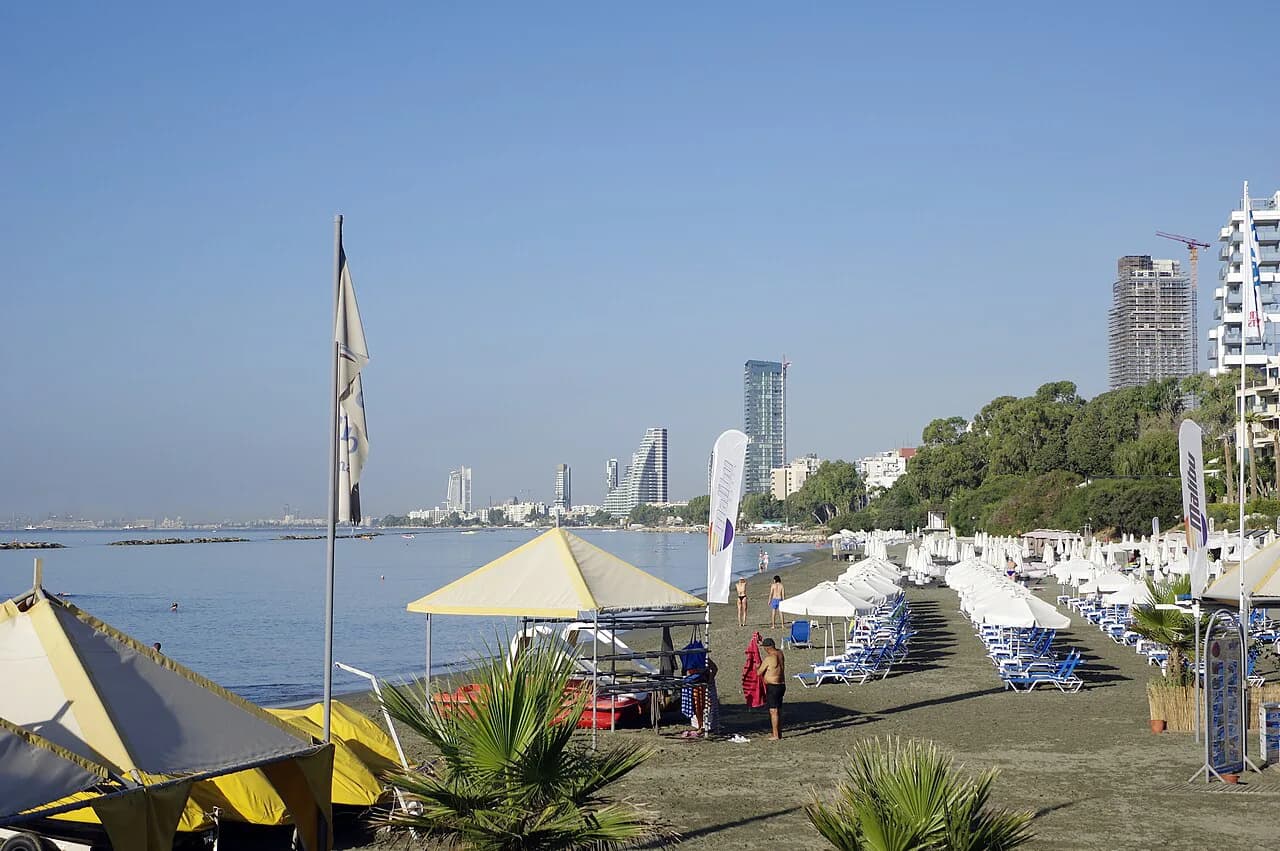
Beyond the old port, a seafront path of about 16 kilometres runs out along the coast, and the Sculpture Park along it holds more than 20 public sculptures by artists including Helene Black and George Tsaras. This is the extension to the walk rather than part of the Old Town proper, and it is best taken in the cooler hours or by covering a short stretch and turning back. The Limassol promenade guide covers the full run if you want to plan a longer waterfront walk.
Heat, crowds and timing
Summer is the hardest season for this walk: the lanes are exposed, the stone surfaces radiate heat, and the middle of the day is punishing on an unshaded route. Go early, take the castle and market during the hottest hours, and leave the seafront stretch for late afternoon. The Old Town is busiest when the shopping streets and market fill up, so a weekday morning gives you the quietest version of the same circuit.
Getting there by bus or on foot
Regular city buses serve the Old Town, and the bus station sits close to the municipal market, which puts you inside the historic centre the moment you step off. If you are coming from the seafront hotels, walking in from the old port is straightforward and saves you changing buses for a short distance. Limassol has no airport of its own, so most travellers arrive by road from Larnaca or Paphos and should build the transfer into the day rather than the walk.
How long to give Limassol Old Town
Give the Old Town three to four hours for a relaxed visit that includes the castle museum, the market and a sit-down break, or ninety minutes to two hours if you are working it into a short break. Half a day is enough to see the core without rushing and still walk out along the seafront afterwards. If Limassol is one stop on a longer trip, the city's wider attractions hub sets out what else is worth adding around the centre.
Is the castle worth your limited time?
Yes if you want one substantial indoor sight and a break from the sun, no if your visit is short and the streets and market are the draw. The square outside gives you the atmosphere and the architecture without a ticket, so a tight schedule can skip the interior without missing the heart of the Old Town. Whichever you choose, walk the route in one direction, start at the port, and finish at the cathedral or the seafront.
Explore more Limassol guides
Sources
Notes for your Cyprus trip
Optional updates to our Cyprus guides.
You might also like
Continue reading
More guides you'll find useful