Limassol Promenade: What to See Along the Seafront
Plan a walk along the Limassol promenade, the Molos: its stone piers and parkland, the castle, churches and squares nearby, and when to stroll the front.
On this page
The Limassol promenade is the Molos, the city's coastal park, and a gentle half-day walk if you fold in the old town at its western end. It works best as a point-to-point stroll: start near Limassol Castle, follow the front east and finish at the marina, picking off churches and museums as you go.
This guide covers where the seafront runs, the piers and parkland you pass, swimming and watersports from the front, and how far the nearby sights sit from the water. It also weighs summer heat against quieter months and notes the practical points about driving, car hire and paying in euros.
What the Limassol promenade is and where it runs
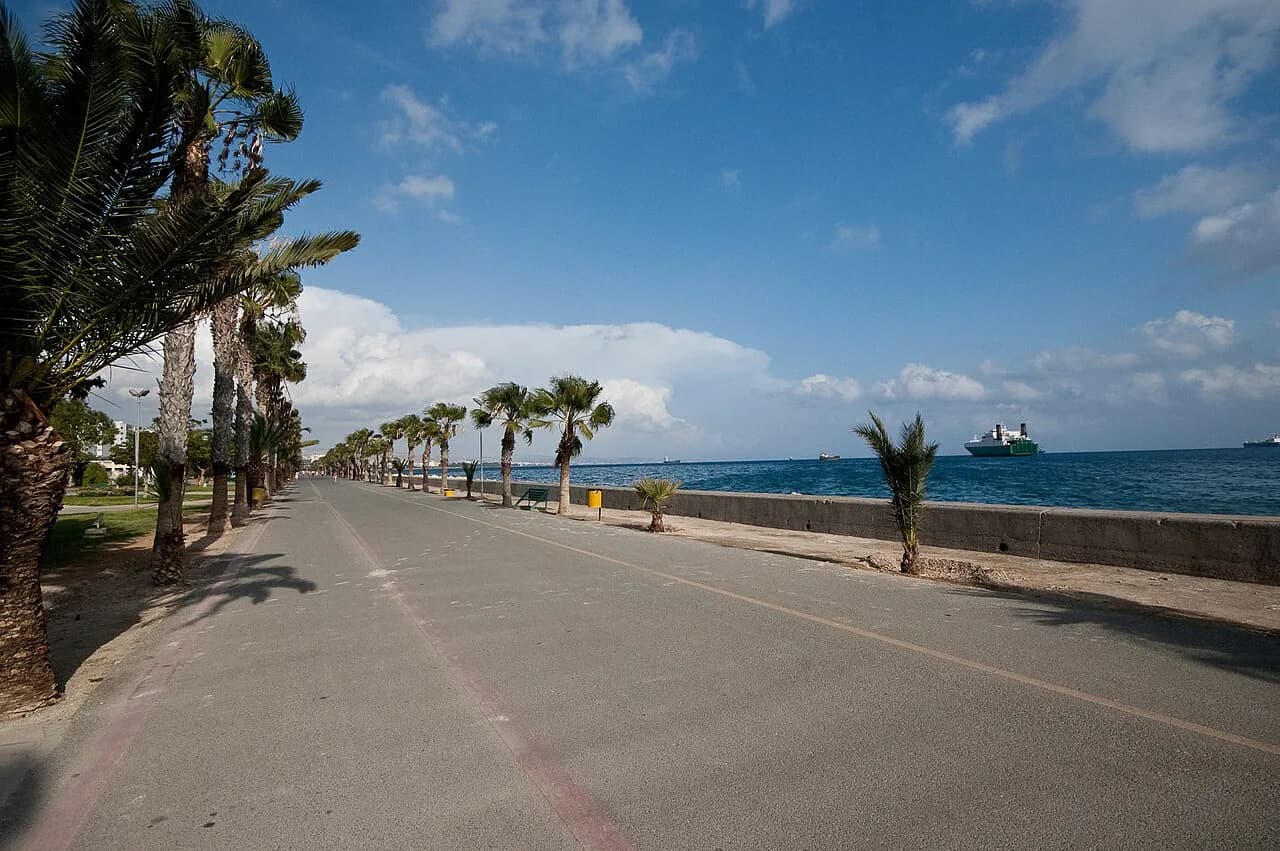
The Molos is a coastal park stretching along Limassol's seafront and one of the largest and most beautiful parks in Cyprus. It links the historic western end near the old town and castle with the newer marina and seafront beyond, so treat it as a single route rather than a single spot.
Set aside roughly an hour to walk the front at an unhurried pace, and spread it across a morning once you start stopping at the piers, squares and churches. Most visitors combine it with the old town, whose lanes climb away from the seafront towards the castle. The old town is the natural other half of the walk, giving you a full, varied day without needing a car.
What you pass on the Molos: piers, parkland and open sea views
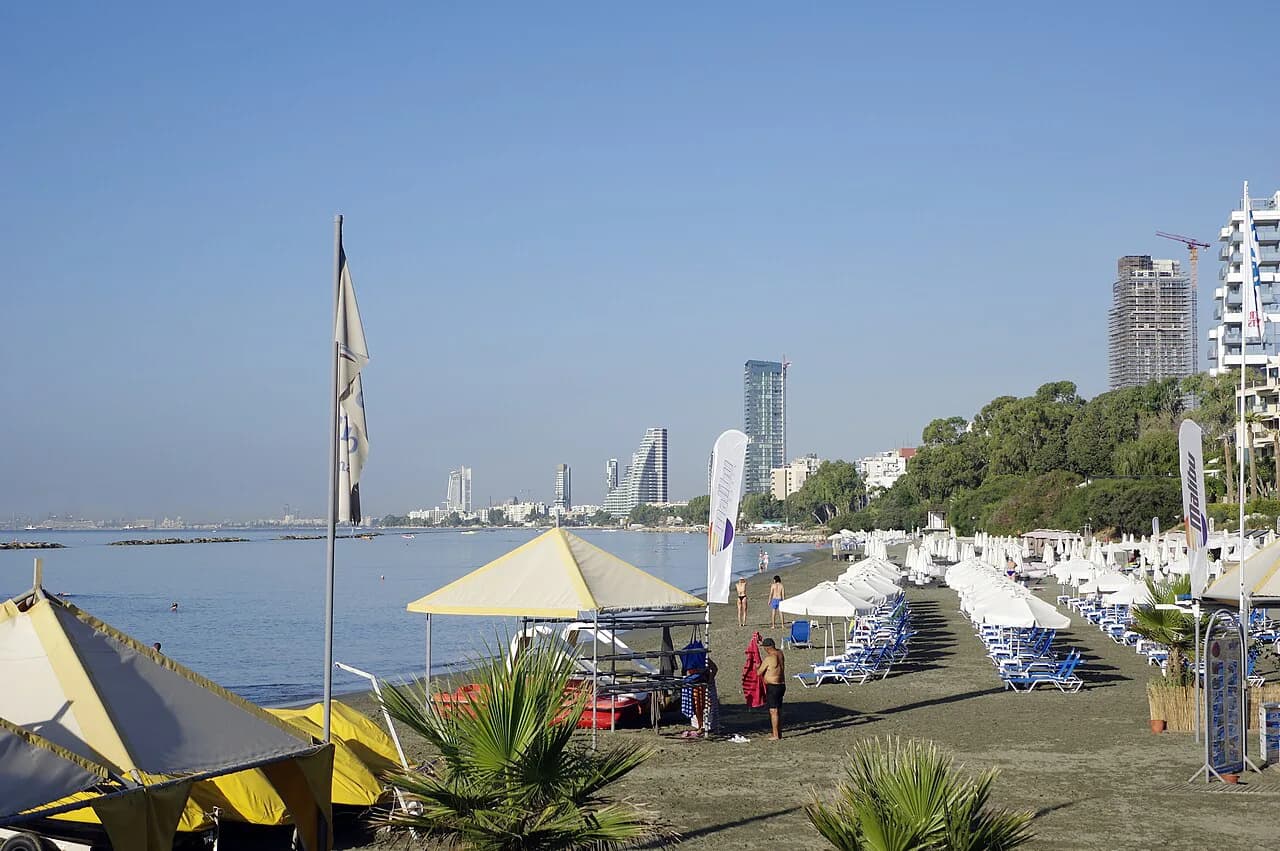
The park has a broad walkway on one side and open water on the other, wide enough that walkers, runners and cyclists do not tangle. The combination of a sea swim and exercise on the walkway is part of the appeal.
The most distinctive feature is the string of stone piers jutting into the sea. These are the Molos's informal diving boards, a custom particularly popular since the middle of the twentieth century and boosted when the piers were formed along the park's length. Expect to see people fishing with rods from one pier and swimmers launching off the next.
The seafront as a place to swim and watch the divers
The Molos is an atypical beach, and locals treat it as one: you dive from the piers into clear, deep water rather than wading off sand. Watching the regulars leap from the higher platforms is a spectacle in itself.
The appeal here is the setting, so come ready to swim and carry what you need. The swimming is best judged on the day by the sea state and how many locals are in the water.
Getting active: cycling, kayaking and paddleboarding along the front
The walkway is made for movement, and locals combine a sea swim with a workout on the promenade itself. Kayaks and paddleboards launch from the coastline beside the park, along with other watersports, and you will see them on calm mornings.
Bicycles suit the flat front, and a bike lets you cover the length of the park and loop back into the old town without doubling the walking. Hire is easiest arranged in the city centre.
Sights within a short walk of the promenade
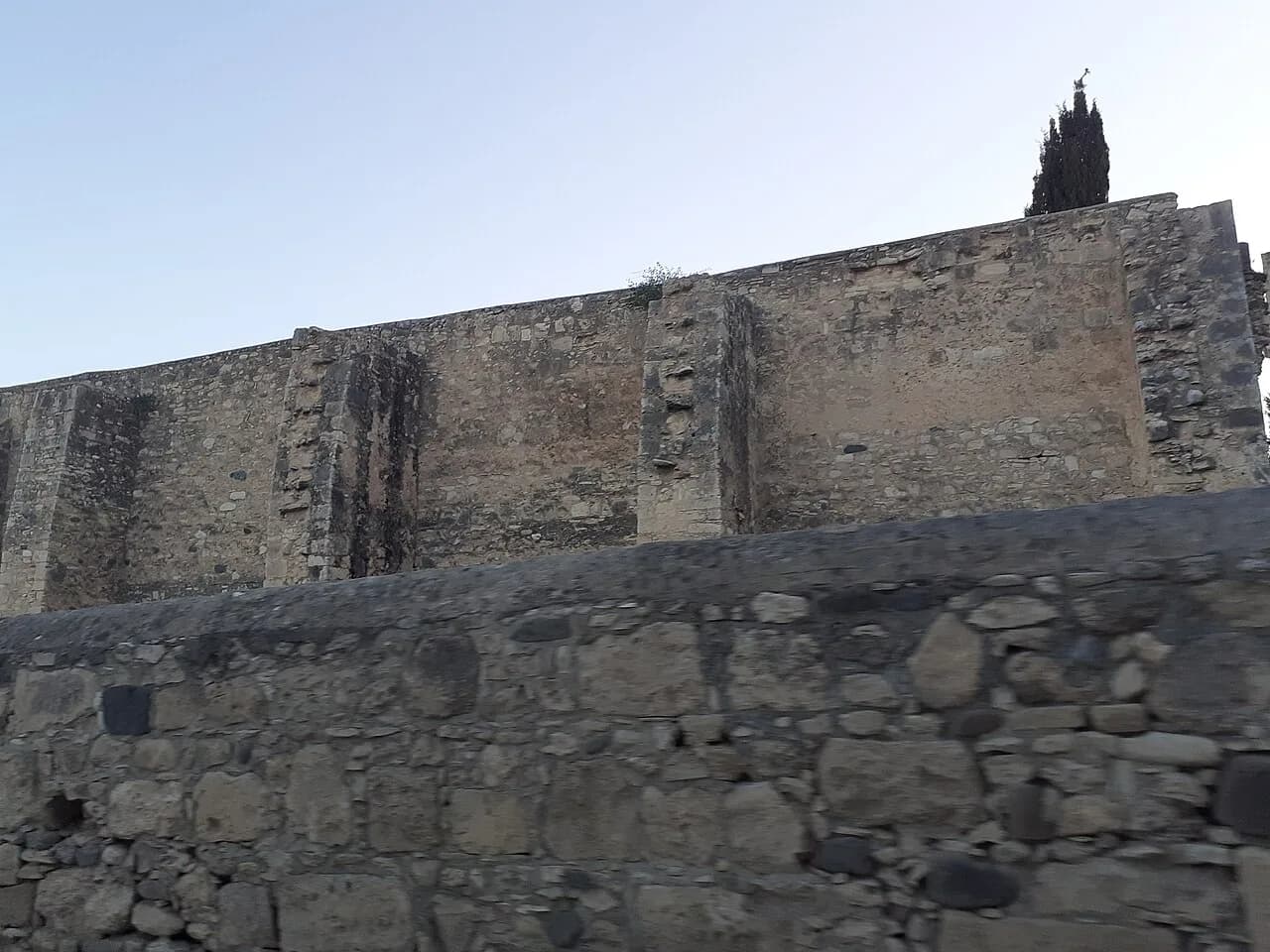
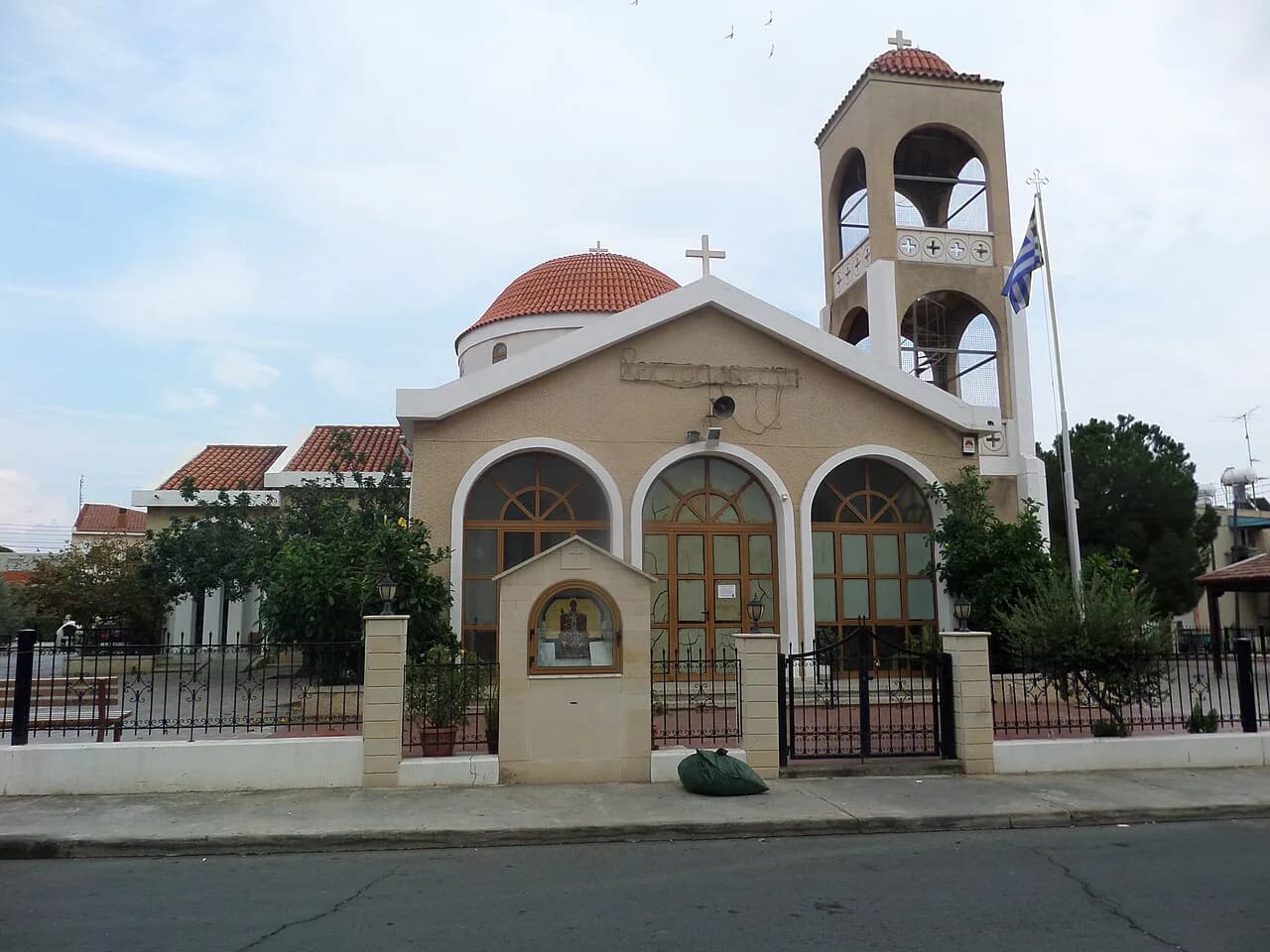
Limassol Castle houses the Cyprus Medieval Museum and sits at the old town end of the front, making it the obvious first stop on a walk and the seafront's historical anchor. Two churches sit close by as well: the Church of the Holy Trinity and Ayia Thekla Church are both within a short stroll of the water.
The Municipal Museum of Folk Art is also a short walk inland, and the Kepir Mosque sits just beyond it. Together with the castle these form a compact circuit you can walk in an afternoon. If you want to plan a route around the collections, the museums in Limassol are worth mapping before you set out.
Several more churches sit close to the front, so a walk that starts at the castle and ends at the marina can take in two or three without much detour. Pick the ones nearest your route rather than trying to see them all in one go.
Squares and streets just inland: Syntagma Square and Irinis Street
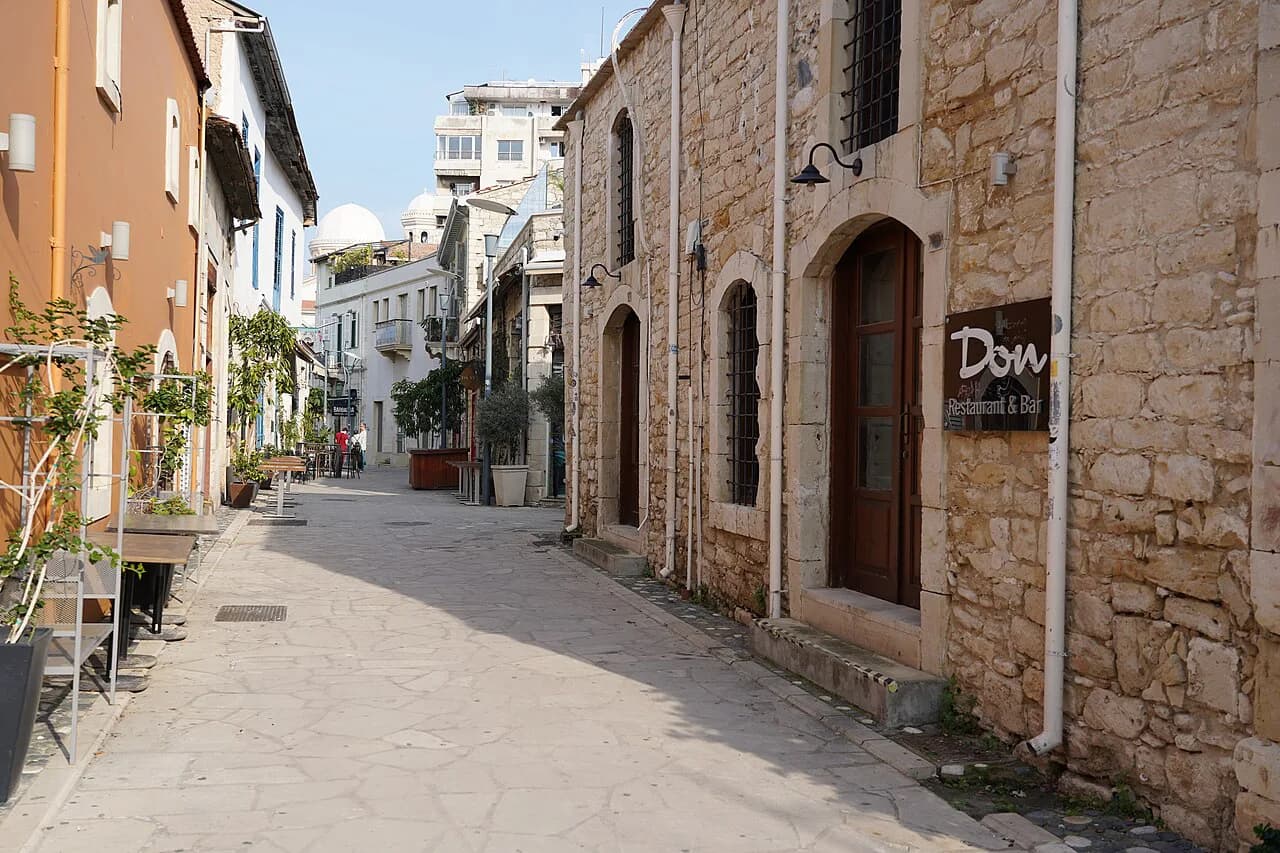
Syntagma Square sits a short step off the promenade and makes a natural pause for a coffee or a rest in the shade. Irinis Street, a lane where time seems to stand still, is close by and worth a detour for its older facades.
Anagennisis Square is another open space within easy reach of the water and works well as a midpoint if you are splitting the walk.
Limassol Marina and the neighbouring seafront
The Limassol Marina anchors the eastern end of the walk, with its berths, waterfront buildings and open squares. It is a natural finish point: you can sit by the water, watch the boats and then decide whether to loop back through the old town or call it a day.
The marina also puts you within reach of boat trips that leave from Limassol, from short coastal cruises to longer days out. These run seasonally, so confirm with the operator what is sailing during your stay.
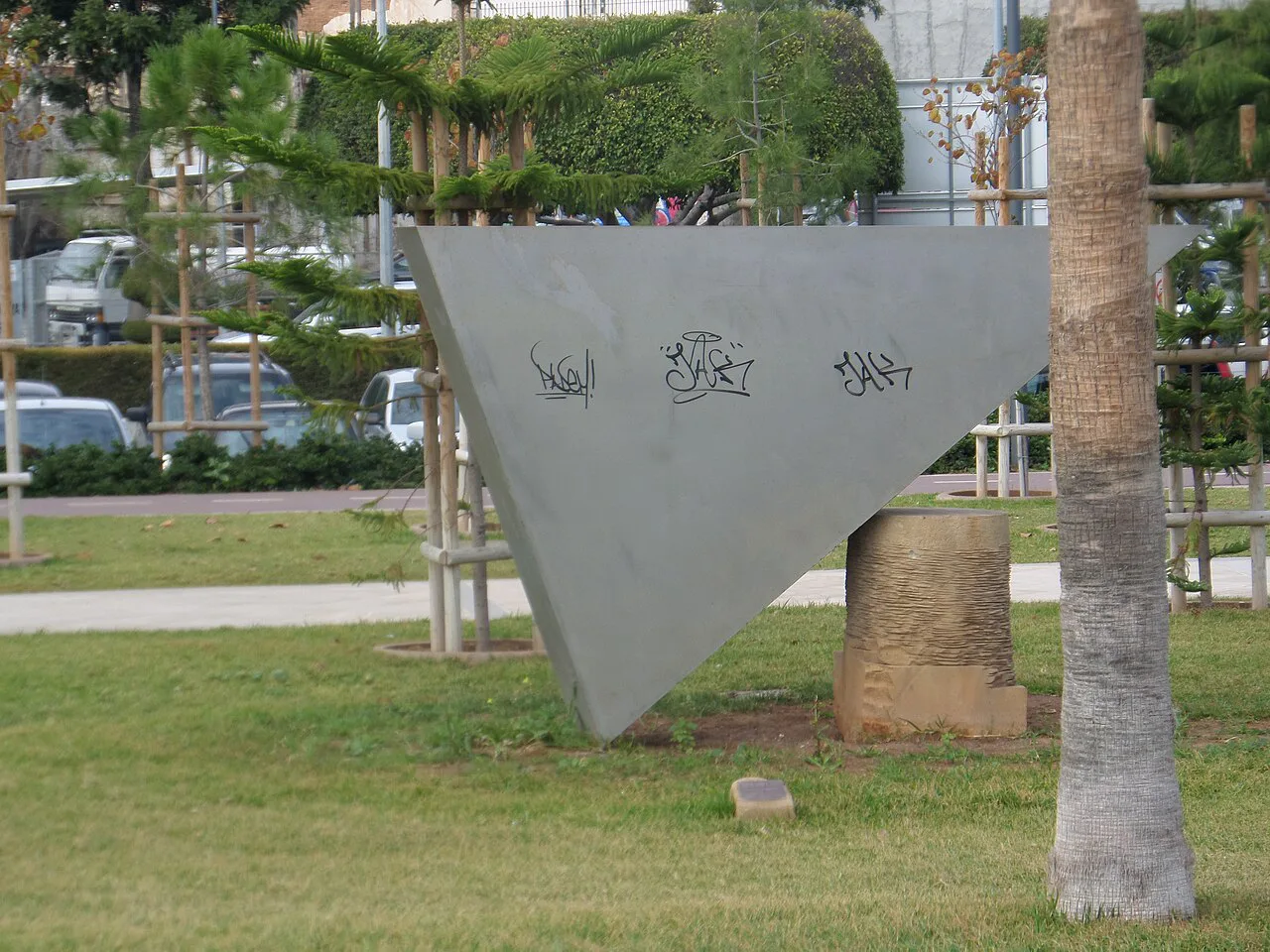
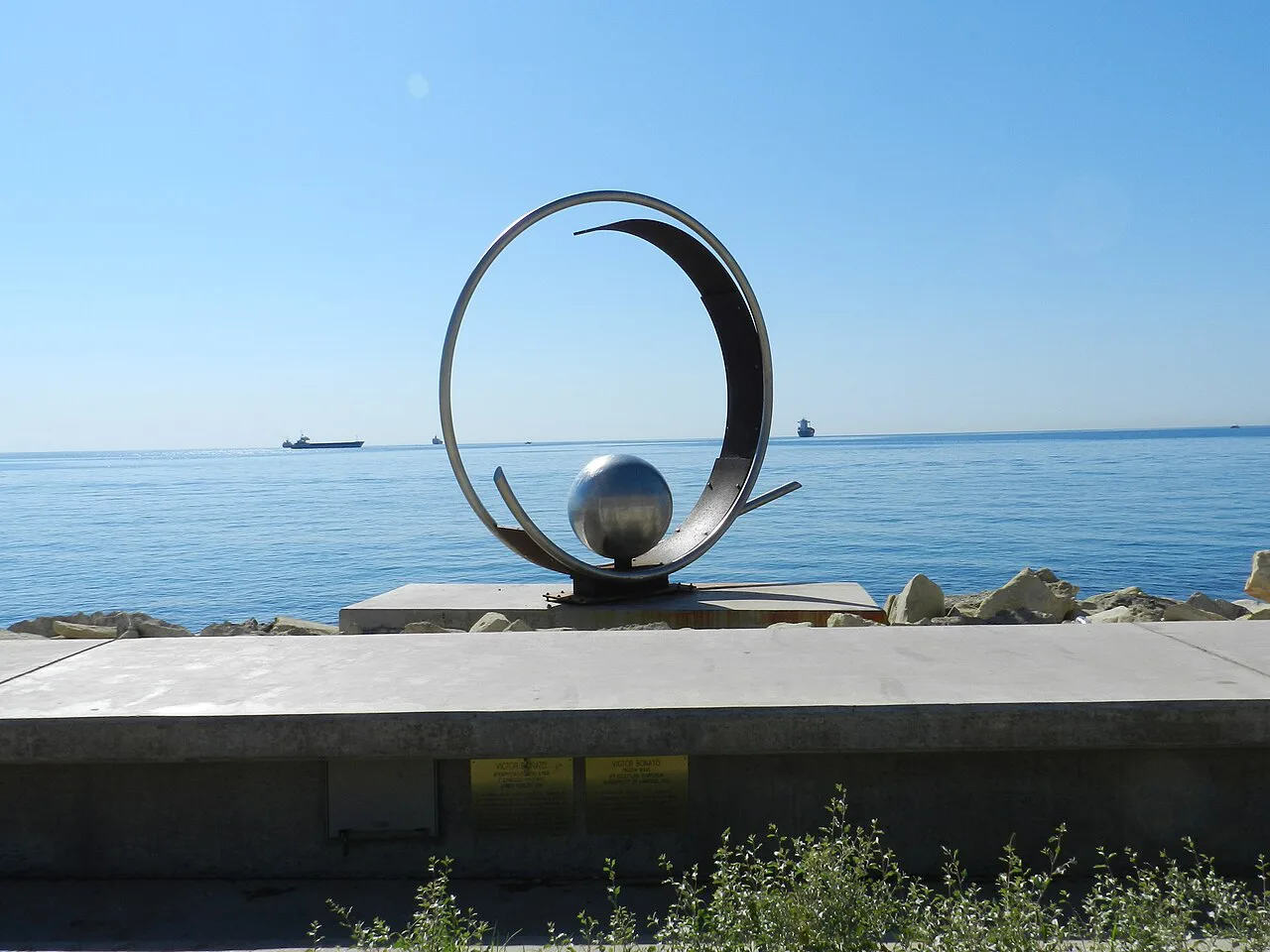
A short walk from the marina brings you to the Limassol Sculpture Park, whose large outdoor pieces and sea views make a quiet end to the afternoon. The nearby Water Tower is a landmark worth noting for orientation.
When to walk it: summer heat and crowds versus quieter months
Summer afternoons make the promenade a test of endurance rather than a pleasure, so walk it early or late and save the middle of the day for a museum or a shaded square. Limassol in August shows why the front empties at midday.
Shoulder months are more forgiving, with comfortable walking and fewer people on the piers than in high summer. Limassol in October tends to suit the front well.
Early evening is the pick for photographs, when the light softens over the water and the piers fill with swimmers. Check sunset times before you plan a late walk so you are not caught out at the far end of the park.
Practical points: driving on the left, car hire and the euro
Cyprus drives on the left and the Republic uses the euro, so a hire car and card payments behave much as they do at home for UK and Irish visitors. The promenade needs no car at all, which makes it a sensible first day while you adjust to the roads.
A Limassol map is the simplest way to work out where the castle, the marina and the squares sit relative to the water before you set off. The Limassol Attractions: 10 Visitor Guides collection covers the sights beyond the seafront if you want to extend your stay.
Should you walk the Molos or start at the old town?
Start at Limassol Castle and work east to the marina: that order gives you the old town first while it is cool, then opens out onto the water and finishes with a drink by the boats. If you only have an hour, do the middle stretch of the Molos where the piers and parkland are densest.
Bring swimwear if you fancy a pier jump, go early or late in summer, and treat the front as part of a wider day rather than a destination on its own. The old town, the castle and the marina are all within easy walking distance, which is the real advantage of this stretch of coast.
Explore more Limassol guides
Frequently Asked Questions
How long does it take to walk the Limassol promenade?
Allow about an hour to walk the Molos at an easy pace without stopping. Add time for the piers, the squares just inland and the old town, and it becomes a half-day outing.
Can you swim from the Limassol promenade?
Yes. The Molos is used as an atypical beach, with swimmers diving and climbing from the stone piers along the park. It is deep water rather than a sandy beach, so judge conditions on the day.
Is the promenade near Limassol Castle?
The castle sits at the old town end of the front, so you can walk from the promenade to the Cyprus Medieval Museum inside it in a few minutes. Ayia Thekla Church and the Church of the Holy Trinity are also close by.
When is the best time to walk the Limassol promenade?
Early morning or early evening avoids the worst of the summer heat, when the front empties at midday. Spring and autumn are the most comfortable months for a long stroll.
Sources
Notes for your Cyprus trip
Optional updates to our Cyprus guides.
You might also like
Continue reading
More guides you'll find useful