Limassol History: What to See From Ancient Amathus to the Castle
Limassol history for visitors: use Limassol Castle, Kourion, Amathus and Kolossi to trace the city from ancient kingdoms to the medieval centuries.
On this page
Limassol history for a visitor comes down to a handful of sites, and most of them sit outside the city centre. Limassol Castle in the old town carries the medieval story, while Amathus to the east and Kourion and Kolossi to the west hold the ancient and crusader chapters. This guide groups those sites by distance, gives the periods each one covers and explains how to link them without wasting a day in traffic.
Limassol, called Lemessos by locals, lies between two of the island's best-known ancient kingdoms, Amathus to the east and Kourion to the west, and it is the second largest urban area in Cyprus after Nicosia, according to a conference guide to the city.
What Limassol's history gives a visitor
Treat Limassol as a base with one compact historic core, not a city where every sight is walkable. The castle sits in the old town near the harbour, so it pairs naturally with a morning on foot, but Amathus, Kourion and Kolossi all need a bus or car. Plan one town-centre day and one half-day heading west.
The reward is range: a medieval museum collection, a Greco-Roman theatre with floor mosaics, a clifftop ancient city and a fifteenth-century castle built by the Knights of St John. Each site is small enough to take in on its own, and together they show how many powers left their mark on this stretch of coast. The wider set of sites is covered in the things to do in Limassol guide.
Where ancient Limassol sits between Amathus and Kourion
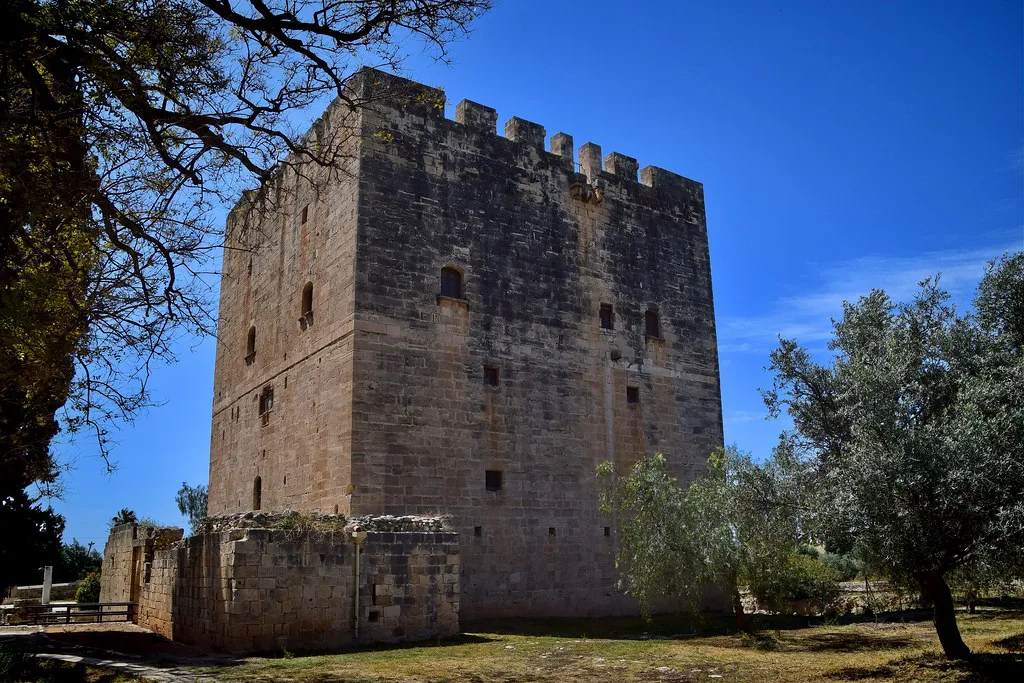
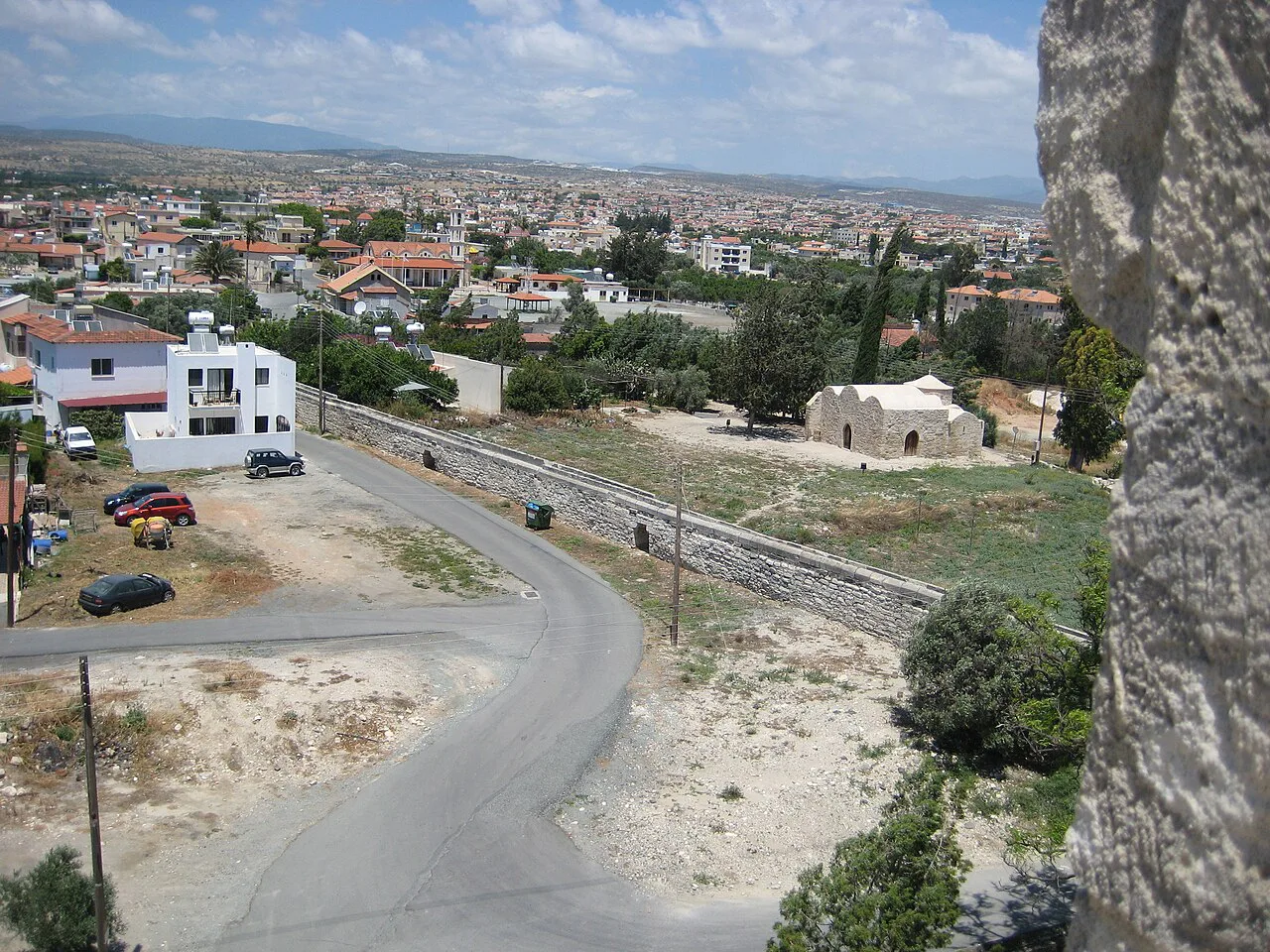
The modern city occupies ground that ancient writers treated as a minor stop between two powerful city-kingdoms. Amathus stood on the coast east of the centre at Agios Tychonas, and Kourion lay to the west near Episkopi, roughly 18 km from Limassol. Reading the map this way makes clear why a single day cannot cover both ends comfortably.
The crusader Knights of St John made their headquarters in the Limassol area in 1291, after which the town flourished for some centuries, which helps explain why the medieval layer of the city is worth seeking out alongside the ancient ruins.
Amathus: the ancient ruins at Agios Tychonas
Amathus is the closest ancient site to the city, set on the coast at Agios Tychonas, and one of the oldest major ancient cities on the island. Cypriot myth names Cinyras among its founders, and Aphrodite had a special place of worship here, so the ruins repay a slow look rather than a quick photo stop.
What survives is a spread of excavated ruins and artefacts rather than standing temples, so a slow look repays the visit. Because it lies east of the centre on the coastal road, it works best as its own short trip rather than being squeezed in before a morning in the old town.
Kourion: theatre, villas and mosaics 18 km west
Kourion is the strongest single archaeological stop in the region and the one most visitors remember. The site, about 18 km west of Limassol near Episkopi, holds a Greco-Roman theatre, villas with spectacular floor mosaics, an early Christian basilica and other finds, and the theatre is dated to the second century BC.
Allow at least half a day including travel, and in summer go early because the site is exposed. The location on the coastal side of the city means you pass it on the way to Kolossi, so pair the two rather than making separate trips. Opening hours and admission are set by the Department of Antiquities and change with the season, so confirm on the Department's own listing before you set out.
Kolossi Castle: the Knights of St John, 11 km west
Kolossi Castle stands in the village of Kolossi, 11 km west of Limassol, and it is the most direct monument to the crusader period in the area. The Knights of St John of Jerusalem built the present castle in the fifteenth century on land granted by King Hugh I, and the ruins of a thirteenth-century fortress remain visible within it.
The castle was later occupied by Richard I of England and then the Knights Templar, which ties the building to the same crusader story told in Limassol itself. It is a short visit, so combine it with Kourion rather than treating it as a standalone outing.
Limassol Castle and its medieval museum
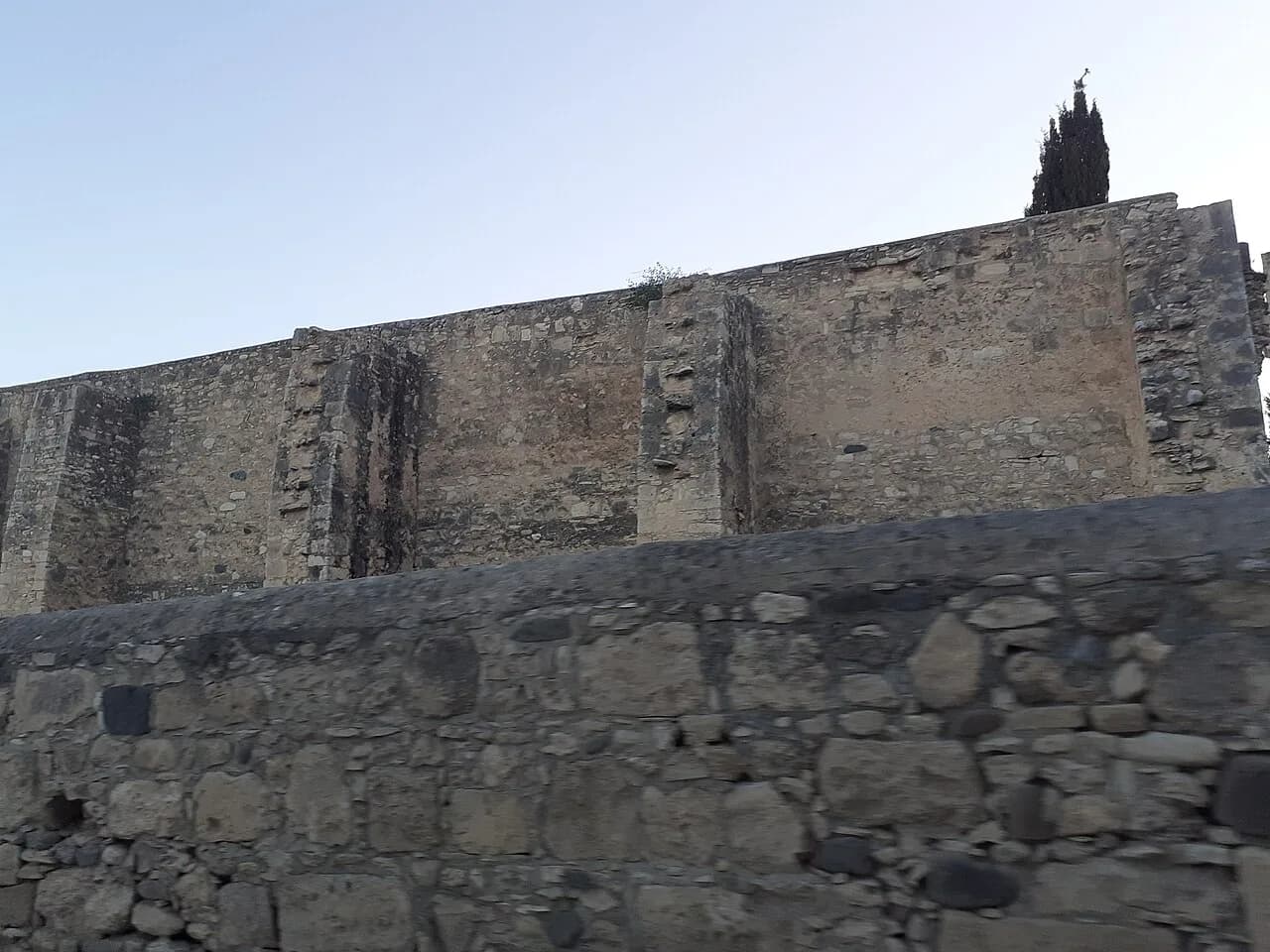
Limassol Castle dominates the landmark list in the city and now houses a medieval museum. The collection runs from roughly 400 to 1870 AD and includes cannons, seventeenth- and eighteenth-century wood carvings, paintings, tombstones, armour, coins, pottery, glass and marble pieces, so it is the one place in town where you can read the medieval and later story in objects rather than ruins.
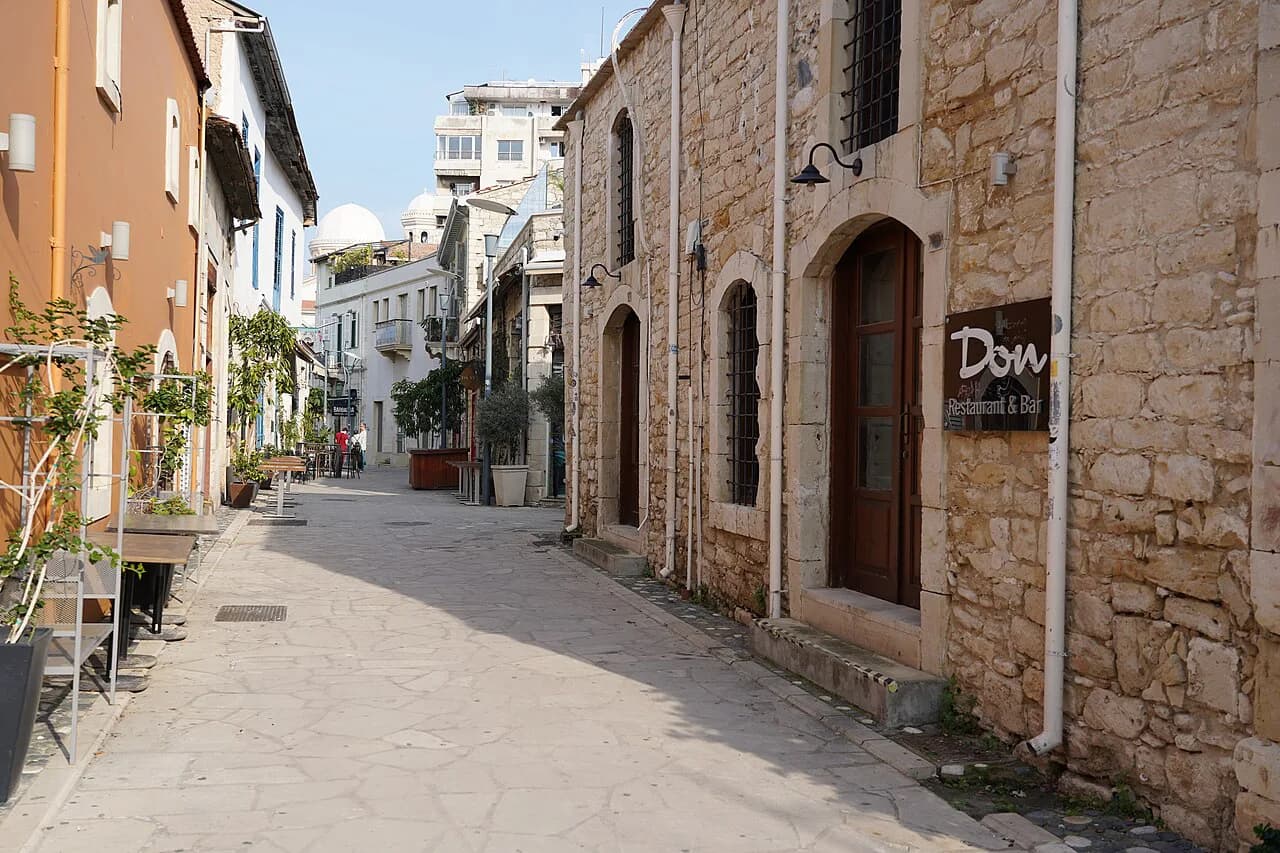
Because the collection stops around 1870, do not expect the castle to explain modern Limassol. Visit it first if you want the framework, then walk the surrounding streets of Limassol Old Town to see how the historic core sits against the port and the newer waterfront.
Richard the Lionheart, Berengaria and the castle tradition
The castle is linked by tradition to Richard the Lionheart, who is said to have married Princess Berengaria of Navarre there after her ship was grounded while she travelled with him on the Third Crusade. Treat that as tradition rather than settled record: it is the story the city tells, and it explains why the castle carries such weight in local accounts.
That crusader connection is not just a wedding anecdote. The late twelfth and thirteenth centuries, spanning Richard the Lionheart's time in Cyprus and the Knights and rulers who followed him, shaped the town's later medieval chapter, which is why a castle visit and a Kolossi visit make sense on the same trip.
The medieval centuries in brief
After the crusader period the island passed through Lusignan and then Venetian hands, with Limassol's own medieval fabric later giving way to the modern town layout. What you see today is largely the castle and the later town streets rather than a run of intact medieval streets.
For the visitor, the practical result is that the medieval chapter is best read in the castle museum collection and in the crusader sites west of the city. Set expectations accordingly and you will not spend time hunting for a walled medieval quarter that is not there.
Ottoman and British Limassol: the castle as a prison
The castle's later life is as revealing as its medieval one. It served as a prison between 1790 and 1940, a long stretch that spans the late Ottoman period and most of the British era, and that use helps explain the building's solid, unornamented character as much as its defensive origins.
Walk the old town with that in mind and the layers add up: a crusader castle, a prison, then a museum. The surrounding streets hold the old town and its landmarks, and a Limassol map helps you find the castle, the old town and the harbour in one loop.
Modern Limassol: marina, 15 km coastline and port
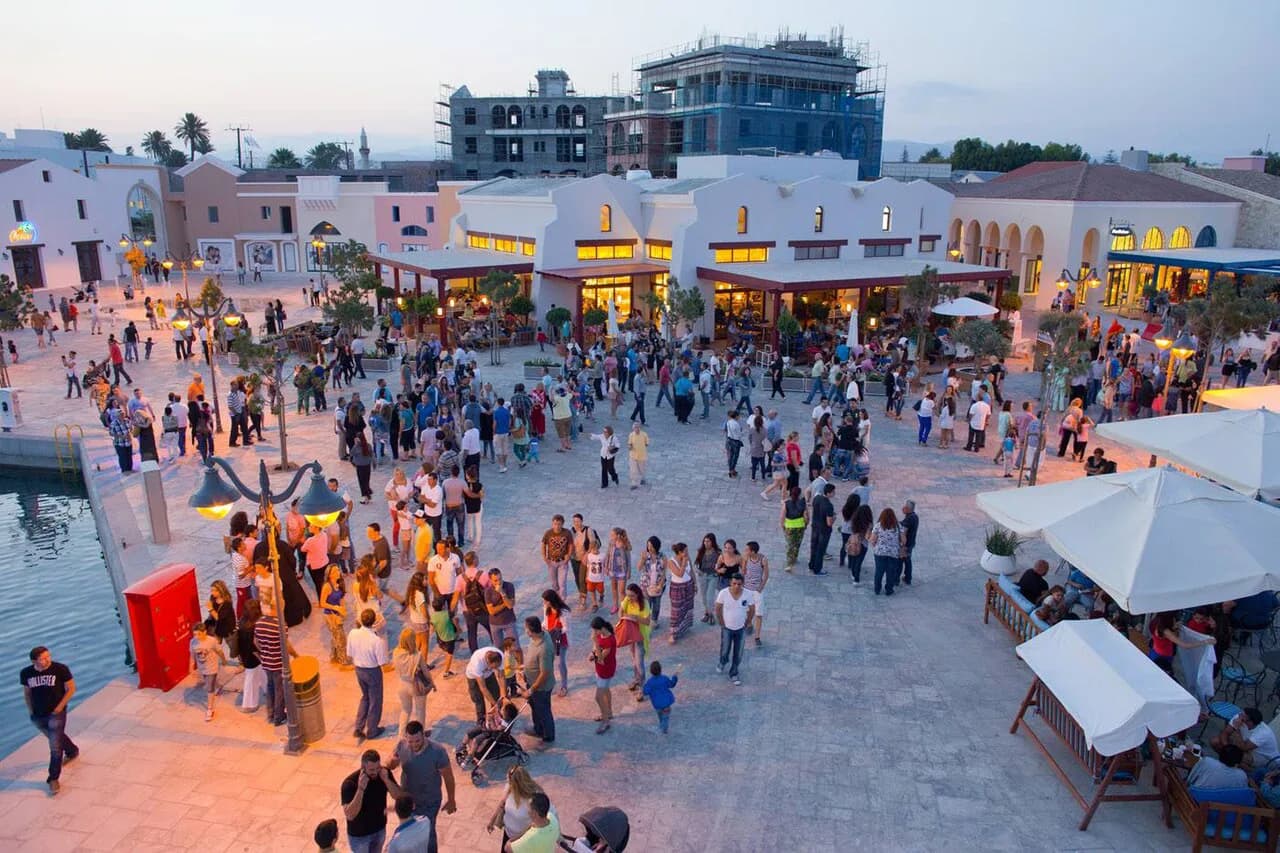
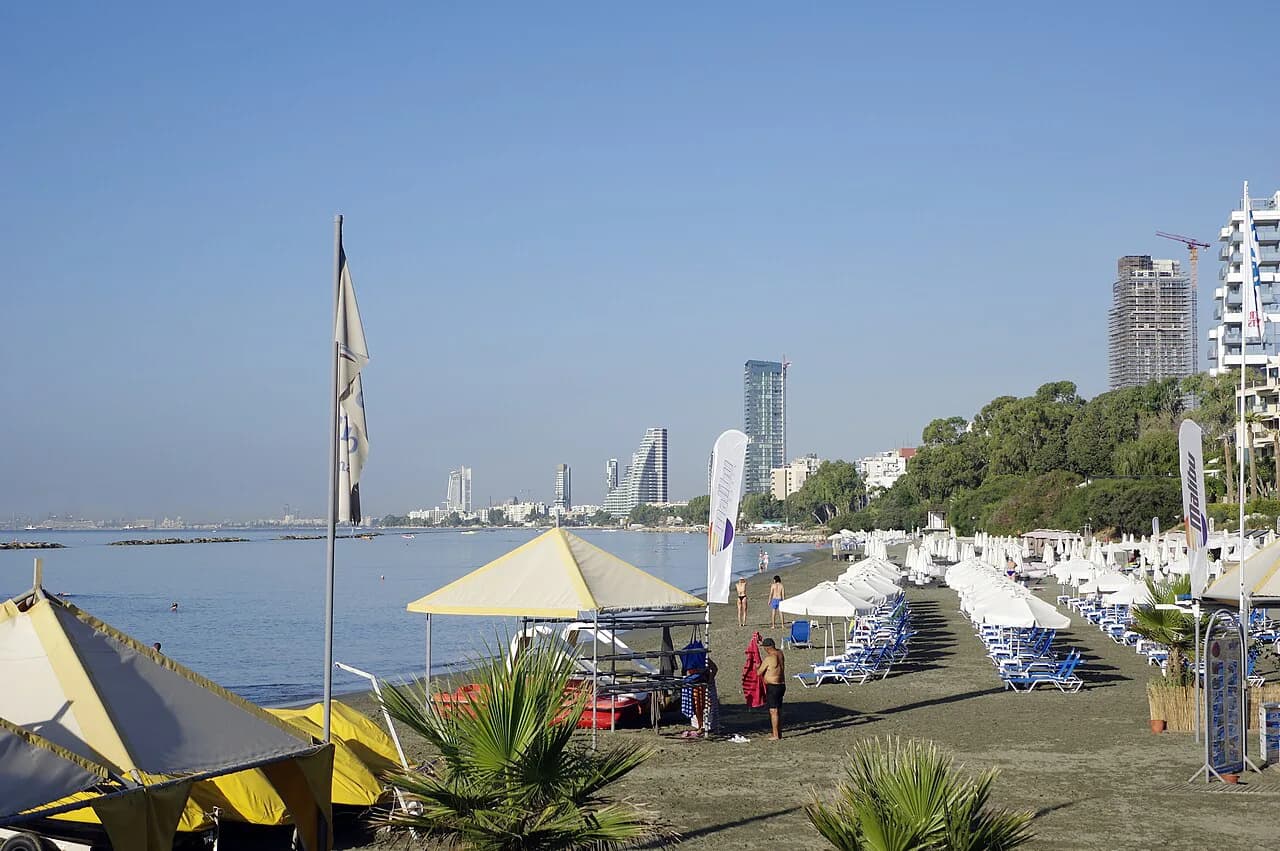
Modern Limassol grew fast, and its best-known recent landmark is Limassol Marina, a waterfront development combining residences, a full-service marina and its own shopping and dining area. The revamped coastline now runs about 15 km, lined with hotels, beach bars and cafes, with eucalyptus groves and a promenade popular with walkers and joggers.
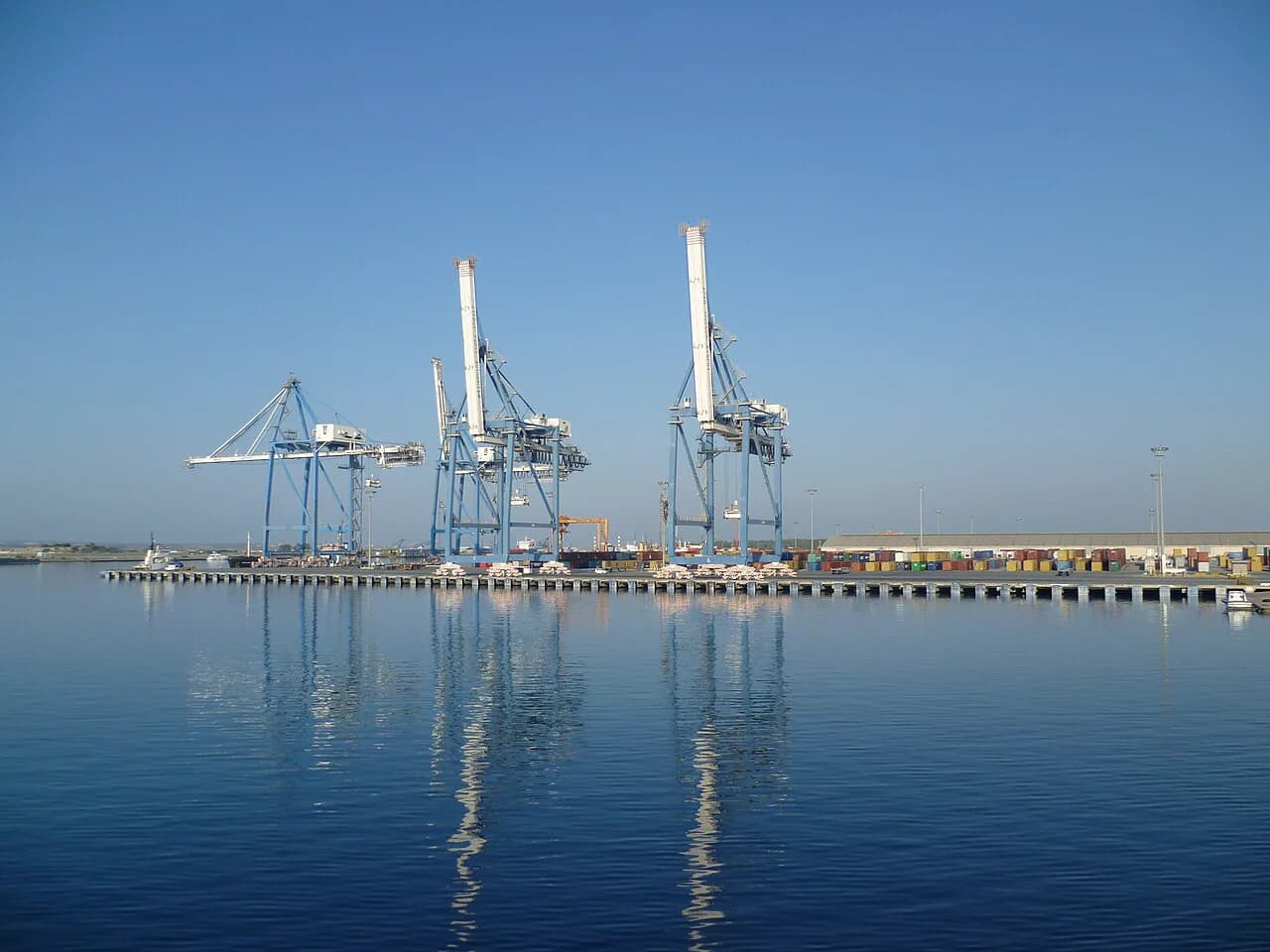
The city has also become one of the largest commercial ports in the Mediterranean and the island's business and financial centre. That explains the skyline and the traffic, and it is worth knowing before you judge Limassol against smaller Cypriot towns: this is a working city with a historic core attached.
The coastal strip is where most visitors spend their downtime. A Limassol promenade walk makes an easy evening after a morning at the castle, with the marina at one end and the old port at the other.
Other museums and green space in the city
The Limassol Archaeological Museum suits anyone who wants the long view, with ceramics, pottery and Roman-period antiquities, plus finds from the Neolithic through to the Late Bronze Age. Sculptures, lamps and inscriptions in Hellenistic and Roman Greek are on display, and it makes a good indoor stop when the afternoon heat peaks.
The Municipal Garden on the coastal road offers shade and a garden theatre that hosts events through the year, with family attractions nearby. It is a useful breather between sites rather than a destination in itself, and it sits close enough to the waterfront to fold into a walking route.
How to link the sites without a car
Do the old town on foot first: the castle, the surrounding streets and the waterfront are close together, so one morning covers the centre. Keep Amathus for a separate eastward trip and Kourion with Kolossi for a westward half-day, because the distances are the thing that defeats an ambitious single-day plan. Limassol Old Town is the natural place to start.
Buses and taxis cover the coastal and western routes, but a hire car gives you far more flexibility for Kourion and Kolossi. Remember that Cyprus drives on the left.
If you would rather stay on the water, boat trips run from the Limassol harbour and marina area. They are a pleasant way to see the coastline, not a substitute for the archaeological sites.
Practical points: hours, tickets and summer heat
Opening hours and admission fees for Limassol Castle, Kourion, Amathus and Kolossi shift between summer and winter, so check the current details for each site before travelling. Prices are quoted in euros.
Summer heat is the other practical constraint. Kourion and Amathus are exposed open sites, so start early, carry water and keep the castle or the Archaeological Museum for the hottest hours. In the shoulder months you can comfortably combine two sites in a day.
Which sites should you actually book a day for?
Give the old town one morning for Limassol Castle, the surrounding streets and the waterfront, then set aside a separate half-day for Kourion with Kolossi and another short trip east for Amathus. That split matches the geography and keeps you out of the car during the worst heat.
If time is short, choose Kourion over everything else and add the castle for context; if you are staying centrally without a car, the castle and the old town will carry a full day on their own. The Things to Do in Limassol guide covers the wider set of sights.
Explore more Limassol guides
Sources
Notes for your Cyprus trip
Optional updates to our Cyprus guides.
You might also like
Continue reading
More guides you'll find useful