Limassol Weather in July: Typical Heat, Sunshine and Sea
Limassol in July brings hot, sunny Mediterranean days and warm seas. Here are the typical averages, what the heat means for sightseeing, and how to plan around it.
On this page
July in Limassol means reliable heat and long sunshine, so the practical question is how to structure a day around it rather than whether the sun will appear. The figures below are typical climate averages for the month, not a forecast, so pair them with a live forecast closer to departure. This guide covers temperatures, sunshine and rainfall, how the sea breeze changes the seafront, and where the heat fits into a sightseeing day.
What Limassol's July weather is typically like
Limassol sits on Cyprus's south coast and takes a Mediterranean climate of dry, bright summers and mild, wetter winters. Summer temperatures on the coast sit in a band from roughly 27°C to 30°C, and August, not July, is the sunniest month of the year. Treat those as seasonal averages for the city rather than a promise for any single week.
Regular sea breezes arrive off the water in summer and take the edge off the hottest part of the afternoon, which is why the seafront feels noticeably easier than inland streets a short drive from the coast. Plan outdoor time for the morning and late afternoon, and treat the middle of the day as a period for shade, museums or a long lunch.
Typical July temperatures by day and night
Because the city averages cover the whole summer, plan July around a hot afternoon and a warm evening rather than a single figure. Evenings stay mild enough that a jacket is rarely needed, so a light layer for air-conditioned interiors is the more useful item. Close to departure, the Met Office location page becomes the better reference for day-level detail.
The heat changes how the day should be shaped. Front-load sightseeing into the early morning, keep a generous midday pause, then head out again in the late afternoon when the light softens and the breeze picks up. This matters most for anyone travelling with older relatives or young children, for whom prolonged midday exposure is the main risk.
Sunshine hours and rainfall
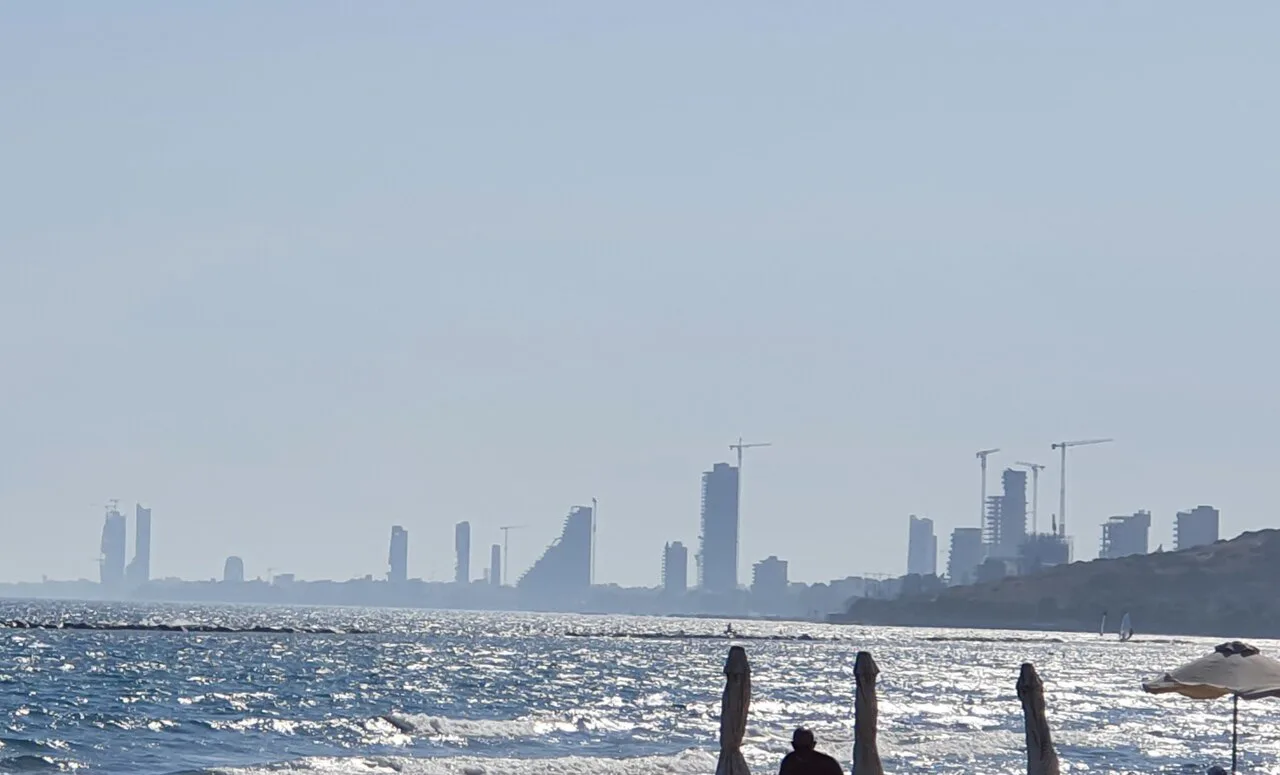
Further east on the island, Larnaca's July averages sit around 33°C by day and 21°C at night, with roughly 14 hours of sunshine and only about 4mm of rain, which gives a fair picture of how dry and bright a Cypriot July feels on the coast.
In practice, expect very little rain in Limassol in July, so a rain jacket earns its luggage space only in winter. The bigger challenge is sun exposure: the middle of the day is intense, so hats, shade and frequent water breaks belong in the plan from the start.
Is the sea warm enough to swim in July?
Treat sea conditions as something to read on the day rather than a figure to plan around: the breeze, the feel of the water and any flag warnings tell you more than an average. Summer water off Cyprus is generally mild, and the main caution on the sand is sun exposure rather than cold.
How the heat changes a day of sightseeing in Limassol
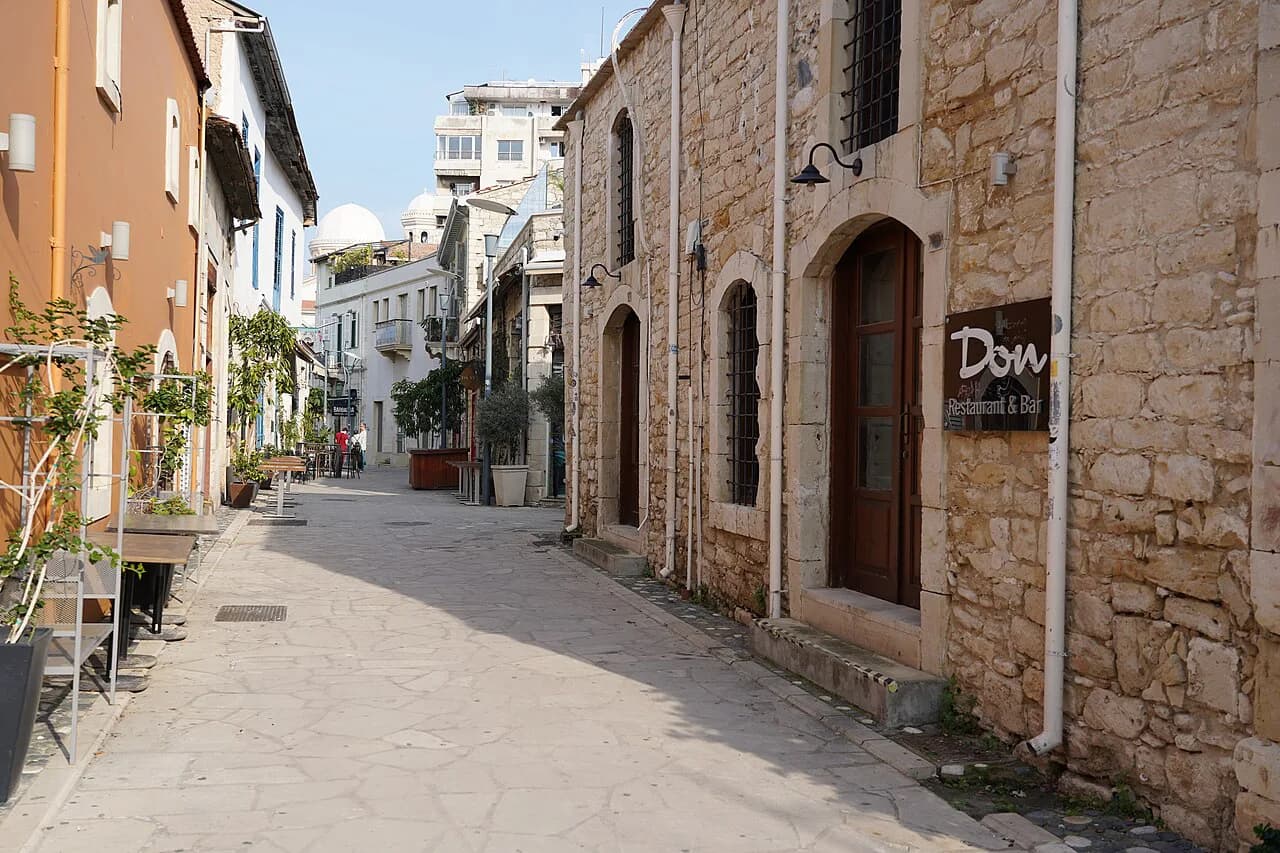
Limassol old town is a compact grid of shaded lanes, squares and church courtyards, which makes it the natural morning choice before the stone starts radiating heat. Stay in the lanes and squares through the hottest hours rather than adding exposed detours.
Indoor stops carry the middle of the day: a museum or gallery gives you air conditioning, a proper pause and something to look at while the streets empty. Plan one indoor anchor per day rather than trying to fill every hour outside, and pick a handful of things to do in Limassol rather than the whole list.
Best times of day to be outdoors
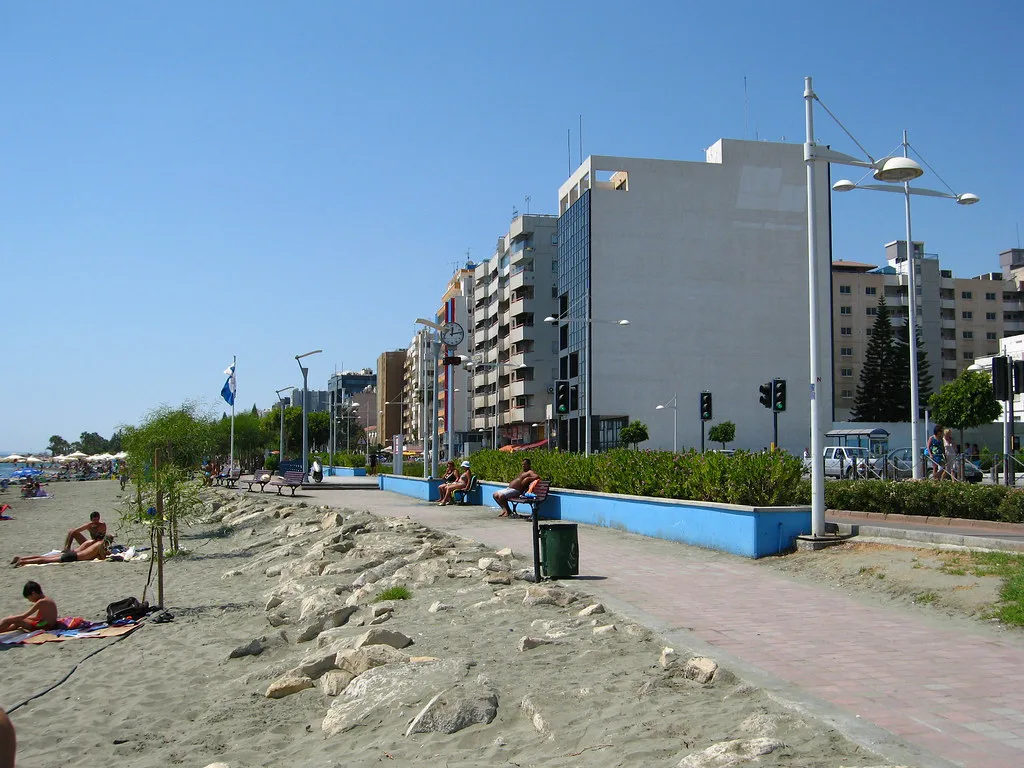
Early morning is the best window for the waterfront, when the light is good and the paths are quiet. Late afternoon and evening suit the harbour and the long seafront walk, when the breeze returns and the stone has cooled. The Limassol promenade gives you a flat route where you can walk as far as you like and turn back, which suits a hot day better than a fixed loop.
Midday belongs indoors or in deep shade, ideally near water or air conditioning. If you do go out, keep to short hops between stops rather than long exposed walks, and drink more than you think you need.
Coping with July heat: shade, water and timing
Carry water, wear a hat, use high-factor sunscreen and plan a proper siesta or pool break in the early afternoon. Light, loose clothing in natural fabrics is more comfortable than anything tight, and shade is plentiful in the old town's lanes. Build the day around two outdoor sessions rather than one long one.
Getting around Limassol in the heat
Air-conditioned transport makes a real difference in July. Buses and taxis give you a cool pause between stops, and short taxi hops can save an hour of exposed walking when the temperature peaks. If you hire a car, park in shade and never leave anyone, especially a child or a pet, inside a parked car. Cyprus drives on the left and the Republic uses the euro.
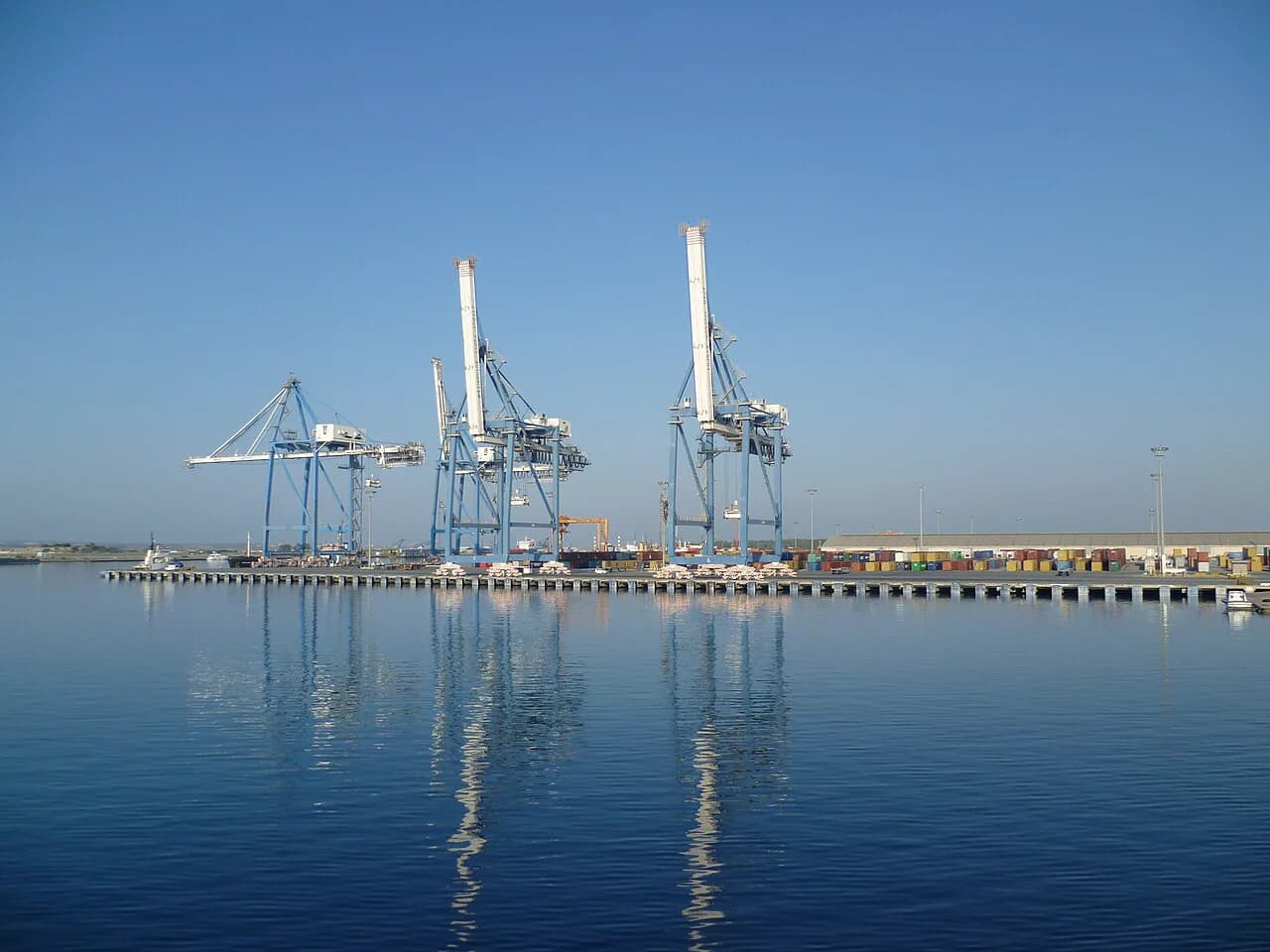
Grouping sights by neighbourhood cuts time in the sun: old town one morning, the Limassol Marina and harbour another, the promenade in the evening. That structure is the single best heat-management decision you can make.
Beaches and the coast in July
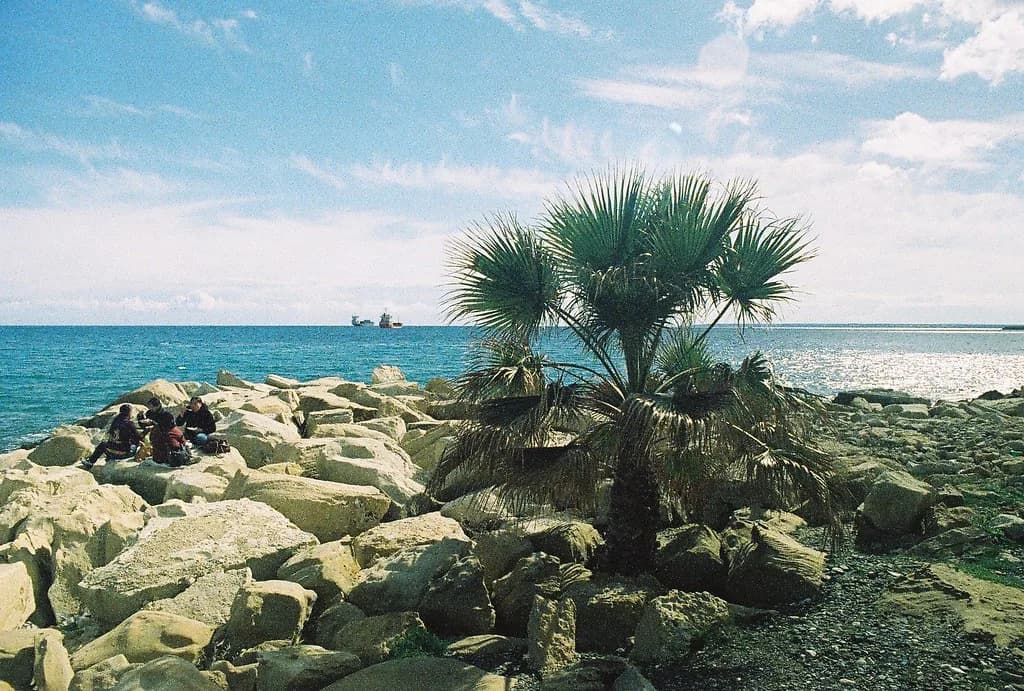
July is peak swimming weather on the Limassol coast, with warm water and long daylight hours, and organised beaches fill early. Go in the morning for space, or late afternoon for softer light and cooler sand. Bring shade if your beach has none, and watch the sun rather than the clock.
What July means for crowds and prices
July sits in the high season, when Limassol is at its busiest, so book accommodation and car hire early if you have fixed dates. For Limassol boat trips, check which operators are running and how full they are before you commit, since schedules vary through the month.
Rain and wind: what to expect
Rain in Limassol in July is very unlikely, and the main weather influence is the afternoon sea breeze, which can be strong enough to make the waterfront feel cooler than the city behind it. Wind rarely disrupts plans, though it can raise a chop on the water, so check the live forecast before a boat trip or a long swim.
Practical summer kit for a Limassol July
Pack light, breathable clothing, a wide-brimmed hat, sunglasses, high-factor sunscreen, a refillable water bottle, a light layer for air-conditioned interiors and comfortable shoes for the old town's stone lanes. Add a small towel and swimwear for the coast, and keep the day bag small enough to carry without effort.
Which part of the day should you give to Limassol?
Give the morning to the old town and the late afternoon to the water: that split keeps you out of the worst heat and puts you in the best light. Check the live forecast in the days before you travel, then plan each day around two outdoor sessions and one cool indoor pause.
Explore more Limassol guides
Frequently Asked Questions
What is the weather like in Cyprus in July?
July across Cyprus is hot, dry and very sunny, with coastal temperatures typically in the high twenties to low thirties and very little rain. Sea breezes make the coast feel easier than inland areas, and evenings stay warm. Treat these as climate averages rather than a forecast.
Does it get hot in Cyprus?
Yes. Cyprus has a Mediterranean climate with hot, dry summers and milder, wetter winters, and high summer is the hottest stretch. Plan outdoor activity for the morning and evening, and keep the middle of the day for shade or air conditioning.
How should I plan a sightseeing day in Limassol in July?
Start early in the compact old town, take a long, shaded lunch or an indoor museum break through the hottest hours, then head to the promenade or harbour in the late afternoon. That rhythm suits the heat far better than one continuous day outside.
Sources
Notes for your Cyprus trip
Optional updates to our Cyprus guides.
You might also like
Continue reading
More guides you'll find useful