Museums in Nicosia: Which Ones Are Worth Your Time
Nicosia's museums split neatly between the Cyprus Museum's island-wide archaeology and the Byzantine Museum's icons inside the Archbishopric.
On this page
If you have one afternoon in Nicosia, spend it on the Cyprus Museum for archaeology and the Byzantine Museum for icons; together they cover the island from the Neolithic to the 19th century. This guide sets out what each holds, which specific pieces justify the entry, roughly how long to allow, and how to walk between them inside the old town.
The pair sits naturally in a half-day, and both are within the Venetian walls rather than out in the suburbs, so you can link them with the rest of the things to do in Nicosia without a car.
What Nicosia's museums cover: archaeology versus Byzantine art
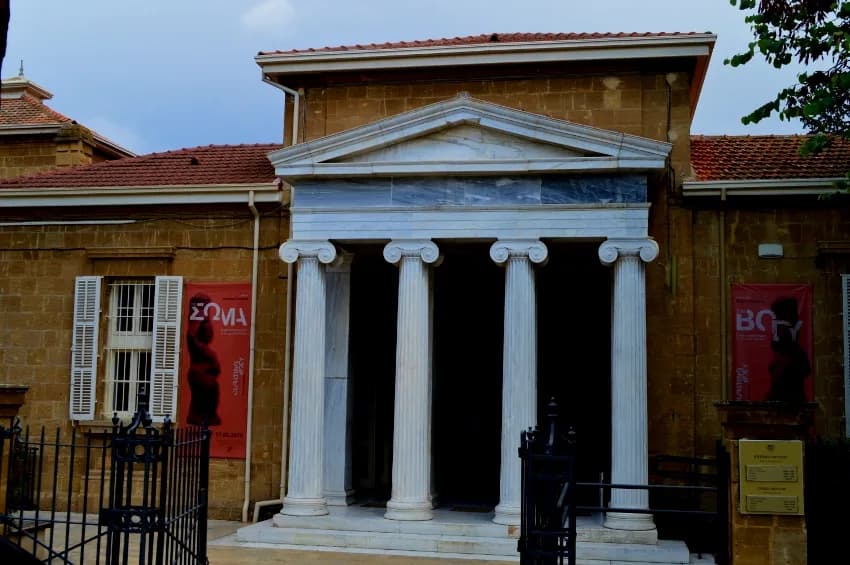
The division is clean. The Cyprus Museum is the island's principal archaeological museum in central Nicosia, holding the most extensive collection of Cypriot antiquities, and it tells the story through objects rather than labels alone. The Byzantine Museum takes the other half of the island's past: religious art, chiefly icons, displayed in the Archbishopric. Choosing between them is really a choice between settlement, burial and sculpture on one side and painted devotion on the other, so pick by appetite rather than by size.
Because they cover different centuries and different materials, the two complement rather than repeat each other, and seeing both in one day gives you a fuller picture than doubling up on either. The Cyprus Museum frames the island's long prehistory and its Roman phase. The Byzantine Museum picks up the Christian centuries and runs to the 19th.
For context on how the city itself developed around these collections, the Nicosia history pages are a useful primer before you go, and they make the museums easier to place.
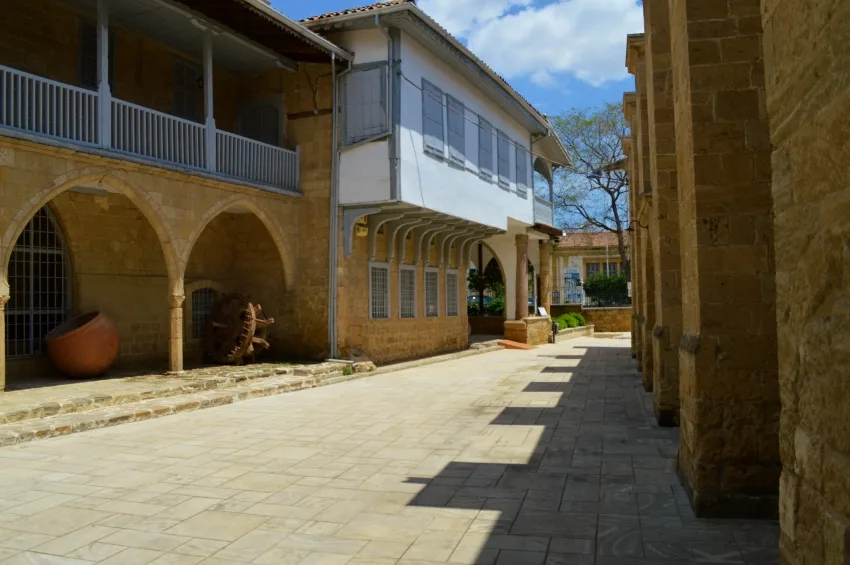
The Cyprus Museum: the island's archaeological collection
The Cyprus Museum is described by commercial listings as summing up the island's past from Neolithic settlements through to Roman art, and it is the obvious first stop for anyone interested in what was dug out of Cypriot ground. Treat that description as a rough scope rather than a gallery-by-gallery plan, and set aside a couple of hours rather than attempting a quick circuit.
Because no museum-authorised opening hours or ticket terms are available here, check the museum's own published details for entry terms and any closed days before you travel.
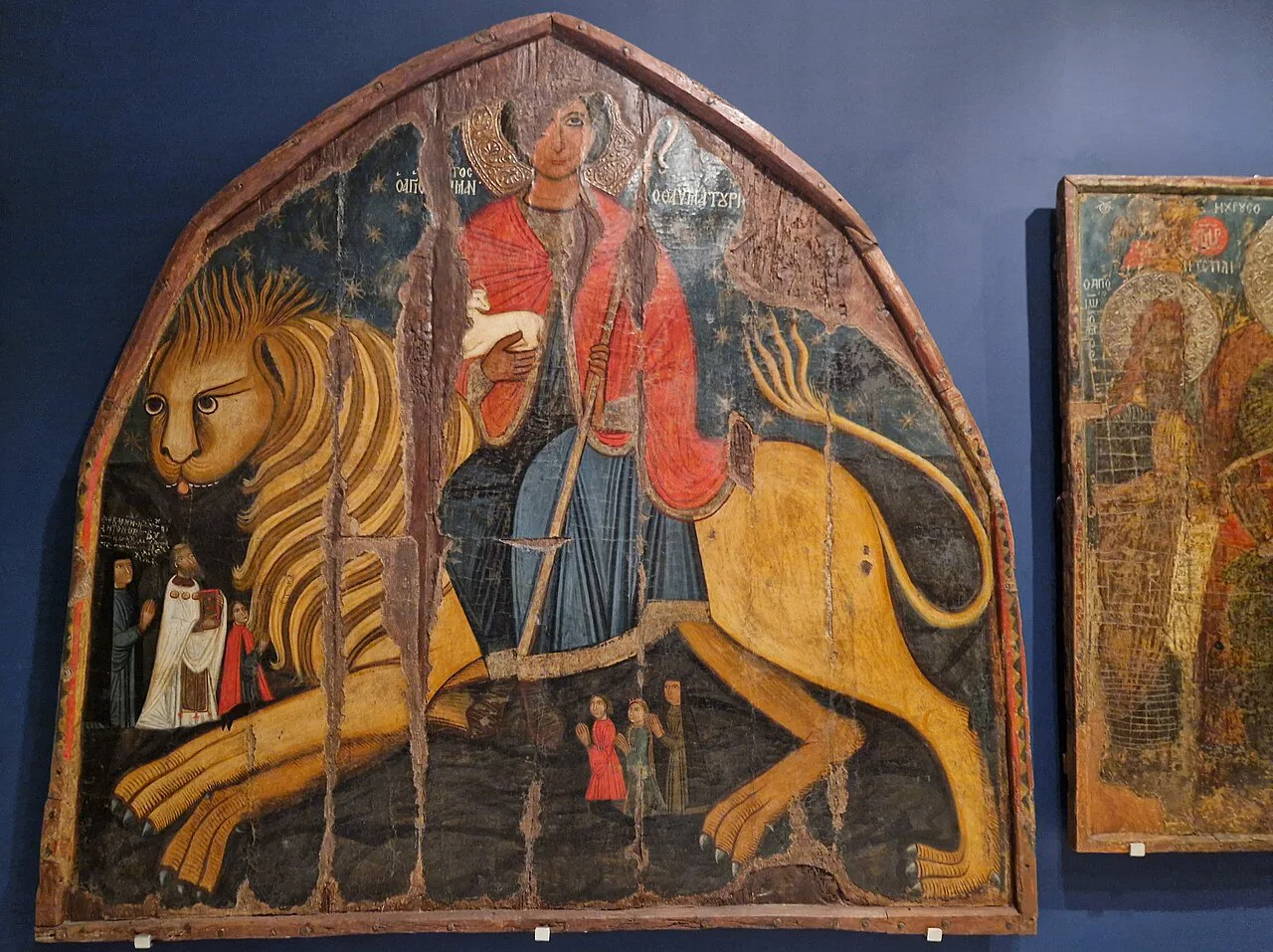
What to look for at the Cyprus Museum
Listings single out the Agia Irini terracotta figures as a headline draw, a group of large terracotta votives, alongside Bronze Age treasures that show the metalwork and trade links which made Cyprus wealthy long before the Romans arrived. Seek out both, but treat the room order as something to discover on site.
Beyond those highlights, listings also mention material linked to Aphrodite and to the island's earliest settlements, so it pays to read the room labels rather than hurrying past the cases between the famous pieces.
The Byzantine Museum inside the Archbishopric
The Byzantine Museum sits within the walls of Lefkosia, inside the Archbishopric on Plateia Archiepiskopou Kyprianou, and holds the richest and most representative collection of Byzantine art on the island. It displays about 230 icons dating from the 9th to the 19th centuries, alongside sacred vessels, vestments and books. The museum's operating period is all year round.
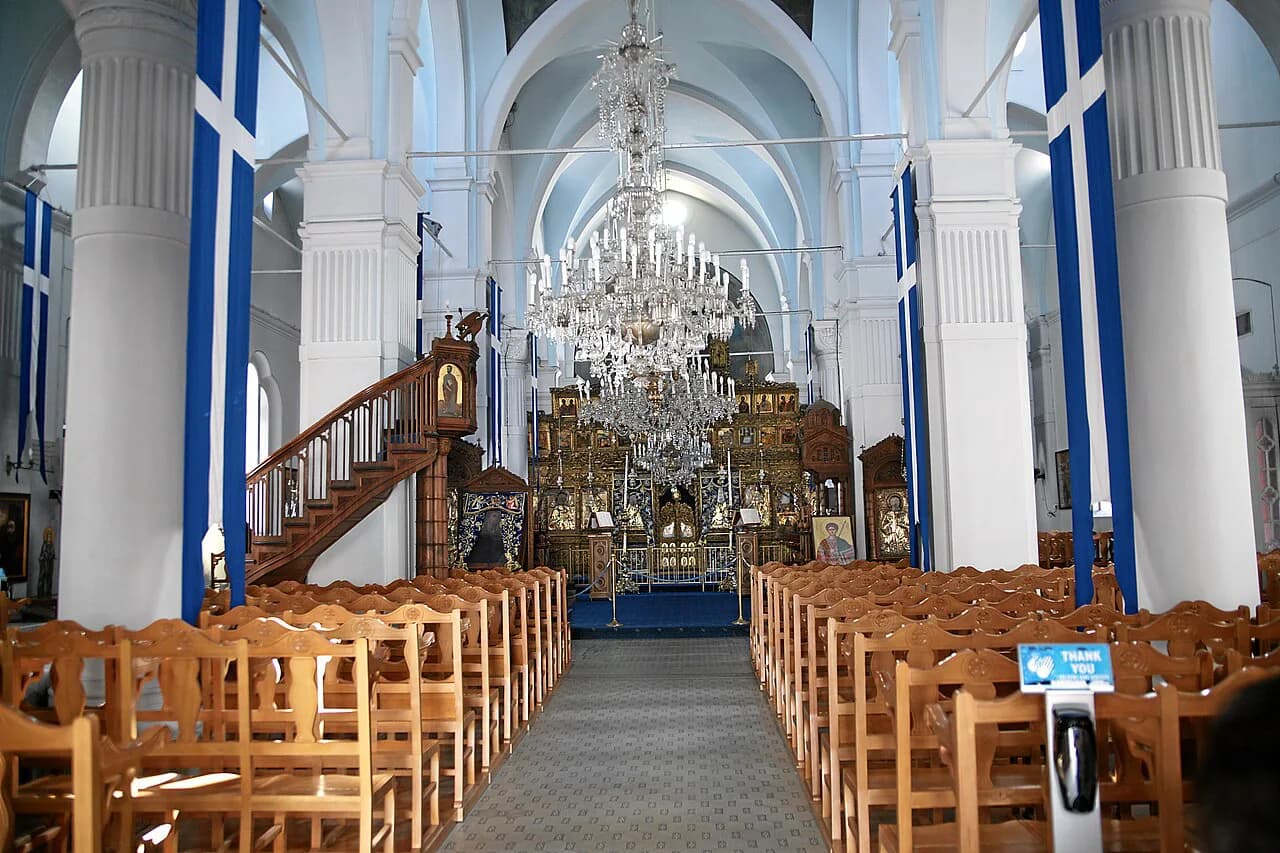
The setting matters as much as the collection: arriving through the Archbishopric courtyard puts you in the middle of the old town's religious core, where several of the city's main churches stand. If you want to extend the theme, the Nicosia churches guide helps you pair the museum with the buildings the icons came from.
Allow around an hour for the icons themselves, more if you read the labels closely, since the collection is dense rather than sprawling. The museum's own telephone and address details are listed by the municipality, and the Makarios Foundation website is the place to confirm current opening arrangements.
Standout pieces at the Byzantine Museum
The 12th-century icons are the heart of the collection, painted when iconography on the island was at its height, and they reward close looking rather than a quick pass. The other must-see is the group of 6th-century mosaics torn from the church of Kanakaria, sold abroad and later repatriated, now displayed among the icons. Together they make the case for this museum over any other religious collection on the island.
Because the icons span ten centuries, the pleasure is in tracking how style shifts across the rooms, from the stiffer early panels to the more fluid later work. Give the Kanakaria mosaics a deliberate stop of their own; they are small in scale and easy to walk past if you are moving quickly.
How the two compare: time needed and which to choose
The Cyprus Museum is the larger and slower of the two, covering prehistory to Rome, so plan on the bulk of your time there. The Byzantine Museum is compact but concentrated, and an hour covers the icons and mosaics well. Done together they fill a comfortable half-day inside the walls.
If you only have one afternoon, choose by interest: archaeology and objects at the Cyprus Museum, painting and devotion at the Byzantine Museum. If you are travelling with someone who prefers one and not the other, split up and meet afterwards, since the two are close enough for that to work.
Practicalities in the old town: walking between the two
Both museums sit within the Venetian walls, so the visit is a walking one; you can pair them with the rest of the old town on foot without needing the car. The Byzantine Museum's address on Plateia Archiepiskopou Kyprianou is the anchor for the eastern half of the circuit.
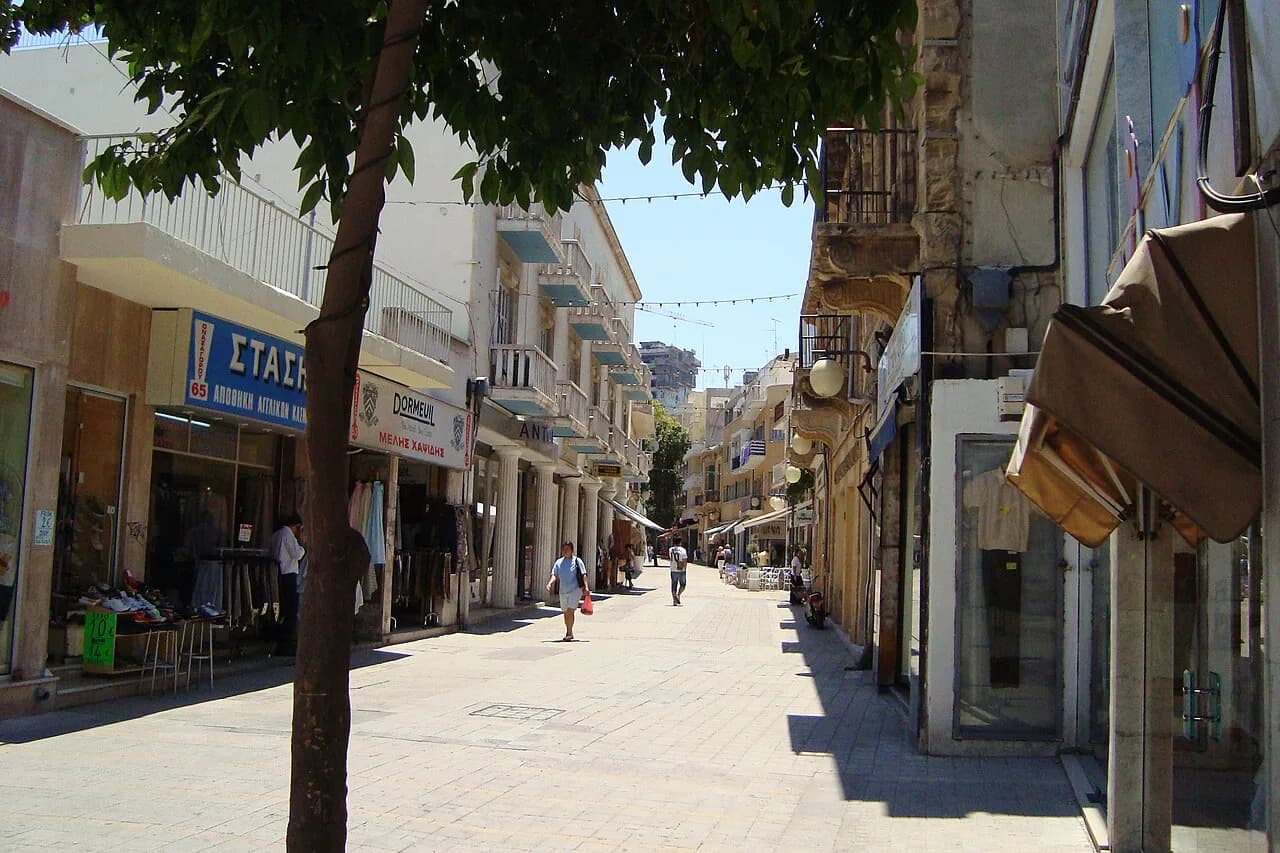
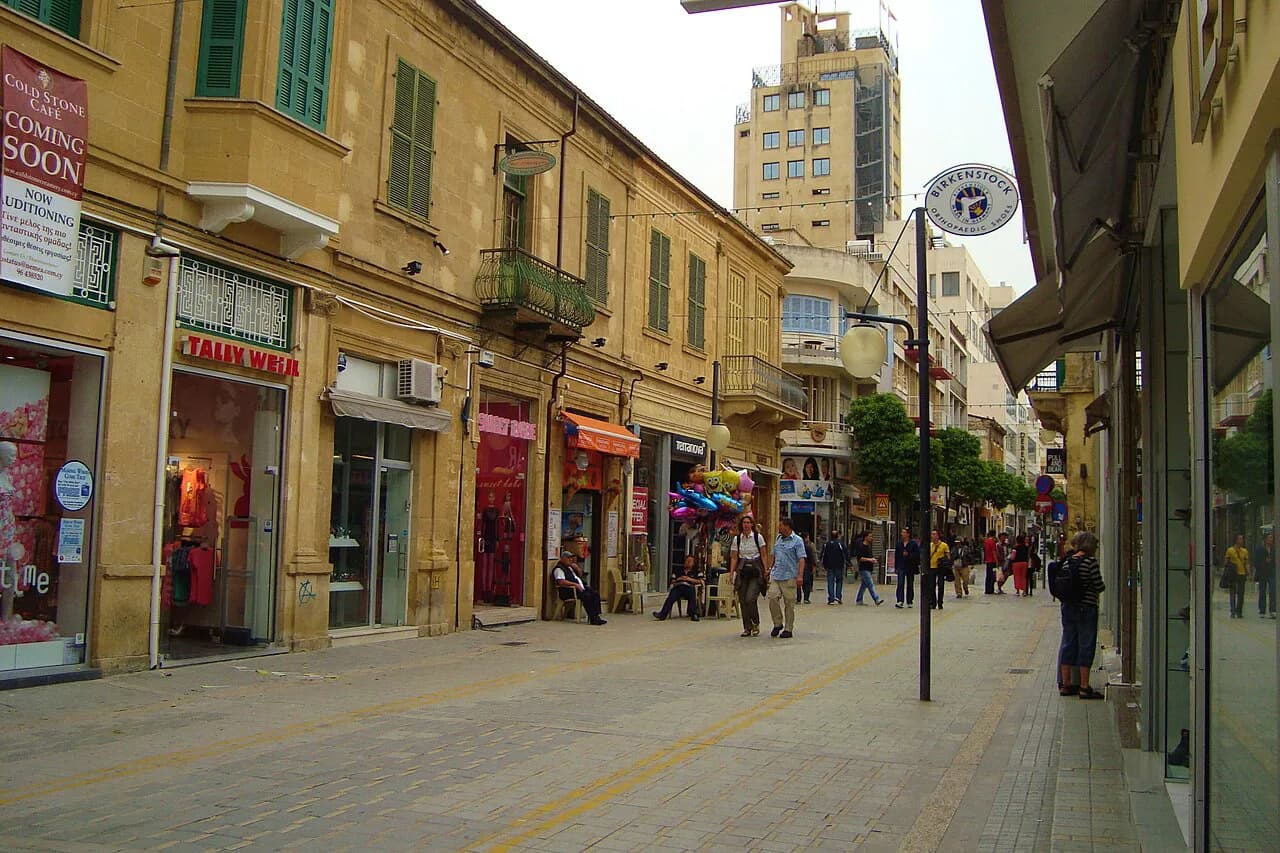
A sensible order is the Cyprus Museum first, then a walk through the commercial streets towards the Archbishopric, finishing with the icons before the late afternoon. The old town's main commercial spine makes an easy route, and Green Line crossing points sit close by if you are continuing north afterwards.
If you prefer a structured route, a Nicosia walking tour can fold both museums and the surrounding squares into one morning.
Which museum comes first on your afternoon?
Start at the Cyprus Museum if you want the island's deep past, then walk to the Archbishopric for the icons and the Kanakaria mosaics to close the day. Choose the Byzantine Museum alone if your time is tight or religious art is the draw.
Both are set within the walls, so the visit is a walk rather than a drive, and the rest of the old town sits between them.
Explore more Nicosia guides
Sources
Notes for your Cyprus trip
Optional updates to our Cyprus guides.
You might also like
Continue reading
More guides you'll find useful