Nicosia Old Town: What to See Inside the Venetian Walls
Walk Nicosia old town inside the Venetian walls, from Ledra Street and Shacolas Tower to Selimiye Mosque and Büyük Han, with a practical route.
On this page
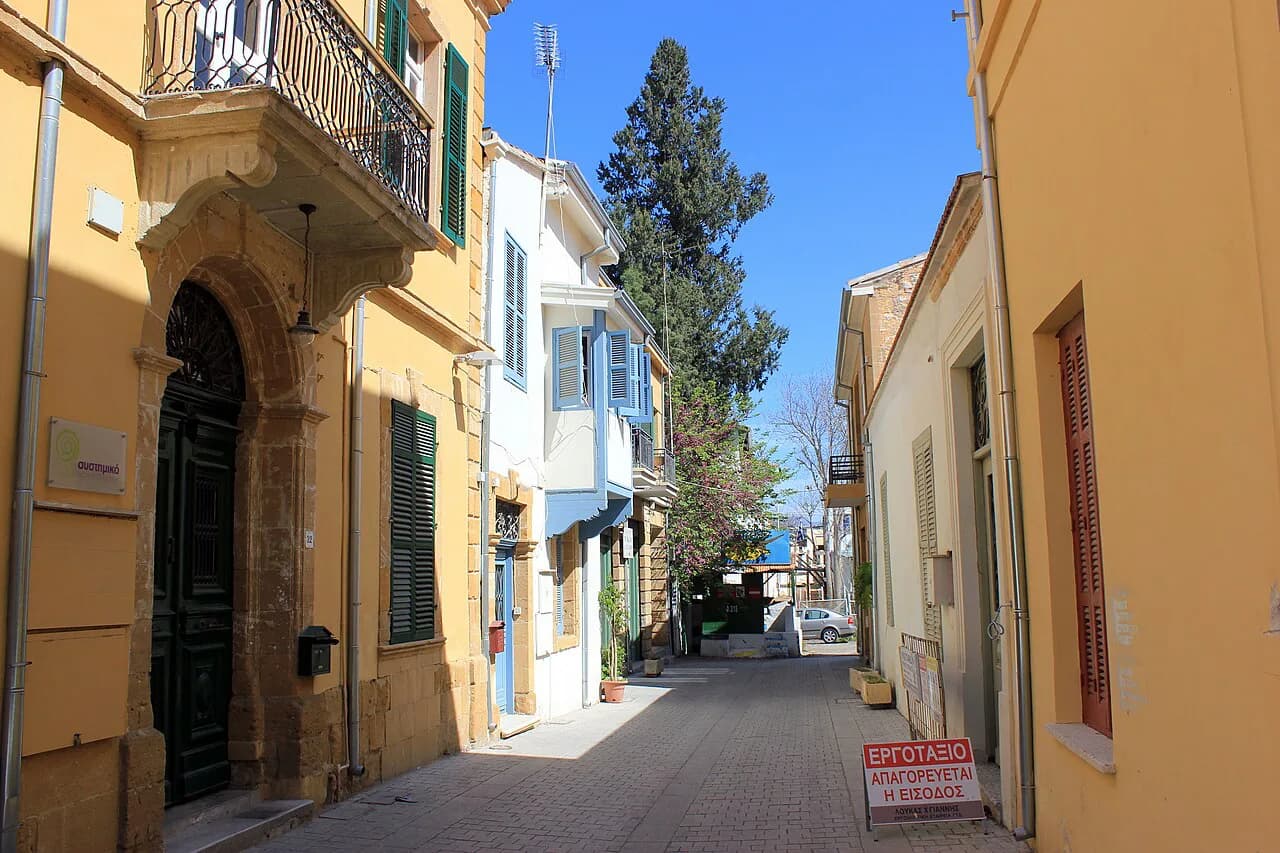
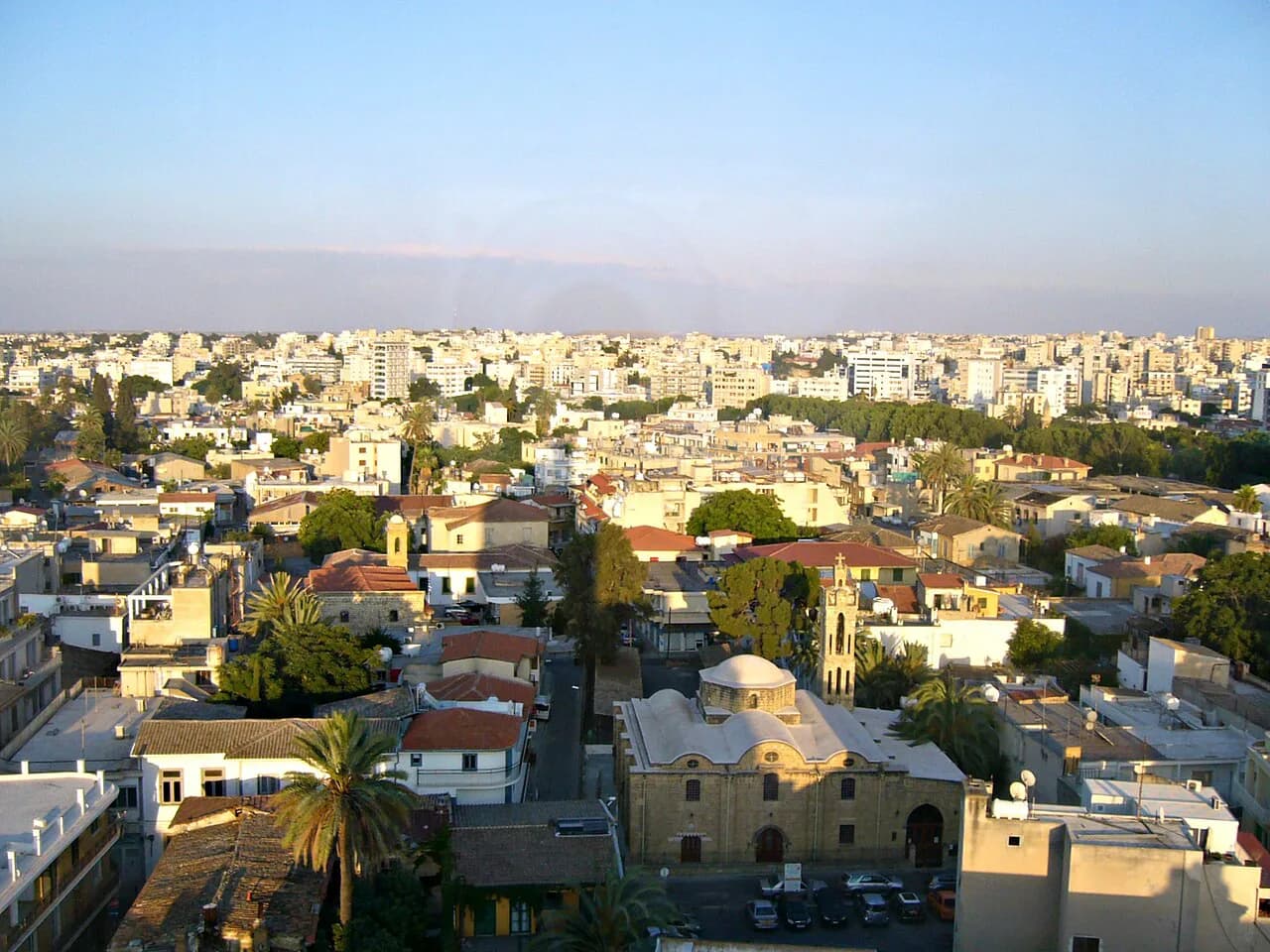
Nicosia old town is one compact, walled circuit that holds two halves of a capital, and you can walk the main sights on both sides in a day. The Venetian walls form a near-perfect circle around the lanes, and the Green Line divides that circle into the Republic's south and north Nicosia, so a sensible route treats the whole ring as one walk rather than two separate trips.
This guide sets out the shape of the walls, where to start at Ledra Street, the viewpoint at Shacolas Tower, the museums worth planning around, and the northern sights beyond the crossing. It is a plan for the streets and squares, with single attractions linked where a fuller page exists, and the broader Things to Do in Nicosia directory covers sights beyond this walk.
What Nicosia old town is, and how the two sides fit inside one wall
Nicosia is the capital of the Republic of Cyprus and also serves as the capital of the north, and the old town at its centre sits in what is often described as the world's last divided capital city. The city has been inhabited for about 4,500 years.
The old town lies on the Mesaoria Plain, ringed by the Venetian walls and split by the buffer zone that UN peacekeepers still patrol. Everything worth seeing on the southern side sits within walking distance of everything else, and the northern lanes begin just past the crossing.
Treat the two halves as one old town with a checkpoint in the middle. You walk the southern lanes first, cross on foot at Ledra Street with your passport, then continue through the northern bazaar quarter before returning the same way.
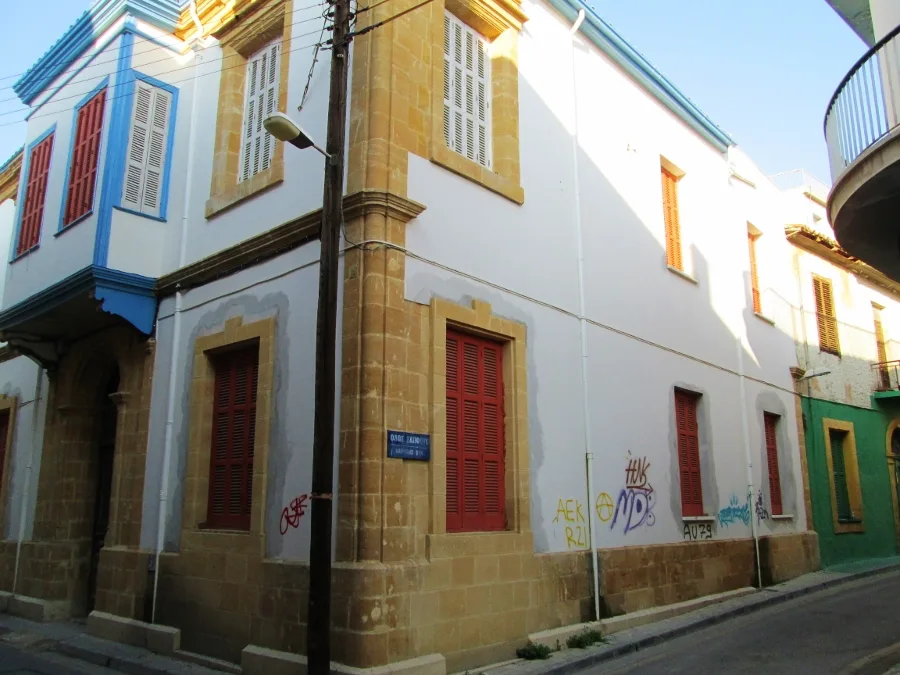
The shape of the old town: Venetian walls and the moat circuit
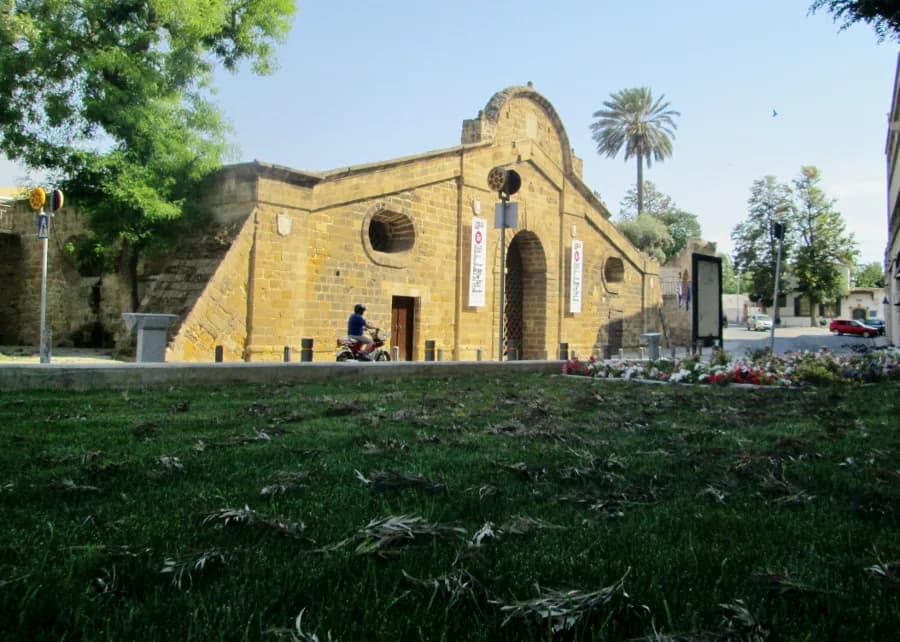
The Venetians built the circular walls in the 16th century, punctuated by bastions so that the plan looks like a star from above. They are still intact, and the old moat outside them has been turned into a circuit of running track, gardens and even a sculpture park.
Walking part of the moat is the free way to read the defences: you see the height of the ramparts and the width of the ditch that once kept attackers back. It also gets you out of the traffic and gives a clear sense of how small the walled city really is.
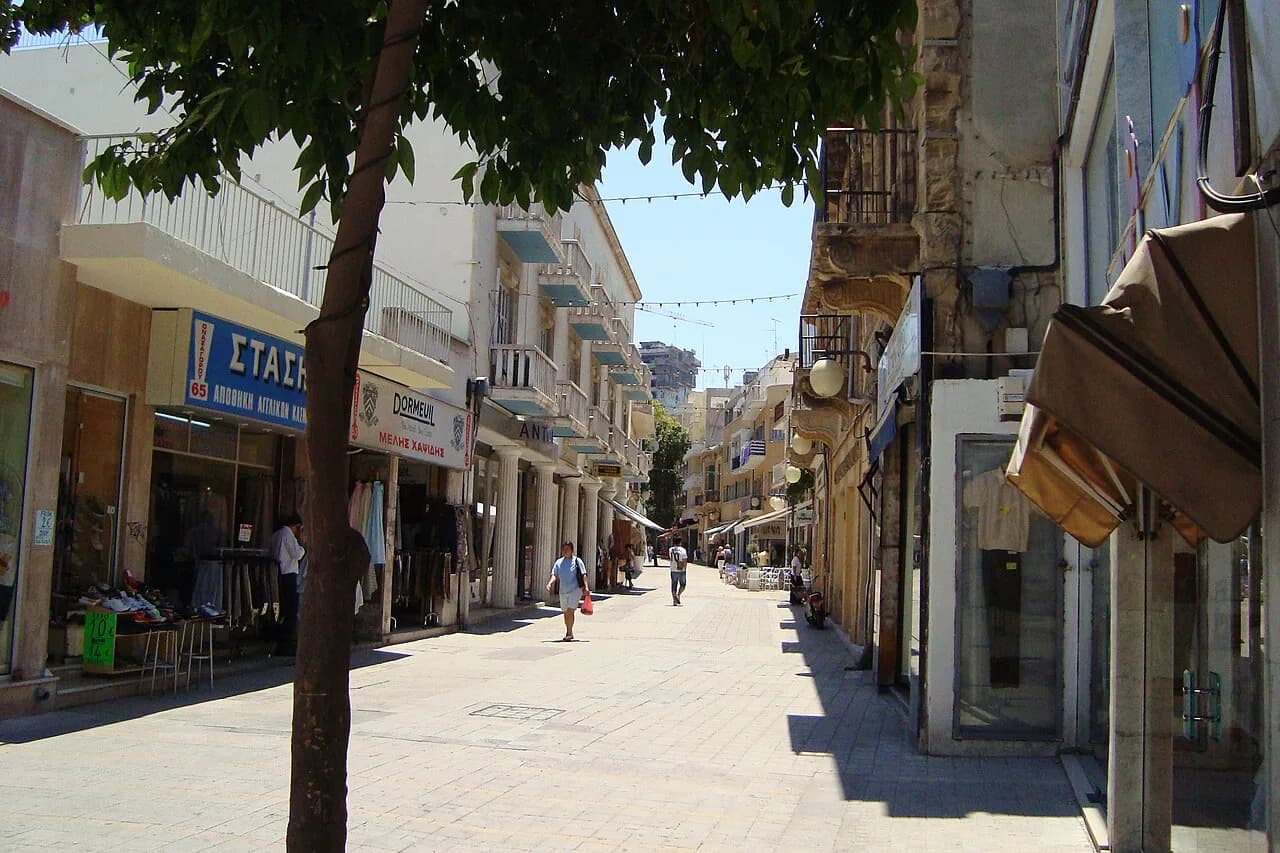
Pedestrian streets fill the interior with shops and cafes, which makes the lanes easy to wander but slow to cross at busy times. Save the moat for early or late in the day if you want shade and quieter pavements.
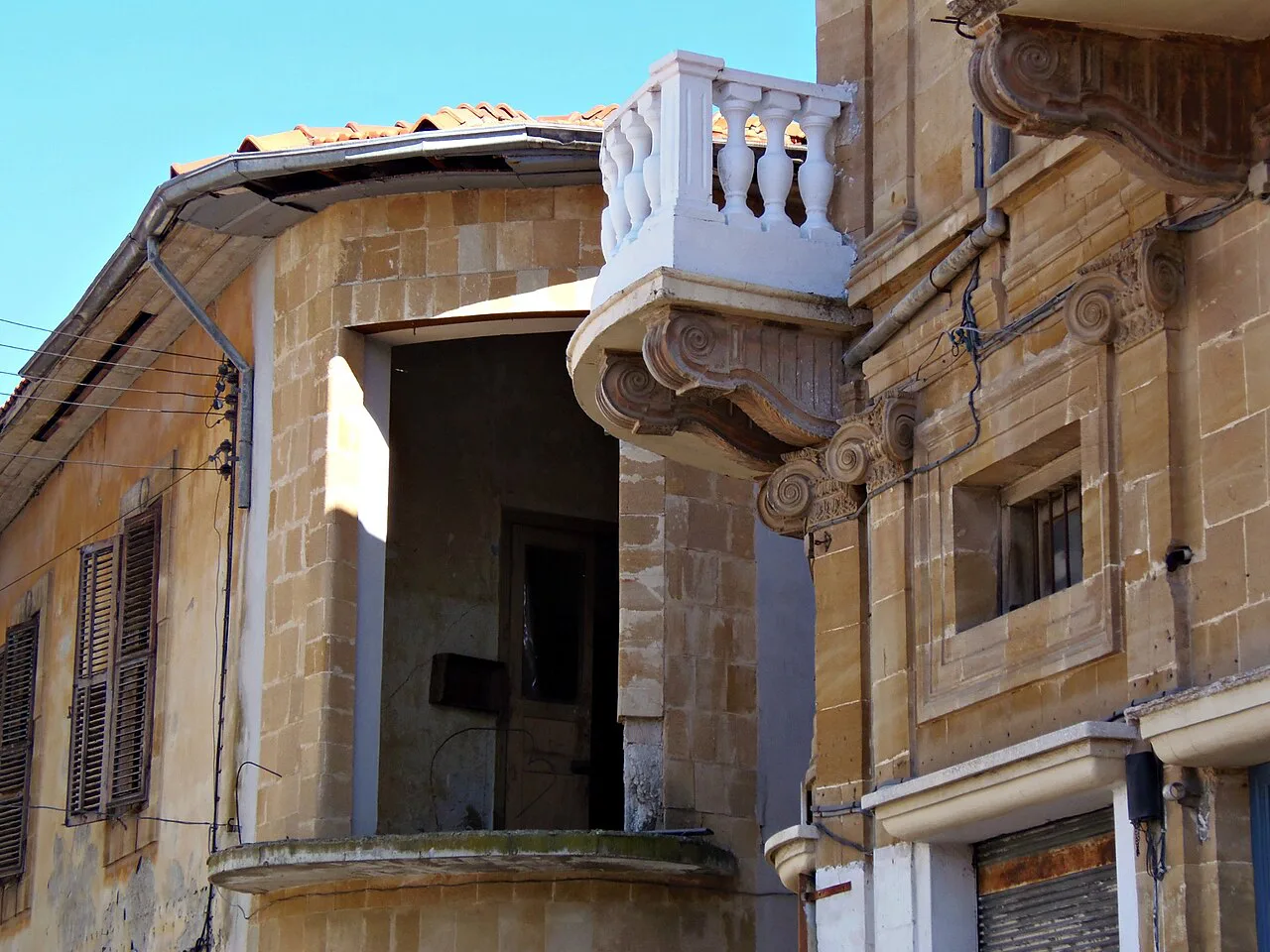
Where to start: Ledra Street and its crossing point
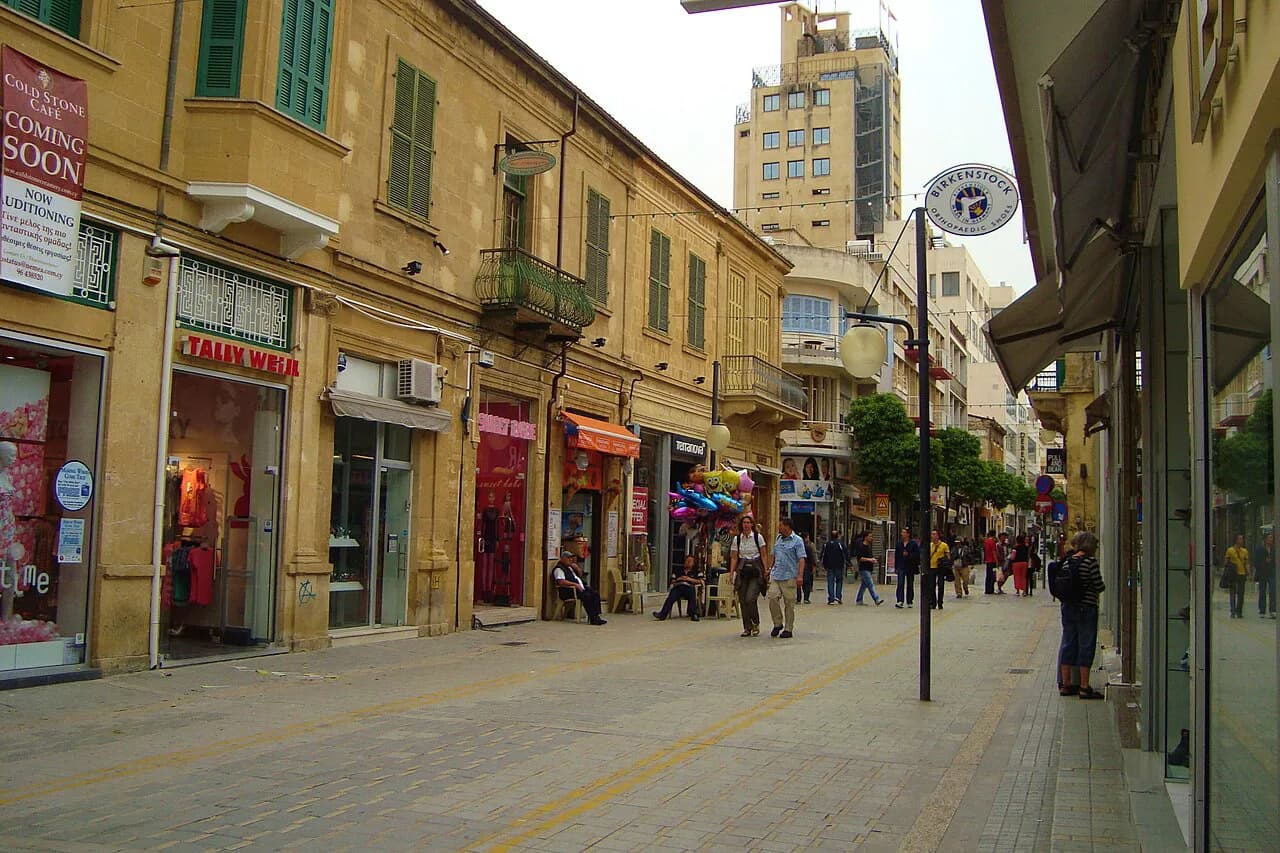
Ledra Street is the main shopping spine of the southern old town and the most practical place to begin. It is better known for its history than its looks: it was walled up at the border and only reopened in April 2008, and it now ends at the pedestrian crossing point into the north on the Green Line.
Come off the bus and follow the pedestrian lanes towards Ledra Street and the crossing. That order puts the walls and the moat behind you and the crossing ahead, so you do not double back, and the Nicosia Walking Tour route lays out the same line through the centre.
The street is busy, commercial and short on atmosphere, so give it a passing look rather than a long stop. Its value is as a route marker and a crossing point, not as a sight in itself.
Shacolas Tower: the observatory view over both sides
Just off Ledra Street, Shacolas Tower has an observatory at the top with views in every direction, plus a small museum about the city. From the glass you look straight across north Nicosia and out towards the mountains, where a large north Cypriot flag is painted on the hillside of Mount Pentadaktylos.
Go up before you cross, while the geography is still unfamiliar. Seeing the ring of walls and the line of the buffer zone from above makes the rest of the walk much easier to follow on foot.
Check the tower's current opening hours and any admission charge before you build it into the day.
Museums worth building the walk around
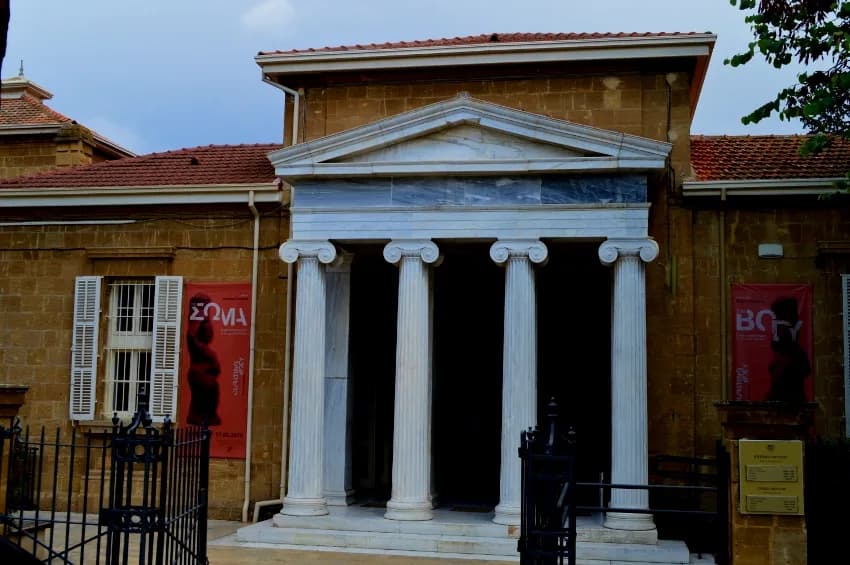
The Cyprus Museum holds one of the oldest and best collections of archaeological finds in the country, tracing the island from the Neolithic period onwards. Its opening hours are Tuesday to Friday 08:00–18:00, Saturday 09:00–17:00 and Sunday 10:00–13:00, and it is closed on Monday.
The Ag Leventis Gallery is about a five-minute walk from the Cyprus Museum and opened in 2014, with European, Greek and Cypriot paintings and Adamantios Diamantis's 17-metre The World of Cyprus as its centrepiece. The two together give you the ancient and the modern in one stretch.
Both sit outside the densest lanes, so the trade-off is real: an hour or two in the Cyprus Museum is an hour or two not spent on the streets. If you only have a single day, pick one museum and spend the rest of the time walking the old town.
North of the Green Line: Selimiye Mosque and Büyük Han
Past the crossing, the northern old town has a different rhythm, with market lanes and Ottoman buildings. Selimiye Mosque, a former cathedral converted into a mosque, is the landmark of that quarter, and the Büyük Han, or Great Inn, is one of the most important buildings on the island.
Allow time to sit at the pavement cafes around the northern lanes rather than rushing back through the checkpoint. The contrast between the two sides is the point of the walk, and it registers best over a slow half-hour.
Dress for a place of worship when you visit Selimiye Mosque, and check current visiting arrangements on the day. Walk the northern quarter as far as your energy allows, then return through the same crossing point.
Walking order and how long the old town takes
A workable order is: Ledra Street, Shacolas Tower, the Cyprus Museum and Ag Leventis Gallery, then back to Ledra Street to cross north for Selimiye Mosque and Büyük Han. It strings the sights into one line with the crossing in the middle rather than at the end.
Half a day covers the southern streets and one museum at a relaxed pace; a full day lets you cross into the north and still have time for the moat circuit. Those weighing how many days in Nicosia to allow can compare one, two or three days on the linked guide.
The city's sights cluster tightly, which is why walking beats driving inside the walls. Leave the car outside and do the whole circuit on foot.
Crossing the Green Line on foot: passport and hire-car insurance
The crossing is a straightforward pedestrian checkpoint, and you need your passport with you. The buffer zone between the two sides is guarded by UN peacekeepers, and the solid walls that once sealed the line have been replaced with functioning border crossings.
If you are travelling by hire car, confirm with the rental company before you travel that the policy covers crossing to the north; cover varies between firms. Crossing on foot at Ledra Street avoids the question entirely for a day visit.
North Cyprus uses the Turkish lira, while the Republic uses the euro. For a short walk across, carry your passport and leave the car where you parked it.
Getting into the old town from the bus station and the coast
Buses serve Nicosia from other parts of the island, and the bus station sits just outside the city walls, which puts you within a short walk of the old town gates. From there, head for the pedestrian centre.
Check timetables and fares with the operator on the day, since services vary by season and route. Organised day tours to Nicosia are also an option if you would rather not plan the transport yourself.
Once inside the walls everything is on foot, so the bus station's position just outside is no inconvenience. Print or save a map of the circle before you arrive, because the lanes twist and the ring is easy to lose track of.
When to go: heat, shade and the busiest stretches
Nicosia sits inland on the plain and gets hotter in summer than the coast, so plan the walking for the morning and keep the museum for the middle of the day. The Cyprus Museum's Sunday hours end at 13:00, which suits a morning visit.
Ledra Street and the lanes around it are the busiest stretches, and the crossing point queues at peak times. Start early, cross north before lunch, and use the shaded moat gardens when the pavements get crowded.
The northern lanes around the mosque and the bazaar have a slower, market rhythm than the southern shopping streets, so they reward a wander at an unhurried pace.
Should you cross to the north on the same walk?
Yes, if you carry your passport and have a full day: the northern lanes around Selimiye Mosque and Büyük Han are the most distinctive half of the old town, and the contrast with the southern streets is what makes Nicosia unlike anywhere else on the island. If you have only a morning, stay south and give the time to the Cyprus Museum and the Ledra Street walk instead.
Either way, do the circuit on foot, start early in summer, and read the walls from the moat before you dive into the lanes.
Explore more Nicosia guides
Frequently Asked Questions
Why is Nicosia also called Lefkosia?
Lefkosia is the Greek name for the city, and you will see it on signs and in addresses alongside Nicosia. The northern side is Lefkoşa in Turkish. Use whichever appears on the sign in front of you and the two will match up.
Sources
Notes for your Cyprus trip
Optional updates to our Cyprus guides.
You might also like
Continue reading
More guides you'll find useful