Nicosia Weather in September: What to Expect
Nicosia in September is still hot and almost rain-free, with easier evenings than midsummer. Here is what the typical weather means for your sightseeing day.
On this page
September in Nicosia is still a hot summer month rather than an autumn one, so plan your sightseeing for morning and late afternoon and leave the middle of the day for shade, a museum or a long lunch. Days are reliably sunny and rain is rare, but the city sits inland on the Mesaoria Plain, where afternoons run hotter than on the coast. This guide covers the typical pattern, how the heat behaves in the walled city, evenings, sea temperatures on the coast and how to structure a day around all of it.
What September weather in Nicosia is typically like
Treat September as the tail of summer: long spells of clear sky, strong sun and only occasional rain. The pattern is consistent enough that you can build a sightseeing plan around it, but the figures below are climate averages, not a forecast for your dates.
Protaras on the coast averages roughly 25 to 30°C in September, with about ten hours of sunshine a day, light wind and moderate humidity. Nicosia, inland and lower-lying, typically runs warmer than the coast in the afternoon, which is the single most useful thing to know before you set out.
A useful comparison is August, which is Nicosia's peak-heat month, so September eases the edge slightly without turning cool. If you have experienced the city in high summer, September feels like a small relief; if you have not, assume genuine heat.
How hot afternoons feel in the old town and when to walk
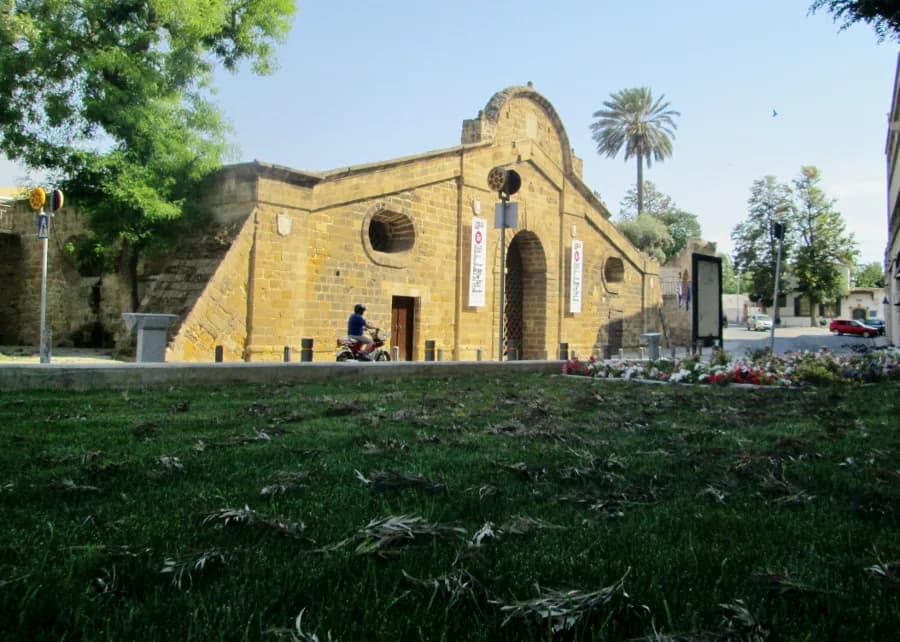
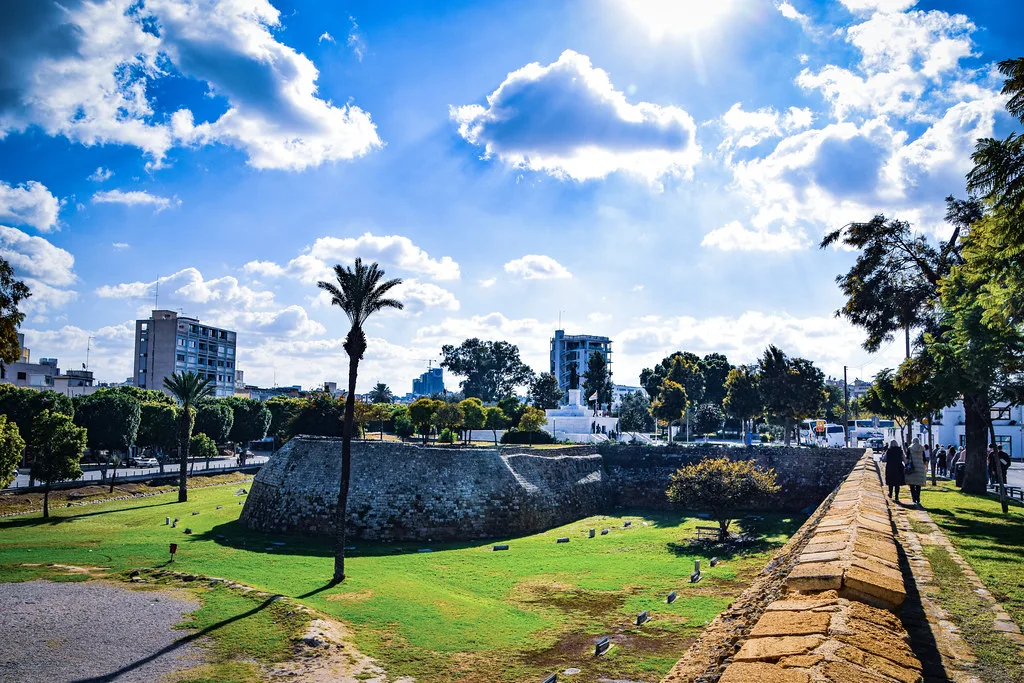
Inside the Venetian walls, the old town's narrow streets and stone buildings hold heat, and exposed squares such as Eleftheria Square offer little shade at midday. Walk early, from opening time until about 11am, then retreat indoors or under arcades.
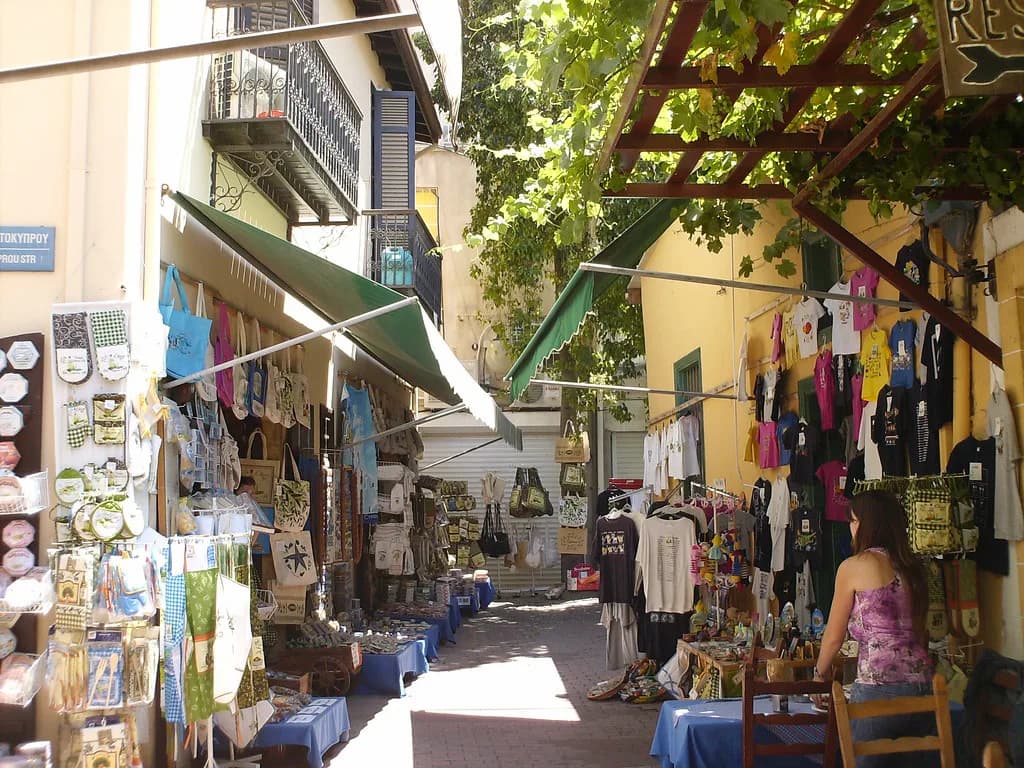
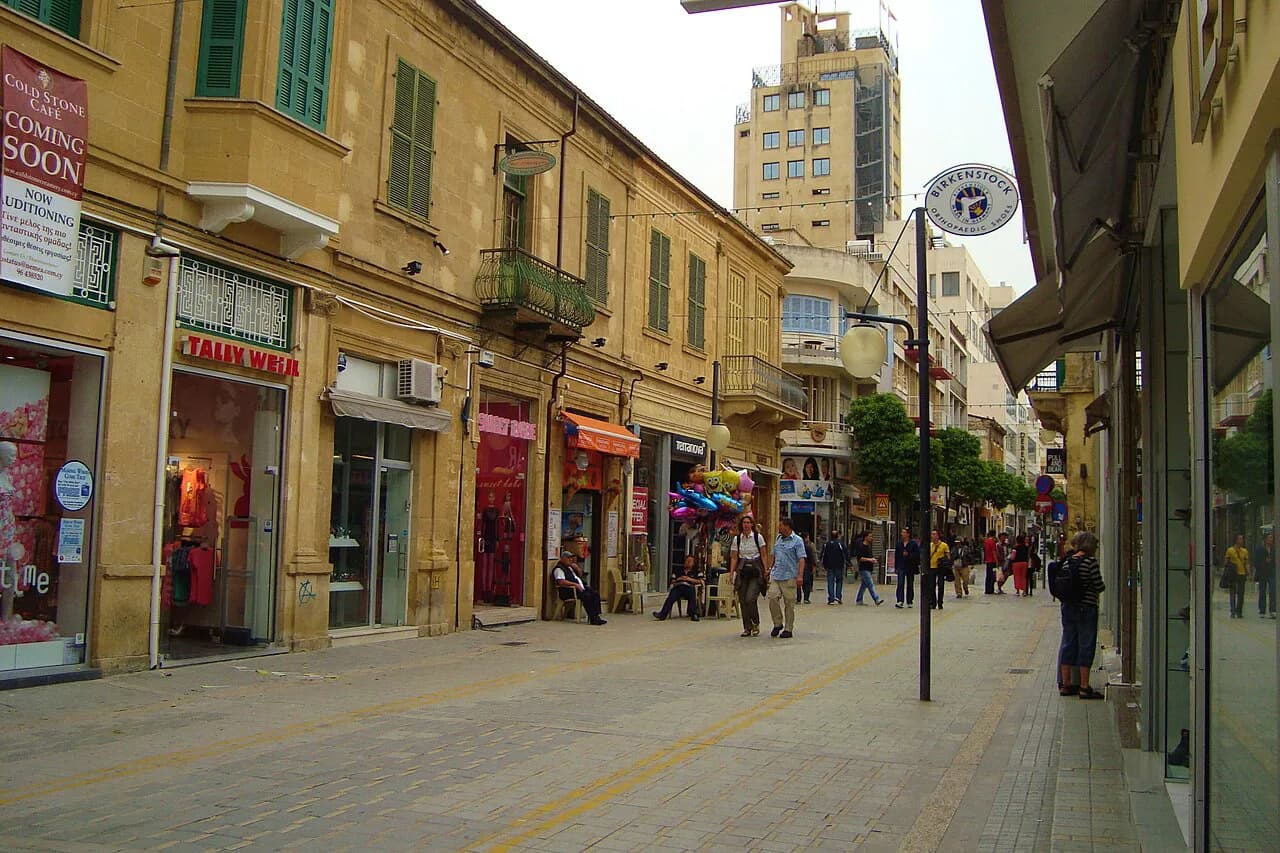
The commercial spine of Ledra Street is partly shaded and lined with shops and cafés, which makes it a sensible link between morning and afternoon stops rather than a midday march. Cross into the north side of the city only when you have your passport and time to spare at the checkpoint.
Museums are the obvious heat refuge, and air-conditioned galleries make the 1pm to 4pm window productive rather than sticky. Build a short list before you go rather than deciding in the sun.
A self-guided route that strings together shaded lanes, churches and squares is easier to pace than a fixed itinerary, because you can stop when the heat bites. Work out the order in advance so you are not reading a phone screen in full sun.
Rainfall and sunshine: how much of a washout risk there is
Rain risk in September is low. On the coast, Protaras averages around 5mm for the month with about ten hours of sunshine a day, which tells you that a washed-out week is unlikely. Inland in Nicosia the pattern is drier and sunnier still, but the same expectation applies: a single wet afternoon is the realistic worst case.
Cyprus-wide figures put September at roughly three wet days, with evenings settling near 19°C. That is warm enough to sit outside after dark, and it means rain is an interruption rather than a plan-changer.
Carry a light layer for the rare shower and for air-conditioned interiors, where the temperature drop is sharper than you expect. Otherwise, September is a month for sun protection rather than rain gear.
Evenings and nights: why September is easier than midsummer
September evenings in Cyprus settle near 19°C, which is comfortable for walking, eating outside and seeing the old town lit up without the residual heat of high summer. This is when the walled city is at its most usable.
Use the evening for the stretches you skipped at midday: the buffer zone viewpoints, the quieter church courtyards and the long pedestrian streets. A loose evening plan suits the old town best.
If you have only one evening, spend it inside the walls rather than in the modern suburbs, and keep the crossing to the north for daylight when you can see the streets properly.
Sea temperature on the coast and whether a Nicosia day can include a swim
The sea off the coast is at its warmest late in the season, with Protaras averaging about 27°C in September. That is genuinely comfortable for swimming, and notably warmer than most people expect for the ninth month.
That figure applies to the coast, not to inland Nicosia, which has no beach. A swim means a separate trip, typically east towards Larnaca or Protaras, and a hire car makes it far easier to combine a morning in the city with an afternoon on the water.
Do not expect the coast to be cool relief: coastal September afternoons are still hot, just a little less extreme than the city. Plan the swim for late afternoon, when the sun is lower and the water feels best.
Shoulder-season trade-off: fewer crowds against lingering heat
September is a shoulder month in Nicosia in the sense that summer is ending and the city is past its peak heat. The trade-off is that the heat has not yet broken, so you still need the early-start, midday-indoors rhythm of high summer.
The practical trade-off is straightforward. You need the early-start, midday-indoors rhythm of high summer rather than the all-day walking pace of October, so plan the city around morning and evening rather than a full day outdoors.
If your trip allows flexibility, a shorter break in Nicosia combined with coastal time works well: mornings in the city, afternoons by the sea, evenings back inside the walls. Work out how many days the city deserves before you fix the split.
How to plan an old town day around the heat
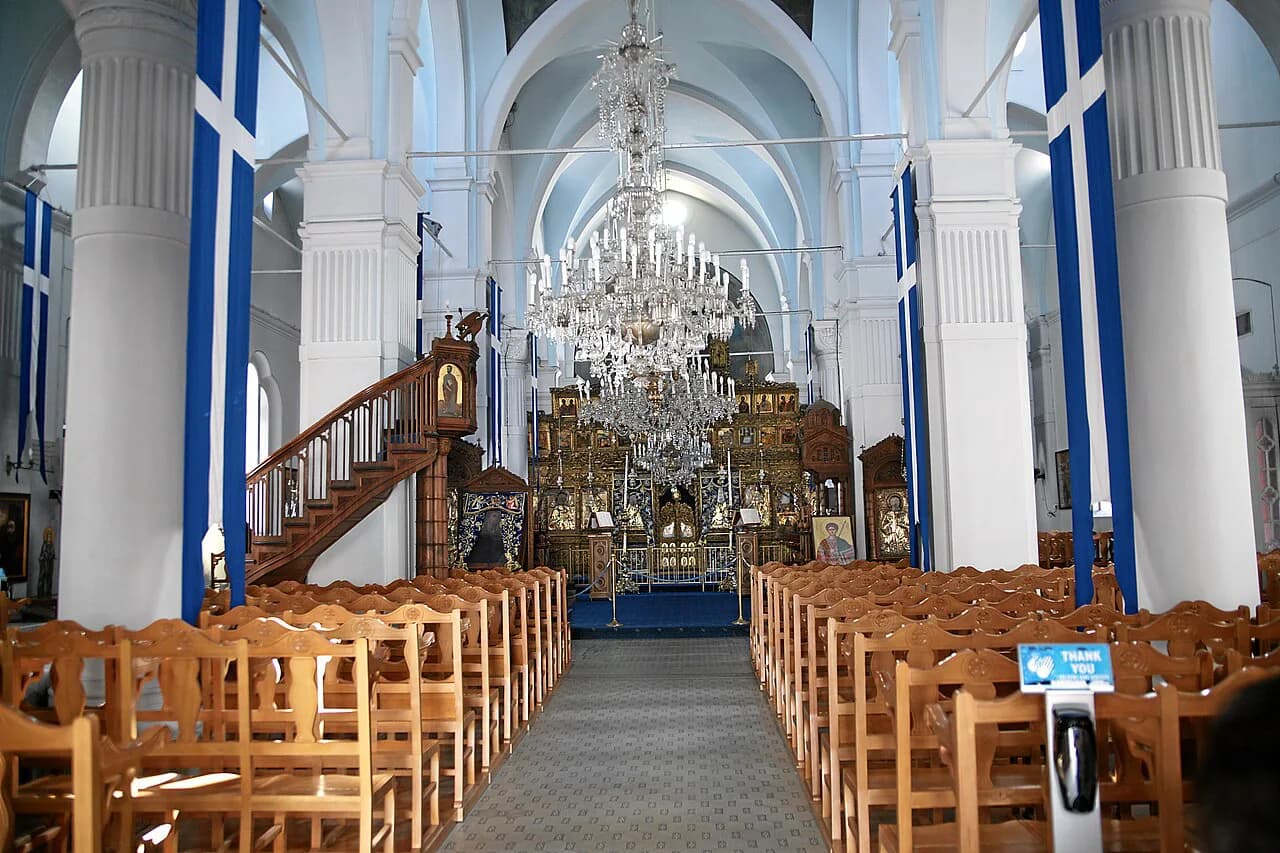
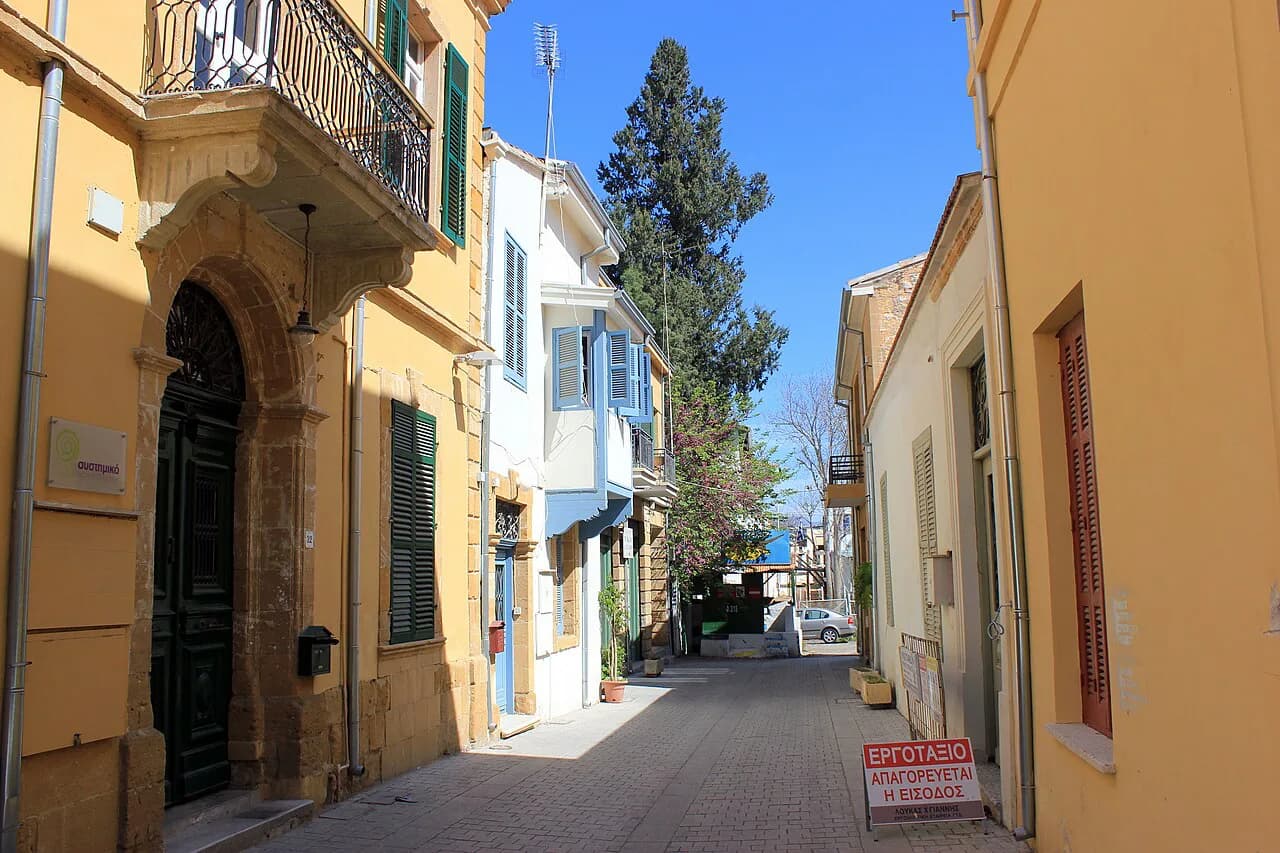
Start at the city's core just after opening: a short, shaded walk through the lanes, a church or two and the main square before the sun gets high. The full old town route on foot rewards an early start, when the streets are empty and the light is soft.
Then take the hot hours indoors. The Cyprus Museum is the obvious anchor for archaeology and the larger collections, and a proper visit easily fills the 1pm to 4pm slot when the streets are least forgiving.
Re-emerge for the late afternoon and evening, when the temperature drops and the pedestrian streets come alive. Keep the walking loose and end near a square where you can sit outside.
Give the city a full day at minimum and two if you want the north side as well, since the crossing takes time even when it goes smoothly. A rushed itinerary in this heat is a bad trade.
What to wear and carry for a September day in Nicosia
Dress for real heat: light, loose clothing that covers shoulders and knees if you plan to enter churches, plus a hat and sunglasses. Comfortable walking shoes matter more than style, because the old town is uneven underfoot.
Carry drinking water and a light layer for air-conditioned interiors and the rare shower. Keep a passport with you if your day might include the checkpoint.
Bring cash in euros for small purchases and a card for larger ones. Check current ticket prices and opening hours with the Department of Antiquities or the museum directly before you set out, as they change by season.
Should you visit Nicosia in September?
Yes, if you accept that it is still a summer month. The rewards are a city past its peak heat and warm sea temperatures on the coast, with comfortable evenings after dark.
Plan mornings in the old town, afternoons in museums, evenings outdoors, and one coastal day if you want to swim. That structure turns September heat from a problem into a rhythm.
Explore more Nicosia guides
Frequently Asked Questions
Is Nicosia hotter than the coast in September?
Typically yes. Nicosia sits inland and lower-lying, so its afternoons usually run hotter than coastal resorts such as Protaras, which average roughly 25 to 30°C in September. Plan more shade and more indoor time in the city.
Can I swim in Cyprus in September?
Yes. The sea off the coast averages about 27°C in September, which is warm and comfortable for swimming. Nicosia itself is inland, so a swim means a separate trip to the coast, typically east towards Larnaca or Protaras, and a hire car makes it easier.
Do I need rain gear in Nicosia in September?
Not as a rule. September in Cyprus averages around three wet days and on the coast about ten hours of sunshine a day; Nicosia is drier still. A light layer is more useful than a rain jacket.
Sources
Notes for your Cyprus trip
Optional updates to our Cyprus guides.
You might also like
Continue reading
More guides you'll find useful