Nicosia Map: How the Old City Is Laid Out and How to Navigate It
A practical Nicosia map guide to the walled city: Eleftheria Square, Laïki Geitonia, the Green Line and the sights around Plateia Archiepiskopou Kyprianou.
On this page
A Nicosia map for visitors only needs to do one job well: pin everything to Eleftheria Square, the reference point at the western edge of the walled city, and work outwards from there. Almost every sight worth your morning sits inside the 16th-century walls, and Visit Cyprus describes the old centre as the city's historic Chora, a compact core of museums, churches and medieval buildings. This guide lays out the walled city by area, gives the fixed distances a street plan should show, and explains where the Green Line divides the map. For a broader set of ideas, see Things to Do in Nicosia.
What a Nicosia map needs to show you
Start by separating the walled city from Greater Nicosia. Buses and cars approach through modern suburbs that sprawl well beyond the walls, and it is easy to overshoot the historic core if you treat the whole city as one map. Visit Cyprus locates the old Chora inside the 16th-century circuit, so draw that ring first and treat everything outside it as approach routes and parking rather than sightseeing ground.
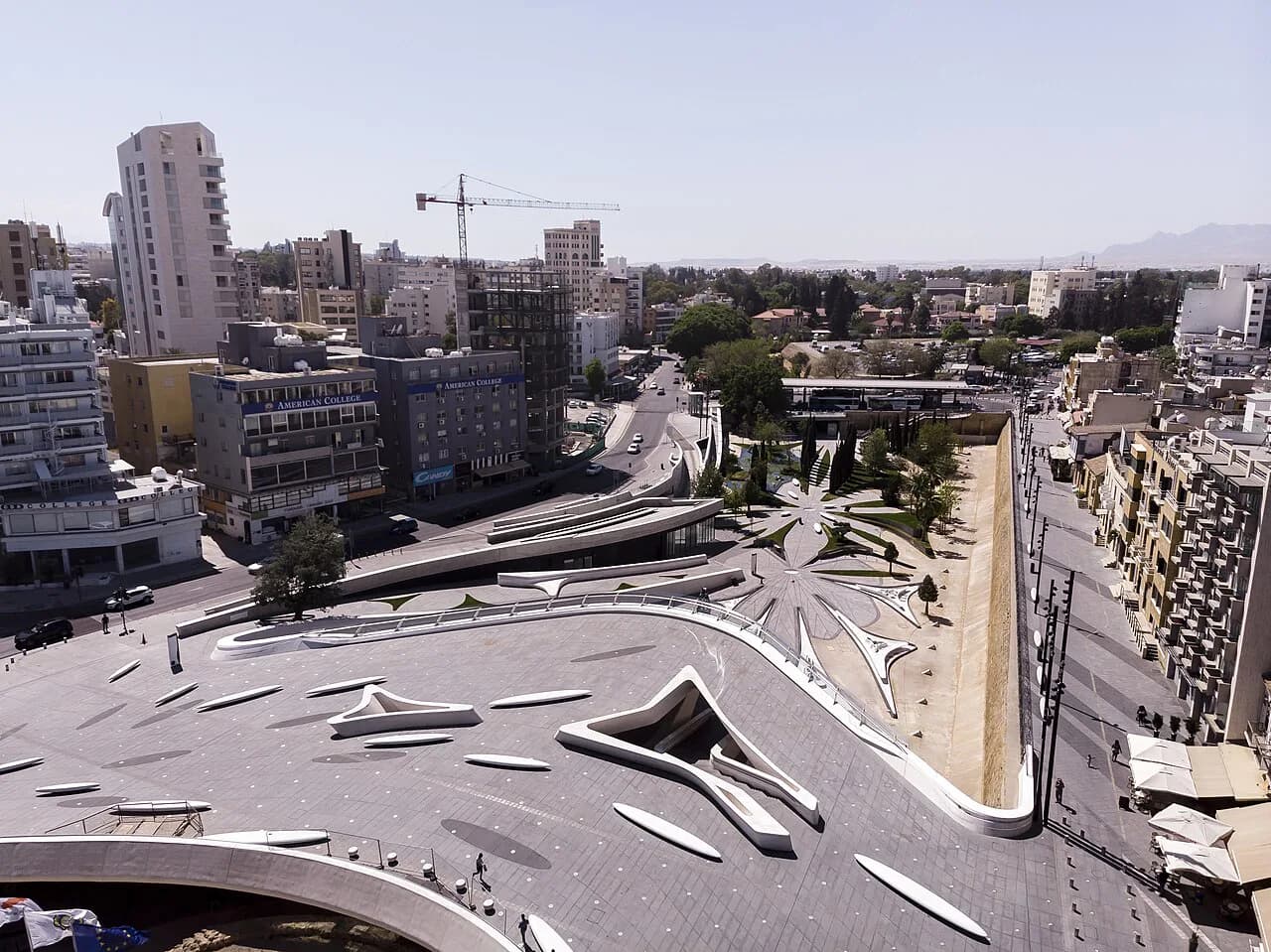
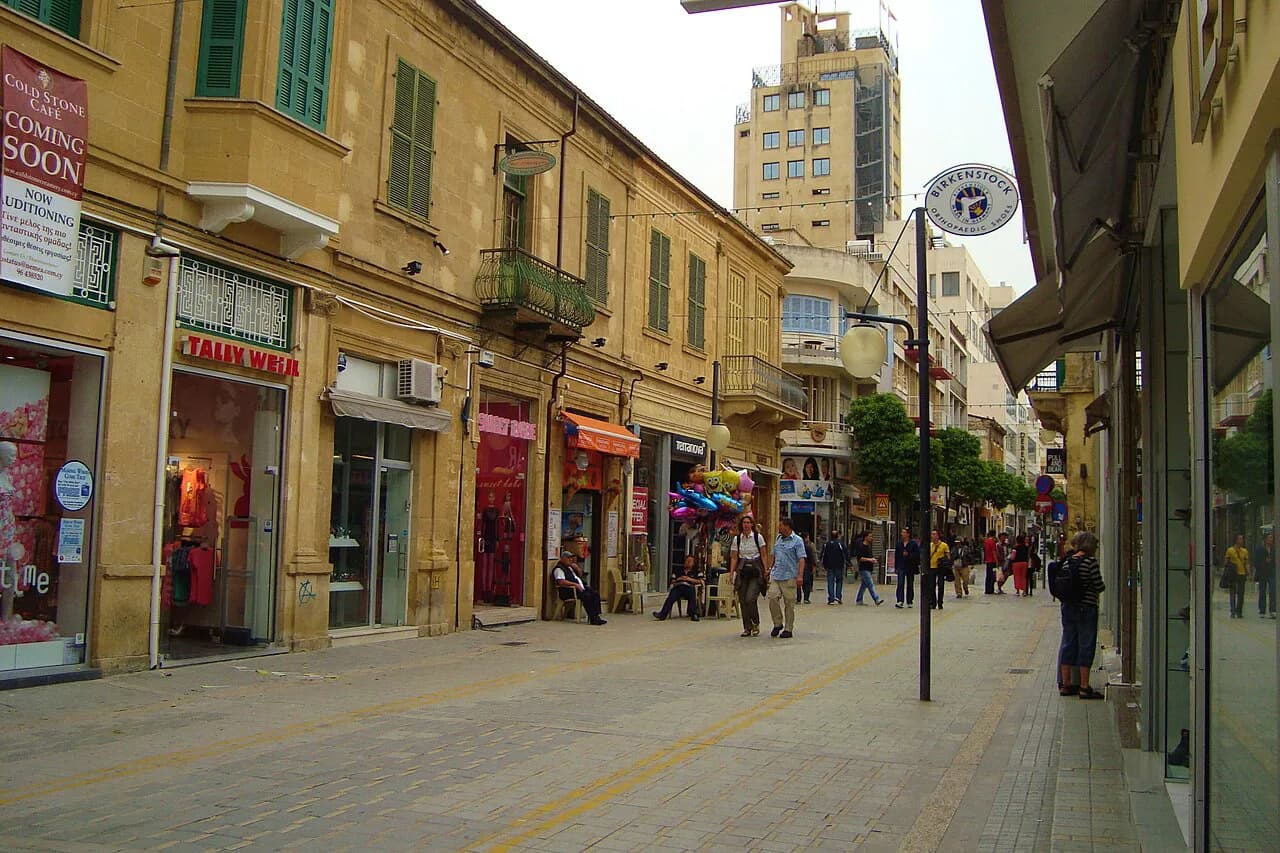
Eleftheria Square, shown on signs and maps as Plateia Eleftherias, is the practical anchor because the free municipality walking tour starts and finishes at the Old Town Hall there. Put that point at the centre of your plan and the sights fall into three arcs: west and south around Laïki Geitonia, north-east around the Archbishopric, and north across the Green Line.
A phone map is fine for turn-by-turn navigation, but keep a printed street plan for the old town, where lanes are narrow, names repeat across the divide and signal can drop inside arcades. Use Google Maps or MapQuest for routing and a numbered tourist plan for the monuments; treat app listings as tools, not as authorities on opening hours.
The old town core: Laïki Geitonia and the lanes east of Eleftheria Square
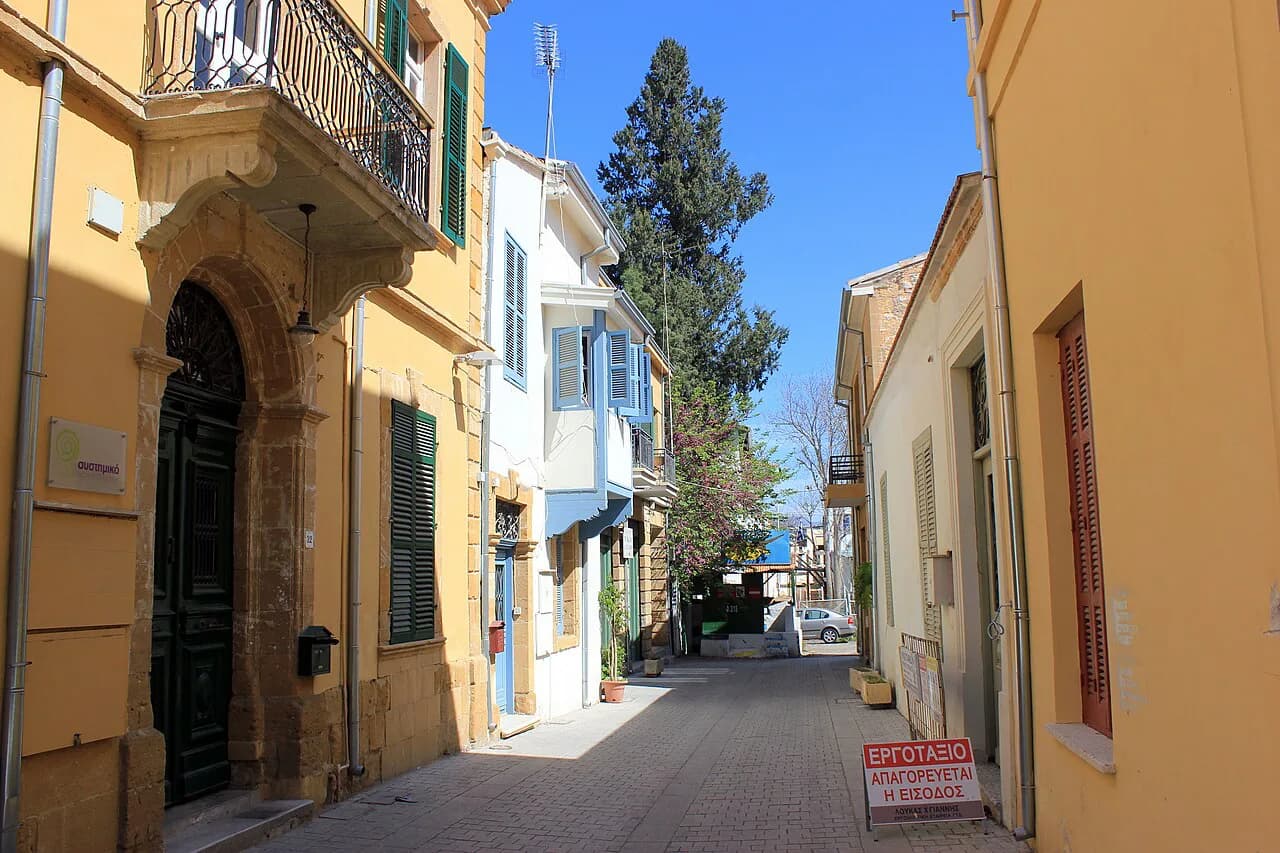
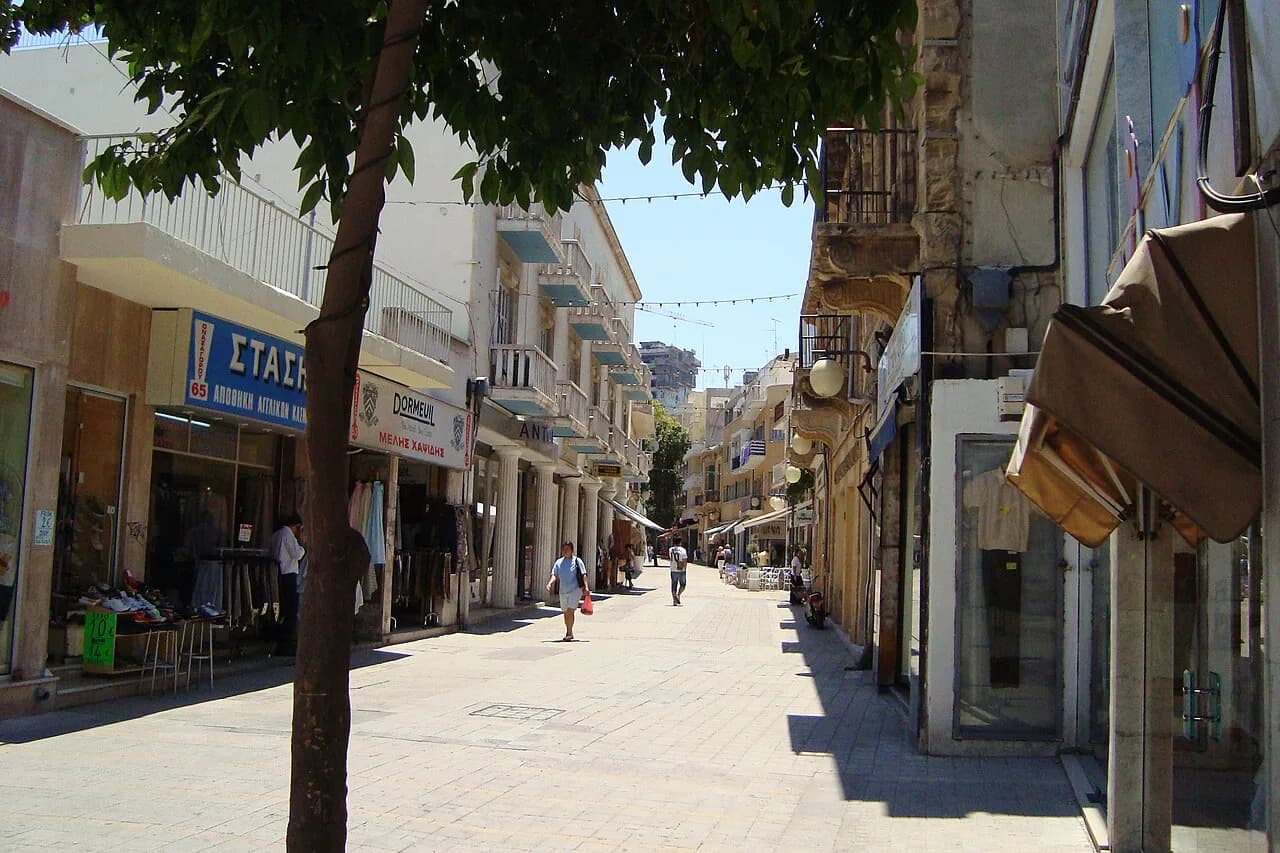
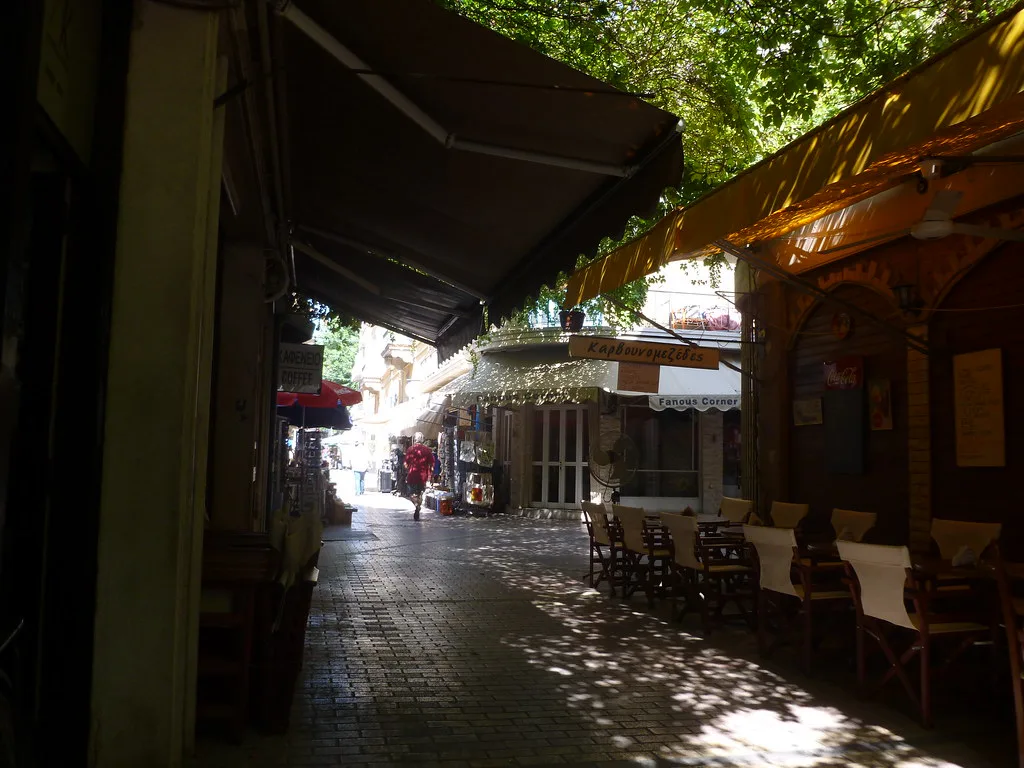
Laïki Geitonia is the neighbourhood to fix on your map first, because Visit Cyprus gives it an exact position: a pedestrian area 200 m east of Plateia Eleftherias, inside the walls, with 18th-century buildings now used as residences, shops, tavernas and craft centres. That 200 m figure is a useful calibration — if your plan shows the square and the neighbourhood further apart than a three-minute stroll, you are looking at the wrong scale.
Once you are in Laïki Geitonia, the pleasure is in wandering rather than ticking off addresses. The restored buildings line lanes that reward a slow loop of 30 to 45 minutes, and the craft workshops give you a reason to stop rather than pass through. Plan this as your first hour in the city: it teaches you the street pattern while asking nothing of you.
The Archbishopric area: Plateia Archiepiskopou Kyprianou
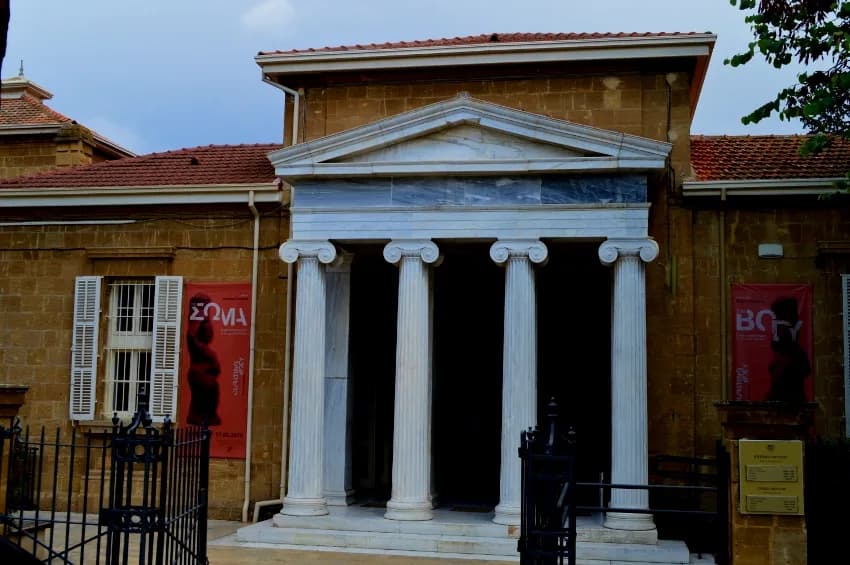
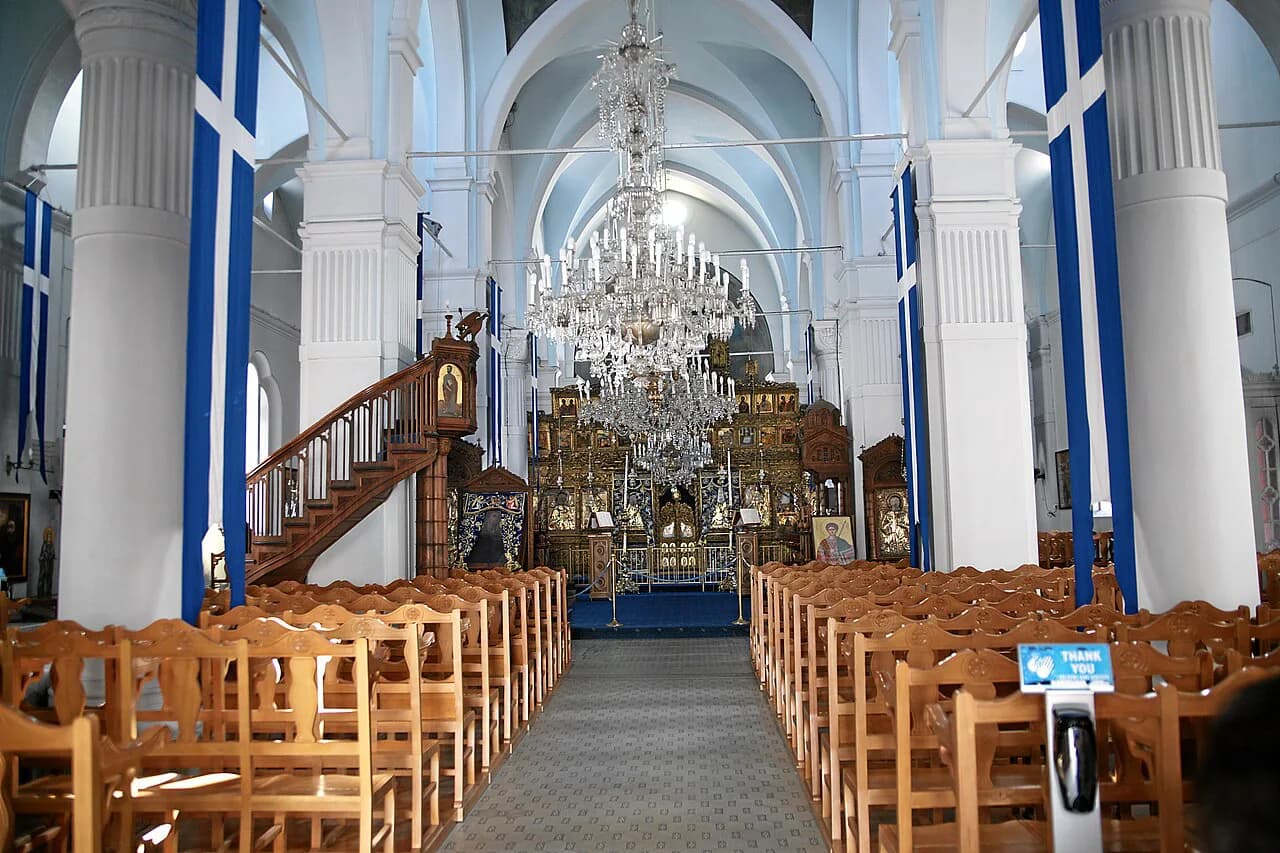
Head north-east from Laïki Geitonia and you reach Plateia Archiepiskopou Kyprianou, the square inside the Archbishopric complex that holds the Byzantine Museum. Visit Cyprus calls the museum's collection the richest and most representative of Byzantine art on the island, with over 200 icons from the 9th to the 19th centuries plus sacred vessels, vestments and books. Among the exhibits are the 6th-century mosaics from Panagia Kanakaria in Lythragkomi, returned to Cyprus after illegal export from the occupied part of the island.
The museum opens Tuesday to Saturday, 09:30 to 17:00, all year, and closes on public holidays; individual admission is €7, with a €4 rate for groups over ten and reductions for under-18s and those aged 65 and over. Budget about an hour for the icons alone and longer if you read the labels, and check the day before you travel in case a holiday closes the doors.
On your map, this square is roughly a ten-minute walk from Eleftheria Square, which makes it the natural second stop of a morning. Pair it with the museums cluster rather than doubling back later in the day, and you keep the afternoon free for the northern half of the old town.
Crossing the Green Line: what the map shows north and south
Visit Cyprus describes Lefkosia as the only divided capital in the world, and on any street plan the division is drawn as a line slicing the walled city from west to east. Everything south of that line is the Republic's old town; everything north is the other municipality, labelled with Turkish names. Mark the line on your mental map before you walk, because lanes change character abruptly and a wrong turn can leave you facing a barrier rather than a street.
Checkpoints sit on that line and are shown on official crossing information rather than on general tourist plans, so confirm the current arrangements before setting out. Carry your passport even for a short walk north, and ask your hire-car company in writing about insurance cover before driving across; crossing rules and vehicle cover are not something a street map can tell you.
The northern walled city sights a map will label
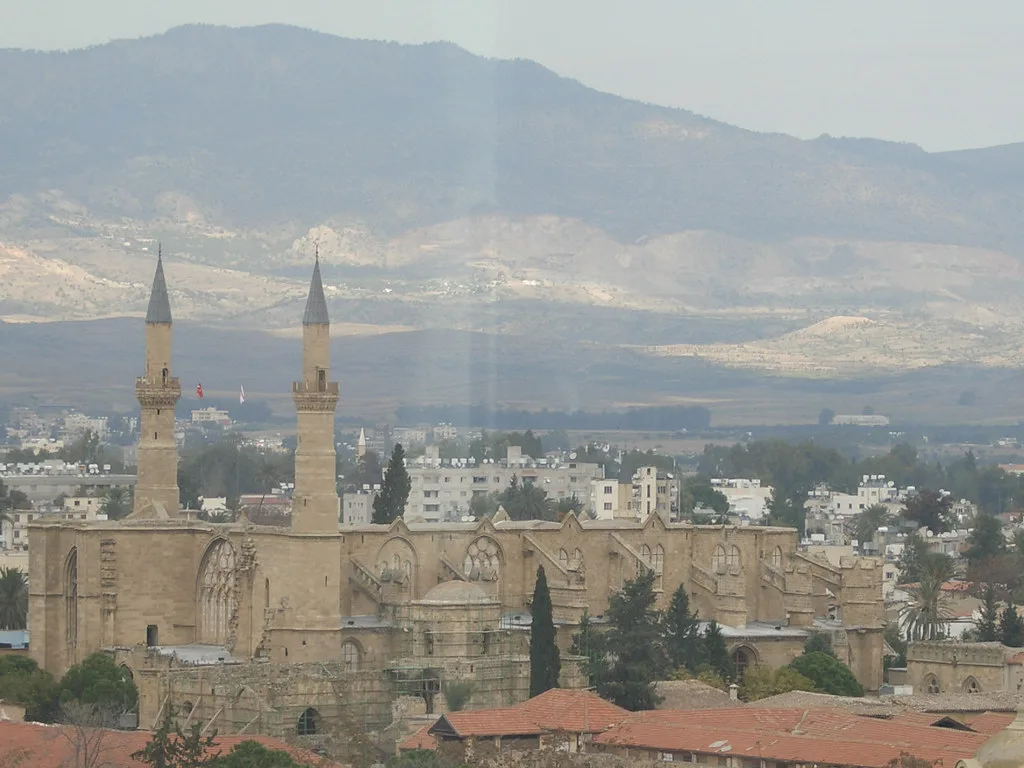
North of the line, the Department of Antiquities lists four monuments within a few minutes of each other. The largest is the former Latin cathedral of St Sophia, now the Selimiye mosque; the Department of Antiquities describes the cathedral fabric as the largest and oldest surviving Gothic church in Cyprus, built over roughly 150 years from the early 13th century and converted to a mosque after the Ottoman conquest of 1570. Its interior measures 66 by 21 m, which helps you judge the scale of the streets around it on a plan.
Just south of the cathedral stands the Bedestan, formerly the Panagia Odegetria church, a building with Byzantine and Gothic features that later served as a covered market. A short walk east brings you to the Sultan's Library, a three-domed building of 1829 holding Turkish, Arabic and Persian manuscripts, and to the west lies the Buyuk Khan, a two-storey inn built soon after 1570 around a square courtyard. All four fit into a single loop of under an hour at an unhurried pace.
Walking times between the south-side clusters
The southern old town divides neatly into two clusters: Eleftheria Square with Laïki Geitonia to its east, and the Archbishopric square to the north-east. Each pair is a stroll of about ten minutes, so a single morning covers both if you start early and keep moving. The trap is treating the walled city as a whole-day project and running out of energy before the northern monuments.
If you are visiting in high summer, split the old town over two visits: the southern clusters in the morning, the northern loop on a second morning. The lanes offer little shade at midday, and the ticketed sites keep fixed hours, so heat and closing times rather than distance decide your day. In cooler months one long, slow day covers everything comfortably.
Remember the currency: the Republic uses the euro, so carry small notes for museum tickets and cafés south of the line. A €7 museum ticket is easier with a card or a €10 note than with a €50, and vendors in the lanes appreciate the difference.
Guided walk option: 'Within the Walls' from Eleftheria Square
If you would rather be shown the map than read it, Lefkosia Municipality, the Deputy Ministry of Tourism and the Nicosia Tourism Board run a guided walk called Within the Walls – Old Lefkosia. It starts and ends at the Old Town Hall on Eleftheria Square, lasts about 2 hours 45 minutes and is free, with English as the tour language. Dates and times are published by the organisers, so check the current programme when you book.
The walk covers the walled city's evolution and its noteworthy sights, which makes it a good first-day orientation before you explore alone. Join it at the start of your stay and the street plan will make sense for the rest of the trip.
Which half of the map comes first?
Start at Eleftheria Square, walk the 200 m east into Laïki Geitonia, then head north-east to the Byzantine Museum on Plateia Archiepiskopou Kyprianou. That route gives you the southern old town in a morning, with the Green Line marked clearly on your plan for a separate crossing north.
Leave the Selimiye mosque, Bedestan, Sultan's Library and Buyuk Khan for a second visit, with your passport and crossing arrangements confirmed beforehand. A street plan plus the free municipality walk will orient you faster than any app, and the rest is simply walking.
Explore more Nicosia guides
Sources
Notes for your Cyprus trip
Optional updates to our Cyprus guides.
You might also like
Continue reading
More guides you'll find useful