Nicosia History: A Short Timeline Tied to What You Can Still See
A short Nicosia history timeline for visitors, linking each era to what survives in the old city, from the Venetian walls to the Green Line and Eleftheria Square.
On this page
Nicosia has held the role of Cyprus's capital for 1,000 years, since the 10th century, on ground occupied since the Bronze Age roughly 5,000 years ago. The useful way to read that history is on foot, because each period left something specific inside the Venetian walls. This guide runs through the eras in order and names the place that still represents each one, with a walking order and realistic timings at the end.
The city sits near the centre of the island on the Mesaoria Plain, with the Kyrenia Mountains and their distinctive five-finger peak, the Pentadaktylos, to the north. That central position explains both its political weight and its long history of being fought over. It is also why the modern city outside the walls became the island's financial and business centre.
Bronze Age and ancient beginnings: the site under your feet
Nicosia is often described as the one part of Cyprus continuously inhabited since the Chalcolithic era, which began around 3000 BC, with settlement continuing into the Bronze Age. Almost none of that survives as monument: the evidence lies under the modern streets rather than in a ruin you can walk around. Treat the ancient phase as context for why the city sits where it does, not as a sight on its own. If you want visible ancient fabric, head to the museums instead of expecting it in the old lanes.
Roman and early Christian Nicosia: look in the museums
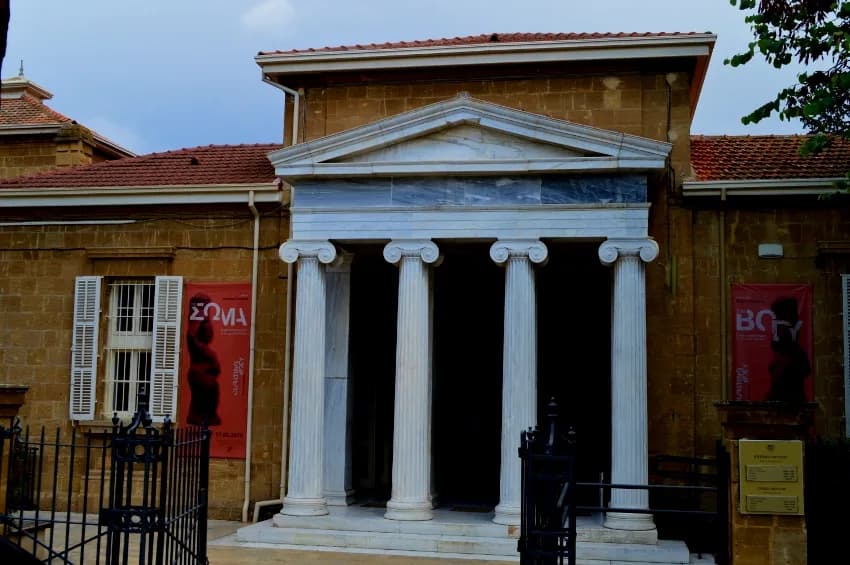
Roman and early Christian Nicosia left little standing in the old core, so the practical move is to see the portable material in the city's collections rather than hunt for ruins in the streets. The museums in Nicosia hold the kind of finds, mosaics and grave goods that make the early phases legible. Build this into the start of your day, while the heat is manageable and the galleries are quiet. It gives you a framework for everything you see later.
Byzantine Lefkosia and the name: why Greeks call it Lefkosia
Greek speakers call the city Lefkosia, and the most likely explanation links the name to the tall lefki tree that once grew in the area. The city was already a capital in the Byzantine period, which is when the 1,000-year count of its status begins. You will see both names on signs and timetables, so it helps to recognise them as the same place when you read a bus destination or a street plate.
Lusignan and Venetian Nicosia: the walls that still shape the old town
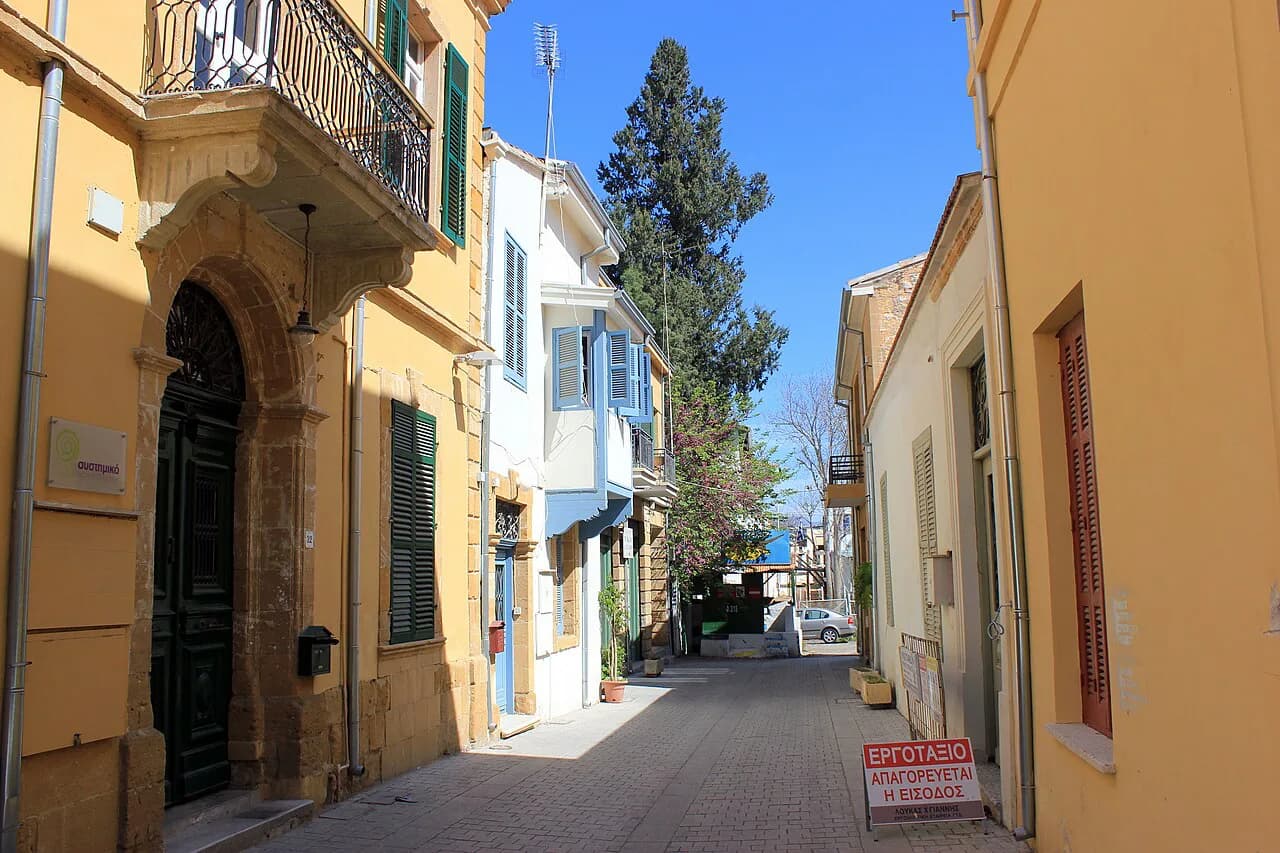
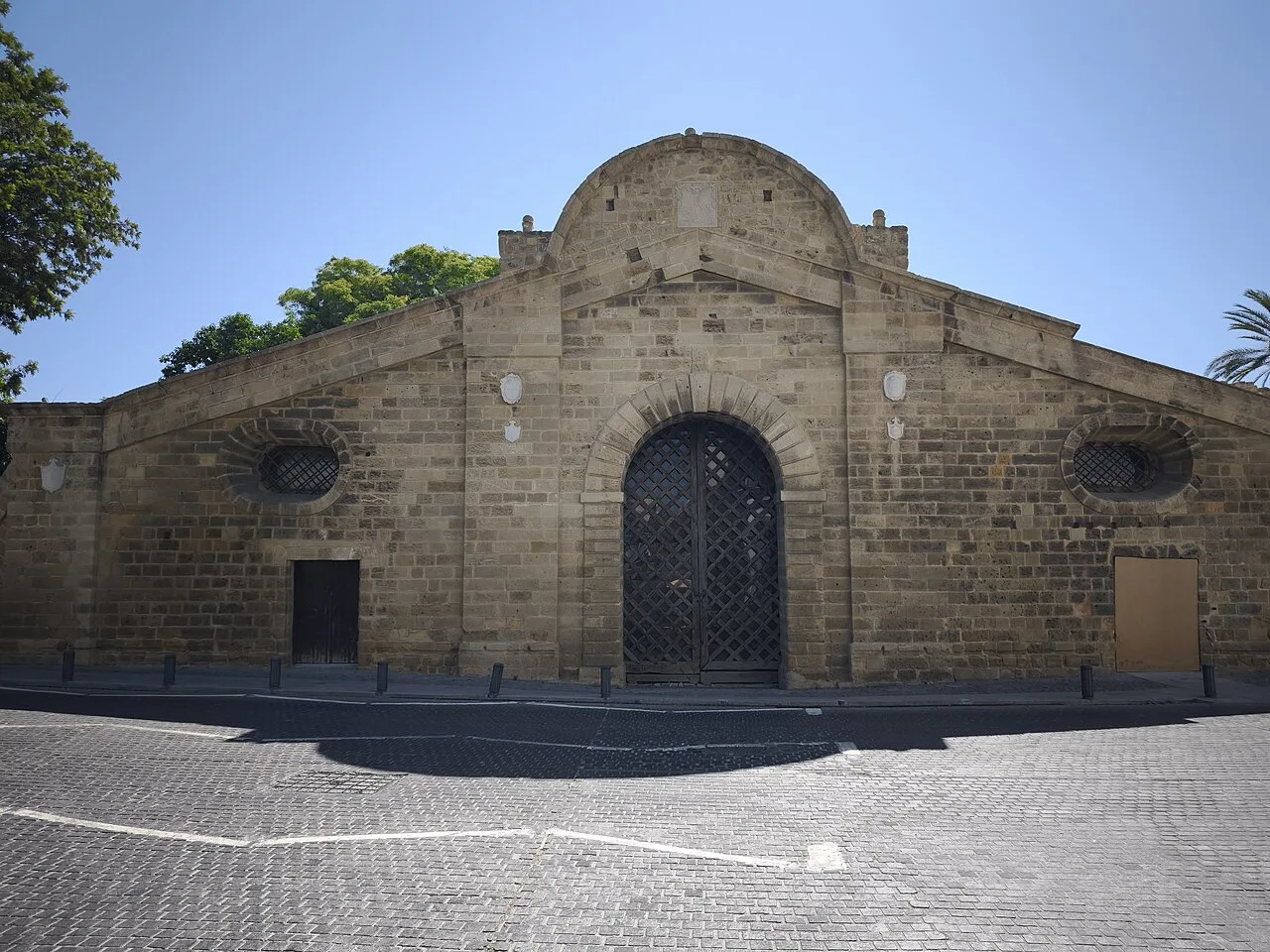
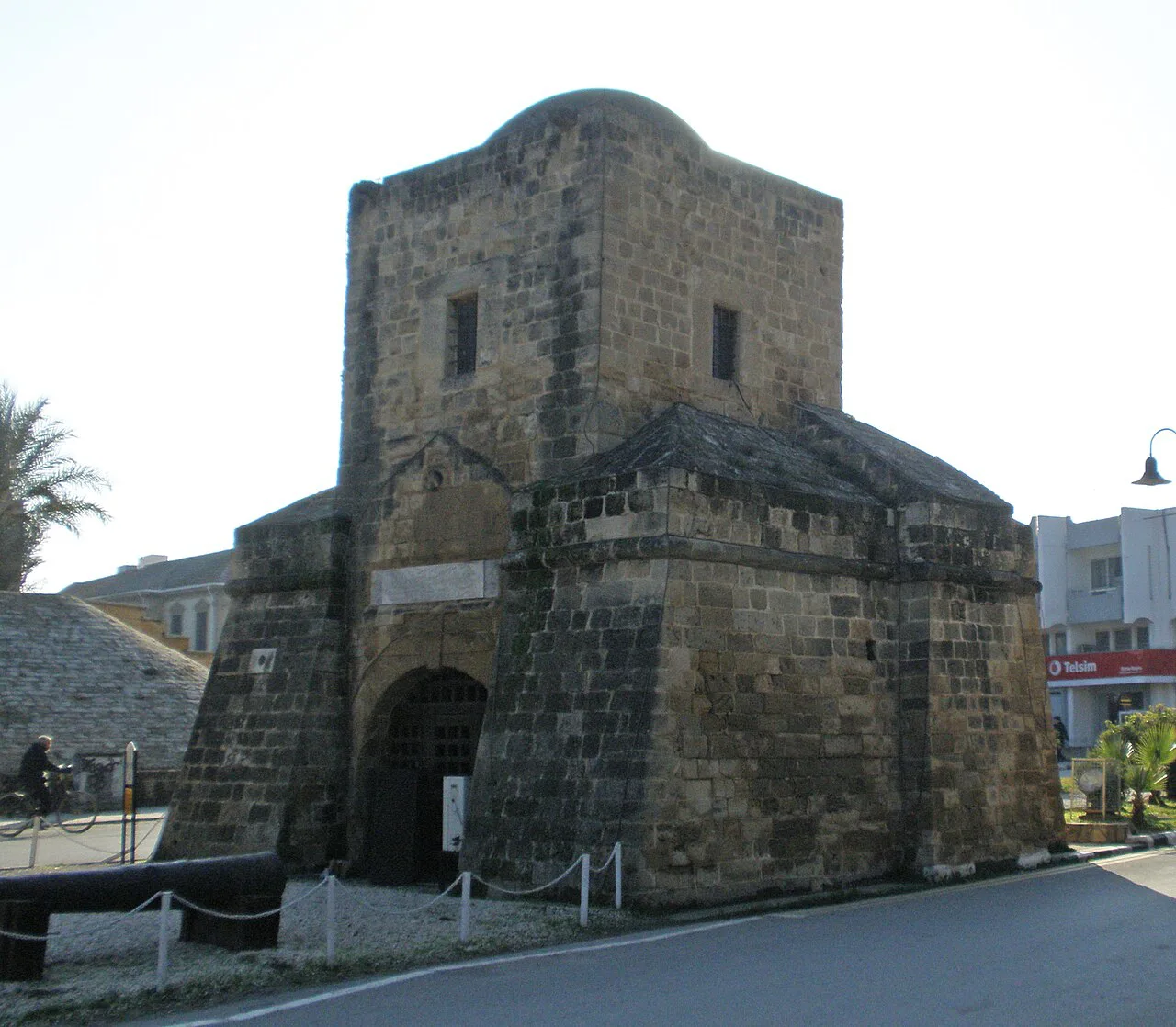
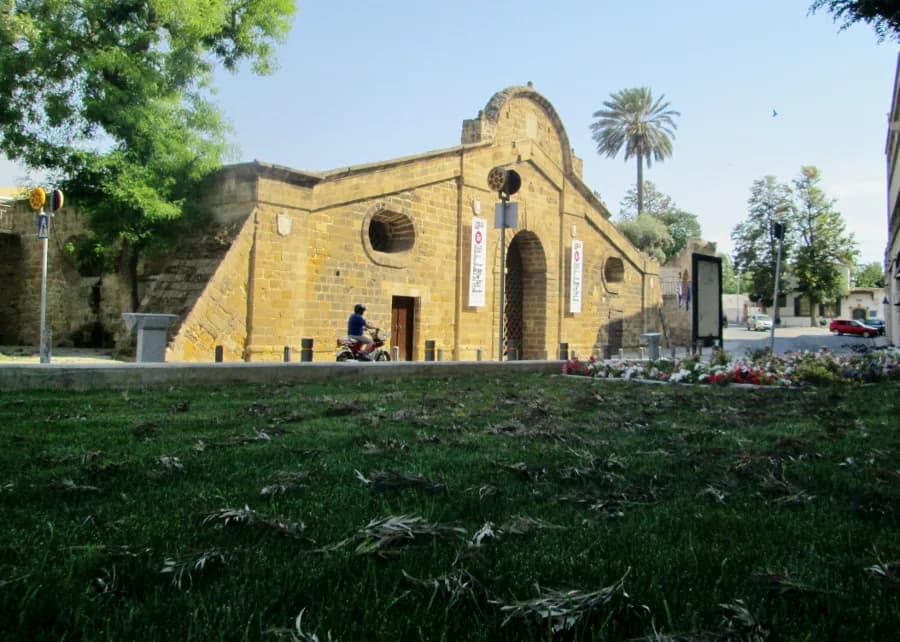
The defining feature of central Nicosia is the ring of Venetian walls, over 400 years old, whose bastions still enclose the original city. They were built to protect the town, and today they are the most practical navigation aid you have: everything inside the ring is the old city, everything outside is the modern one. Use the bastions as reference points rather than trying to follow a street map alone, since the lanes inside bend and dead-end. The old town guide covers the layout in more detail if you want a district-by-district plan before you set out.
Ottoman Nicosia: what changed inside the walls
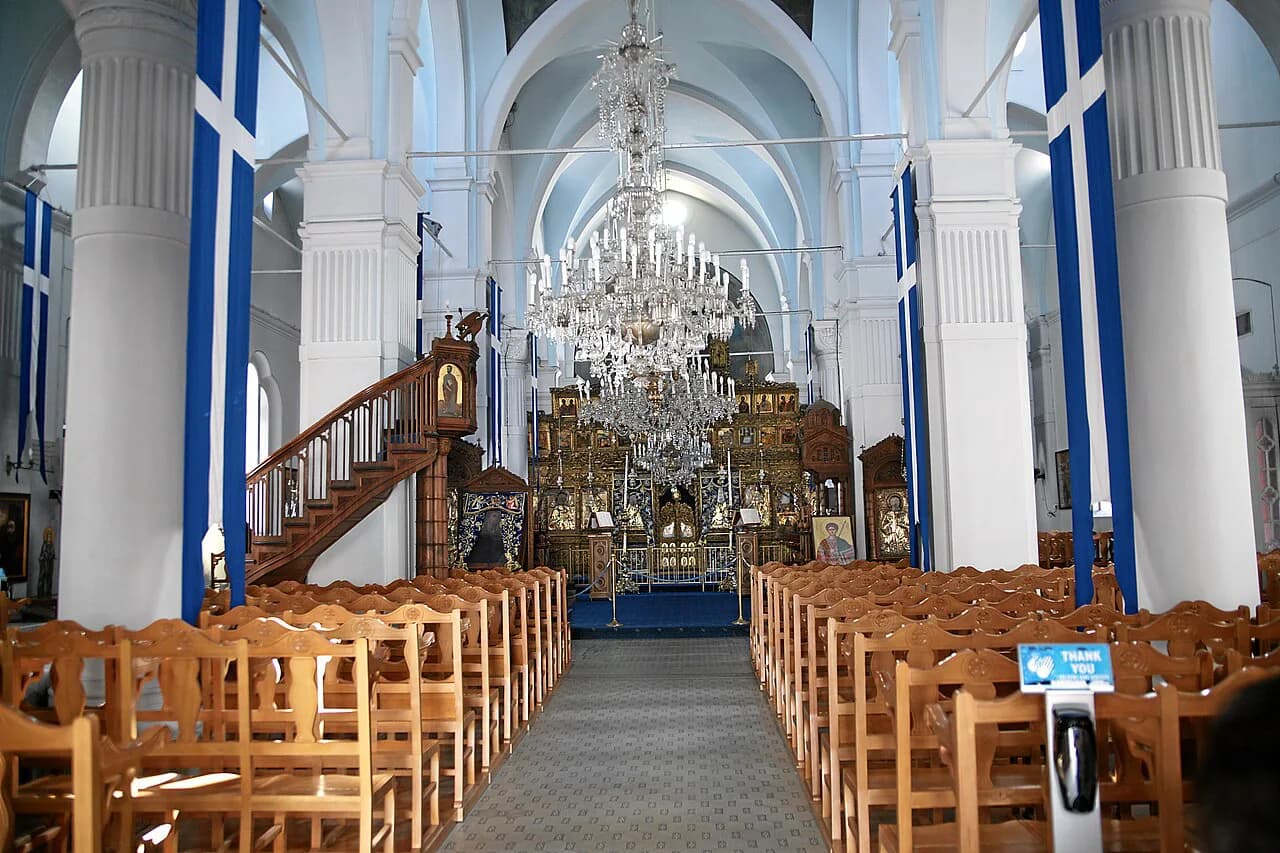
Ottoman rule reshaped the city from within rather than rebuilding it, converting and adding religious buildings among the existing streets. The result is the layered core you walk today, where the street pattern inside the bastions still feels pre-modern. Read the mosques and church conversions as part of that continuous occupation rather than as separate monuments. Because the walls stayed in place, the Ottoman town and the Venetian town occupy the same footprint.
British period and the modern capital: government, diplomacy and business
British control of the island brought the colonial buildings and administrative habits that still mark the city, and independent Cyprus kept Nicosia as its seat of government. Government head offices, diplomatic headquarters and the island's main cultural institutions are all based here. That concentration is why the capital feels more like a working city than a resort, and why its hotels, offices and restaurants cluster outside the walls. The city and its suburbs together have a population of 171,000, which keeps the centre walkable without making it sleepy.
The clearest way to feel the British and modern layers is to walk out of the old grid into the streets beyond the bastions, where colonial-era houses sit beside offices and gardens. This is also where you find the largest share of things to do in Nicosia beyond the historic core, from galleries to cafés. Set aside the last part of your day for this side of the walls, when the light softens and the heat drops.
The divided city: the Green Line through Nicosia
Nicosia is a divided capital, with the Green Line running through it and separating the southern city from the northern part, where the city is known as Lefkoşa. Crossing is possible at designated points; carry your passport, and check how your hire-car insurance treats the north before you drive across, because cover terms differ between companies. The dedicated Green Line guide sets out the crossing points and the buffer zone in plain terms.
Eleftheria Square and the modern city outside the walls
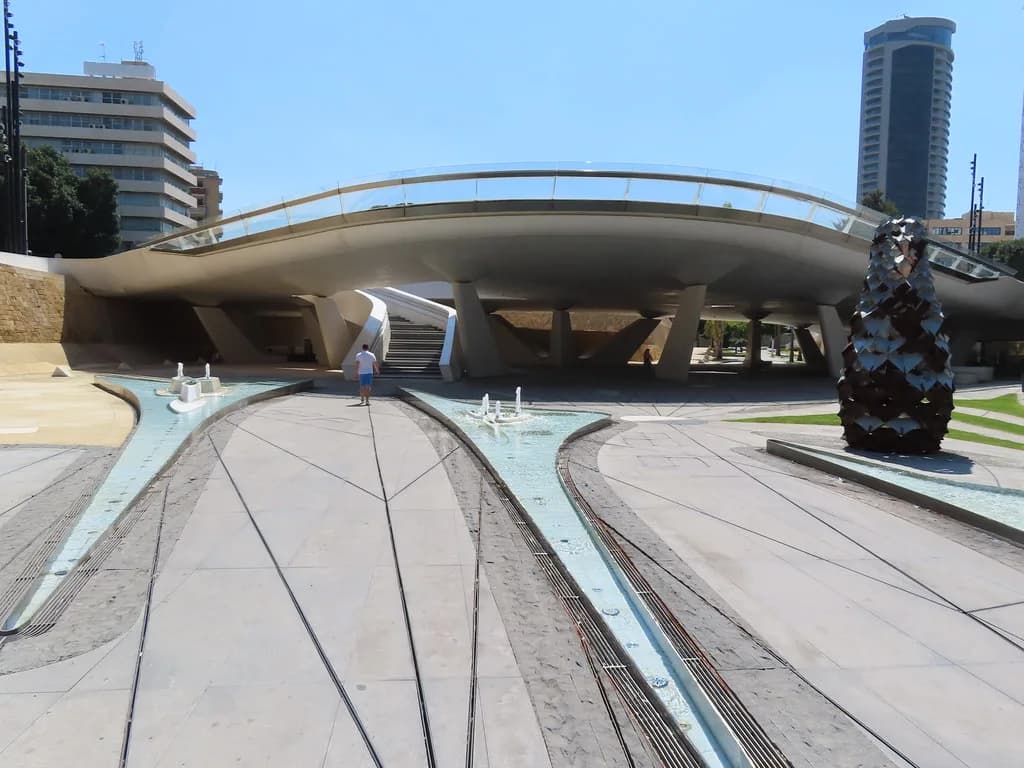
Eleftheria Square is the hinge between the two Nicosias: the central square that links the walled old city with the modern metropolis that grew outside the bastions. Stand there and you can read the whole story at once, with the Venetian edge on one side and offices, shops and gardens on the other. Make it your first or last stop so the walk has a clear beginning or end. The Nicosia walking tour route uses the square the same way, as an orientation point before heading into the lanes.
How to walk Nicosia's history in half a day: route and timing
Start at Eleftheria Square to get your bearings, walk into the walled city and let the bastions guide you through the old lanes, then finish outside the walls where the modern city begins. A half day is enough for the historic core at an unhurried pace, with time for one museum and a coffee. Add a crossing to the north only if you have a full day and have confirmed your paperwork and car cover in advance. The attractions collection lists the individual sites if you want to slot in a specific church or museum.
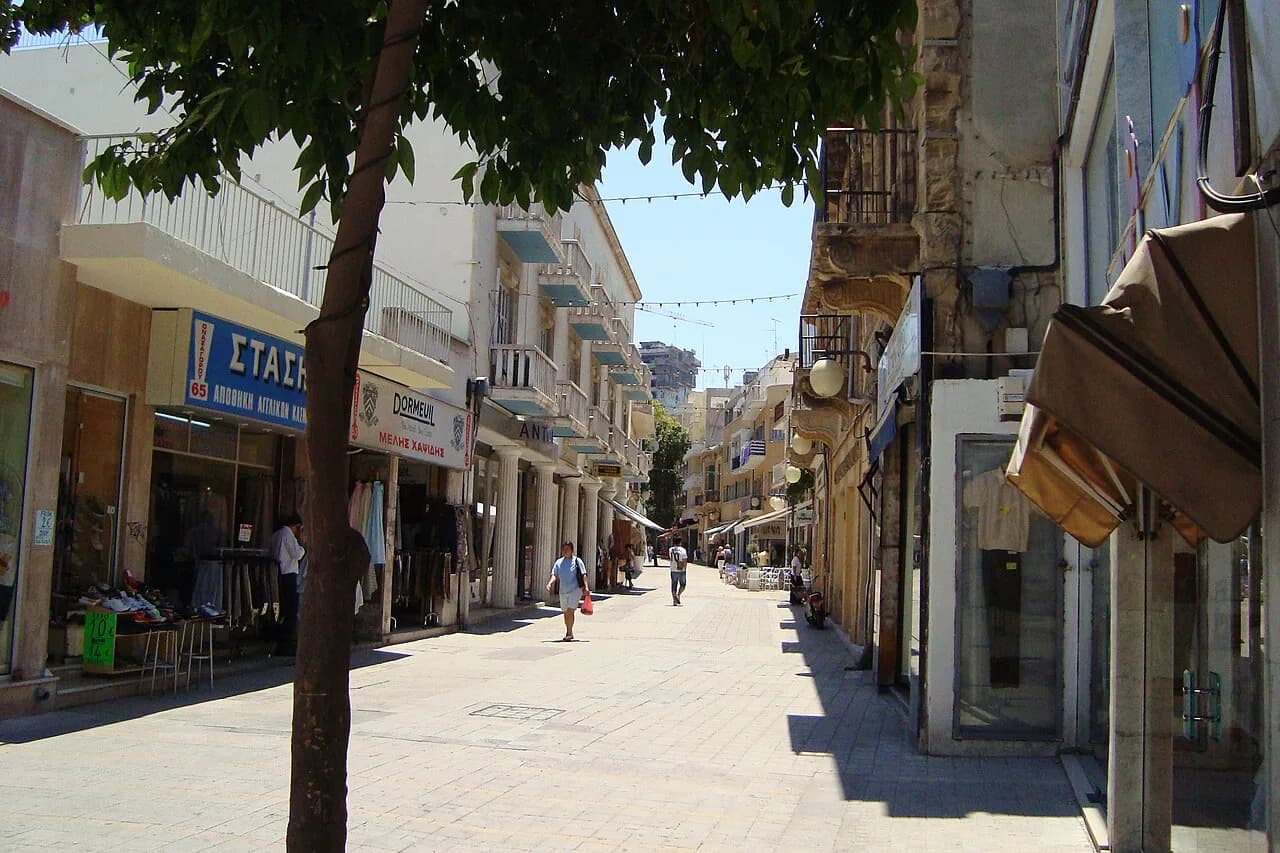
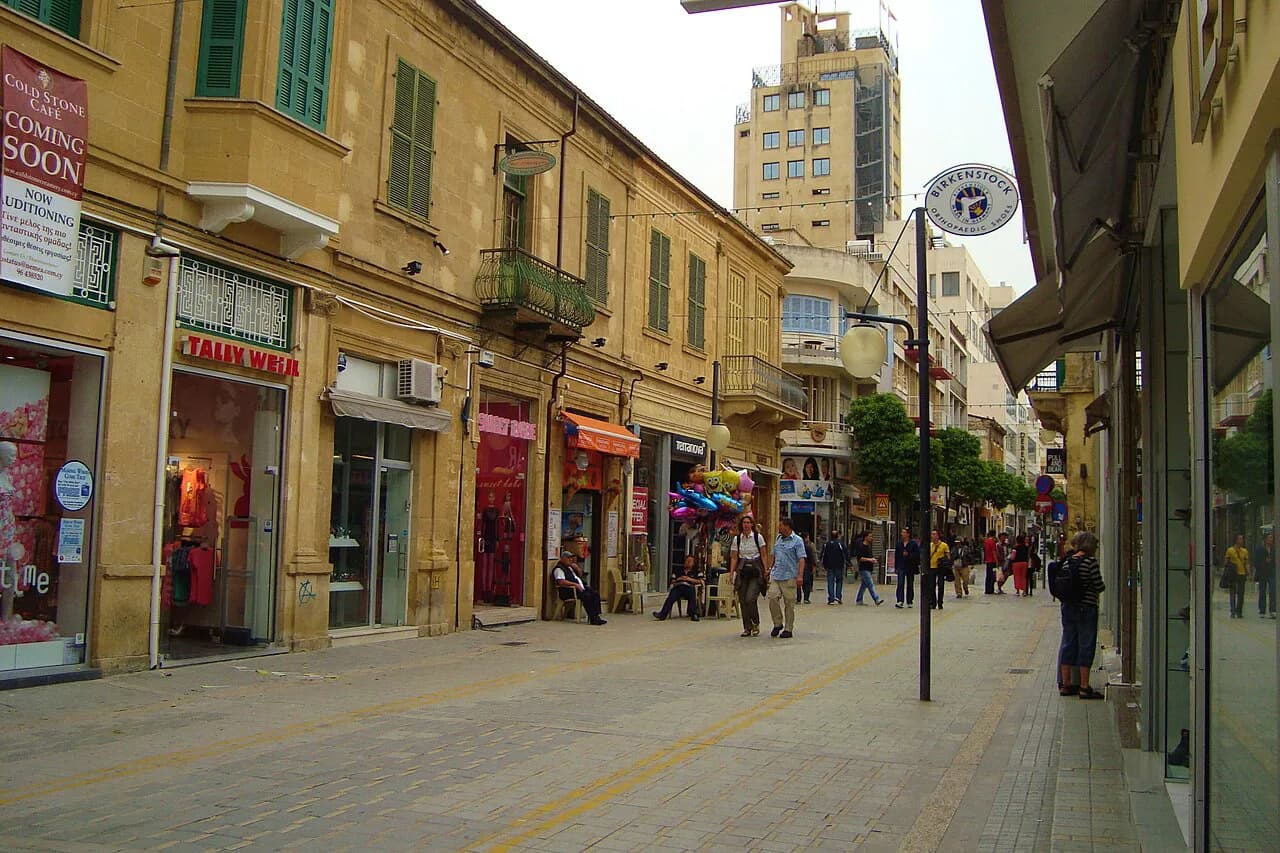
Wear shoes that cope with uneven paving, because the old lanes and square steps are not smooth. If you only have an afternoon, stay inside the walls and skip the crossing rather than squeezing both halves together. The pedestrian heart of the old town is the obvious spine to walk, and the Nicosia Old Town guide covers how it connects to the boundary.
When to go: heat and crowds in the old town
The old city is compact and largely shadeless on the main routes, so timing matters more than distance. Early morning gives you cool air and quiet lanes; the middle of a summer day is best spent in a museum or over a long lunch. The capital is a working city rather than a beach resort, so crowds are heaviest around commuter hours and at the main square rather than spread through the day.
Which era should you start with?
Start with the Venetian walls and Eleftheria Square, because they explain the shape of everything else and cost you nothing but a walk. Add one museum for the ancient and early Christian layers, then decide on the crossing only once you have checked your passport and car insurance. That order gives you the full 1,000-year story in half a day without turning it into a checklist.
Explore more Nicosia guides
Frequently Asked Questions
Is Nicosia in the north or the south of Cyprus?
The city straddles the Green Line: the southern part is the capital of the Republic of Cyprus, and the northern part, called Lefkoşa, lies across the buffer zone. You can move between them only at designated crossing points, so carry your passport and check your hire-car cover before you cross.
Why do Greeks call Nicosia Lefkosia?
Greek speakers know the city as Lefkosia, and the most likely explanation links the name to the tall lefki tree that once grew in the area. You will see both names on signs, so treat them as the same place when you read a bus destination or a street plate.
How long has Nicosia been the capital of Cyprus?
Nicosia has held capital status for 1,000 years, since the 10th century, although its beginnings date back roughly 5,000 years to the Bronze Age. The Venetian walls and Eleftheria Square are the easiest surviving markers of that long story.
Sources
Notes for your Cyprus trip
Optional updates to our Cyprus guides.
You might also like
Continue reading
More guides you'll find useful