Kyrenia History: A Short Timeline Tied to Places You Can Visit
A short history of Kyrenia, from its early fortifications to the Venetian walls, and the spots around the harbour where that story is still visible.
On this page
Kyrenia's history is easiest to read through a single building. The castle above the harbour dominates the town's old centre, and its walls carry the successive phases of Frankish, Venetian and British rule. This guide runs through the timeline in order, tying each phase to something you can still see in Kyrenia/Girne today.
The plan is simple: start with the castle's origins, work through the Frankish and Venetian changes, then finish with the British layer and the walkable remains. It sits comfortably alongside the wider set of things to do in Kyrenia, so you can slot a castle visit into a harbour day without rearranging your trip.
What Kyrenia's history comes down to
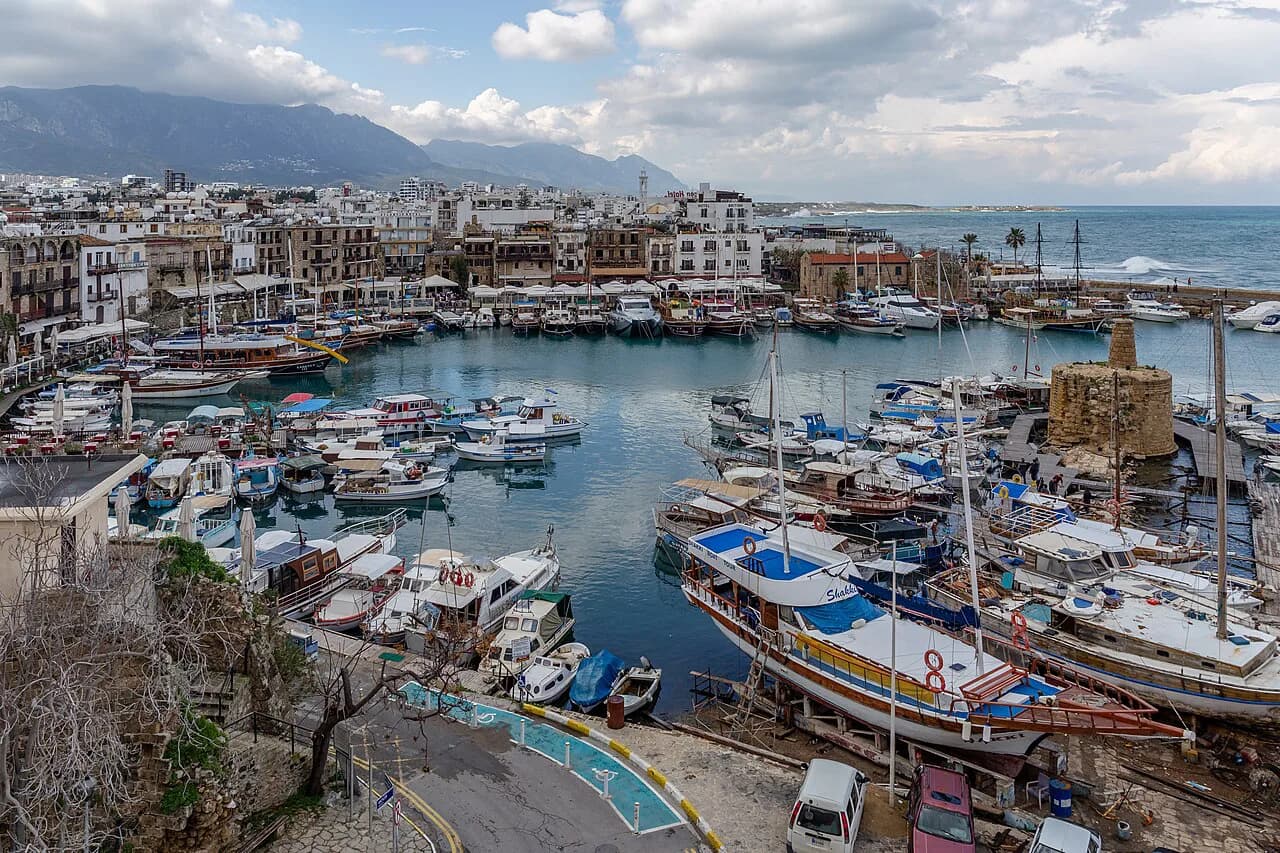
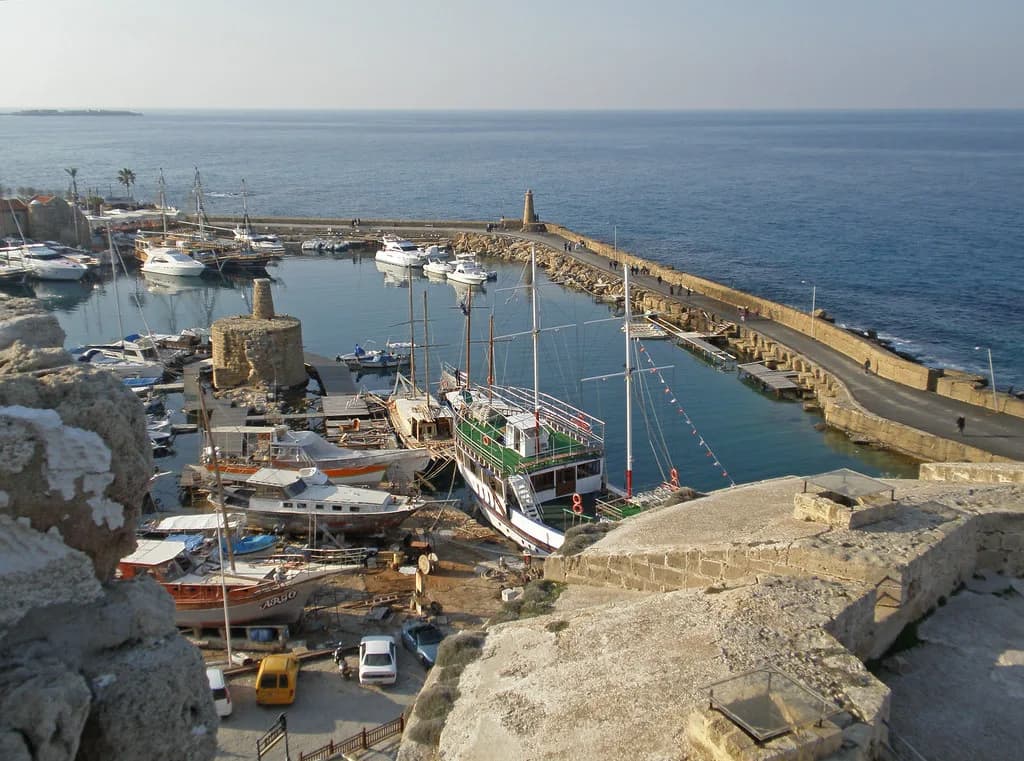
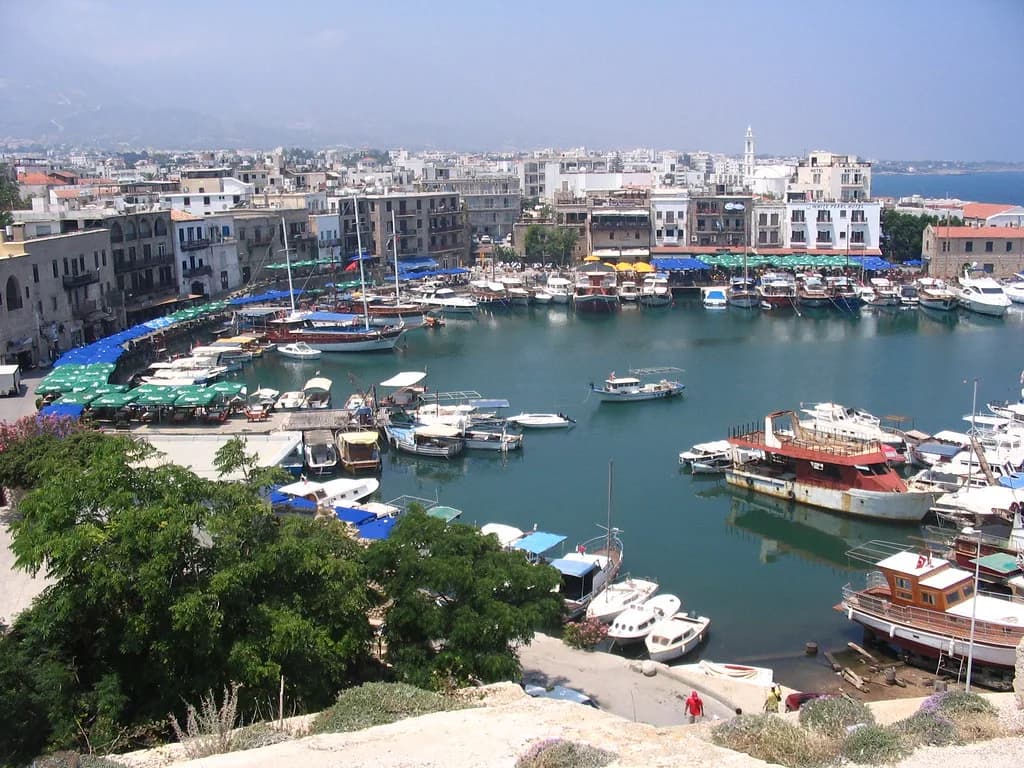
Kyrenia is a harbour town whose old centre is dominated by the castle above the harbour. That relationship between port and fortress is the constant: whoever controlled the castle controlled the anchorage below it, and the town grew around that fact.
The castle's primary function was always military. It was built as a fortification and stayed in that role through successive occupations, which is why the structure reads less like a palace and more like a working defensive site.
The castle at the centre of the story
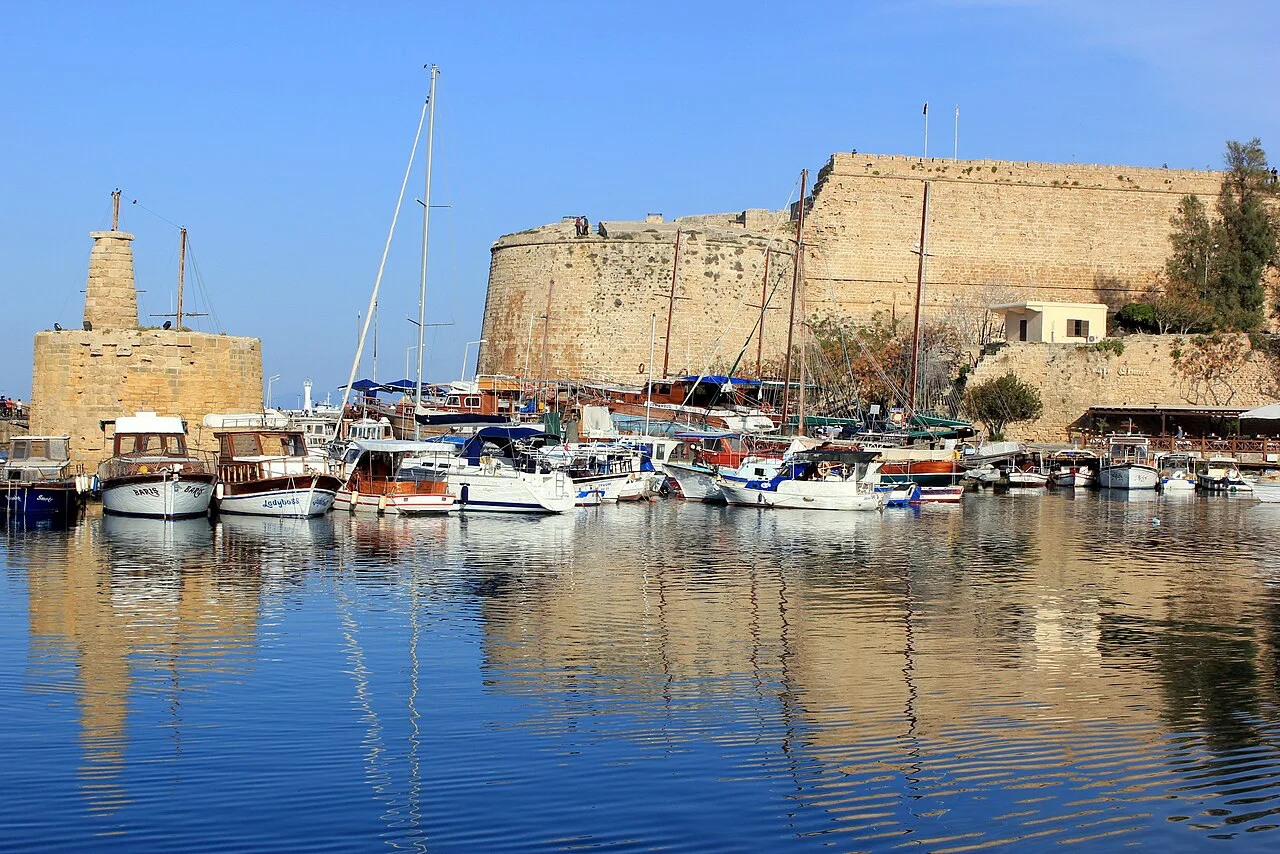
The castle was initially developed in the seventh century, built to protect the island from recurring Arab raids. It first appears in historical sources in the twelfth century, during Richard the Lionheart's seizure of Cyprus from Isaac Comnenos.
Its position explains its value. Sitting squat and solid over Kyrenia harbour, it guarded the sea approach and overlooked everything moving in and out of the port. Walking the harbour front gives you the clearest sense of how tightly the two are bound together. For the practical details, see the Kyrenia harbour.
What each ruling power added
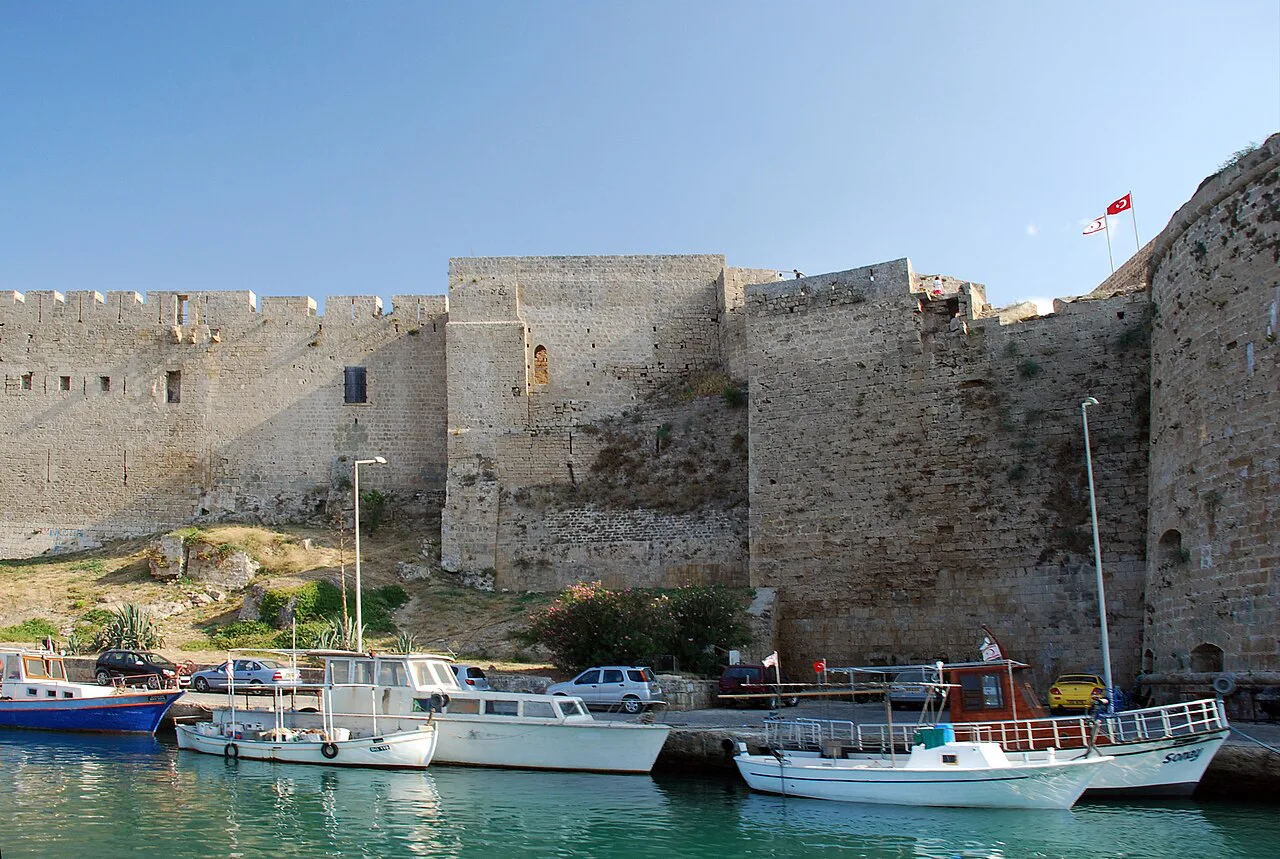
During Frankish rule, which ran from 1192 to 1489, the castle was developed and expanded. Under John d'Ibelin, square and semi-circular towers were added, embrasures were cut into the walls, battlements were built for archers, and dungeons were dug out.
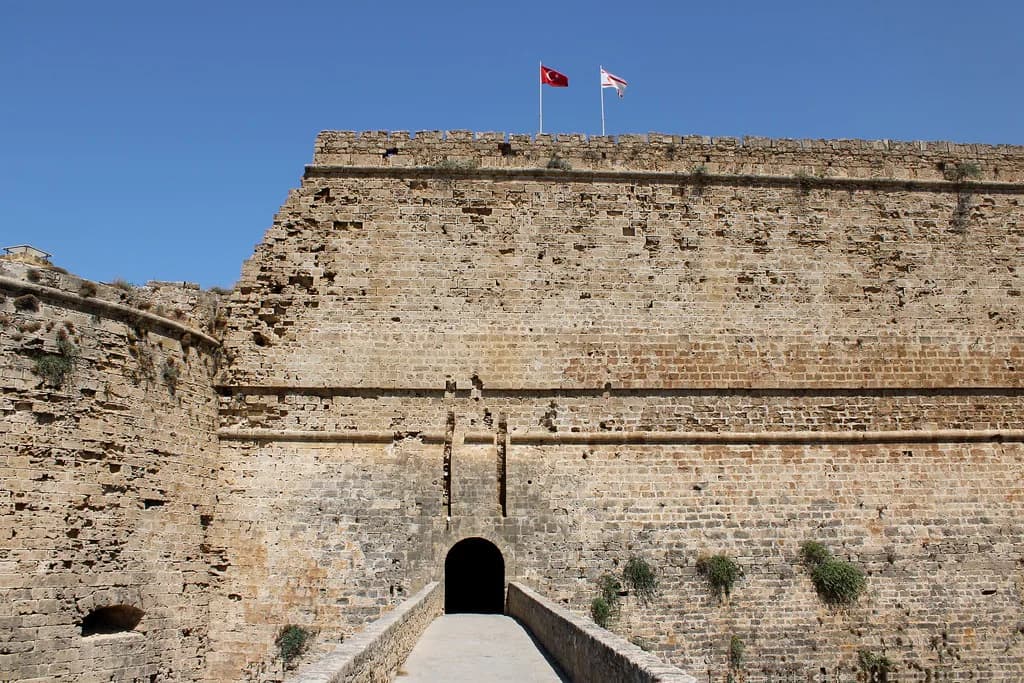
From 1489, with Cyprus under Venetian rule, the castle was modified again. The walls were widened to twelve feet thick to resist cannon fire from approaching ships, embrasures were enlarged so the castle could return fire, and gun ports were installed at three different levels.
The Venetians also replaced many staircases with long ramps so heavy artillery could be manoeuvred across the site. That detail tells you something useful: the threats to Kyrenia could come from land as easily as from the sea, and the castle was rebuilt to answer both.
The chapel and courtyard buildings
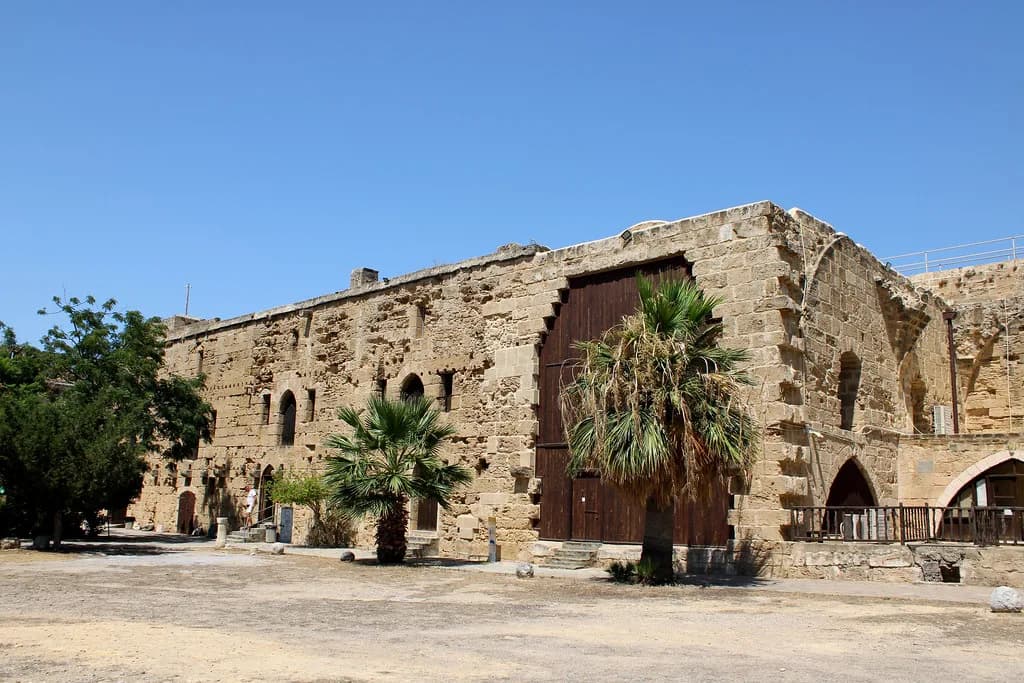
At ground level, the courtyard dates primarily from the Lusignan period and is lined with stables, guardrooms and storage areas. Some of those spaces have since been converted into a small cafe for visitors.
The southern area still shows some original Byzantine architecture. The small chapel dedicated to St George, close to the main entrance, has fragments of original floor mosaics still visible to anyone looking closely.
The sieges that shaped the walls
The castle endured several sieges, and they left their mark on the fabric. In 1373 a Genoese attack almost destroyed the unsuspecting castle, and a further attack in the fifteenth century severely damaged it.
That later siege lasted more than four years and reduced the inhabitants to eating rodents and rotten food. It is the starkest reminder that these walls were built for endurance rather than display, which is worth holding in mind as you walk the ramparts.
The British layer and how the site reads today
Under British rule the castle became a training ground and barracks for the police, as well as a prison. That phase is recent enough to sit awkwardly with the medieval fabric, and it explains why some interiors feel utilitarian rather than grand.
There is very little explanatory information on site, so the visit is only as rich as what you bring to it. Read up before you go, or you may fly through the rooms and miss the gun ports, chapel mosaics and dungeon models entirely.
What survives to walk through now
The castle is spread across three levels, with the first few reachable step-free, though the entrance slopes are fairly steep. The top level lets you walk a rocky route around the entire perimeter along the battlements, looking out over the sea, the harbour and, in the distance, St Hilarion castle.
The guardrooms hold displays covering excavated pottery, a Bronze Age burial site, painted depictions of a Neolithic settlement and a cross-section of a tomb. The dungeons are open too, and contain life-sized models of prisoners being punished.
Practical framing for a visit
The castle does not need a whole day. A few hours at most will cover it, and the harbour's cafes, shops and stalls sit right on its doorstep for afterwards.
Because the site is compact and sits in the middle of the old town, it works well as the anchor of a walking day rather than a standalone excursion. Pair it with the streets around it and you get a fuller picture of how Kyrenia Old Town grew up around its fortress.
Where the wider Kyrenia story goes from here
From the battlements you can see St Hilarion castle on the ridge above, and it is the natural next step for the same period. It sits high on the mountain behind Kyrenia and rewards a separate half-day with views that the harbour fortress cannot match.
If you want to build a short break around these sites, the Kyrenia Attractions hub gathers the individual guides so you can order your days. Check current opening times with the site or the relevant authority before travelling, since they change by season.
Is Kyrenia Castle worth the detour?
Yes, if you treat it as a lesson in how a harbour town defended itself rather than as a polished visitor attraction. The chapel mosaics, gun ports, dungeon models and battlements route give you the whole sweep from Byzantine to British in a couple of hours, and the harbour does the rest.
Come with some background reading, wear shoes that cope with steep slopes and rough ramparts, and leave time for the waterfront afterwards. The rest, including any boat trips from the old harbour, is easy to arrange once you are there.
Explore more Kyrenia guides
Frequently Asked Questions
How long does Kyrenia Castle take to see?
A few hours is enough. The castle spans three levels, and the top battlements walk around the perimeter is the slowest part because of the rough, rocky surface. Most visitors combine it with a wander around the harbour immediately below.
Is Kyrenia Castle suitable for visitors with limited mobility?
The first few levels are step-free, but the entrance slopes are fairly steep. The battlements route at the top is rocky and uneven, so it is not for everyone; the courtyard and lower rooms are the easier sections of the visit.
What can you see inside Kyrenia Castle today?
The courtyard and its converted guardrooms, displays of excavated pottery and burial material, the dungeons with life-sized prisoner models, the chapel of St George with fragments of floor mosaic, and the battlements circuit with views to St Hilarion castle.
Sources
Notes for your Cyprus trip
Optional updates to our Cyprus guides.
You might also like
Continue reading
More guides you'll find useful