
St Hilarion Castle: What to See and How to Visit

St Hilarion Castle is the ruined fortress on the mountainside south of Kyrenia/Girne, and the reason to go is the way it unfolds in three stacked levels: you climb, and the view and the buildings get better with every terrace. Allow two to three hours if you want to reach the top, and treat the steps and summer heat as the real planning constraint rather than a footnote. This guide covers what sits on each level, how to get there, how long it takes and what to see nearby.
The castle began as a Byzantine defence against Arab raids and was later expanded by the Lusignans, who added a summer palace within the walls. Those two building phases explain the mix of blunt military masonry and more refined rooms you pass as you go up. It is also the source of the popular comparison with a fairy-tale castle, a nickname worth enjoying without mistaking it for history.
Where St Hilarion Castle sits above Kyrenia
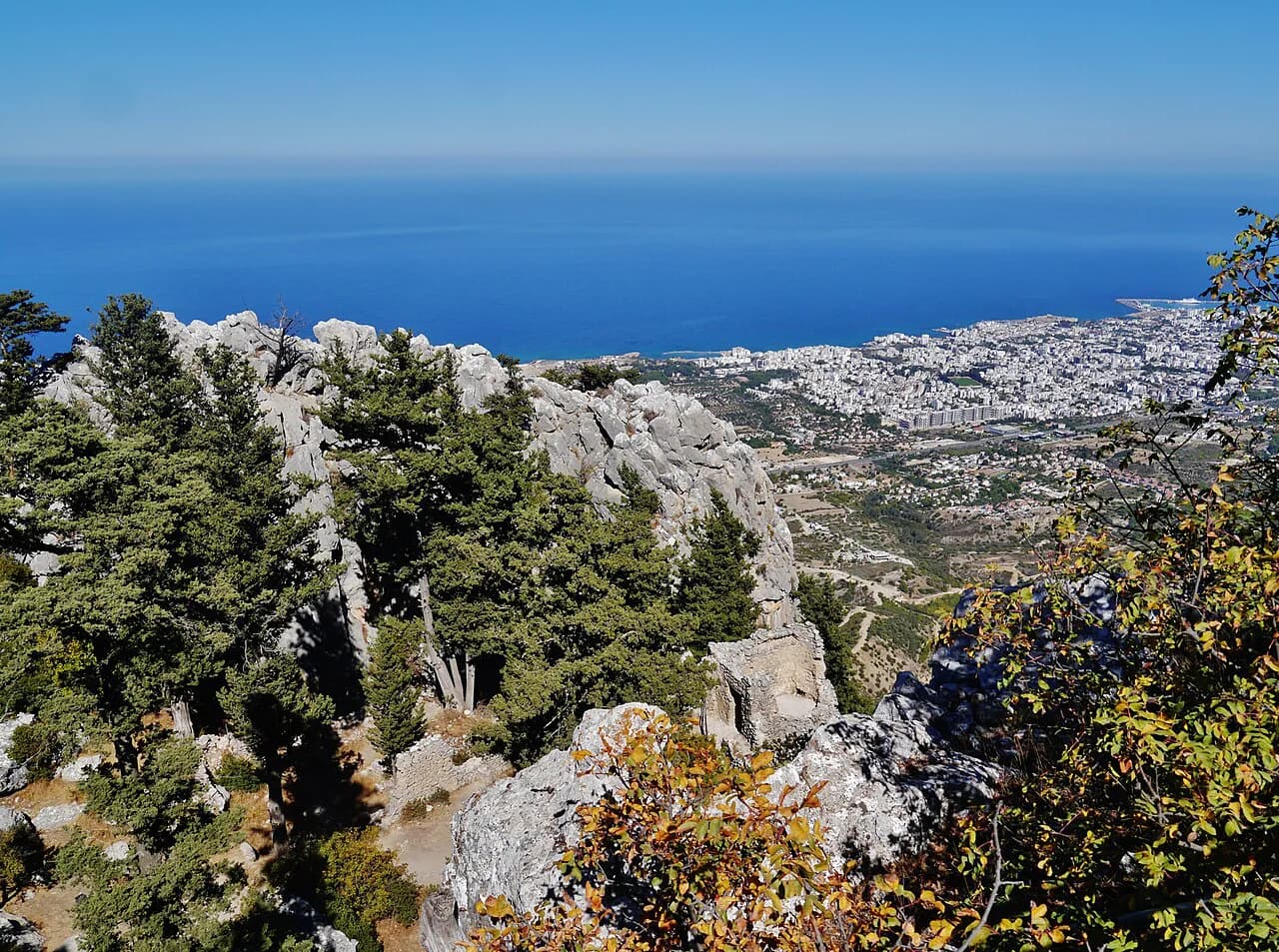
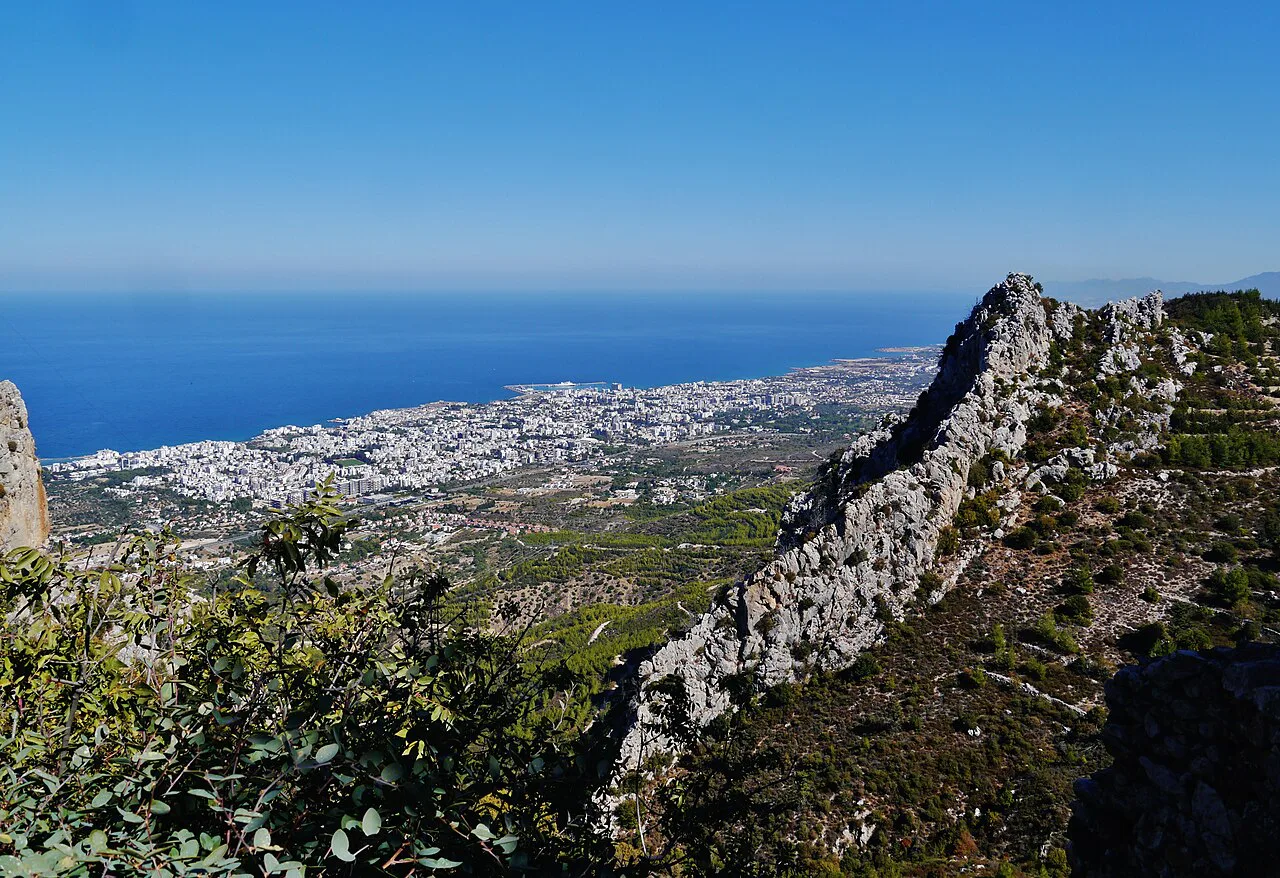
The castle occupies a ridge on the mountains behind Kyrenia, high enough that the coast and the town below read as a map when you look back from the upper terraces. It is one of three castles strung along this range, with Kantara and Buffavento further east, and its position is the whole point: the site controlled the road and the plain between the mountains and the sea.
Because it is an attraction rather than a town, there is no village centre to wander first. You drive up, park, and the visit begins at the gatehouse. For the wider set of places that work alongside it, from harbour-side sights to mountain monasteries, work through these Kyrenia Attractions: 7 Visitor Guides before you fix your days.

How to get there and driving the mountain road
Access is by road from Kyrenia, climbing south into the range on a winding surface that narrows as it gains height. Cyprus drives on the left, so keep that in mind on blind bends and when a coach comes the other way. A hire car gives you the most control over timing, but check with your rental company that your insurance covers the roads you plan to use before you set off.
Taxis and organised transfers are the alternative if you would rather not drive the climb. Whatever you choose, leave the coast with slack in the day: the ascent takes longer than the map suggests, and you want daylight left for the upper level. Pair the drive with the sister fortress at Buffavento castle if you have a full day and the legs for a second set of stairs.
What the climb is like: steps, terraces and uneven ground
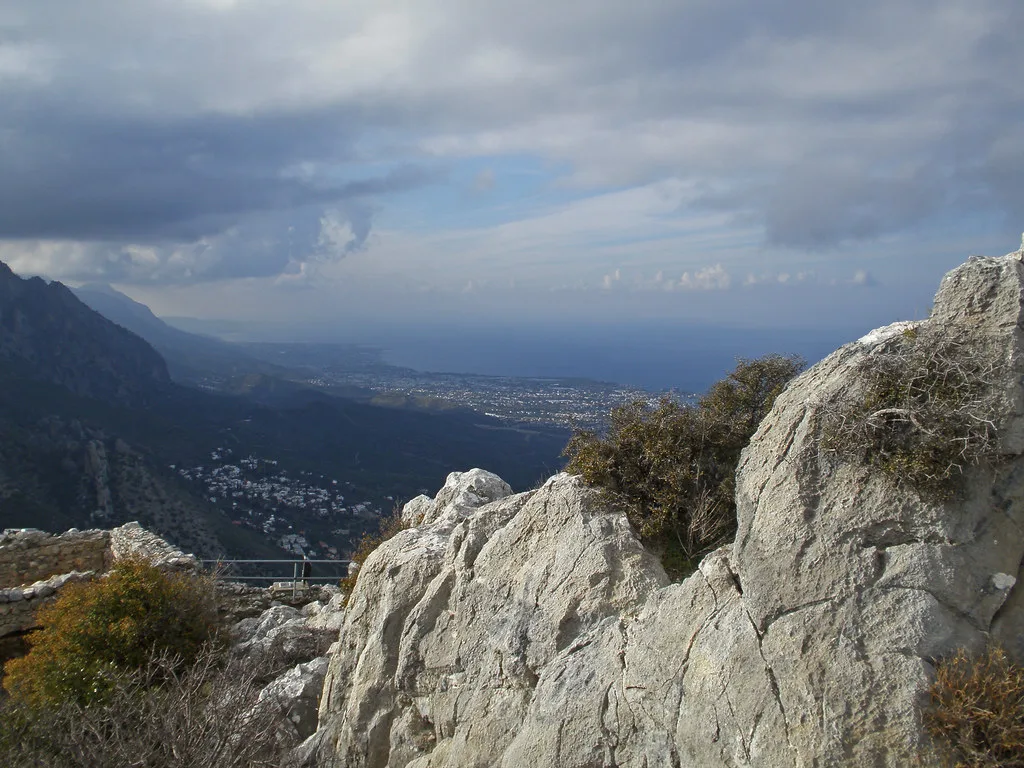
This is not a gentle stroll. Paths are stepped, uneven and often without a rail where you would like one, and the route to the summit involves a sustained pull rather than a short flight. Wear shoes with grip, carry water, and accept that the upper level is optional if knees or balance are an issue.
The reward is cumulative rather than all at the top. Each terrace gives you a wider sweep of the coast and the Kyrenia mountain range, so turning back after the middle level still buys you most of the view. Photographers should note that the light on the sea is best earlier in the day, and the stone walls hold heat through the afternoon.
Lower level: the gatehouse, towers and outer walls
You enter through the lower defences, where the gatehouse and the outer walls set the tone: thick stone, arrow-level openings and a sense of how the fortress was meant to be held rather than lived in. This is the easiest stretch of the visit and the sensible place to judge whether you want to continue upward.
Because the ruins are open to the sky, there is little shade here. Plan the lower level for the cooler part of the morning and treat the shaded stretches of wall as a bonus rather than something to count on.
Middle level and the Lusignan summer palace
The middle terrace holds the part of the castle that reads as a residence, with rooms and windows arranged for comfort as well as defence. The GetYourGuide description notes that the castle mixes rugged ruins with fairy-tale turrets and huge views from sea to mountain, and this level is where that description fits best.
The Lusignans' summer palace sits within these walls, which is why the site feels grander than a plain garrison. Look for the change in masonry and window shapes as you move between the outer works and the inner rooms, and give yourself time here rather than pushing straight for the summit.
Upper level and the summit views
The final climb delivers the panorama: the coast, the town of Kyrenia and the ridges behind you, with the sea filling most of the frame. The summit also marks the end of the practical route, so there is no need to hunt for more path once you reach the top.
Take your time coming down. Descents on worn steps cause more slips than ascents, particularly when the stone is polished by traffic.
How long to allow and when to go
Budget two to three hours for the full visit, more if you stop often for photographs or rest on the way up. The castle rewards an early start more than a long stay: cooler air, softer light and fewer people on the narrow upper steps.
High summer makes the climb genuinely hard work, so treat the heat as the deciding factor and save the upper level for the morning. Outside the hottest months the climb is far more comfortable and you can linger on the terraces.
Tickets, opening hours and what to confirm
Opening hours and ticket prices change with the season, so confirm them before you drive up rather than relying on a figure from an old review. Check the current listing for your dates and plan the mountain road for daylight either way.
Tickets and guided visits can be booked in advance, sold through platforms such as GetYourGuide, which lets you see availability for the day you have in mind. If you turn up without checking and find the gate closed, the day is better spent at the coast than on a second attempt.
Nearby: Bellapais Abbey, Kyrenia Castle and the harbour
Bellapais abbey sits on the slope below, founded by Augustinian monks, and its cloister and refectory make a natural second stop on the same half-day. The two sites share the uphill road, so combining them saves a second drive from town.
Down on the water, Kyrenia castle anchors the old harbour and gives you the opposite view: the town from sea level, with the mountains behind. Add the Kyrenia shipwreck museum inside its walls if you want the maritime side of the story, and finish with a walk around the horseshoe-shaped port.
The legend of the 101 rooms
Local folklore gives St Hilarion 101 rooms, with a hundred easily found and the last door opening onto a hidden treasure garden guarded by a queen of Cypriot legend. It is a good story, told with relish on the Kyrenia coast, and it explains why the castle feels enchanted to visitors who arrive expecting ruins alone.
There is also a tale of a cruel Byzantine queen, Regaena, who drove her workforce hard to finish the castle. Treat both as legend and enjoy them on the drive up; the real history is the Byzantine-to-Lusignan sequence you can see in the stone.
Is St Hilarion worth the climb?
Yes, if you go early, wear proper shoes and accept that the summit is the last third of the effort rather than the whole experience. The middle level alone justifies the drive, and the pair with Bellapais abbey makes a coherent half-day above Kyrenia.
If stairs in heat sound like a chore, spend the time on the harbour and Kyrenia castle instead, then come back to the mountain in a cooler month. The view will still be there.
Explore more Kyrenia guides
Frequently Asked Questions
How long does it take to climb St Hilarion Castle?
Allow two to three hours for the full visit, including the climb to the upper level and the descent. The middle terraces take about half that if you decide to stop there.
Do you need a car to reach St Hilarion Castle?
A car is the most flexible option, using the mountain road south of Kyrenia. Taxis and organised transfers work if you would rather not drive the winding ascent yourself.
Is St Hilarion Castle suitable for children?
Older children who are steady on steps usually manage the lower and middle levels. The upper path is uneven and exposed, so judge it on the day rather than promising the summit.