
Kyrenia Icon Museum: What to See at Archangelos Michael

The Kyrenia Icon Museum is a small museum in the former Greek Orthodox church of Archangelos Michael, at the western end of Kyrenia harbour in North Cyprus. It opened as an icon museum in 1990 after restoration, and displays a collection of icons saved after the events of 1974. The visit suits a 30 to 45 minute stop rather than a half-day out.
This guide covers where the museum sits, how to approach it on foot from the harbour, what is on display inside, and what to check before you set out. It also places the museum alongside the other historic sights in Kyrenia, known in Turkish as Girne, so you can slot it into a day sensibly.
What the Kyrenia Icon Museum is
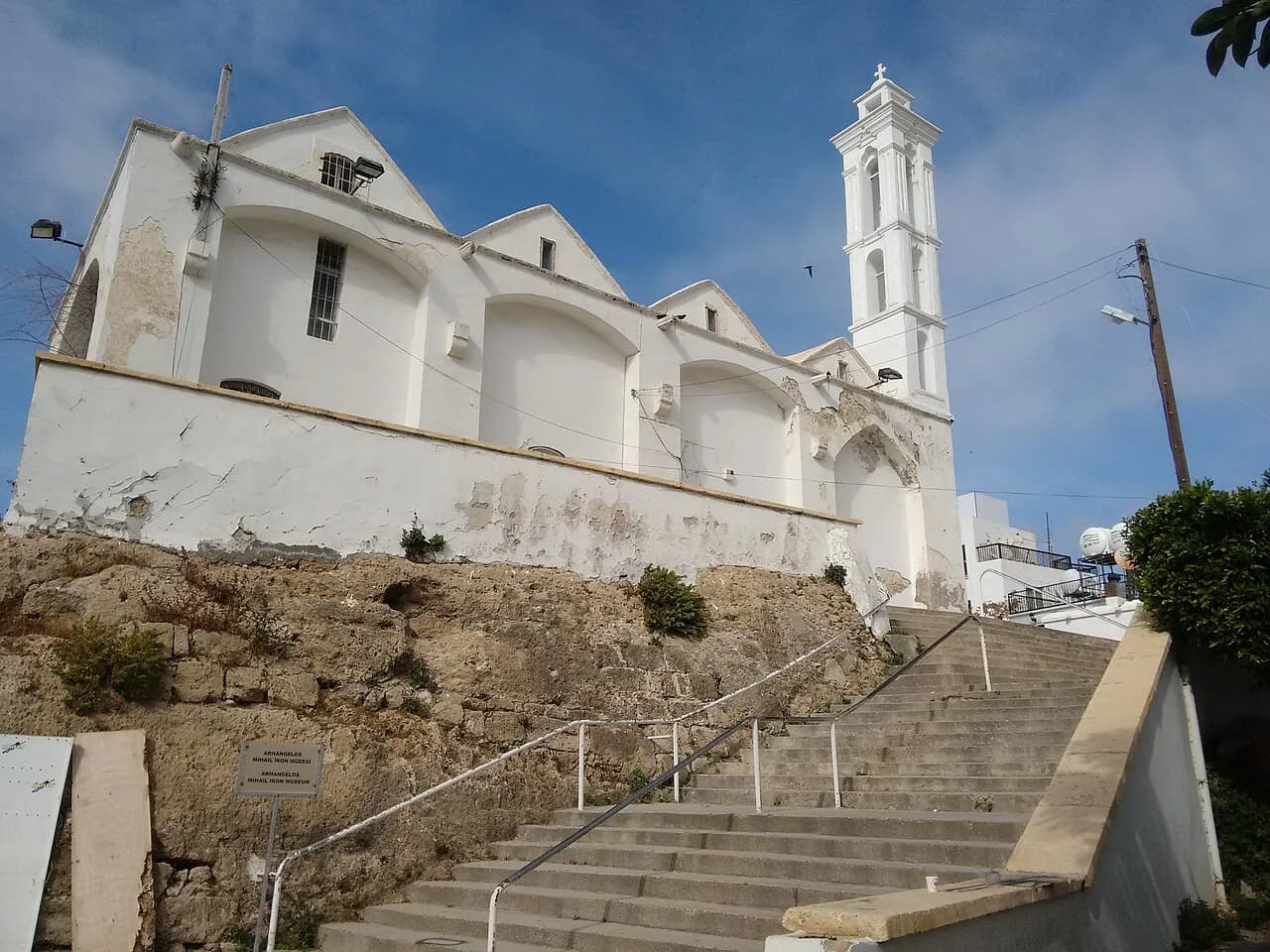
The museum occupies the church of the Archangel Michael, known locally as Archangelos Michael or Archangelos Mikhael. The church dates from 1860, with a bell tower added about 25 years later, and it still reads as a church rather than a purpose-built gallery. It was restored and opened to visitors as an icon museum in 1990.
The collection gathers icons rescued from churches in the Kyrenia district after the partition of the island in 1974. Many of the pieces date from the 17th to 19th centuries, and the displays give a clear picture of a religious art form once seen in churches across Cyprus. The museum's purpose is preservation: keeping locally made works in the region they came from.

Where it sits at the western end of Kyrenia harbour
Look for the church at the western end of Kyrenia harbour, on a rise that once carried one of the towers of the old town walls. That elevation is why the bell tower stands out from much of the town. Use the harbour front as your landmark: walk to its western end and look up rather than scanning a street address.
The museum makes an easy pairing with the waterfront itself and with Kyrenia castle, which anchors the other end of the harbour and houses the Kyrenia shipwreck museum. Treat the icon museum as a short stop inside a harbour walk, not as a separate outing. The Kyrenia Attractions: 7 Visitor Guides page covers the wider set of sights if you want to build a fuller day.
Getting there on foot from the harbour
The simplest approach is on foot along the harbour, which keeps the museum within a few minutes of the waterfront cafés and the castle. Walking also spares you the old-town parking squeeze; the lanes around the harbour are narrow and busy in summer. Aim to arrive in the morning or late afternoon when the harbour side is cooler and less crowded.
Coming by car from elsewhere in Kyrenia, park once near the harbour and cover the waterfront and old town on foot. The approach involves a short climb to the church, so allow for steps or a slope if anyone in your group has limited mobility. Sensible shoes matter more than any special preparation.
What is inside: icons on three levels
Inside, the collection is spread over three levels thanks to the church's former women's gallery, so there is more to see than the modest exterior suggests. The icons are arranged to show the range of local design and craftsmanship rather than a single chronological story. Give yourself time to climb between levels and to read the displays at each one.
The building itself is part of the visit: the church interior and the bell tower give context to the icons, which were made for spaces like this one. Photographs are best taken with care and without flash, as with any collection of painted religious panels. Keep voices low, since the building retains its church character.
Icons worth looking for
Two works stand out in the collection. Look for Saint Luke shown with his emblematic ox, the traditional symbol of the evangelist, and a depiction of the beheading of John the Baptist with Herod's feast shown above the scene. Both are singled out for their artistic quality rather than simply their age.
The displays reward a slow look: notice how the local painters handled faces, borders and gilding differently from workshop pieces made elsewhere. If the iconography is new to you, keep an eye out for St George and the dragon, a recurring subject in Cypriot church art. A short visit still works, but reading a little beforehand pays off.
The building and its bell tower
The church was built in 1860 and gained its bell tower roughly 25 years afterwards, which is why the tower reads as a later addition. The architecture is described as modest in merit, so come for the icons and the setting rather than for grand masonry. The tower is the landmark that guides you in from the harbour.
The hilltop position on an old town-wall tower gives the church a presence across Kyrenia that its size alone would not earn. From the harbour, the tower is the reliable way to identify the building. Take a moment outside before going in: the exterior explains why the site was chosen.
How long to allow and when to go
Thirty to forty-five minutes covers the icons on all three levels at an unhurried pace. Add a little more if you like to read every label or sketch. It is a compact museum, so it slots neatly between a harbour walk and lunch rather than dominating a day.
Kyrenia's summer heat makes midday the least comfortable time to climb to the church and linger on the exposed rise. Morning or late afternoon is kinder on the approach, and light through the church windows is usually better for looking at painted panels than the flat glare of noon.
Tickets, opening hours and closure risk
An admission fee applies to the museum. The amount is not published in the sources available here, so confirm the current charge at the entrance when you arrive rather than budgeting from an old figure. Keep some cash in Turkish lira handy in case the ticket desk cannot take a card.
Visitors have reported the museum closed for renovation, with no confirmed reopening date, so the building may not be open when you turn up. Build a loose plan around the harbour so a closed door costs you nothing: the castle, the shipwreck museum and the waterfront are all within a short walk.
Opening hours and days are not fixed in the sources here, so check the door notice or ask at the harbour before making a special trip. A quick question at a nearby café or hotel reception costs nothing and saves a wasted climb. Phoning ahead is sensible if the icon museum is the main reason for your day.
Nearby: harbour front and Kyrenia old town
The harbour front and Kyrenia old town sit within a short walk, so the museum combines naturally with the castle, the shipwreck museum inside it, and the lanes behind the water. The Kyrenia Attractions: 7 Visitor Guides page maps out the options if you want a full day on foot. The icon museum is the quiet stop between the busier harbour sights.
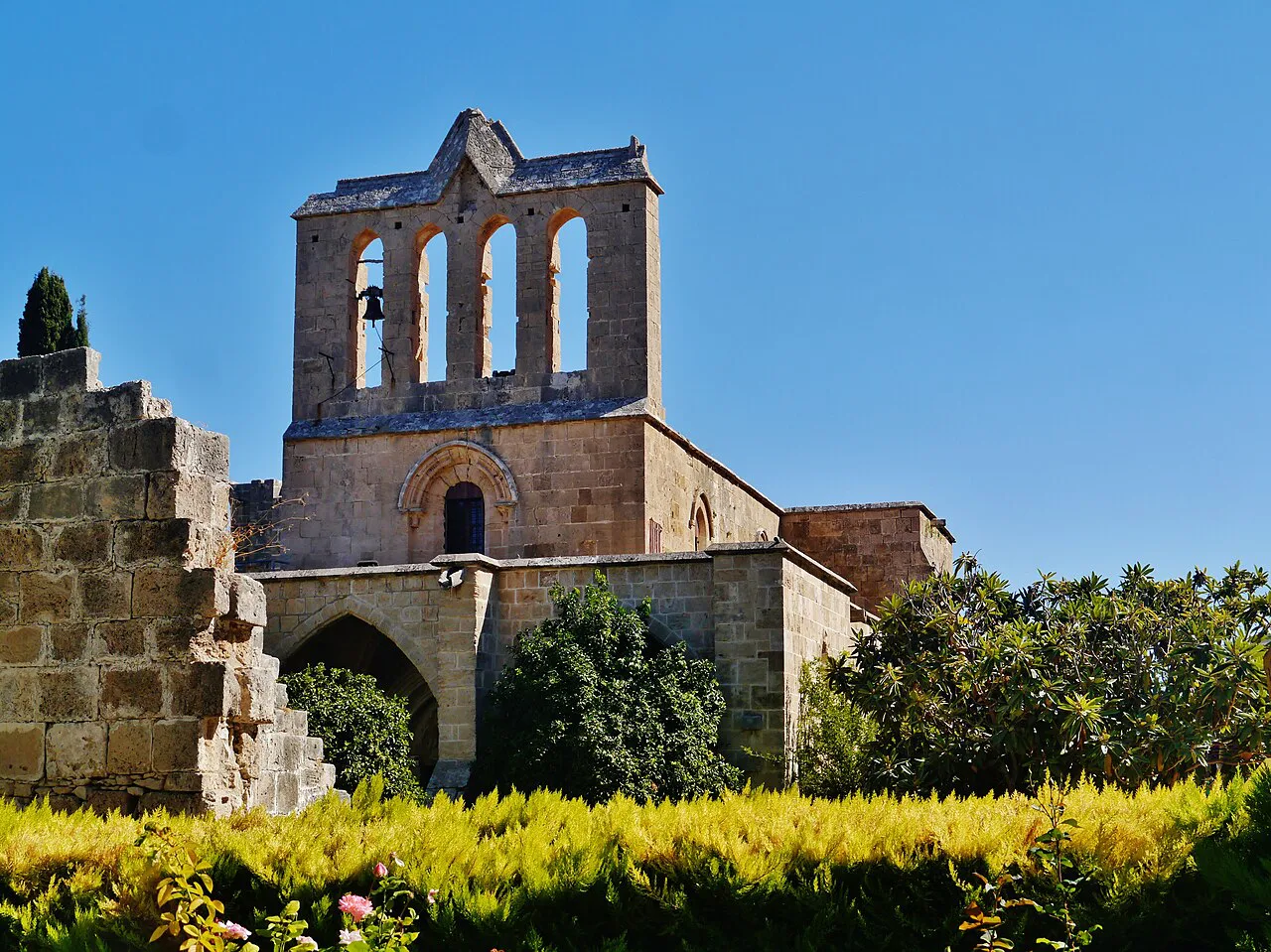
If you have a car, the mountain sights sit inland within a short drive: St Hilarion castle and Bellapais abbey are the obvious pairings, with Buffavento castle further up the Kyrenia mountain range. All three reward an early start before the heat builds. Keep the icon museum for the afternoon when you return to town.
For a quieter alternative to the harbour, the Antiphonitis Church inland is known for its painted decoration, and it belongs to the same story of rescued and protected religious art. It needs a car and a bit of planning, so treat it as a separate outing rather than a walk-on addition.

Is the icon museum worth the climb?
Yes, if you are already on the Kyrenia harbour front and want a short, low-key stop with real substance. The church setting, the three-level display and the named icons give you more than the small exterior promises, and it pairs well with the castle and the shipwreck museum. Skip it if you have only an hour and want the harbour and castle first.
Because the museum has been reported closed for renovation, keep it as a bonus rather than the anchor of your day. Build the harbour walk first, then climb to the church if the door is open. That way a closed museum never spoils a good morning in Girne.