
Kyrenia Shipwreck Museum (Gemi Enkazı Müzesi): A Visitor's Guide

The Kyrenia Shipwreck Museum is the reason many travellers climb the slope to Kyrenia Castle, and it earns the detour: the museum holds the hull and cargo of a Greek merchant ship that went down around 300 BC. It sits within the castle walls at the entrance to Kyrenia/Girne harbour rather than in a separate building, so one visit covers both. This guide explains the layout, the star exhibit, the salvage story and how to pair it with the ramparts and harbour.
What the Kyrenia Shipwreck Museum is and where it sits in the castle
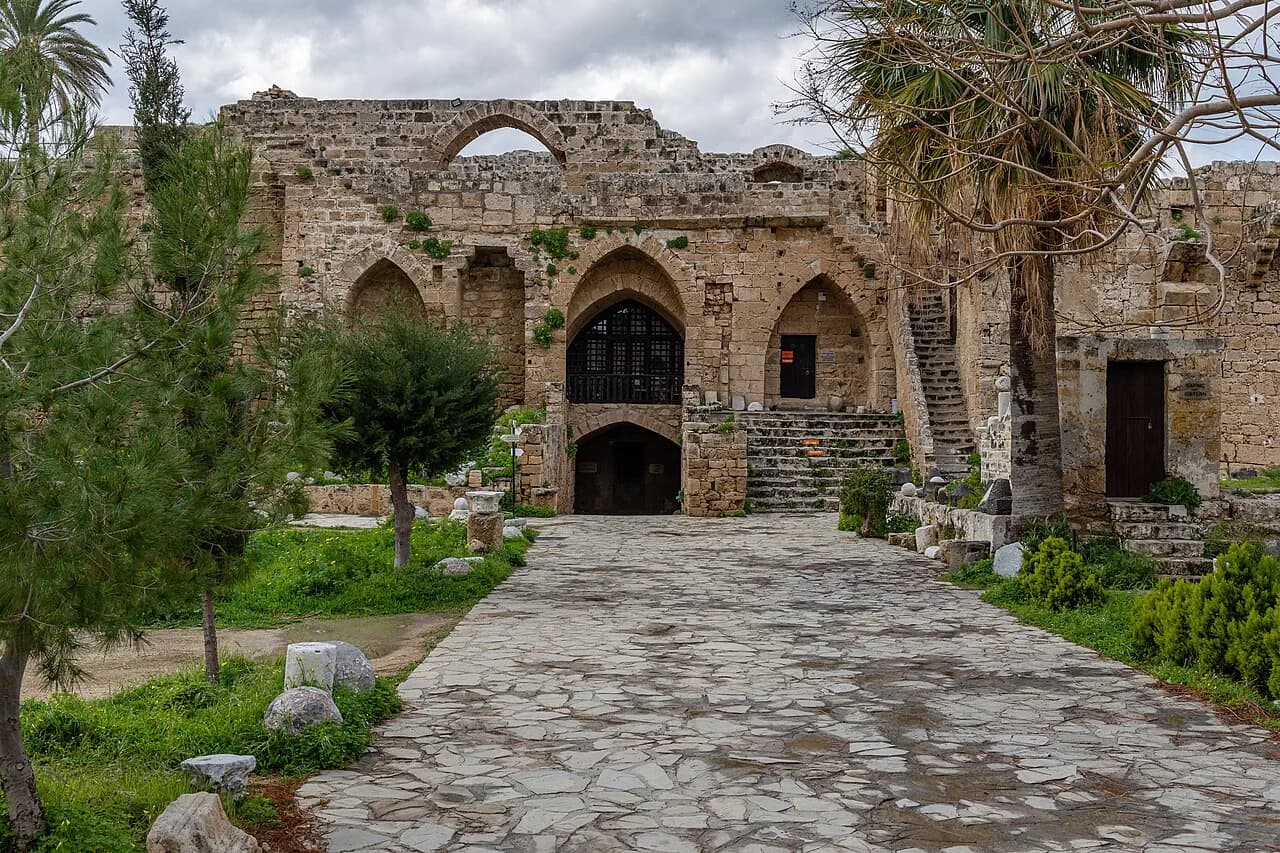
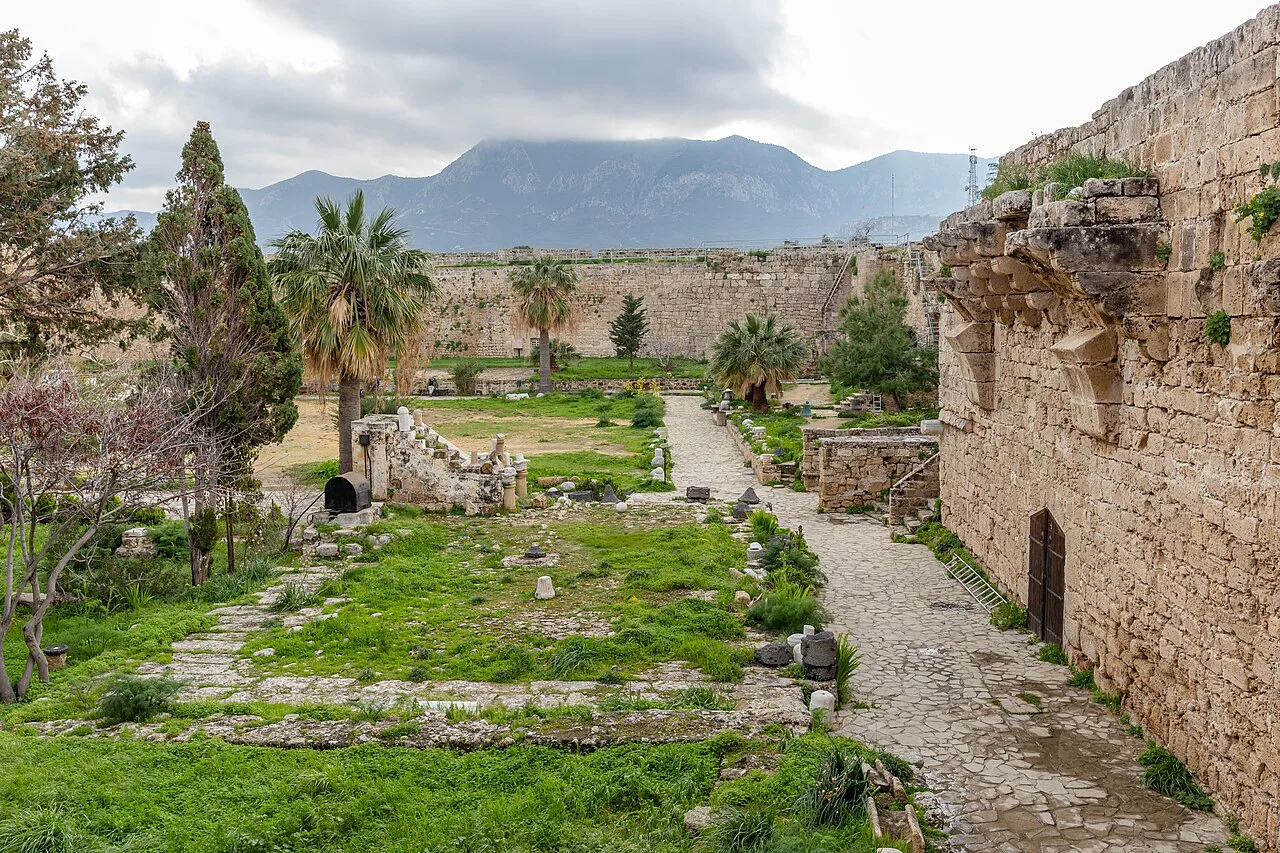
The museum occupies part of the interior of Kyrenia Castle, the large rectangular fortress at the mouth of the harbour. Within the walls you will also find a cistern, a dungeon, a chapel and a second small museum, so the shipwreck display is one stop on a circuit rather than a standalone site. Treat the whole castle as a single visit and budget your time across all of it.
Because the museum is inside the castle, you reach it through the castle entrance rather than through a dedicated door on the harbour front. The present gatehouse, with its protected approach, is Venetian work: they replaced the original drawbridge when they thickened and reinforced the walls. Walk in through that gate and the shipwreck galleries are within the same complex.

Where it is: the castle above Kyrenia harbour
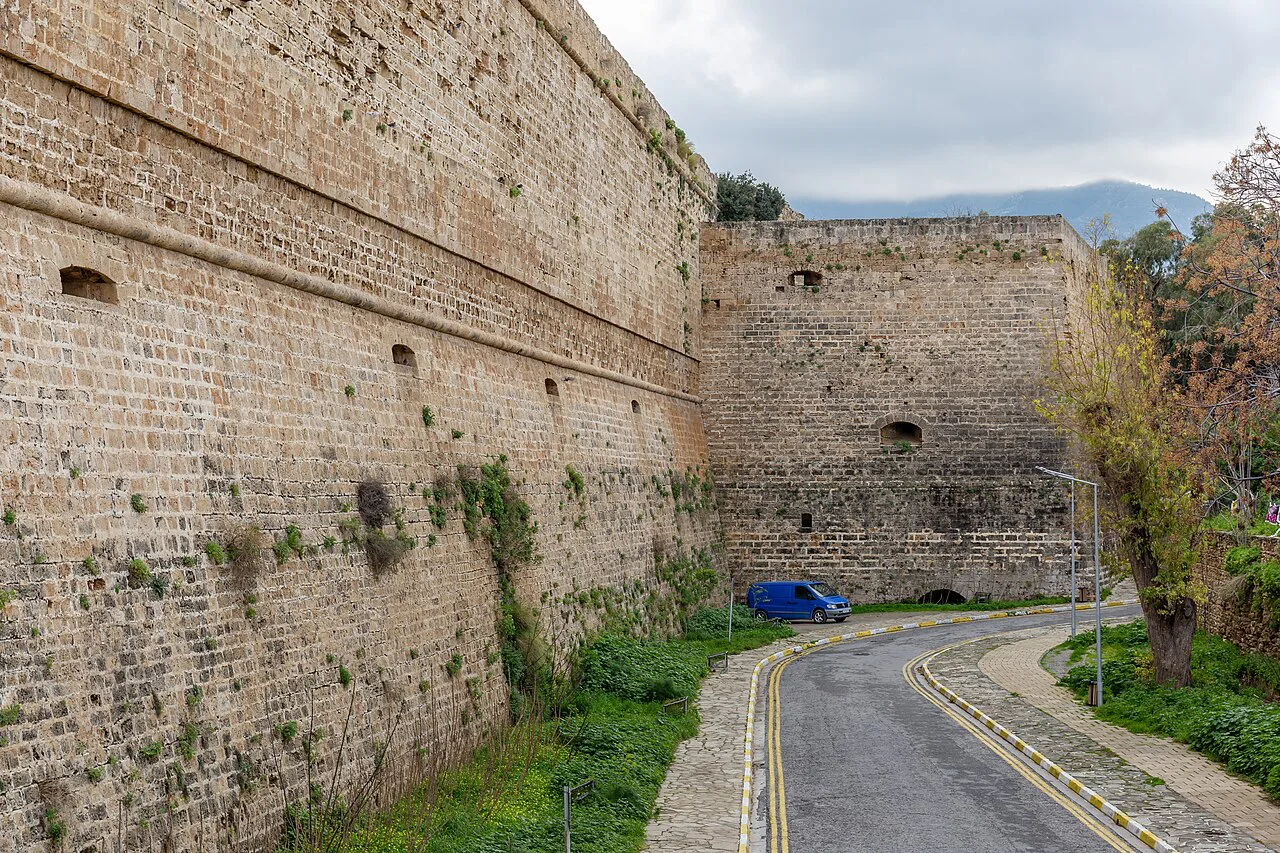
The castle sits at the edge of Kyrenia's old harbour, so the walk from the waterfront is short but uphill, on sloping lanes and steps rather than a flat promenade. Allow a little extra time in summer heat and wear shoes with grip for the ramps and worn stone. The harbour itself, with its moored boats and back-street cafés, is the natural place to start or finish.
Kyrenia has no airport of its own; most travellers arrive via Larnaca or Ercan and continue by road, and the castle is straightforward to reach on foot from the centre. Drivers should check hire-car insurance cover for crossing the Green Line before setting out, since policies differ. Plan the castle as a half-day anchor and build the rest of the day around the harbour and the town centre.
The star exhibit: a Greek merchant ship lost around 300 BC
The centrepiece is the surviving timber hull of a Greek merchant vessel, about 15 metres long and built of Aleppo pine, displayed with the objects she carried on her final voyage. The ship sailed in the Mediterranean during the lifetime of Alexander the Great and his successors, which places the wreck in the Hellenistic world rather than the Roman one. Seeing the planking at close range makes the scale of ancient coastal trade concrete.
Evidence points to the ship being lost in rough seas around 300 BC, when she was already an old vessel; archaeologists found spear points lodged in the hull, which some read as a sign of piracy before the sinking. The display presents the original objects from that last voyage rather than replicas, which is what lifts the gallery above a row of display cases. Read the panels before walking round the hull, as the context makes the timbers legible.
What else is on display: cargo from Samos, Rhodes and Kos
The cargo included amphorae, almonds, grain, wine and millstones, traced to the Greek islands of Samos, Rhodes and Kos, which sketches a trading run across the eastern Mediterranean. Look for the millstones in particular: heavy, ordinary objects that say more about daily commerce than any golden ornament could. The amphorae give a sense of how goods were packed, stacked and moved between ports.
How the wreck was found and raised
A sponge diver came across the wreck by chance during a storm in 1965, and a salvage expedition followed. A British team from Oxford University worked with the University of Pennsylvania between 1967 and 1969 to raise the remains, which is why the material is so well documented. That three-season campaign shaped how the ship is understood and displayed today.
The recovery became a reference point for underwater archaeology, and the story of the excavation is worth a few minutes of reading before you leave the gallery, because it explains why so much of the original material survives in one place.
Other things to see in the castle
Beyond the shipwreck galleries, the castle holds a cistern, a dungeon and the 12th-century Byzantine Chapel of St George, which the Venetians kept safely within the walls when they refortified the site. The chapel is small and easy to miss if you head straight for the ramparts, so check the plan at the entrance. The Venetians also gave the castle most of its current appearance from around 1489, thickening and enlarging the walls to resist artillery.
The castle's earlier history runs back to the Byzantines, who built it in the 7th century, possibly over a Roman fort, to guard against Arab raids from the sea. Richard I of England captured it in 1191 on his way to the Third Crusade, defeating the local governor Isaac Comnenus, and later the Lusignans enlarged it again. Each layer is visible in the fabric if you know what you are looking at.
Walking the ramparts above the harbour
For many visitors the highlight is the walk along the ramparts, high above the harbour and the town, with the sea on one side and the rooftops on the other. The walls are exposed, so go early or late in the day in summer and carry water. Combine the ramparts with the museum in a single circuit so you are not climbing the same stairs twice.
How much time to allow
Allow around two hours for the castle as a whole: roughly forty-five minutes in the shipwreck galleries, half an hour on the ramparts and the rest on the chapel, cistern, dungeon and second museum. If you read every panel, add another half hour. The site suits a slow morning better than a rushed stop between other sights.
Tickets and opening hours
Entry to the shipwreck galleries comes with admission to Kyrenia Castle, and any ticket or entry conditions are set at the castle itself rather than sold separately for the museum. Confirm opening hours and admission conditions on the day, since these can change by season.

What is nearby
The harbour, the town centre and the waterfront restaurants are all within a few minutes' walk, which makes the castle an easy first stop on a Kyrenia day. Further out, St Hilarion castle sits in the mountains above the town and rewards those with a car, while Bellapais abbey lies to the east and pairs well with a morning at the castle. Both need a half-day each if you want to do them properly.
Other wrecks lie elsewhere in Cypriot waters, but this is the vessel to see in Kyrenia itself. For the story of a single hull traced from seabed to gallery, the castle's display is the historically significant one and the easiest to fit into a town visit.
Is the shipwreck museum worth the climb?
Yes, if you accept it as part of the castle rather than a standalone attraction: the hull, the cargo and the salvage story together make one of the strongest displays in northern Cyprus, and the ramparts walk finishes it well. Go early, allow two hours and confirm the day's hours and admission when you arrive.