
Kyrenia Castle: A Visitor's Guide to Girne Kalesi
Kyrenia Castle is worth two to three hours as the anchor sight of a Kyrenia day: a compact, well-preserved fortress at the north-east end of the old harbour, with the Kyrenia shipwreck museum inside its walls. It sits in the town of Kyrenia, known in Turkish as Girne, in north Cyprus. This guide covers where the castle is, how you enter, the three building phases visible in its walls, the interior stops to prioritise, a realistic time budget and the nearby sights that pair naturally with a visit.
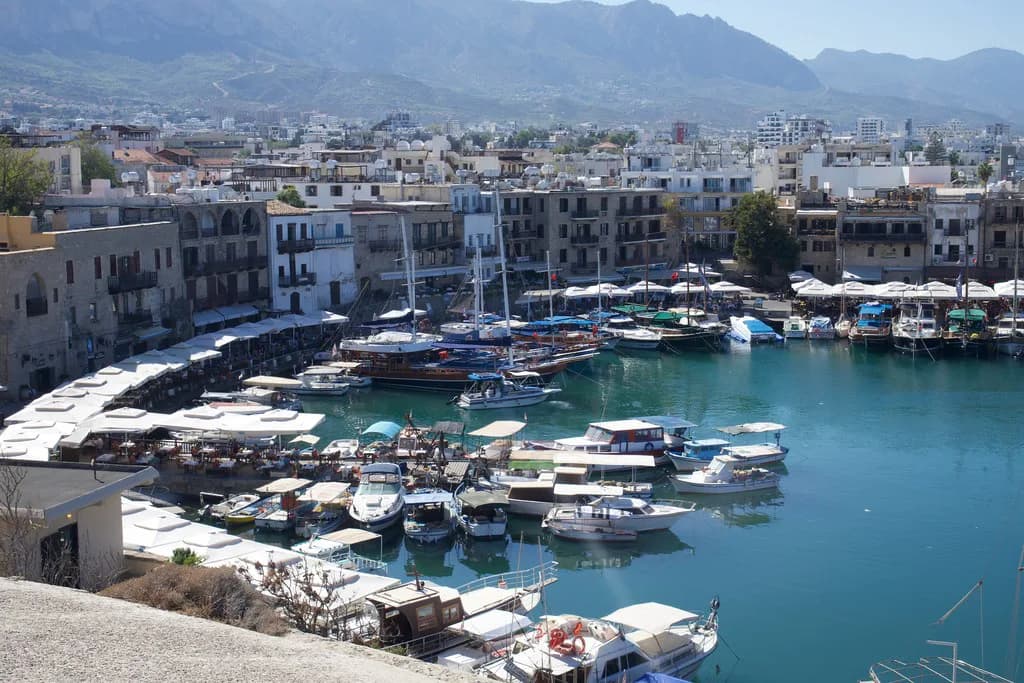
What Kyrenia Castle is and where it sits above the old harbour
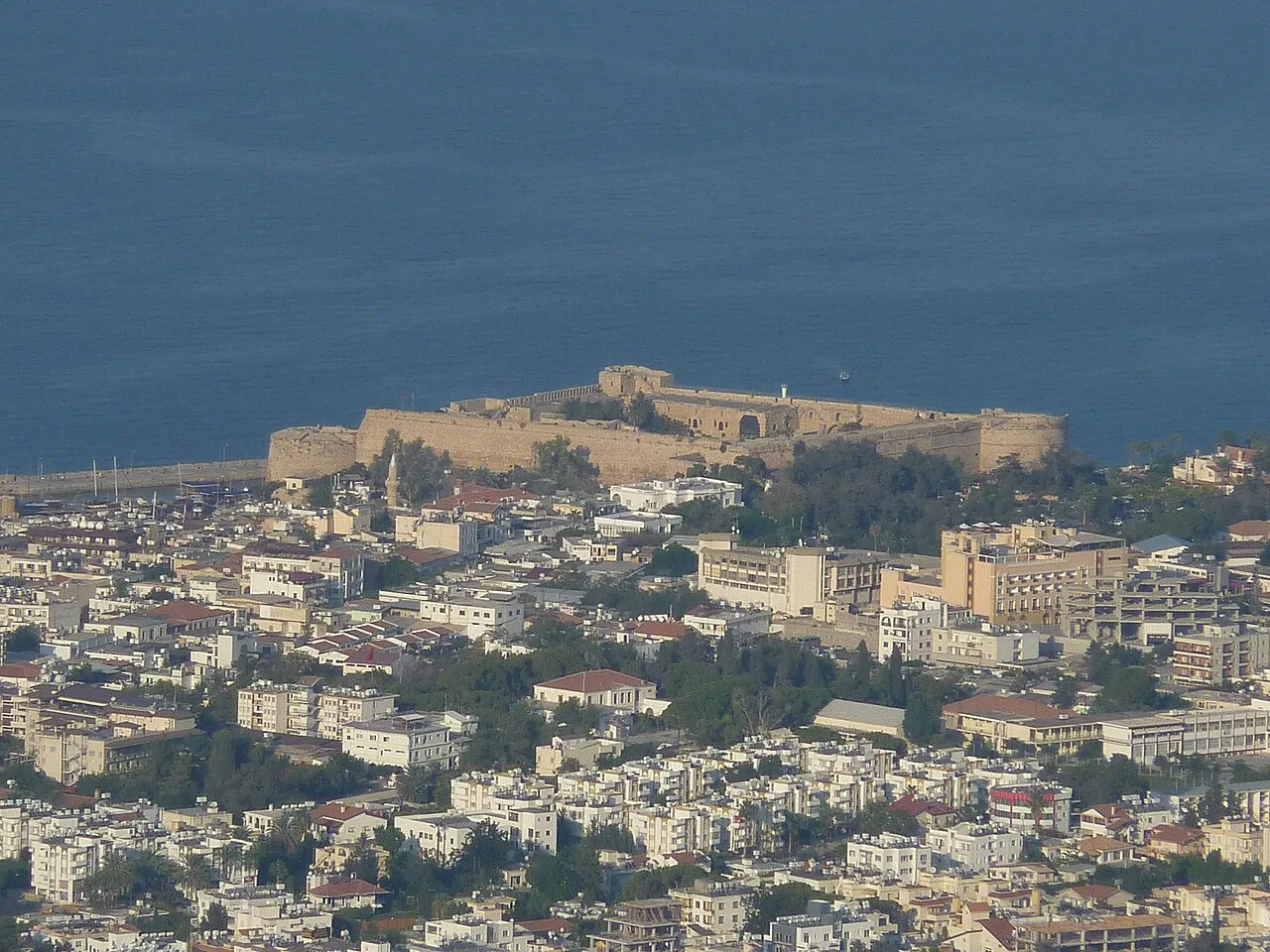
The castle dominates the harbour with its four-sided, or tetragonal, plan and thick defensive walls, and it is one of the most complete fortresses on the island. The earliest historical mention dates to 1191, when Richard the Lionheart captured it during his passage to the Third Crusade and defeated the local ruler Isaac Comnenus. Archaeology points to a Byzantine fortification on the site from around the seventh century, built against Arab sea raids, though the exact date of the first construction is uncertain.
The setting matters as much as the masonry. The castle fronts the working harbour, so you can walk the waterfront, look back at the walls, and go in without a car. If you are building a wider day around the town, the other stops fit around the castle rather than competing with it.
How to get there and where you enter
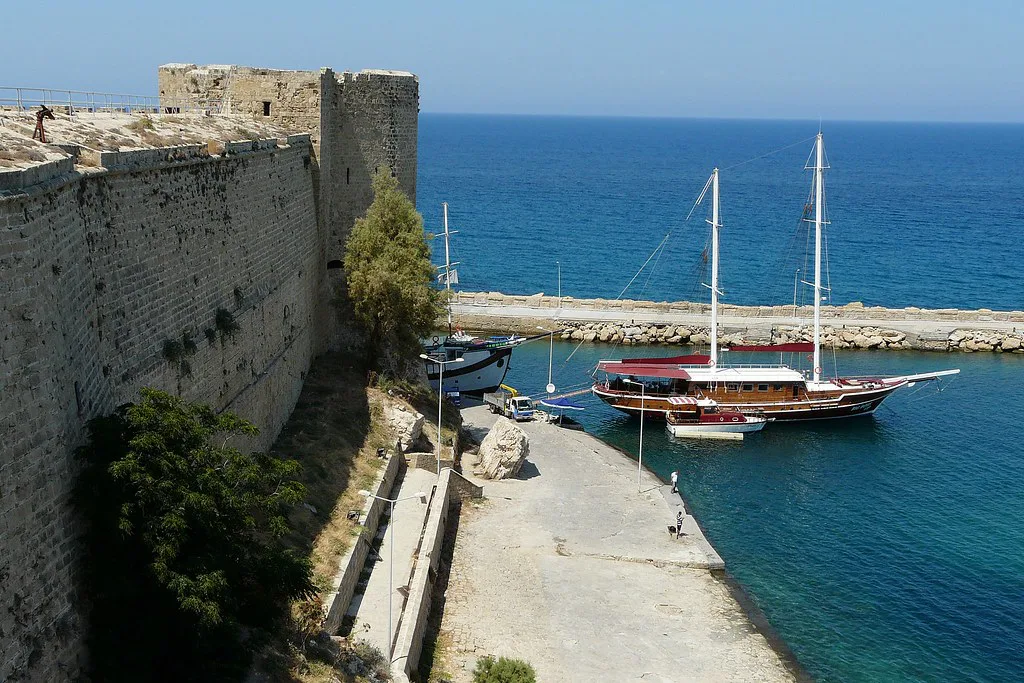
Visitors enter through the north-west gate, crossing a bridge over the moat into a vaulted corridor that leads to the main entrance of the Lusignan castle. A moat runs along the landward side, so the approach on foot is short but reads as a proper defended entrance. In town, use the harbour as your landmark and walk round to the gate rather than trying to park beside it.
Kyrenia is compact enough to cover on foot once you are in the centre, and the harbour area gives you a clear fixed point for finding the castle entrance. Allow extra time in high summer: the courtyard and ramparts are exposed, and there is little shade on the walls.
Three building phases you can read in the walls
The structure layers Byzantine, Lusignan and Venetian work, and knowing the order makes the walls legible. Byzantine masonry and defensive walls survive in the southern parts of the castle, from the original coastal stronghold. The Lusignans then expanded the fortress under King John d'Ibelin between 1208 and 1211, adding a new entrance, square and horseshoe-shaped towers, archer embrasures and dungeons.
The castle's medieval life was not peaceful: a Genoese attack in 1373 nearly destroyed it, and a fifteenth-century siege lasted nearly four years. After Richard the Lionheart took the castle in 1191, it passed to the Knights Templar and then to Guy de Lusignan, opening the Lusignan period that ran from 1192 to 1489.
In 1570 the castle surrendered to the Ottoman Empire without resistance, and Admiral Sadik Pasha, who led the conquest of Kyrenia, is buried there. British colonial rule later turned the building into a police barracks, training school and prison before it opened to the public after independence in 1960.
The Venetian defences: thick walls, gun ports and ramps
When the Venetians took control of Cyprus in 1489 they rebuilt the castle for gunpowder artillery, a programme completed around 1540. They thickened the walls, cut embrasures for cannon and set gun ports at several levels, including against landward attack. Long internal ramps let defenders move artillery up to the battlements, and the entrance was strengthened with the bridge over the moat.
Walk the ramparts for the clearest view of how the defences work, then look back at the harbour from the seaward side. The moat, the bridge and the gate sequence make more sense once you have seen them from above.
The Shipwreck Museum and what else the castle holds
The Kyrenia shipwreck museum is the interior highlight for most visitors, housed within the castle, which is cared for by the Girne Department of Antiquities and Museums. The castle also holds collections of icons from local churches, so the interior is not only military architecture.
If religious art is your reason for coming, the Kyrenia icon museum in town is a separate stop with its own collection. Build it into the same day rather than expecting it inside the castle.
The Church of St George and its reused columns
Inside the grounds stands the Church of St George, a cruciform building possibly dating from the eleventh or twelfth century. Its dome rests on marble columns with carved Corinthian capitals, classical pieces reused from earlier structures. The Venetians enclosed the church within the castle during their modifications, which is why a religious building sits inside a gunpowder fortress.
The courtyard, arched rooms and royal apartments
The large inner courtyard is ringed by arched rooms that served as guardrooms, stables and living quarters in the Lusignan period. To the west of the courtyard, the royal apartments keep large arched windows typical of Lusignan work, a reminder that the castle was a residence in peacetime as well as a refuge in war.
Treat the courtyard as your base: it links the church, the museum and the ramps, and it is the one place where you can sit and regroup between stops. The arched rooms around it are quick to look into but easy to blur together, so pick the ones with interpretive panels.
How long a visit takes and when to go
Budget two to three hours: roughly forty-five minutes for the walls and courtyard, the same again for the Shipwreck Museum and the church, and the rest for the ramparts and photos over the harbour. If you only want the walls and the view, an hour is enough. Go early in the day or late in the afternoon in summer, because the courtyard and battlements are exposed and the stone holds heat.
Tickets and opening hours
The castle is run by the Girne Department of Antiquities and Museums, which sets the current opening hours and ticket prices; check them with the Department or at the gate before you plan the day around a visit. Hours can shift with the season, so a time that worked on a previous trip is not a reliable guide.
North Cyprus uses the Turkish lira, and euros and sterling are often accepted in tourist areas, so carry some cash for small entries even if you plan to pay by card. Confirm the accepted currency at the ticket desk.
Nearby: the harbour, Bellapais and St Hilarion
The old town around the castle still shows stretches of the Lusignan walls and towers that once ringed Kyrenia, so a short walk inland adds context to what you have just seen. The harbour itself is the obvious next stop, with the castle walls behind you and the waterfront ahead; our Kyrenia Attractions: 7 Visitor Guides collection links the other stops.
Bellapais Abbey, a thirteenth-century foundation, sits a few minutes' drive from Kyrenia and makes a natural half-day pairing with the castle. St Hilarion Castle, one of the castles above the town, offers big views over Kyrenia, while Buffavento Castle sits further along the same ridge.
West of Kyrenia lie the citrus orchards and forest of the area often called the garden of north Cyprus, with the Roman settlement of Soli and the Persian palace of Vouni among the archaeological stops. These are drives rather than walks, so plan them as a separate outing from the castle.

Is Kyrenia Castle worth your morning?
Yes, if you want one compact sight that explains Kyrenia's harbour and its medieval and Venetian defences, with a museum and a church inside the same walls. Two to three hours covers it properly; an hour gets you the ramparts and the view.
Pair it with a harbour walk and one upland add-on, either Bellapais or St Hilarion, and you have a full day without rushing. Check the Department's current hours and ticket price before you set out.
Explore more Kyrenia guides
Frequently Asked Questions
Is Kyrenia Castle the same as Girne Kalesi?
Yes. Girne is the Turkish name for Kyrenia, so Girne Kalesi simply means Kyrenia Castle. The castle stands at the north-east end of the old harbour in north Cyprus.
How much time should I allow for Kyrenia Castle?
Two to three hours is a comfortable visit: the walls, the courtyard, the Church of St George and the Shipwreck Museum. If you only want the ramparts and the harbour view, an hour is enough.
Can I visit Kyrenia Castle without a car?
Yes. The castle sits on the harbour in the town centre, so you can reach the north-west gate on foot once you are in Kyrenia.