North Nicosia (Lefkoşa): What to See on a Half-Day Crossing
Plan a half day in North Nicosia (Lefkoşa): the Venetian walls, Selimiye Mosque, Büyük Han and Samanbahçe, plus crossing the Green Line on foot.
On this page
North Nicosia, or Lefkoşa, is the northern half of the island's divided capital, and a half day on foot covers its compact walled old town comfortably. Everything worth seeing in the historic core sits inside a 16th-century Venetian circuit that is still in excellent condition. This guide sets out the pedestrian crossing, then groups the sights in the order you meet them walking in from the south, with time needed and money practicalities at the end.
What North Nicosia is and how it differs from the south
The city has been split since the 1960s and 1970s, and the United Nations-controlled buffer zone separates the northern half from the Republic's capital to the south. North Nicosia is the larger of the city's two parts and the capital of the north, and its old town has a distinctly more Ottoman and Turkish character than the Greek Cypriot side. English is widely understood alongside Turkish, so sign-reading and ordering are not obstacles.
Practically, that means two things for a visitor. First, the north feels calmer and cheaper than the south, with noticeably lower prices in shops and cafés. Second, the old town is small: the walls enclose a walkable grid of meandering lanes where almost nothing has changed for decades. Treat the northern half as a distinct destination rather than a suburb of the south, and time it as its own outing.
If you are shaping a wider stay, the split city is one of several reasons the capital rewards more than an afternoon; the Nicosia Old Town guide and the question of how many days in Nicosia do you need cover the trade-offs against day trips. North Nicosia fits best as a half-day add-on to a south-side stay.
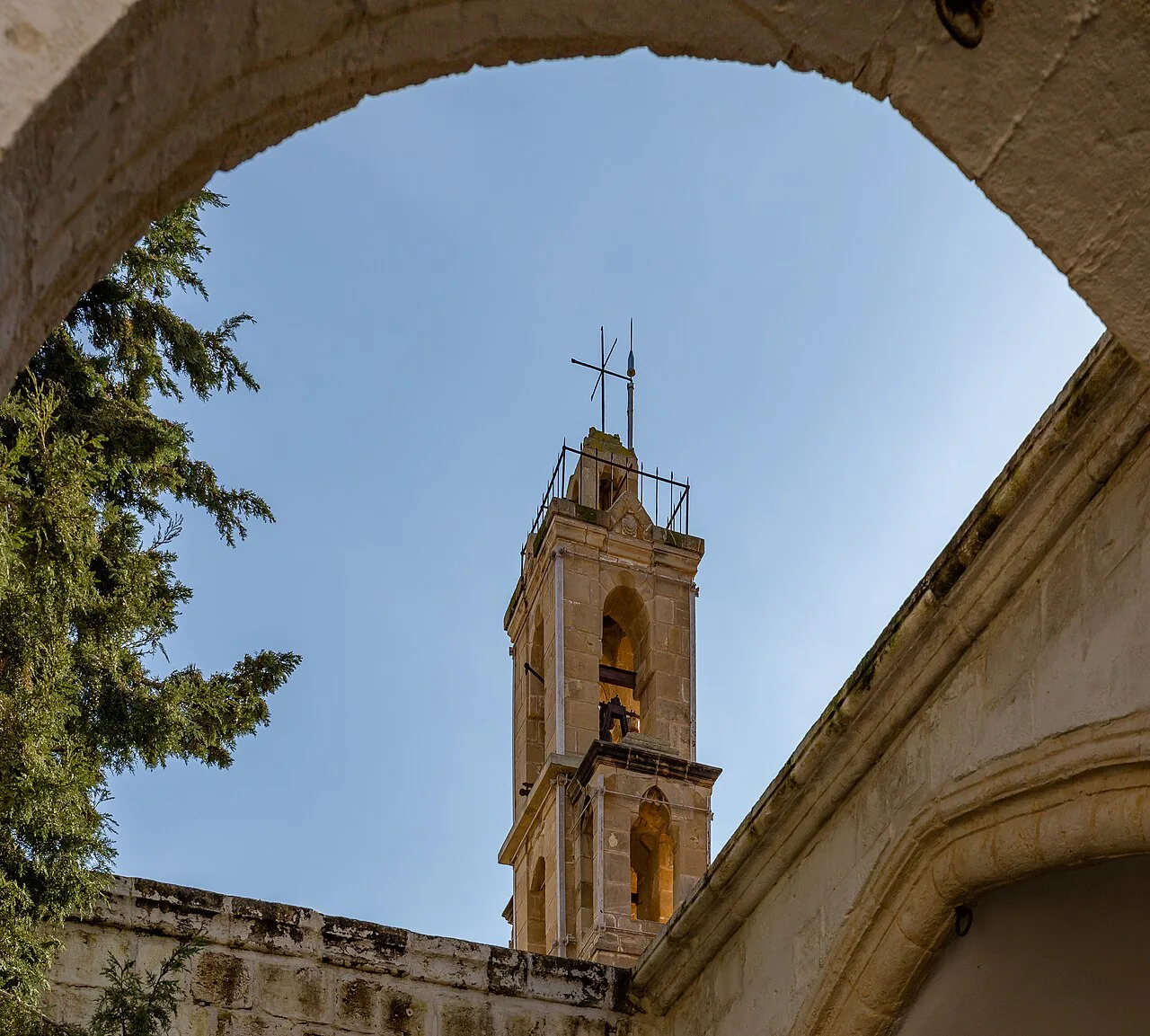
Crossing the Green Line on foot from South Nicosia
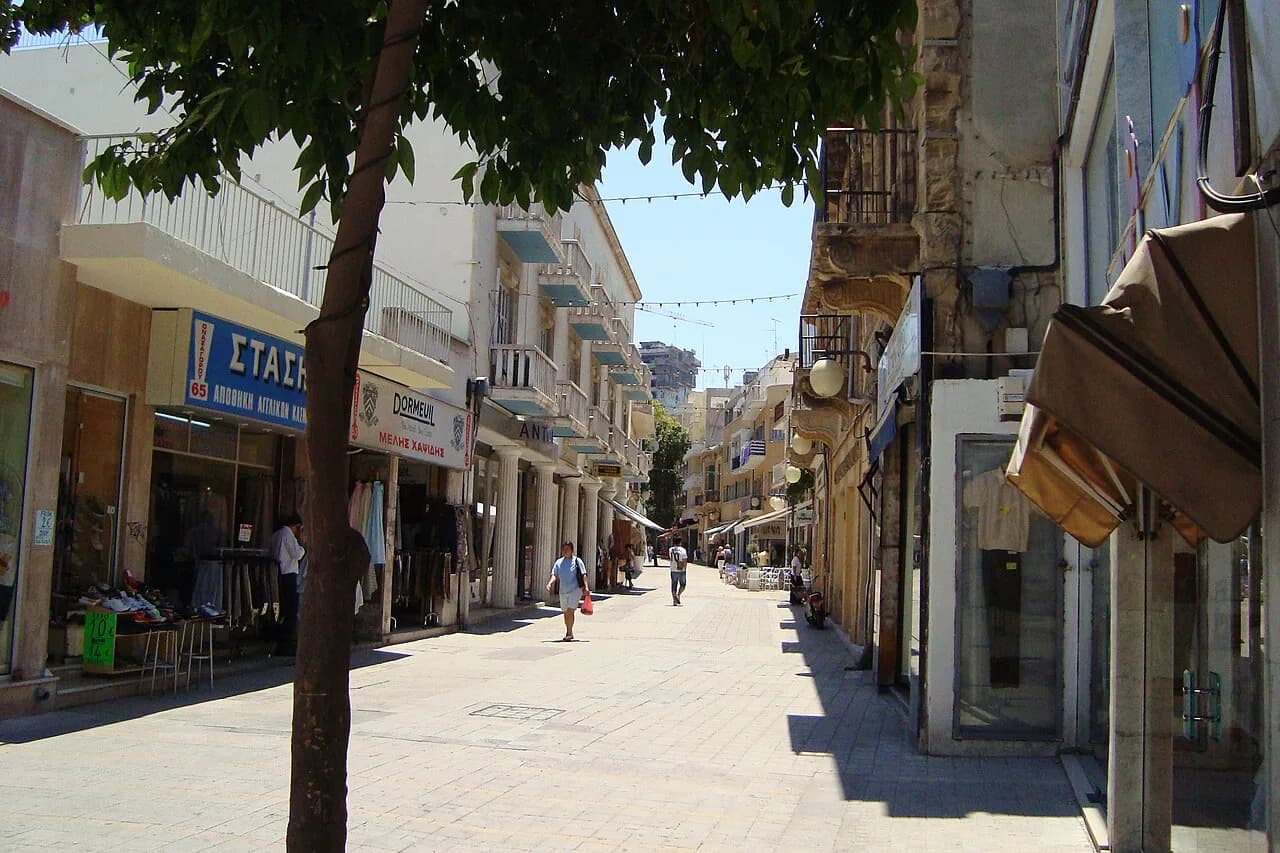
The practical route is the pedestrian crossing in the Old Town, which links the southern shopping streets near Ledra Street to the northern old town. Plenty of visitors to the north arrive this way, on foot, and the crossing points have been open since the 2000s, with cross-border traffic now routine. Carry your passport: this is a crossing between two administrations, and the formalities happen at the barrier.
Expect a short walk through the buffer zone rather than a checkpoint hall, then a northern streetscape that shifts within a few dozen metres. The old town beyond the crossing is noticeably cheaper than the south, which is one reason residents from both sides move across for shopping and day trips. You can walk the whole half day without a car, and that is the sensible choice.
Allow for the crossing itself in both directions; it is quick, but it is not instant, and it is the part of the day most likely to absorb slack time. For a fuller picture of the southern approach streets before you cross, the Nicosia old town guide covers the layout on the other side.
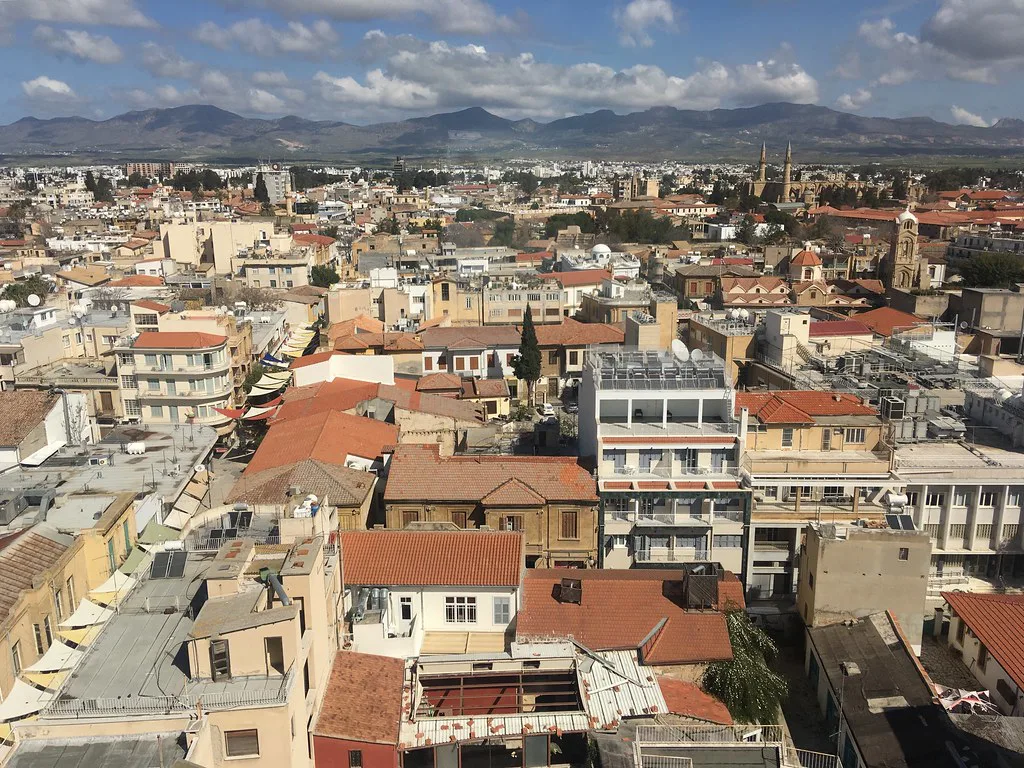
The Venetian walls and Girne Kapısı (Kyrenia Gate) as your orientation points
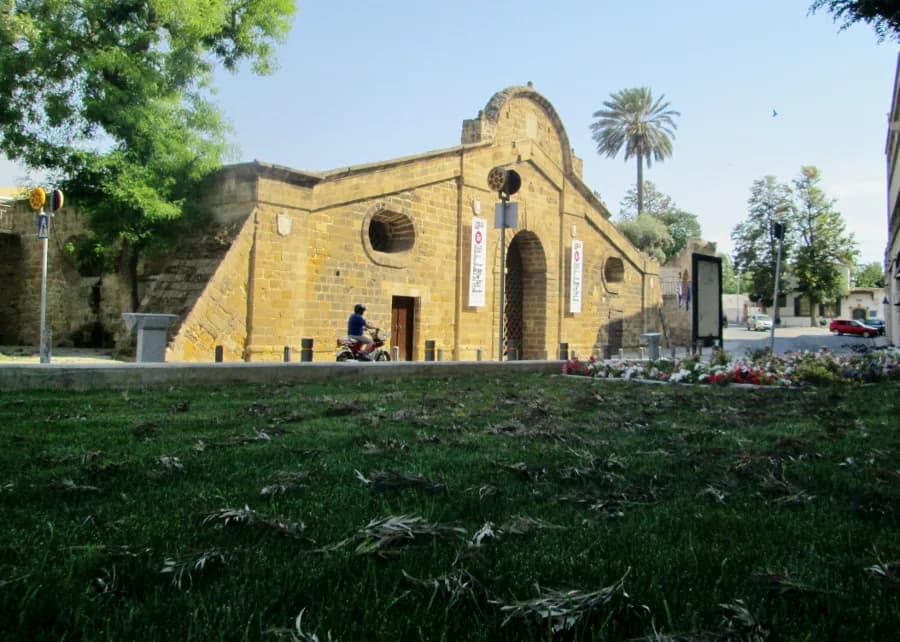
The Venetians built the wall that encircles the old town in the 16th century, and it survives in excellent condition, keeping the old town intact inside it. Use the circuit as your mental map: almost every sight on this page sits within a short walk of the line. Walk it alongside on foot and you get a clear edge to the day.
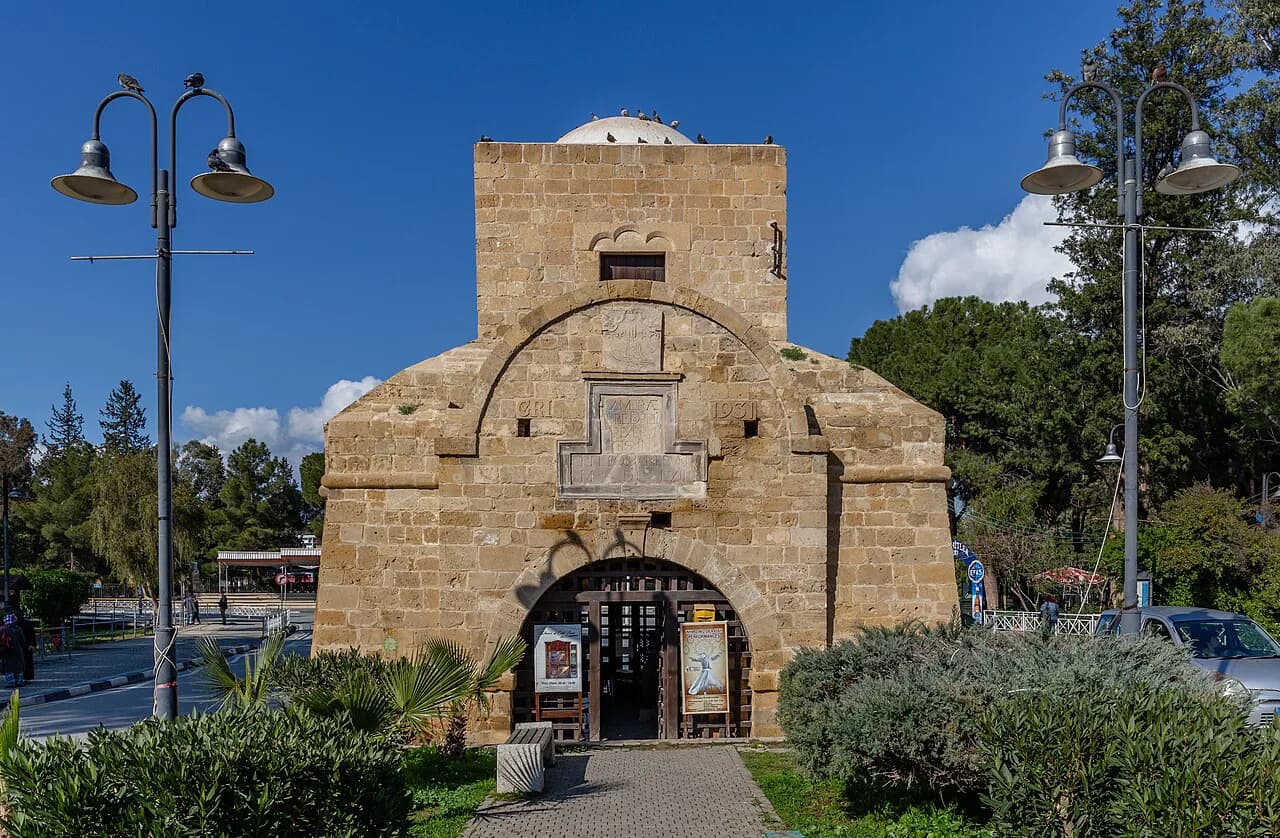
Girne Kapısı, the Kyrenia Gate, is the northern exit of the walled city and the most useful landmark on that side. Once you have found it, the Selimiye Mosque and Büyük Han lie a few minutes south-west, and the Samanbahçe lanes a few minutes north. Fix the gate in your head and the rest of the old town falls into place.
A walking loop that starts at the crossing, touches the gate, and returns by the mosque and the inn keeps you inside the walls the whole time. If you want the southern half of the city worked into the same day, the walking tour covers the sequence on that side.
Selimiye Mosque: the Gothic cathedral exterior turned mosque
The Selimiye Mosque is the old town's most striking building, a Gothic cathedral adapted into a mosque, with the original cathedral shell still visible on the outside. The conversion is the point of interest: you are looking at one building that carries two centuries of use, and the exterior is the part to read carefully.
It sits a couple of minutes from Büyük Han, so the two make a natural pair. Dress as you would for any working place of worship, and check access around prayer times rather than assuming the doors are open all day. Other churches in the city, north and south, repay a similar kind of attention.
Büyük Han: the 1572 Ottoman inn, now a courtyard of artisan shops and cafés
Büyük Han, the Great Inn, was built by the Ottomans in 1572 and is now a courtyard lined with artisan shops and cafés. The appeal is the shape of the place as much as any single stop: two storeys around an open square, still legible as a stopping place for travellers. It is the obvious spot for a coffee or a late lunch in the middle of the half day.
Because the courtyard is a working cluster of small businesses, treat it as a place to pause rather than a ticketed attraction; buy something and sit. Many of the northern old town's small stops work the same way, which keeps a half day affordable. If you want the free options laid out by area, free things to do in Nicosia lists them by neighbourhood.
Samanbahçe quarter and the old town lanes on foot
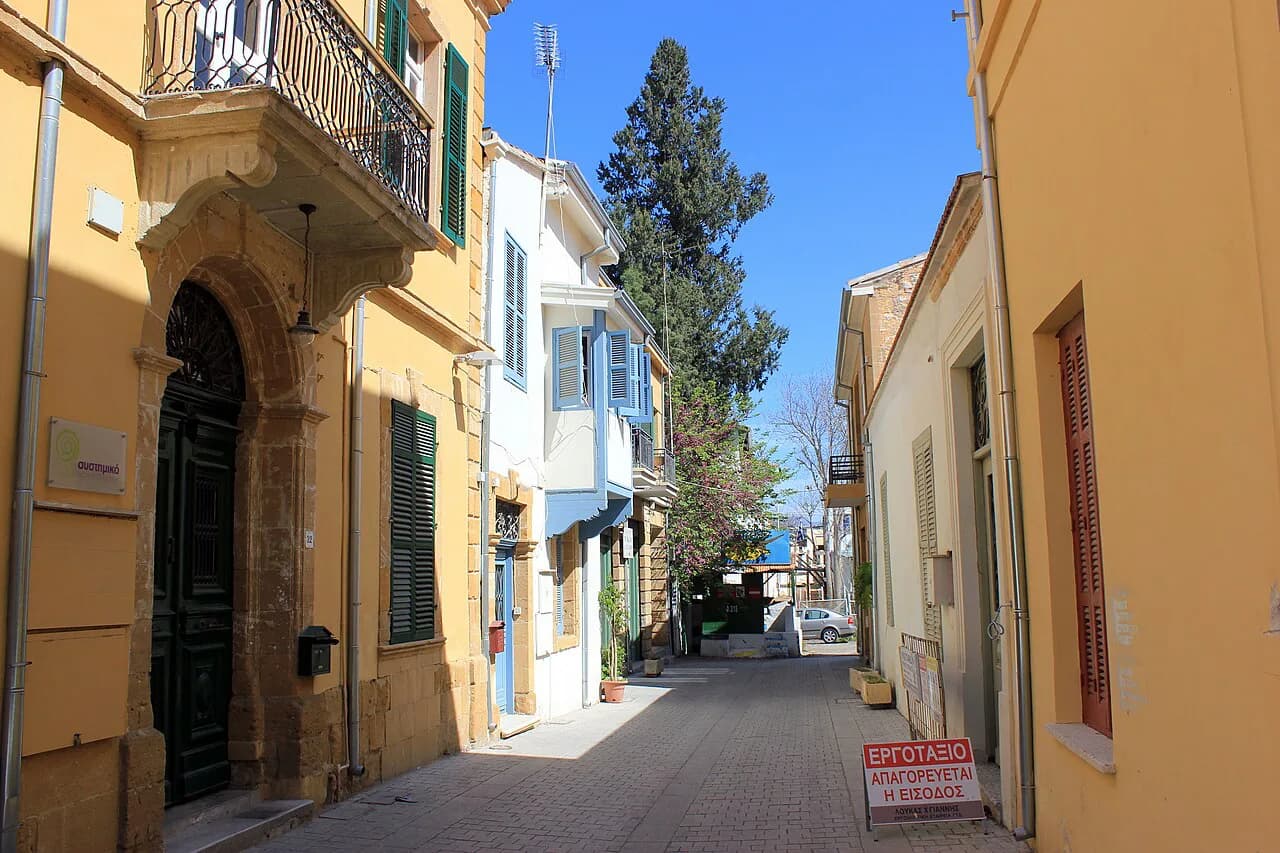
The Samanbahçe quarter is a small grid of old houses just north of the commercial lanes, and it is the best place in the north to feel how little the old town has changed. Walk it slowly and without a target: the streets meander, and the architecture is the sight. This is where a half day earns its keep, between the two big set pieces.
The lanes around Büyük Han and the gate are also where you will notice evidence of the city's recent past, including walls still marked by older damage. Note it and move on; the old town is a lived-in place and the practical advice is simply to keep your route loose. For a broader framing of this part of the city before you go, the Nicosia history page sets the context.
Sun exposure matters here more than distance: the lanes are narrow but the squares are not, so a morning start is more comfortable than an afternoon one. Heat planning for the capital is covered in detail in the weather pages, including Nicosia weather October and weather August.
The old town's Turkish bath house and other historic sights
A Turkish bath house roughly four centuries old stands in the old town, and it is one of the sights the north keeps that the south does not. Whether you go in or simply look at the exterior depends on time and your appetite for a bathing stop, so treat it as optional on a half day.
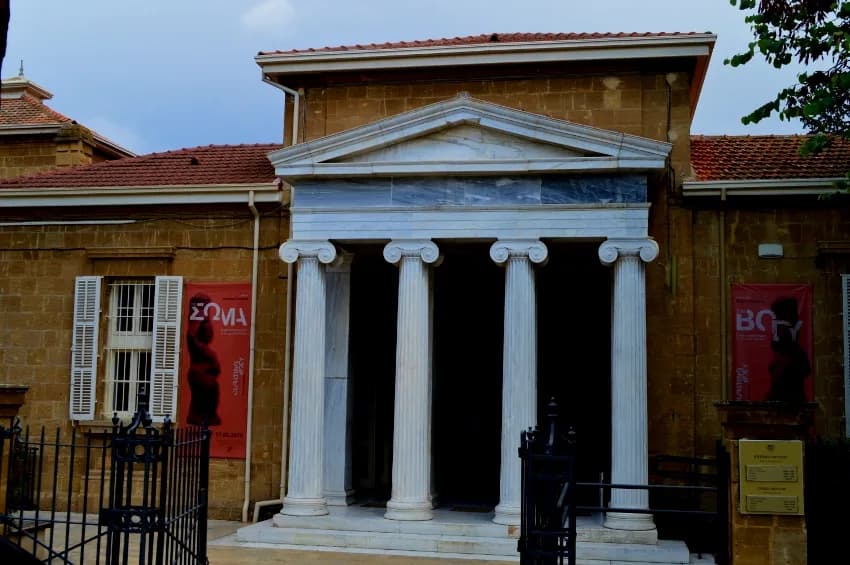
The wider walled city also has the Venetian column, the old quarters around the gate and a set of small museums, several of which deal directly with the division of the island. Those museums are worth an hour if you have a full day, not a half. The museums in Nicosia guide sets out the south-side collections, which pair naturally with a northern afternoon.
How much time North Nicosia needs for a half day versus a fuller day
A half day is enough for the crossing, Girne Kapısı, Selimiye Mosque, Büyük Han and a wander through Samanbahçe, with a coffee stop in the courtyard. Add the bath house exterior and the lanes north of the gate and you have filled three to four hours at an unhurried pace. That is the version most visitors should plan.
A full day lets you take in one of the small museums on the division, eat a proper lunch, and still cross back with daylight to spare. The trade-off is attention: the north's old town is small, and beyond the sights listed here the day starts to look like the south's. Compare the two halves and decide where the extra hours go.
Money and language: Turkish lira, euro acceptance and English in the old town
The Turkish lira is legal tender in the north, and the euro is also widely accepted. Carry some lira for small purchases and keep euros for convenience, but treat the lira as the default for pricing and change. English is widely understood, so language is not a barrier in shops and cafés.
Budgeting is straightforward: the northern half is markedly cheaper than the south for the same kind of purchase, which is part of why a half day here feels good value. For the mosque, the inn and the bath house, confirm current visiting arrangements once you are at the door on the day you cross. Opening times at individual businesses vary, so reading a door is part of the routine rather than a failure of planning.
Is North Nicosia worth adding to a Nicosia visit? Honest trade-offs
Yes, for most travellers already in the capital: the crossing is easy on foot, the old town is compact, and the architecture is genuinely different from the south. The trade-off is depth. If you have only one day in Nicosia and want the Cyprus Museum and the southern old town, the northern half is the part to cut.
If you have a second day, spend a morning in the north and the afternoon south of the line, and you will see two quite different cities inside one walled circuit. For the southern half in detail, the Nicosia Attractions: 11 Visitor Guides hub covers each major sight.
Which half of the day goes north?
Give the north the morning of your second day in Nicosia: cross early at the Old Town pedestrian point, walk the gate, mosque, inn and Samanbahçe in that order, and be back through the barrier before the heat of the afternoon. Carry your passport and some Turkish lira, keep the afternoon free for the south side, and the Green Line crossing guide covers the formalities in more detail.
Frequently Asked Questions
Do I need a car to see North Nicosia?
No. The pedestrian Old Town crossing puts you inside the walled city, and Girne Kapısı, Selimiye Mosque, Büyük Han and Samanbahçe are all within a short walk of each other. A car is a liability in lanes this narrow.
Sources
Notes for your Cyprus trip
Optional updates to our Cyprus guides.
You might also like
Continue reading
More guides you'll find useful