
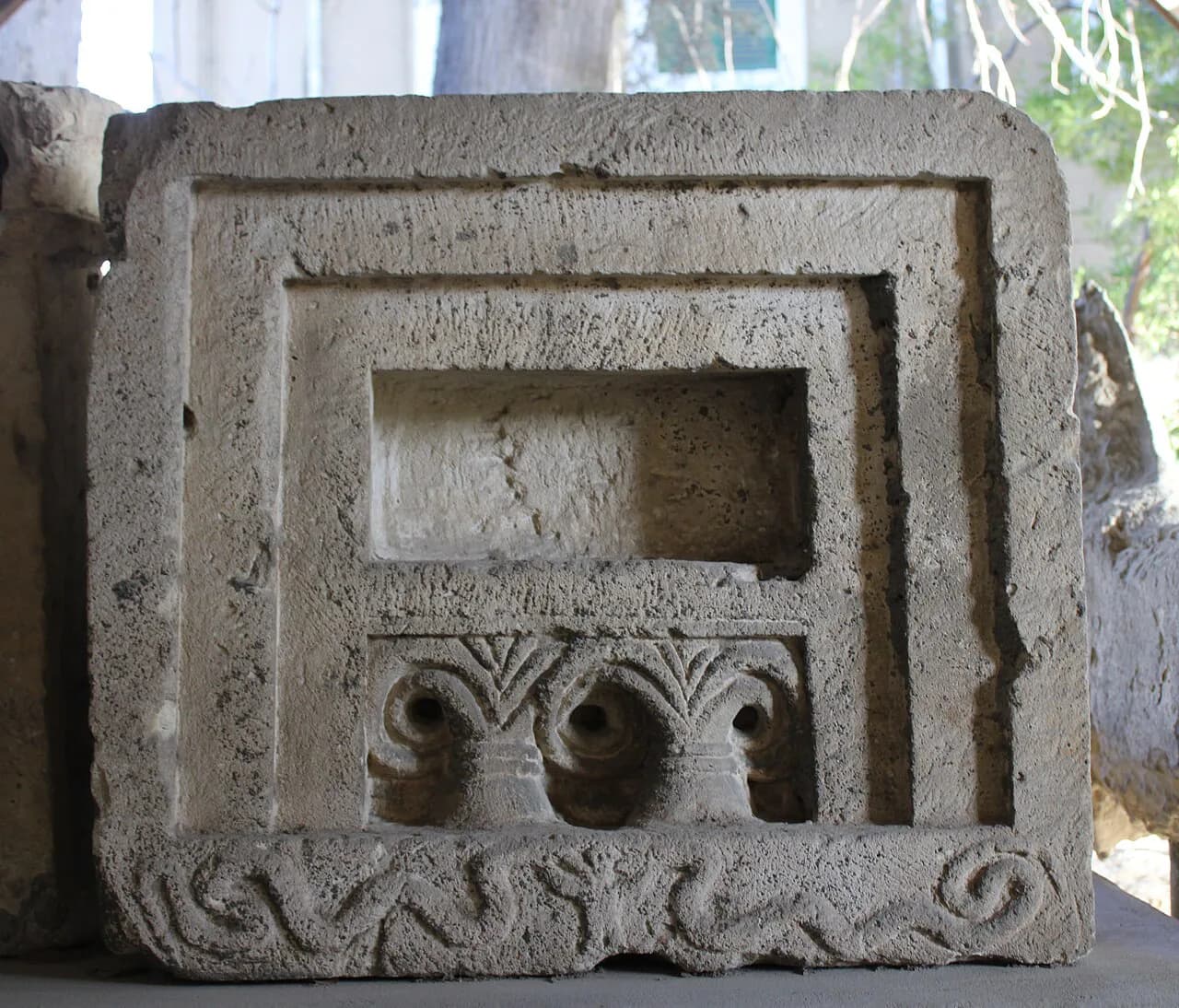
Cyprus Museum, Nicosia: A Visitor Guide to the Island's Antiquities

The Cyprus Museum is Nicosia's flagship archaeological collection, spanning the island's past from Neolithic settlements to Roman art. Budget roughly two hours for a focused visit. This guide covers where the museum sits, how to reach it from the old town, what to see first, and what else is close by. If you are building a day around the capital, see the wider set of Nicosia Attractions: 11 Visitor Guides.
It is a Department of Antiquities museum, founded on 15 June 1882, which gives it an institutional weight that smaller private collections in Cyprus do not have. That history shapes what you see: a collection built up through early excavation and acquisition rather than a modern curated narrative. Read the labels as a sequence through the island's periods and it rewards the effort.
Where the museum is in Nicosia
The museum is at Mouseiou 1, Nicosia 1097, which makes it straightforward to pin for a taxi or a map search. It sits on the western side of the city centre, and you can pair it with a wander through the old town rather than treating it as a separate trip.
The museum lies west of the walled old town, so arriving on foot is usually simpler than driving in and hunting for a space. If you are building a day around the capital, look at the wider set of Nicosia Attractions: 11 Visitor Guides to slot the museum in alongside the streets and monuments nearby, including The Venetian Walls of Nicosia.

Opening hours and tickets: confirm with the Department of Antiquities
Hours and admission are set by the Department of Antiquities, so confirm them on the Department's own pages for the Cyprus Museum before you travel. Check the calendar for your date if you are visiting around a public holiday, when museums often run special schedules.
If you are coming for a particular gallery, check the Department's site in the days before your visit. That is the most useful precaution for a museum of this size.

What to see first: the Agia Irini terracottas and Bronze Age finds
Start with the terracotta figures from Agia Irini, the museum's signature holding and the image most visitors carry away. The Bronze Age treasures give the collection its depth, and they sit naturally alongside the Agia Irini figures in a first pass.
The collection was assembled from the late nineteenth century onwards, with early digs and acquisitions feeding the displays, including material recorded in the museum's nineteenth-century cataloguing work. Knowing that helps you read the cases as a history of Cypriot archaeology as well as of Cyprus itself. Look for the sequence of periods rather than trying to see every object.
Roman sculpture and later galleries
The later rooms carry the museum from the prehistoric into the classical and Roman world. This is where the collection broadens from votive figures into portraiture and carved stone. If your time is short, treat these galleries as your second priority after the Agia Irini material.
The museum's own catalogue tradition goes back to the nineteenth century, when scholars produced the first systematic catalogue of the collection, and the labels reflect that long scholarly attention. Read the case notes for context on where objects were found, since findspot is often the most interesting fact on the card. Photograph the labels you want to follow up rather than trying to memorise them.
How long to allow, and when to go
Two hours is a comfortable pass through the main galleries; three hours suits anyone reading every label. The museum is an indoor stop, which makes it a sensible choice for the middle of a hot Nicosia day when walking the old town loses its appeal.
Pair the museum with a shorter outdoor walk rather than stacking two museums back to back, since the collection is dense and fatigue sets in quickly. If you only have a half-day in Nicosia, give the museum the larger share and leave the streets for a late-afternoon wander. That balance keeps the visit sharp.
Nearby: the old town, Ledra Street and the Green Line
Ledra Street runs through the old town to the crossing point over the Green Line and is an obvious next stop after the museum. The street gives you shops, cafés and the sense of a divided capital in one stretch. Read the Ledra Street, Nicosia guide before you go if you want the crossing procedure and the layout in advance.
The Venetian Walls of Nicosia trace the circuit of the old city and make a natural walking frame for a day that starts at the museum. The Famagusta Gate is one of the surviving gates in that circuit, on the eastern side of the old town. Both give you a way to read the shape of the city after the museum has supplied its chronology.
Crossing into the north means showing a passport at a Green Line crossing point, and hire-car insurance often excludes the north unless you arrange cover in advance. Check with your rental company before driving across. The Republic uses the euro, while north Cyprus uses the Turkish lira, so carry a little cash in both currencies for a crossing day.
Getting there: walking, buses and the city centre
Central Nicosia is dense and parking is tight, so walking in from the old town or the modern centre is usually simpler than bringing a car to the museum door. Buses serve the city centre; check the operator's current information for routes and timetables. If you do drive, parking outside the walls and walking in is the easier pattern.
A taxi drops you at the Mouseiou entrance. For a group of three or four it can be simpler than finding parking. Keep the address handy to show the driver.
Is the Cyprus Museum worth a half-day in Nicosia?
Yes, if you want one place that explains the island's archaeology before you visit the sites themselves. The Agia Irini terracottas and the Bronze Age rooms justify the trip on their own, and the central location means it costs you little time to fit in. Check the Department of Antiquities for current hours and tickets, then build the rest of your day around the old town's streets and walls.
Explore more Nicosia guides
Frequently Asked Questions
Is the Cyprus Museum free?
Admission and any reductions are set by the Department of Antiquities, which publishes the current ticket price for the Cyprus Museum. Check its pages before you travel rather than relying on older guides.
How long does the Cyprus Museum take to see?
Allow about two hours for a comfortable pass through the main galleries. Three hours covers the collection more thoroughly if you read the labels. It is an indoor stop, so it works well in the middle of a hot day.
Where exactly is the Cyprus Museum in Nicosia?
It is at Mouseiou 1, Nicosia 1097, west of the walled old town, so you can reach it on foot from the centre without needing a car.
Can I walk from the Cyprus Museum to the Green Line crossing?
Ledra Street and its crossing point over the Green Line are in the old town, a walk from the museum. Take your passport, and if you are driving check your hire-car insurance covers the north before you cross.