
Lapidary Museum, Nicosia: What to See at the Medieval Lapidary Museum

The Lapidary Museum in North Nicosia is a small museum of carved stonework housed in an old building in the walled city, a short walk from Selimiye Camii and the Bedesten. It is not a stand-alone destination but an easy stop on a walking loop of Lefkoşa's historic centre. This guide covers where it sits, what is inside, how long to allow and which nearby sights fit around it.
Set your expectations by the name: this is a lapidary collection, meaning worked and carved stone, rather than a general history museum. Most of the pieces are architectural fragments, and the building itself is part of the appeal. Treat it as a 20- to 30-minute look between larger sights.
What the Lapidary Museum is
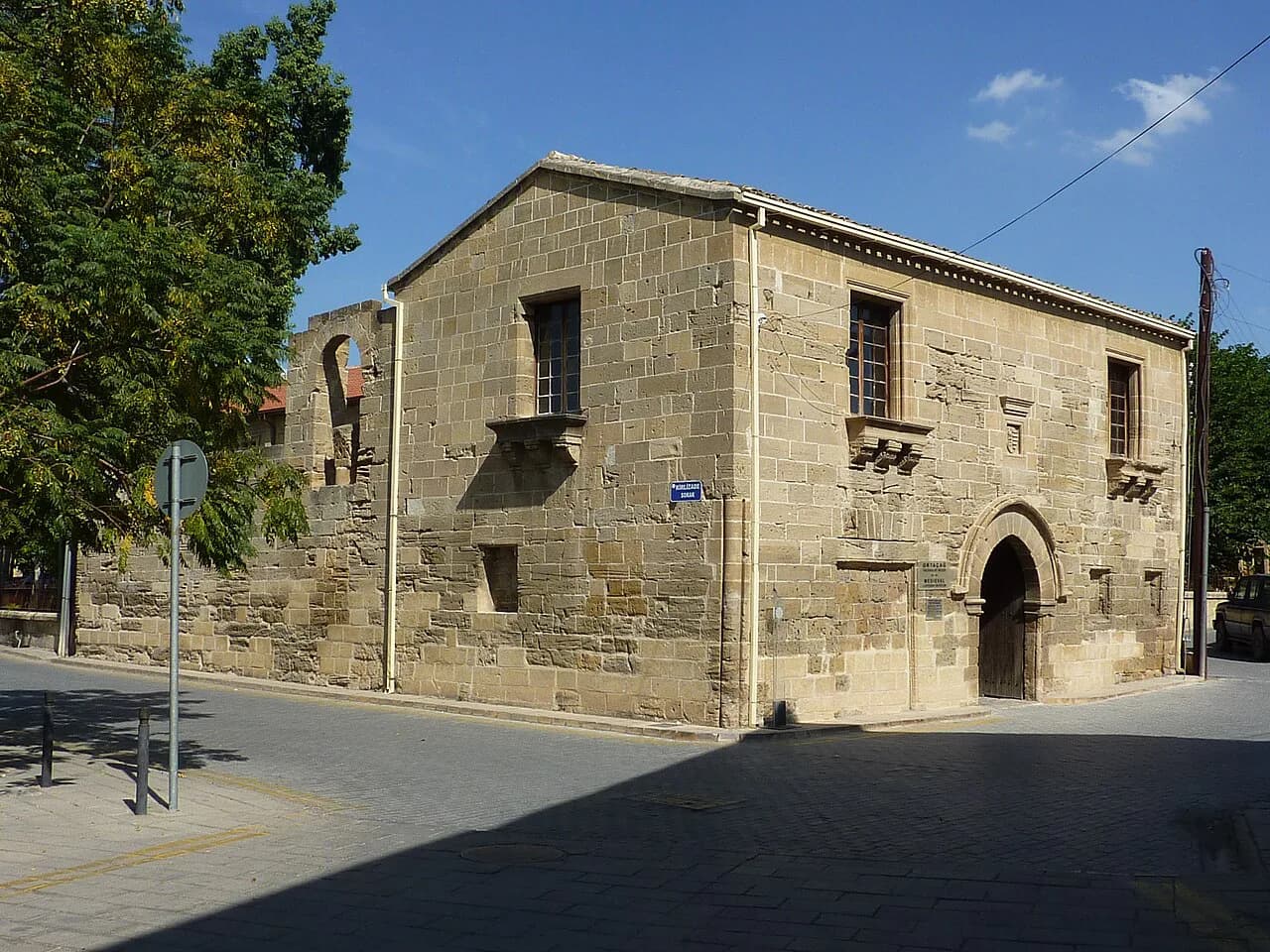
The museum's core is a collection of carved stonework displayed in a medieval building in North Nicosia. The building is known as the Medieval Lapidary Museum and stands among the dense cluster of historic buildings just north of the Green Line, a short step from the Ledra Street, Nicosia crossing point.
The building itself is old: it has been described as an ancient structure near St Sophia that was at one period thought to have been Venetian, though that attribution is not settled. Read the building as a historic shell adapted for display rather than as a purpose-built gallery, and let the stone pieces carry the visit.
In practical terms, it is one room-scale stop in the old city, best combined with the mosques and hans around it. If you are already exploring the walled city on foot, it costs little in time to add.

Where it is in North Nicosia
The museum lies in the old city of North Nicosia (Lefkoşa), close to Selimiye Camii and the Bedesten. Mapping places it a short distance from Haydarpaşa Camii and roughly 200 metres from the Bedesten and Selimiye Camii.
Its position makes it a natural hinge between the Selimiye quarter and the streets leading to Büyük Han. If you are working from a map, search for the Medieval Lapidary Museum by name and use the surrounding mosques as landmarks.
The whole setting is inside the walled city, so the museum fits a walk rather than a drive. Parking in the old city is tight, and the lanes around Selimiye are better covered on foot.

How to get there from the Green Line
The simplest approach is on foot from the Ledra Street crossing. The south's Ledra Street leads to the checkpoint, and once across you are in the northern old city with the Selimiye area within easy walking distance, on the far side of the Green Line.
Bring your passport for the crossing and allow time for the formalities in both directions. Once through, follow the main pedestrian streets north towards Selimiye Camii and the Bedesten, and the museum sits in that immediate cluster.
If you are arriving by car, the Venetian Walls of Nicosia define the old city's edge and help you orient yourself before you park and walk in. Treat the walls as your reference ring rather than a route.
What to see inside
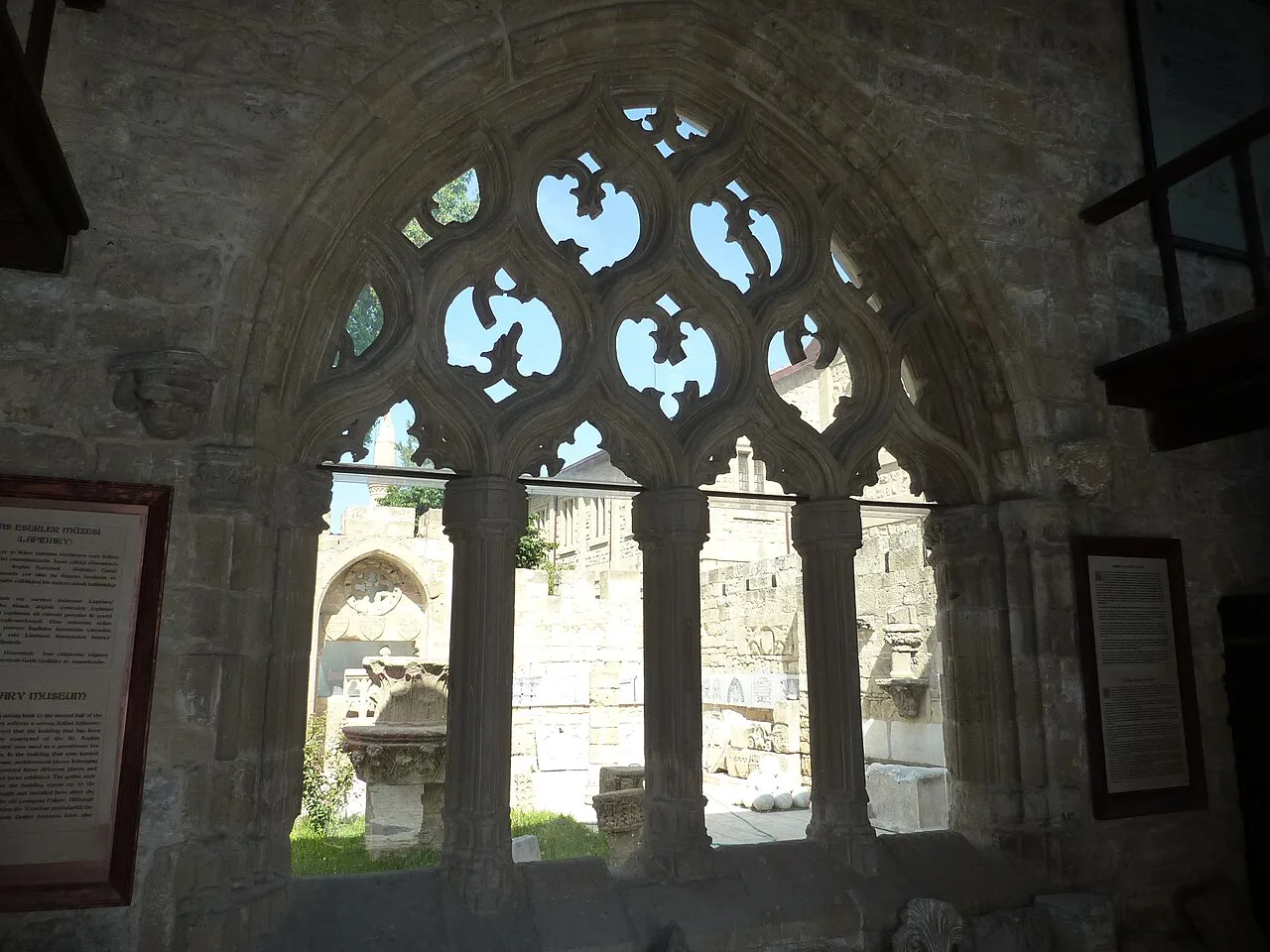
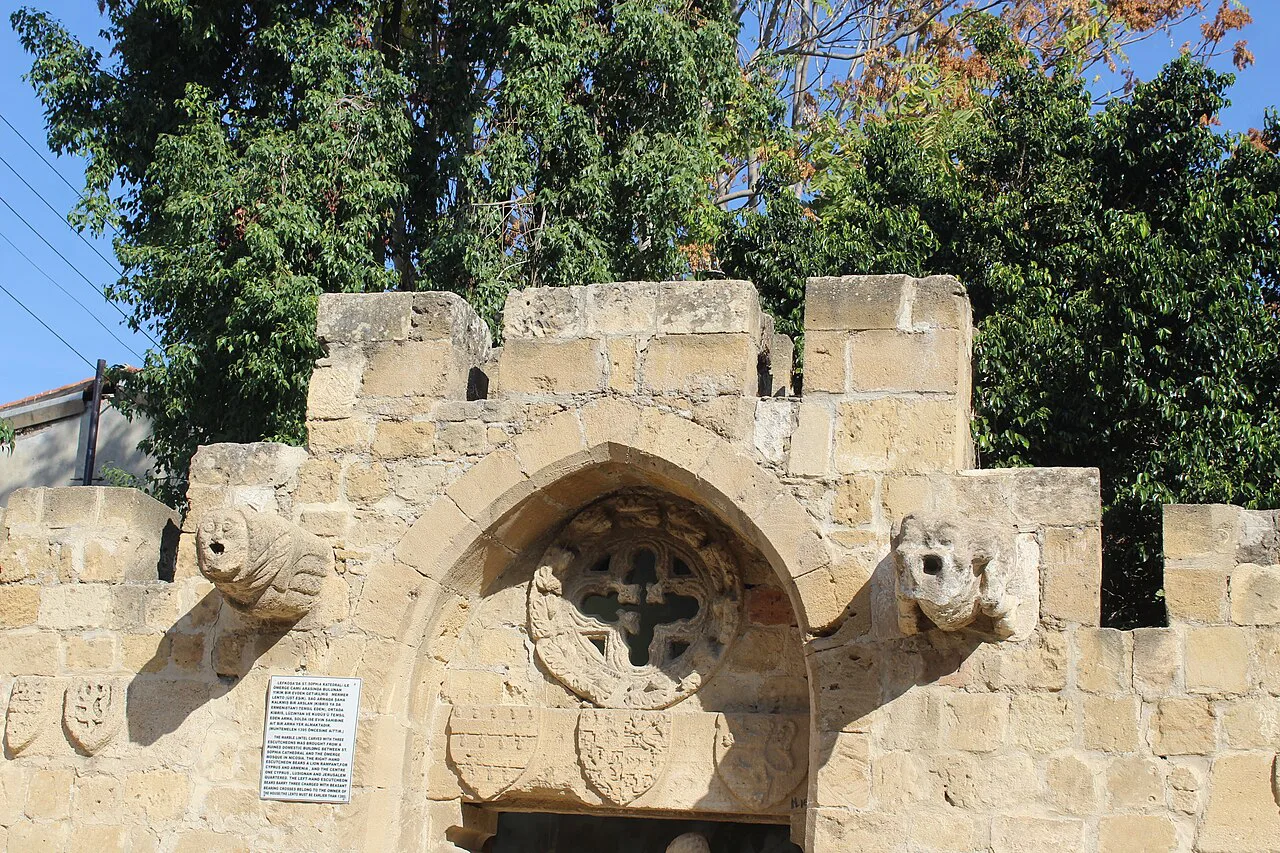
Expect carved architectural stone: capitals, column pieces, arch fragments and moulded blocks arranged in and around the medieval building. The appeal is in the detail of the carving and the way the pieces are stacked and set rather than in long labels.
Because the collection is architectural, it rewards a slow look at a few pieces rather than a room-by-room march. Look for tool marks and weathering, which tell you more about the stone than any single object.
Do not expect a large interpretative display. The museum is modest, and its charm is the contrast between the rough medieval shell and the worked stone inside.
How long to allow
Plan on 20 to 30 minutes for the museum itself, plus time to look at the building. That makes it a filler stop rather than the anchor of a day in Nicosia.
Build it into a half-day walk of the northern old city: Selimiye Camii, the Bedesten, the Lapidary Museum and Büyük Han fit comfortably together. If you are planning a broader day across both sides, the wider set of things to do in Nicosia helps you sequence the crossing.
Avoid the middle of a summer afternoon for the walking between stops. The old city lanes are exposed in places, and a morning start leaves more energy for the mosques and hans nearby.
Opening hours and entry
Opening hours, closed days and any entry charge are not given here because they change. Confirm current details with the museum or the relevant north Cyprus tourism office before you set out.
Do not assume the museum follows the same timetable as the mosques around it. Mosque visiting hours and museum hours are set separately, so check each stop in your walk.
If the museum is shut when you arrive, the surrounding quarter still justifies the walk: the Bedesten, Selimiye Camii and the lanes towards Büyük Han are all within a few minutes.
Nearby sights to pair with it
Selimiye Camii, the former St Sophia cathedral, is the dominant landmark of this quarter and the obvious first stop. Its Gothic bulk and the surrounding courtyard make a natural contrast with the small lapidary building.
The Bedesten, the covered market building beside Selimiye, is another short step away, and Haydarpaşa Camii sits close by. Together they turn the museum into one piece of a compact historic circuit.
For a change of scale, the Büyük Han caravanserai is a few minutes' walk and gives you a courtyard to sit in after the stone rooms. The wider Nicosia Attractions: 11 Visitor Guides page helps you decide what else deserves time on the same day.
Pairing it with the south of the city
Because the museum is just across the Green Line, it works well as one stop in a two-sided day. On the southern side, the Cyprus Museum holds the island's archaeological collections and gives context for the carved stone you have just seen.
Also within the southern old city are the Archbishop's Palace and the Byzantine Museum, both a short walk from the Ledra Street crossing. Pick one or two rather than trying to cover everything in a single day.
If you approach the old city from the south, the Famagusta Gate is one of the historic entrances through the Venetian walls and a useful orientation point before you cross.
Is the Lapidary Museum worth the stop?
Yes, if you are already walking the northern old city. It is a small, atmospheric stop that adds texture to a circuit of Selimiye Camii, the Bedesten and Büyük Han, and it asks little of your time.
No, if you are choosing between this and a major collection on a short visit. In that case, put the Cyprus Museum or the Byzantine Museum first and treat the lapidary as a bonus when you cross.
Either way, check the museum's current opening arrangements before making the crossing, and build the rest of your day around the mosques and hans that are open regardless.