
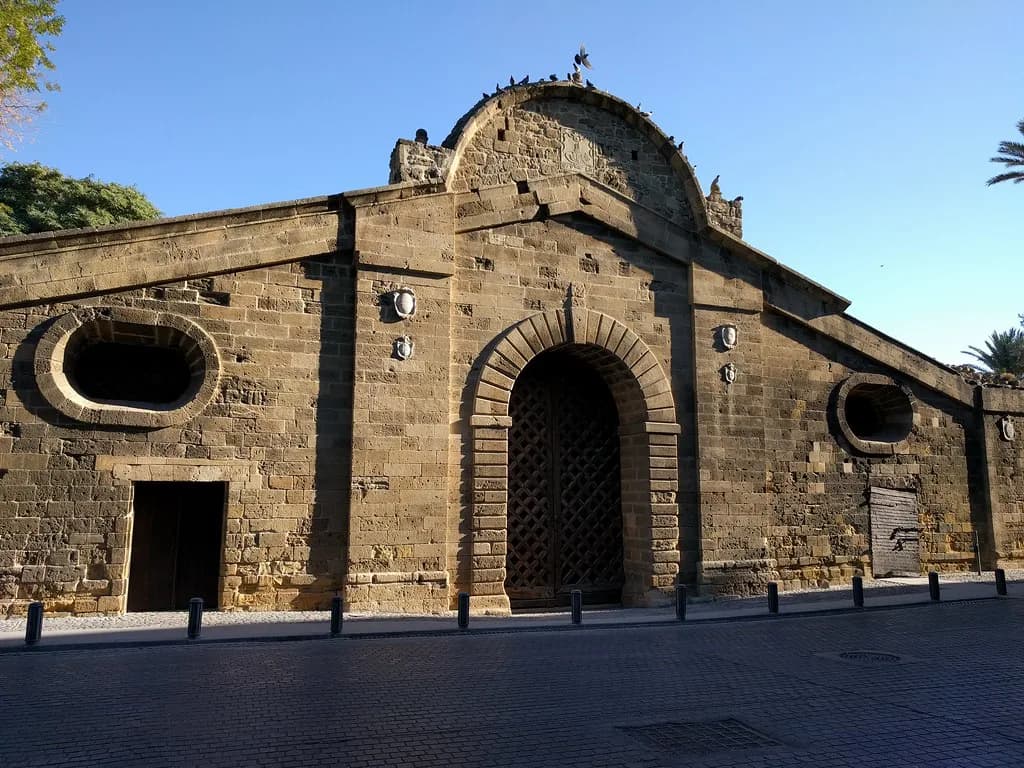
Famagusta Gate: Nicosia's Venetian Eastern Gate
Famagusta Gate is one of the three original gates cut through Nicosia's 16th-century Venetian walls, standing on the eastern side of the old town and named for the road that led out towards Famagusta. Allow 20 to 30 minutes for the arch, the stonework and the moat, or longer if an exhibition or performance is running inside. This guide covers where the gate sits, how to reach it on foot, what you are actually looking at and which old-town sights sit within a short walk, and you can plan around the wider set of Nicosia Attractions: 11 Visitor Guides.
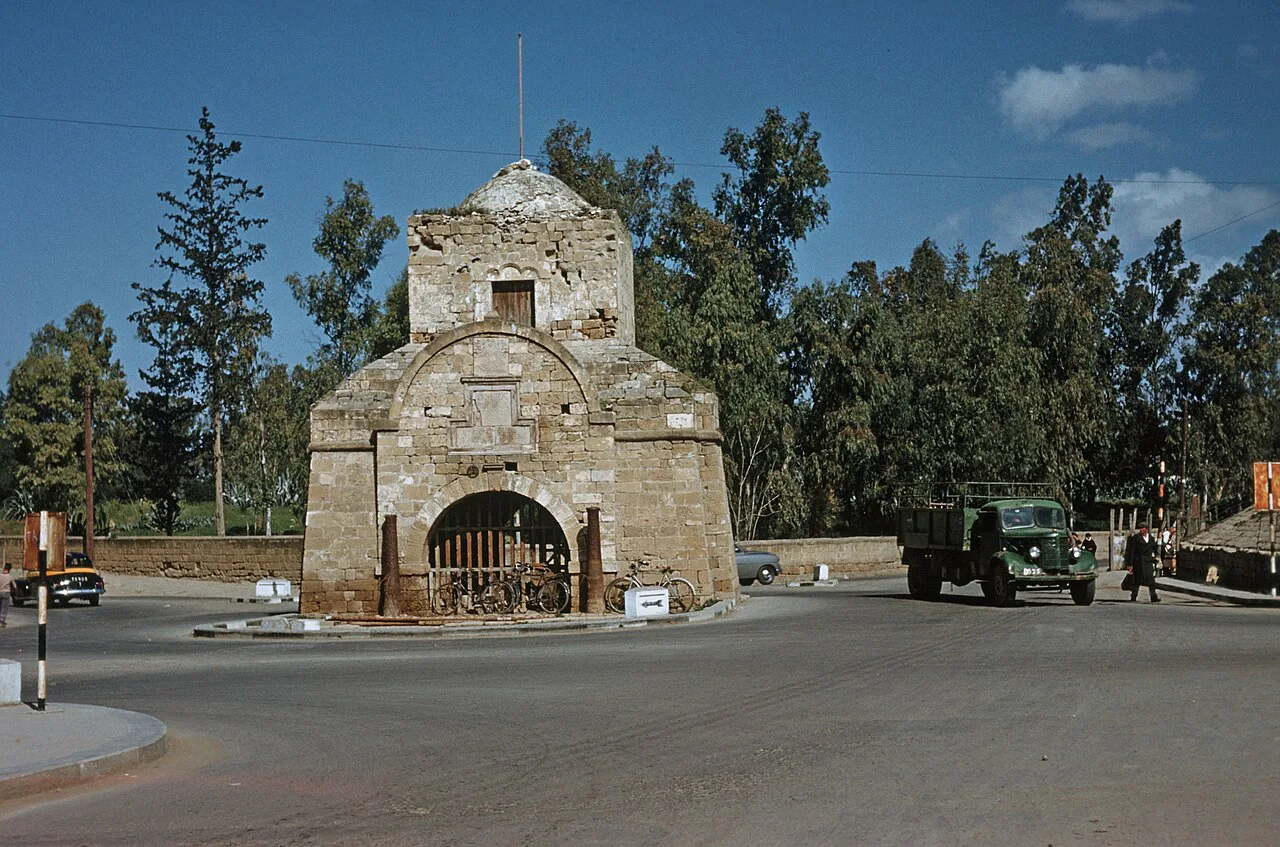
The gate has had three lives, and knowing them makes the visit more than a photo stop. It began as part of the Venetian defences, served as a warehouse during British colonial rule from 1878 to 1960, and now operates as a cultural venue for exhibitions, concerts and other events.
What Famagusta Gate actually is
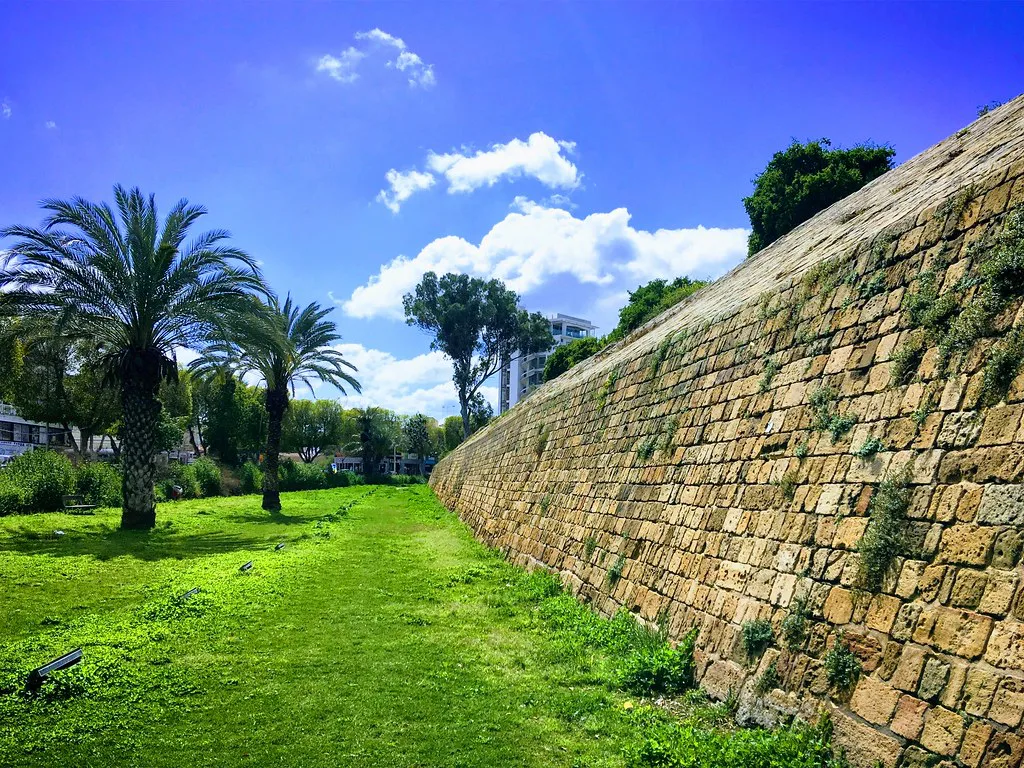
The Venetians built Nicosia's walls in the 16th century as a ring of fortifications around the old city, and three gates controlled the traffic in and out. Famagusta Gate was the eastern one, which is why it carries the name of the town on the far side of the island rather than a local one. The walls themselves are worth seeing in their own right: The Venetian Walls of Nicosia.
The gate was originally called Porta Giuliana, after Giulio Savorgnano, the architect responsible for the Venetian walls of Nicosia. That detail is worth holding on to: the gate is a piece of Renaissance military engineering first and a monument second, and the design decisions make more sense once you see it that way.
In the Venetian period this was the main entry and exit point for the city, which is easy to picture once you stand in the passage. Traders, troops and residents all passed through here on their way in and out of the walled town.
Where it sits in the old town
The gate is on the eastern edge of the old town, set into the line of the walls and close to the Laiki Geitonia quarter. Because it is part of the fortification ring rather than a standalone building, the most natural approach is along the walls themselves rather than through the middle of the shopping streets.
On foot from the central old town, the gate is a straightforward walk east, and it makes a sensible starting point for following the walls round to other bastions and gates. Walkers who string the gate into a full circuit should budget a couple of hours for the walls as a whole, with the gate as one stop rather than the destination.

How to get there without a car
Central Nicosia is compact enough that the gate is best reached on foot, and it is easily accessible by walking from many parts of the old town. Coming from the main shopping streets near Ledra Street, Nicosia, head east through the old quarter and you will meet the wall line and the gate.
If you are crossing into the north of the city, note that Nicosia is split by the Green Line and border procedures are a separate matter from this sight. Treat the gate as part of a south-side old-town walk and plan any crossing as its own step with your passport to hand.
What to look for once you are there
The arched entrance is the first thing to study: the span, the cut stone and the way the passage funnels inwards all show a structure built to be defended. Beyond the arch, the vaulted interior gives a sense of how the gate once controlled movement into the city.
Outside the gate, the moat formed an extra layer of defence around the walls, and it is still legible in the ground around the structure. Looking at the gate together with the moat explains the defensive logic far better than the gate alone.
The gate is also a working cultural venue, hosting art exhibitions, theatre productions and music performances inside its walls. Check what is on before you travel if you want to catch something; otherwise, the architecture is the main event.
How long to allow
For most visitors the gate itself is a short stop: 20 to 30 minutes covers the arch, the passage and a look at the surrounding walls and moat. Photographers and anyone reading the interpretive material will want a little longer, but this is not a half-day sight on its own.
If an event is running, the visit stretches accordingly, so build flexibility into your day rather than locking the gate into a tight schedule. Because the gate functions as a cultural centre with exhibitions, concerts and other events through the year, the programme varies and is worth checking in advance.
Nearby sights worth pairing with the gate
The Leventis Municipal Museum is within walking distance and covers Nicosia's history in depth, which makes it a natural follow-on if the gate has whetted your appetite for the city's past. The Archbishop's Palace, tied to the Cypriot Orthodox Church, is also close by for anyone following the religious and political thread.
The Laiki Geitonia district nearby is the place for local crafts and a coffee between stops, and it sits naturally on a walking route back towards the centre. For a wider view of what else is in the old town, the Cyprus Museum rewards a longer visit with its collections from the Neolithic to the Byzantine era.
Across the Green Line in the north, the Selimiye Mosque began life as the Gothic Cathedral of Saint Sophia before its conversion, and Büyük Han is a 1572 Ottoman caravanserai now used for shops, art and food. Both are a realistic add-on if you are spending the day in the old town and have your passport with you.
If you are building a wider plan for the city, the broader list of things to do in Nicosia helps you slot the gate into a day that also covers markets, walls and museums.
Practical points before you go
Famagusta Gate now operates as a cultural venue: exhibitions, concerts and other events take place here through the year, with the programme varying rather than fixed far in advance. If a specific exhibition or performance is the reason for your visit, check the current programme and how to get in before you set out.
Is Famagusta Gate worth the walk?
Yes, if you are already exploring the old town and want to understand the walls as defences rather than scenery. It is a 20- to 30-minute stop that pays off best when combined with a walk along the walls and a museum or two nearby, not as a standalone outing.
Pair it with Ledra Street for the shopping and the Green Line checkpoint, then head north for Selimiye Mosque and Büyük Han if you have the time and your passport. The gate then becomes the eastern anchor of a full day in Nicosia rather than a detour.
Explore more Nicosia guides
Frequently Asked Questions
Which part of Cyprus is Nicosia in?
Nicosia is the capital of Cyprus and sits inland in the centre of the island, within the Republic of Cyprus. The city is divided by the Green Line, with the old town's Venetian walls and Famagusta Gate on the southern side.
Who built Nicosia's walls?
The Venetians built the walls around Nicosia in the 16th century, and Famagusta Gate formed part of that ring of fortifications. The gate was originally named Porta Giuliana after Giulio Savorgnano, the architect of the Venetian walls.
Is Famagusta in Cyprus or Turkish?
Famagusta, known in Turkish as Gazimağusa, lies on the east coast in the part of Cyprus north of the Green Line. Famagusta Gate in Nicosia takes its name from the road that once led there, not from its location.