
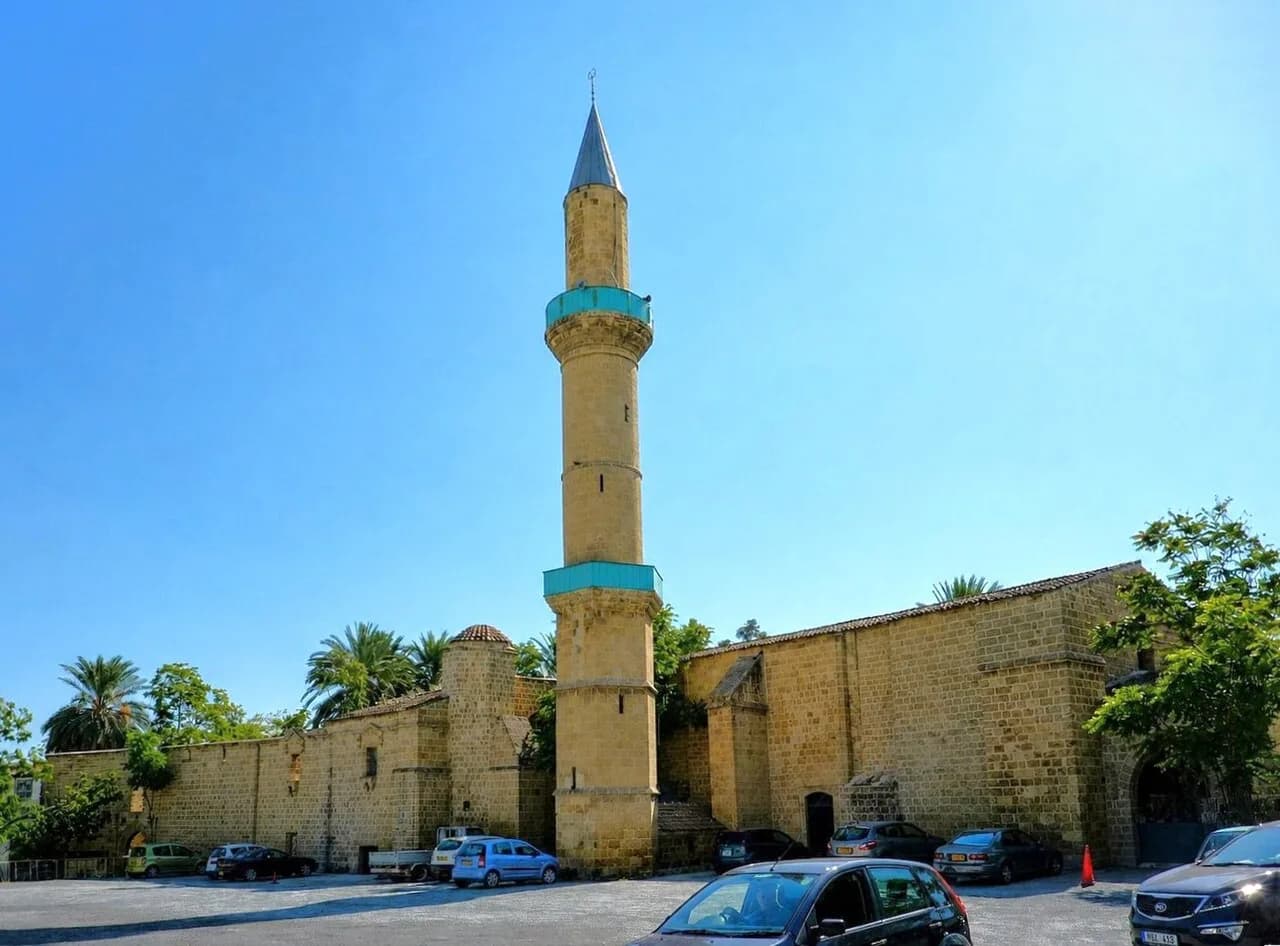
Omeriye Mosque, Nicosia: What to See and How to Visit

The Omeriye Mosque is worth 20 to 30 minutes of a walled-city walk, chiefly because it is a converted church rather than a purpose-built mosque: you read the medieval fabric and the Ottoman patching in the same room. It sits in the south of the walled city, in the Republic of Cyprus capital, and works as a stop between Ledra Street and the southern gates rather than a destination on its own.
What follows covers the building's history in brief, its position between the old Constanza and Podocataro quarters, the walk in from the crossing, what to look for inside, and the Friday prayer slot that shapes any visit. It also sets the mosque beside the other walled-city mosques and the wider set of Nicosia Attractions so you can order the day sensibly.
A 14th-century Augustinian church turned mosque
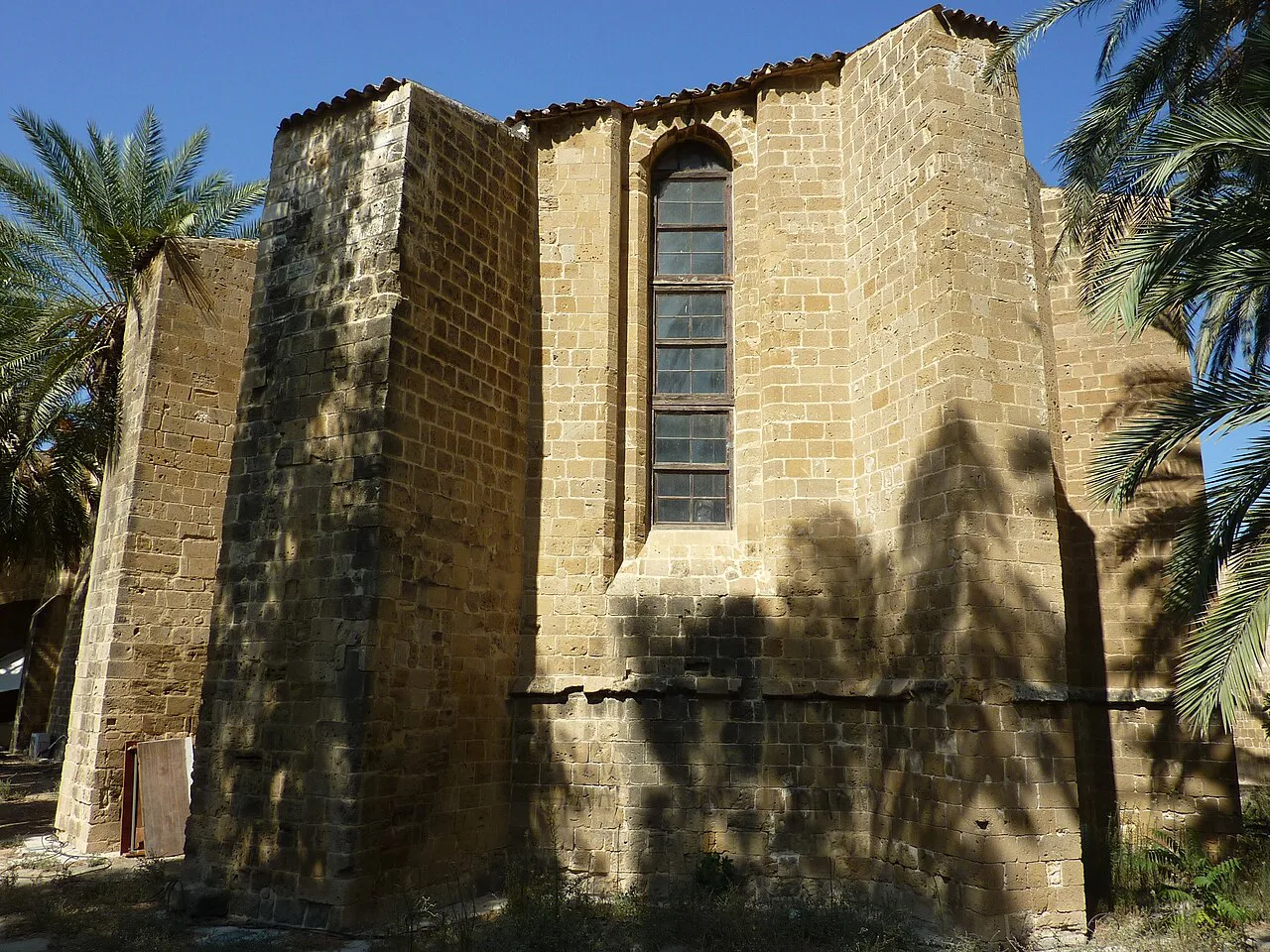
The building began as the Church of Saint Mary, belonging to a monastery of Augustinian monks and dating to the 14th century. In 1570 the church stood close to the south of the city between the Constanza and Podocataro quarters and took the full force of the bombardment, which shot the structure away down to the level of the window sills.
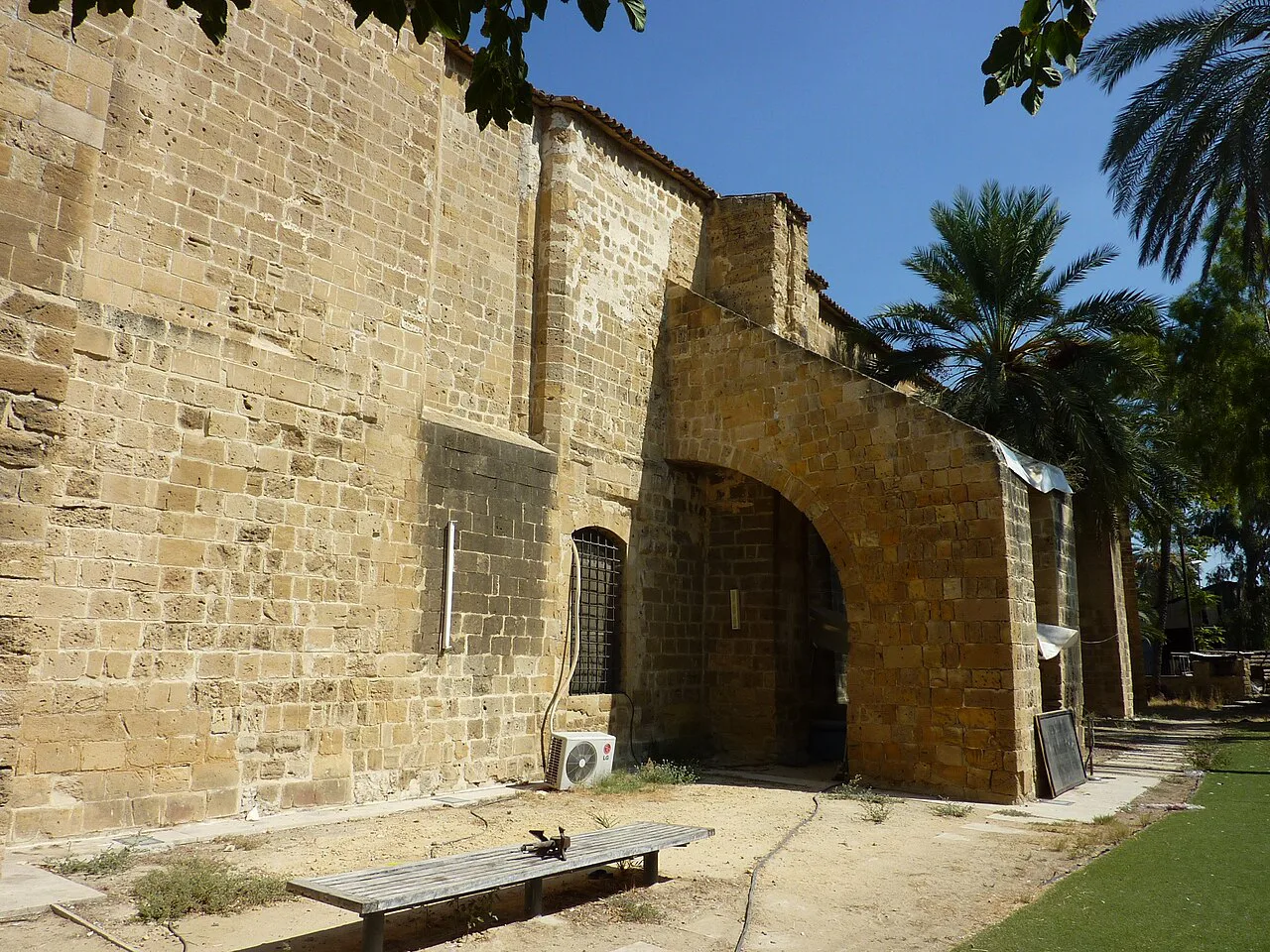
The surviving side walls were afterwards reused as a mosque, with the area of the church covered by a plain wooden roof carried on pointed arches in the style of the local bazaar. The mosque's recorded construction date is 1571, a year after the bombardment, and it stands today in the south section of the walled city and functions as a mosque open to worshippers and visitors.
The monastery ruins were still visible into the 17th century, and enough of the original church survives to give an idea of its architectural character despite the loss of the upper building. The minaret carries two galleries, an unusual detail that marks it out from the slender single-balcony minarets elsewhere in the old town.

Where the mosque sits in the walled city
The mosque is in the southern half of the walled city, in the area once occupied by the Constanza and Podocataro quarters. That places it south of the main commercial spine and within easy walking distance of the southern Venetian walls, so it fits naturally into a loop that starts at the crossing and works south.
Use the minaret as your marker when you approach on foot, since the lanes in this quarter bend and the street frontage is modest. The lanes around it are residential and small-scale rather than monumental, which is part of the appeal after the crowds around the crossing.

Walking in from Ledra Street and the crossing
From the Ledra Street crossing area, walk south through the pedestrian lanes; the mosque is a straightforward on-foot stop and needs no transport. Ledra Street is the natural starting point because it is the best-known pedestrian route through the old town and the point where most visitors arrive from the south; the Famagusta Gate is on the eastern edge of the circuit if you want to extend the walk.
Allow 10 to 15 minutes of walking from the Ledra Street area, more if you stop at the shopfronts along the way. If you come by car, park outside the Venetian walls and walk in, because the lanes inside the circuit are narrow and one-way and parking in the quarter is limited.
Travellers coming from the north side cross on foot with a passport; hire cars normally cannot cross, so plan to continue on foot. For a wider choice of old-town stops on the same walk, see things to do in Nicosia.
What to look for inside
Look first at the side walls: the lower fabric is the medieval church, cut off at sill height, so the proportions of the room are those of a Gothic church rather than a purpose-built mosque. Above it, the plain wooden roof on pointed arches reads as a local carpentry solution rather than an imperial Ottoman design.
The minaret with its two galleries is the exterior feature to note, and it is best seen from a little distance down the lane rather than from the entrance. Inside, the prayer hall is a working space, so keep to the edges and avoid walking in front of anyone praying.
The Omar legend behind the name
The name comes from a legend that the Caliph Omar visited Nicosia on his way from Damascus to Egypt and lodged in the porch of a ruined church. When Mustapha, the Ottoman general, heard the story in 1570, he identified the Augustinian church and its porch as Omar's lodging, and the mosque instituted there took the name Omerie.
Treat the story as foundation legend rather than documented history: it explains the dedication, not the building. The architectural evidence, the 1570 demolition and the reuse of the walls, is the more reliable way to read the site.
Visiting as a non-Muslim: prayer times and timing
The mosque holds Friday prayers from 12:30 to 13:30, so time a look round outside that hour if you want to see the building without disturbing worship. For any other day, ask at the entrance on the day rather than assuming a fixed visitor window.
Dress modestly, with shoulders and knees covered, and remove shoes at the threshold as you would at any working mosque. Outside Friday prayer time the visit is short enough to slot between other old-town stops.
The mosque functions permanently for services and welcomes both worshippers and visitors, so it is not a ticketed attraction with a set circuit. Treat it as a place of worship you are a guest in.
How long to allow and how it fits a walled-city walk
Give the mosque 20 to 30 minutes including the approach, and build the rest of the walk around it rather than the other way round. A comfortable half-day in the walled city pairs it with the Selimiye Mosque and the Büyük Han to the north, then continues across the Green Line on foot at Ledra Street with your passport for the northern old town.
The Venetian Walls of Nicosia are the other anchor of the circuit: walk a stretch of the southern ramparts before or after the mosque, then finish at Famagusta Gate on the eastern edge of the circuit. The full loop on foot takes most of a morning without rushing.
Nearby in the old town
The Selimiye Mosque to the north, formerly the Cathedral of Saint Sophia, is the best-known of the walled city's converted places of worship and the obvious companion visit. The Bayraktar Mosque is another named mosque inside the walls, so the Omeriye fits into a short mosque-focused walk rather than a single-stop outing.
The Cyprus Museum holds the island's archaeological collections and the Byzantine Museum covers the Orthodox art tradition, giving a useful counterweight to the Ottoman layer of the old town. Both make a natural pairing with the mosque on a longer day in the city.
The Lapidary Museum in the old town keeps a small collection of carved stonework and is an easy add-on if the Omeriye leaves you wanting more of the medieval fabric. The Archbishop's Palace and the Nicosia municipal garden suit a longer day rather than a short walk.
Is the Omeriye Mosque worth the detour?
Yes, if you are already walking the southern walled city: the reused medieval walls and the two-gallery minaret give you something you will not see in a purpose-built mosque, and half an hour covers it. Skip it if your day is built around the northern old town alone, and give the hour to the Selimiye Mosque instead.
Time your visit outside the Friday 12:30 to 13:30 prayers, dress for a working place of worship, and pair it with the Venetian walls for a morning that stays on foot. Both stops sit within a short walk of the Ledra Street crossing, which makes the loop easy to plan.
Explore more Nicosia guides
Frequently Asked Questions
Does Cyprus have mosques?
Yes. The Omeriye Mosque is one of several in the walled city of Nicosia, alongside the Selimiye, Bayraktar and Sarayönü mosques, and there are others elsewhere on the island such as the Lala Mustafa Pasha Mosque in Famagusta and the Hala Sultan Tekke in Larnaca.
What country is Nicosia in?
Nicosia is the capital of Cyprus and the seat of government of the Republic of Cyprus. The city is divided by the Green Line, with the walled city's northern section on the other side of the crossing points.
When is the mosque open to visitors?
It functions as a place of worship and is open to worshippers and visitors, with Friday prayers held from 12:30 to 13:30. Time a look round outside that hour, and ask locally on the day for other times.